 By
 November 19th, 2026
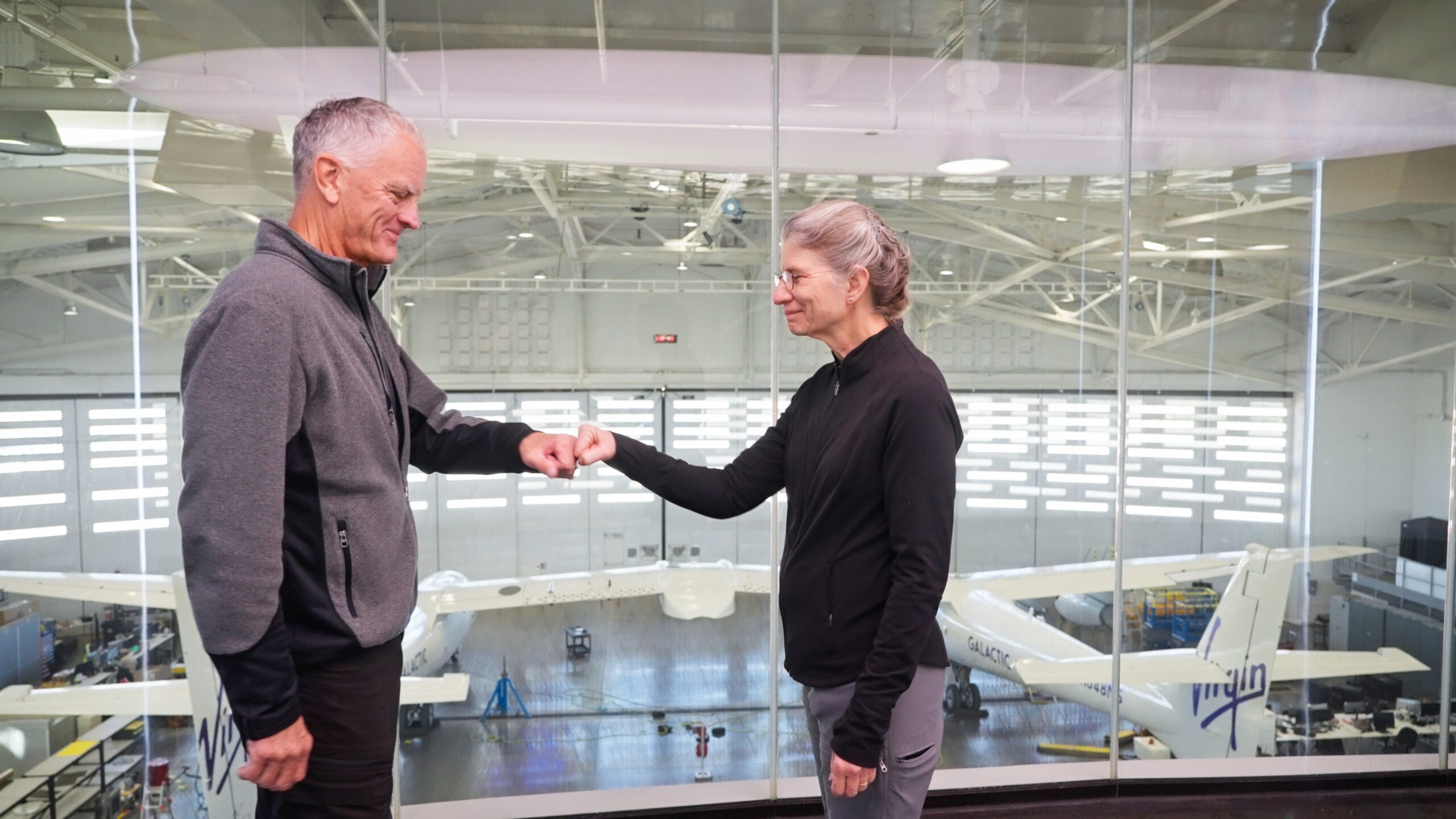
Image credit: 2026 UF/IFAS Communications
Virgin Galactic’s new suborbital Delta-class spaceship, Apeiron, will carry a human-tended plant microgravity experiment on an upcoming mission.
Onboard the spaceship, expected to fly next year, University of Florida (UF) space biologist Anna-Lisa Paul and research partner, Rob Ferl, will build upon earlier space research – but will carry out the in-flight research themselves.
Paul and Ferl will investigate specific genes that responded during previous flights to study how plants adapt in space.
The UF team’s plant experiments first flew with Virgin Galactic autonomously, with onboard cameras capturing fluorescent responses in the plants at different stages of flight.
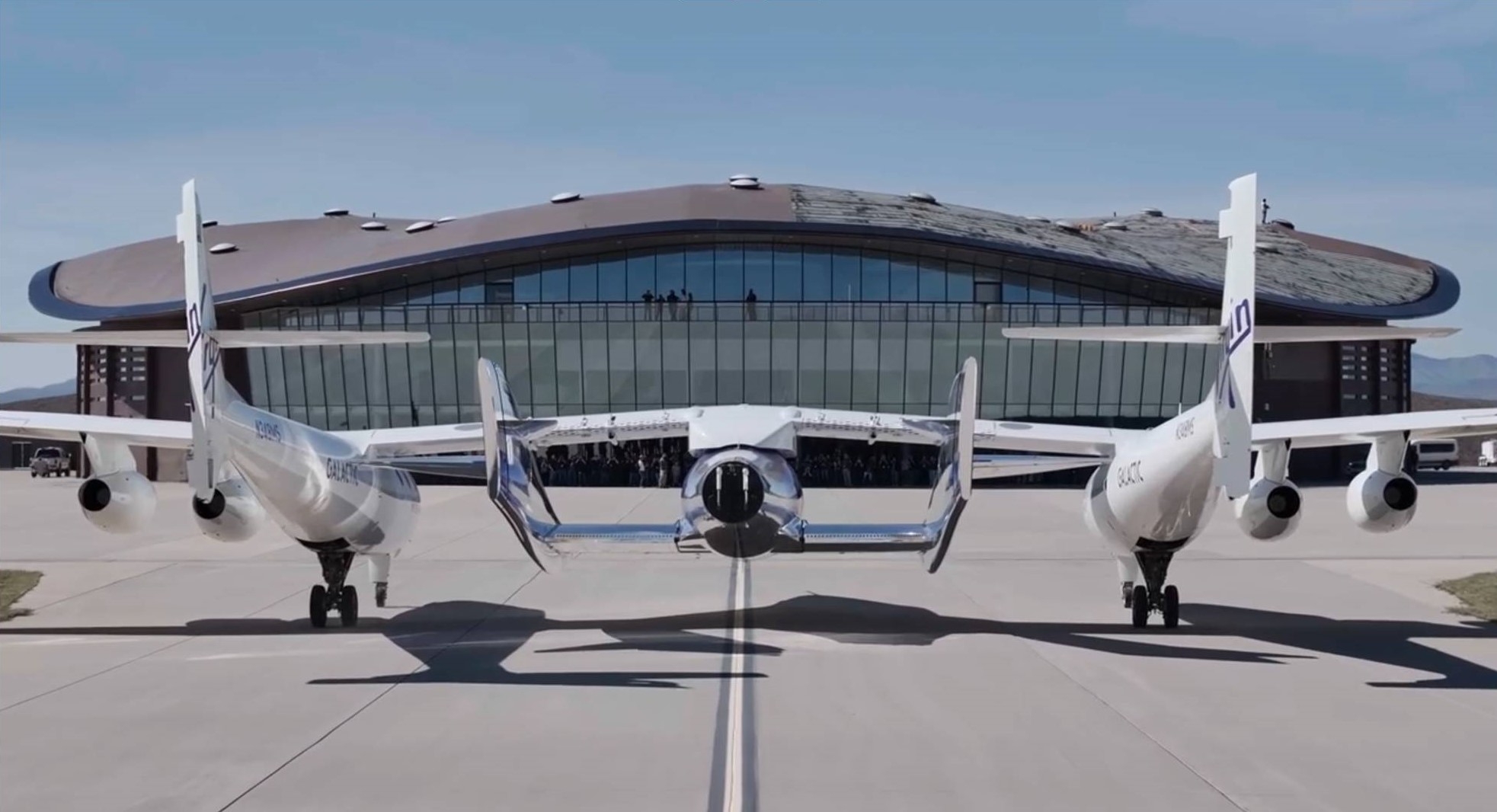
Arrival at New Mexico’s Spaceport America.
Image credit: Virgin Galactic/Inside Outer Space screengrab
Suborbital space lab
In 2021, a company mission specialist on Virgin Galactic’s Unity 22 mission tended an experiment in the cabin, collecting and preserving plant samples throughout the flight.
“For the Apeiron mission, Paul and Ferl will focus on some of the genes that responded during previous flights, while exploring how multiple university scientists can work together effectively in the spacecraft environment,” states Virgin Galactic.
“Anna-Lisa and Rob’s research has flown with us before, and this time they will be flying to conduct it themselves,” said Mike Moses, president of Spaceline at Virgin Galactic.
“Apeiron is designed to serve as a suborbital space lab,” adds Moses, “with frequent, repeatable access to high-quality microgravity, so scientists can fly, learn and fly again.”
Virgin Galactic expects Apeiron, which arrived in New Mexico in late October 2026, to enter commercial service early in the second quarter of 2027.
Paul and Ferl are scheduled to fly on one of the early research missions.

Image credit: Virgin Galactic
The Virgin Galactic project is funded by NASA’s Division of Biological and Physical Sciences, working with NASA’s Flight Opportunities program.
Go to this informative video at:
 Posted in Space News

