 By
By  July 20th, 2016
Credit: Viking Mars Missions Education & Preservation Project (VMMEPP).
Four decades ago, NASA’s Viking Mars program scored nail-biting, back-to-back successes by becoming the first U.S. robotic missions to land safe and sound on the Red Planet and return images of the Martian landscape.
It was a momentous moment in time.
Like today’s robotic explorers, but decades ago, Viking scientists packed up their troubles, cares and woes to ask: Is there life on Mars?
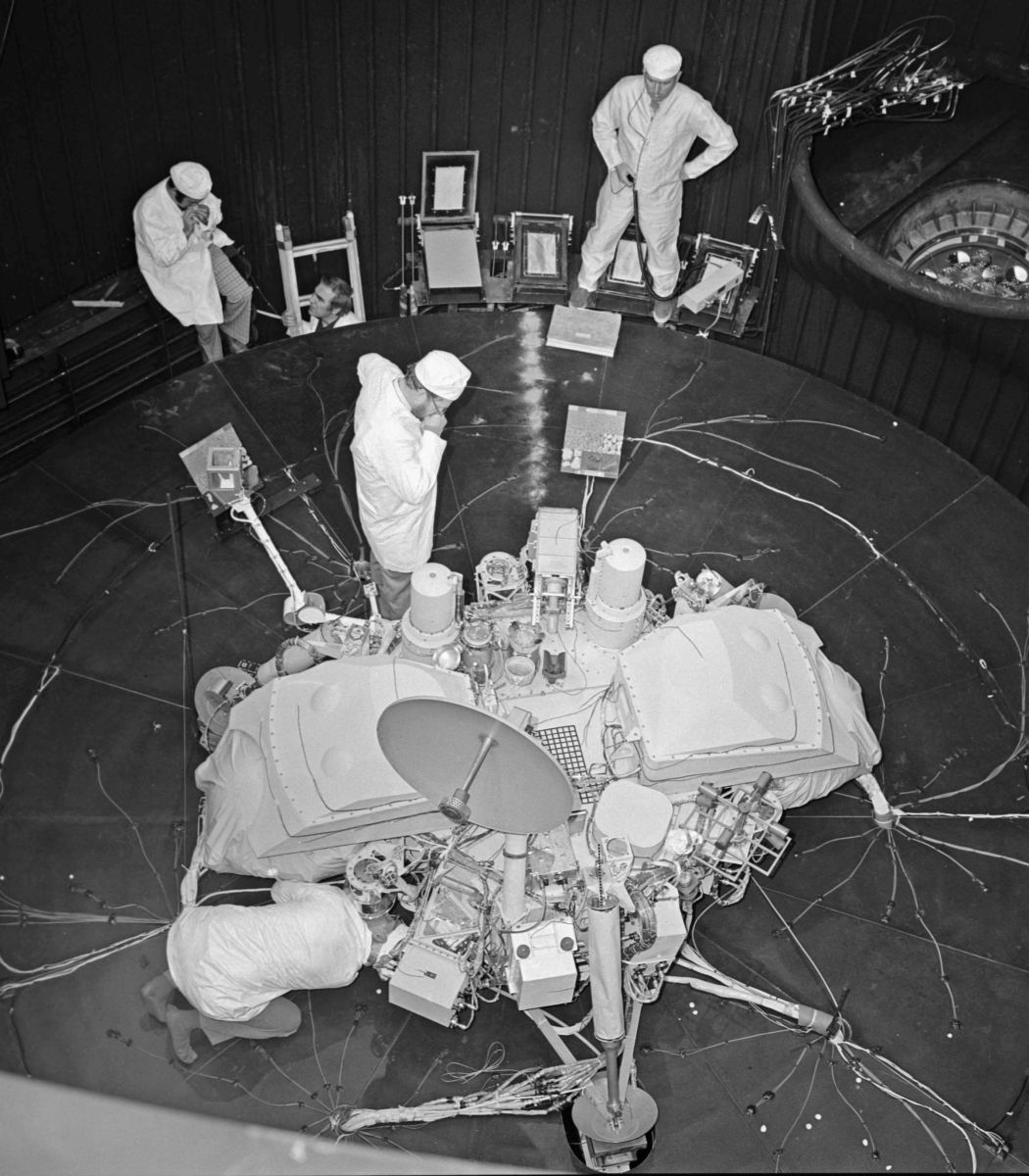
NASA’s two Viking landers were designed and built by Martin Marietta (now Lockheed Martin) at its facility near Denver. This image shows some Martin Marietta employees in a Viking lander test center.
Credit: Lockheed Martin
Twins to Mars
Twin spacecraft missions — each consisting of a lander and an orbiter – made their way to Mars and into the history books.
The Viking 1 lander stretched its legs down into the terrain of Chryse Planitia on July 20, 1976, with the Viking 2 lander touching down months later at Utopia Planitia on September 3.
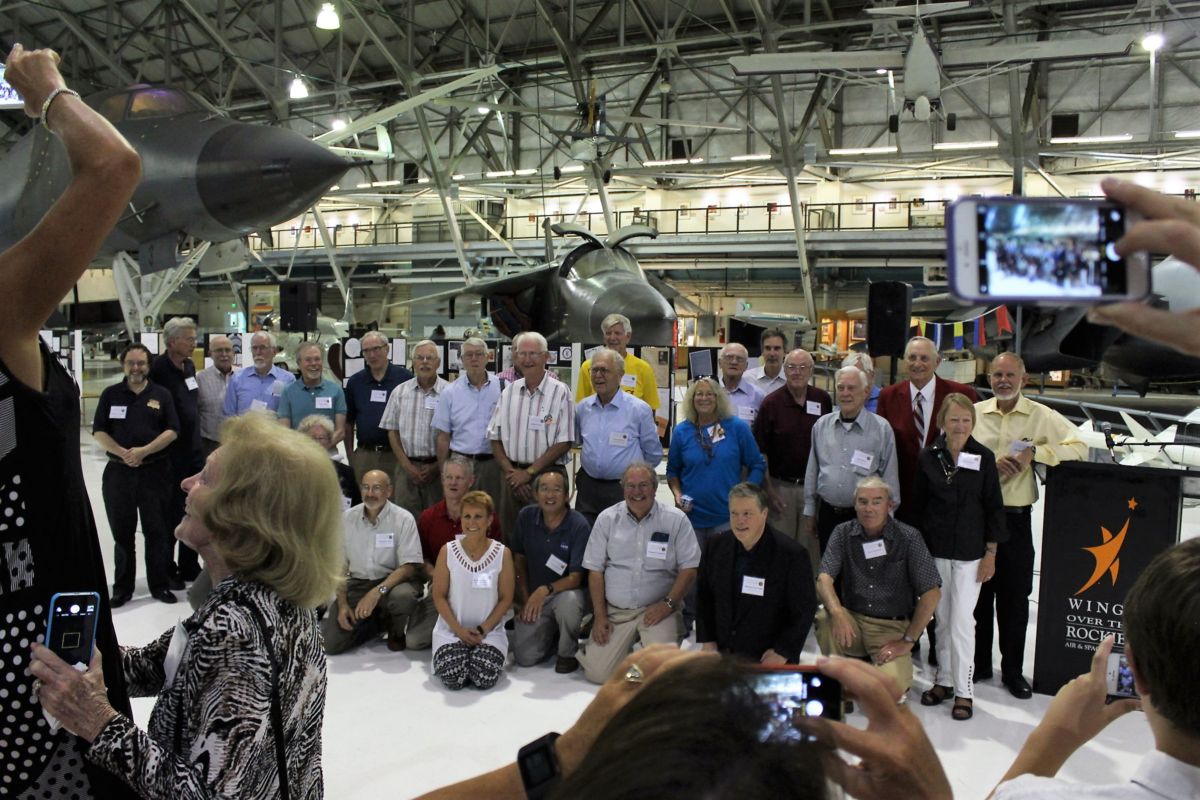
Veterans of Viking: July 16 event at the Wings Over the Rockies Air & Space Museum in Denver, Colorado, organized by the Viking Mars Missions Education & Preservation Project and sponsored by Lockheed Martin in partnership with The Space Foundation and the museum.
Credit: Barbara David
Personal sagas
Viking-era scientists, engineers and former student interns recently joined together in a special salute to the past and share personal sagas about their daring, individual encounters with the Red Planet.

The first photo from the surface of Mars shows one of the Viking 1 lander’s footpads.
Credit: NASA/JPL
To read the full story, go to my new Space.com story:
Viking on Mars, 40 Years Later: Reflections on Pioneering the Red Planet
www.space.com/33481-viking-mars-landing-40-years-anniversary.html
 Posted in Space News

