 By
By  March 17th, 2026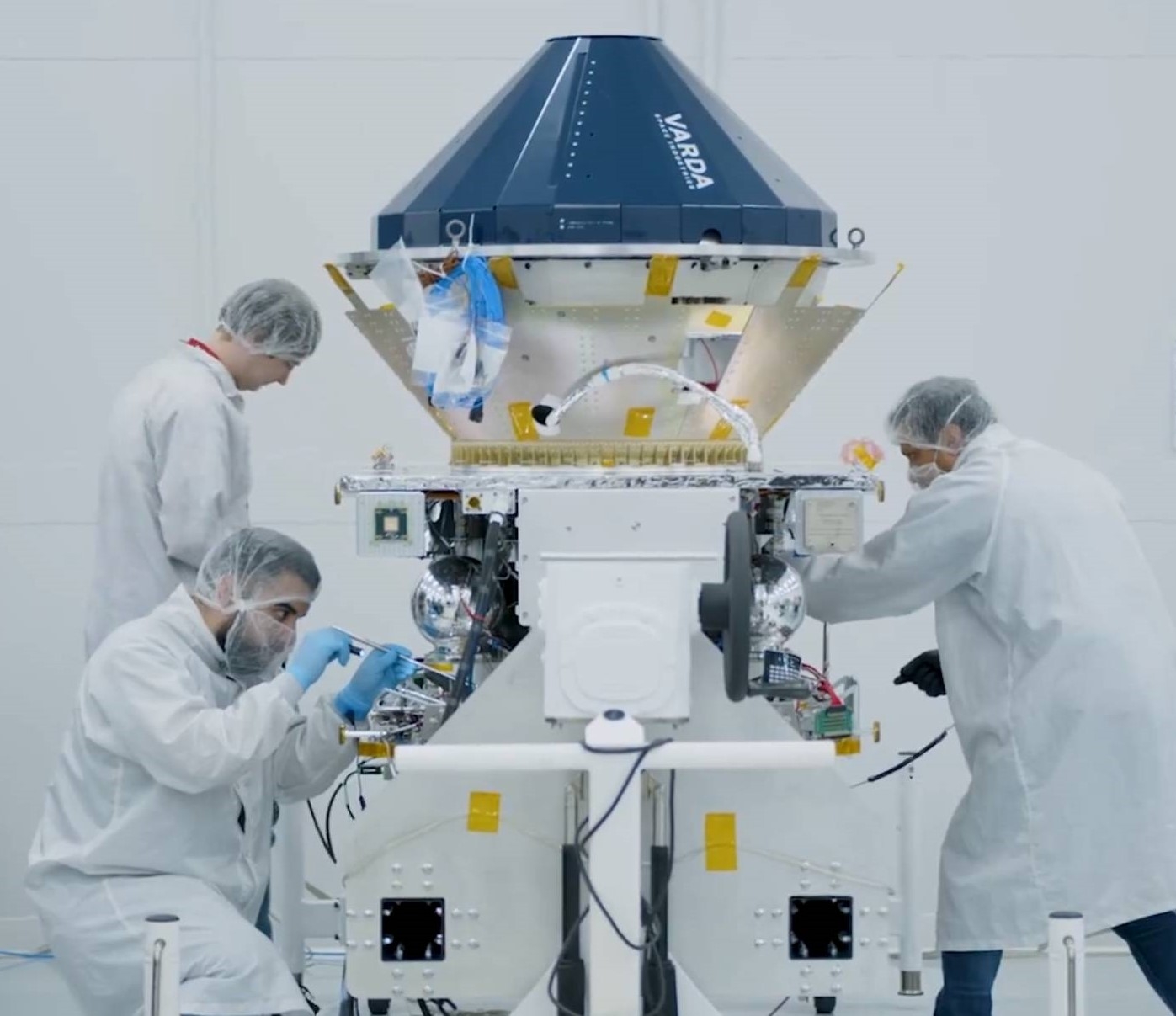
Pre-launch photo shows technicians working on the Varga capsule-mounted spacecraft.
Image credit: Rocket Lab
There has been a streamlining of all launch and reentry licensing announced by the Federal Aviation Administration (FAA).
Those commercial space license approvals will now occur under the Part 450 rule, which consolidates four old rules into one. It provides more flexibility and more methods of compliance, reducing the administrative and cost burdens on industry and the FAA.
In a March 17 FAA statement, the organization issued the Part 450 rule during the first Trump administration as commercial space operations started to rapidly grow. For five years, the old and new regulations were in effect simultaneously to provide a transition period for operators to obtain a Part 450 license.

Image credit: SpaceX
Part 450 reduces the number of times an operator needs an FAA license approval and allows one license for a portfolio of operations, different vehicle configurations and mission profiles, and even multiple launch and reentry sites.
Operators that transitioned legacy licenses by the March 9, 2026, deadline include: Blue Origin’s New Shepard, Firefly Aerospace Alpha booster, SpaceX Falcon 9 / Falcon Heavy and Dragon, Rocket Lab’s Electron, and United Launch Alliance Atlas and Vulcan boosters.
The FAA has issued 14 Part 450 licenses since the rule took effect in March 2021. To view all licenses, go to:
 Posted in Space News

