 By
By  December 13th, 2017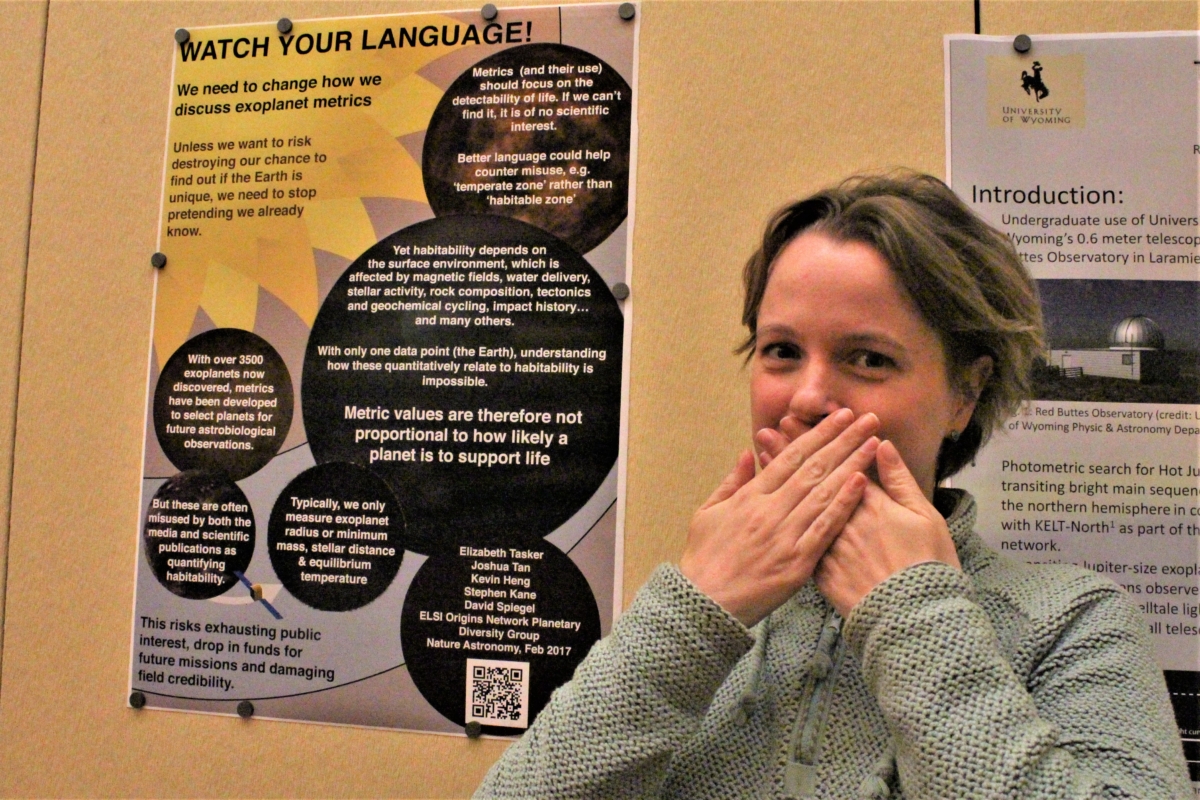
Talking exoplanets? Better watch what you say advises Elizabeth Tasker, solar system scientist.
Credit: Barbara David
The fine art of exoplanet detection is on the upswing, perhaps at the cusp of a watershed moment in detecting life on other worlds. Ground and space-based telescopes have been busy plumbing the depths of space to find and confirm over 3,500 planets are circling their parent stars. For sure, that number is destined to grow.
Indeed, the discovery of extrasolar planets with similar radii and mass to the Earth has opened the door to scientific debate about the probability that such worlds may well be habitable.
Cautionary flags
Revelations like these stir up overtones of “most habitable” planet or “Earth’s twin” and spark lots of headlines in the last few years. However, the reality is that we have no way to quantitatively assess a planet’s ability to support life.
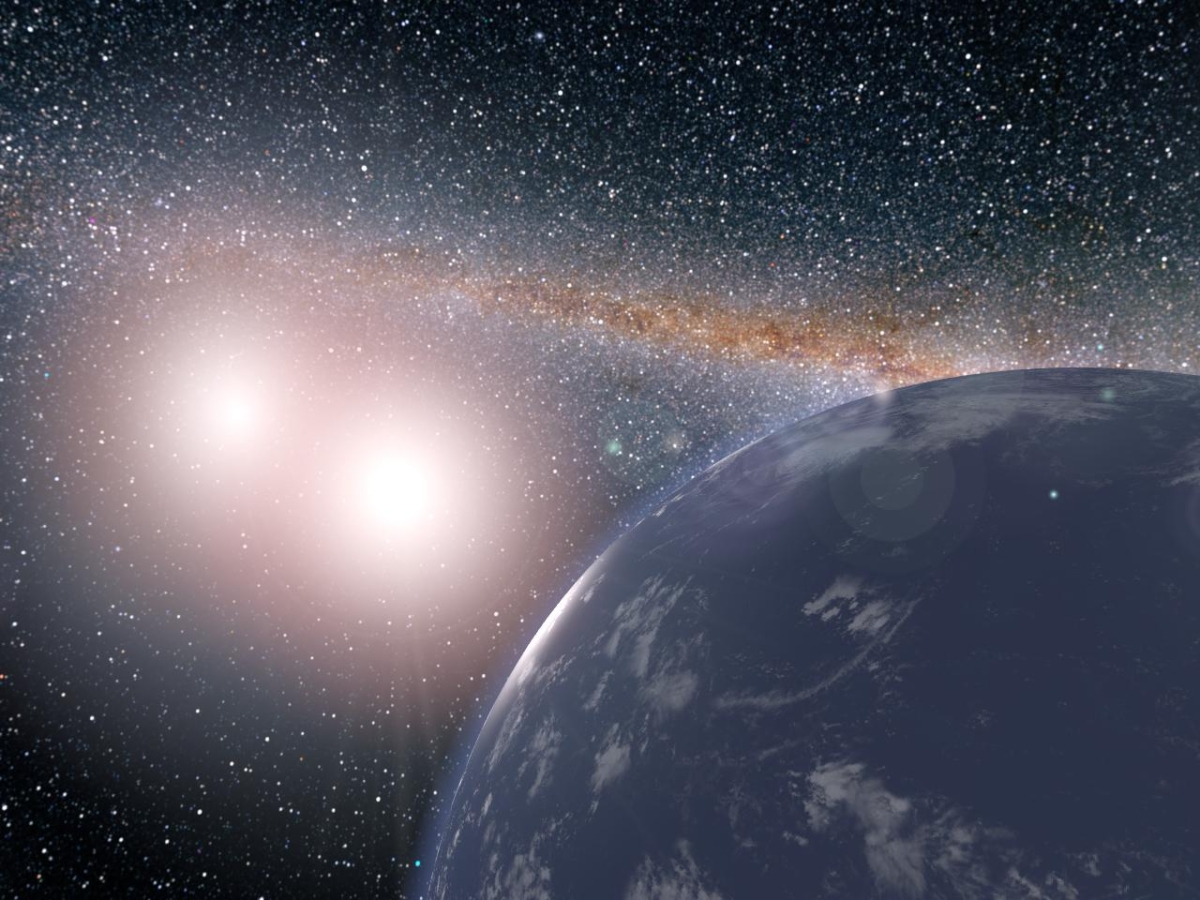
A hypothetical planet covered in water around the binary star system of Kepler-35A and B is depicted in this artist’s view.
Credit: NASA/JPL-Caltech
That is one of several cautionary flags tossed into the air by Elizabeth Tasker, an associate professor in the Department of Solar System Sciences for the Japan Aerospace Exploration Agency and its Institute of Space and Astronautical Science.
What’s her beef? Check out my new Space.com story at:
Earth-Like Planet? Not So Fast — Scientist Says to Watch Your Words
By Leonard David, Space.com’s Space Insider Columnist
December 13, 2017 07:30am ET
https://www.space.com/39075-habitable-alien-planet-watch-your-words.html
 Posted in Space News

