 By
By  March 7th, 2024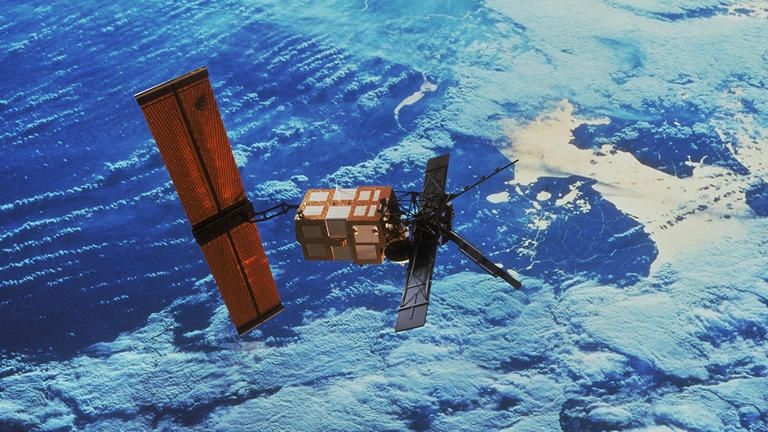
Image credit: ESA
There is residual fallout from the recent nosedive to Earth of the European Remote Sensing satellite, ERS-2.
Following its launch in April 1995, ERS-2 ran for nearly 16 years of observing the Earth. On February 21, the uncontrollable 2.3 ton spacecraft plowed through the Earth’s atmosphere to its demise in ocean waters.

During the uncontrolled fall of space hardware, seconds and minutes count. They can add up to de-orbiting riff raff plunging into isolated ocean waters or reaching land.
(Image credit: The Aerospace Corporation/Center for Space Policy and Strategy)
Cruise ship diversion
It was likely that parts of the ERS-2 did survive the reentry.
To that point, there was a reported ERS-2 debris-related warning issued to a Princess Cruises ship carrying 2,200 passengers. The prospect that odds and ends might fall into the area the pleasure boat was set to cross, en route to Port Luis, Mauritius, the ship steered clear of the area, taking a different course.
The willy-nilly nature of an out-of-control satellite raining down chunks of hot leftovers over inhabited landscape is cause for the willies, say experts.
But there’s more, as I discuss in my new Space.com story – “Big, dead satellite’s crash was a space-junk wakeup call, experts say” – at:
https://www.space.com/ers-2-satellite-crash-space-junk-wakeup-call
 Posted in Space News

