 By
By  February 15th, 2026
The number of objects in orbit has surged over the past two decades, driven largely by the expansion of commercial space activity.
This critical orbital infrastructure is under threat. Congestion from space debris is rising, creating a strategic vulnerability for the entire planet.
Without mitigation, the probability of a serious collision occurring by 2032 is potentially 29% in certain altitude zones.
Those are a few observations by a new report — Clear Orbit, Secure Future: A Call to Action on Space Debris — from the World Economic Forum and the Center for Space Futures. They have jointly led several community consultations to assess the escalating risk and economic cost of space debris, particularly the growing collision risk it presents over the coming decade.
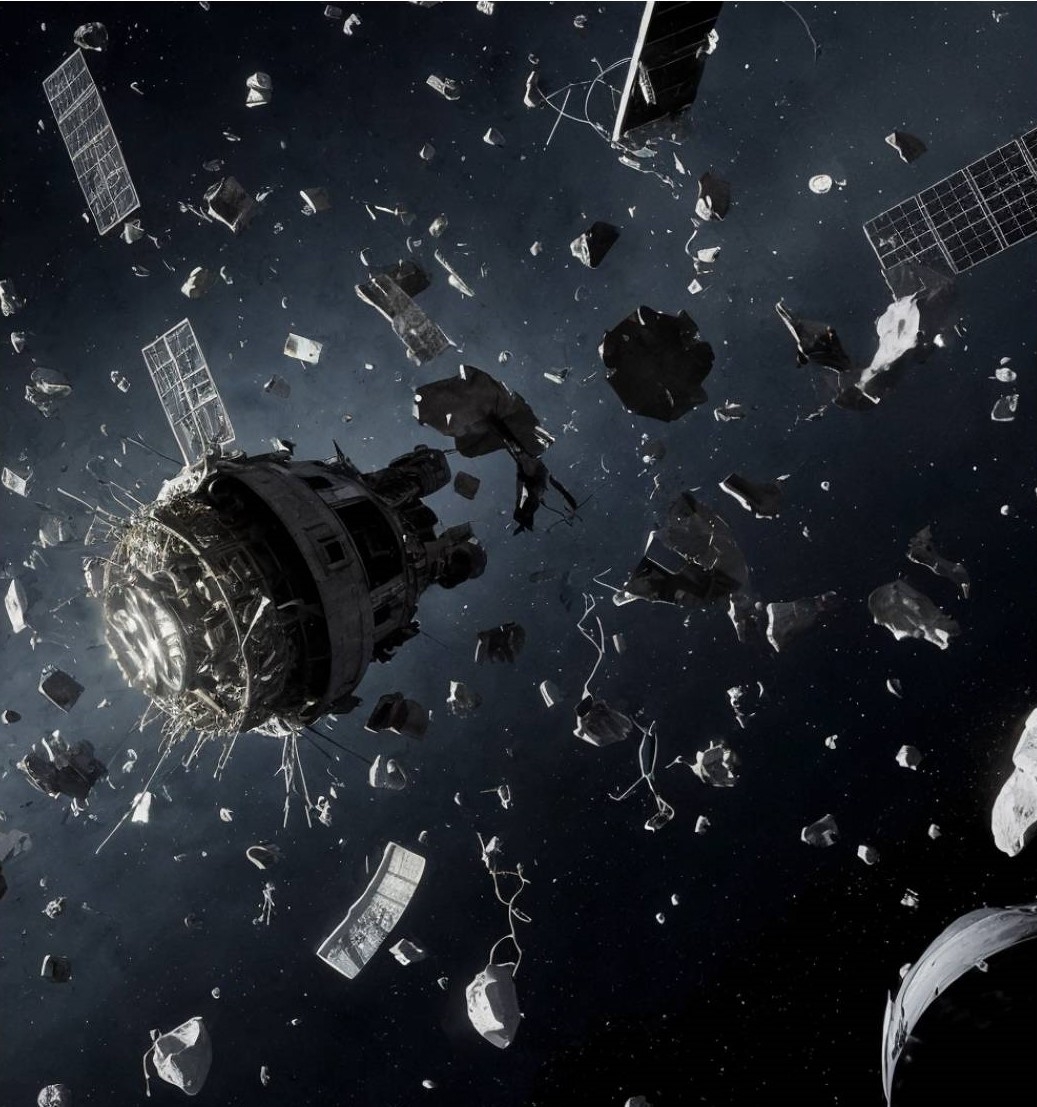
Image credit: World Economic Forum/Center for Space Futures
Economic forecast
The report is a product of a close collaboration with the Saudi Space Agency and LeoLabs to develop an orbital population model, and with Novaspace to produce an economic forecast that quantifies the potential economic impact of space debris on the global space economy.
The new forecast projects that space debris could impose a direct cost of up to $42.3 billion over the next decade, a “hidden tax” on the space economy.
To access the full report, go to:
https://reports.weforum.org/docs/WEF_Clear_Orbit_Secure_Future_2026.pdf
 Posted in
