 By
By  January 1st, 2022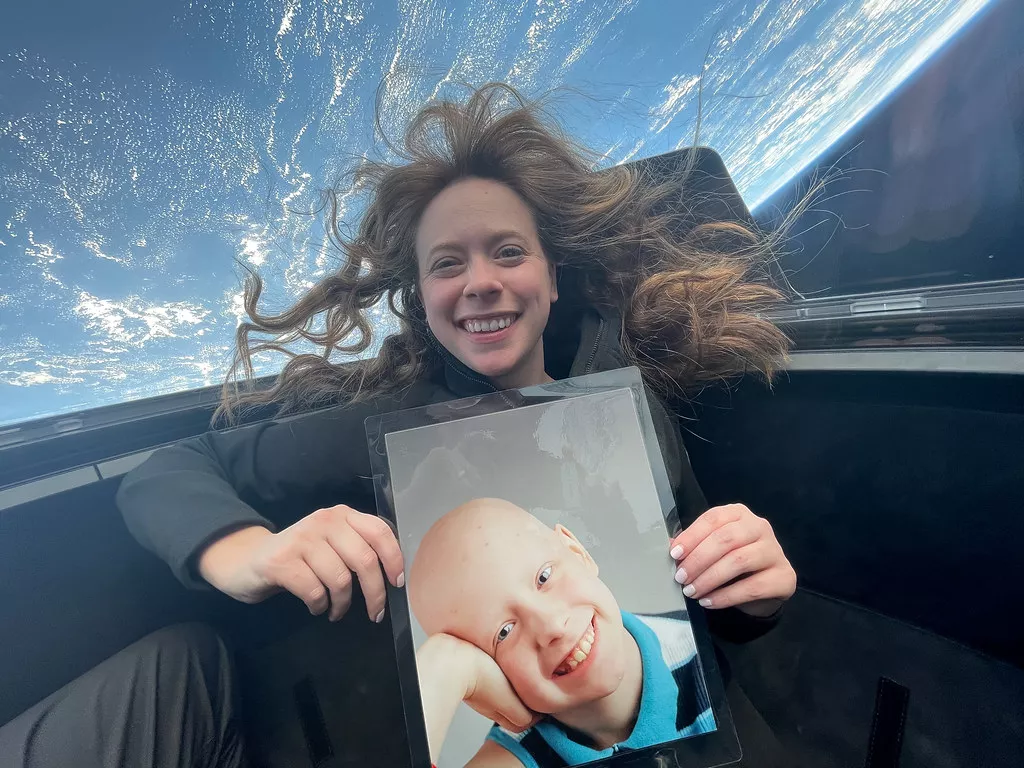
Pioneering Inspiration4 mission crew member Hayley Arceneaux, a physician assistant at St. Jude Children’s Research Hospital and pediatric cancer survivor, circuited Earth for nearly three days in September 2021. (Image credit: Inspiration4/St. Jude Children’s Research Hospital)
A new study sponsored by NASA investigates the feasibility of sending people with disabilities safely into space and returning them back to Earth.
The appraisal — Parastronaut Feasibility Foundational Research Study — has made a number of recommendations, including revising medical standards for astronaut selection. Also, the study recommends utilizing parabolic flights to demonstrate parastronaut proof-of-principle.
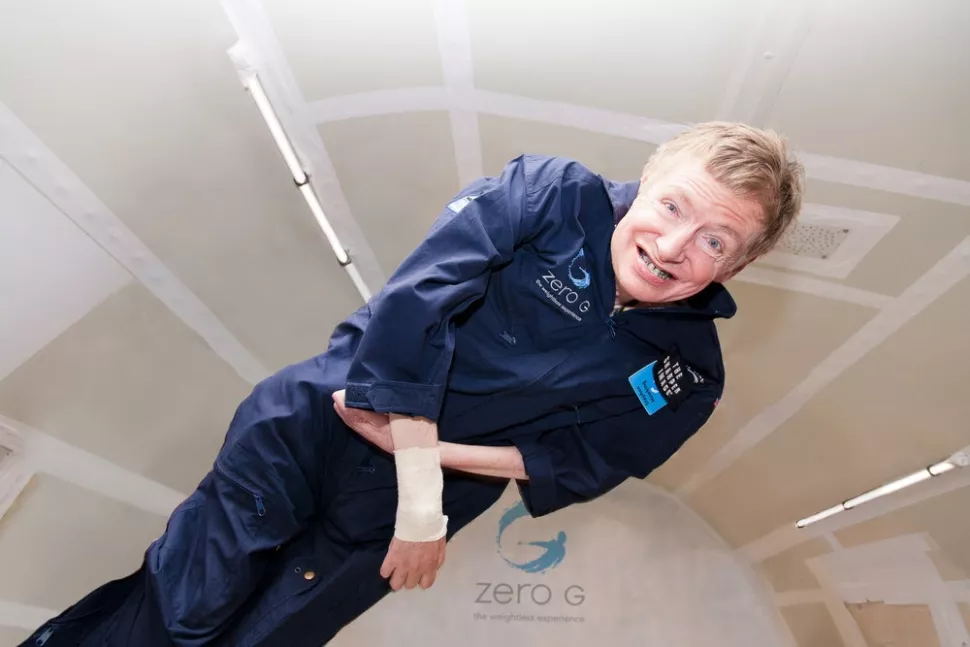
In 2007, wheelchair-bound theoretical physicist Stephen Hawking floated freely during a zero-gravity airplane flight. Hawking said of the experience: “For me, this was true freedom. People who know me well say that my smile was the biggest they’d ever seen. I was Superman for those few minutes.” (Image credit: Steve Boxall/ZERO-G Corporation via AstroAccess)
“Parastronauts” is defined in the new study as individuals with certain physical disabilities, such as lower leg deficiencies, short stature, leg length differences, among other physical impairments. The report’s intent is to make progress toward increased inclusion for human spaceflight.
For more information, go to my newly posted Space.com story — Equal access to space: New study investigates how to get more ‘parastronauts’ aloft – The report may lay the groundwork for more inclusive human spaceflight in the future – at:
https://www.space.com/inclusive-human-spaceflight-parastronaut-study
 Posted in
