 By
By  June 8th, 2015
Credit: NASA/JPL
‘Oh chute!
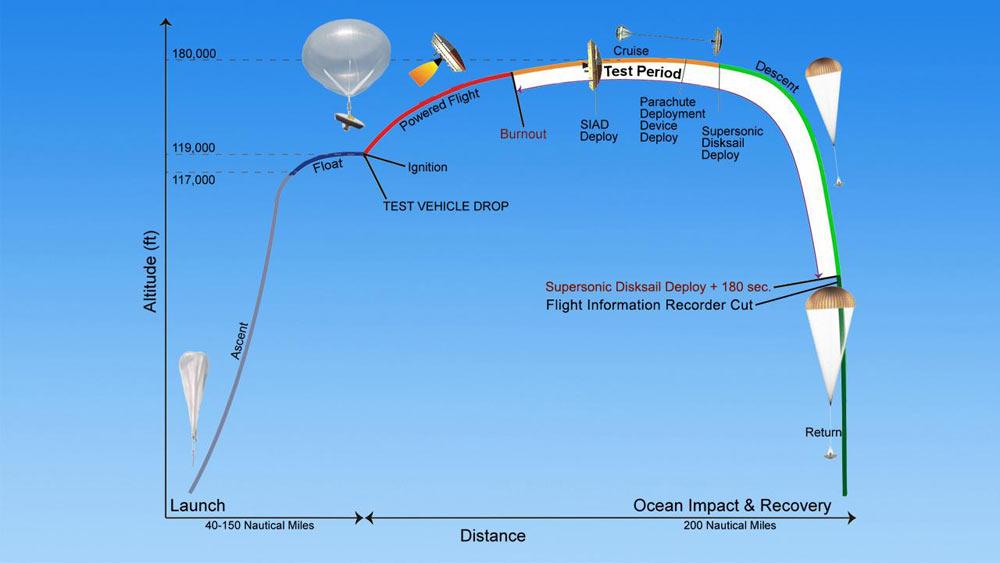
The second flight test of NASA’s Low-Density Supersonic Decelerator (LDSD) took place today from the U.S. Navy’s Pacific Missile Range Facility (PMRF) on Kauai, Hawaii.
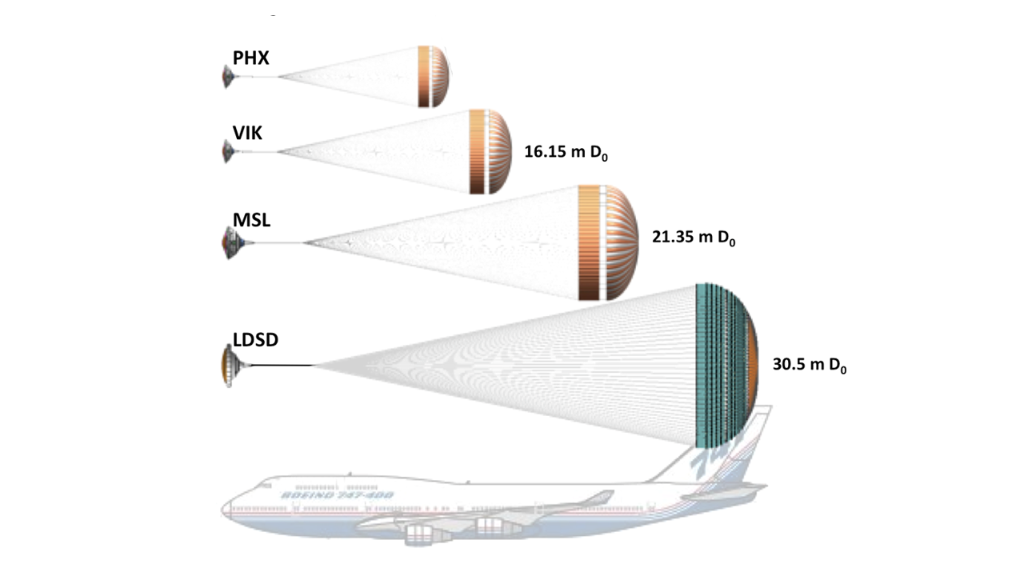
Early indications are that the LDSD did experience a problem with a newly designed parachute – the largest chute ever tested. All other aspects of the balloon-carried test at high altitude seemed to go well.
Credit: NASA/JPL
The LDSD team had a new formula for this year’s chute due to a parachute failure on the first LDSD test in 2014. They made it stronger and put more curve into its crown to help it survive that first shock of supersonic wind. Rocket sled testing done this winter at the U.S. Navy’s China Lake facility in California seems to bear this out. Two tests equaled two successes.
But today’s test problem means more head scratching work ahead.
Credit: NASA/JPL
NASA’s LDSD project is designed to investigate and test breakthrough technologies for landing future robotic and human Mars missions and safely returning large payloads to Earth.
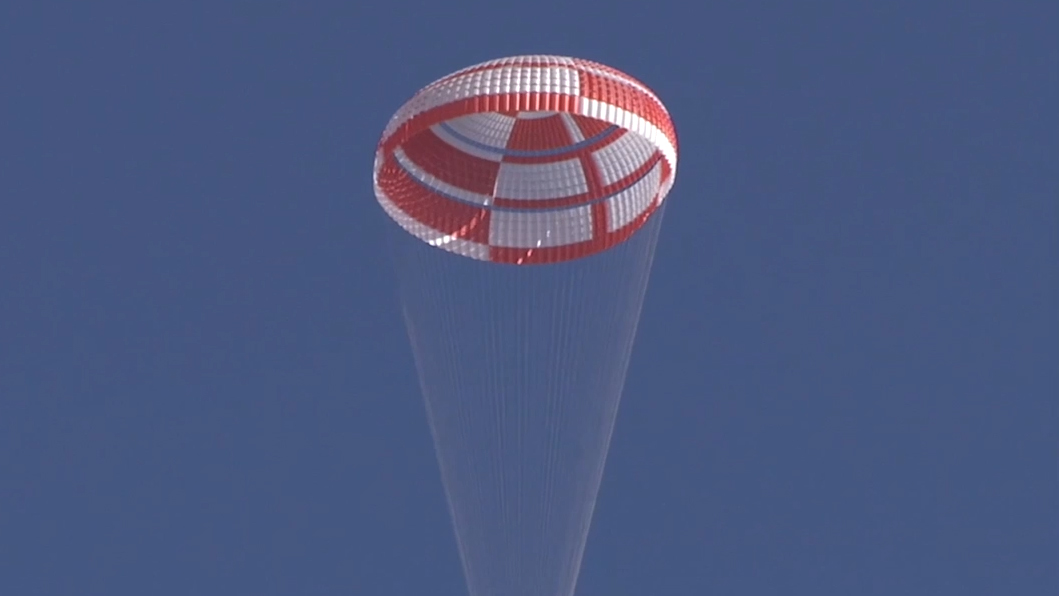
The Supersonic Ringsail parachute used during the Low-Density Supersonic Decelerators test from Kauai, Hawaii, was first tested at the Naval Air Weapons Station China Lake, California earlier this year.
Credits: NASA/JPL-Caltech/US Navy
The test, performed over the Pacific Ocean, simulated the supersonic entry and descent speeds at which the spacecraft would be traveling through the Martian atmosphere.
A briefing is slated for tomorrow morning to detail the preliminary flight findings.
 Posted in Space News

