 By
By  July 14th, 2023
Image credit: Astrostrom
Switzerland startup, the Astrostrom company, has designed a Greater Earth Lunar Power Station, or GE⊕-LPS for short.
The Greater Earth Lunar Power Station (GE⊕-LPS) is a habitable space station in lunar orbit that is designed to provide solar energy for lunar operations.
According to the European Space Agency (ESA), the study envisages a solar power satellite constructed mainly from lunar resources (including Moon-manufactured solar cells) that could deliver megawatts of microwave power down to receivers on the lunar surface, serving the needs of surface activities, including future crewed bases.
The study found that solar power satellite-enabled development via the Moon would not only be cheaper than any comparable Earth-developed solar power satellite, but that the electricity generated for Earth would also be cost-competitive with any terrestrial power alternative.
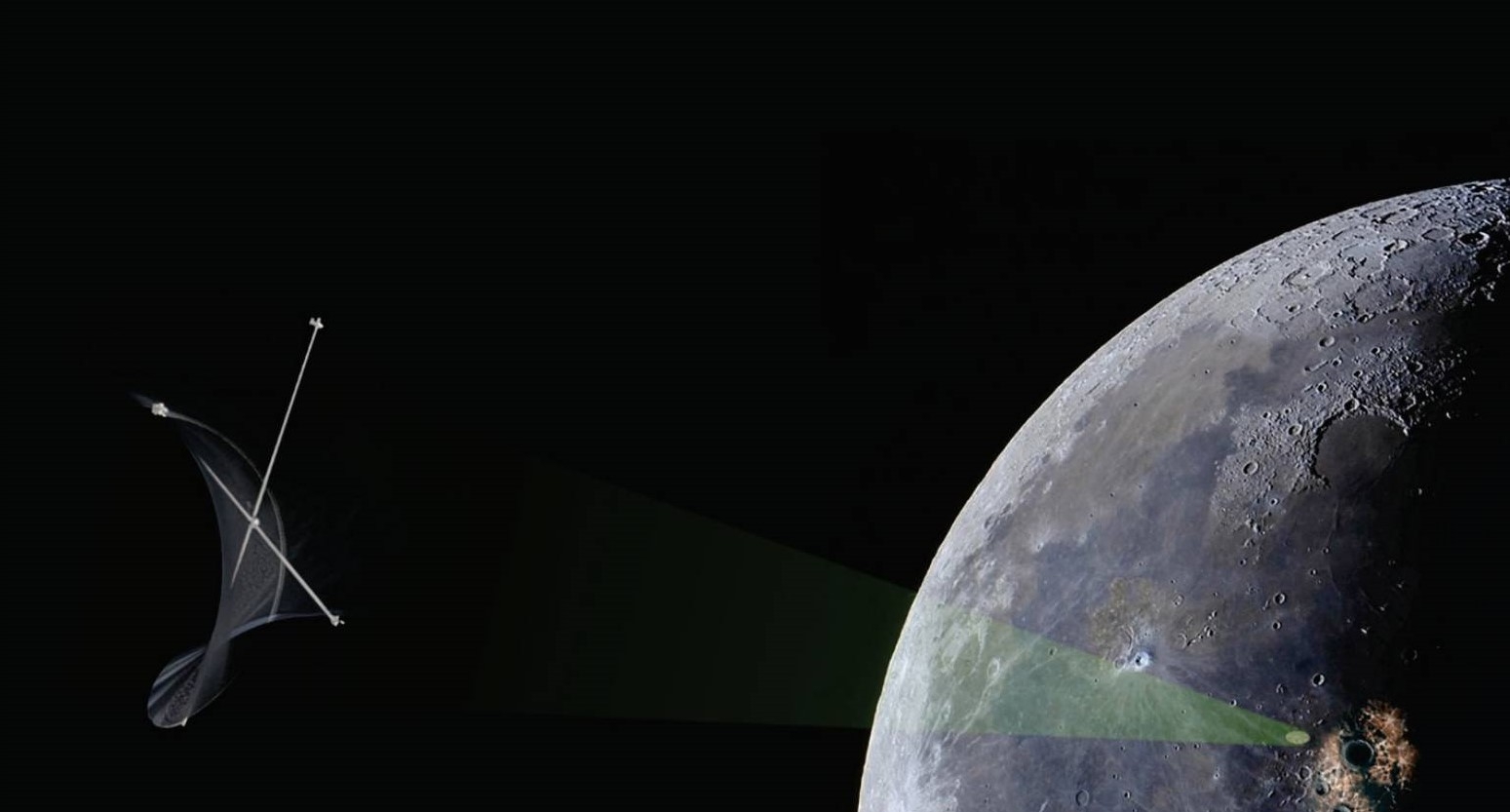
Image credit: Astrostrom
Component manufacturing
(GE⊕-LPS) is a part of ESA’s Open Space Innovation Platform Campaign on “Clean Energy – New Ideas for Solar Power from Space.”
ESA’s SOLARIS R&D initiative is focused on the feasibility of Space-based Solar Power for serving terrestrial clean energy needs.

Image credit: ESA
“Launching large numbers of gigawatt-scale solar power satellites into orbit from the surface of the Earth would run into the problem of a lack of launch capacity as well as potentially significant atmospheric pollution,” explains Sanjay Vijendran, the lead for ESA’s Solaris initiative on Space-based Solar Power.
“But once a concept like GE⊕-LPS has proven the component manufacturing processes and assembly concept of a solar power satellite in lunar orbit,” Vijendran adds “it can then be scaled up to produce further solar power satellites from lunar resources to serve Earth.”
For more information, go to this Executive Summary, Greater Earth Lunar Power Station (GE⊕-LPS) at:
https://nebula.esa.int/sites/default/files/neb_study/2753/C4000136309ESR.pdf
 Posted in Space News

