 By
By  August 12th, 2026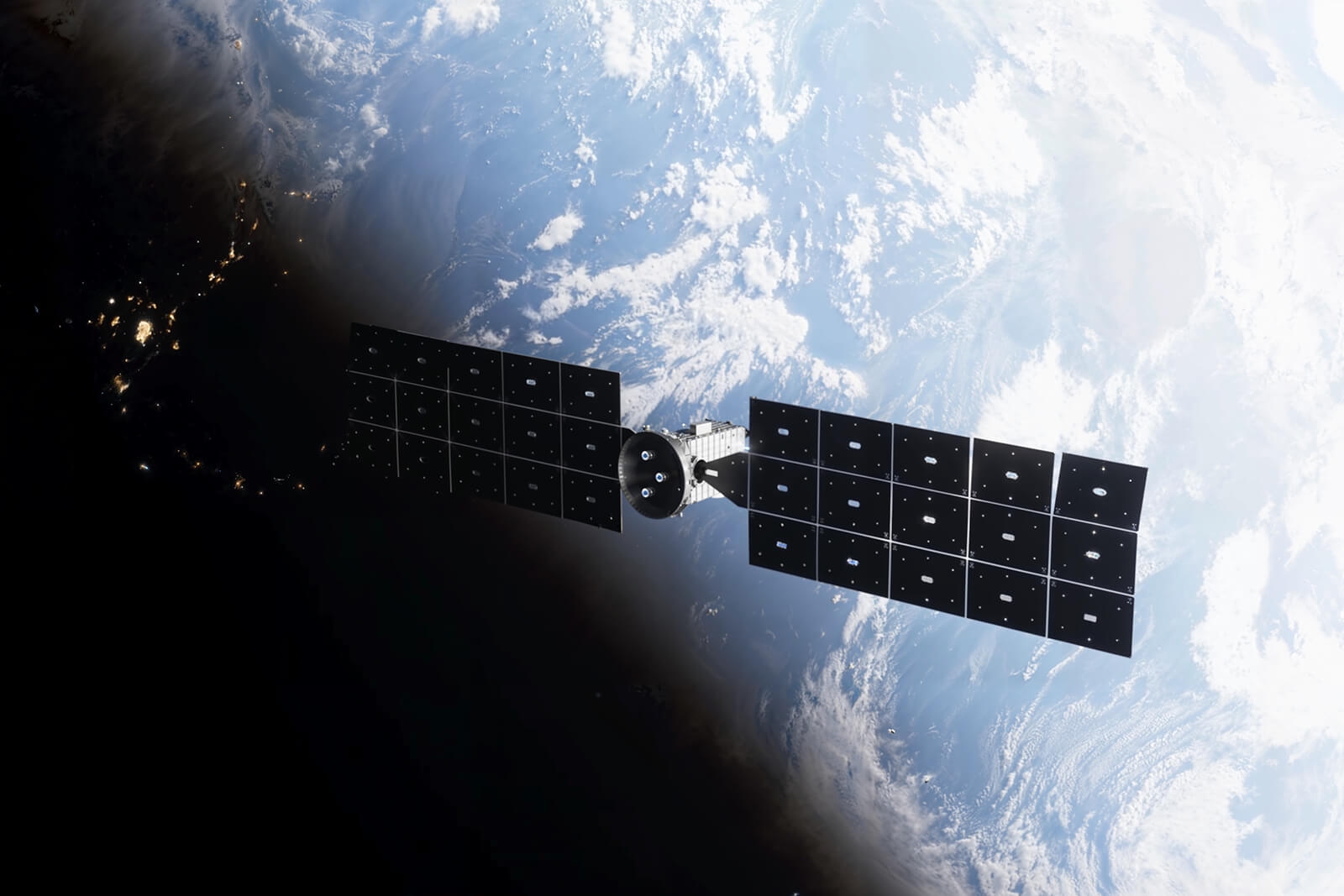
Image credit: Katalyst Space
Katalyst Space successfully uploaded a flight software update for its LINK spacecraft, which is set to boost NASA’s Neil Gehrels Swift Observatory to a higher orbit. That observatory is designed to study gamma-ray bursts, the most powerful explosions in the universe, and other cosmic objects and events.
Launched on July 3, the LINK servicing spacecraft experienced issues with attitude control, causing the spacecraft to spin, resulting in sporadic communications.
The software update’s new attitude control algorithms are designed to maintain LINK’s stability using the spacecraft’s remaining actuators.
The team’s work has prepared LINK to continue its approach toward Swift, before attempting to capture and raise Swift to a higher orbital altitude.
Burns and maneuvers
Katalyst team members are set to perform a series of burns and maneuvers in the coming days to align LINK’s orbit with Swift.
In the meantime, the Swift team continues with its innovative new approach to operating the observatory, which has successfully reduced drag and slowed Swift’s orbital decay.
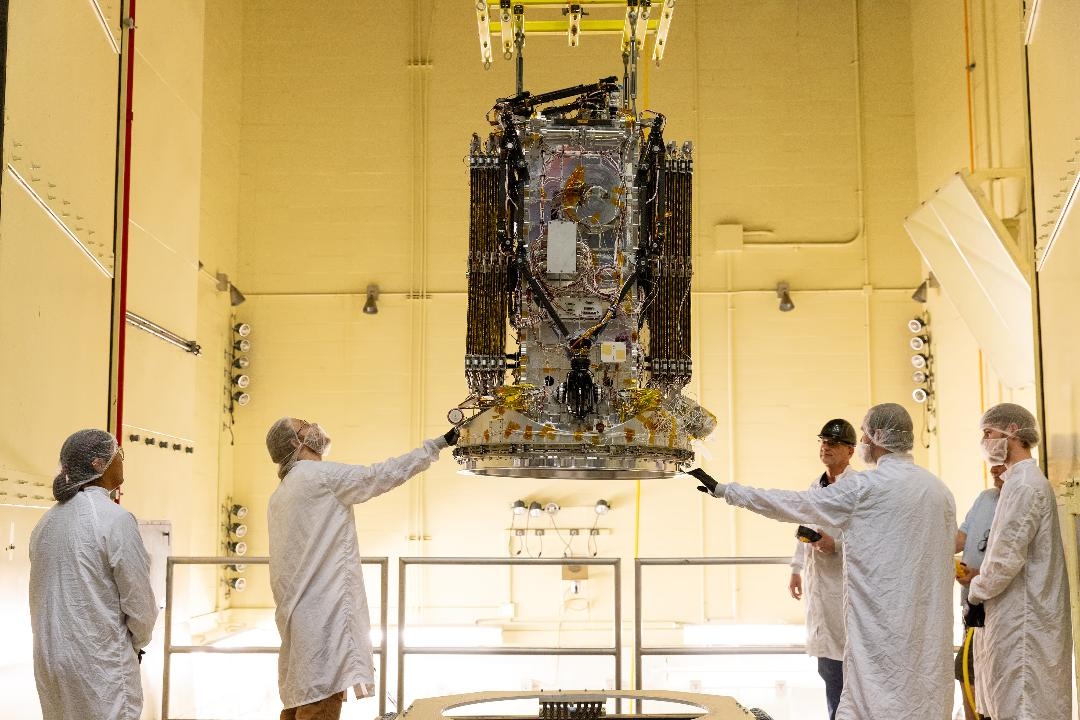
Image credit: Katalyst Space
Swift is currently at an altitude of about 216 miles (347 kilometers). An orbit-raising maneuver would become more difficult below an average altitude of about 185 miles (300 kilometers).
“We are moving carefully and deliberately, assessing LINK’s performance at each phase, “notes a Katalyst Space posting. “The team’s work over the last several days has positioned LINK to continue its approach to Swift for the next phase of the mission.”
 Posted in Space News

