 By
By  November 14th, 2022
Credit: Airbus
The thought of solar power-beaming satellites churning out gobs of gigawatts of clean energy from space to an energy-hungry Earth has been in cogitation phase for many decades. In fact, Nikola Tesla experimented with the scheme of wireless power near the end of the nineteenth century.
In 1968, the notion of a solar power satellite (SPS) was detailed by U.S. aerospace engineer, Peter Glaser. It would harvest energy from sunlight using solar cells and beam it down to Earth as microwaves to receiving antennas (rectennas), which would convert those microwaves to electrical energy for input into electrical power grids.
However, over the ensuing years, SPS remained a bright light proposal whose time never came.
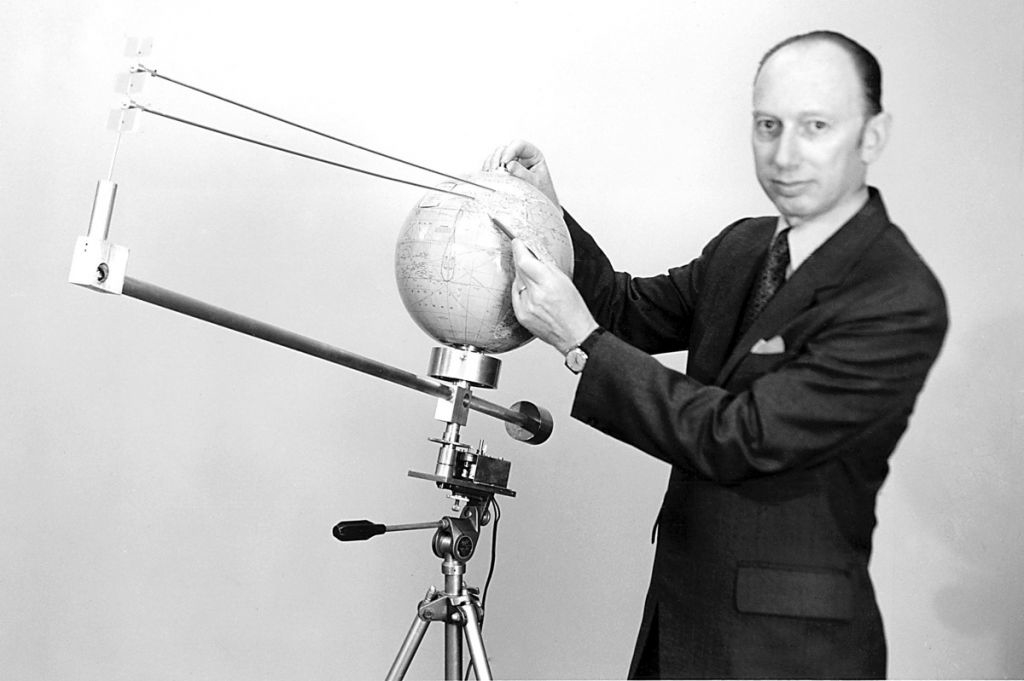
Peter Glaser, the father of the solar power satellite concept.
Credit: Arthur D. Little Inc.
Economically viable?
But now the notion of space-based solar power is garnering new looks – both in the U.S. and abroad, including Chinese technologists, experts in Japan, and researchers within the European Space Agency and the United Kingdom’s space agency. In addition, NASA has reactivated a look into SPS.
Why so? For one, advancements in technology needed for SPS do appear to make the idea more realistic today. That said, there remains a lingering, burning question: Is SPS anywhere close to becoming economically viable?
For detailed information, go to my new Scientific American story – “Is Space-Based Solar Power Ready for Its Moment in the Sun? Around the world, researchers are betting that beamed power from space could be the next big thing for clean energy on Earth” – at:
 Posted in Space News

