 By
By  June 12th, 2017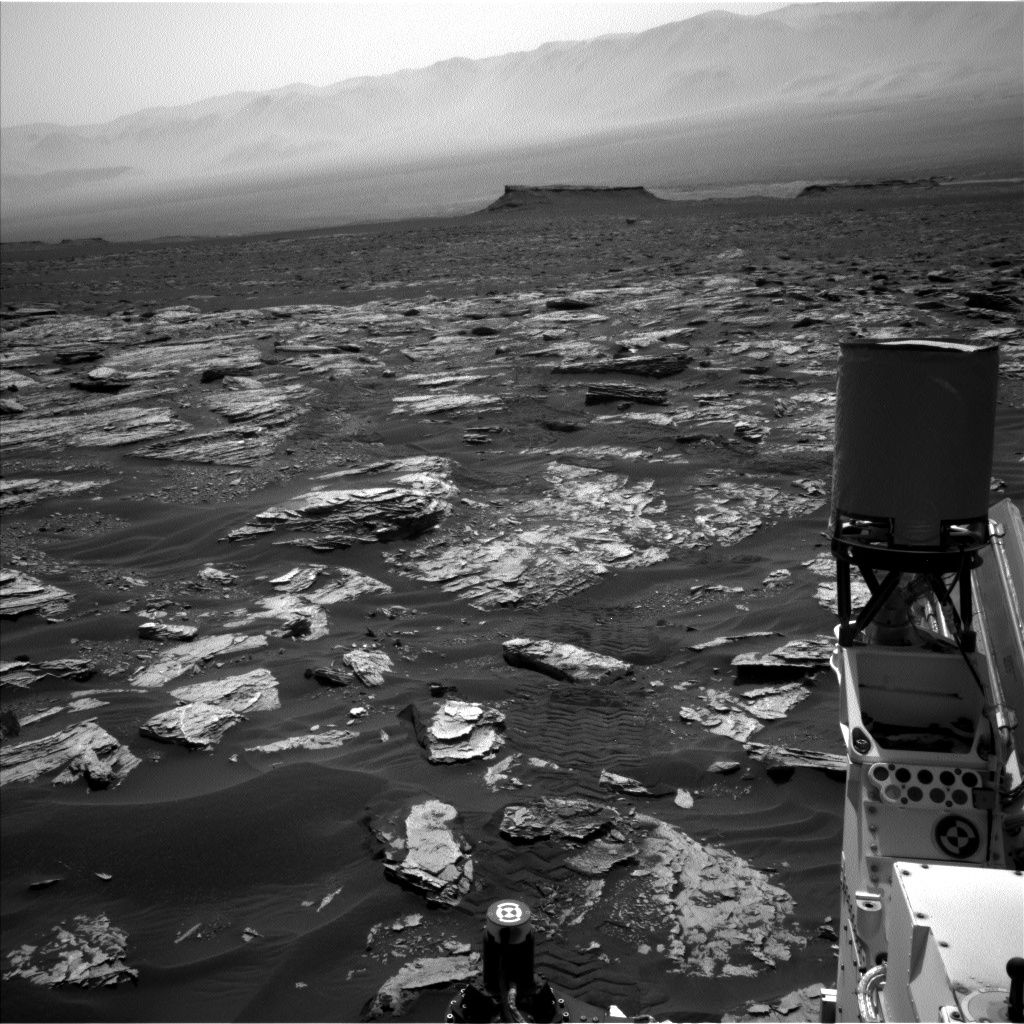
Curiosity Navcam Left B image acquired on Sol 1724, June 12, 2017.
Credit: NASA/JPL-Caltech
NASA’s Curiosity Mars rover is now in Sol 1725, busily at work after a weekend of science choirs.
In a report by Michelle Minitti, a planetary geologist at Framework in Silver Spring, Maryland, the Mars rover dedicated itself to more rare and more complex work.
Rarer, more complex
Last weekend…time and power were dedicated to a rarer and more complex, activity – analysis of a previously-drilled rock sample by the Sample Analysis at Mars (SAM) Instrument Suite, Minitti said.
“To keep up our regular cadence of contact science, the team effectively extended the weekend by a day, planning contact science in this Monday plan,” Minitti reports. “The workspace in front of the rover did not disappoint, with no shortage of options on a nice slab of Murray formation bedrock to reach out and touch!”
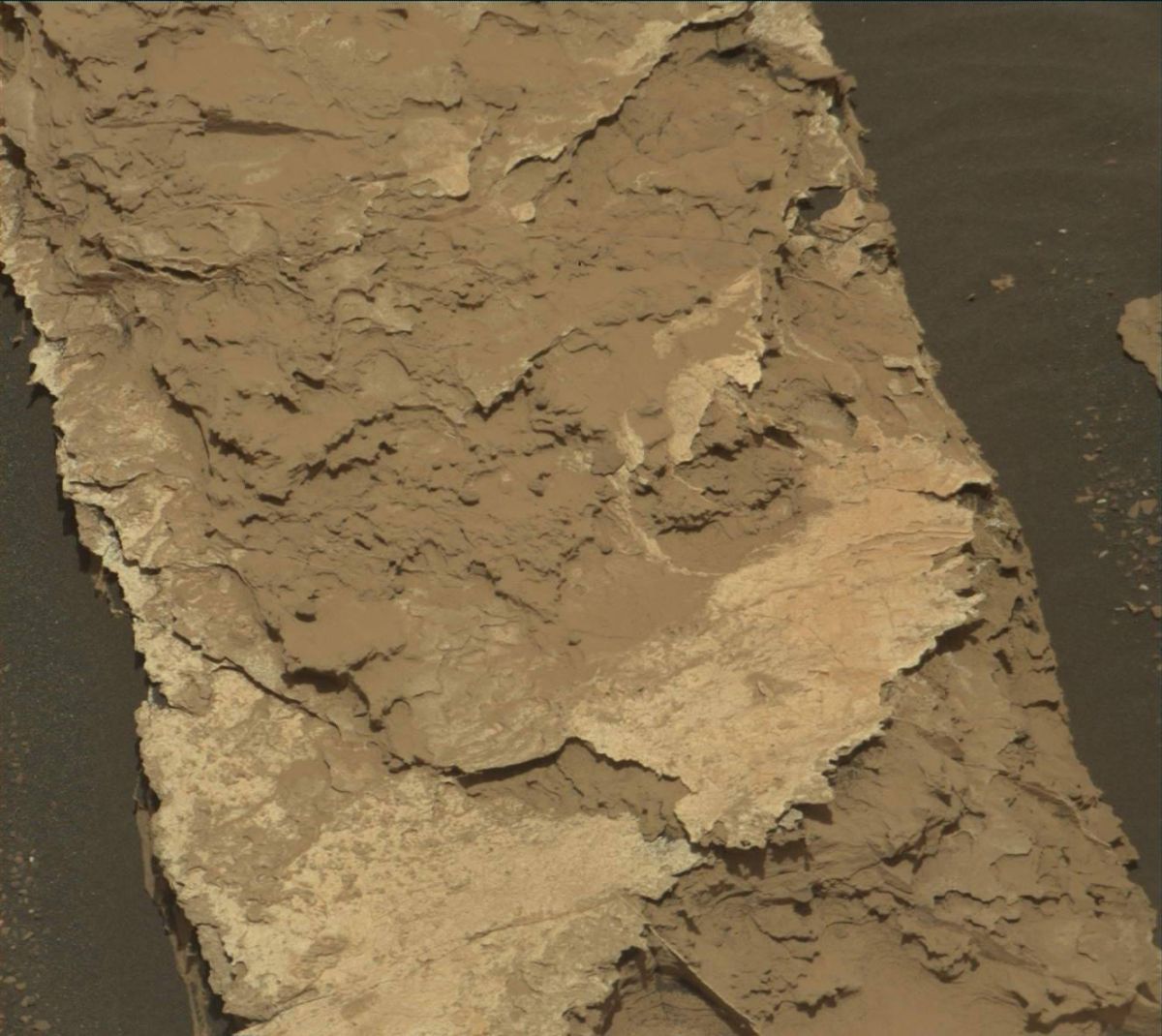
Curiosity Mastcam Right image acquired on Sol 1721, June 9 , 2017.
Credit: NASA/JPL-Caltech/MSSS
Trifecta of targets
Minitti added that the science team selected a trifecta of targets for the rover’s Mars Hand Lens Imager (MAHLI) and the robot’s Alpha Particle X-Ray Spectrometer (APXS), “each with its own unique characteristic.”
Curiosity is inspecting “Haynes Point” as well as “John Small Cov” and “Barr Hill” that’s located on flat-lying white vein material coating parts of the workspace bedrock.
Rock interrogation
The mast instruments also got in on the action, with the rover’s Chemistry and Camera (ChemCam) shooting both Haynes Point and Barr Hill, and Mastcam acquiring a multispectral observation that covered all three contact science targets, Minitti added.
“Planning such complementary observations with multiple instruments helps the team extend their understanding of the rocks interrogated by the rover,” Minitti noted.
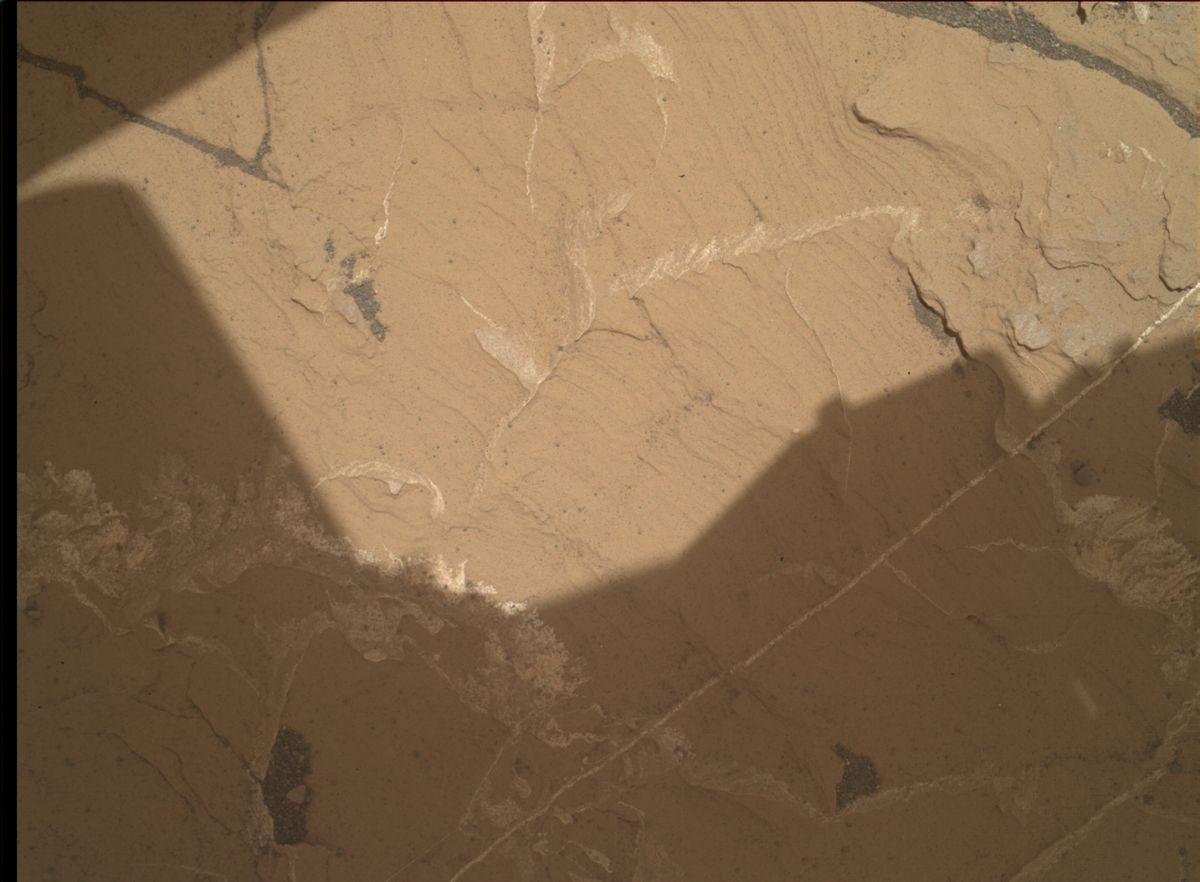
Curiosity Mars Hand Lens Imager (MAHLI) photo taken on Sol 1721, June 9, 2017.
Credit: NASA/JPL-Caltech/MSSS
Spectacular topography ahead!
After starting off Sol 1725 with an early morning suite of environmental observations, only a few additional sky observations by the robot were acquired in the rest of the plan along with regular Rover Environmental Monitoring Station (REMS) and Radiation Assessment Detector (RAD) measurements.
“Curiosity will get back on the road tomorrow, driving ever closer to the spectacular topography of the Vera Rubin Ridge,” Minitti concluded.
 Posted in Space News

