 By
By  December 14th, 2021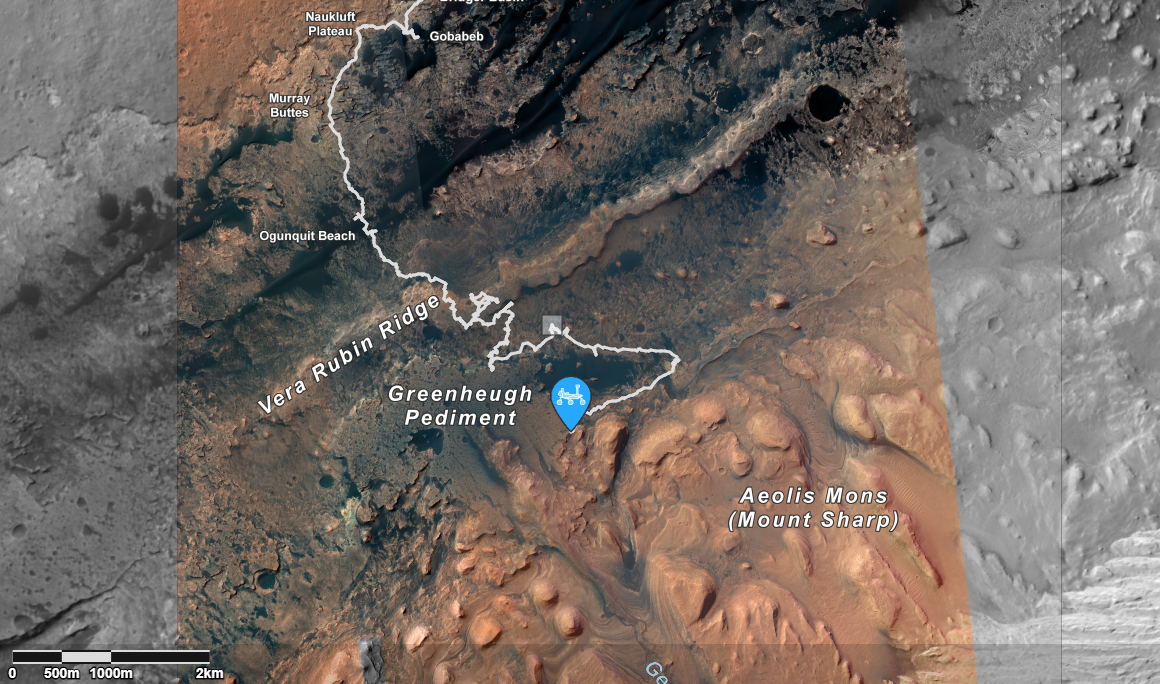
Curiosity’s location as of Sol 3324. Distance driven is now 16.60 mile/26.72 kilometers since landing in August 2012.
Credit: NASA/JPL-Caltech/Univ. of Arizona
NASA’s Curiosity Mars rover at Gale Crater is now performing Sol 3326 duties.
“As we continue exploring Maria Gordon notch, we are planning a touch and go with lots of remote sensing activities between the ‘touch’ and the ‘go,’” reports Kenneth Herkenhoff, a planetary geologist at the USGS Astrogeology Science Center in Flagstaff, Arizona.
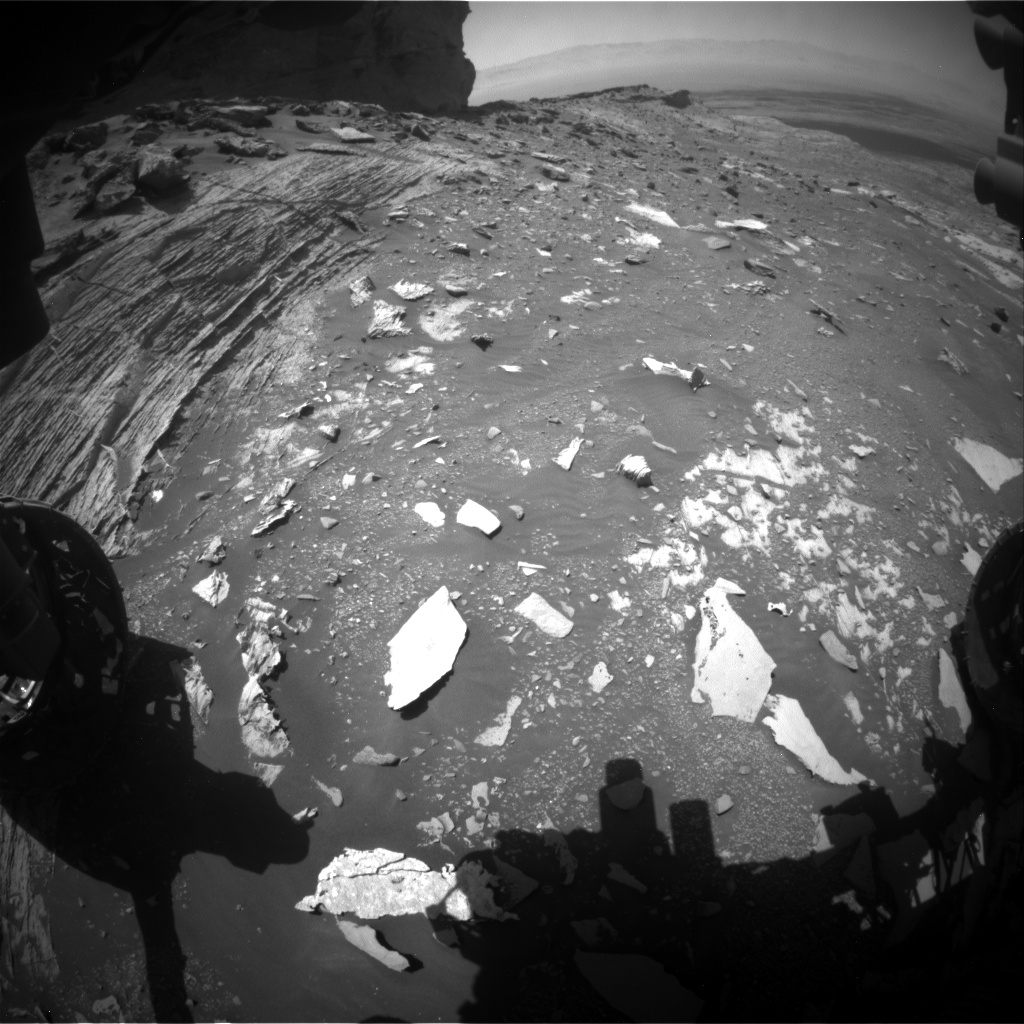
Curiosity Front Hazard Avoidance Camera Left B photo taken on Sol 3325, December 13, 2021.
Credit: NASA/JPL-Caltech
Bedrock targets
The robot is parked near the base of the cliff to the west, and the science team is interested in investigating the bedrock in this area.
Unfortunately, none of the bedrock targets are suitable for close Alpha Particle X-Ray Spectrometer (APXS) placement, Herkenhoff adds, so researchers will not be able to measure the bedrock chemistry here using APXS.
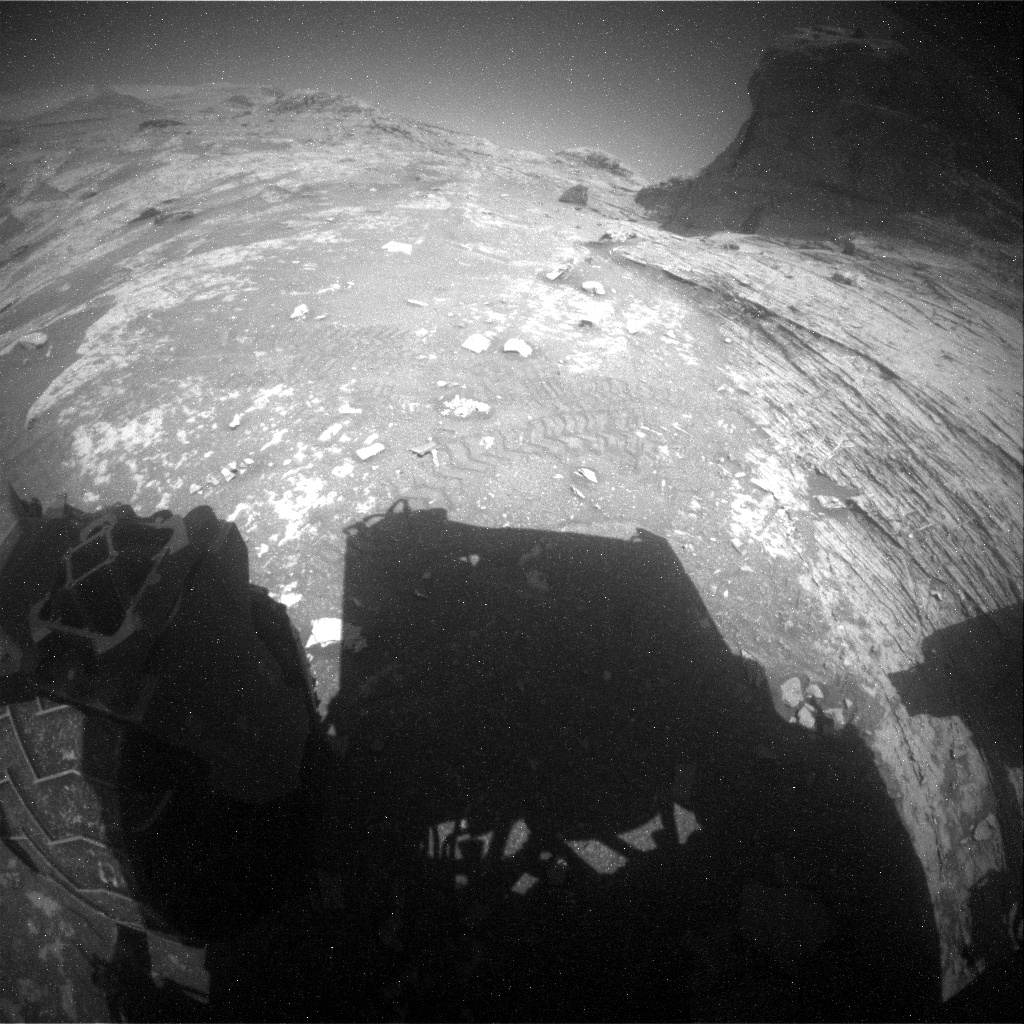
Curiosity Rear Hazard Avoidance Camera Left B photo acquired on Sol 3325, December 13, 2021.
Credit: NASA/JPL-Caltech
Rather, the rover’s Mars Hand Lens Imager (MAHLI) will take images of a bedrock target
named “Portgower” and the Chemistry and Camera (ChemCam) will sample the chemistry of another bedrock target “Thornhill” higher up the cliff face.
“Mastcam and Navcam will be used to monitor the dust content of the atmosphere and search for dust devils, then Mastcam will acquire 3 stereo mosaics of the cliffs and boulders near the rover,” Herkenhoff adds.
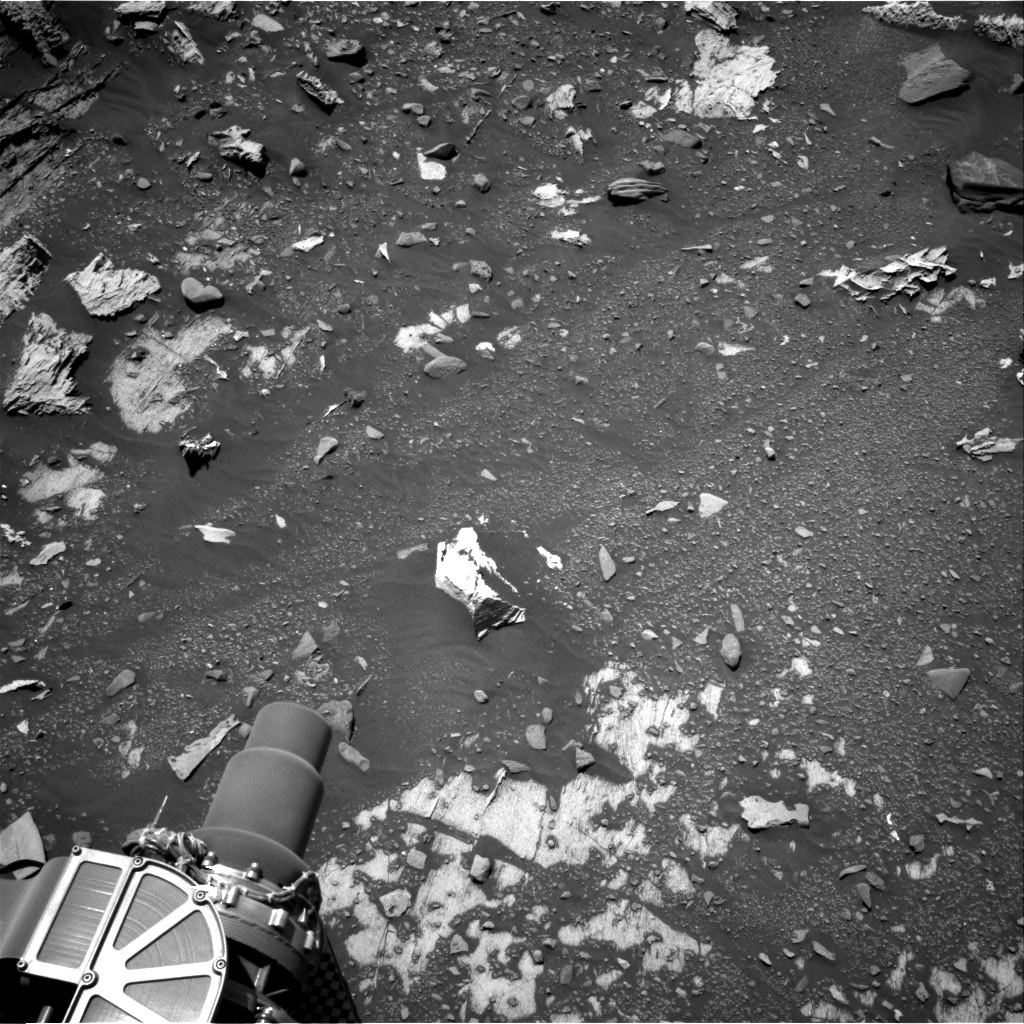
Curiosity Right B Navigation Camera image taken on Sol 3325, December 13, 2021.
Credit: NASA/JPL-Caltech
More power to you
After the drive of roughly 66 feet (20-meters and post-drive imaging, another Mars Descent Imager (MARDI) twilight image is planned.
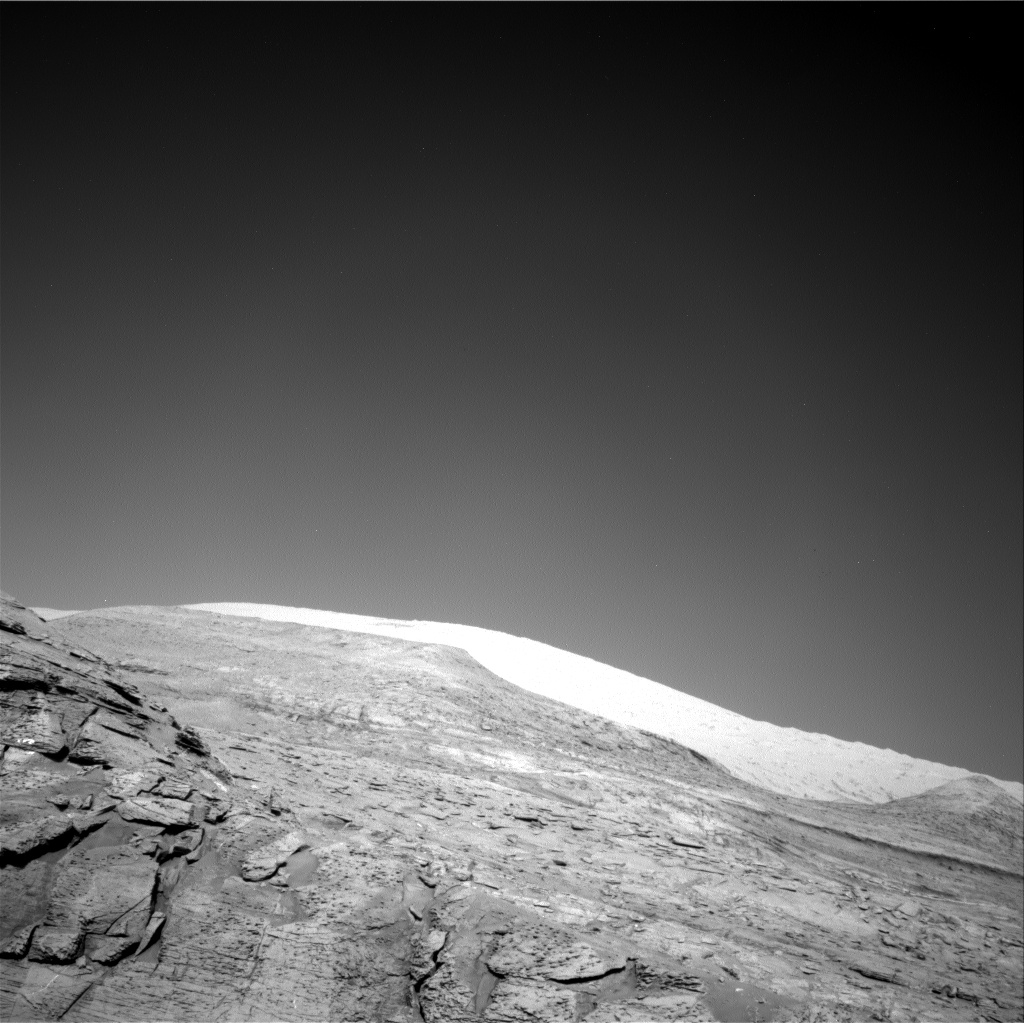
Curiosity Right B Navigation Camera image taken on Sol 3325, December 13, 2021.
Credit: NASA/JPL-Caltech
Because more power is available than initially expected, scientists were able to add an overnight Chemistry & Mineralogy X-Ray Diffraction/X-Ray Fluorescence Instrument (CheMin) wheel move and empty cell analysis to the plan.
“The second sol is much simpler,” Herkenhoff concludes, “with a ChemCam observation of an autonomously-selected bedrock target and more Navcam and Mastcam observations of the atmospheric dust.”
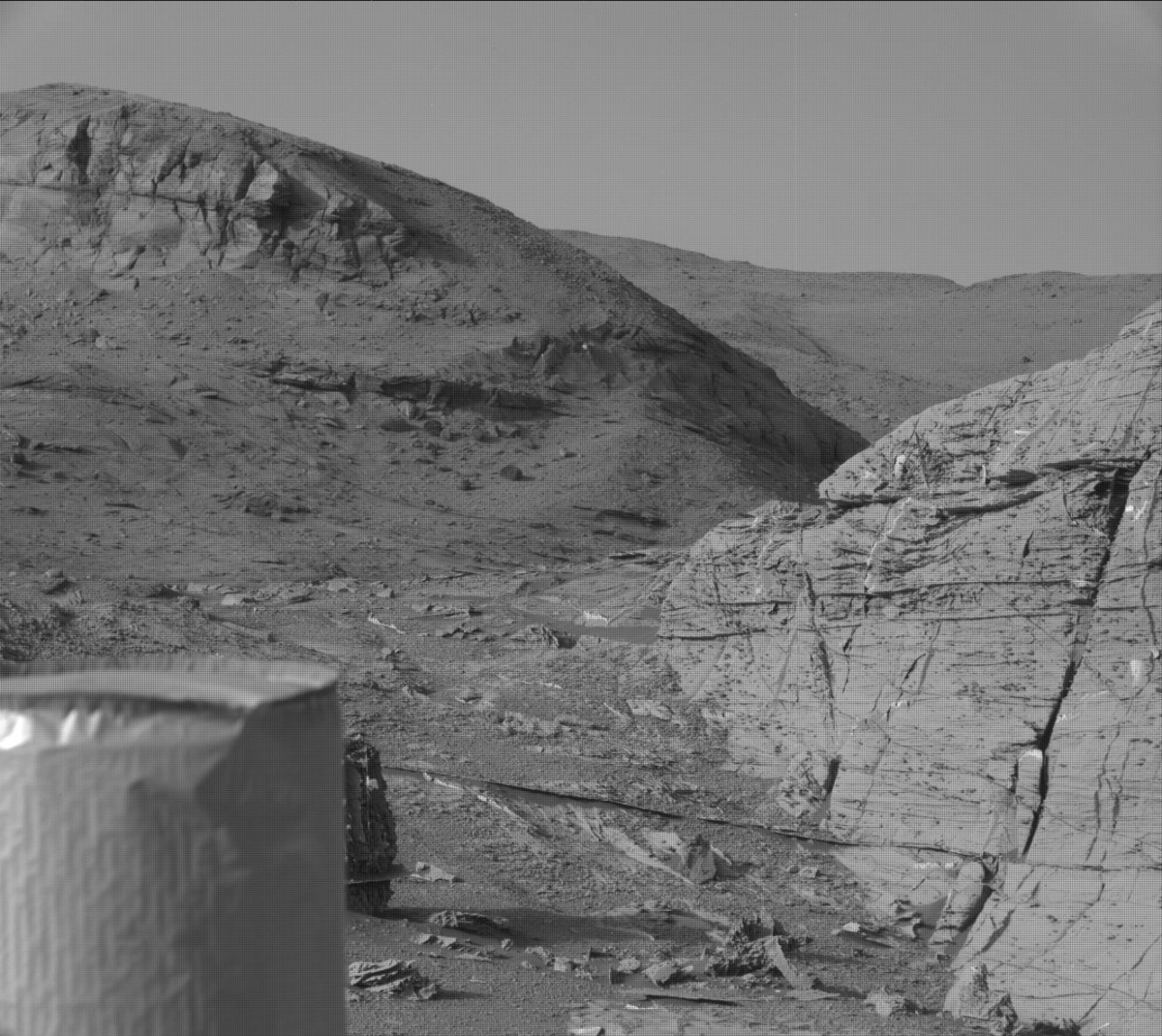
Curiosity Mast Camera Left image taken on Sol 3324, December 12, 2021.
Credit: NASA/JPL-Caltech/MSSS
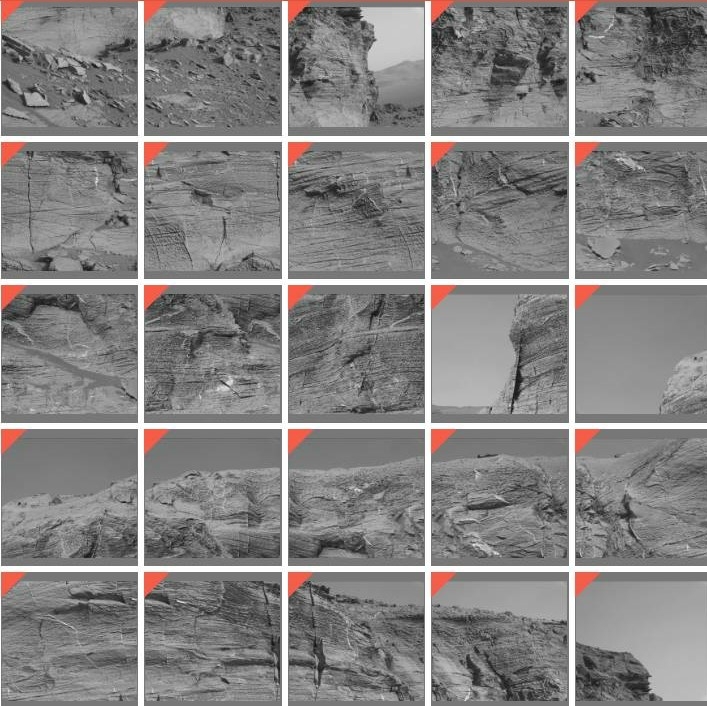
Curiosity Mast Camera Left imagery taken on Sol 3324, December 12, 2021.
Credit: NASA/JPL-Caltech/MSSS
 Posted in Space News

