 By
By  September 11th, 2024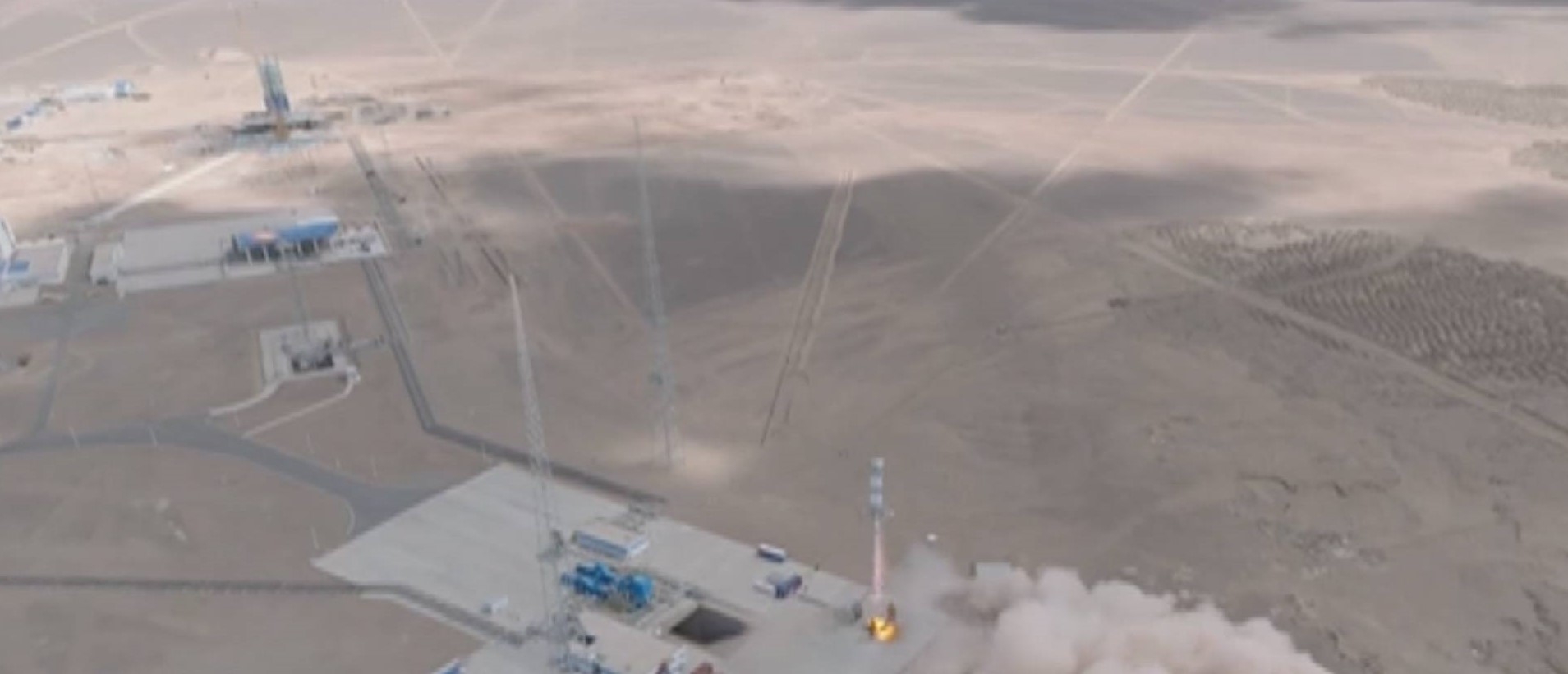
Image credit: CCTV/Inside Outer Space screengrab
China’s reusable Zhuque-3 rocket has completed a vertical takeoff and landing test, attaining an altitude of 6 miles (10 kilometers) at the Jiuquan Satellite Launch Center in northwest China.
According to China Central Television (CCTV), the 200.7 seconds of Zhuque-3 flight by the LANDSPACE company took place on Wednesday.
At the noon hour local time, China’s first rocket made of stainless steel used liquid oxygen-methane as propellant, ascended. Following a 40-second unpowered glide, it then reignited its engines at an altitude of 2.9 miles (4.64 kilometers) above the ground and achieved a soft and precise vertical landing at a designated recovery pad.
That landing spot was roughly 2 miles (3.2 kilometers) away from the launch pad.
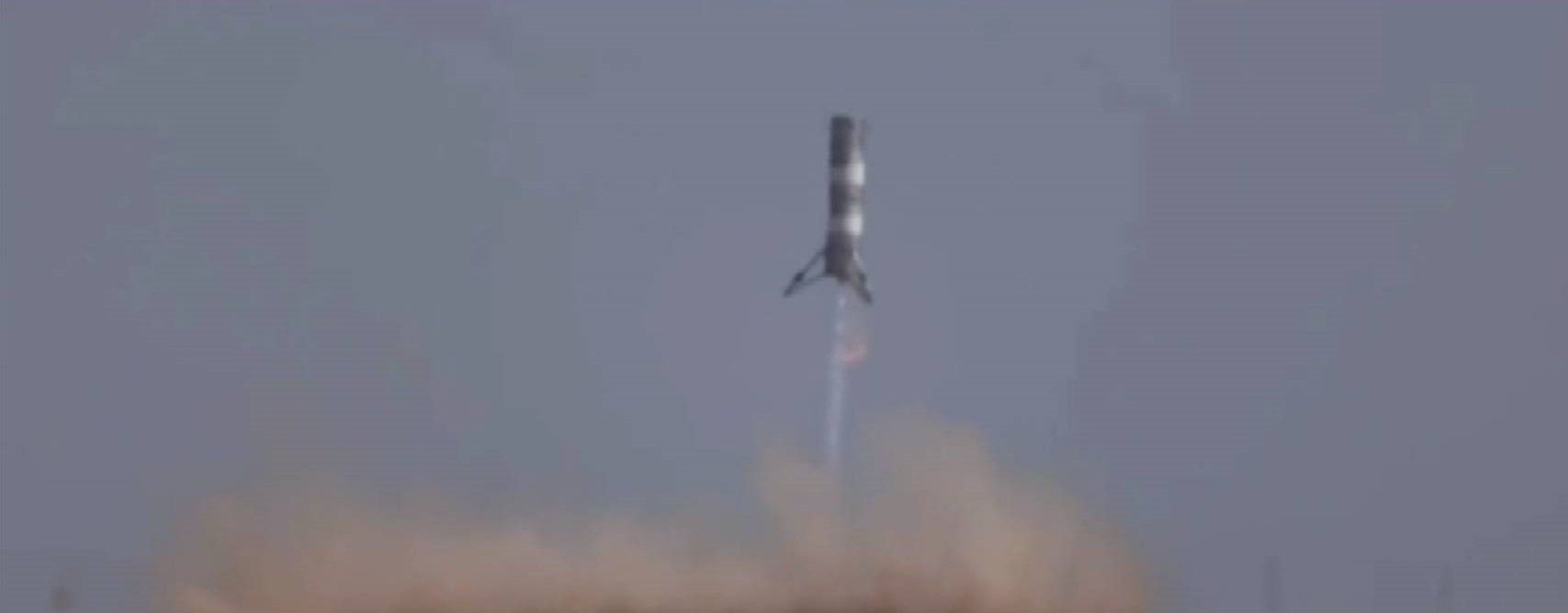
Image credit: CCTV/Inside Outer Space screengrab
Crucial technologies
“During the real vertical return recovery of Zhuque-3, we have verified these crucial technologies in advance, thus laying a sound technical foundation for the rocket,” Dai Zheng, chief commander of Zhuque-3 told CCTV.
This test is a follow-on to the reusable rocket’s first launch and landing test in January this year.
CCTV notes that this flight served to advance and verify several key technologies for the vertical takeoff and landing retrieval of the reusable rocket.
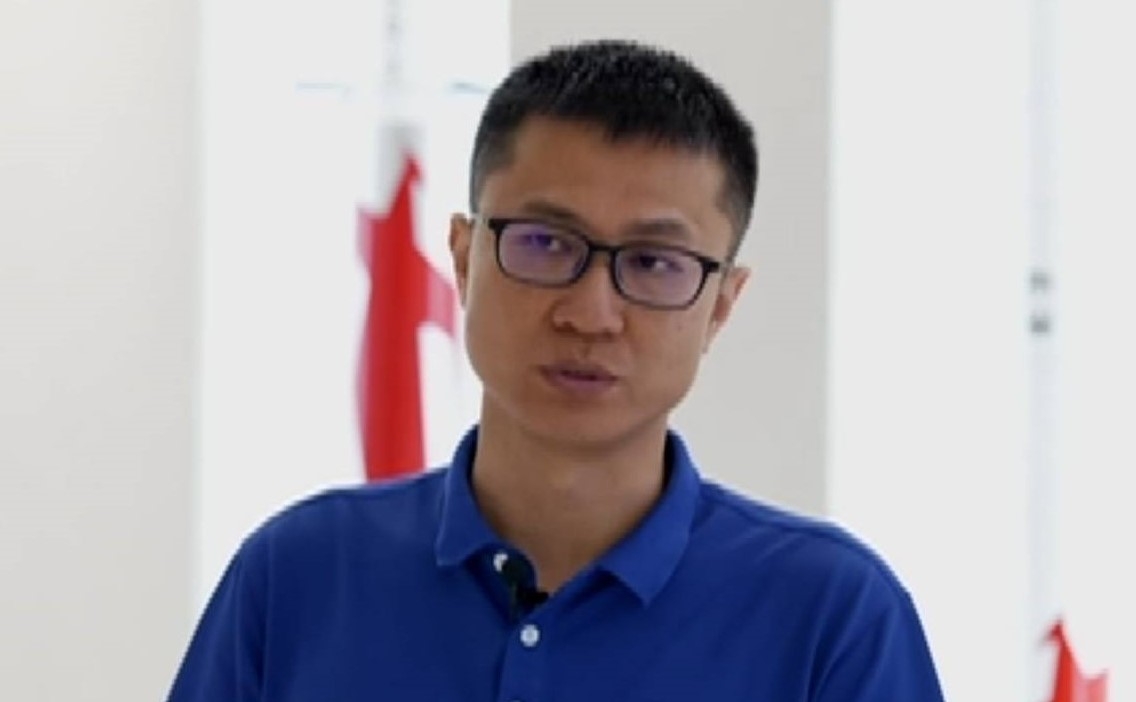
Dai Zheng, chief commander of Zhuque-3.
Image credit: CCTV/Inside Outer Space screengrab
“The flight process closely simulated the actual conditions of rocket recovery and comprehensively verified the key technologies of the propulsion system applied by Zhuque-3,” CCTV reports.
Further verification
“Further verification of Zhuque-3 is required, specifically regarding the powered deceleration after the separation of the first and second stages but prior to the rocket’s entry into the denser layer of the atmosphere,” Dai explained.
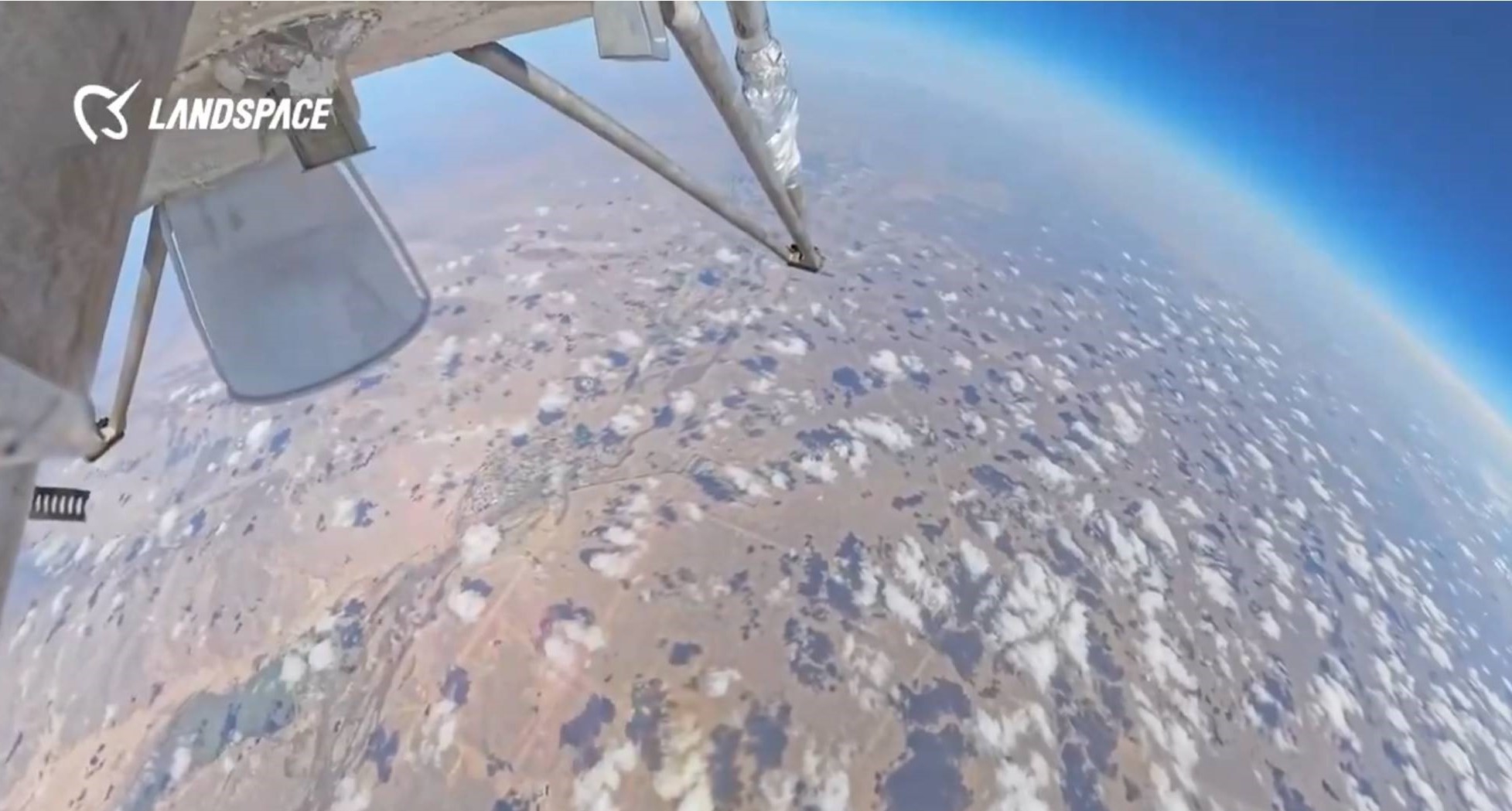
Image credit: LANDSPACE
Zhuque-3 carrier rocket’s liftoff weight is about 660 tons and it has a carrying capacity of over 18.3 tons.
Its first stage designed to be reused at least 20 times, with the rocket able to launch multiple satellites at one time, such as flat stackable satellites, the CCTV report notes.
Go to this video as posted by China ‘N Asia Spaceflight at:
 Posted in Space News

