 By
 November 2nd, 2026
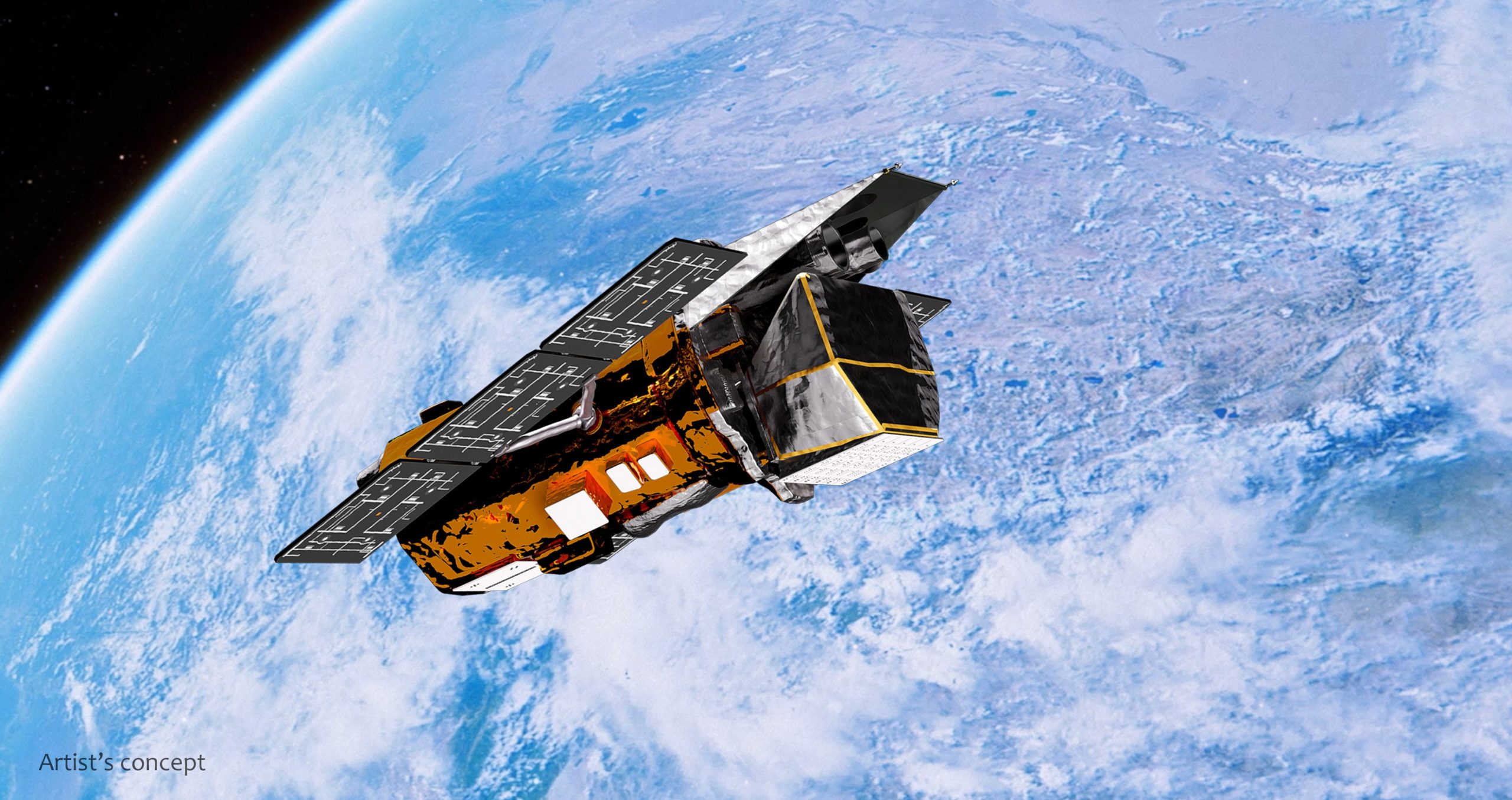
Artist’s view of NASA’s Neil Gehrels Swift Observatory orbiting above Earth.
Image credit: Goddard Space Flight Center Conceptual Image Lab
An upcoming and uncontrolled reentry of the NASA’s Swift observatory is expected to occur in the next few days.
The Neil Gehrels Swift Observatory reentry into Earth’s atmosphere signals a number of issues. One of those was a botched rescue mission to keep the orbiting telescope in high-flying, sky surveillance mode.
Following the termination of the commercially-provided re-boost mission to a higher altitude, the Swift Observatory did resume operating two of its three science instruments.
Swift was lofted into Earth orbit back in November 2004. Over the following decades, it studied gamma-ray bursts — the most powerful explosions in the universe — and other cosmic objects and events using a trio of telescopes: a Burst Alert Telescope (BAT), an X-Ray Telescope (XRT), and its Ultraviolet/Optical Telescope (UVOT).
On October 20, NASA reported that Swift was no longer able to compensate for the effects of the increased drag. It entered safe mode, followed by Swift’s operations team at Penn State in University Park sending a command to the spacecraft that effectively ended its operations as prelude to its destructive and firery nose-dive.
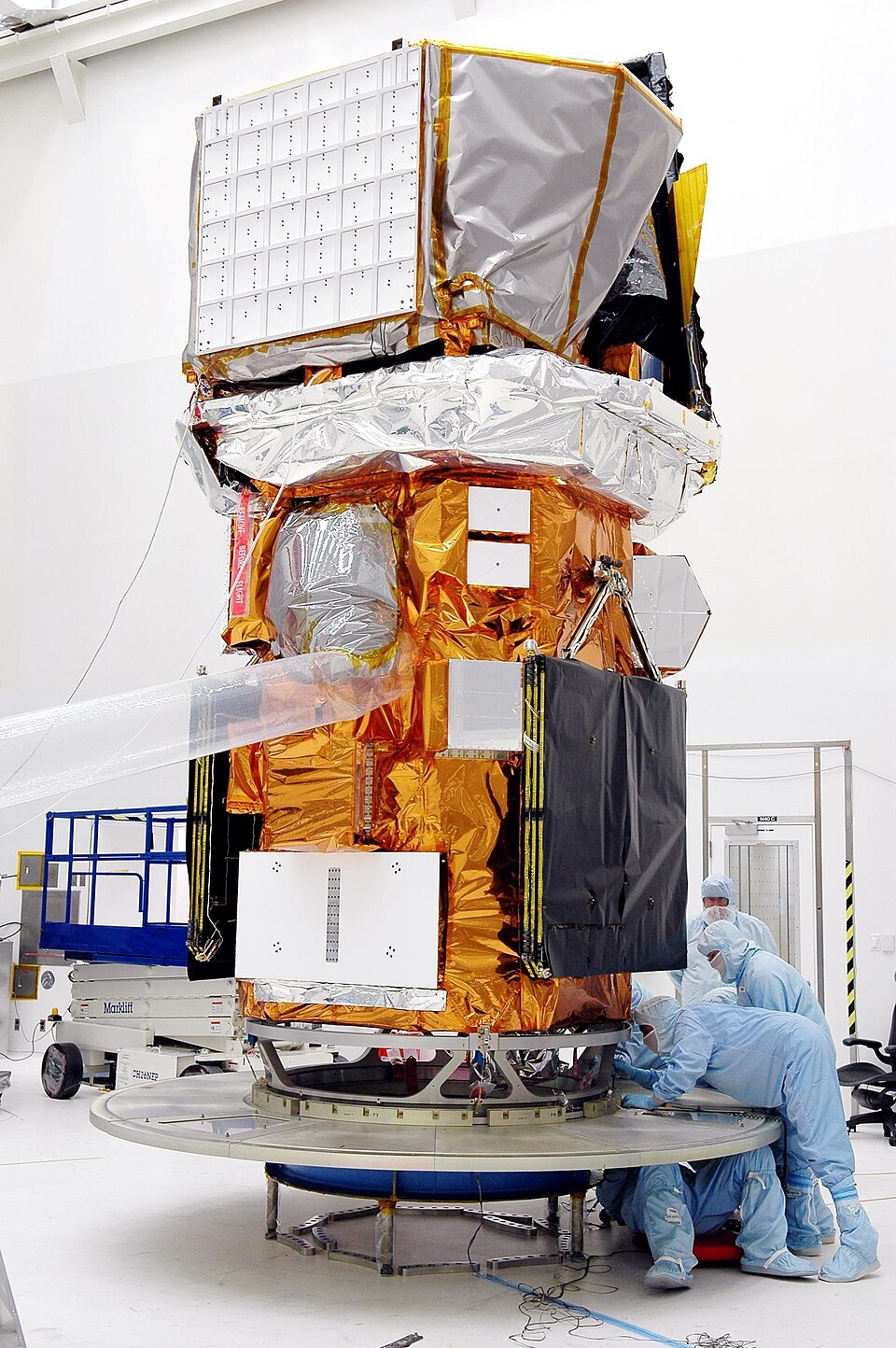
Pre-launch photo of Swift Observatory
Image credit: NASA/Goddard Space Flight Center
Once the hardware takes the plunge to Earth, aerospace specialists have looked at what leftovers are anticipated to reach terra firma.
One expert is Dean Sladen, a quality manager and aerospace engineer at the U.K. precision-components supplier Accu Components.
The link for Accu Components is: https://www.accu-components.com
For details on Swift’s upcoming fall to Earth, go to my new Space.com story – “NASA’s Swift space telescope is about to crash to Earth. Where will it fall?” – at:
 Posted in Space News

