 By
By  March 14th, 2017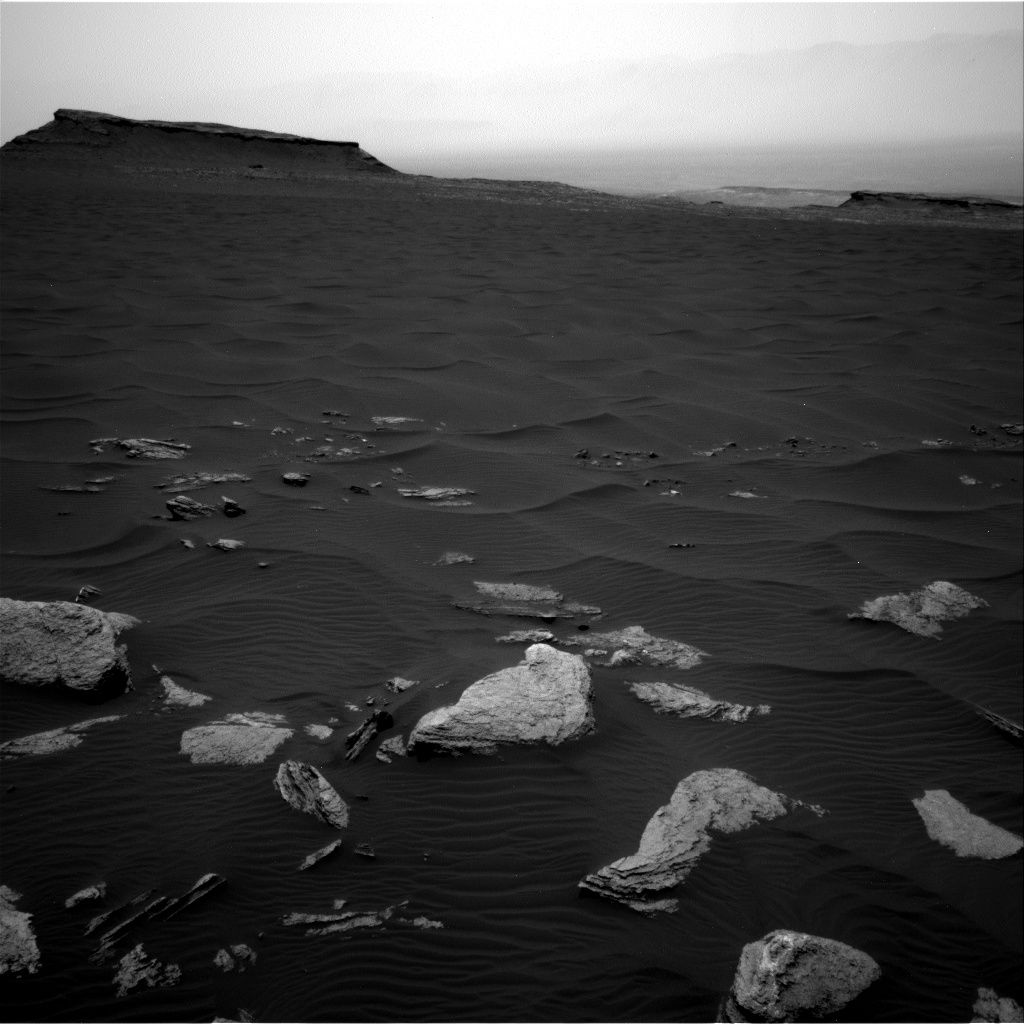
Curiosity Navcam Right B image taken on Sol 1636, March 14, 2017.
Credit: NASA/JPL-Caltech
NASA’s Curiosity Mars rover has wheeled into Sol 1636, taking in views of the Bagnold dunes and Murray Buttes.
Last weekend’s plan was successful, “and put us close to the third stop of the current campaign to study the Bagnold Dunes,” reports Ryan Anderson, a planetary scientist at the USGS Astrogeology Science Center in Flagstaff, Arizona.
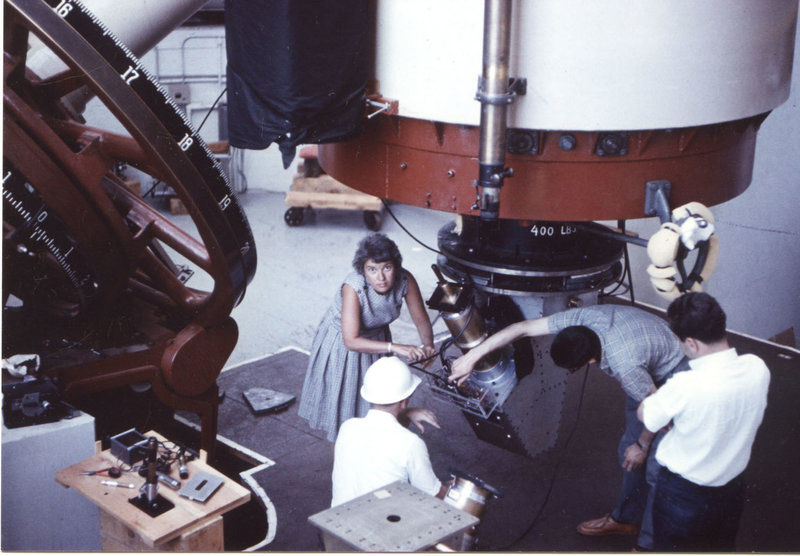
Pioneering astrophysicist, Vera Rubin, discovered evidence of dark matter and died in December 2016 at the age of 88. Rubin is seen here at the Lowell Observatory in Flagstaff, Arizona in 1965.
Credit: Carnegie Institution
Ridge observation
The Sol 1636 plan is scheduled to start off with a Chemistry & Camera (ChemCam) passive observation of Vera Rubin Ridge, with a supporting Mastcam mosaic.
ChemCam will also analyze the bedrock targets “Buck Cove Mountain” and “Smyrna Mills,” Anderson adds.
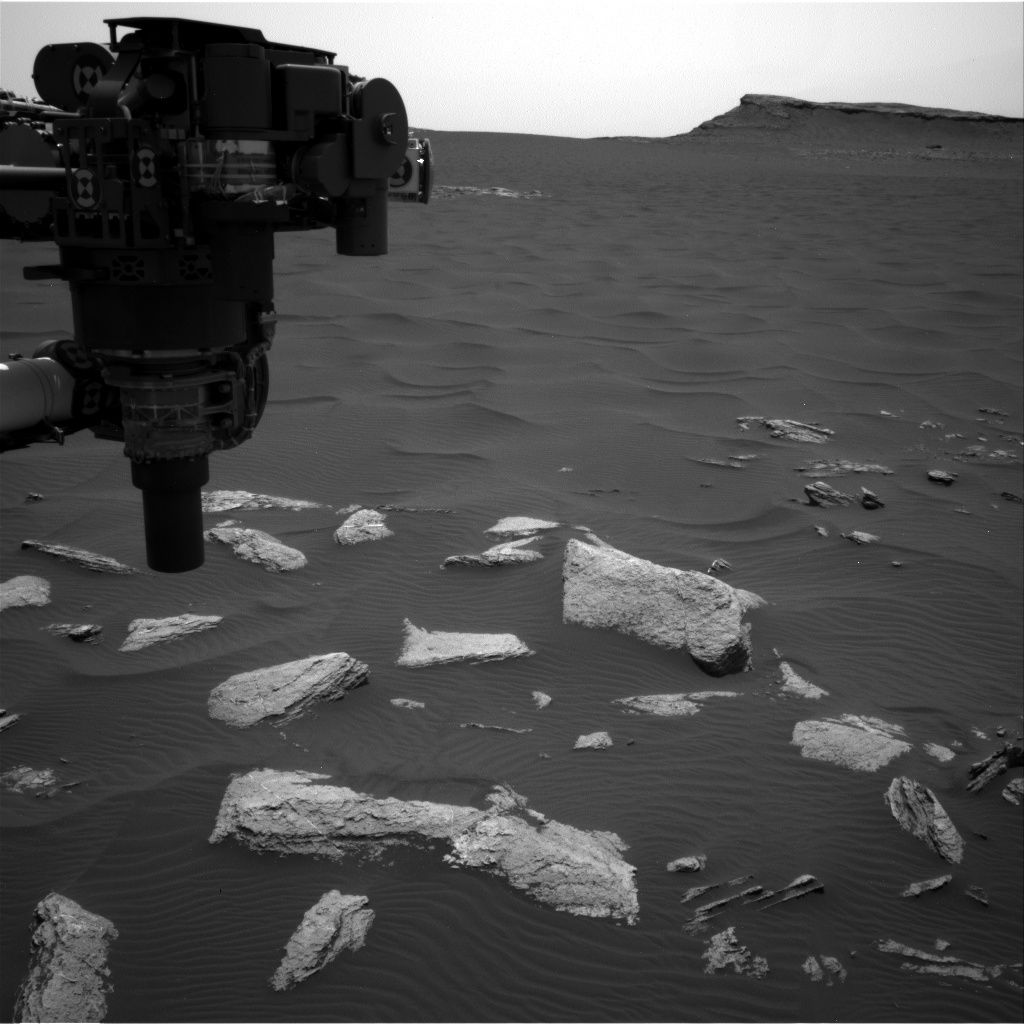
Curiosity Navcam Right B image taken on Sol 1636, March 14, 2017.
Credit: NASA/JPL-Caltech
“After that, we will do a short ‘bump’ to Stop 3 of the dune campaign, with post-drive imaging. In the afternoon after the drive,” Anderson notes, “ChemCam will do an automated AEGIS observation (likely to hit sand) and Navcam has a few atmospheric observations.”
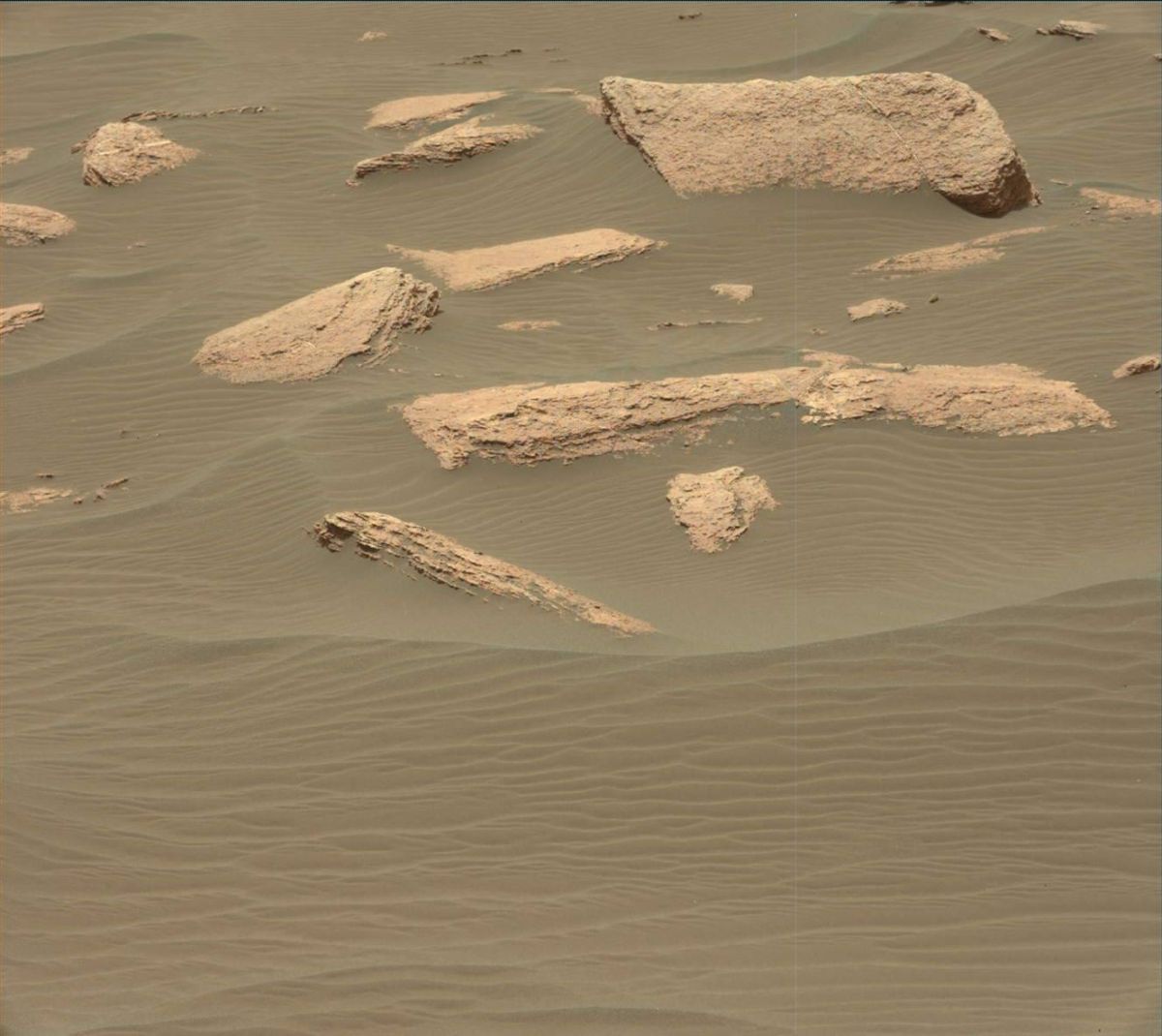
Curiosity Mastcam Left image taken on Sol 1635, March 13, 2017.
Credit: NASA/JPL-Caltech/MSSS
AEGIS is specialized software and stands for Autonomous Exploration for Gathering Increased Science.
On the schedule is unstowing Curiosity’s robotic arm to prepare for contact science activities today.
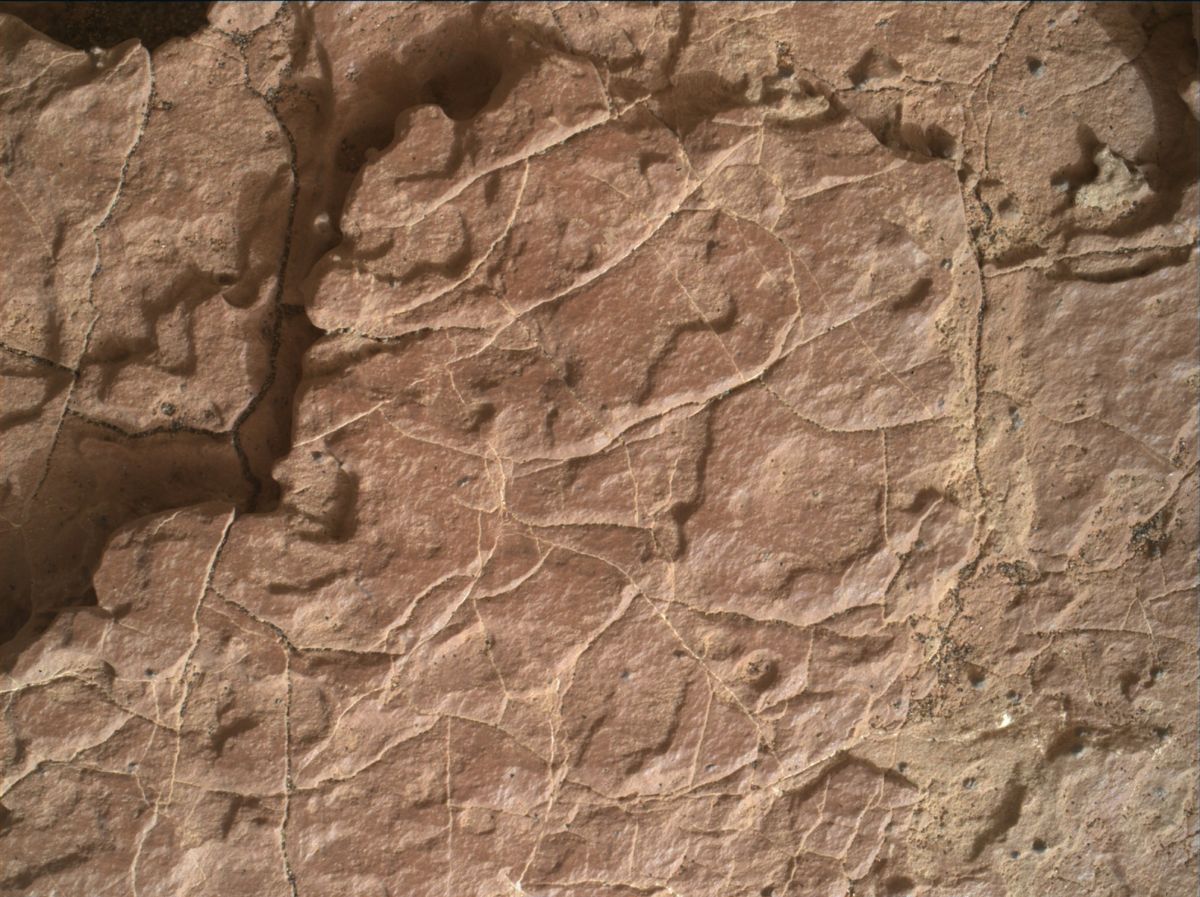
Curiosity Mars Hand Lens Imager (MAHLI) image taken on March 12, 2017, Sol 1635. MAHLI is located on the turret at the end of the rover’s robotic arm.
Credit: NASA/JPL-Caltech/MSSS
 Posted in Space News

