 By
By  March 8th, 2017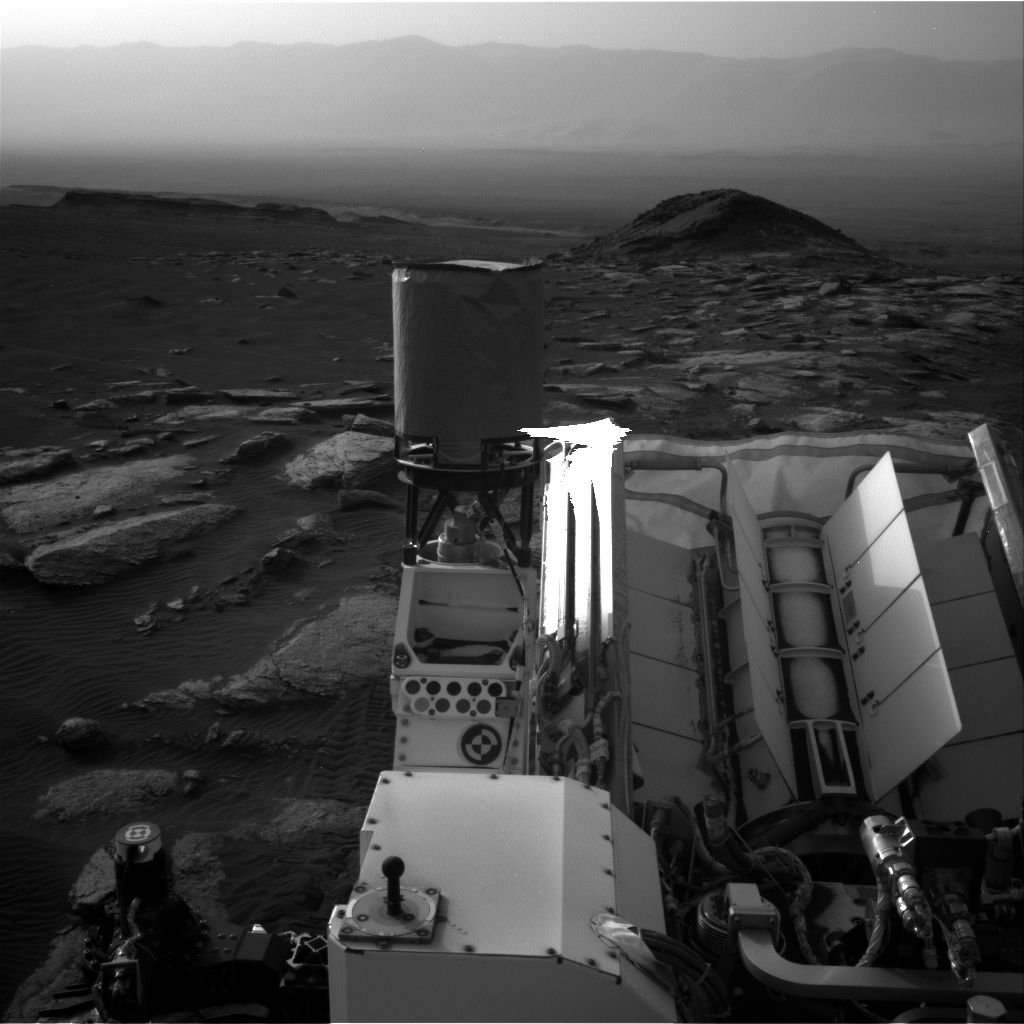
Curiosity Navcam Right B image taken on Sol 1628, March 6, 2017.
Credit: NASA/JPL-Caltech
NASA’s Curiosity rover on Mars is busy at work performing Sol 1631 duties.
Ryan Anderson, a planetary scientist at the USGS Astrogeology Science Center in Flagstaff, Arizona, reports that exciting news from a weekend plan is that the Mars Hand Lens Imager (MAHLI) dust cover closed as planned, “so we’re back in business with MAHLI.”
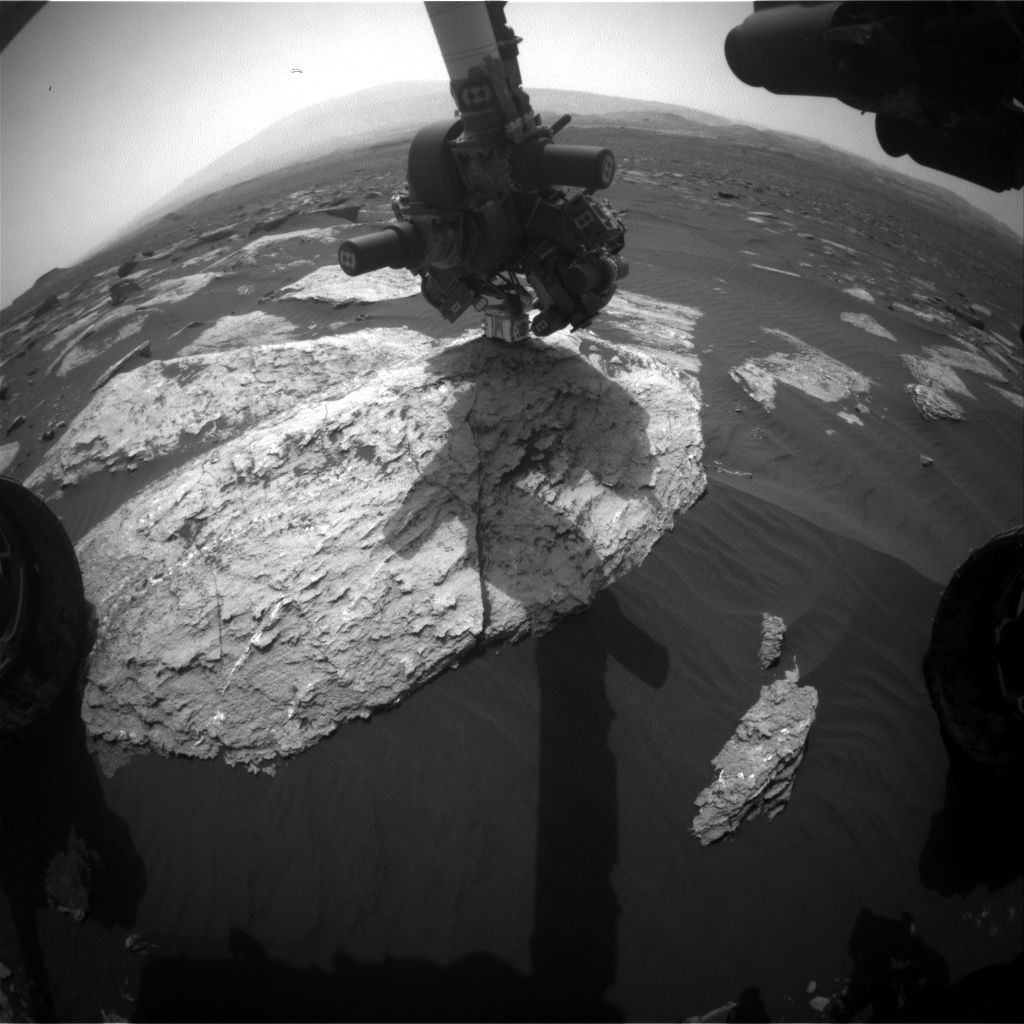
Curiosity Front Hazcam Right B image taken on Sol 1630, March 7, 2017.
Credit: NASA/JPL-Caltech
Vein observations
The Sol 1630 plan was slated to start with Chemistry & Camera (ChemCam) observations of a vein called “Temple Stream”, a soil target called “Mattawamkeag”, and the bedrock target “Vassalboro” to coordinate with an Alpha Particle X-Ray Spectrometer (APXS) observation of “Sangerville.”
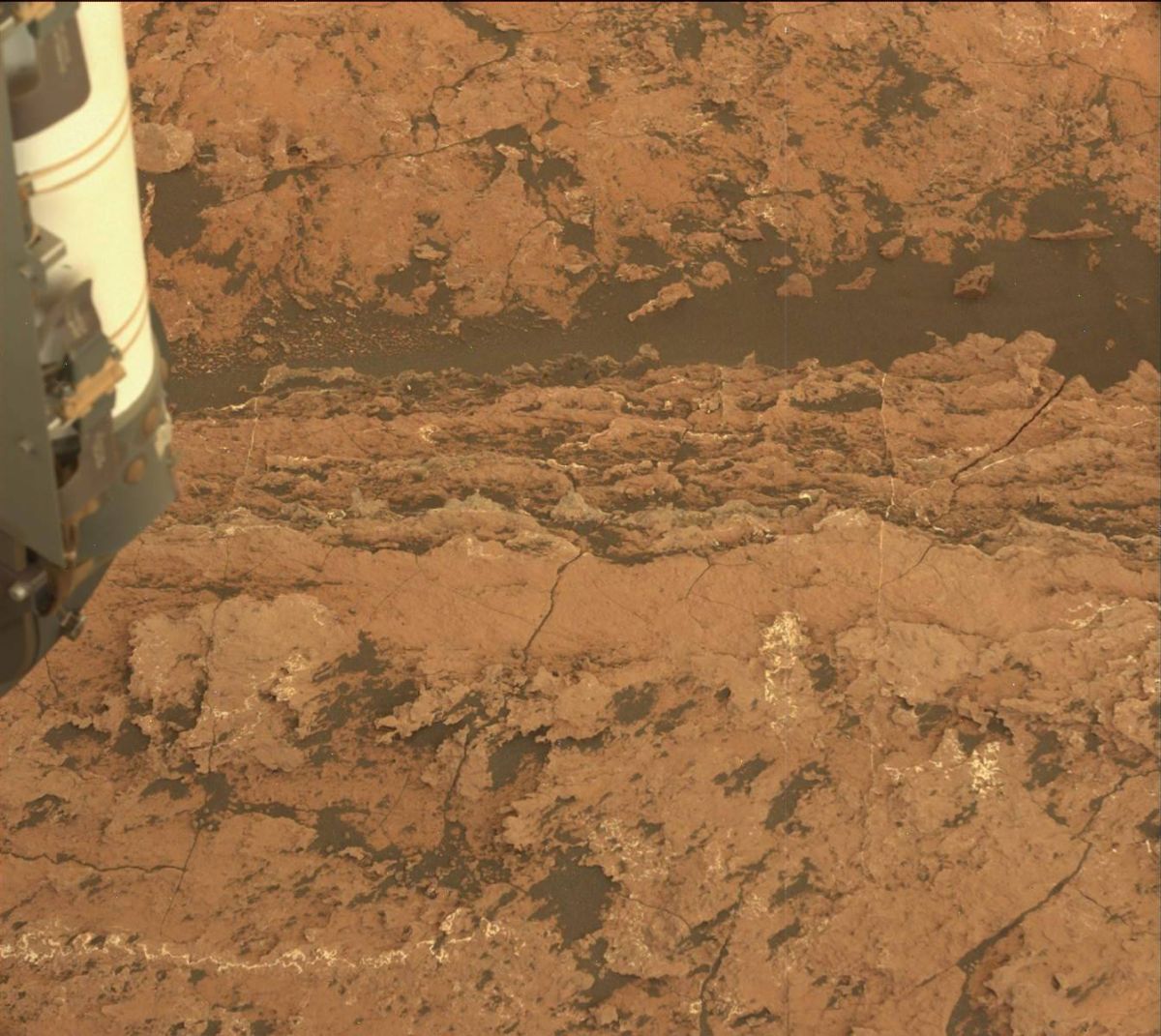
Curiosity Mastcam Left image taken on Sol 1628, March 6, 2017.
Credit: NASA/JPL-Caltech/MSSS
MAHLI was slated to also observe Sangerville, and Mastcam will document each of these targets. After that, the plan is to drive roughly 130 feet (40 meters) and collect post-drive imaging.
Untargeted science
“Since we’re driving on Sol 1630, Sol 1631 will be dedicated to untargeted science,” Anderson explains.
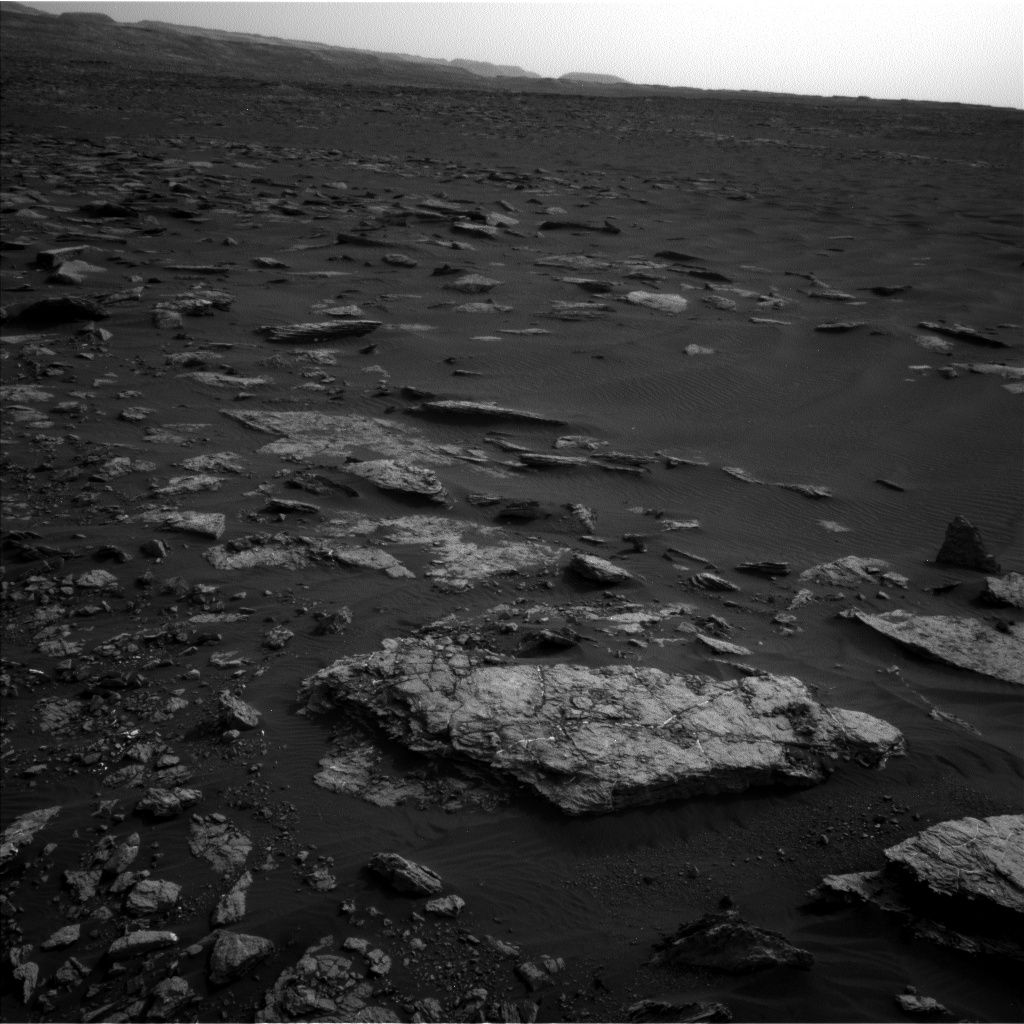
Curiosity Navcam Left B image taken on Sol 1630, March 8, 2017.
Credit: NASA/JPL-Caltech
Curiosity’s ChemCam has an Autonomous Exploration for Gathering Increased Science (AEGIS) observation, as well as some calibration observations. AEGIS software analyzes images from a wide-angle camera as the basis for autonomously selecting rocks to photograph with a narrower-angle camera.
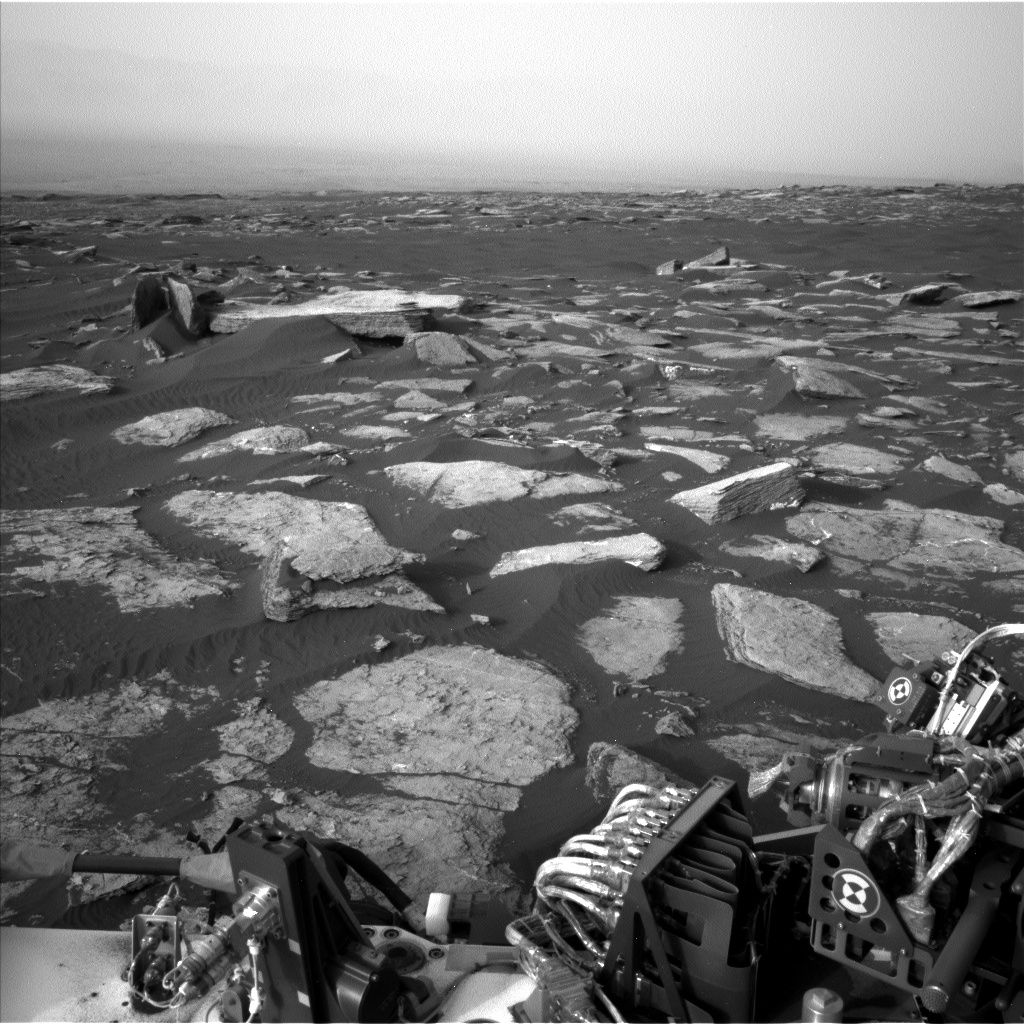
Curiosity Navcam Left B image taken on Sol 1628 March 6, 2017.
Credit: NASA/JPL-Caltech
This activity will be followed by Navcam and Mastcam atmospheric observations, including several observations to watch for dust devils, Anderson concludes.
 Posted in Space News

