 By
By  March 4th, 2017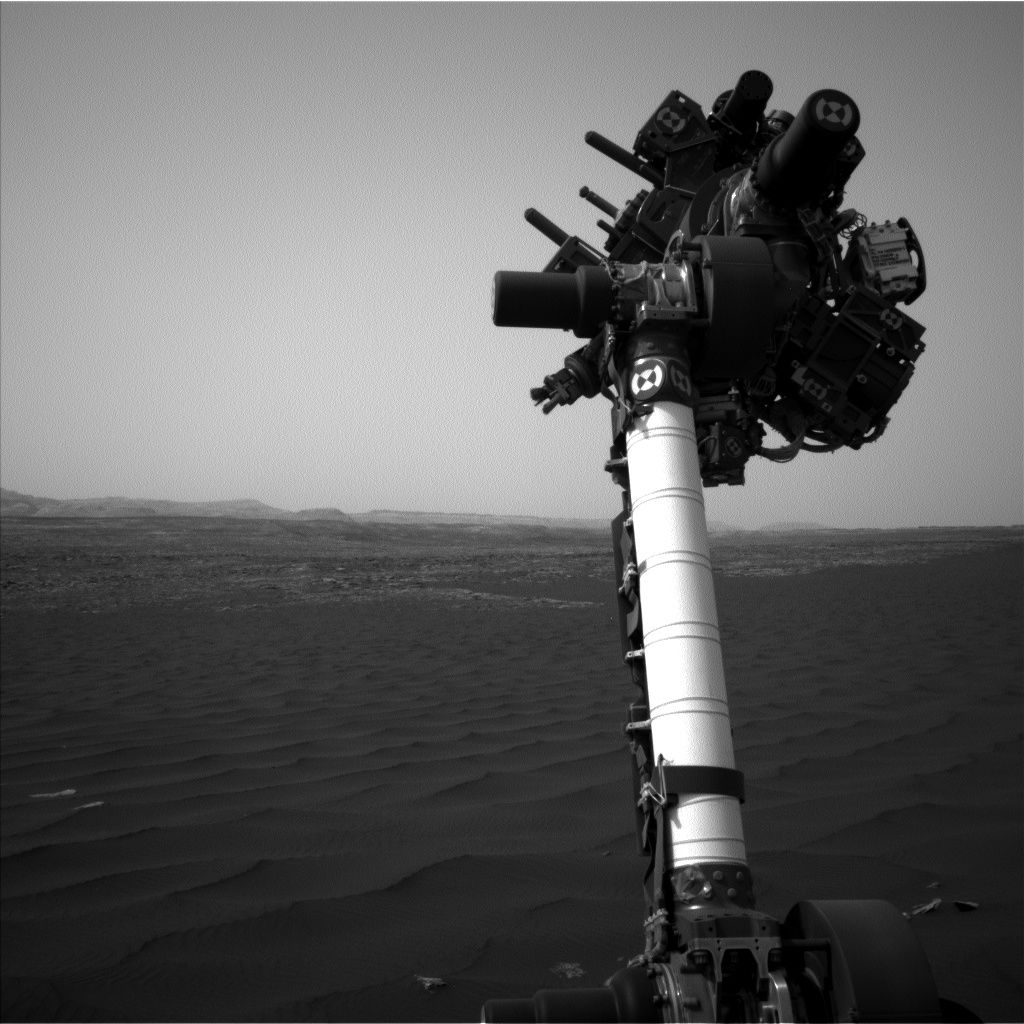
Curiosity Navcam Left B image taken on Sol 1625, March 2, 2017.
Credit: NASA/JPL-Caltech
NASA’s Curiosity Mars rover is now performing Sol 1627 science duties.
There is good news, explains Lauren Edgar, a research geologist at the USGS Astrogeology Science Center in Flagstaff, Arizona.
The Mars Hand Lens Imager (MAHLI) cover was successfully opened and the instrument is marked healthy again.
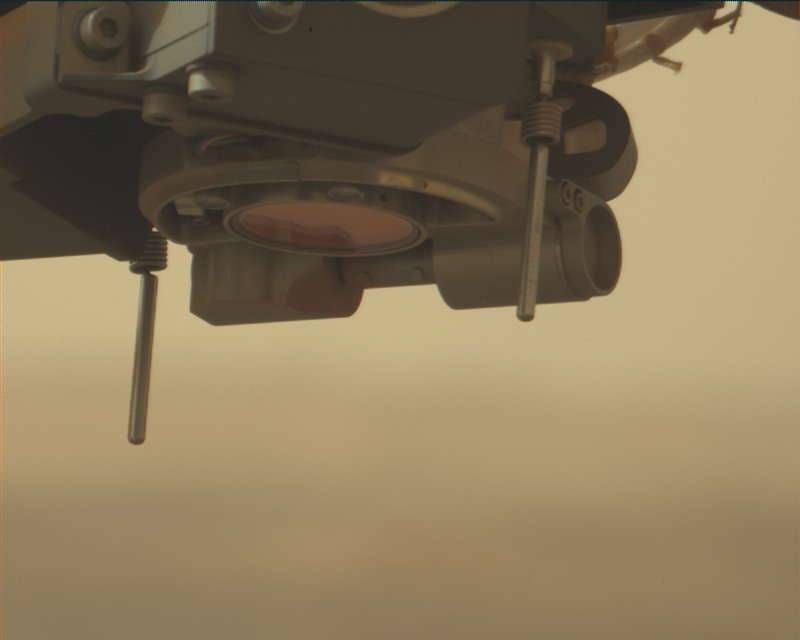
Curiosity Mastcam Right image of Mars Hand Lens Imager (MAHLI) dust cover taken on Sol 1625, March 2, 2017.
Credit: NASA/JPL-Caltech/MSSS
“That means it’s time to close the cover, and if that’s successful, drive away toward the next stop in the Bagnold Dunes Campaign,” Edgar adds.
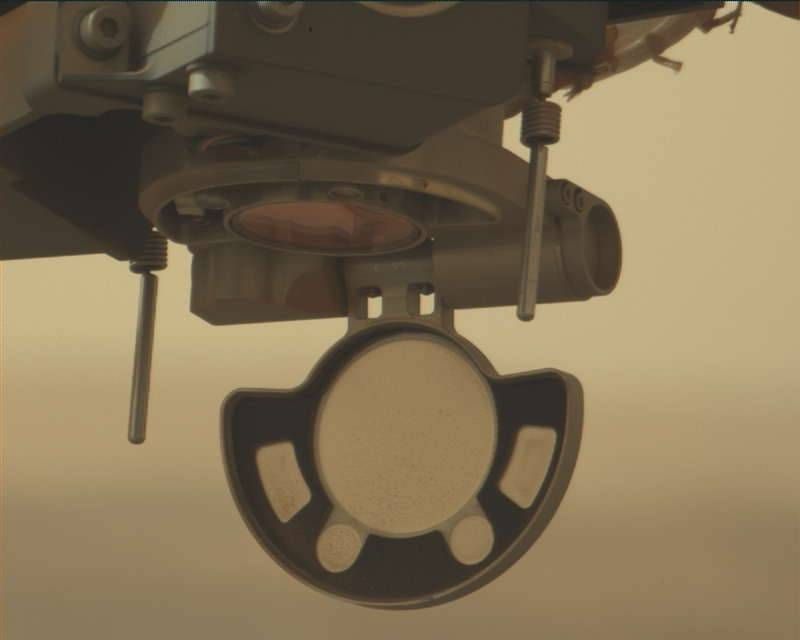
Curiosity Mastcam Right image of Mars Hand Lens Imager (MAHLI) dust cover taken on Sol 1625, March 2, 2017.
Credit: NASA/JPL-Caltech/MSSS
Ripple and bedrock observations
Curiosity is to acquire Chemistry & Camera (ChemCam) observations on “Swanback” and “Rangely” to assess the composition of a ripple crest and a bright patch of bedrock.
“We’ll also use Mastcam to image the rover deck to monitor the movement of fines. In the afternoon, we’ll close the MAHLI cover and run a few more diagnostics,” Edgar reports.
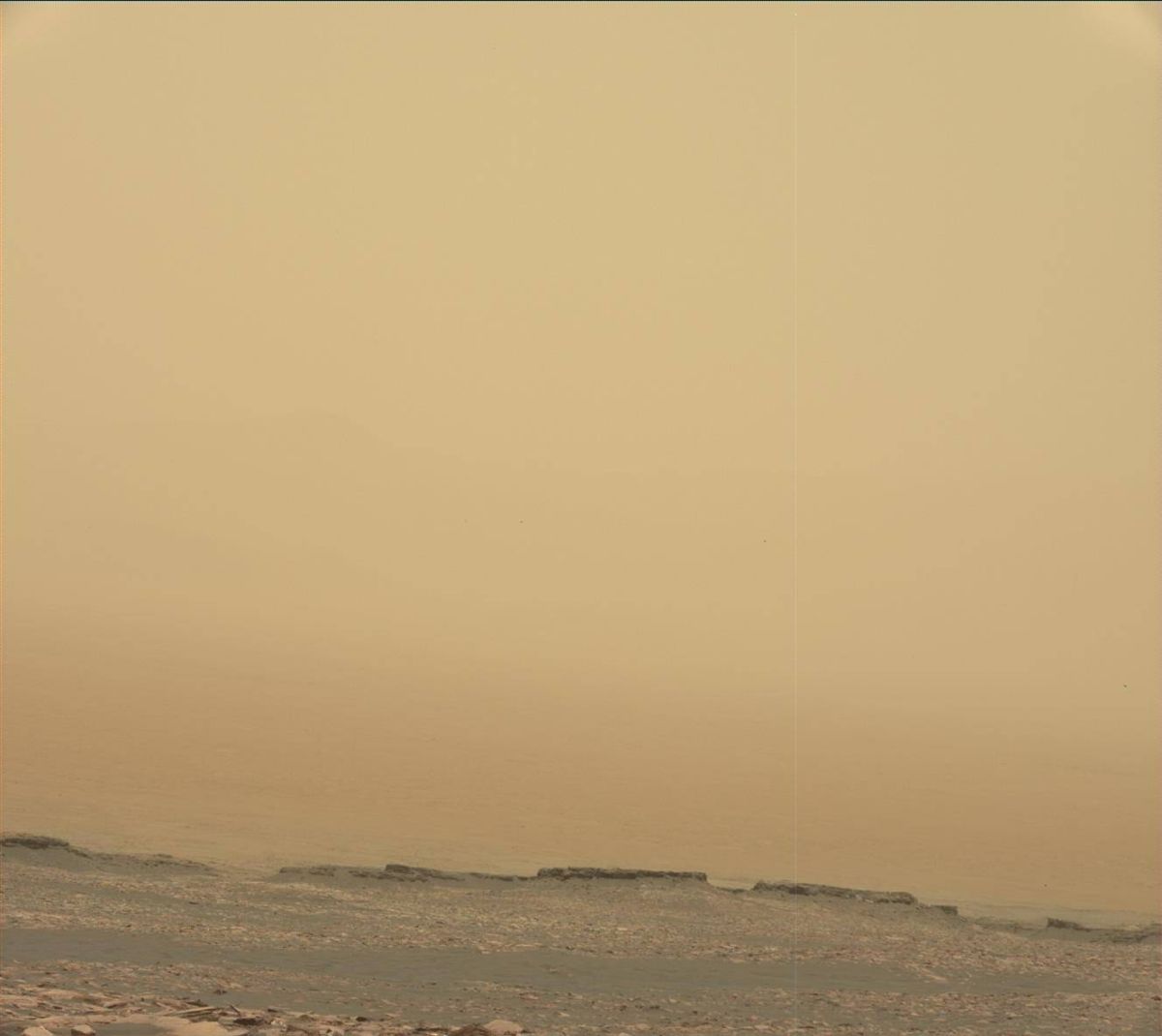
Curiosity Mastcam Left image taken on Sol 1625, March 2, 2017.
Credit: NASA/JPL-Caltech/MSSS
Monitor atmospheric dust
Also on tap for the rover on the weekend is an early science block for environmental monitoring, including Navcam and Mastcam observations to look for clouds and monitor the amount of dust in the atmosphere.
Additionally, the robot’s Navcam will search for dust devils.
Plans call for Mastcam to acquire a large mosaic of the stratigraphy exposed beneath a hematite ridge, and ChemCam will target “Thorofare” to assess the composition of veins in the local bedrock.
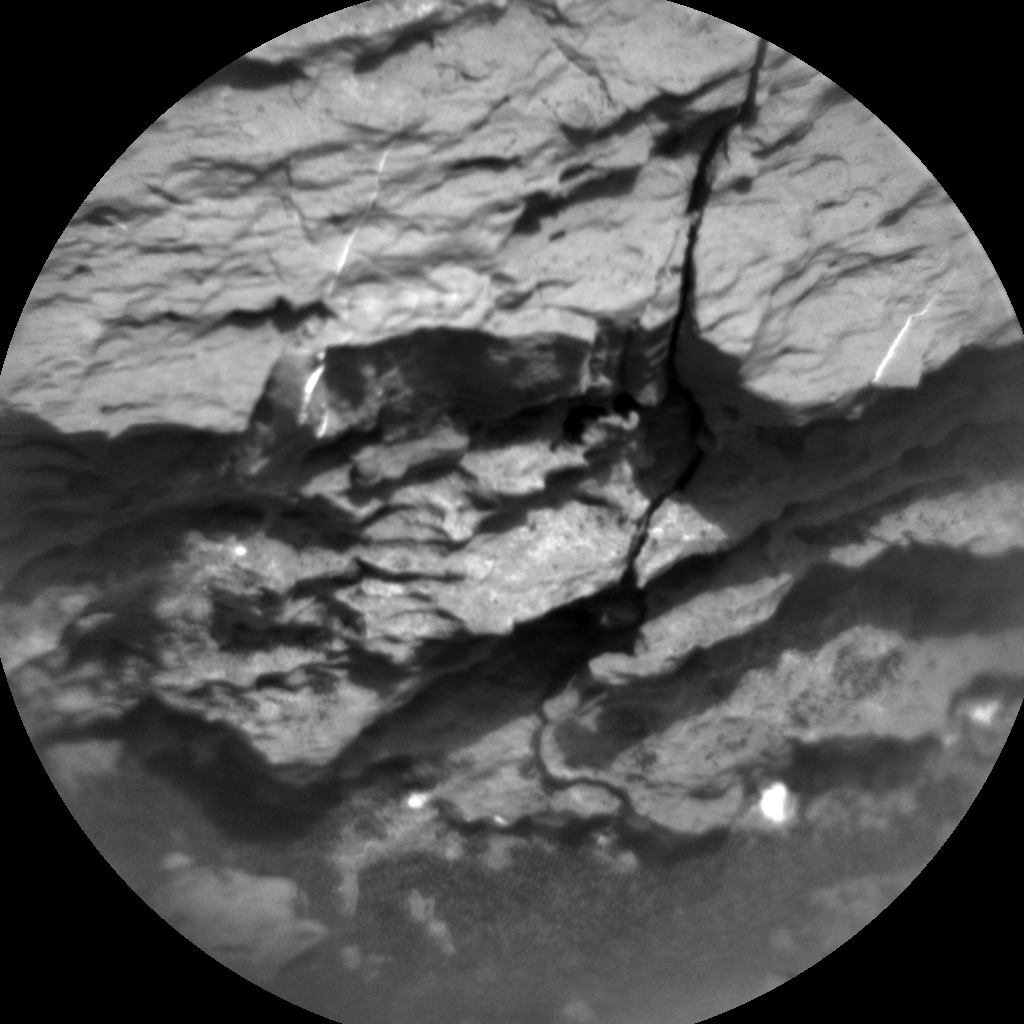
Curiosity ChemCam Remote Micro-Imager photo acquired on Sol 1626, March 3, 2017.
Credit: NASA/JPL-Caltech/LANL
Next up: new views!
“We’ll also acquire a long distance ChemCam RMI mosaic to monitor the slope of Mt. Sharp and look for changes,” Edgar says, and the rover’s Mastcam will continue to image and monitor changes in sand movement.
The plan also calls for Curiosity to drive further to the south, and take post-drive imaging to prepare for targeting next week.
Curiosity planners have also scheduled more environmental monitoring activities, follow-up to an autonomously-selected ChemCam target, and carry out ChemCam calibration activities.
“Looking forward to driving again,” Edgar concludes, “and getting a new view!”
 Posted in Space News

