 By
By  February 6th, 2017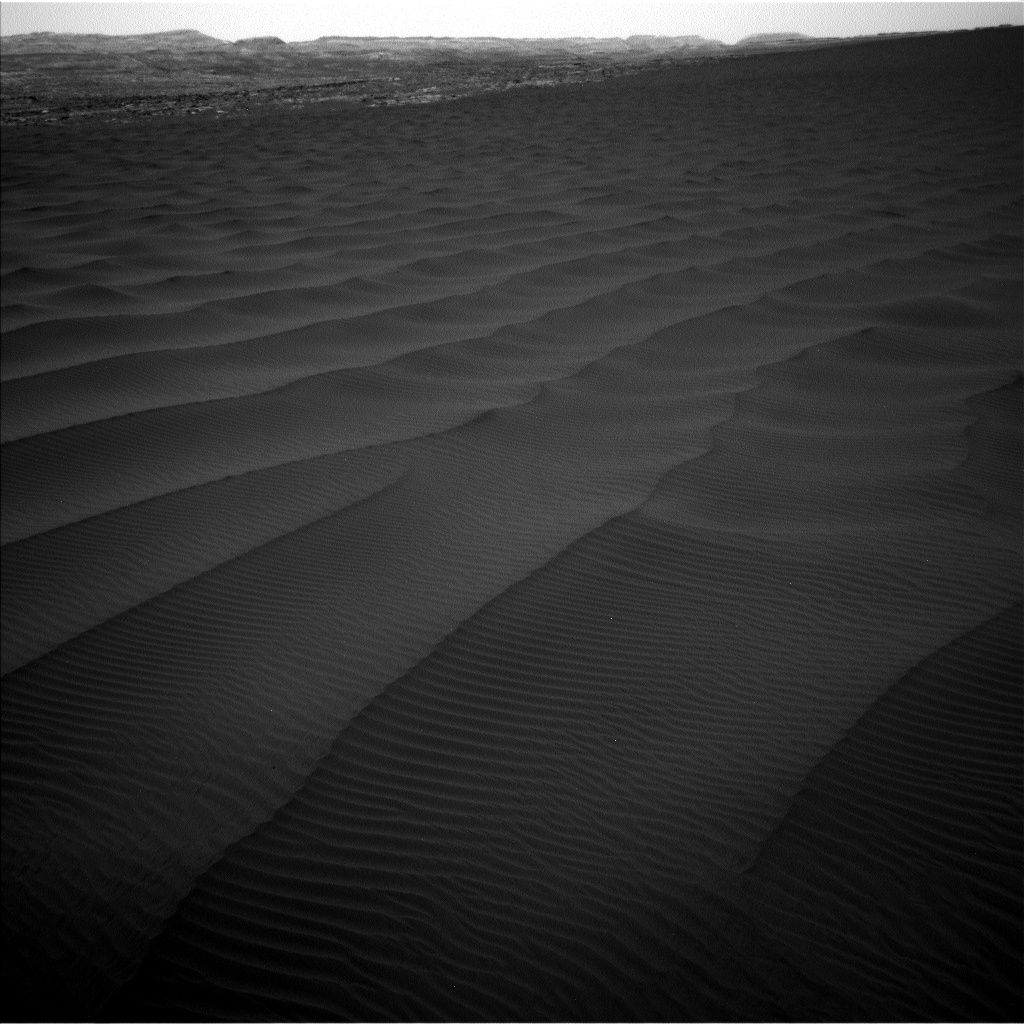
Curiosity Navcam Left B image taken on Sol 1601, February 6, 2017.
Credit: NASA/JPL-Caltech
NASA’s Curiosity Mars rover is in position to scan a next segment of the Bagnold Dunes.

NASA’s Mars rover Curiosity Front Hazcam Right B image taken on Sol 1601, February 6, 2017.
Credit: NASA/JPL-Caltech
Last year, the robot made the first up-close study of active sand dunes anywhere other than Earth, at the Bagnold Dunes on the northwestern flank of Mars’ Mount Sharp.
As reported in 2016, some of the wind-sculpted sand ripples on Mars are a type not seen on Earth, and their relationship to the thin Martian atmosphere today provides new clues about the atmosphere’s history.
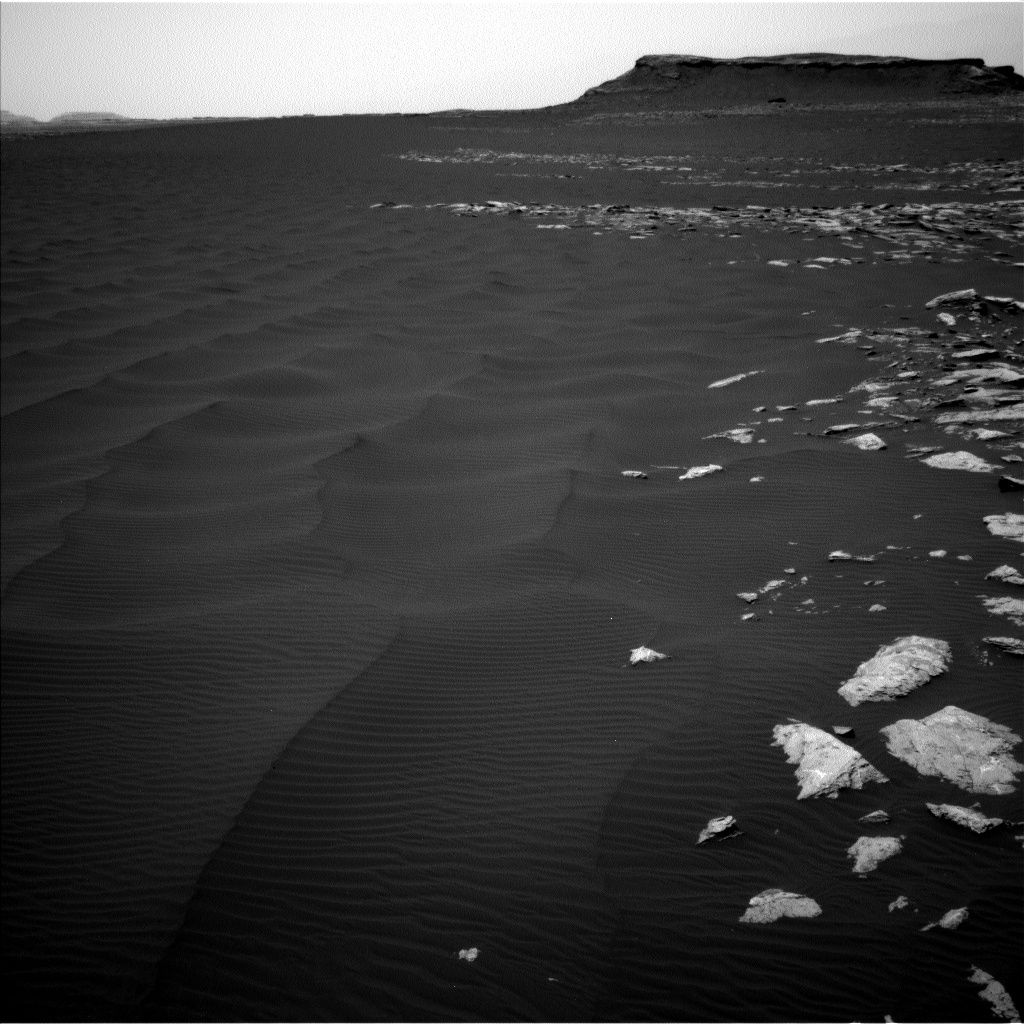
Curiosity Navcam Left B image taken on Sol 1601, February 6, 2017.
Credit: NASA/JPL-Caltech
Now working in Sol 1601 and entering Sol 1602, the rover was in position to take a Mastcam 360-degree mosaic. This scenic site looks out over the dunes and captures features like “Ireson Hill.”
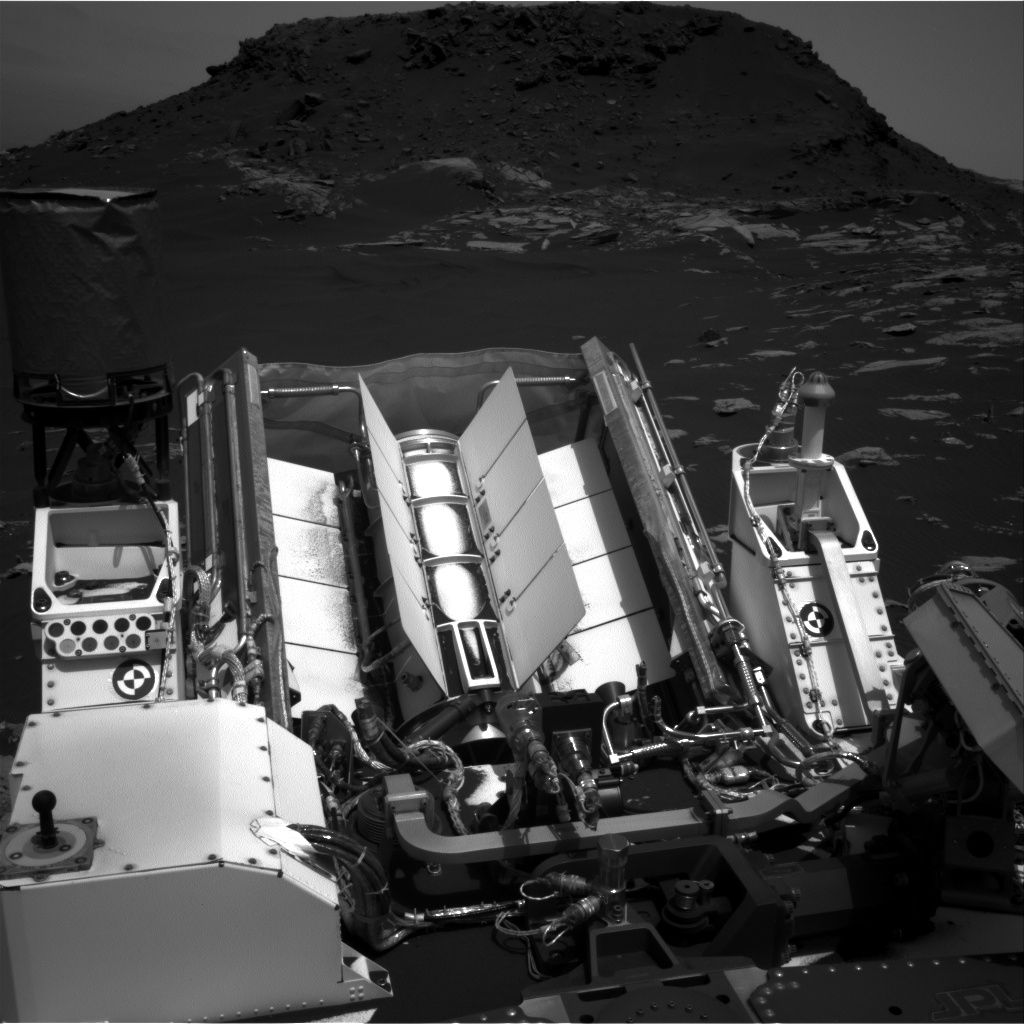
Curiosity Navcam Right B image of “Ireson Hill” taken on Sol 1601, February 6, 2017.
Credit: NASA/JPL-Caltech
 Posted in Space News

