 By
By  August 1st, 2026
Lunar south pole.
Image credit: CGTN/Inside Outer Space screengrab
What’s shaking about water ice deposits on the Moon?
Turns out that assessing how seismic waves propagate on the Moon could be used to locate and map ice buried beneath the lunar surface.
A new study by geologists at the University of Maryland (UMD), Lawrence Berkeley National Laboratory and the University of Hawaii shows that seismic waves—the same kind of vibrations measured during earthquakes here on our planet — could be used to pick up the seismic signature of lunar ice.
The team’s findings have been published in the journal Science Advances on July 31.
Live off the land
“It’s crucial to identify any materials on the Moon that an astronaut can make use of while they’re up there,” said Nicholas Schmerr, an associate professor in UMD’s Department of Geological, Environmental, and Planetary Sciences and a co-author of the study.
“Since they will be limited by the few resources they brought from Earth,” Schmerr explains, “anything they find on the Moon will help them basically live off the land, especially for longer-term missions or outposts.”
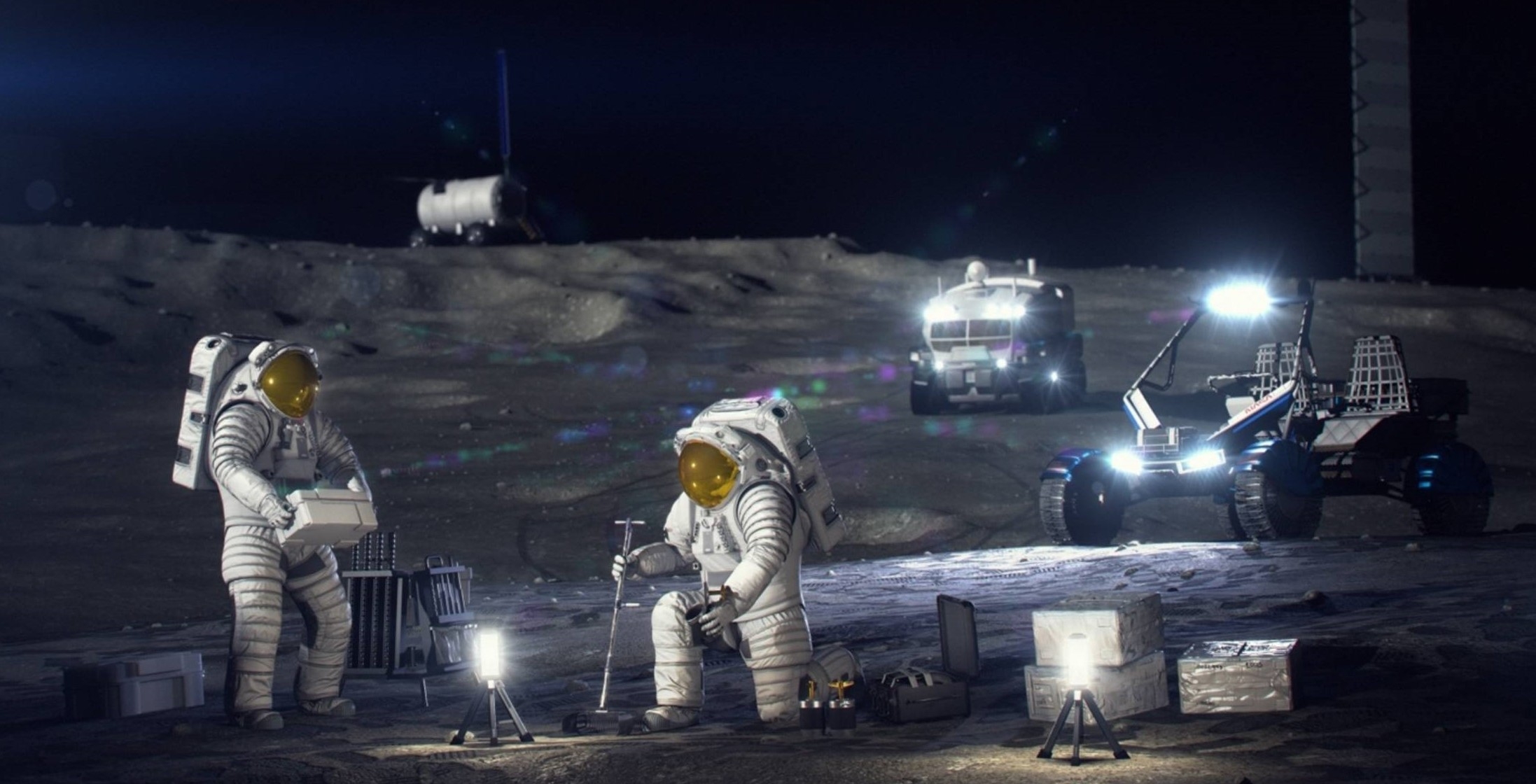
Image credit: NASA
Frozen shadows
Water ice hidden in the deep, frozen shadows of lunar polar craters may well be one of the most valuable resources an astronaut can find.
Ice can become drinking water, split apart with electricity to yield oxygen to breathe and hydrogen for rocket propellant.
So finding quantities of water ice could radically reduce what future missions need to haul from Earth.
But there’s a glitch
Presently, no one knows for sure how much ice is on the Moon, where it is, and in what condition it is for extraction and processing.
“The idea behind the team’s work was straightforward: frozen soil and dry soil behave very differently when a seismic wave passes through them,” states a UMD press statement. “Ice stiffens whatever it’s mixed into, making vibrations travel two to three times faster than they would through dry dirt. Ice-rich zones can also cause seismic energy to bounce back rather than pass through, much like how sounds can echo off a wall.”
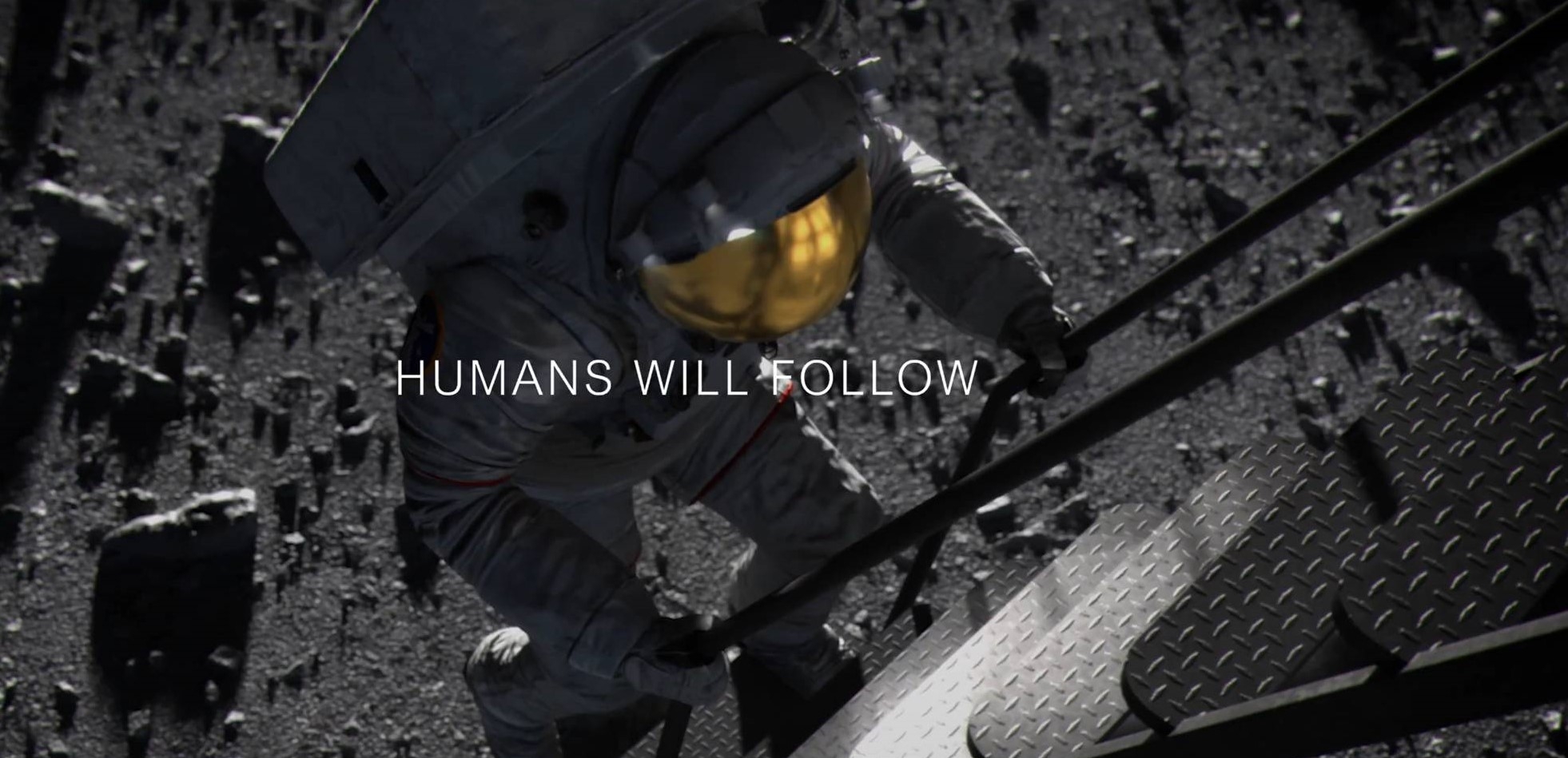
Image credit: NASA
Schmerr added that a well-placed seismometer on the Moon would be able to detect these effects. “We can use seismic waves to not just see whether ice is present but also roughly how much of it there is,” he stated.
Testing, testing, testing
To test their idea, the researchers took three approaches.
Harrison Lisabeth, a rock physicist at Lawrence Berkeley National Laboratory, who led the research, froze a volcanic rock from Arizona that when crushed, closely mimics lunar dust.
Using X-rays, researchers studied how ice settles into tiny gaps between soil grains.
Co-author Matthew Siegler from the University of Hawaii modeled detailed temperature maps of the Moon’s south polar region, identifying which craters stayed cold enough to preserve ice for billions of years.
At UMD, Schmerr ran computer simulations of small moonquakes rippling through and interacting with underground lunar ice.
The result?
In every case, the ice left clear and measurable marks on the seismic data.
Chang’e-7.
Image credit: CCTV/Inside Outer Space screengrab
Predictions
As noted in the UMD press statement, the research team won’t have to wait long to put their predictions to the test.
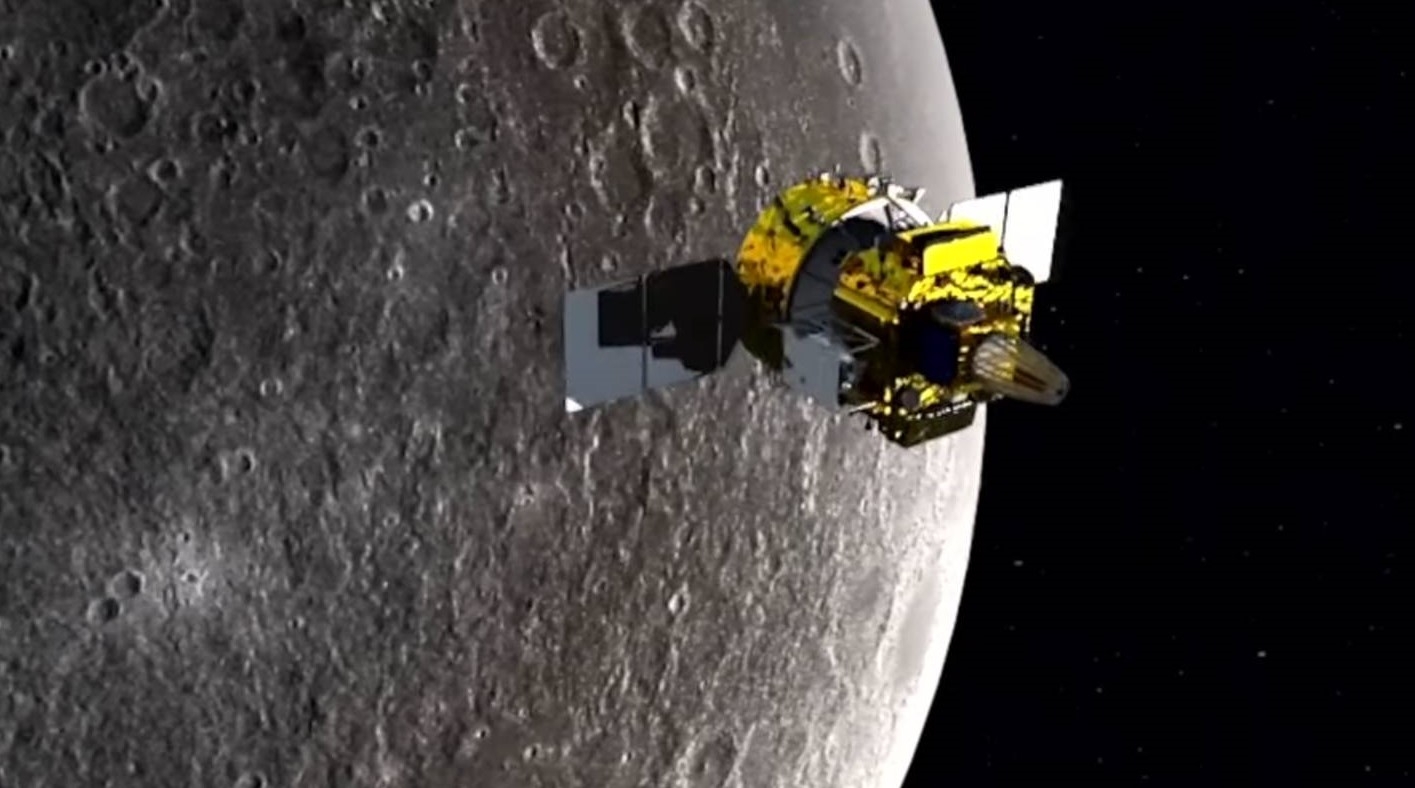
China’s Chang’e-7 mission, expected to be launched later this month, is equipped with a seismograph to study moonquakes and probe the lunar interior.
The robotic lander is targeted to land near Shackleton Crater in late 2026. At that location, numerous suspected ice deposits are present.
Additionally, NASA’s Artemis astronauts will potentially deploy the Lunar Environmental Monitoring Station, an instrument UMD’s Schmerr helped develop for seismic exploration.
“Our findings are laying the groundwork for an observation we’ll get in the next couple of years,” Schmerr said. “No one has physically measured the ice on the moon yet, but we now have a prediction for what to look out for. That’s an important first step.”
To gain access to the research paper — “The seismic signature of lunar ice” – go to:
 Posted in Space News

