 By
By  July 23rd, 2026
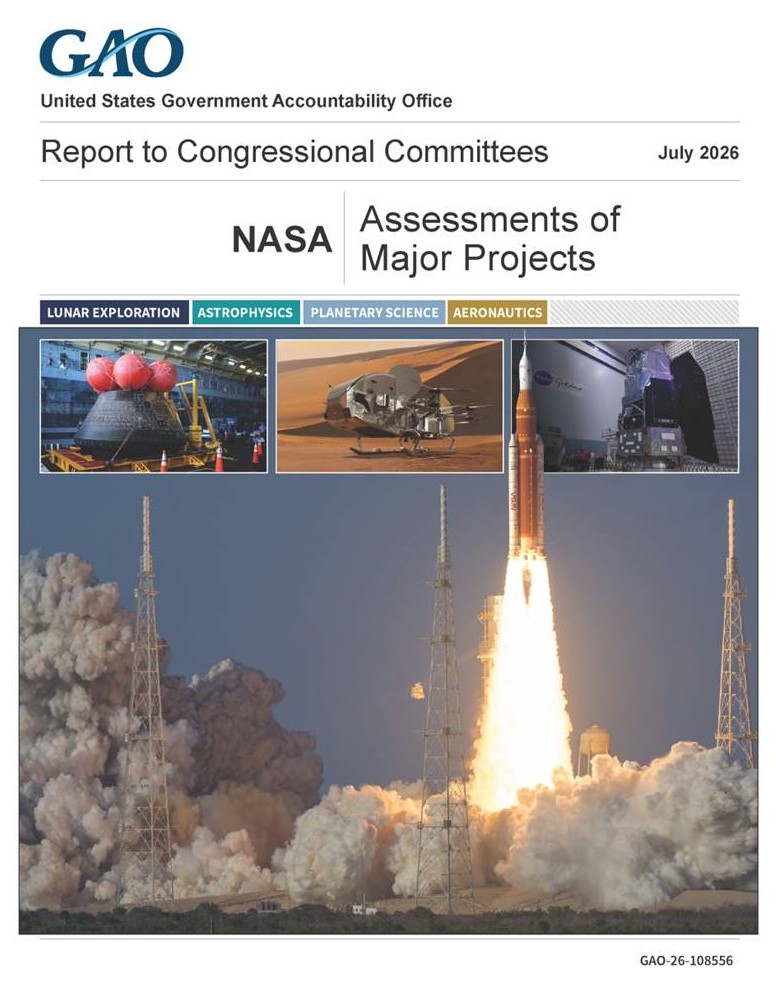 NASA is undertaking some of its most ambitious projects, from returning astronauts to the Moon to preparing for future missions to Mars.
Together, the agency’s major projects represent an estimated investment of about $70 billion.
Here’s what the U.S. Government Accountability Office (GAO) reports in a just-issued document:
Most of NASA’s major projects in development reported no schedule delays or cost overruns in the last year. These projects are in the phase of building and testing their designs.
Two of these 18 projects reported annual schedule delays (totaling 2 months) and three reported cost overruns (totaling $501.4 million). Similarly, the portfolio’s cumulative costs and delays increased slightly, from $4.4 billion to nearly $4.7 billion and from 13.1 years to 14 years, respectively.
The Orion crew capsule accounts for over half of the major projects’ annual cost overruns and almost 75 percent of their cumulative cost overruns.
Artemis program: significant changes
In February and March 2026, NASA announced significant changes to its Artemis missions—its effort to create a sustained lunar operations.
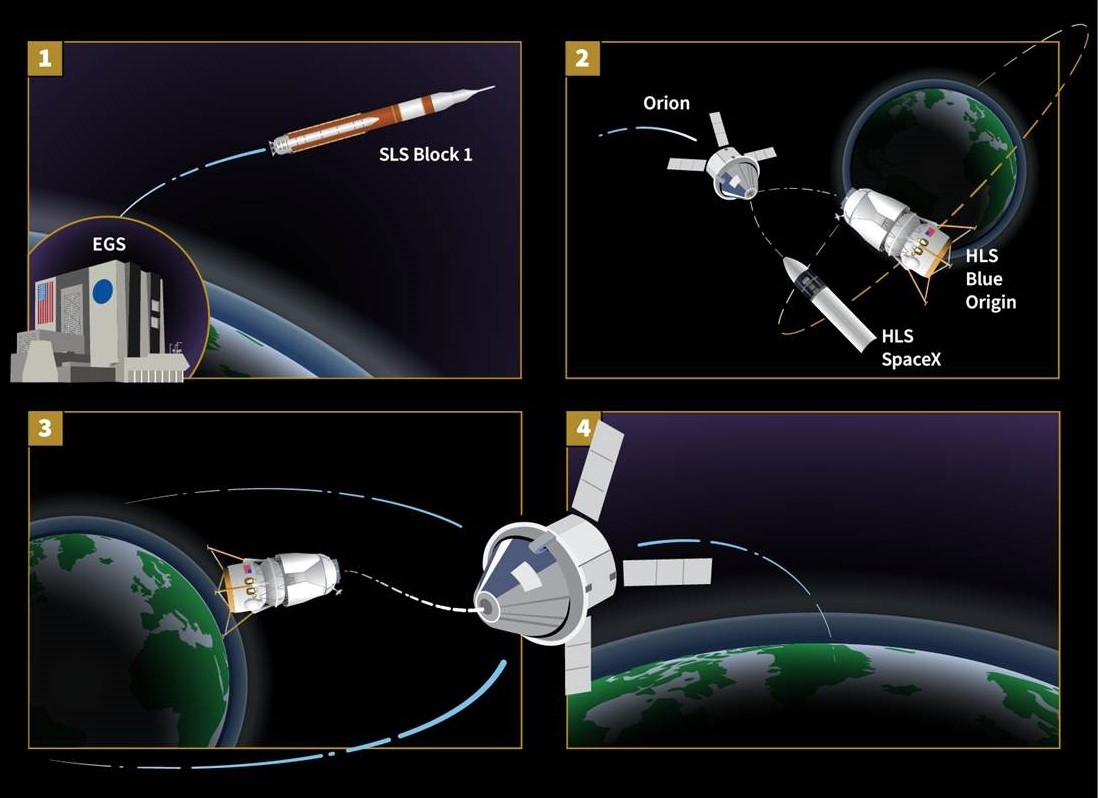
Artemis III mission in Earth orbit.
Image credit: GAO
The changes included revising the focus of the planned Artemis III, IV, and V missions, and pausing work on three Artemis projects. These projects include the Gateway, a small space station in lunar orbit that would have supported lunar missions. Under its new plan, NASA plans to shift its focus to infrastructure that enables sustained lunar surface operations – a Moon Base.
Implementing changes to the Artemis missions will create acquisition management challenges for NASA as each Artemis-related project adjusts to the new plans. For example, two Artemis projects were reporting technical and programmatic risks that were likely to delay their schedules.
Ongoing uncertainty
Acting on GAO’s prior recommendations to improve cost transparency, establish cost and schedule controls, and better manage acquisition risk could provide opportunities for NASA to strengthen its acquisition management.
In response to the administration’s directive to reduce the size of the federal workforce, NASA reduced its civil servant workforce by 4,000 staff—or nearly 22 percent—in 2025. To date, 25 of 36 projects have reported effects from the reduced staffing.

Artwork depicts two Artemis astronauts planting an American flag at the lunar south pole.
Image credit: NASA/Daniel O’Neal
Subsequently, in February 2026, the NASA Administrator announced plans to resume hiring and address skill gaps. The President’s fiscal year 2027 budget request, however, proposes to reduce funding for NASA by more than 20 percent. This request contributes to the ongoing uncertainty as to whether NASA will be able to hire the workforce needed to address skills gaps.
GAO will continue to closely monitor NASA’s management of the Artemis projects, as well as the agency’s efforts to address workforce challenges.
Acquisition management
In its prior work, GAO made multiple recommendations to improve NASA’s management of major projects. NASA has generally agreed with these recommendations, but has not yet addressed some in the areas of cost transparency and program cost and schedule controls.
As of May 2026, NASA also had not yet fully implemented two recommendations to improve its acquisition management, which GAO identified as high priority.

Image credit: NASA
To access the full GAO report – NASA: Assessments of Major Projects – go to:
https://www.gao.gov/assets/gao-26-108556.pdf
GAO video
GAO Director Bill Russell discusses GAO’s latest annual review of NASA’s major projects, including how well they are meeting their cost and schedule goals. He explains what drove much of the portfolio’s recent cost growth, how changes to the Artemis program could affect future missions, and why NASA’s workforce challenges may create additional risks.
Learn what GAO found, what appears to be working, and what NASA and Congress should watch as these complex projects move forward.
Go to this GAO video at:
 Posted in Space News

