 By
By  May 31st, 2026
Image credit: NSF
The recent loss of Blue Origin’s New Glenn booster that blew up during an on-the-pad engine test drew NASA Administrator Jared Isaacman to visit the blast zone in Florida.
“We go where we need to be, and today that was NASA Kennedy,” Isaacman posted on X. He and several senior engineers spent time at Blue Origin, speaking with the workforce, including Jeff Bezos and Dave Limp, and viewed the damage at LC-36 firsthand.
“I appreciated the opportunity to hear directly from those working through the aftermath and better understand the challenges ahead,” Isaacman said.
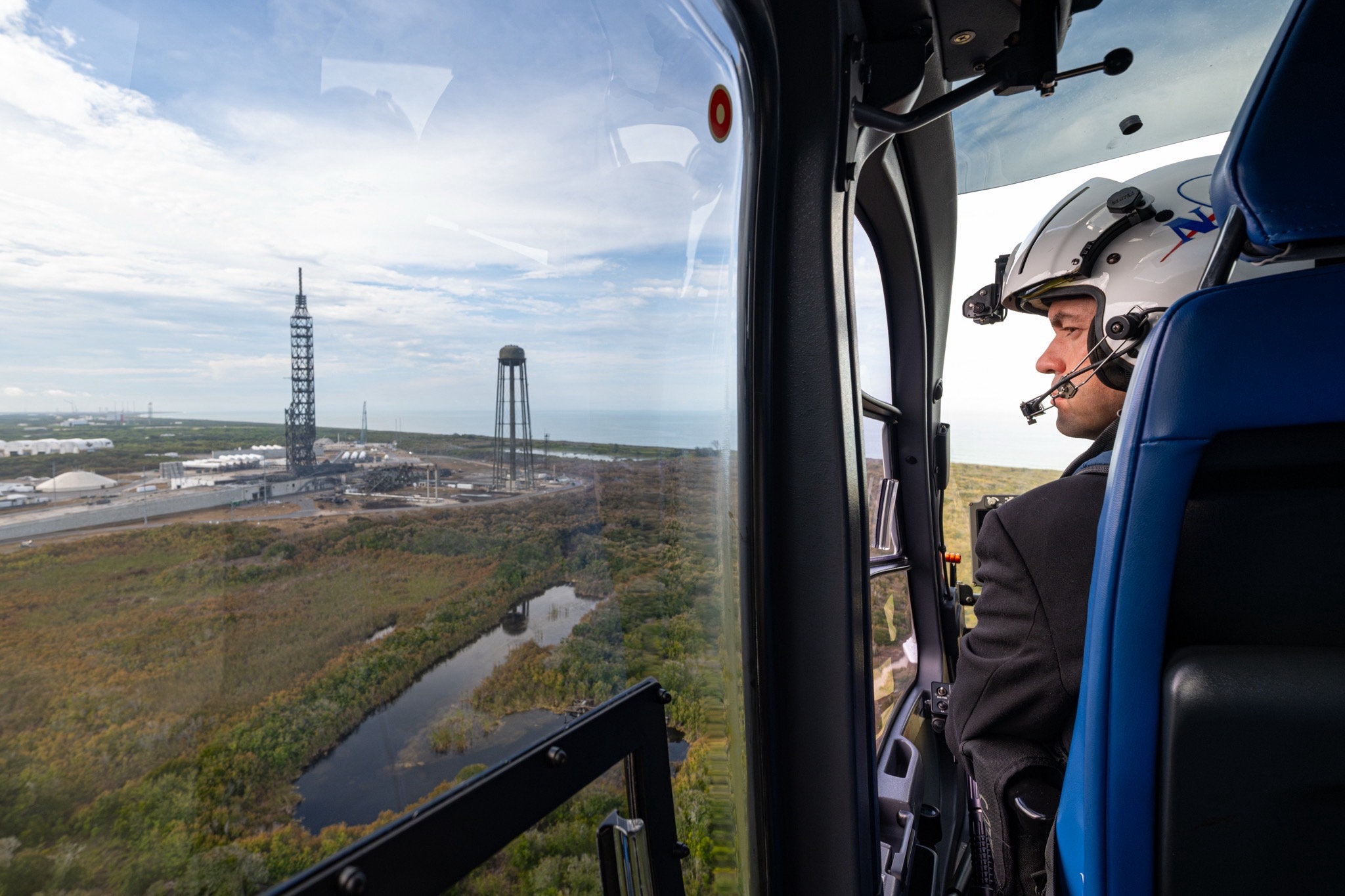
Image credit: NASA/Jared Isaacman
Overcome setbacks
“There is a lot of work to do, but this is exactly why people choose careers in aerospace, whether at NASA, Blue Origin, or across the industry. The talent in this field thrives under pressure and performs at its best when solving the toughest problems,” the NASA chief added.
“We have been saying for months at NASA that we are not going to sit on our hands and wait for the capabilities necessary to achieve the nation’s most pressing objectives,” said Isaacman. “We are going to take an active role alongside our partners, just as we did in the 1960s, to overcome setbacks, remove obstacles, and deliver the intended outcomes.”
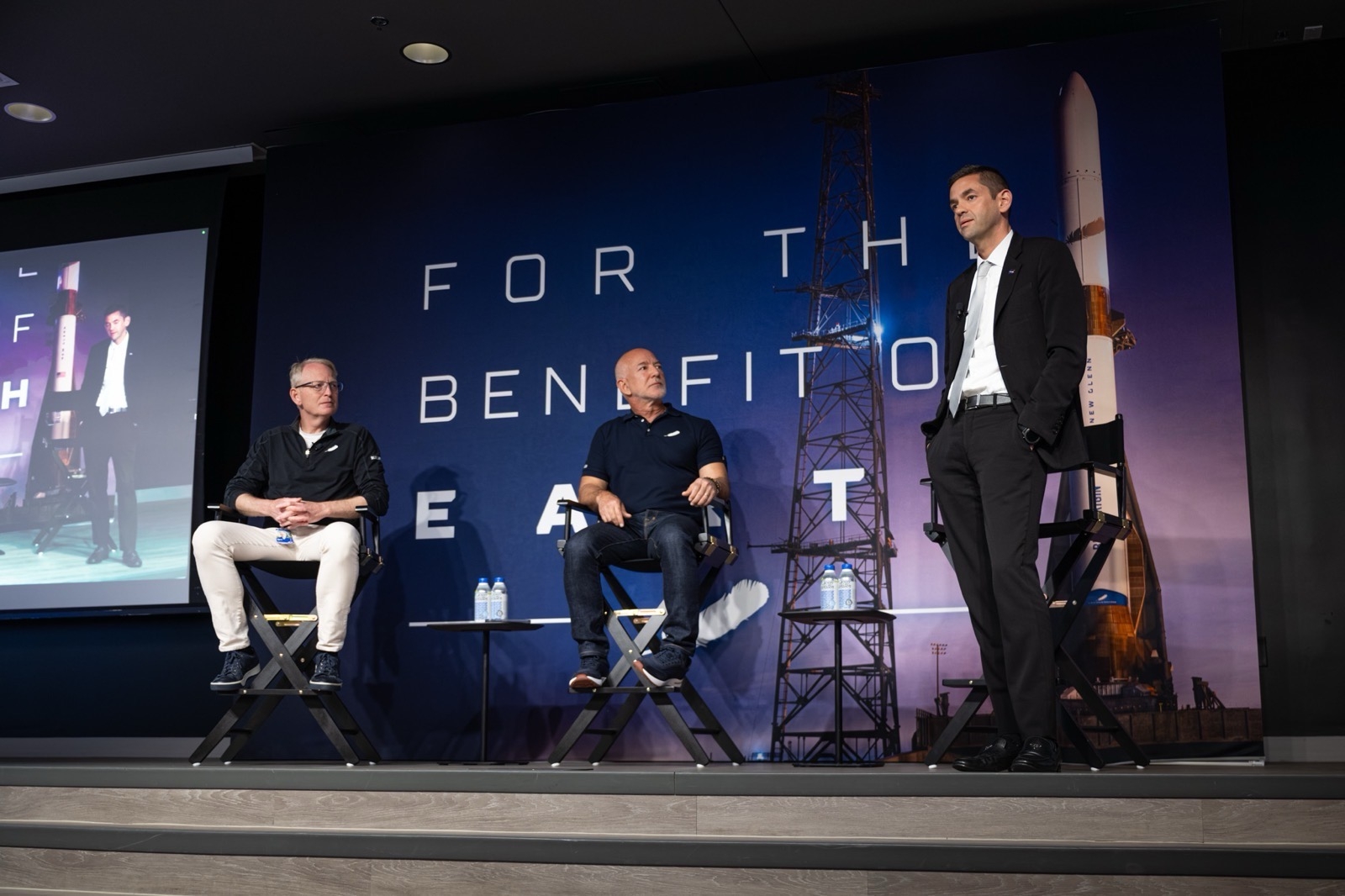
NASA Administrator Isaacman (right), Jeff Bezos (center), and Dave Limp (left) of Blue Origin. Image credit: NASA/Jared Isaacman
Investigating the hotfire anomaly
NASA is committed to helping the Blue team recover, continue to advance their lunar lander and get New Glenn back to flying “as soon as safely possible,” Isaacman posted. “America’s greatest achievements in space were never the result of avoiding setbacks. They came from overcoming them. We have done it before, and we will do it again.”
Meanwhile, Dave Limp CEO of Blue Origin posted on X: “We have regained some access to Launch Complex 36 and are actively investigating the hotfire anomaly. We will start clearing the pad soon and have a good rebuild plan in place.”
 Posted in Space News

