 By
By  March 10th, 2026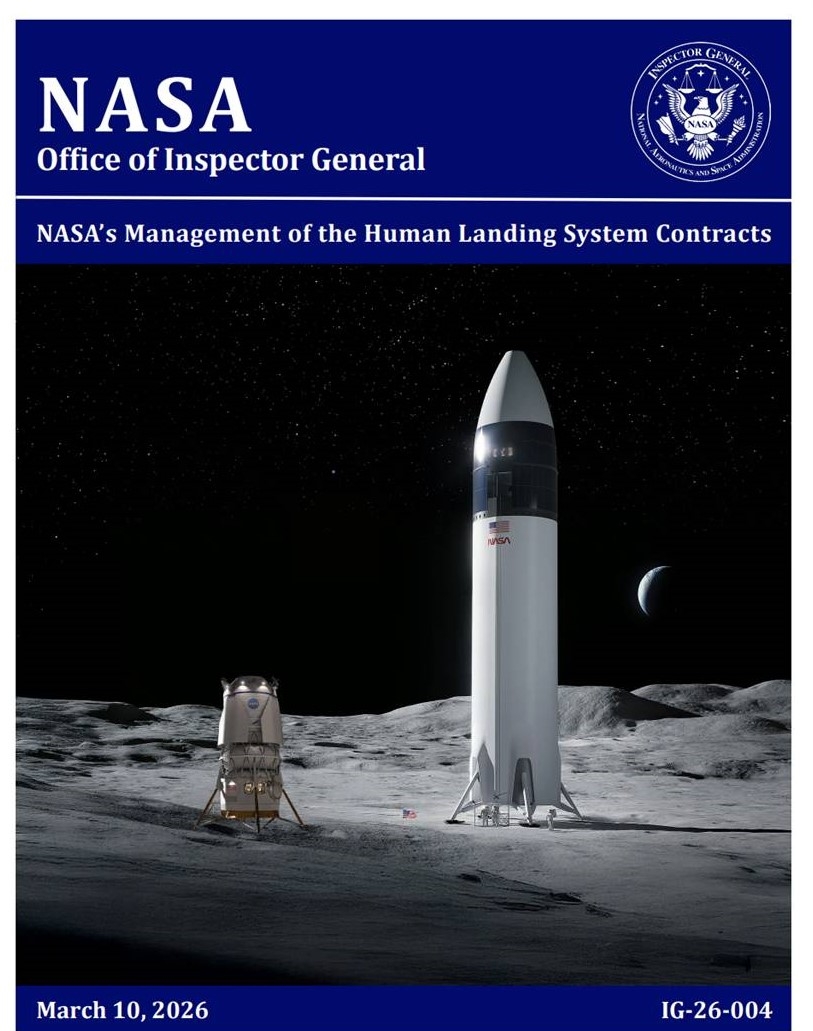
NASA’s firm-fixed-price contract approach relies on selected lunar Human Landing System (HLS ) providers to design, build, and demonstrate their own lander hardware. SpaceX is developing its Starship lander, while Blue Origin is working on its Blue Moon lander.
A NASA Office of Inspector General (OIG) report has taken a hard look at NASA’s firm-fixed-price contract approach with Moon lander providers – SpaceX and Blue Origin — to design, build, and demonstrate lander hardware.
SpaceX is developing its Starship lander, while Blue Origin is working on its Blue Moon lander.
Contract costs
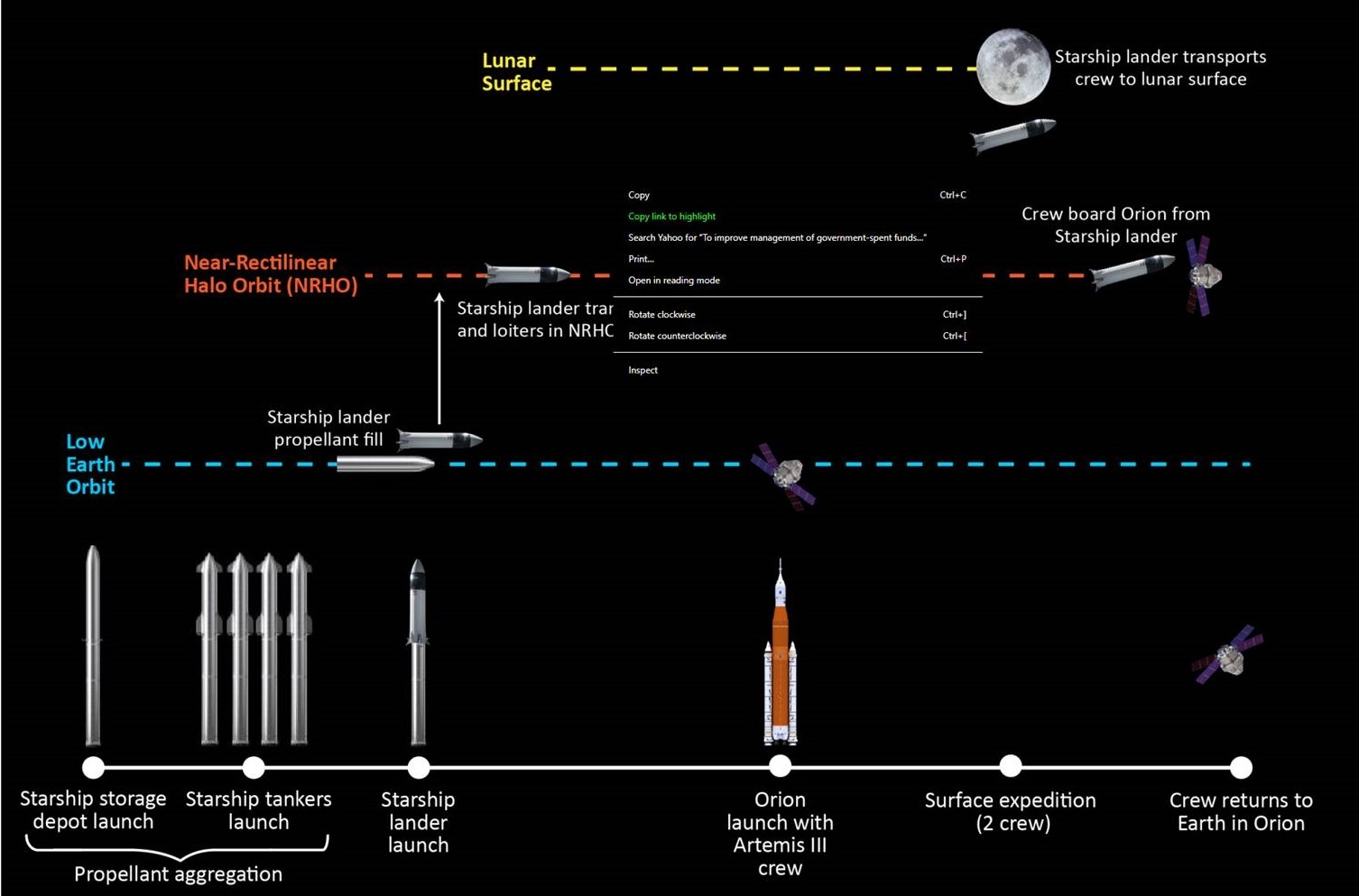
Image credit: NASA OIG representation of SpaceX information
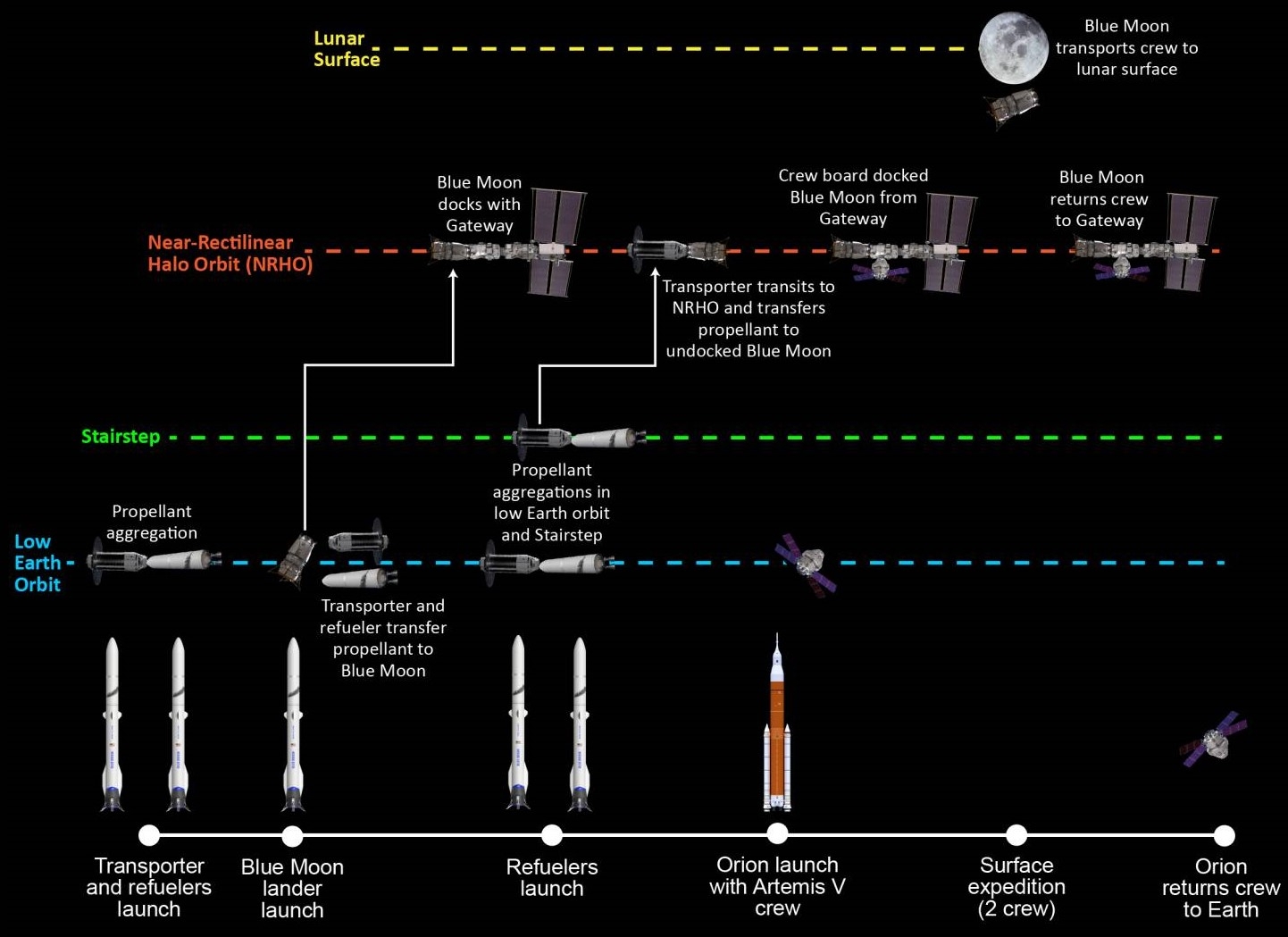
Image credit: NASA OIG representation of Blue Origin information
The OIG has determined that this acquisition approach has effectively controlled contract costs: SpaceX and Blue Origin contracts have only increased by 6 percent and less than 1 percent, respectively.
“However, both providers have faced schedule delays, technical difficulties, and integration challenges that could impact costs and delivery timelines. NASA is currently working with SpaceX and Blue Origin to accelerate lander development to meet a 2028 lunar landing date,” states the report.
Gaps remain
While SpaceX and Blue Origin must deliver the landers on time and according to requirements, NASA is ultimately responsible for ensuring crew safety.
The new report found that NASA is proactively taking measures to mitigate and prevent hazards, “but gaps remain in its testing posture and crew survival analyses. If the landers encounter a catastrophic event, NASA knows it would not have the capability to rescue stranded astronauts from space or the lunar surface.”
To address these issues, the OIG has made five recommendations to improve management of government funds and enhance crew safety and survival during the Artemis missions.
For the full report – “NASA’s Management of the Human Landing System Contracts” — go to:
 Posted in Space News

