 By
By  September 2nd, 2025
A just-issued Congressional Research Service (CRS) report has been prepared for members and committees of the U.S. Congress.
The document — Hypersonic Weapons: Background and Issues for Congress – has been updated and issued August 27, 2025.
Written by Kelley M. Sayler, a CRS Specialist in Advanced Technology and Global Security, the newly issued report is an excellent primer on hypersonic propulsion. Also, the document is a good update on the work of other countries on hypersonics – particularly China and Russia.
Global strike
“The United States has actively pursued the development of hypersonic weapons—maneuvering weapons that fly at speeds of at least Mach 5—as a part of its conventional prompt global strike program since the early 2000s,” the CRS report explains.
“In recent years, the United States has focused such efforts on developing hypersonic glide vehicles, which are launched from a rocket before gliding to a target, and hypersonic cruise missiles, which are powered by high-speed, air-breathing engines during flight.”
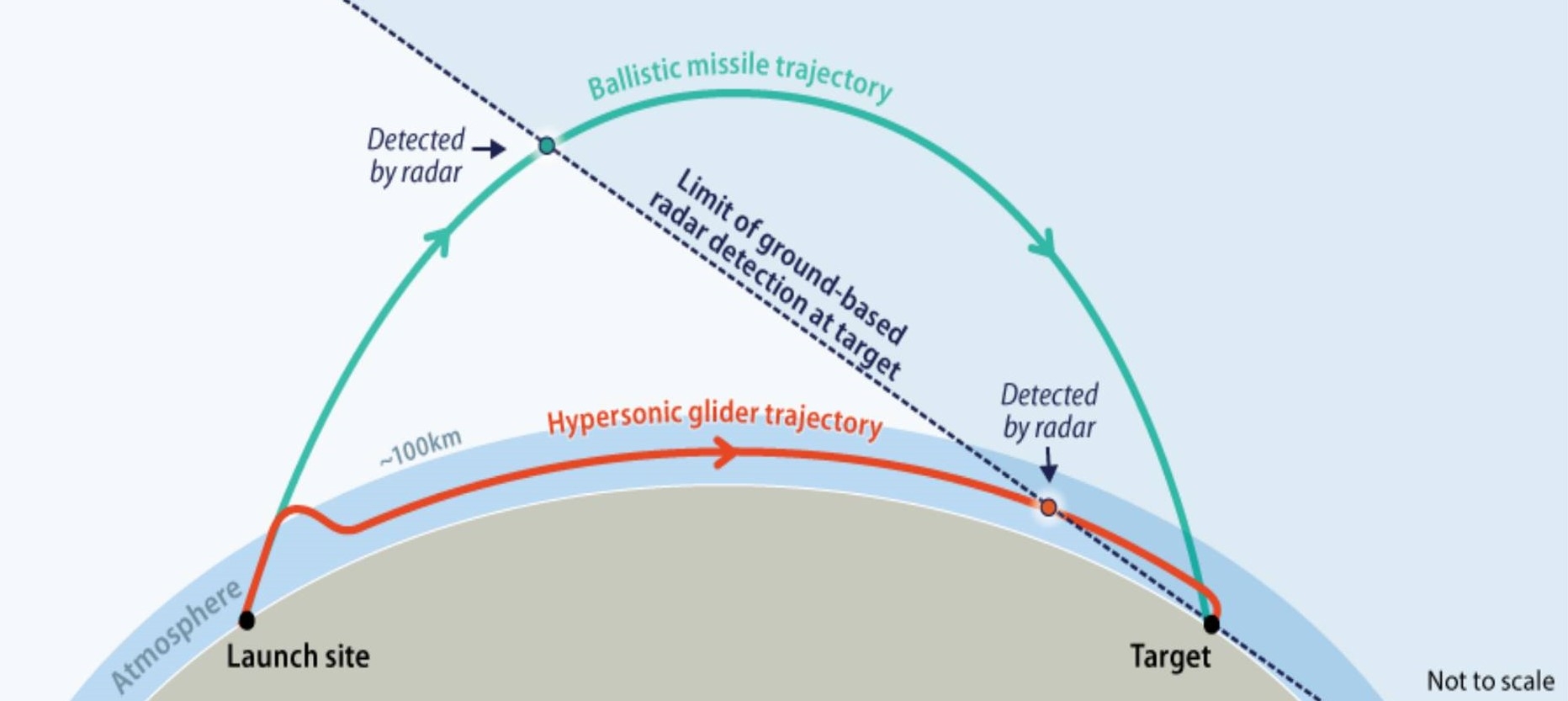
Image credit: CRS
Strategic stability
As Congress reviews the Pentagon’s plans for U.S. hypersonic weapons programs, the CRS document suggests lawmakers might consider questions about the rationale for hypersonic weapons, their expected costs, and their implications for strategic stability and arms control.
Any implications for non-weapon use of hypersonic technology? While not specifically addressed in the document, a reader can glean some insight on this prospect.
Potential questions
- What mission(s) will hypersonic weapons be used for? Are hypersonic weapons the most cost-effective means of executing these potential missions? How will they be incorporated into joint operational doctrine and concepts?
- Given the lack of defined mission requirements for hypersonic weapons, how should Congress evaluate funding requests for hypersonic weapons programs or the balance of funding requests for hypersonic weapons programs, enabling technologies, and supporting test infrastructure? Is an acceleration of research on hypersonic weapons, enabling technologies, or hypersonic missile defense options both necessary and technologically feasible?
- How, if at all, will the fielding of hypersonic weapons affect strategic stability?
- Is there a need for risk-mitigation measures, such as expanding New START, negotiating new multilateral arms control agreements, or undertaking transparency and confidence-building activities?
To gain access of this CRS report — Hypersonic Weapons: Background and Issues for Congress – go to:
https://s3.documentcloud.org/documents/26080068/r4581154.pdf
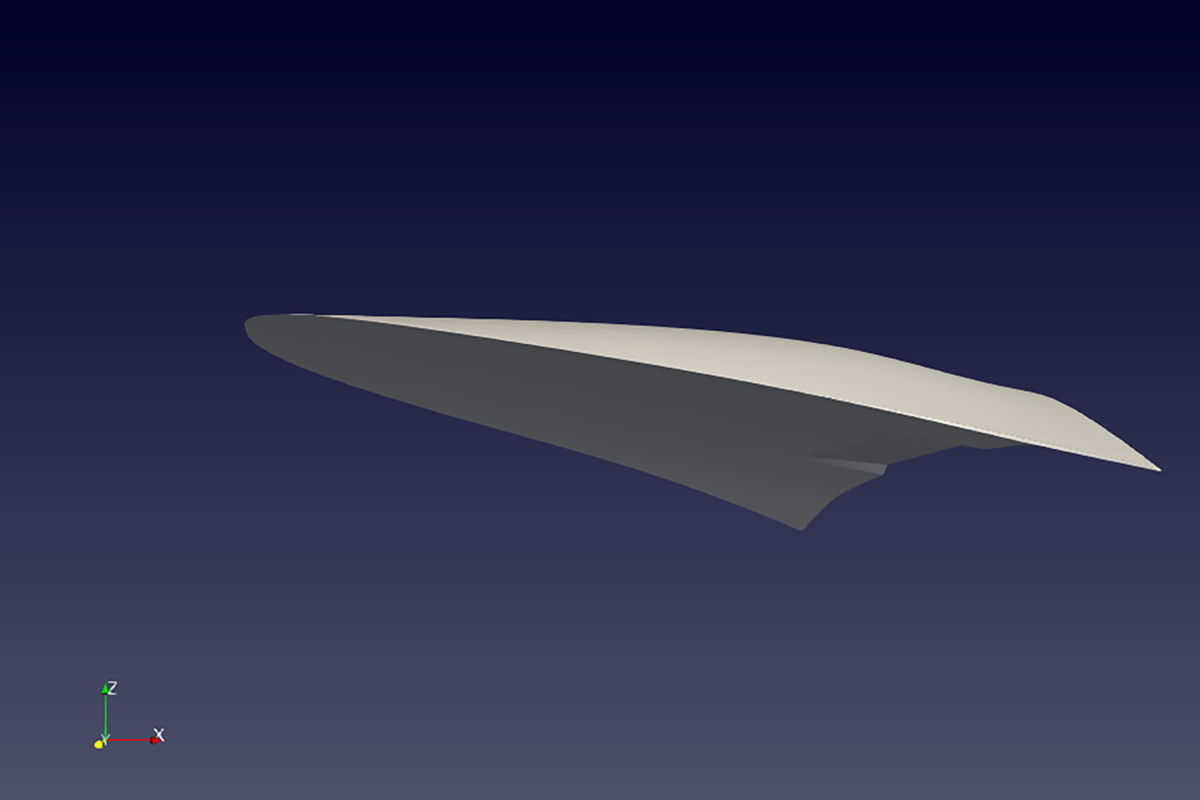
Illustration of a waverider in glide orientation. Courtesy of P. Rodi/Rice University
 Posted in Space News

