 By
By  February 16th, 2023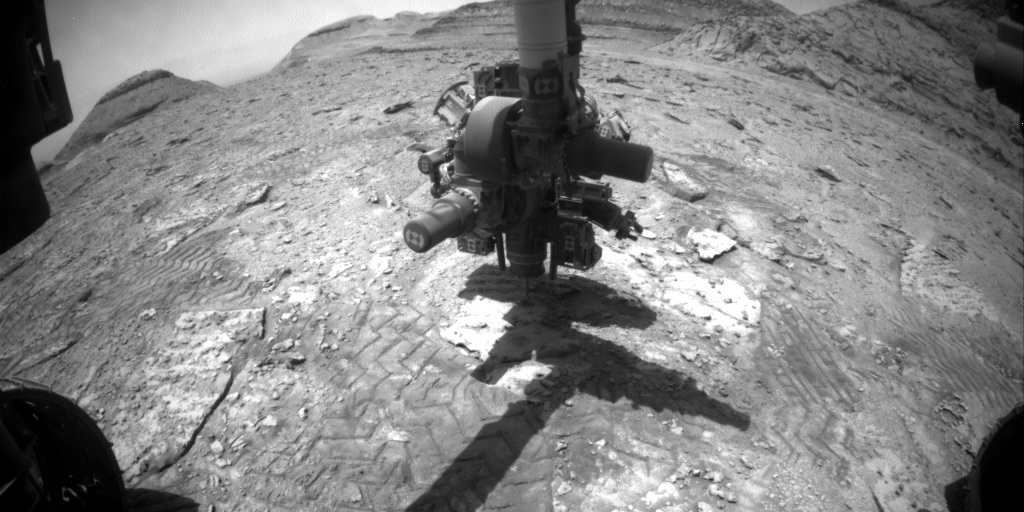
Curiosity Front Hazard Avoidance Camera Left B image taken on Sol 3742, February 15, 2023.
Image credit: NASA/JPL-Caltech
NASA’s Curiosity Mars rover is now carrying out Sol 3744 tasks.
The robot has been at work on the new drilling target, “Dinira.”
Keri Bean, a rover planner deputy team lead at NASA’s Jet Propulsion Laboratory, reports that scientists and engineers have been closely working together to adjust the drilling strategy to give them the best shot of a successful drill while also managing the wear and tear on the rover’s hardware.
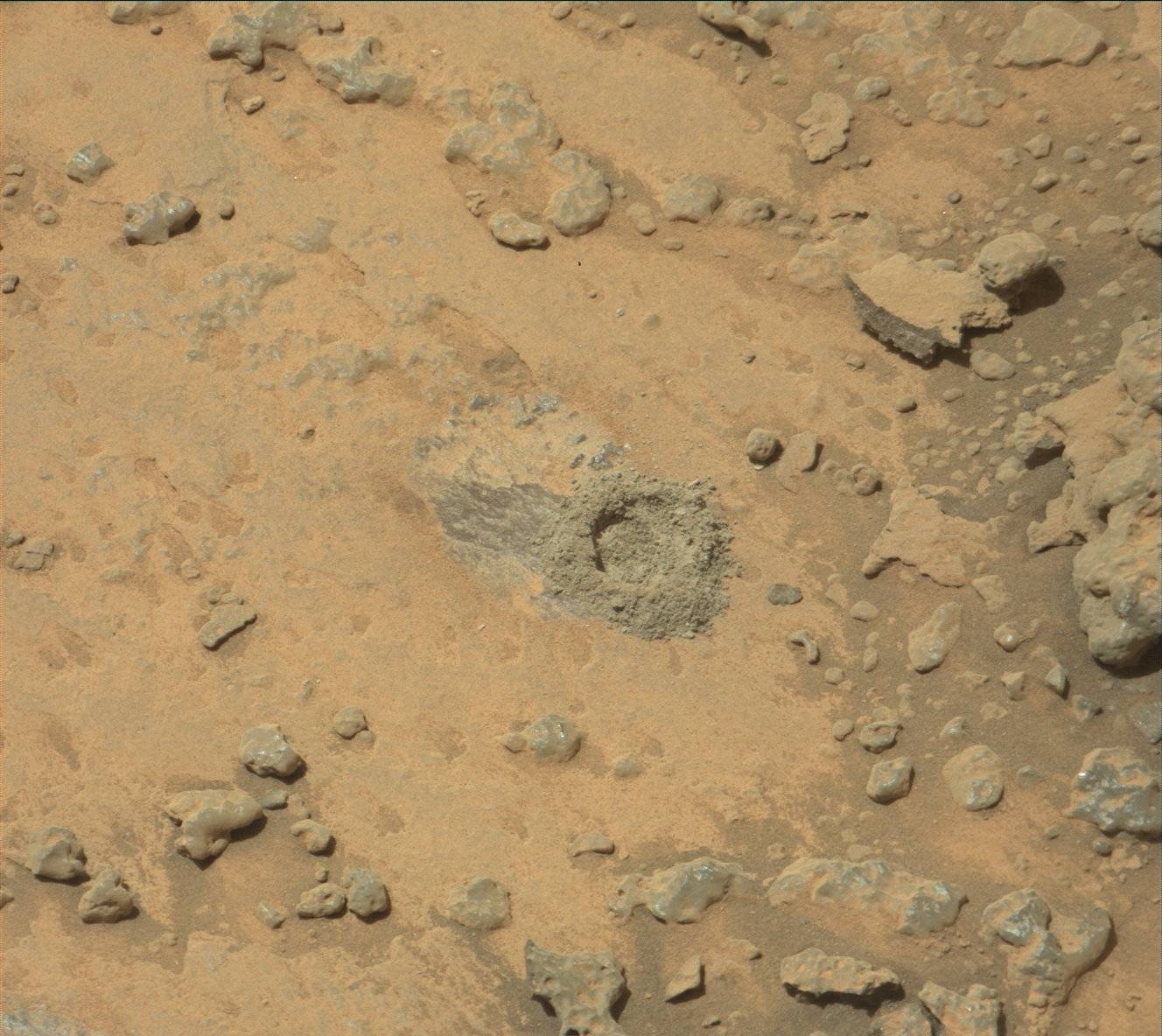
Curiosity Mast Camera Right photo acquired on Sol 3742, February 15, 2023.
Image credit: NASA/JPL-Caltech/MSSS
“There is no guarantee it will work as Mars always loves to throw us curveballs, but we’re giving it our best! It is also cloud season on Mars, so in addition to drilling, this plan is full of sky observations to look for clouds,” Bean notes.
Post-drilling, take a nap
A recent plan, starting with Sol 3742, had the robot take Navcam atmospheric observations followed by Chemistry and Camera laser observations of “Itu,” last weekend, and some long-distance ChemCam imaging as well.
Once that wrapped up, the plan calls for drilling.
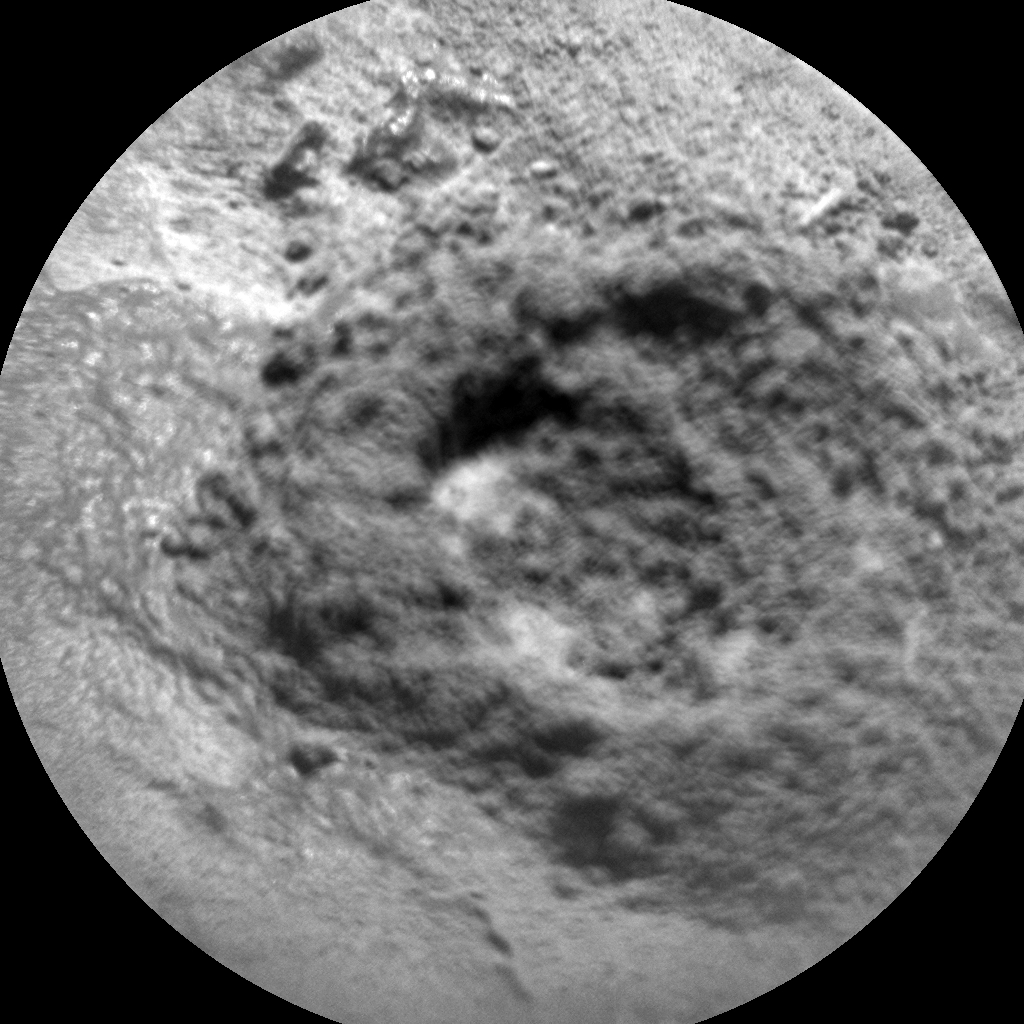
Curiosity Chemistry & Camera (ChemCam) Remote Micro-Imager (RMI) photo taken on Sol 3743, February 15, 2023.
Image credit: NASA/JPL-Caltech/LANL
“Drilling takes up a lot of the rover’s power, so once we’re done, the rover will take a nap until around sunset. At that point the rover will wake up and take some more atmospheric observations with Navcam and Mastcam. Once that wraps up, the rover will sleep most of the night, only waking up for the regularly scheduled communication windows,” Bean reports.
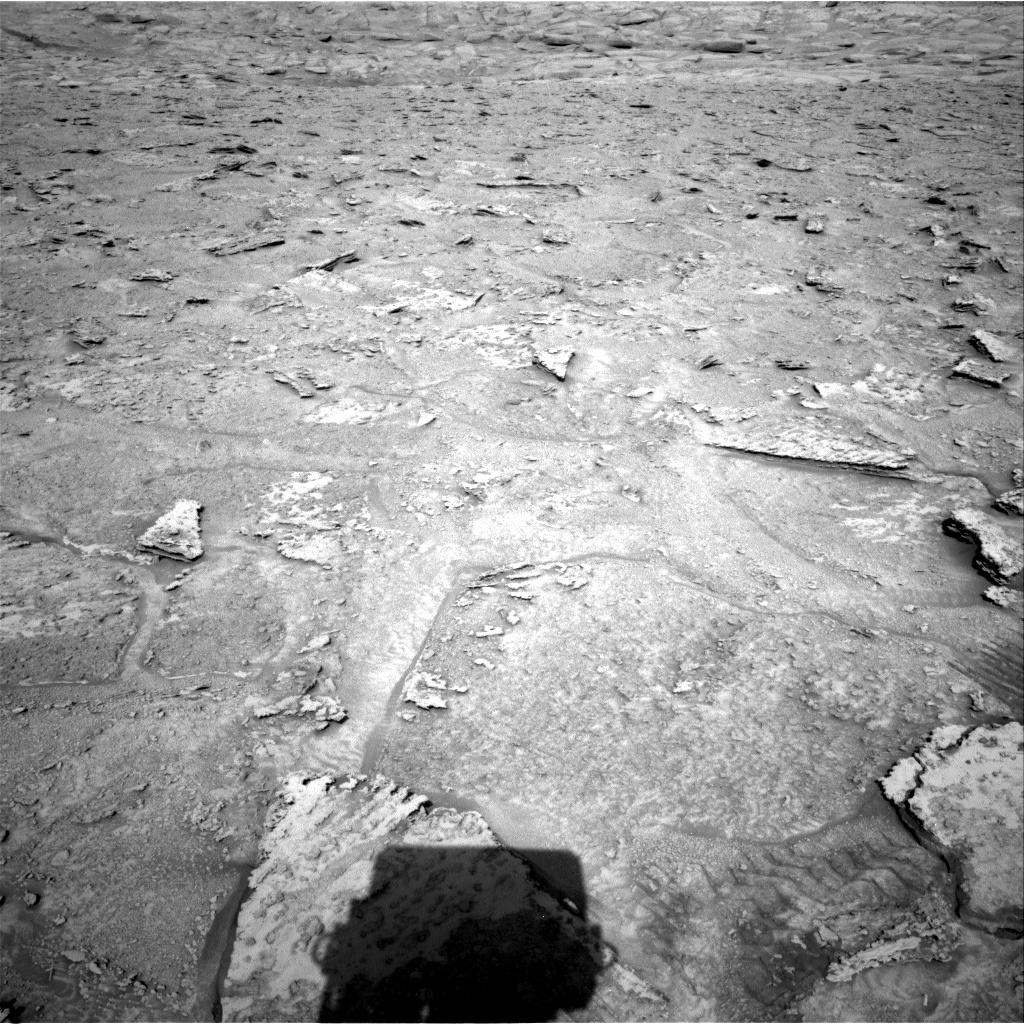
Curiosity Right B Navigation Camera photo acquired on Sol 3743, February 16, 2023.
Image credit: NASA/JPL-Caltech
Atmospheric/environmental observations
On the morning of sol 3743, the plan called for Curiosity to take more atmospheric and environmental observations with Navcam and Mastcam. ChemCam will use its laser on the target “Yakarinta” from the previous plan and also image our drill target Dinira.
Mastcam will also image Dinira along with some long-distance imaging, Bean adds. “The rover will spend most of the rest of the sol sleeping to recover power, although the rover will wake up twice, once mid-afternoon and once just after sunset, to take more Navcam and Mastcam atmospheric and environmental observations.”
 Posted in Space News

