 By
By  November 6th, 2022
Possible design of China’s space plane?
Source: Homem do Espaco/Twitter
China’s puzzling space plane, catalogued as 53357/2022-093A, has been circuiting the Earth after being lofted into orbit on August 4th.
Space tracker Robert Christy of the informative website, Orbital Focus at https://www.orbitalfocus.uk, notes that China’s in-orbit craft recently acquired a companion.
On October 23 at about 07:30 UTC, the space plane raised its orbit from 351 x 591 kilometers to 597 x 608 kilometers. A new object separated from the main vehicle between October 24 and October 30, Christy reported. The two objects are very close to each other, perhaps station keeping, he said.
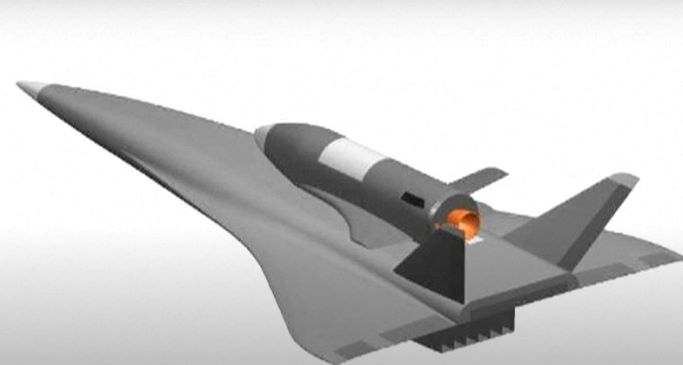
Tengfei-1 reusable aerospace vehicle.
Credit: Credit: China Central Television (CCTV)/Inside Outer Space screengrab
On October 31, U.S. military space trackers released orbital data about the new space plane-released object in a near-identical orbit, showing them less than 656 feet (200 meters) apart.
Separation distance
“They could have separated from each other any time in the week since the orbit change, but the new satellite would not have been detected until it moved far enough away to be resolved as a separate item by U.S. tracking sensors,” Christy tells Inside Outer Space.
November 2, the separation between the two began to increase steadily at about two kilometers per day. Around midnight UTC November 5/6 they were 6.5 kilometers apart.
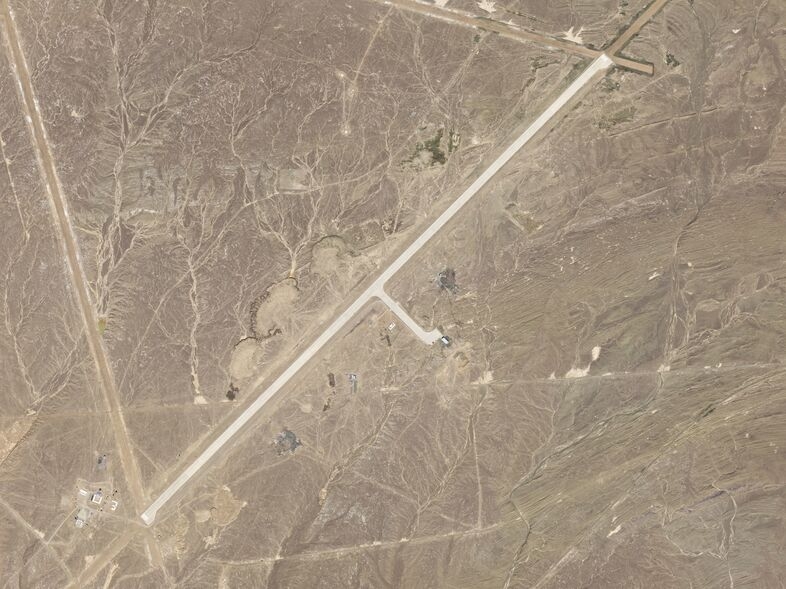
Runway ready for space plane arrival on the edge of China’s former nuclear weapons test range at Lop Nur?
Credit: Planet
Continued monitoring
“For them to stay so close,” Christy adds, “they must either both be experiencing the same degree of drag from the Earth’s atmosphere, or one of them is using thrusters to control the separation distance. Alternatively, they may be connected by a long tether that is being reeled out slowly,” he explains.
Christy speculates that that the new object is carrying a still/video imaging system to return images of the space plane, or it is a space technology experiment of some kind? “Continued monitoring of the pair may provide more answers,” he said.
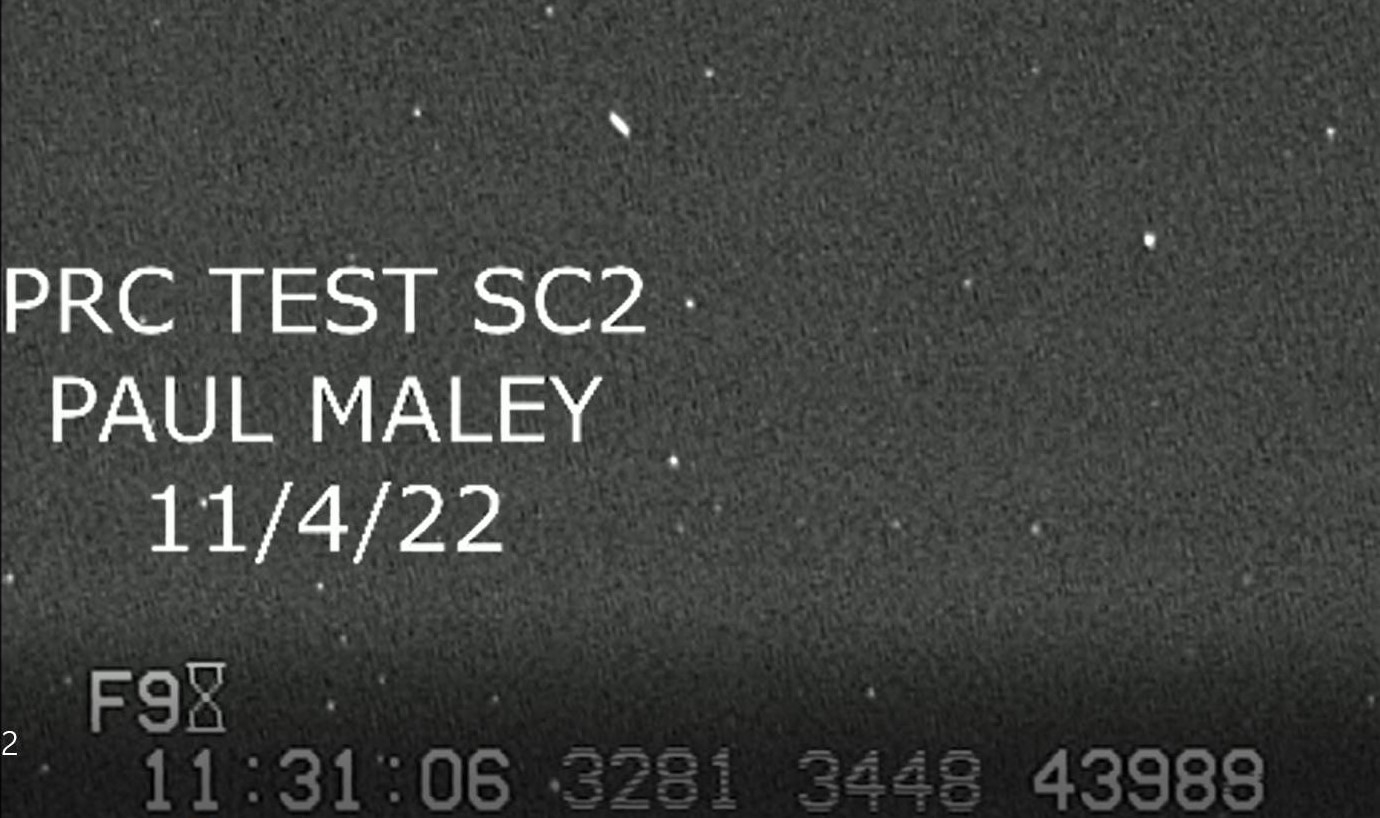
Credit: Paul Maley
Caught on video
“Whatever the object is, its nearness to the space plane is acceptable to mission controllers. An un-wanted piece of equipment would likely have been pushed away at higher velocity or the space plane would have changed orbit slightly to avoid the danger of an inadvertent collision,” said Christy.
As for an end-of-mission, return to Earth of the Chinese space plane, Christy said that in the low orbit, repeat ground tracks for landing opportunities on the Lop Nur runway were coming round every 12 days. In the high orbit, the repeat time is three days, he concluded.
Meanwhile, Arizona-based sky sleuth, Paul Maley, captured a video of the craft slipping by overhead.
Go to Maley’s video at:
 Posted in Space News

