 By
By  July 15th, 2022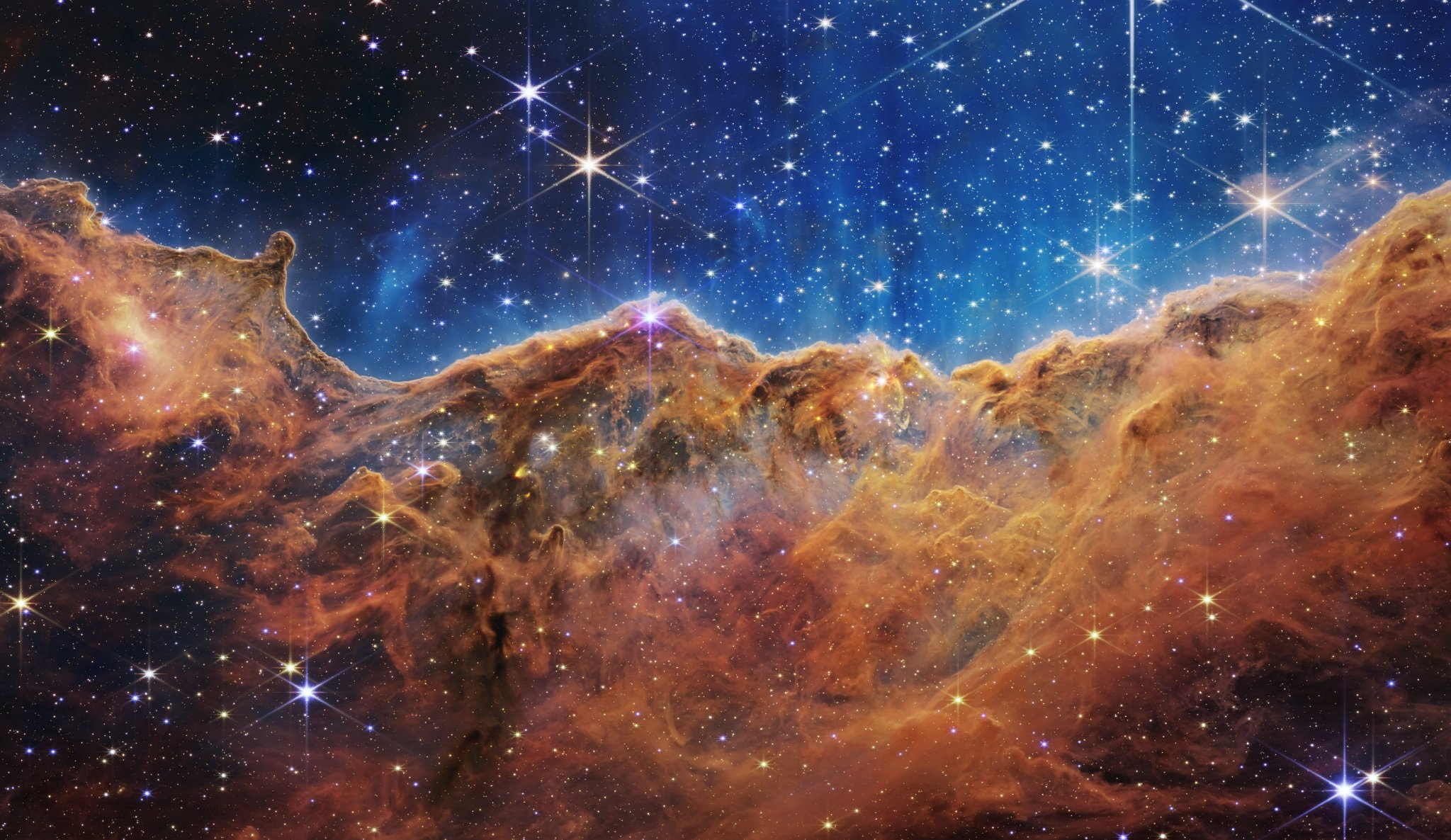
Nearby, young, star-forming region called NGC 3324 in the Carina Nebula. Captured in infrared light by NASA’s new James Webb Space Telescope, this image reveals for the first time previously invisible areas of star birth.
Credits: NASA, ESA, CSA, STScI
Scene spoiler alert!
The U.S. Government Accountability Office (GAO) has put its own magnifying glass on the James Webb Space Telescope.
Lesson one: manage large project costs to limit cascading effects on others, the GAO’s WatchBlog explains.
Early images
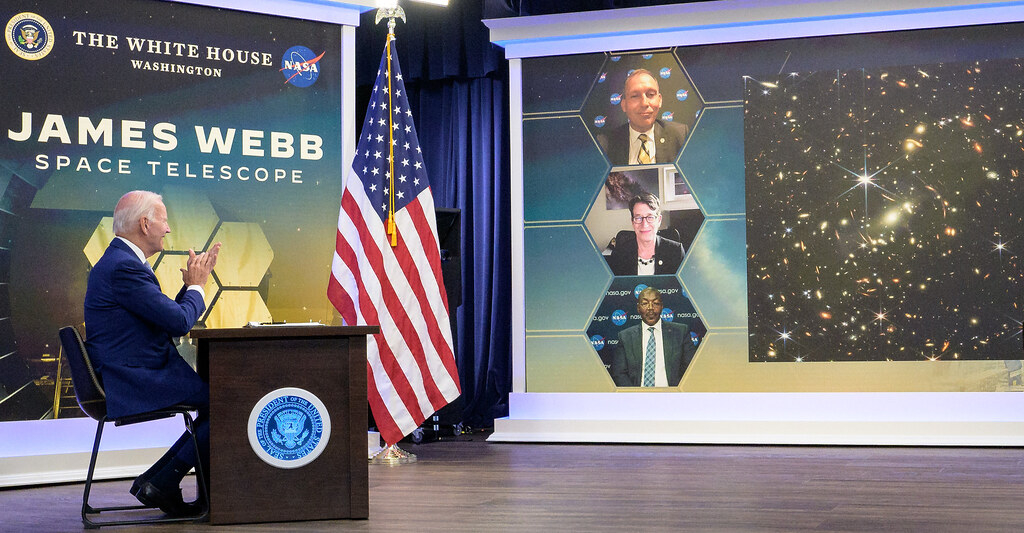
Credit: NASA/Bill Ingalls
While NASA released the first public images from the James Webb Space Telescope (JWST), which launched on December 25, 2021, the early images spotlight the different phases in the history of the Universe—ranging from early galaxy formation after the Big Bang to the evolution of our solar system.
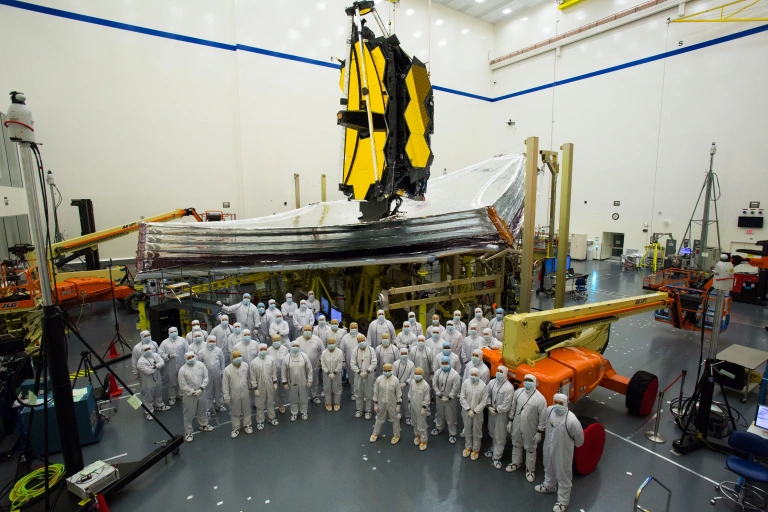
Credit: Northrop Grumman
Costly delays
“But there are other lessons to gain from the James Webb Space Telescope (JWST), which took 20 years to develop and faced more than 7 years of delays,” the GAO adds. They took in some of the early images from the JWST and explore some of the lessons learned that could help NASA in its development of future projects.
Go to this GAO look at JWST’s financial spherical (circular) aberration – “James Webb Space Telescope Delivers Fascinating First Images and Lessons for Future NASA Projects” at:
 Posted in Space News

