 By
By  March 6th, 2019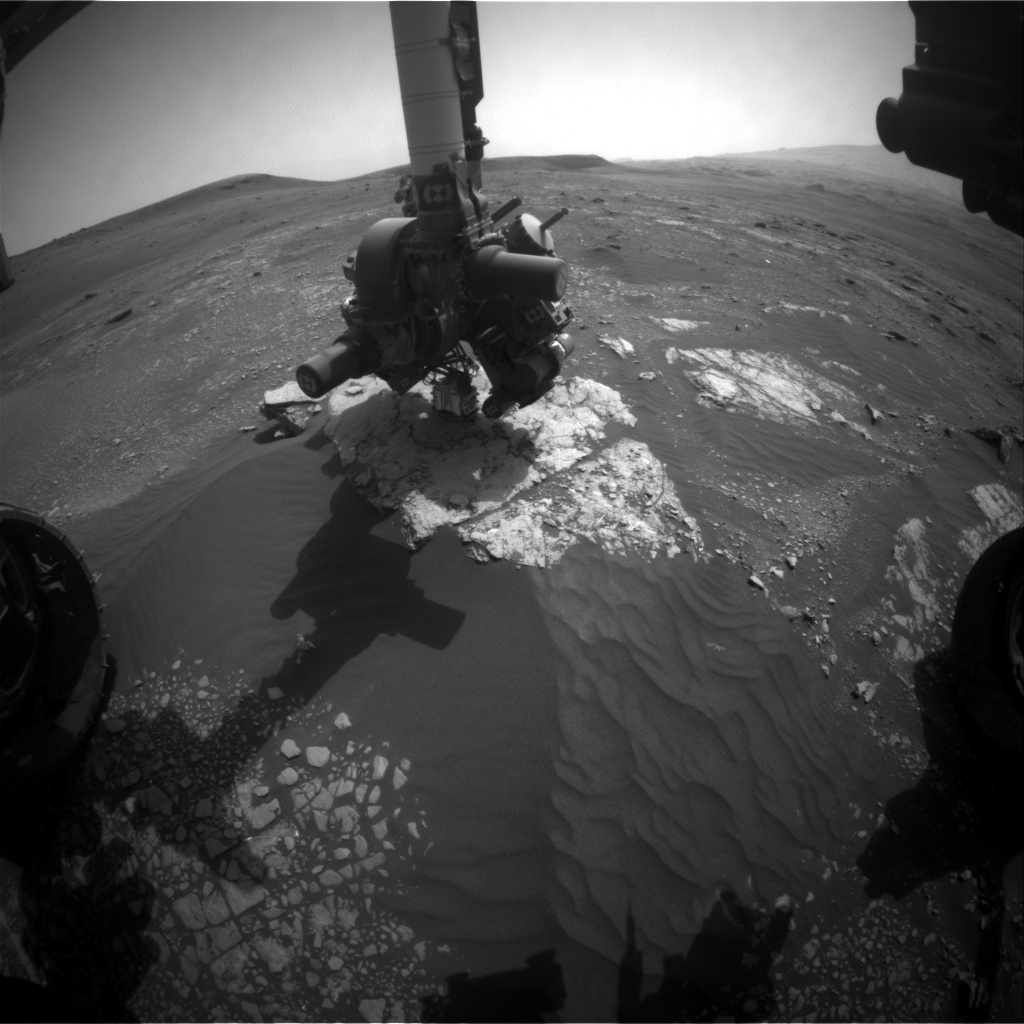
Curiosity Front Hazcam Left A photo acquired on Sol 2338, March 5, 2019.
Credit: NASA/JPL-Caltech
NASA’s Curiosity Mars rover is now engaged in Sol 2339 science tasks.
The robot has performed a full menu of science activities, finishing observations at the “Midland Valley” outcrop, reports Rachel Kronyak, a planetary geologist at the University of Tennessee in Knoxville.
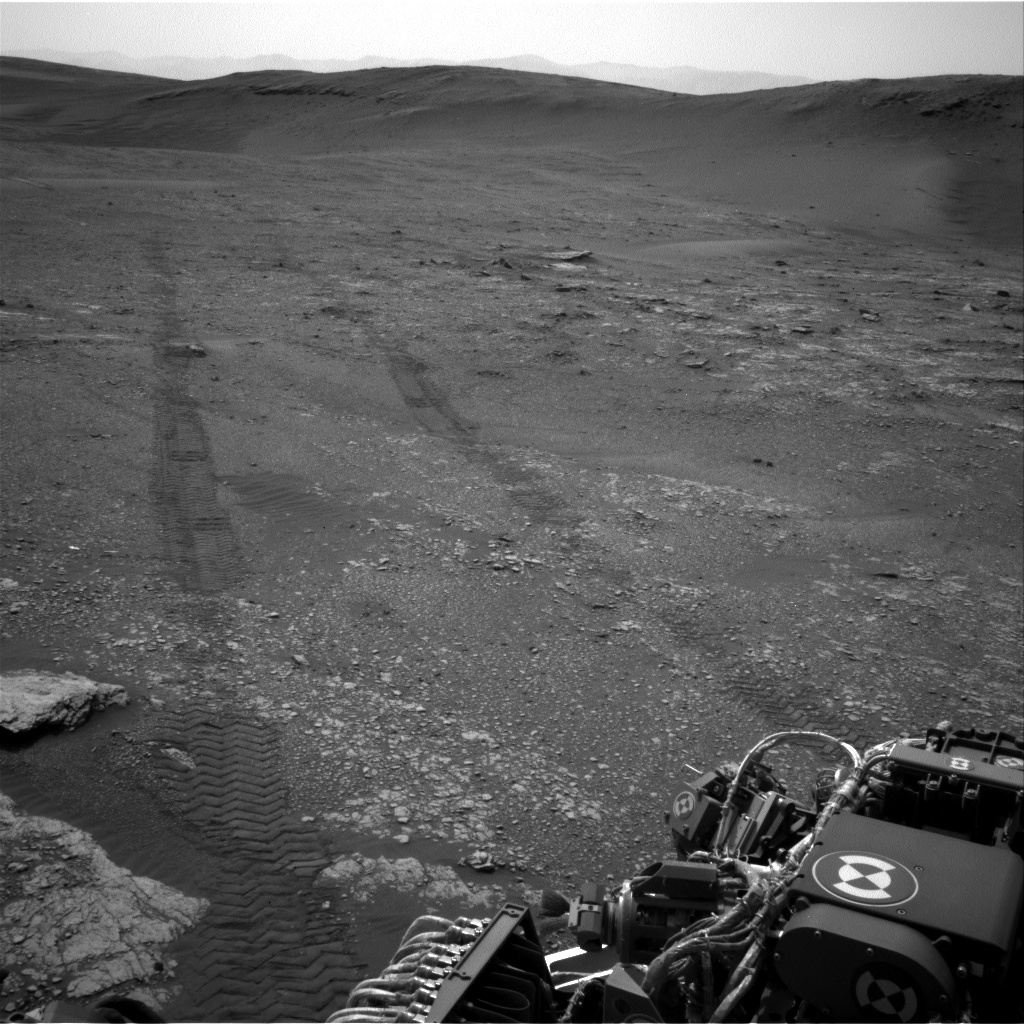
Curiosity Navcam Left A image taken on Sol 2338, March 5, 2019.
Credit: NASA/JPL-Caltech
Workspace rock targets
Curiosity has primarily used its Mastcam and Chemistry and Camera (ChemCam) instruments to take a closer look at some interesting rock targets in its workspace.
Planned Sol 2338 activities included a Mastcam mosaic looking ahead of the rover, where the team identified an interesting area of fractured bedrock, naming this target area “Longhope.”
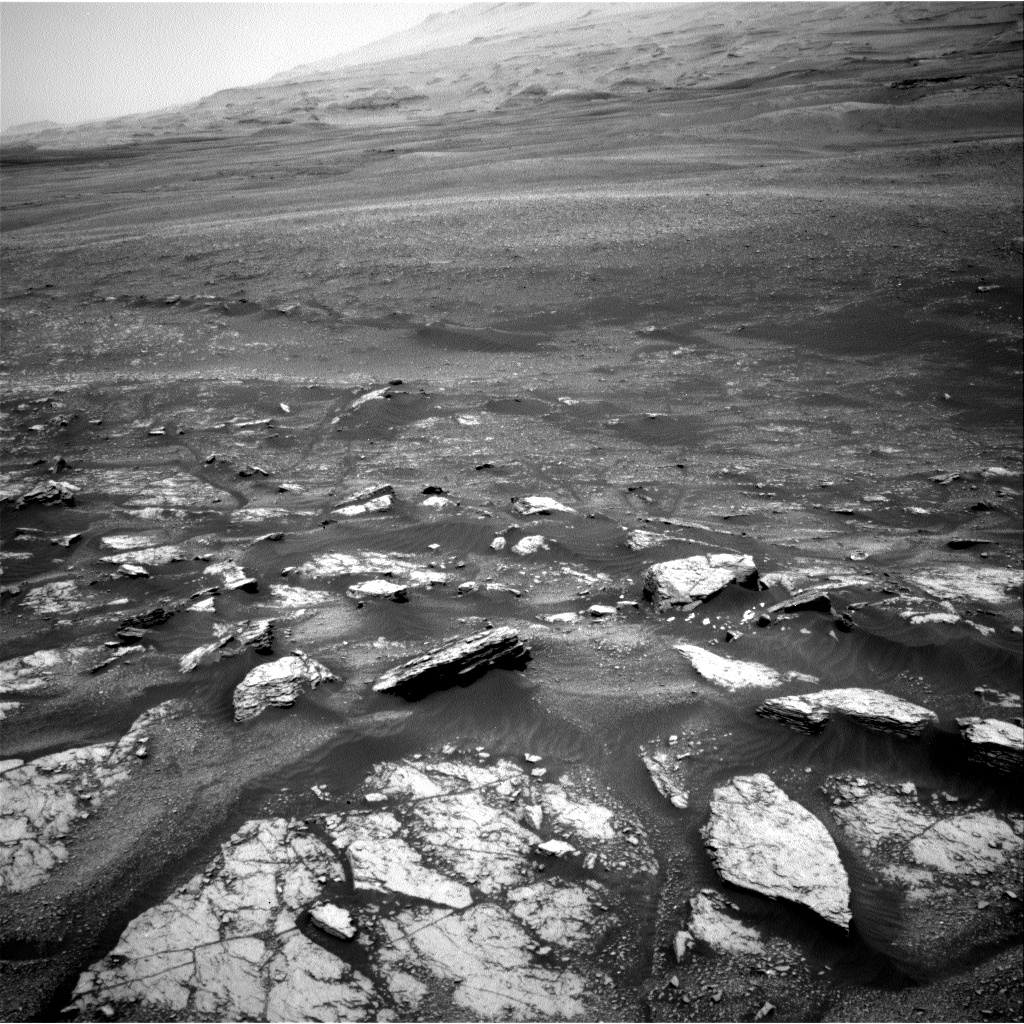
Curiosity Navcam Left A image taken on Sol 2338, March 5, 2019.
Credit: NASA/JPL-Caltech
New parking spot
After that, the plan calls for use of the ChemCam laser to analyze rock targets “Miller” and “Cuttyhill,” then take multispectral Mastcam images of targets Cuttyhill and another interesting rock named “Leslie,” Kronyak explains.
“After our science observations, we’ll hit the dusty trail and drive towards our next bedrock-rich destination, an area called ‘Milltimber.’ To finish up the plan, we’ll take some post-drive images to survey our new parking spot and prepare for more science observations! We’ll also perform an atmosphere monitoring activity with Navcam to look for dust devils,” Kronyak adds.
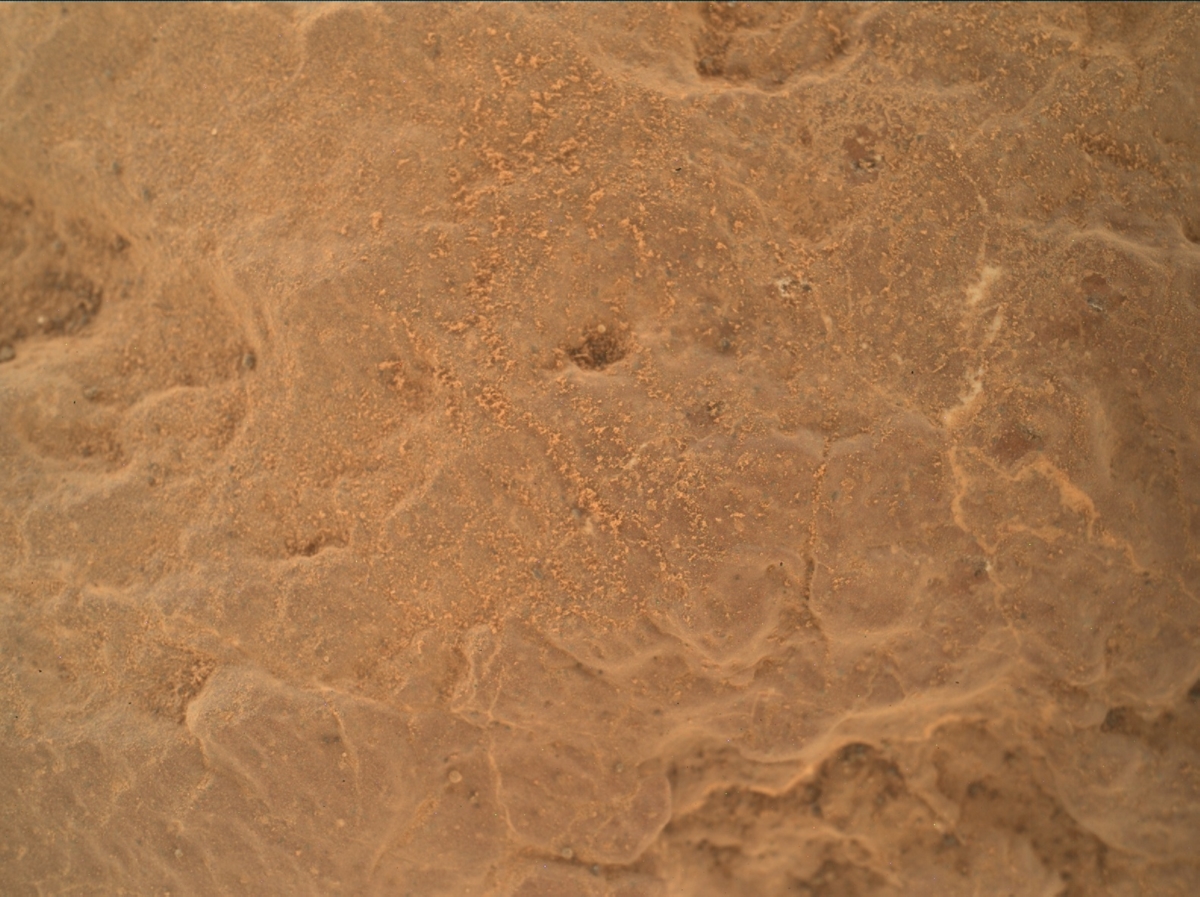
Curosity Mars Hand Lens Imager (MAHLI) image produced on Sol 2333, February 28, 2019.
Credit: NASA/JPL-Caltech/MSSS
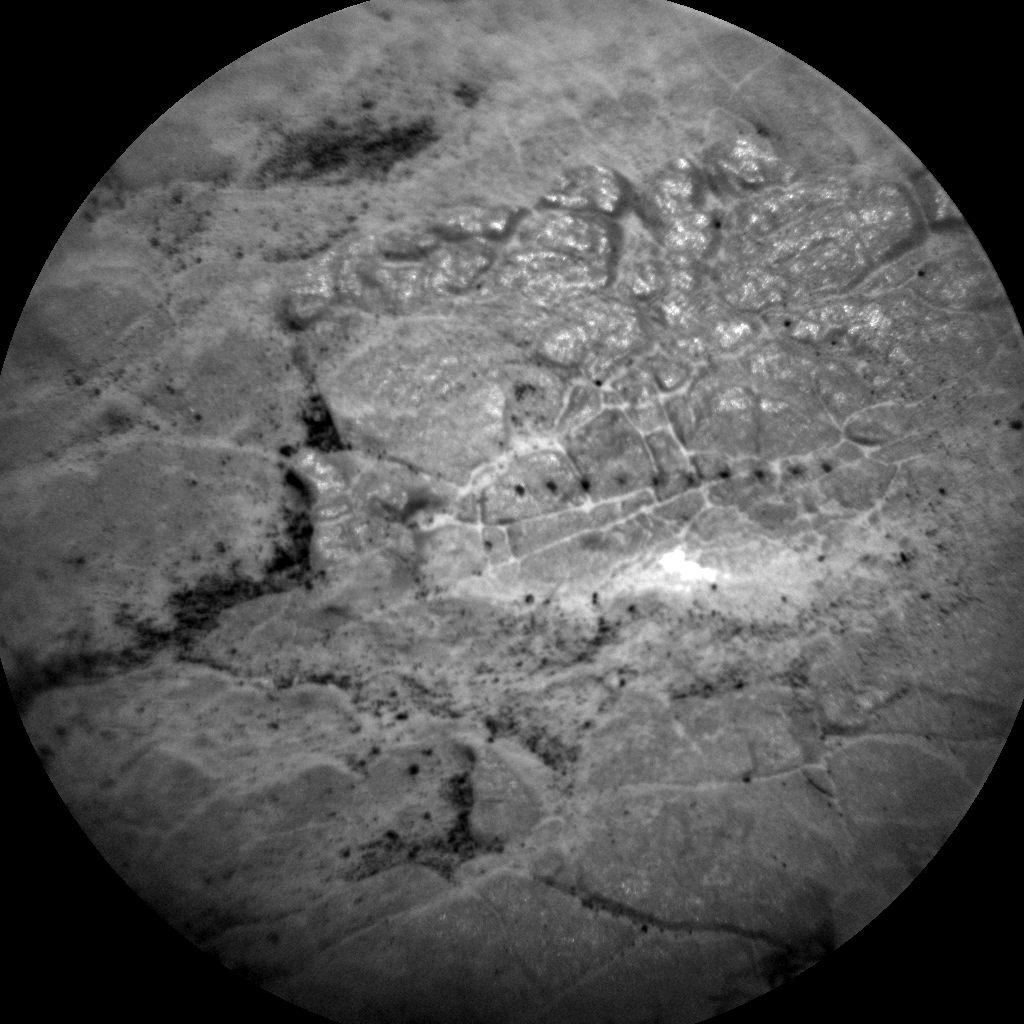
Laser zapping. Curiosity ChemCam Remote Micro-Imager photo taken on Sol 2339, March 6, 2019.
Credit: NASA/JPL-Caltech/LANL
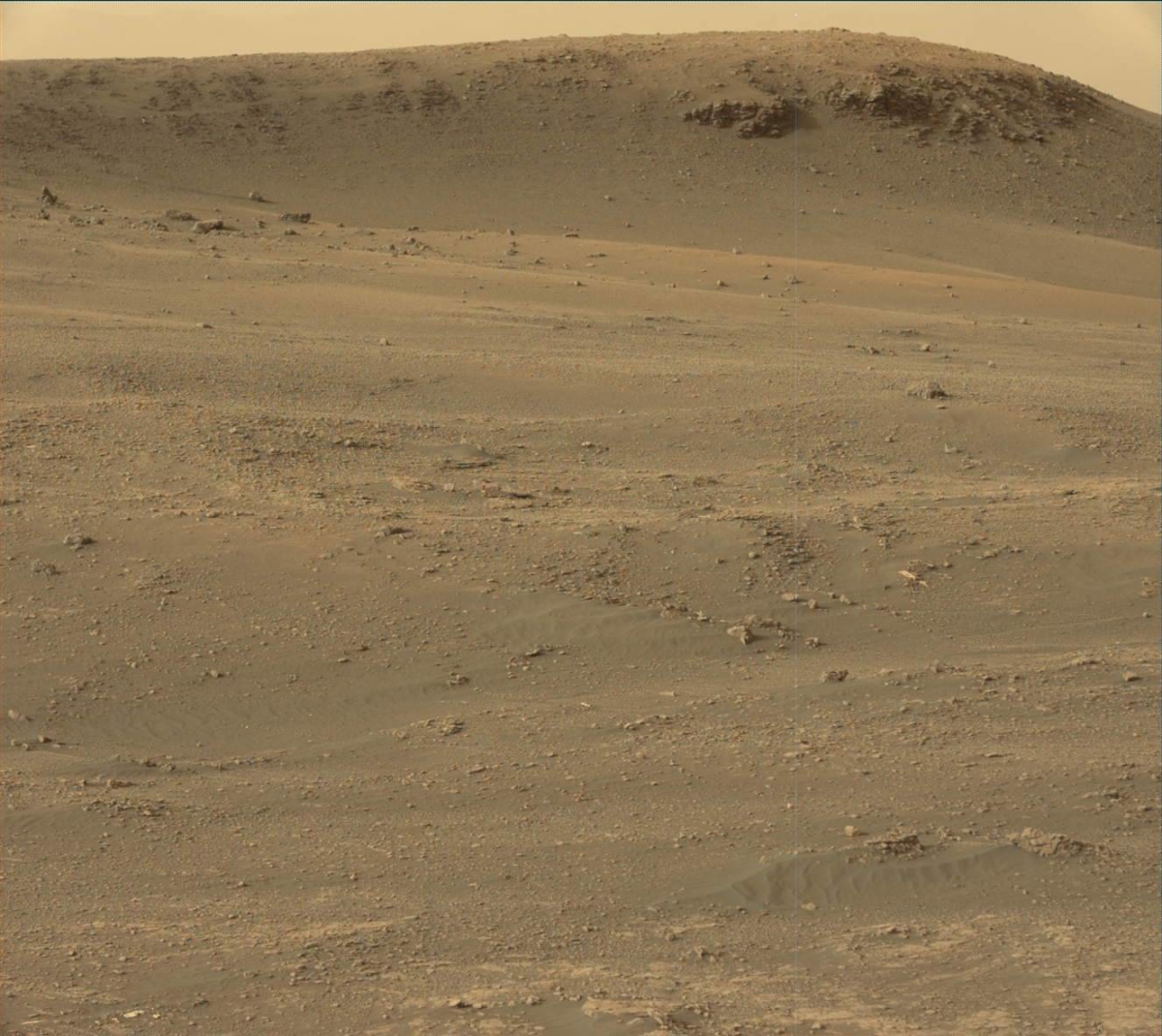
Curiosity Mastcam Left photo acquired on Sol 2320, February 15, 2019.
Credit: NASA/JPL-Caltech/MSSS
 Posted in Space News

