 By
By  November 17th, 2018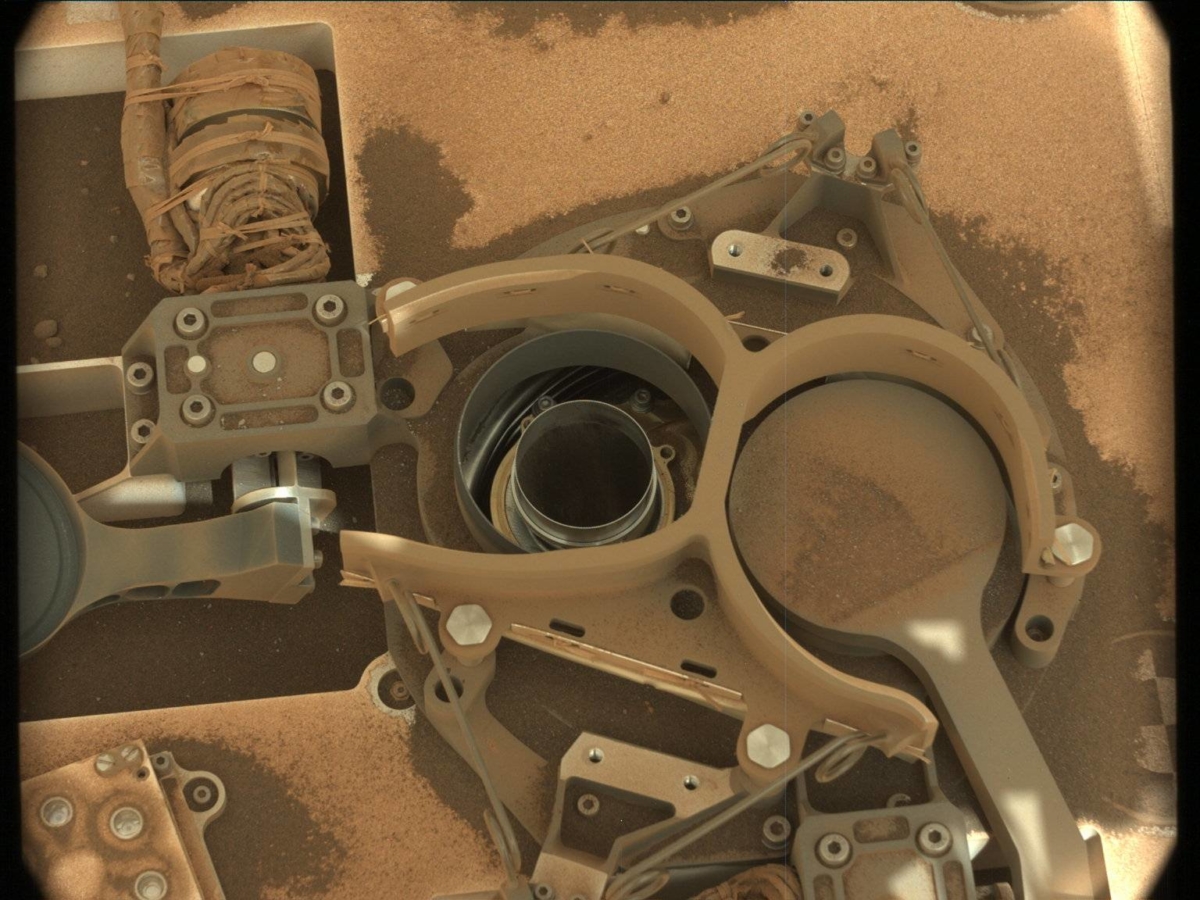
Curiosity Mastcam Left photo acquired on Sol 2231, November 15, 2018.
Credit: NASA/JPL-Caltech/MSSS
NASA’s Curiosity Mars rover is now performing Sol 2233 duties.
“It’s the windy season on Mars, and Curiosity’s activities this weekend include taking oodles of images at different times throughout the day to catch how the wind moves sand and dust around,” reports Abigail Fraeman, a planetary geologist at NASA/JPL in Pasadena, California.
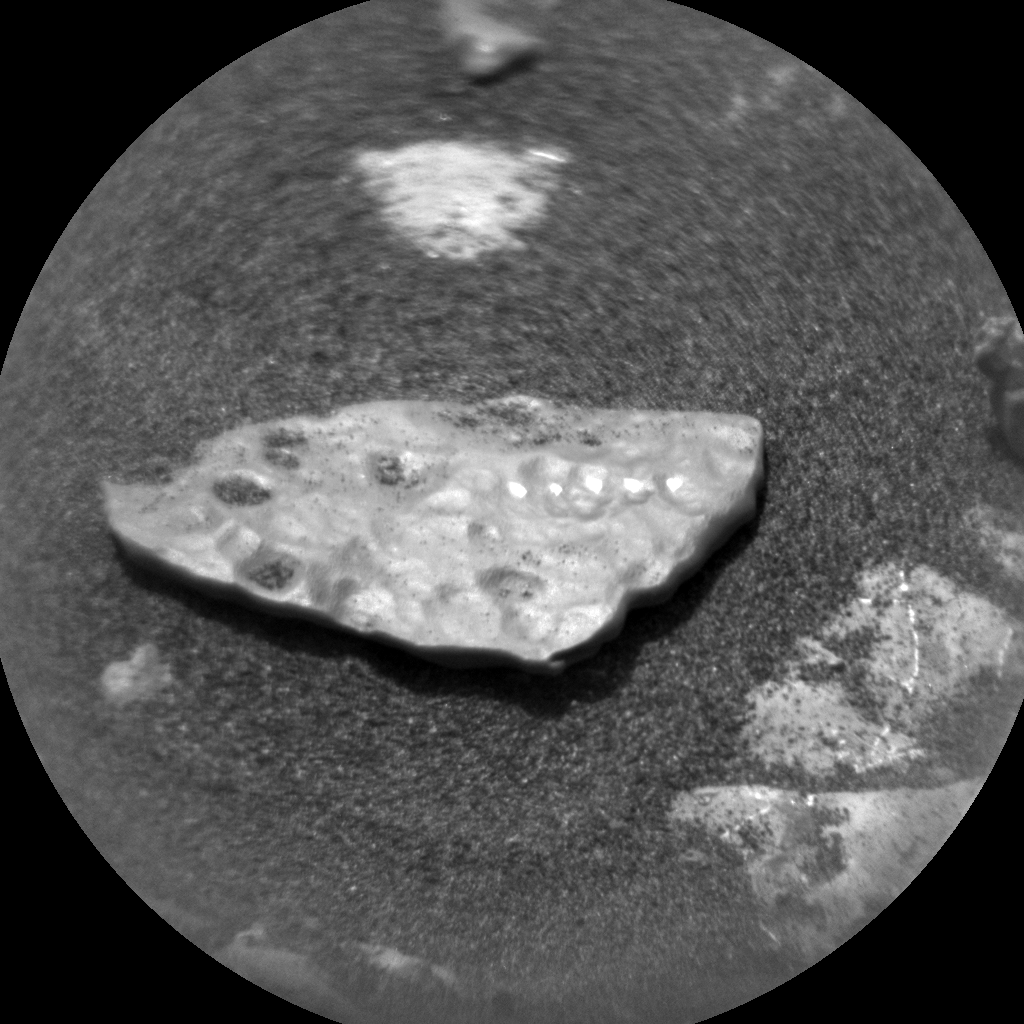
Possible meteorite? “Little Todday.” Curiosity ChemCam Remote Micro-Imager photo taken on Sol 2232, November 16, 2018.
Credit: NASA/JPL-Caltech/LANL
Sand movement
On the plan is taking 15 separate Mastcam images of both the “Sand Loch” and “Windyedge” areas throughout the weekend, as well as several Mars Descent Imager (MARDI) photos to monitor changes on the ground underneath the vehicle.
“A similar campaign we did back at the Bagnold Dunes helped refine models of regional-scale wind patterns at Gale and provided important insights into the physics of how sand moves under the modern day Martian atmosphere,” Fraeman adds.

Front Hazcam Right A photo taken on Sol 2232, November 16, 2018.
Credit: NASA/JPL-Caltech
Weekend work plan
This weekend’s plan calls for performing a second night of Chemistry & Mineralogy X-Ray Diffraction/X-Ray Fluorescence Instrument (CheMin) analysis on the Highfield drill sample and fill a couple mornings with Mastcam and Navcam observations to monitor the atmosphere.
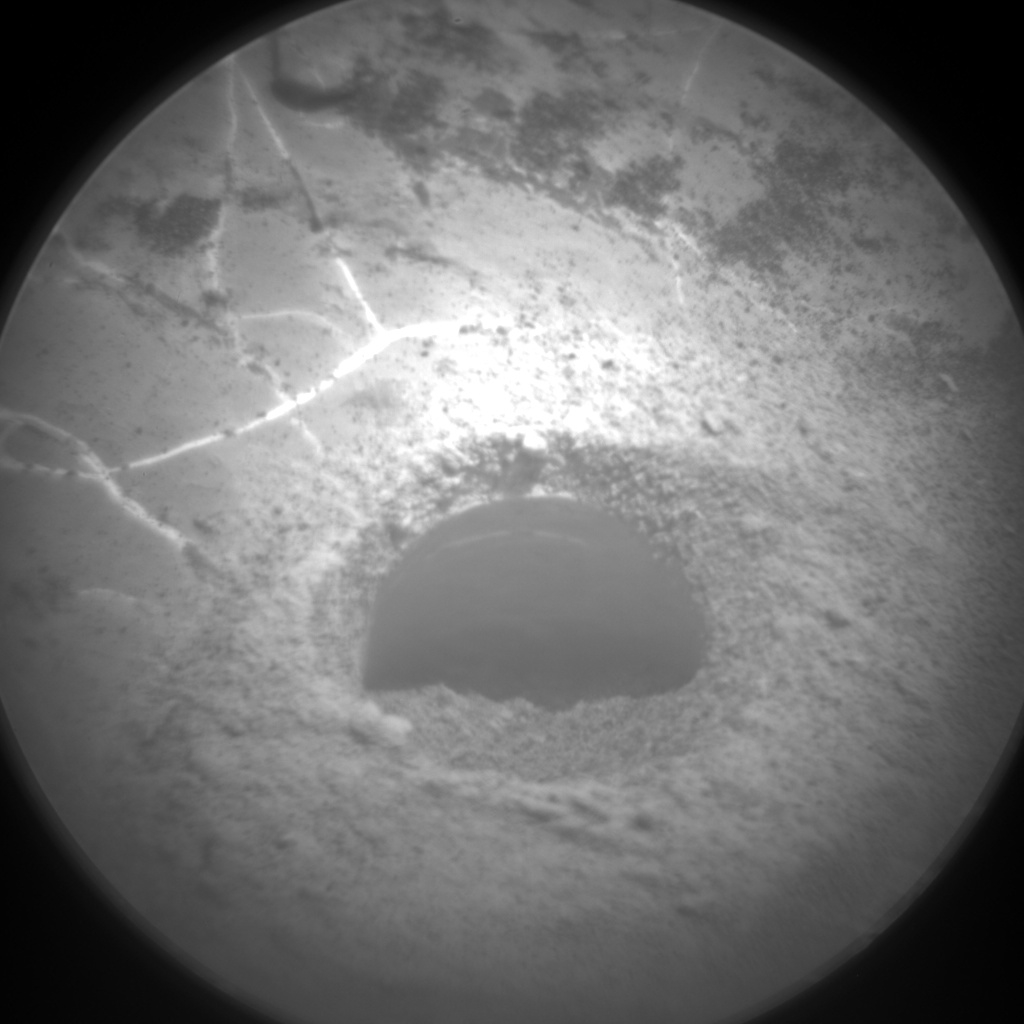
Curiosity ChemCam Remote Micro-Imager photo taken on Sol 2232, November 16, 2018.
Credit: NASA/JPL-Caltech/LANL
On tap is a longer remote sensing science block on sol 2233 that includes Chemistry & Camera (ChemCam) and Mastcam observations of targets “Dun Carloway,” “St. Abbs Head,” and “Echt.”
A second long remote sensing science block on sol 2235, Fraeman concludes, will contain ChemCam and Mastcam observations of “Blair Atholl” and “Rhinns of Islay,” as well as a Mastcam multispectral observation of Echt.
 Posted in Space News

