 By
By  January 31st, 2026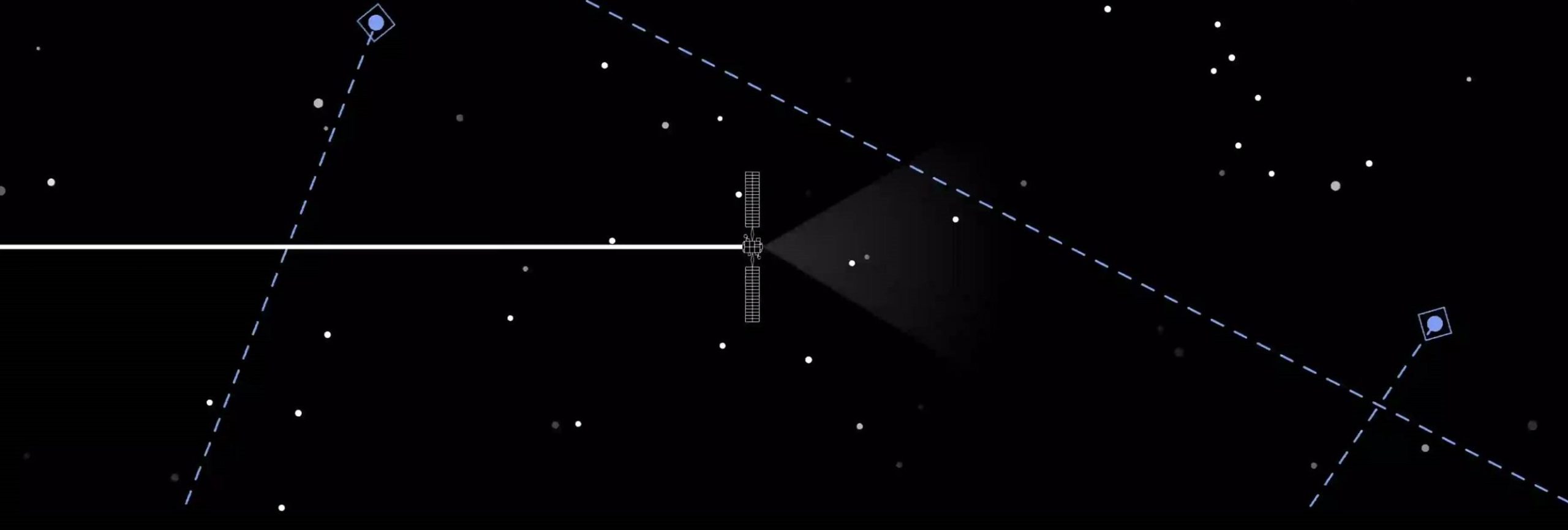
Image credit: SpaceX/Inside Outer Space screengrab
SpaceX has announced a Space Situational Awareness system called Stargaze.
The space-based Stargaze system uses data collected from nearly 30,000 in orbit star trackers mounted on Starlink satellites.
The safety and sustainability of satellite operations in low Earth orbit (LEO) will benefit by Stargaze operations, the company explains, and its screening data will be made available to the broader satellite operator community free of charge in the coming weeks.

Image of spent rocket body.
Image credit: Astroscale-Japan
Large uncertainties
“Practices—such as leaving rocket bodies in LEO, operators maneuvering their satellites without sharing trajectory predictions or coordinating with other active satellites, and countries conducting anti-satellite tests—have heightened the risk of collision, necessitating improvements in space-traffic coordination,” explains SpaceX.
“Conventional methods typically observe objects only a limited number of times per day, causing large uncertainties in orbital predictions, further compounded by volatile space weather.”
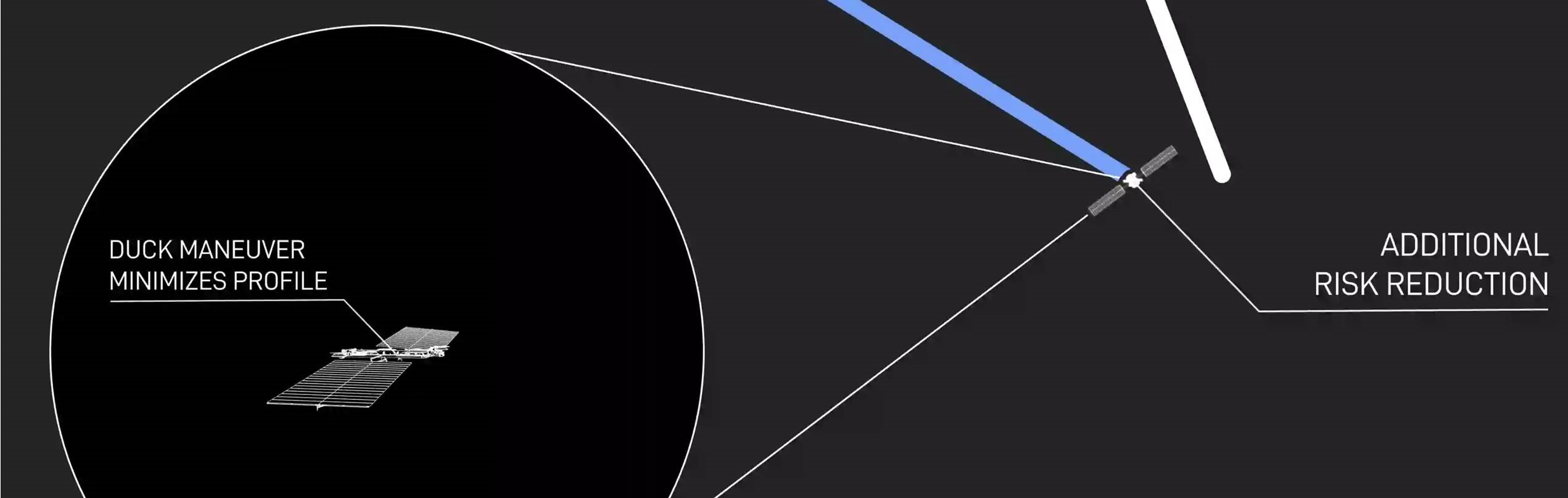
Image credit: SpaceX/Inside Outer Space screengrab
Conjunction Data Messages
The Stargaze system offers an increase in detection capability compared to conventional ground-based systems, SpaceX reports.
Stargaze can autonomously detect orbiting objects, aggregating this information to generate orbit estimates and predictions of position and velocity for all detected objects in near real-time.
These predictions are integrated into a space traffic management platform that identifies potential close approaches between objects in space and generates Conjunction Data Messages or (CDMs)
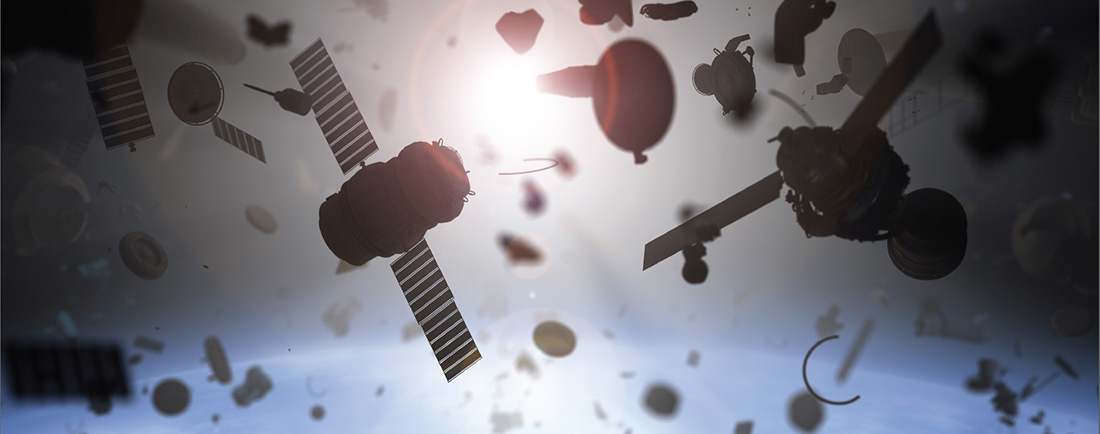
Things are messy in the heavens.
Image credit: The Aerospace Corporation/CORDS
Management platform
“To fully realize the utility of such frequent observations, SpaceX developed this system to provide conjunction screening results within minutes, compared to the current industry standard of several hours,” the company explains.
SpaceX will be making Stargaze conjunction data available to all satellite operators, free of charge, via a space-traffic management platform.
Close-call
Citing its own issues with close-calls, SpaceX said that late last year, a Starlink satellite encountered a conjunction with a third-party satellite that was performing maneuvers, but whose operator was not sharing ephemeris.
Until five hours before the conjunction, the close approach was anticipated to be roughly five and a half miles (9,000 meters).
That was considered a safe miss-distance with zero probability of collision.

Credit: SpaceX/Starlink
However, with just five hours to go, the third-party satellite performed a maneuver which changed its trajectory and collapsed the anticipated miss distance to roughly 200 feet (60 meters).
“Ultimately, the Starlink satellite was able to react within an hour of the maneuver being detected, planning an avoidance maneuver to reduce collision risk back down to zero,” SpaceX said.
By providing this ephemeris sharing and conjunction screening service free of charge, the company states, “we hope to motivate operators to take similar steps towards ephemeris sharing and safe flight.”
For more information on Stargaze, go to this posting on the SpaceX Starlink website at:
 Posted in Space News

