Archive for the ‘Space News’ Category
 Author:
  July 8th, 2026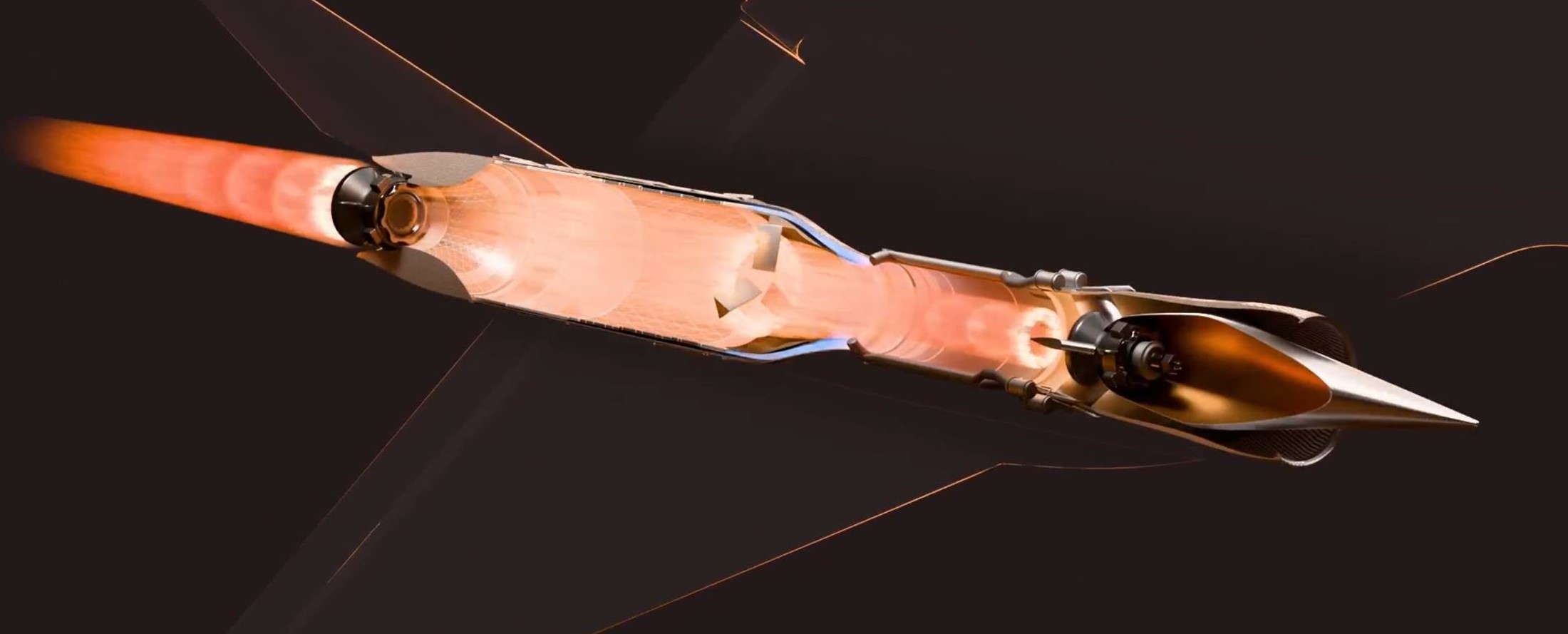
Image credit: Venus Aerospace
Progress has been reported on developing a high-thrust rotating detonation rocket engine, or RDRE in space shorthand.
Venus Aerospace today announced the close of a $91 million Series B financing deal.
This round of funding enables Venus to scale up RDRE development and production, moving the propulsion system from successful flight demonstration, the company states, toward deployment for a range of near-term defense and space applications.
Detonation wave
Headquartered in Houston, Texas, Venus Aerospace points out that, unlike conventional rocket engines, which burn fuel through subsonic combustion, the firm’s RDRE employs a continuous supersonic detonation wave that rotates around the combustion chamber.
“The result is the most efficient rocket engine architecture ever flown, by a margin of 15 percent,” the company explains. “This efficiency gain can translate into extended range, increased payload flexibility, and more capable systems across defense and space missions where performance margins are critical.”
Ultimately, the RDRE is aimed at enabling vehicles to travel four to six times the speed of sound from a conventional runway.
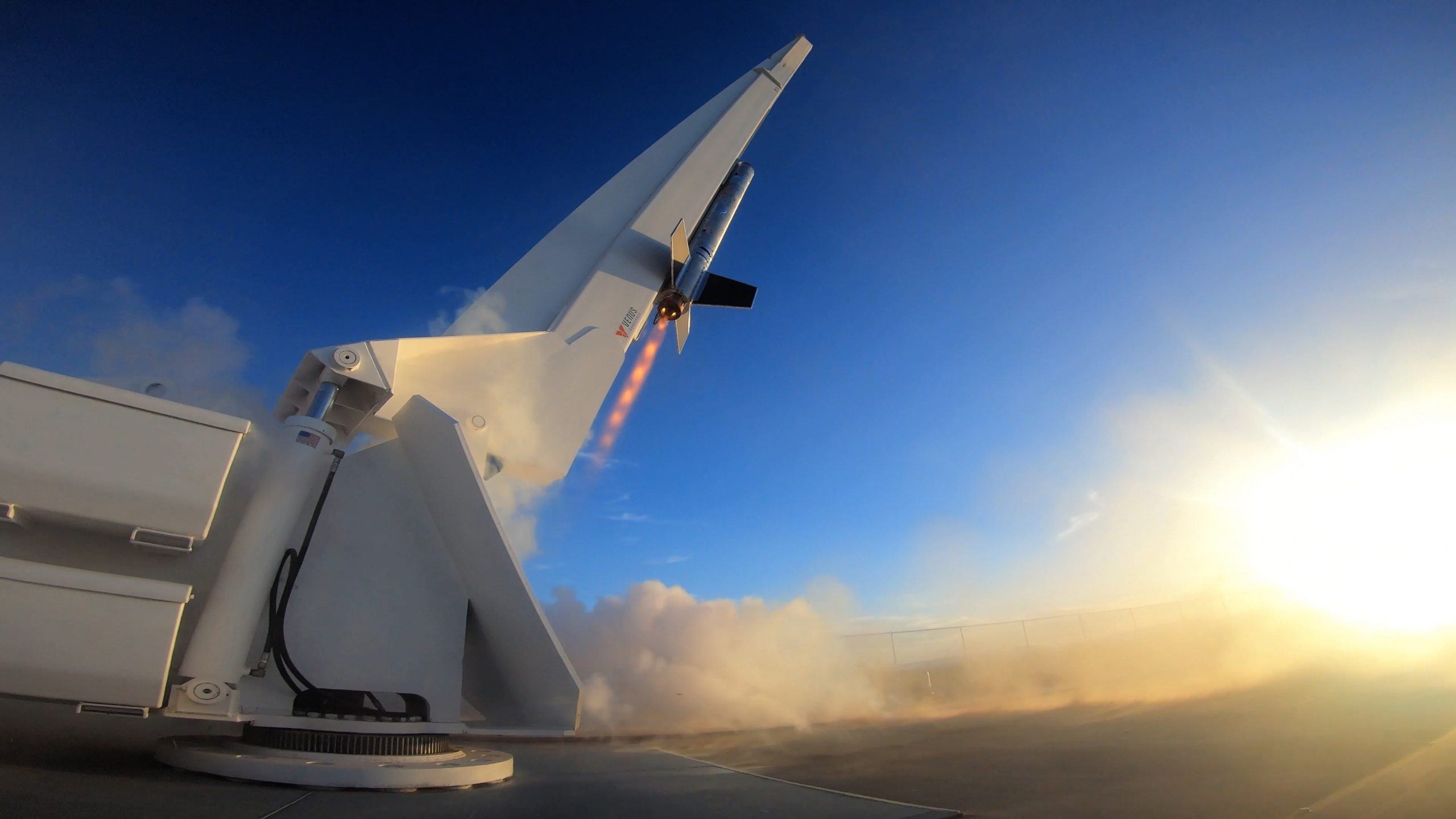
First test flight last year of rotating detonation rocket engine.
Image credit: Venus Aerospace
First flight test
Venus Aerospace conducted the world’s first flight test of a high-thrust rotating detonation engine in May 2025, carried out at Spaceport America in New Mexico. That milestone was met in just over four years on $80 million in capital.
The new round of cash can mature the flight-proven high-thrust RDRE into full propulsion systems.
The effort to raise the $91 million infusion was led by Mercury Fund, a Houston-based venture capital firm, with participation from Lockheed Martin Ventures, MESH, PEAK6, Draper Associates, Starboard Star Venture Capital, Green Sands Equity, Seraph Group, Trousdale Ventures, along with other new and existing strategic and institutional investors.
For more information on Venus Aerospace, go to:
Also, go to this flight test video at:
 Posted in
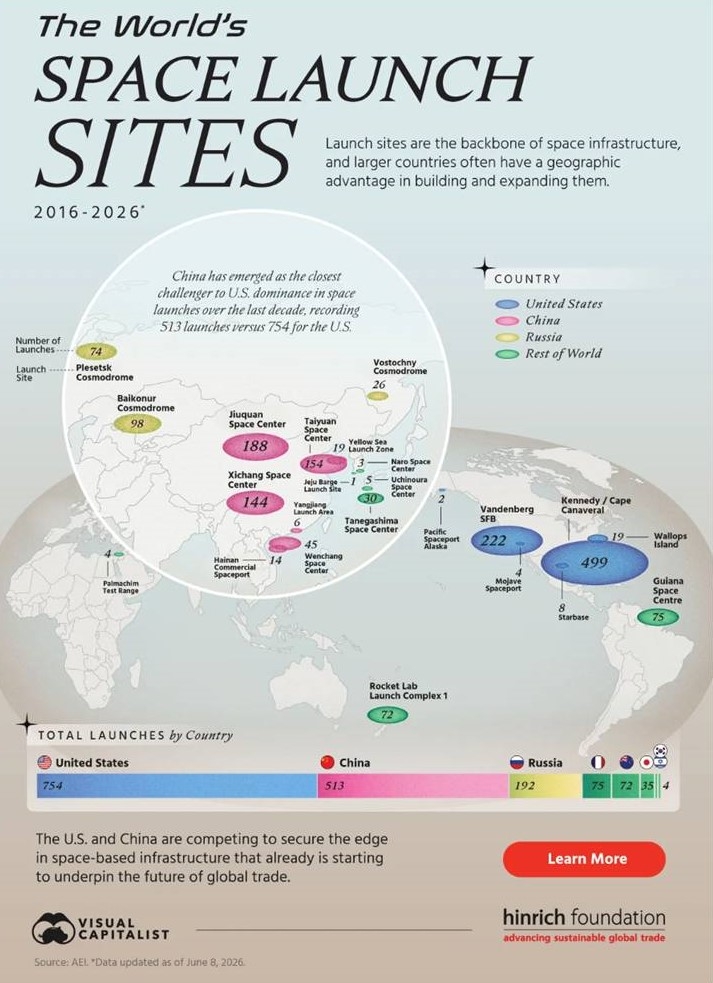
Image credit: Hinrich Foundation and Visual Capitalist
The growing US-China space competition has been captured in a set of infographics produced by the Hinrich Foundation and Visual Capitalist.
A three-part visual essay spotlights these issues: Critical materials, global launch sites and the surge in space launches.
“The supply of critical materials needed for rockets, satellites, and other space technologies is provided by a wide array of countries, setting the stage for a superpower contest to secure control of and access to resources from gallium to titanium, rare gases, rhenium, and beryllium.”
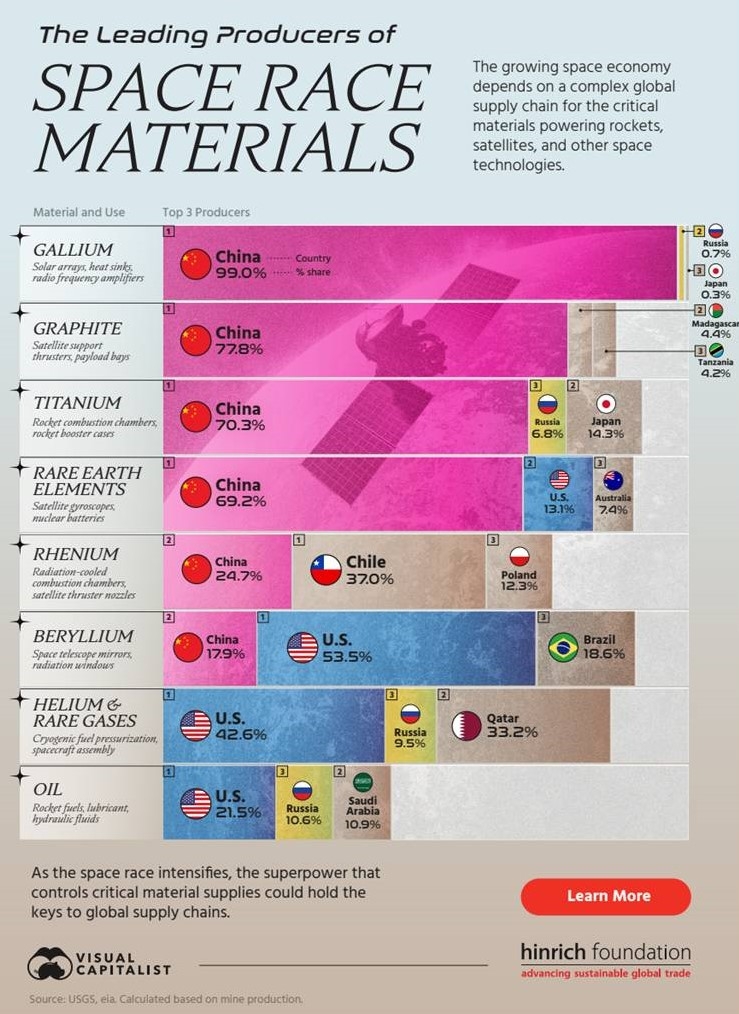
Image credit: Hinrich Foundation and Visual Capitalist
“The US and China are competing to secure the edge in space-based infrastructure that already is starting to underpin the future of global trade. Launch sites are critical to space missions. Geographically large countries have the edge. The US dominates the space trade with 25 launch sites but China is closing in with 17.”
“The Third Space Age began about a decade ago and is marked by China’s surge in space launches in an ongoing contest with the US for the space economy, including a race for critical metals for satellite panels, radiation shields, specialty manufacturers, the deep state, private venture capital, and a vast swathe of consumer apps from ride-hailing to personal banking.”
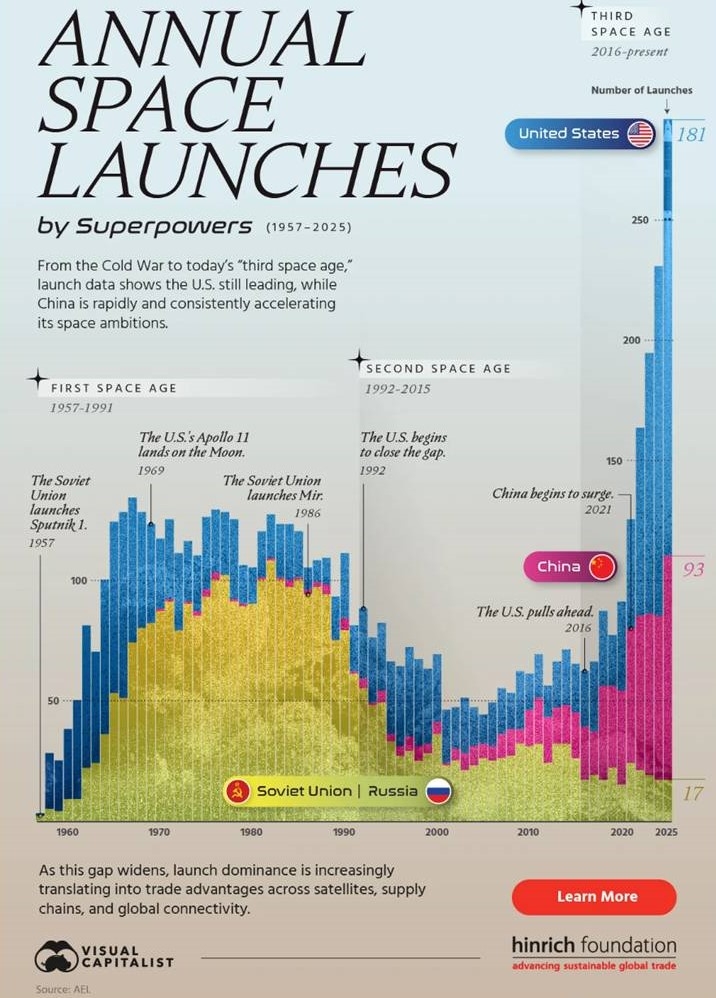
Image credit: Hinrich Foundation and Visual Capitalist
To fully access this suite of essays, go to the Visual Capitalist website that focuses on topics including markets, technology, energy and the global economy at:
https://www.visualcapitalist.com/sp/hf09-leading-producers-space-race-materials/
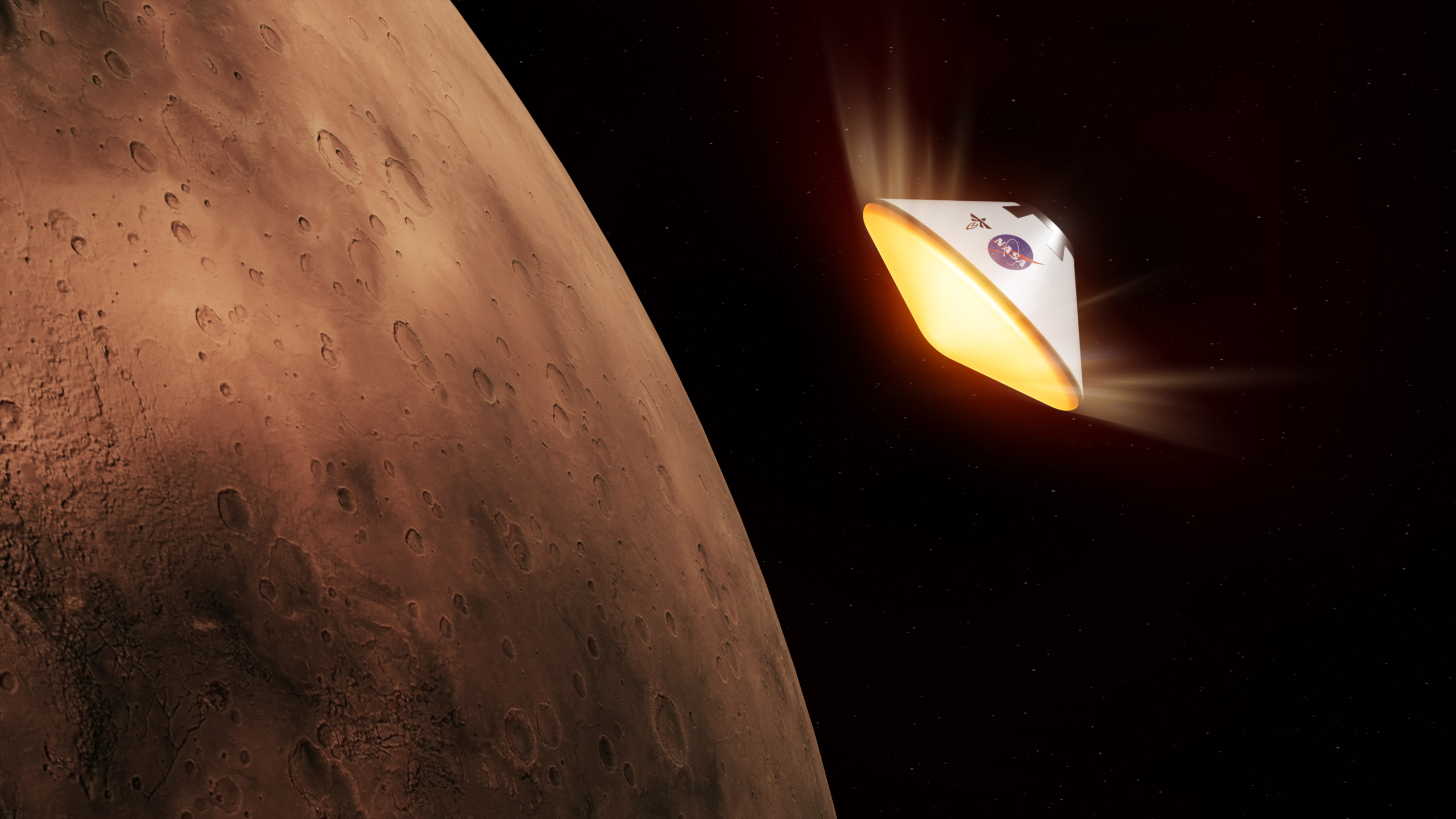
Aeroshell entry: SkyFall Mars mission.
Image credit: Firefly
NASA’s SkyFall mission to Mars is progressing with selection of a private space firm to manufacture, test, and deliver the project’s critical aeroshell.
Firefly Aerospace has received a $13 million subcontract to provide the aeroshell to the Jet Propulsion Laboratory.
SkyFall is targeted for launch in late 2028, a mission to deploy three Mars helicopters for gathering science data, and to conduct subsurface mapping and resource prospecting – paving the way for future U.S. crews to be sent to the Red Planet.
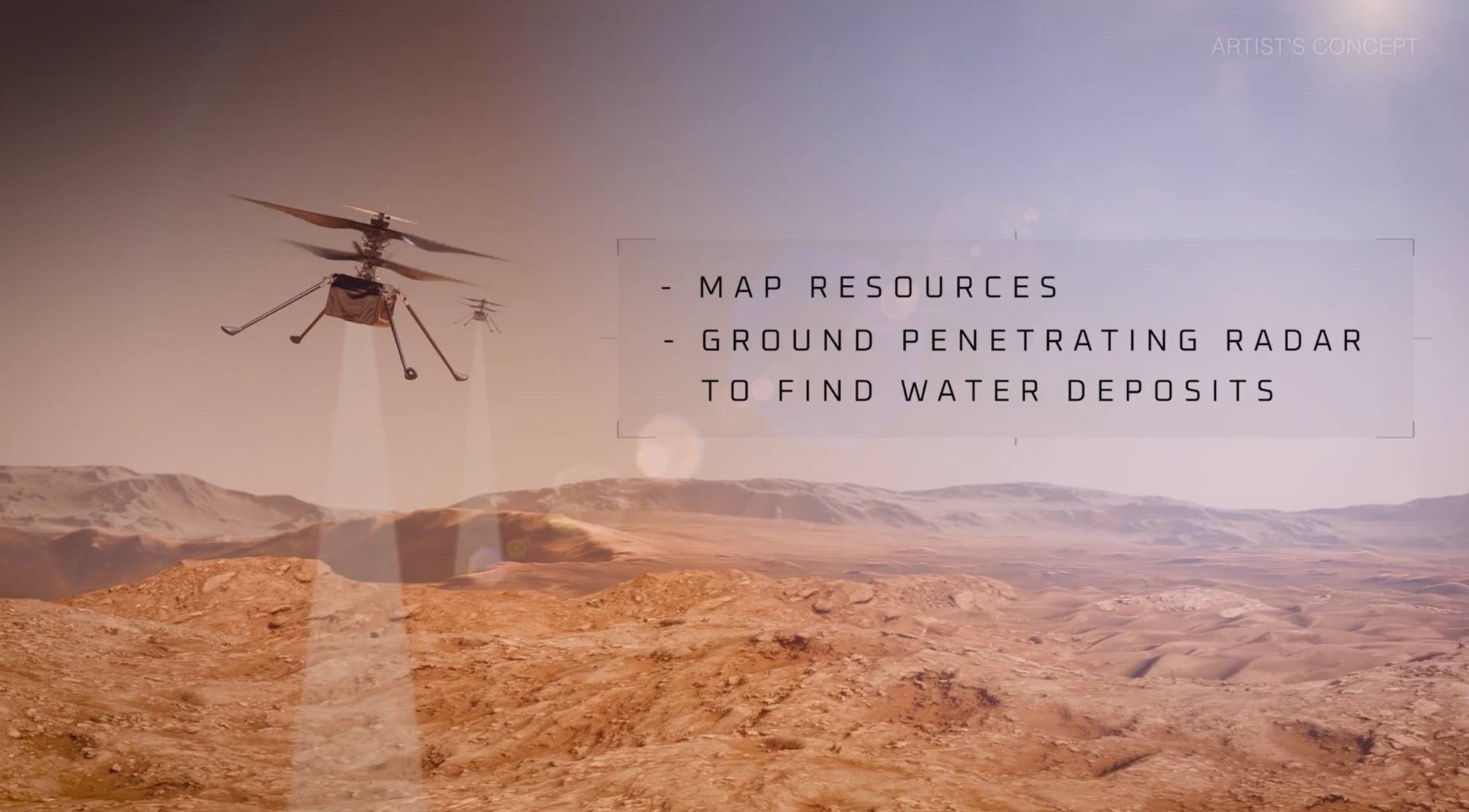
Image credit: NASA/JPL-Caltech
Gloworks lab
NASA’s SkyFall is Firefly’s first award to the group’s new Gloworks innovation lab.
The SkyFall aeroshell is comprised of a backshell and heatshield.
“Firefly will utilize advanced carbon composite technologies from its proven Blue Ghost lunar landers, Elytra orbiters, and Alpha and Eclipse launch vehicles to rapidly produce high-strength, lightweight structures,” explains a company statement.
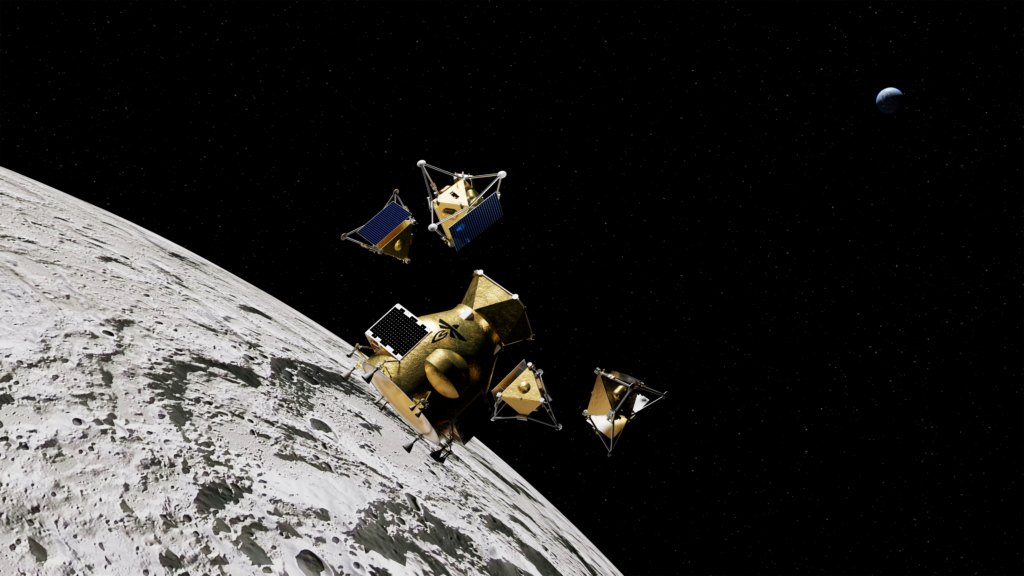
Illustration shows MoonFall lander deployment.
Image credit: Firefly Aerospace
MoonFall work
Once Firefly delivers the aeroshell to JPL, the hardware will undergo additional environmental testing at JPL’s facilities prior to integration with SkyFall’s helicopters and deployment system.
Based in Cedar Park, Texas, Firefly also recently received a JPL subcontract to deliver four drones above the lunar south pole with its Elytra spacecraft in support of NASA’s MoonFall mission.
In March of 2025, Firefly’s Blue Ghost was the first commercial lunar lander to successfully touch down on the Moon.

Blue Ghost sits on lunar surface – marking the longest commercial operations on the Moon to date.
Image credit: Firefly Aerospace
Firefly is also on tap to deliver four upcoming lunar missions under NASA’s Commercial Lunar Payload Services (CLPS) initiative.
For more information on Firefly, go to:
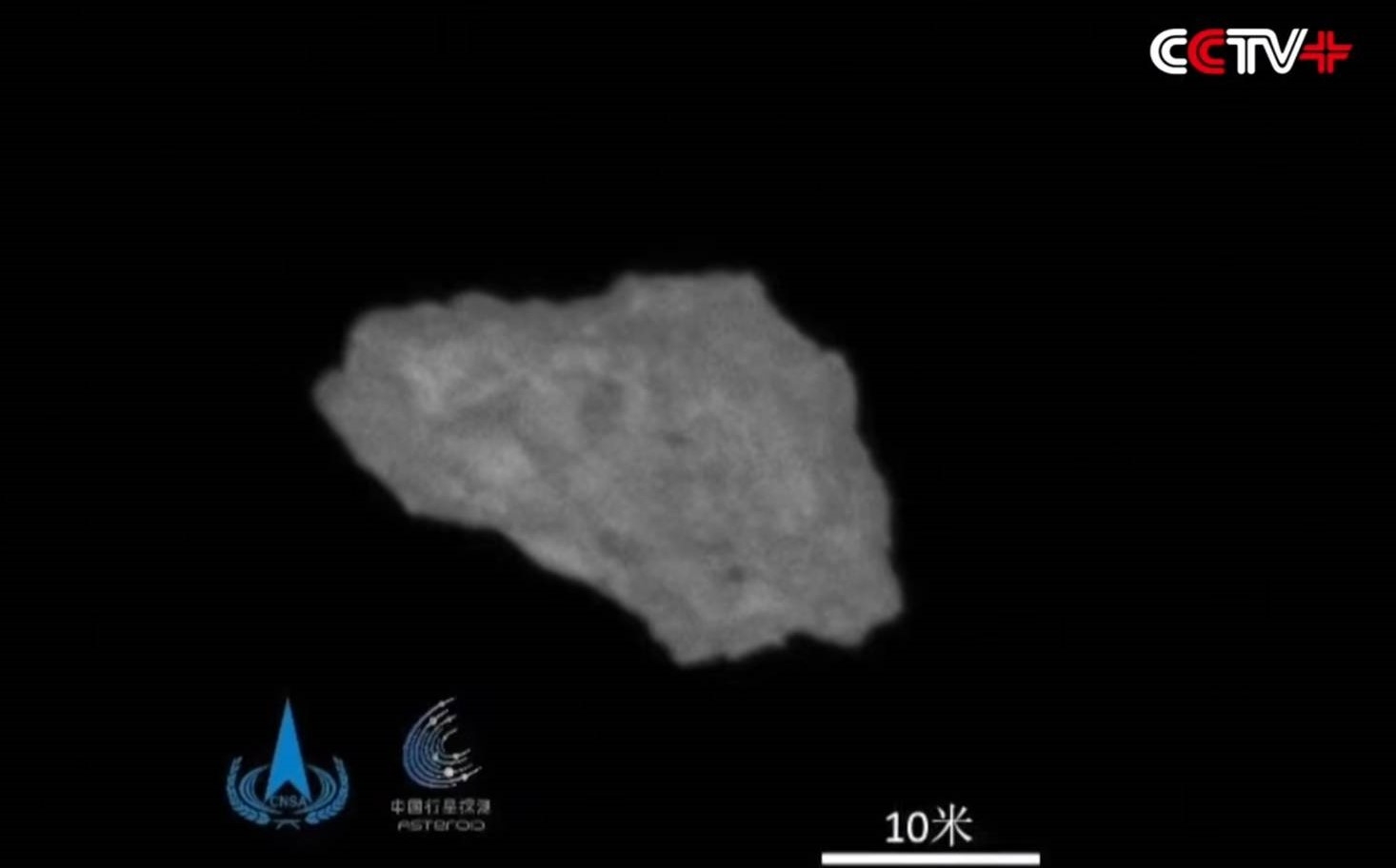
Image credit: CNSA
China’s Tianwen-2 probe has successfully arrived at a distance of under 13 miles (20 kilometers) from asteroid 2016HO3.
Tianwen-2 was launched on May 29, 2025, taking roughly 400-days to reach the space rock.
The spacecraft mission involves multiple goals over a decade-long expedition:
- Collecting samples from the near-Earth asteroid 2016HO3
- Exploring the main-belt comet 311P, which is more distant than Mars
During the approach phase, the probe acquired imagery of the asteroid.

Image credit: CCTV/Inside Outer Space screengrab
The China National Space Administration (CNSA) explains that, on its voyage to the asteroid, the probe executed deep-space maneuvers and trajectory correction operations.
On June 6, 2026, the probe achieved its first detection of the asteroid.
On June 7, Tianwen-2 entered a coplanar trajectory with the asteroid.
On June 19, it approached the asteroid to within 1, 243 miles (2,000 kilometers).
Tianwen-2 is China’s first asteroid sample-return mission.
The CNSA adds that the probe will progressively conduct more detailed scientific exploration to acquire data on the asteroid’s morphology, material composition and internal structure. Doing so will lead to subsequent sample collection operations.
Go to this CCTV video at:
https://www.facebook.com/reel/1384639696815109

What would it be like to live and work on Mars?
National Geographic Explorer and photographer Mackenzie Calle suited up to get a fascinating behind-the-scenes look at astronaut space training at the Mars Desert Research Station (MDRS) in Utah for the July cover story.
Go to this read at:
https://www.nationalgeographic.com/science/graphics/analog-astronaut-space-simulation-mars-moon
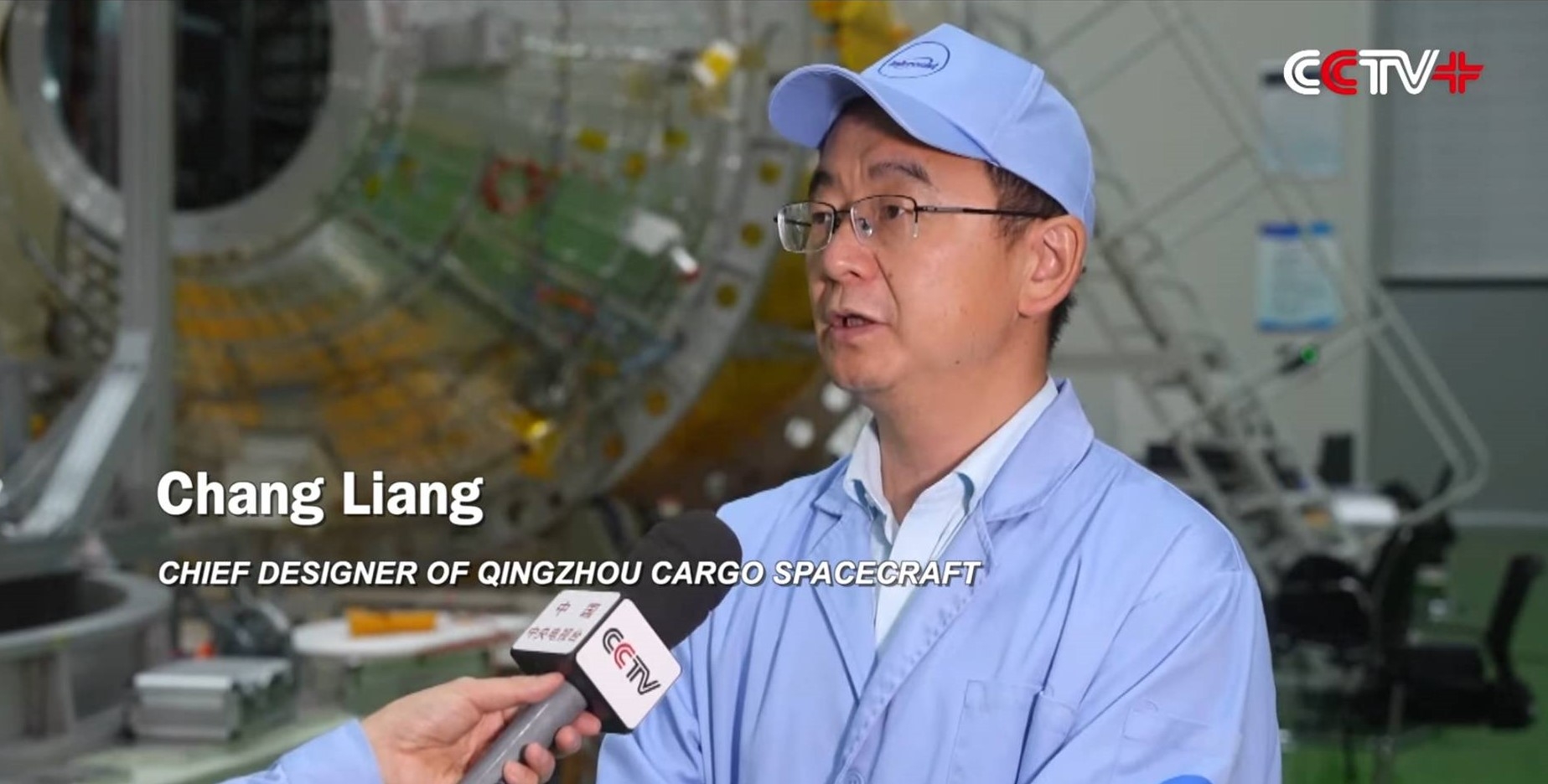
Image credit: CCTV/Inside Outer Space screengrab
China’s new cargo transport craft – Qingzhou – is ready for operations next year.
A test flight of the craft earlier this year verified key aspects of the spacecraft to deliver supplies to the country’s space station.
The test vehicle, designed for a three-year service life, was launched into orbit in March.
“The test flight was aimed at making good in-orbit preparations for the formal launch of the spacecraft,” said Chang Liang, chief designer of the Qingzhou cargo spacecraft.
“We verified many key technologies,” Chang told China Central Television (CCTV) “including those for the sealed capsule and propulsion. We also carried out some space experiment payloads. Having laid a solid foundation, we will be very confident to carry out the formal mission next year.”
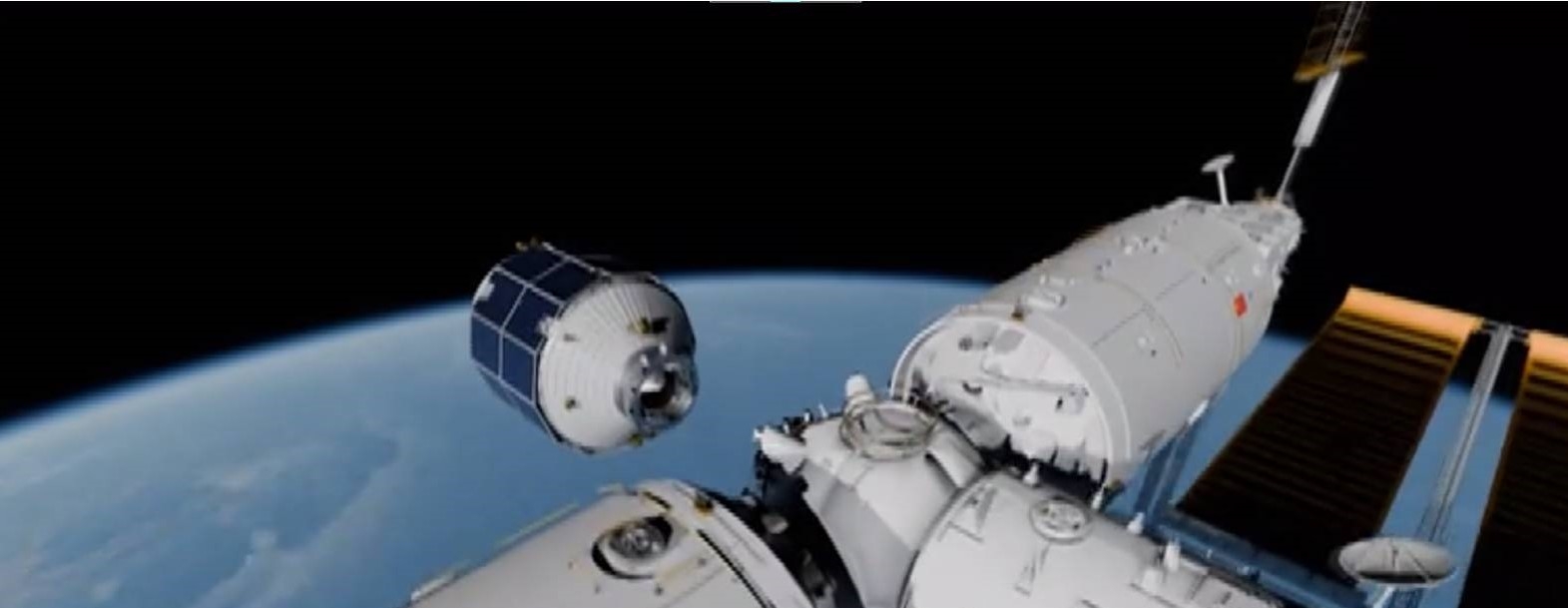
Artwork depicts Qingzhou Cargo spacecraft docking to China’s space station.
Image credit: CCTV/Inside Outer Space screengrab
Test craft factoids
Here are some factoids about the Qingzhou test spacecraft:
- It consists of a sealed main capsule and an unsealed tail cone section at the rear
- Has a total mass of 4.2 tons and a single-module integrated configuration.
- The main capsule houses 40 cargo compartments, offering a total volume of around 27 cubic meters for carrying astronaut supplies, scientific payloads and other equipment.
- The open tail cone section can carry additional payloads and equipment required for space exposure experiments, thus maximizing the spacecraft’s cargo capacity.
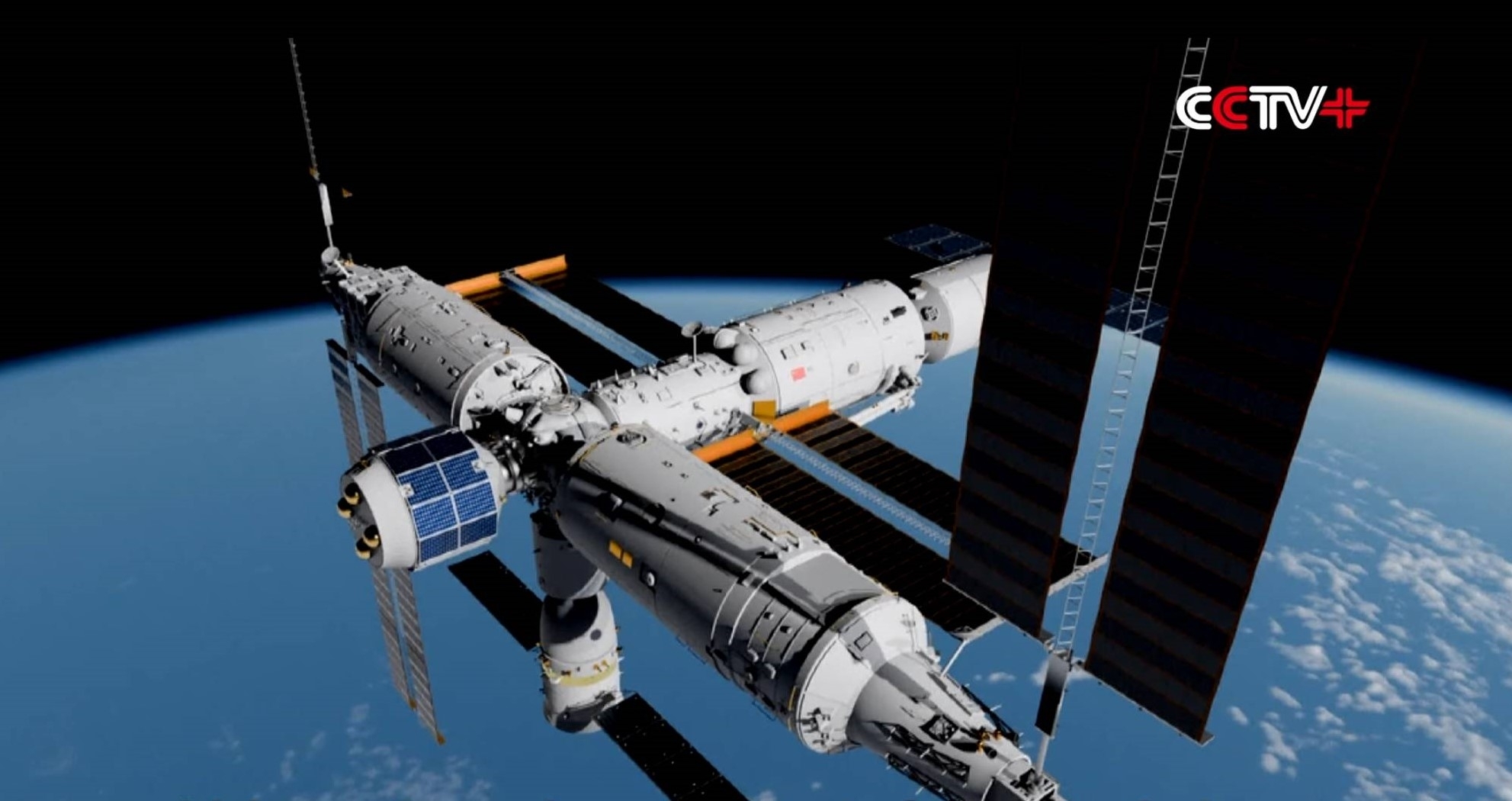
Artwork depicts Qingzhou cargo spacecraft (left) docked to Chinese space station, leading to growth of the orbiting outpost.
Image credit: CCTV/Inside Outer Space screengrab
Supplementary system
Development of the station-assigned Qingzhou cargo spacecraft is progressing smoothly, with the spacecraft scheduled in early 2027 to dock with China’s orbital outpost.
Qingzhou will serve as a “supplementary cargo transport system” to the existing Tianzhou cargo spacecraft, providing relatively low-cost cargo delivery services to the space station, CCTV reports.
“Our test spacecraft didn’t dock with the space station,” Chang added. “Instead, it operated independently in orbit, creating a mini space experiment environment by itself.”
Formal flight mission
Chang noted that the craft’s “formal flight mission” will deliver supplies for astronauts’ daily use and scientific experiments.
“These two missions are very different,” Chang said. “The spacecraft to be formally launched will dock with the space station and complete cargo transfer, and we need to work on that.”
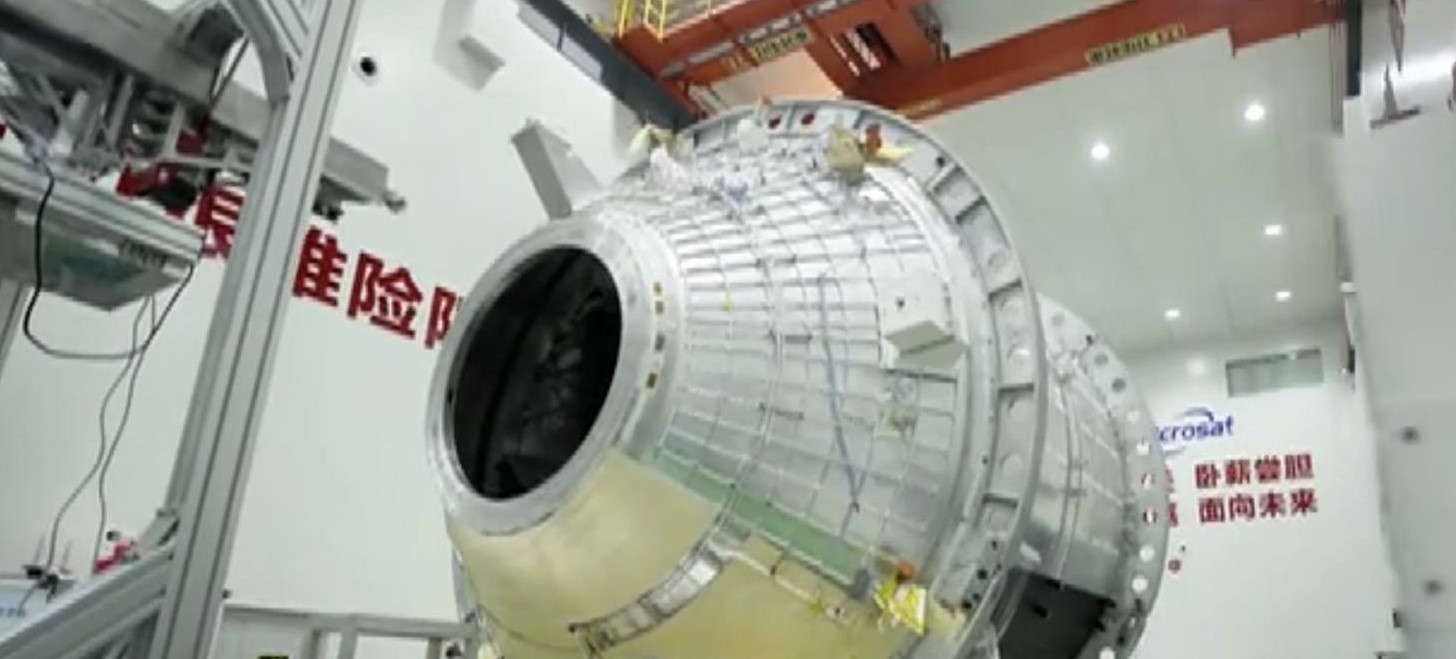
Work progressing on China’s Qingzhou Cargo spacecraft.
Image credit: CCTV/Inside Outer Space screengrab
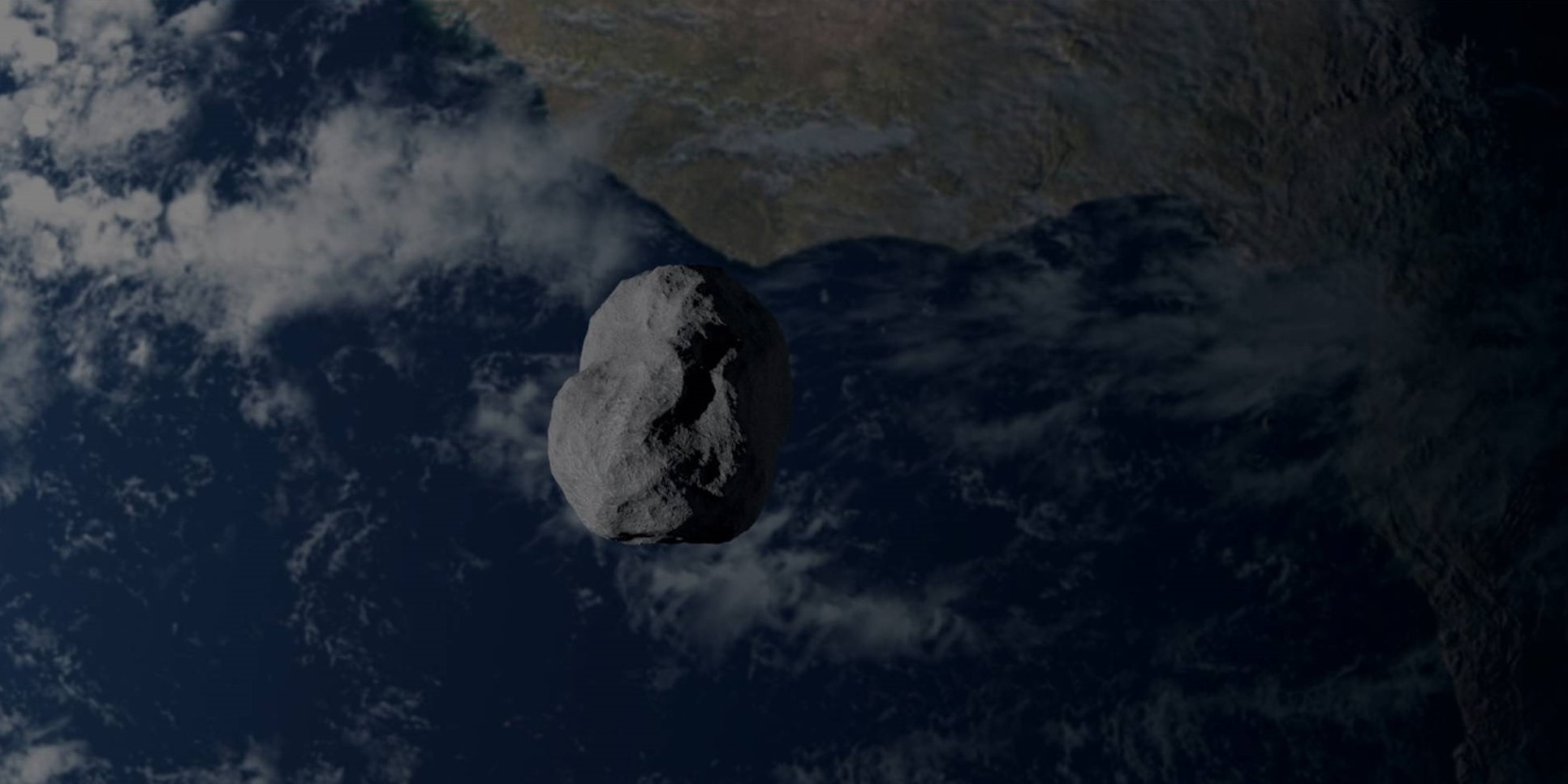
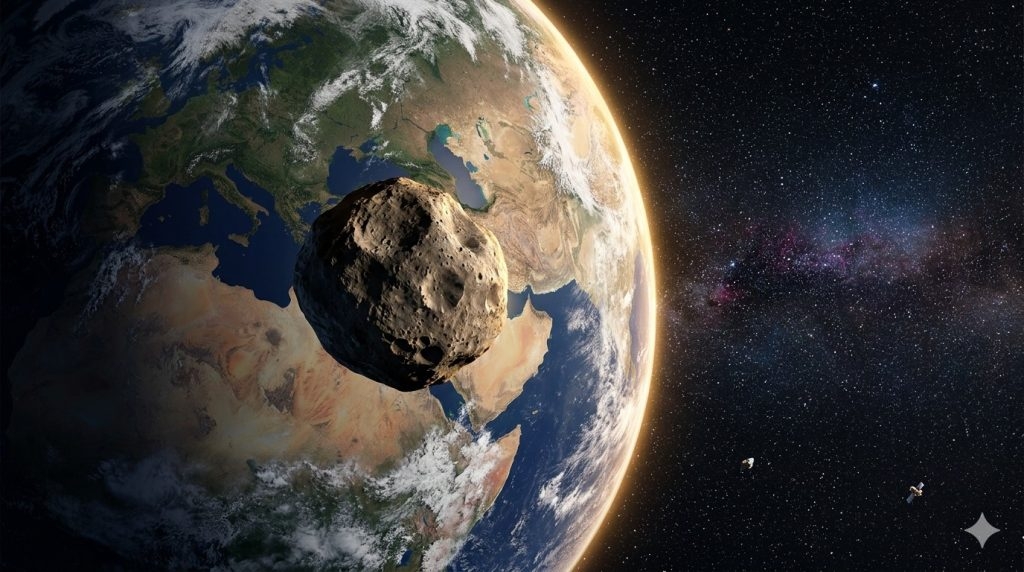
Asteroids have struck the Earth in the past…and they will again.
Image credit: ESA
Last week, the China National Space Administration (CNSA) announced that using ground- and space-based equipment enables the ability to track near-Earth asteroids and determine potential impact threats.
The CNSA said China will build an integrated network featuring telescopes and other equipment on the ground and in space to eliminate blind spots.
Round-the-clock monitoring
“On the ground, we will select outstanding observatories and deploy multiple large-aperture optical telescopes to form a ground-based monitoring and early-warning network,” said Li Mingtao, chief scientist at the CNSA Asteroid Monitoring and Early Warning Research Center.
“In space, we will launch telescopes beyond the atmosphere,” Li told China Central Television (CCTV). “Through the coordination of ground and space assets, we will achieve round-the-clock 360-degree monitoring.”
According to the CNSA, China has made initial advances in developing early-warning models and algorithms for asteroid impact risks, and is now building an operational near-Earth asteroid risk warning system.
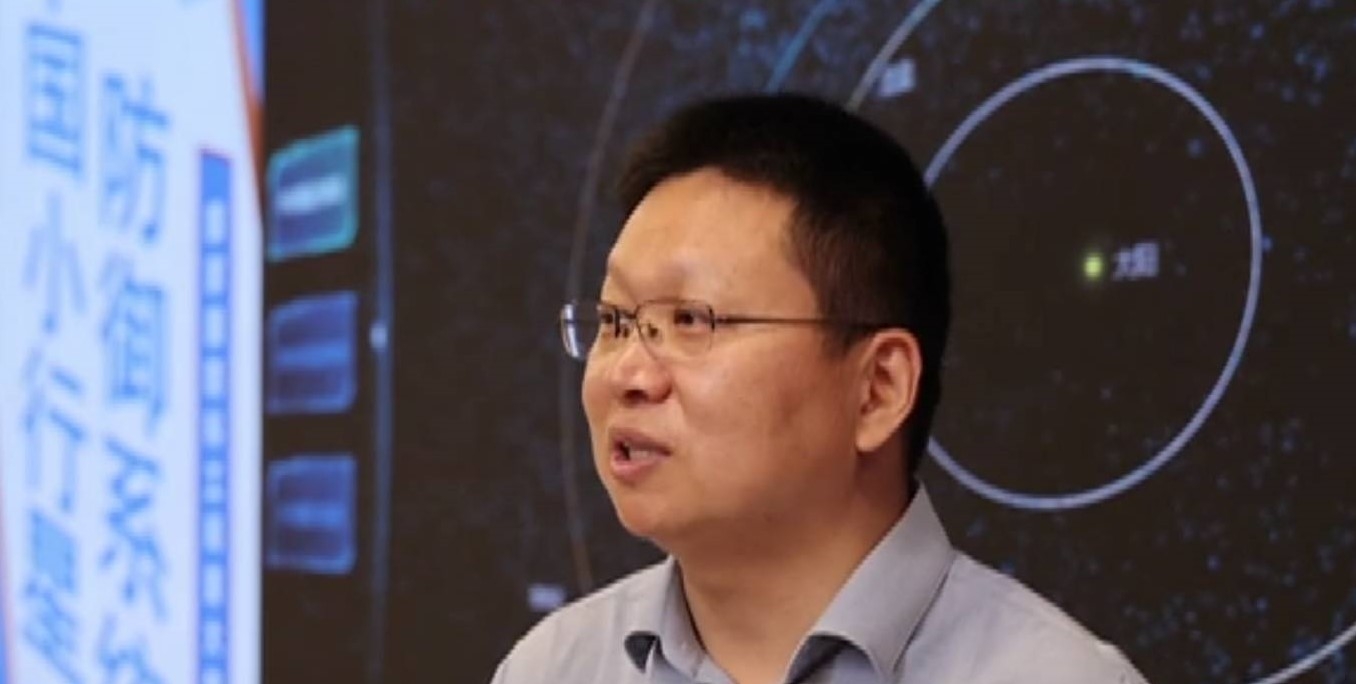
Li Mingtao, chief scientist at the China National Space Administration’s Asteroid Monitoring and Early Warning Research Center.
Deflect the threat
China is also tackling what to do following the detection of a potentially hazardous asteroid with Earth in the cross-hairs of the object. That is, determining how to deflect the threat.
“Kinetic impact is the most feasible and simplest approach, but its effectiveness is relatively difficult to assess,” Li said. “Continuous deflection offers more precise results, but the main challenge is that the applied force is extremely weak. That is why early detection is critical, as more time gives us more options to avoid impact.”
Incoming factoids
In the CCTV story, also highlighted were these factoids.
- The United Nations has declared June 30 as International Asteroid Day to raise public awareness about the potential hazards of asteroid impacts, which are a common challenge facing all humanity.
- Other deflection approaches focus on changing the asteroid’s orbit, including using gravity tractors, laser ablation and continuous-thrust techniques, with the ultimate goal of nudging the asteroid away from Earth’s orbital path well in advance, preventing a potential impact.
- By June 2026, more than 40,000 near-Earth asteroids had been discovered and catalogued by space agencies around the world. Although none has been confirmed to be on a definite collision course with Earth, many smaller celestial bodies have yet to be detected.

Apophis 2029 – a close encounter of the space rock kindl
Image credit: The International Year of Asteroid Awareness and Planetary Defense 2029
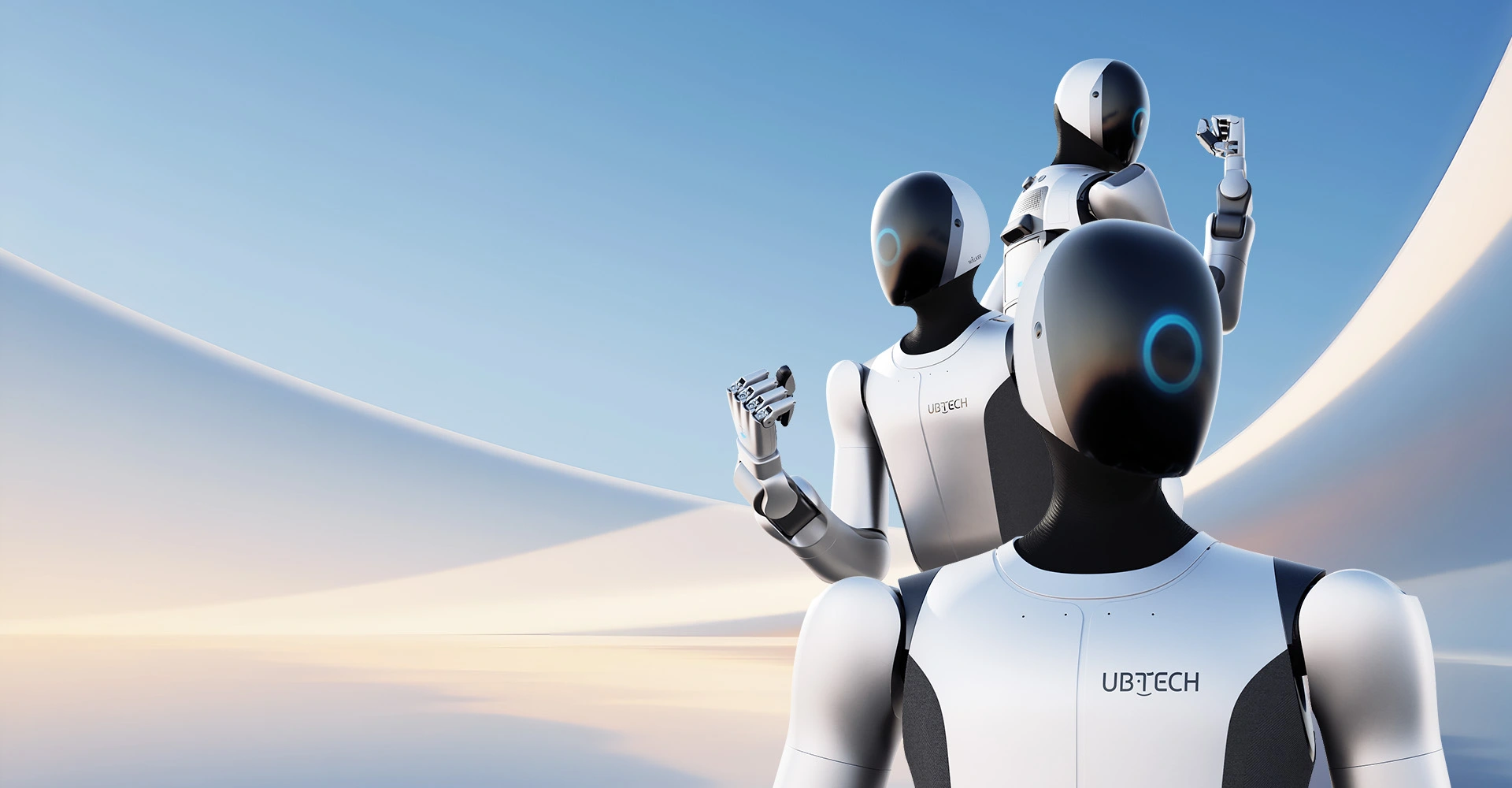
China’s humanoid robot can change its own battery, marking another step toward fully autonomous machines capable of working 24/7.
Image credit: UBTech Robotics
Could humans someday explore Saturn’s moon Titan, or will humanoid robots do it for us?
“Ultimately, we think of Titan as the next big leap beyond Mars.”
Training ground
In fact, a humanoid robot offered by China’s UBTech Robotics, the Walker S2 is a case in point. It can change its own depleted battery, swapping it out with a fresh, fully-charged battery.
That skill mimics IMmortality, Lee said, with the Chinese firm calling it another step toward fully autonomous machines capable of working 24/7.
Go to my new Space.com story — Could humans someday explore Saturn’s moon Titan, or will humanoid robots do it for us? — at:
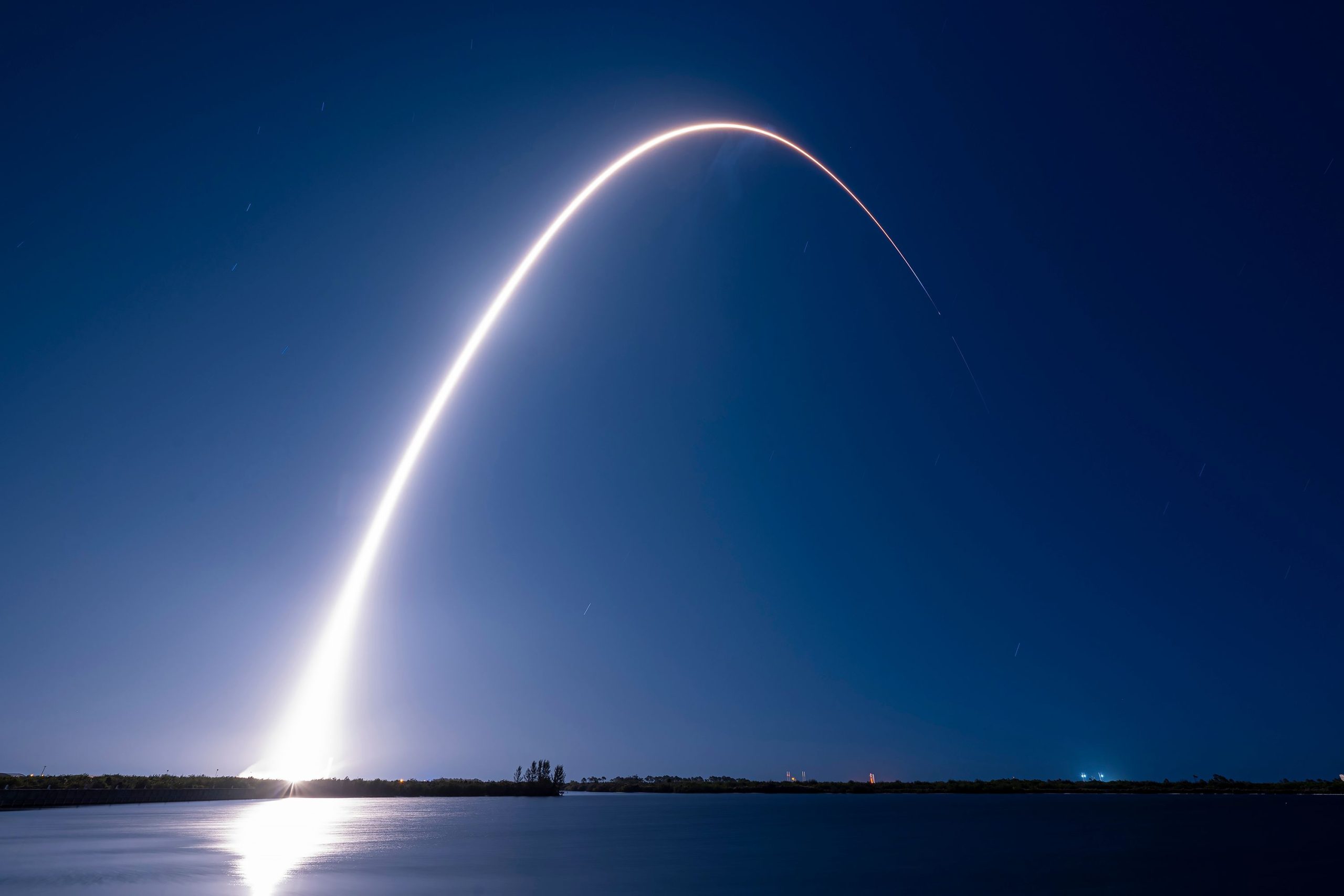
Image credit: SpaceX
The Federal Aviation Administration has issued a 10-year forecast for licensed commercial space operations
The FAA is predicting nearly 4,300 launches and reentries under the high-case scenario between FY 2026 and FY 2036. Operations would steadily increase annually from more than 200 to more than 500 per year.
“The projected growth reflects anticipated demand for satellite deployment, crew and cargo transportation, in-orbit servicing, assembly, and manufacturing, development of lunar outposts, space tourism, and Mars settlement efforts,” reports the FAA.
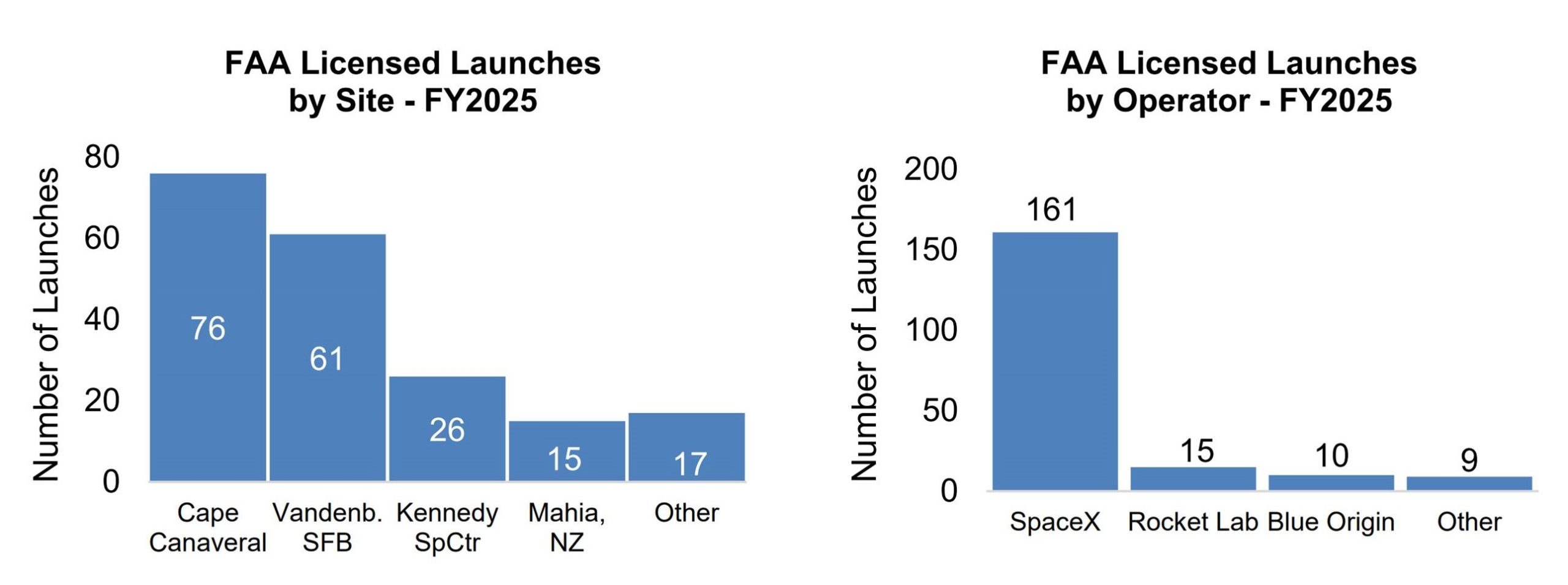
Image credit: FAA
Existing and planned applicants
Based on data provided by existing licensed operators, and to the extent possible, the forecast looks at planned activity of prospective license applicants. “It also accounts for potential changes in the number of launch operators and the increased use of reusable and larger launch vehicles with greater payload capacities,” the FAA adds.
As indicated in the forecast, many missions in the projection involve initial satellite deployment and subsequent replacement as satellites reach the end of their operational life. Deployment timing can significantly affect forecast accuracy.
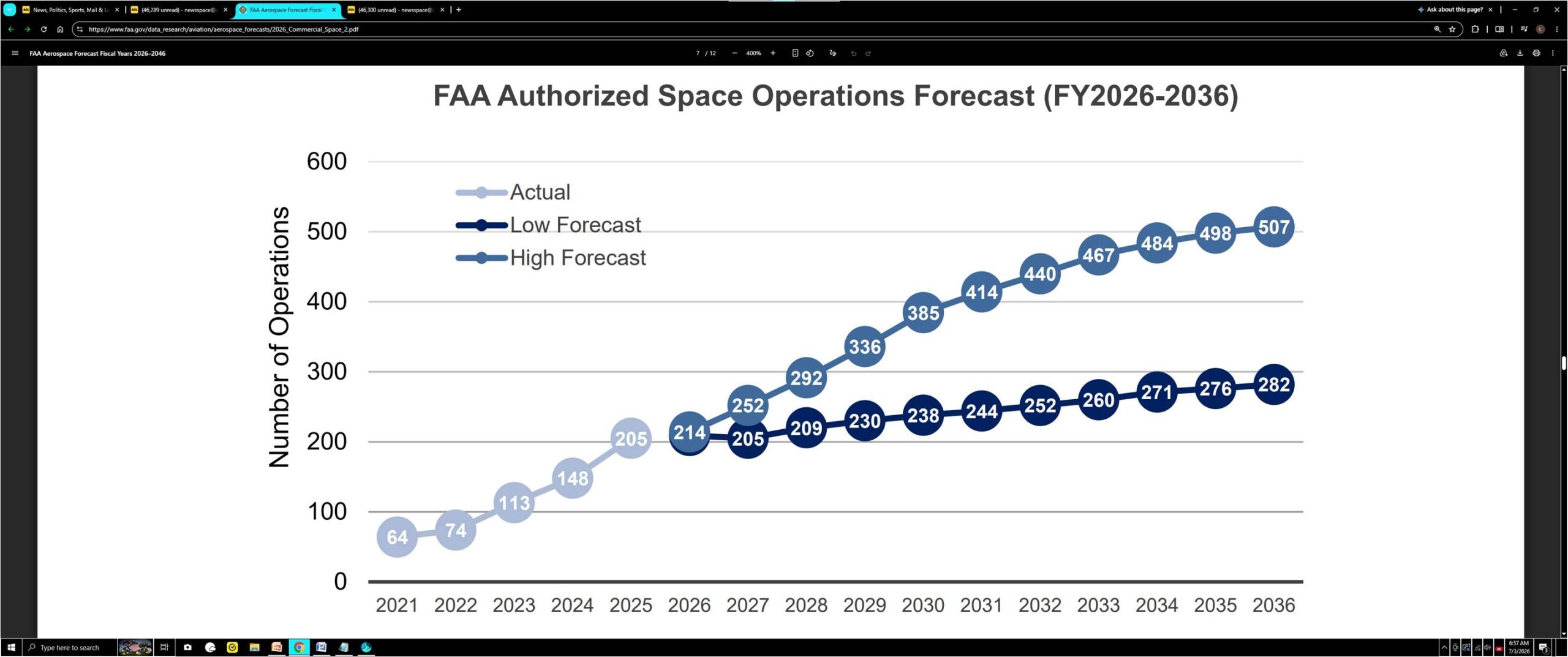
Image credit: FAA
Mega-constellations
The current forecast includes — but is not limited to — Amazon’s Kuiper and SpaceX’s Starlink mega-constellations of spacecraft.
Kuiper deployment began in 2025. Full deployment is expected by 2031 and replenishment starting in 2032.
For Starlink, its low Earth orbit network reached full deployment at the end of 2025, with replenishment operations commencing that same year.
To access this new, just-released FAA forecast – go to:
https://www.faa.gov/data_research/aviation/aerospace_forecasts/2026_Commercial_Space_2.pdf
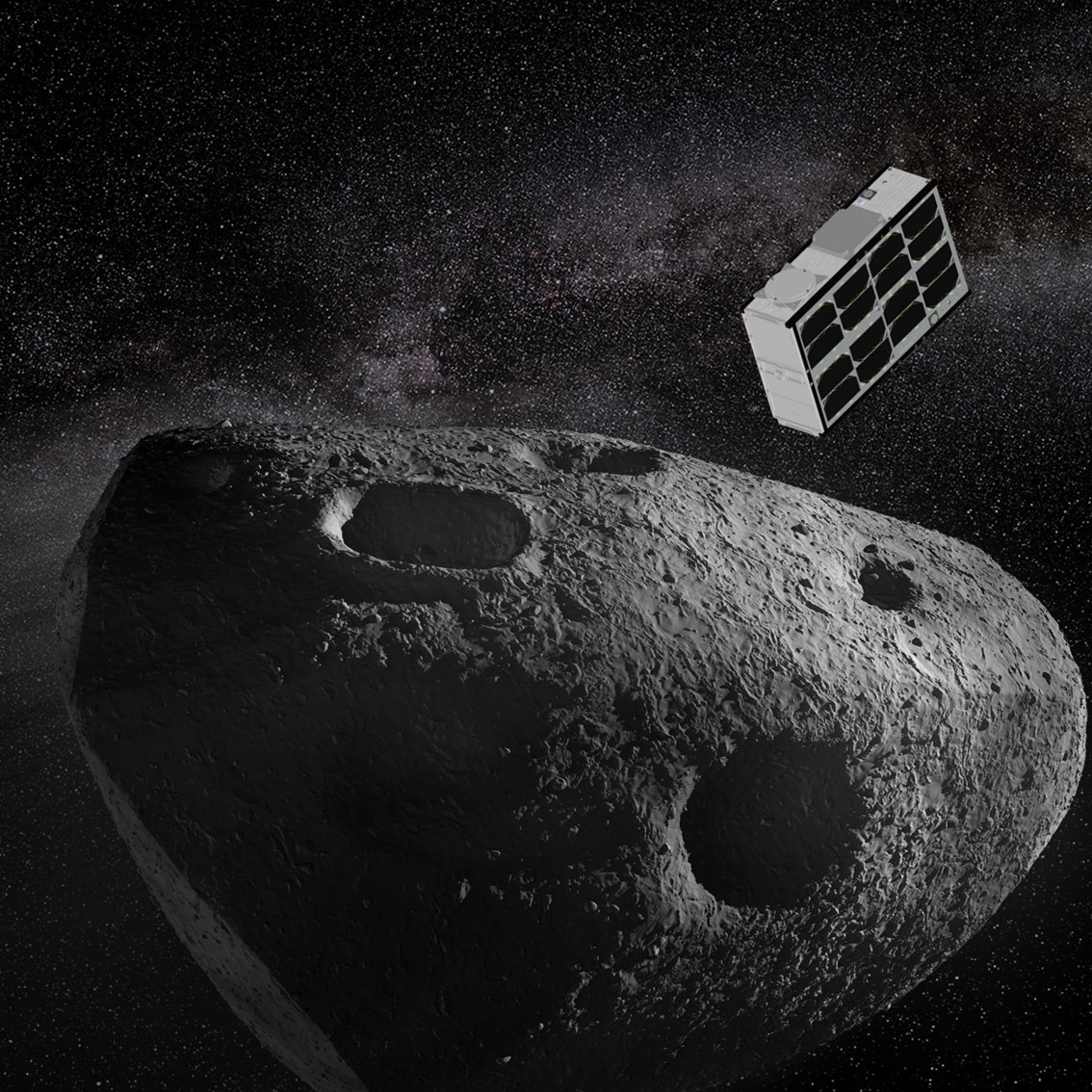
Image credit: EMXYS
The first CubeSat designed to operate on the surface of an asteroid has been contracted by the European Space Agency.
The Spanish company EMXYS is providing Don Quijote, a shoebox-sized spacecraft that will be deployed onto the Apophis asteroid by ESA’s Rapid Apophis Mission for Space Safety (Ramses) mission before the asteroid flies by Earth on April 13, 2029.
Ramses’s Don Quijote CubeSat, led by Emxys, will be deployed from the main spacecraft just a few kilometers from Apophis.
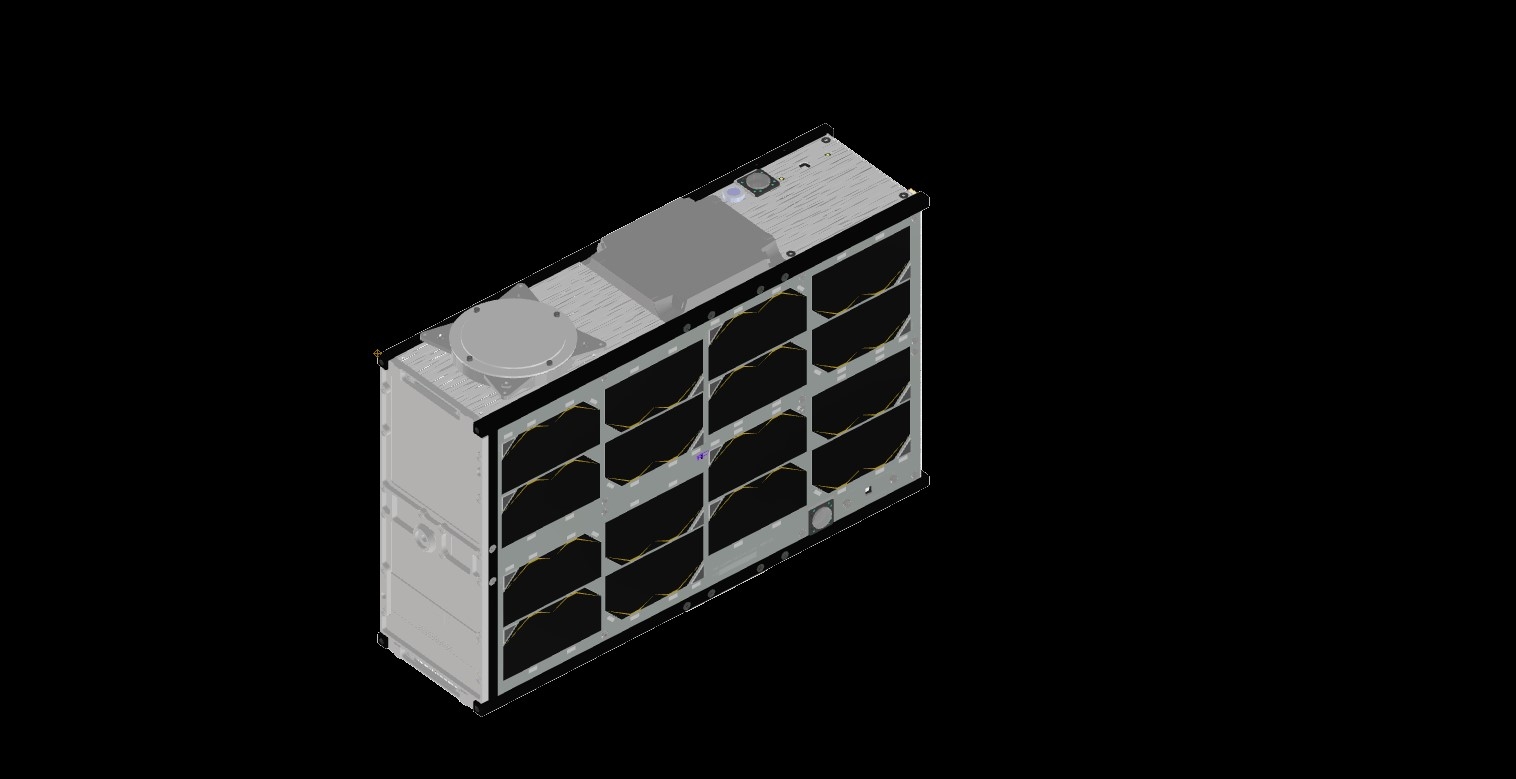
Image credit: EMXYS
Trio of instruments
The CubeSat will carry a trio of instruments.
- The Gravimeter for Small Solar System Objects (GRASS) is being developed by the Royal Observatory of Belgium with EMXYS to measure the asteroid’s miniscule gravity field.
- The MARIE (Magnetosphere-induced Apophis Response Investigation Experiment), is being provided through the German Space Science Program and manufactured by Technische Universität Braunschweig, to measure if the asteroid has a magnetic field – and how it might change when interacting with Earth’s own magnetic field and gravity.
- The Seismic Instrument for Asteroids (SIA) seismometer comes from French aerospace center ISAE-SUPAERO, designed to perform the first seismic measurements on an asteroid.
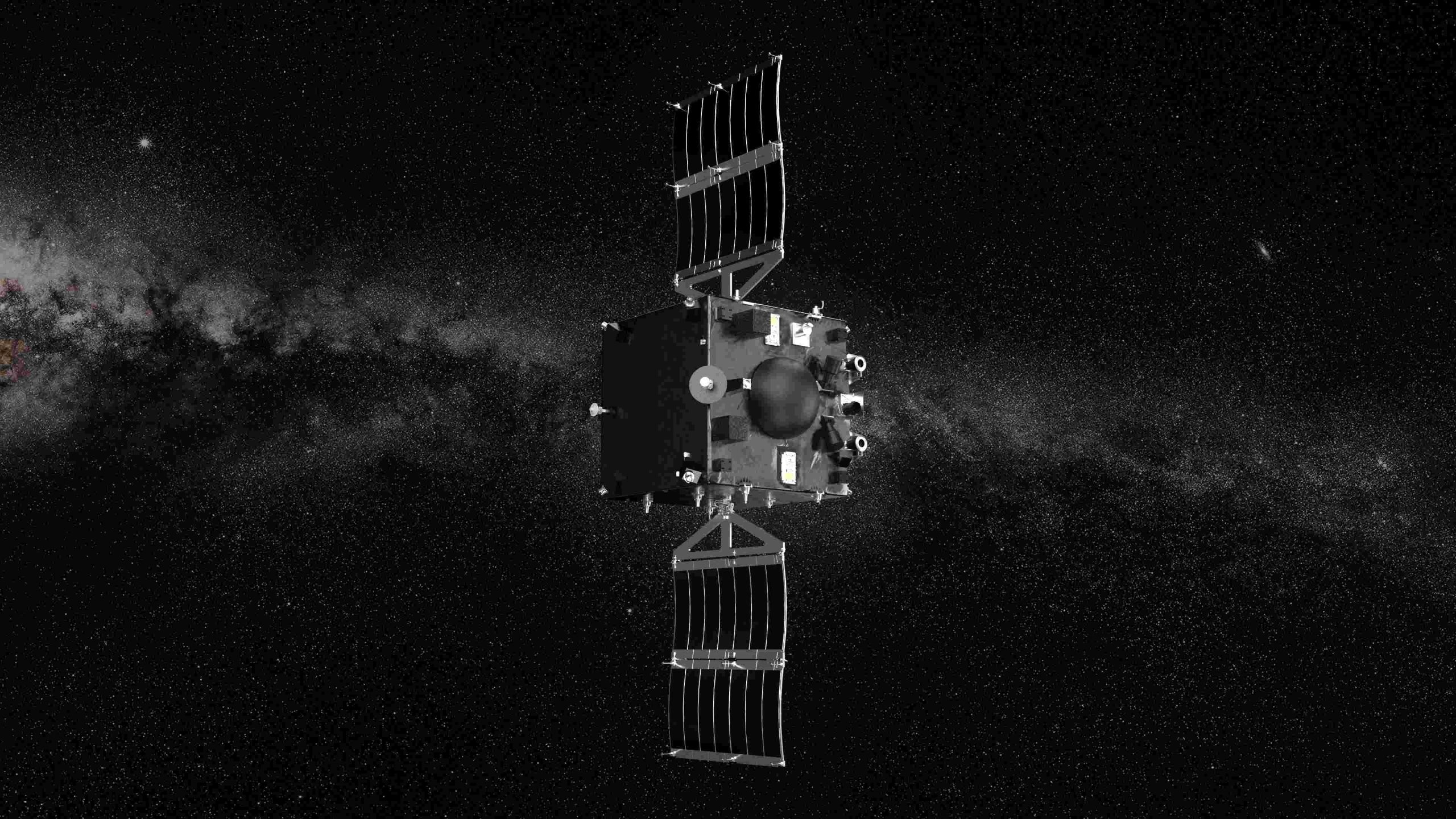
Artist’s impression of ESA’s proposed Rapid Apophis Mission for Space Safety (Ramses).
Question mark
“It will come down quite slowly, but in the ultra-low gravity of Apophis some bouncing along the surface is possible,” said Francesca Ingiosi, overseeing Ramses’ CubeSat work. “The CubeSat is therefore designed to operate from any orientation, although the precise nature of the surface remains a question mark,” he added in an ESA statement.
“There is even a small possibility that Don Quijote sinks into the ground,” Ingiosi noted, “which would not be good!”

