Archive for the ‘Space News’ Category
 Author:
  August 18th, 2026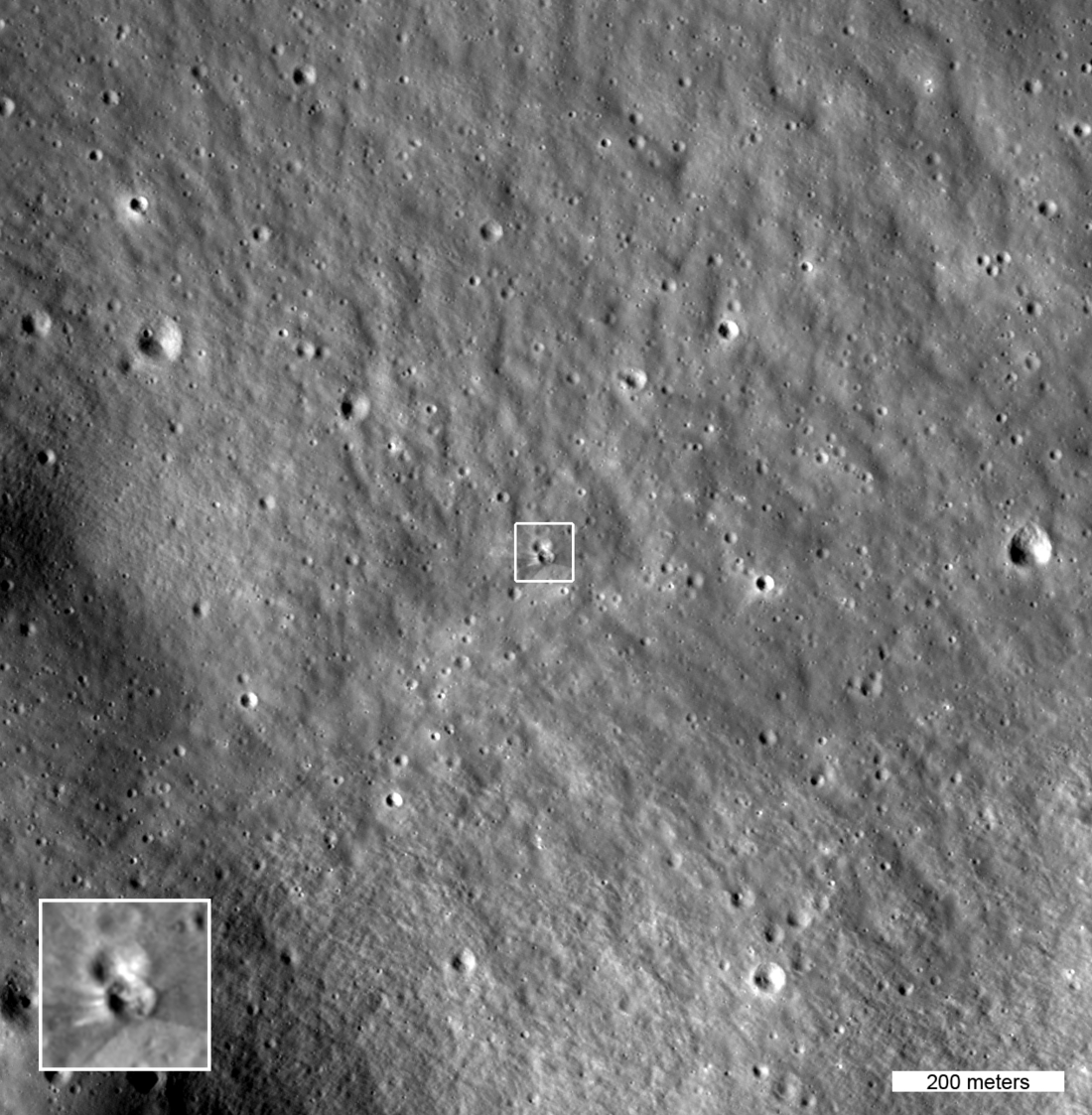
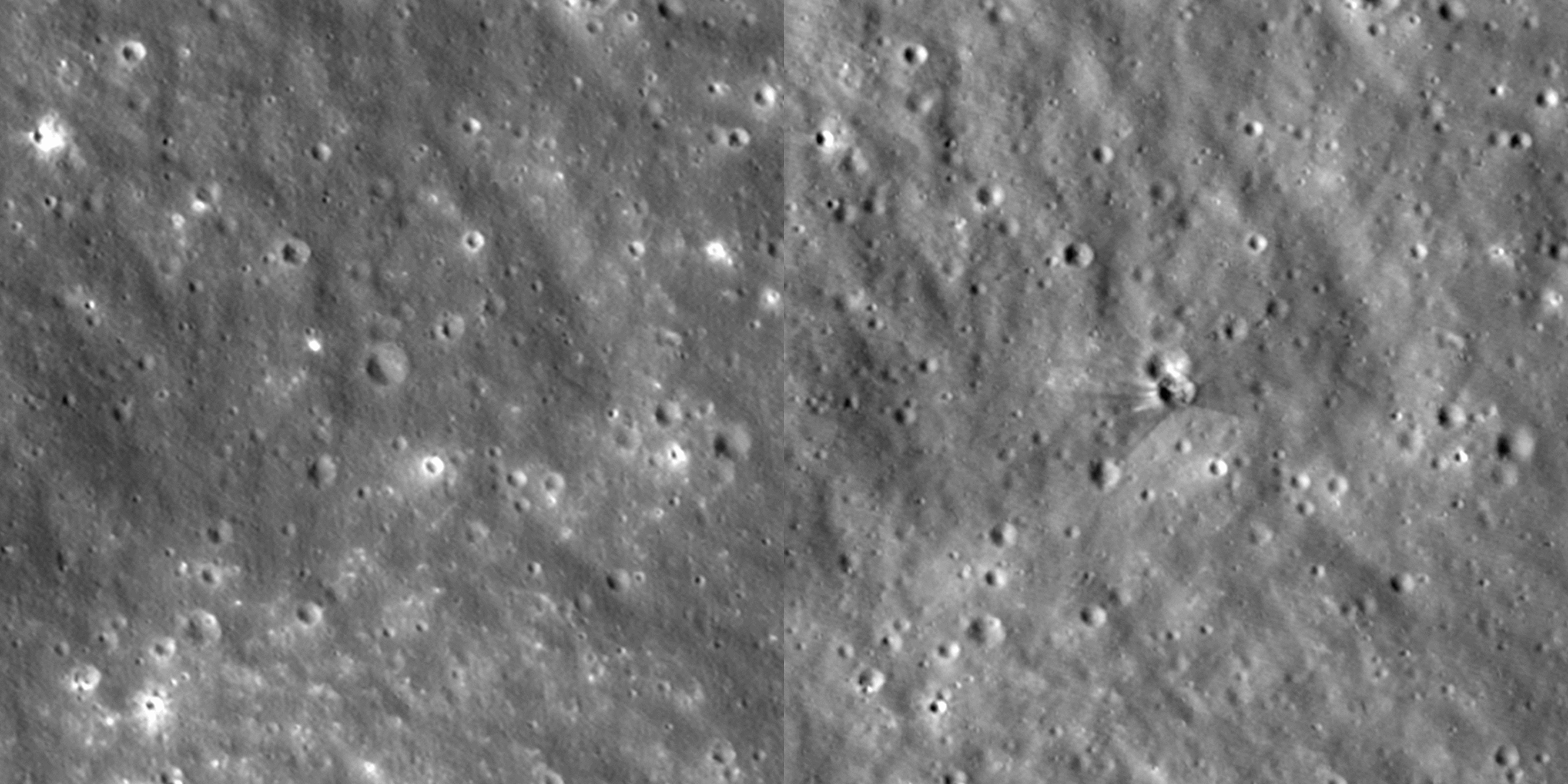
The box in the center of the image highlights two small craters; the lower crater formed on August 5th (6:35 UTC) when a SpaceX Falcon 9 upper stage, impacted the Moon. The inset (lower left) shows details of the new crater, enlarged three times. NASA’s high-rez LROC system acquired imagery 6 days after the impact as the NASA Lunar Reconnaissance Orbiter (LRO) passed over the site.
Image credit: NASA/GSFC/Intuitive Machines
NASA’s super camera on its Lunar Reconnaissance Orbiter (LRO) passed over the crash site of a Falcon-9 rocket stage, snapping imagery six days after the impact. The spacecraft’s LROC Narrow Angle Camera took an image before and after the booster collision with the Moon.
On August 11th,the LROC system acquired the images, one every 117 minutes, the time it takes to orbit the Moon.
Ejecta pattern
The new crater has been found to be around 60 feet (18 meters) in diameter and appears to be less than 10 feet (3 meters) deep.
The distinctive V-shaped ejecta pattern on the south side of the crater is consistent with natural impactors hitting the Moon at low angles relative to the surface.

NASA’s Lunar Reconnaissance Orbiter (LRO).
Credit: NASA’s Goddard Space Flight Center Conceptual Image Lab
The sixth, and final, image in the LRO sequence was acquired with the largest slew angle (68°), presenting a view similar to what an astronaut would see looking out an Orion window toward the horizon.
Go to this before/after gif at:
https://lroc.im-ldi.com/ckeditor_assets/pictures/1610/content_03_f9_before_after_enalrge3x_blink.gif
For full details on the rocket body impact, go to Mark Robinson, lead of the LROC system at Intuitive Machines, at:
 Posted in

Mike Gold (left) discusses UAP. Image credit: Disclosure Foundation
As the X Files sci-fi drama series famously sloganeered, “the truth is out there.”
But at the same time, inquiring minds are immersed and embroiled today in finding whether or not the proof is out there.
Now tagged as Unidentified Anomalous Phenomena (UAP), that term was morphed from Unidentified Aerial Phenomena. That expression itself is a rebranding of Unidentified Flying Objects. And that’s a substitute for the far-more rarefied, longer-lasting, and stylish saying, “flying saucers.”

Image credit: NASA UAP study group
Image credit: NASA
Truth and proof in today’s “tweetistic” and conspiratorial society could be construed as strange bedfellows.
Learn what Mike Gold, president at Redwire Space, has to say about UAP. In 2022-2023, he served on the NASA Unidentified Anomalous Phenomena Independent Study Team.
Go to my new Space.com story – “’This is unprecedented’: Why the Pentagon’s recent UFO file releases are so important” – at:

Artemis II crew awestruck at Red Rocks.
Image credit: Lockheed Martin
MORRISON, Colorado – The Artemis II crew that circuited the moon earlier this year came full circle, dropping here at a distinctive spot on Earth that’s visually salient to both the moon and Mars, the Red Planet.
The vast and stunning Red Rocks Amphitheatre served on August 3 as both an inoculation of near-term nostalgia and heart-felt congratulations to the crew for the impressive journey of Artemis II.
The 10-day mission began on April 1 of this year, flew around the moon and back, splashing down in ocean waters on April 10. It was the first crewed flight to saunter spaceward beyond low Earth orbit in 53 years.

Some 8,500 people packed the open-air venue at Red Rocks to make eye-contact with space travelers Reid Wiseman, commander, Victor Glover, pilot, Christina Koch and Jeremy Hansen as mission specialists – all of them clearly awestruck by the crowd reaction.
Image credit: Lockheed Martin
Some 8,500 people packed the open-air venue at Red Rocks to make eye-contact with space travelers Reid Wiseman, commander, Victor Glover, pilot, Christina Koch and Jeremy Hansen as mission specialists – all of them clearly awestruck by the crowd reaction.
For more details, go to my new Space.com story – “Artemis II pilot thanks NASA for letting him fly Orion by hand: ‘I’m still blown away by that trust’” – at:

Wait-a-Minute!
Image credit: Barbara David
In wait-a-minute style, forget the competition between the U.S. and China to newly place human footprints on the Moon. Also, you can overlook any one-upmanship about dispatching astronauts to Mars, or firsts in piloted spaceflight.
The current space race is this: What country is winning the multi-nation contest to clutter space with discarded rocket bodies?
That’s the view of Darren McKnight, a senior technical fellow at LeoLabs, a group that keeps a persistent eye on what’s going on upstairs in orbital space.
Yes, satellite constellations provide uniquely robust capabilities in global connectivity, voice communications, Earth observation/imaging, navigation, and many other missions, McKnight notes. “The race to create constellations is a race that has some operators leaving space safety, space security, and space sustainability behind,” he adds.

The crowded space environment may look like this a decade from now, with proposed mega-constellations.
Credit: Center for Space Policy & Strategy
Rocket bodies
The new space race, especially at higher altitudes in low Earth orbit (LEO), involves the rocket bodies (R/B) that are abandoned once their payloads are deployed. But as McKnight asks, at what cost?
The current distribution of massive derelicts in high-LEO — above the average altitude of roughly 400 miles (650 kilometers) is highlighted by R/B mass and numbers with the 40 years of contribution by the Soviet Union/Russia amounting to roughly 787 metric tons (787,000 kilograms of mass in 438 rocket bodies.
China has roughly 365 metric tons (365,000 kilograms) in 110 R/Bs.

Image of spent rocket body.
Image credit: Astroscale-Japan
Large constellations
There are now several large constellations in LEO with Iridium, Starlink, and OneWeb, the most mature proliferated architectures.
Toss in AmazonLeo, China’s two very big LEO broadband constellations — Guowang, and Qianfan — all beginning in earnest over the last 18 to 24 months.
“In total, it is anticipated there will be over 100,000 operational payloads in LEO by 2040 due largely to this rapid expansion of constellations,” McKnight. “However, this story is not about the constellations per se – they are all creating value for their owners and already providing anywhere from global reliable services (for the more mature entrants) to initial regional capability (for the recent entrants), he adds.
Accumulation of derelicts
McKnight says that this story is about accumulation of massive derelicts, the leftover rocket bodies in long-lived orbits. The defunct R/Bs left above 400 miles (650 kilometers) will linger for decades to centuries in LEO posing an ever-growing collision hazard at these altitudes, he adds.
That likely erodes the reliability of future space systems and possibly fueling a self-sustaining cascading of collision events, states McKnight. More specifically, this story, he says, is about China adding massive derelict objects in LEO at that altitude at unprecedented rates.
“The bottom line is noteworthy,” McKnight points out. “The R/B mass abandonment rate is accelerating quickly and possibly so quickly that in four to 16 years China will surpass the Soviet Union/Russia abandoned R/B mass that took them 40 years to amass. This is producing a significant effect on space safety, space sustainability, and space security domains.”
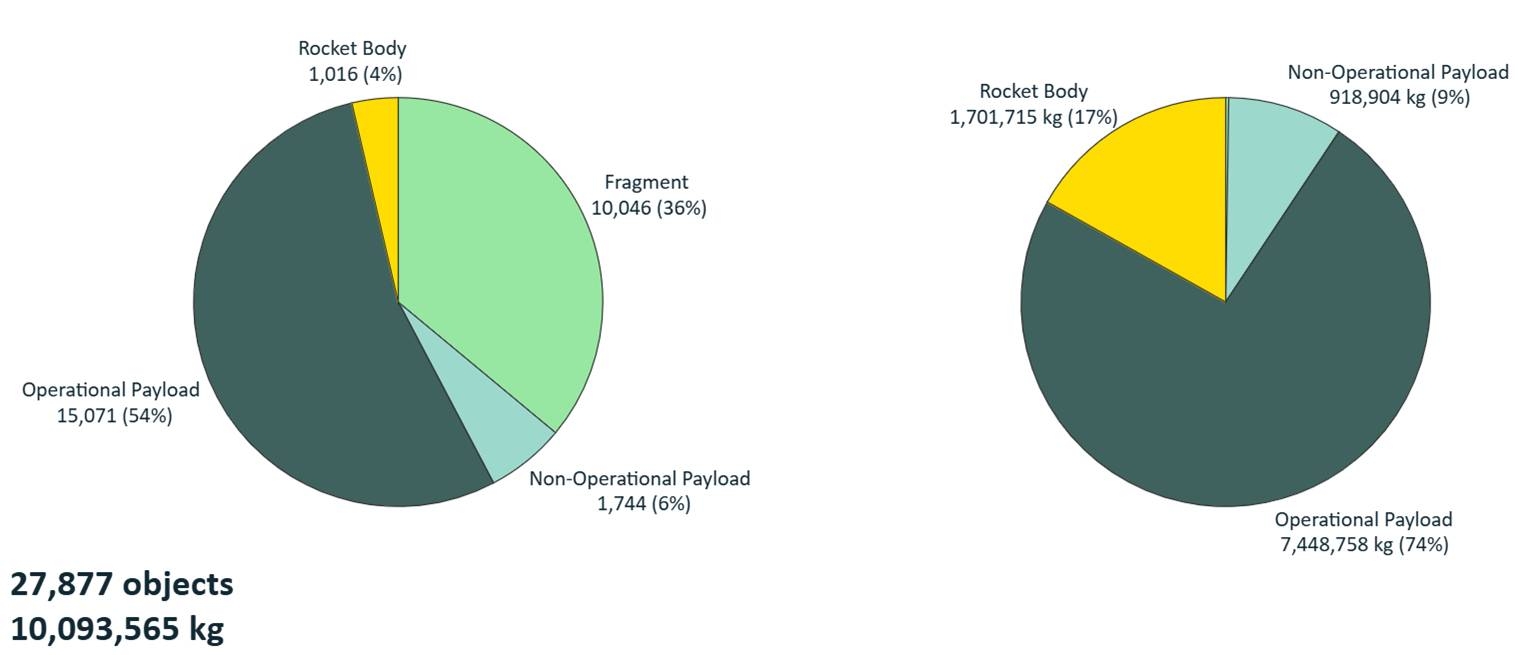
The space hardware population in low Earth orbit as of July 1, 2026 is represented in these charts.
Image credit: Darren McKnight/LeoLabs
Extra level of risk
Among items singled out by McKnight, the current data suggests China is not dealing short-term space safety or long-term space sustainability.
“This accumulation of derelict hardware will affect all global space operators for decades and add an extra level of tension as the space domain becomes more contested with the recent deployment of counterspace and military support space systems globally,” McKnight states.
The possibility of explosions and collisions involving the growing R/B population in high-LEO “is adding a measurable extra level of risk, ambiguity, and confusion when transparency of operations is needed the most,” says McKnight.
So a key conclusion: “China is winning the ‘space race’ in high-LEO, but again two of these three ‘wins’ (i.e., accumulation of derelict mass and fragments) hurt all future space operators – commercial, civil, and military,” McKnight concludes.
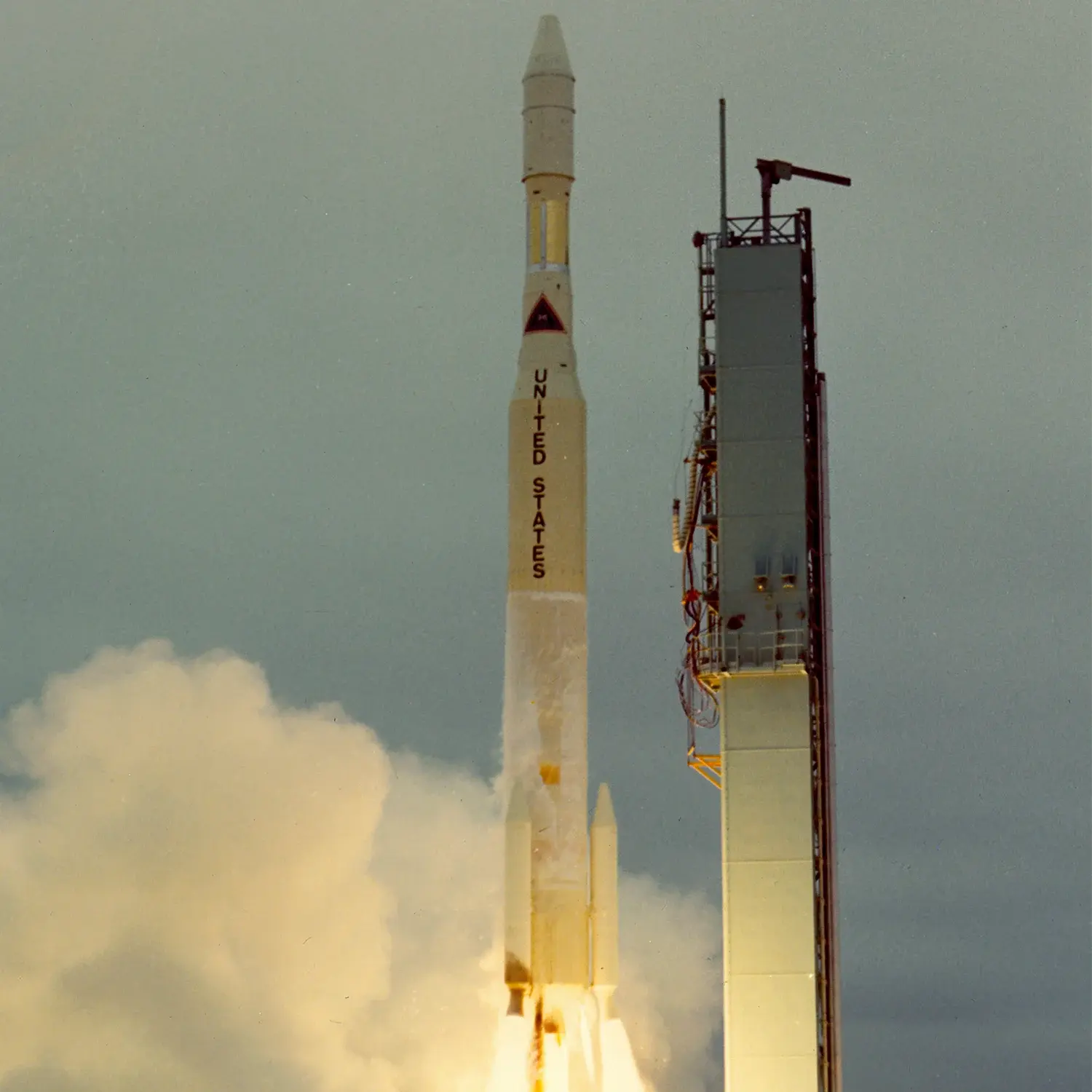
NOAA-3 (also designated ITOS-F) lifts off on Delta 1 launch vehicle in November 1973. The rocket’s upper stage exploded in space a few months later due to residual fuel left onboard.
Image credit: U.S. Air Force
But wait!
McKnight has also issued on August 15 an interesting “Conjunction of the Fortnight.”
“While we may often lament Russian and Chinese space hardware being left on-orbit, the US has areas where we can improve behavior and show leadership in debris remediation (hopefully),” McKnight observes.
This conjunction occurred on March 29th. It involved a non-operational payload (PL) Globalstar that passed in close proximity with a fragment from a Delta 1 rocket body that “was liberated” in 1973 when that second stage exploded creating nearly 220 fragments.
The event took place at over 1,000 miles (roughly 1,700 kilometers) above Earth.
“This is remarkable,” reports McKnight, since the Delta rocket body explosion occurred well over 50 years ago. “This just highlights the persistence of debris-generating events or longevity of abandoned derelicts at these high-LEO altitudes” – above 400 miles (650 kilometers), he notes.

Wait-a-Minute!
Image credit: Barbara David
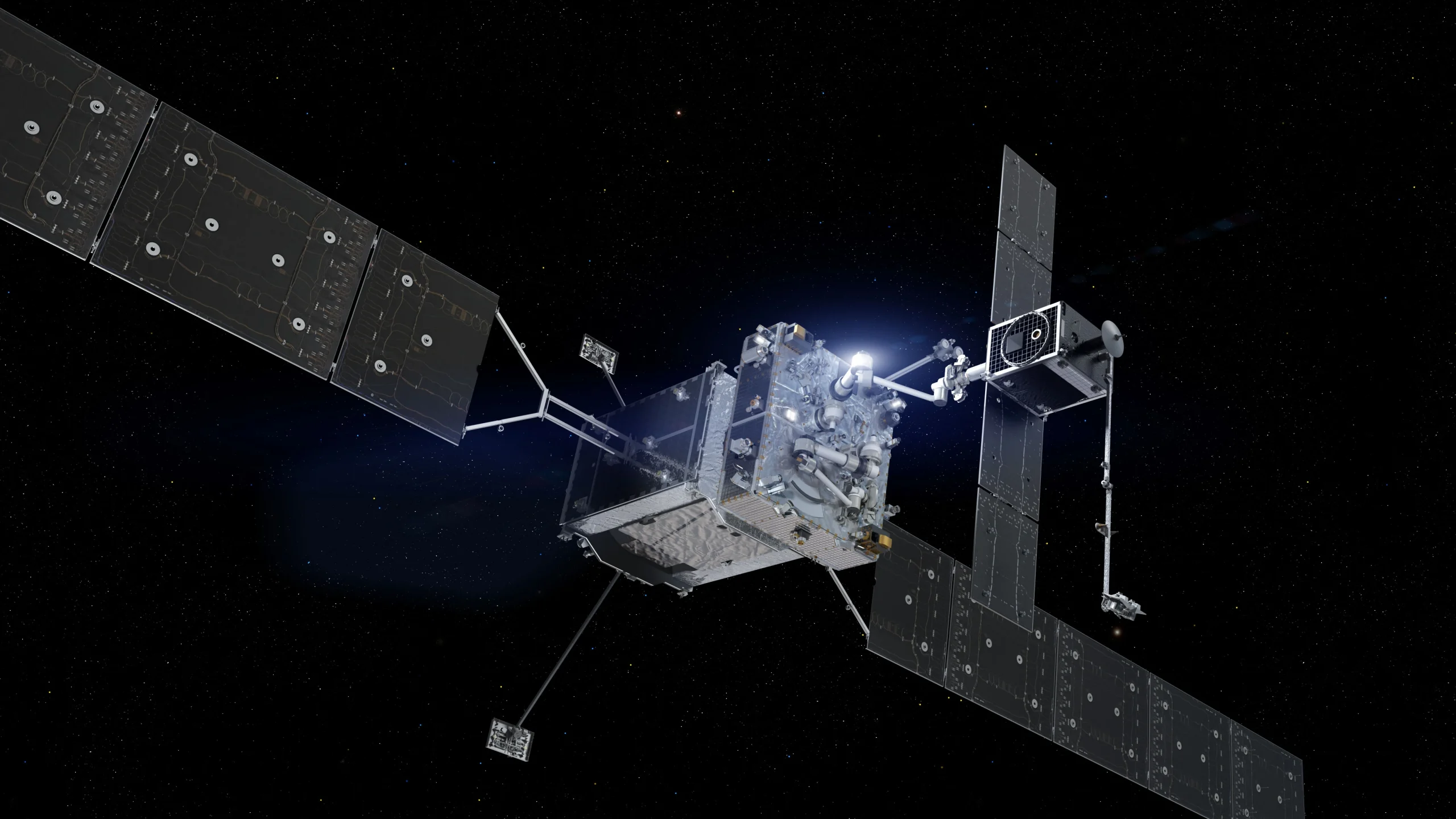
Image credit: Northrop Grumman
The undocking of a Mission Extension Vehicle (MEV) from the Optus D3 satellite is a phase 1 checkmark in an evolving commercial satellite servicing program.
The Northrop Grumman-provided MEV is designed to service multiple satellites in orbit using sophisticated robotics, installing Mission Extension Pods (MEP) that provide propulsion support and extend mission lifespans.
Next phase
With the undocking now complete, Optus D3 is ready for the next phase of Project Aurora.
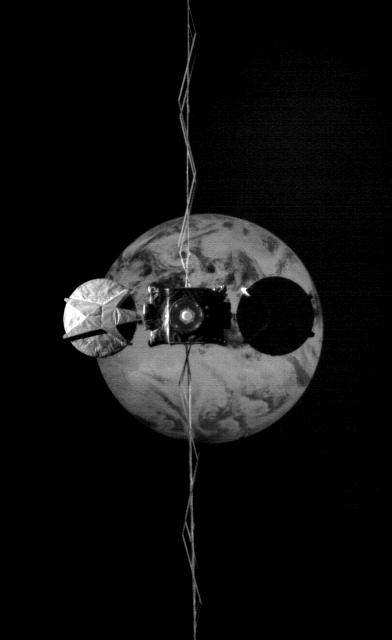
High above Earth, the Northrop Grumman Mission Extension Vehicle pulls away from the Optus D3 spacecraft.
Image credit: Northrop Grumman
That next phase is already underway with the July 21, 2026 launch aboard a SpaceX Falcon 9 booster of Northrop Grumman’s Mission Robotic Vehicle (MRV) and Mission Extension Pods
Once installed on the satellite, the MEP will augment the propulsion capabilities of the D3 satellite. The intent is to extend the satellite’s operational life by up to six years.
Significant achievement
Lofted in August 2009, Optus D3 is an Australian geostationary communications satellite, which is operated by Optus and provides communications services across Australia and the Asia-Pacific region.
In a press statement, Harvey Wright, Executive General Manager, Satellite at Optus said the completion of the first phase of Project Aurora “is a significant achievement in our mission to increase the resilience of our sovereign satellite fleet.”
According to Optus, the extension of Optus D3’s life is a vital part of Optus’ broader satellite fleet strategy.
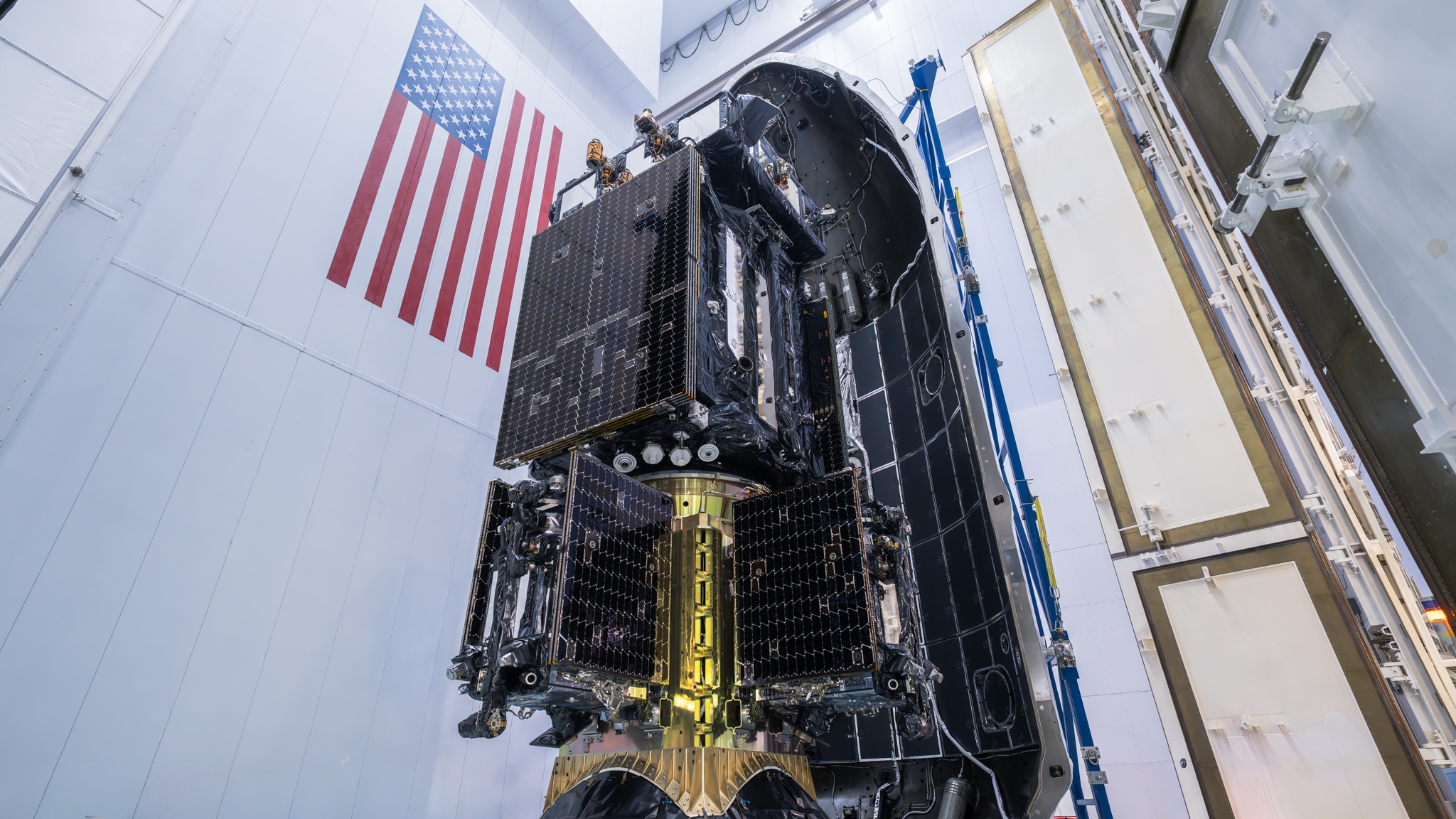
Pre-launch image shows Northrop Grumman’s Mission Robotic Vehicle (MRV).
Image credit: Northrop Grumman
“Optus D3 provides important capacity and resilience within Optus’ satellite network, and extending its operational life will help ensure continued service for customers while enhancing flexibility across the company’s satellite network,” adds the company statement.
Go to this informative Northrop Grumman video at:
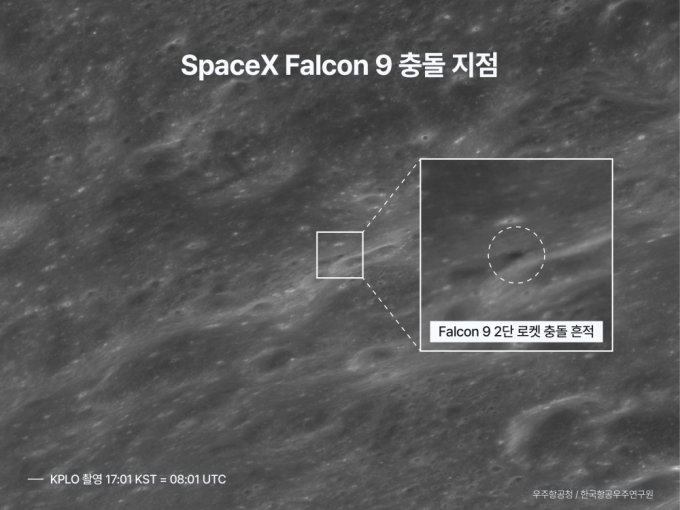
Image credit: Korea Aerospace Administration
The lunar dust and turf have settled after a multi-ton SpaceX upper stage slam-banged into terrain near Einstein Crater on August 5.
That impact site was imaged by South Korea’s Moon-orbiting Danuri spacecraft, as well as by NASA’s Lunar Reconnaissance Orbiter (LRO). Reportedly, a Chinese commercial space debris monitoring satellite tracked and recorded the Moon punch too.
Wandering through space for over a year, the leftover Falcon 9 upper stage augured into the Moon at 5,400 miles per hour, or 8,690 kilometers per hour.
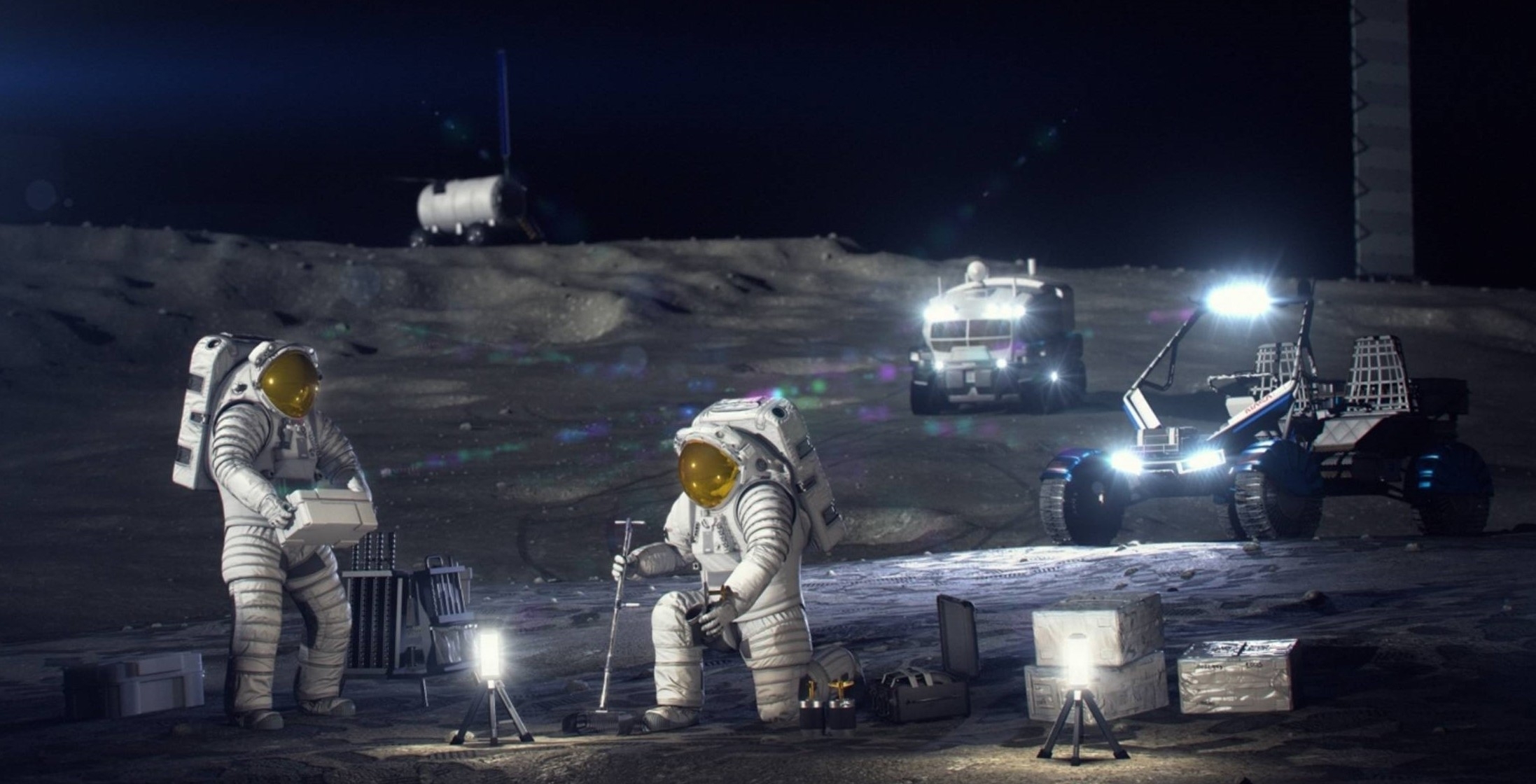
As human explorers visit the moon on a recurring basis, high-velocity impacts and the ejecta produced poses a hazard to surface habitats, solar arrays and working astronauts.
Image credit: NASA
Implications
While the Moon has reclaimed its serenity, the implications of the uncontrolled collision continue to reverberate.
“While this isn’t a major threat to isolated missions today,” contends one analyst, “as we establish permanent lunar infrastructure, high-velocity ejecta poses a genuine hazard to surface habitats, solar arrays and working astronauts.”
For more details, go to my new Space.com story – “SpaceX rocket’s Moon crash highlights ‘a tangible operational risk’ of lunar settlement” – at:
High above Earth, the Northrop Grumman Mission Extension Vehicle pulls away from the Optus D3 spacecraft.
Image credit: Northrop Grumman
It has been labeled as “a pivotal moment in space sustainability.” That’s the go-to speak from Northrop Grumman touting its Mission Extension Vehicle (MEV) after successful undocking from the Optus D3 satellite.
The event marks a new era of on-orbit servicing, the aerospace company adds, “that extends satellite life beyond traditional replacement models.”
The SpaceLogistics MEV delivers life-extension services using a suite of integrated proximity sensors and a simple mechanical docking system to reliably and safely rendezvous and dock with a client satellite running low on fuel, taking over its attitude and orbit maintenance.
The Australian Optus company launched its D3 satellite on August 22, 2009 from French Guiana in South America.

Image credit: IAA/PDC2027
A hypothetical asteroid impact scenario is in play prior to a major gathering of planetary defense specialists next year.
The International Academy of Astronautics (IAA) is an independent non-governmental organization recognized by the United Nations. IAA is hosting the Planetary Defense Conference 2027.
Impact date
Date of the hypothetical potential impact on Earth is pegged at July 10, 2038.
The impact probability is tagged as 19 percent as calculated by NASA’s JPL Center for Near-Earth Object Studies (CNEOS), the European Space Agency’s (ESA) Near-Earth Objects Coordination Center (NEOCC), and the NEO Dynamic Site (NEODyS) – an Italian service.
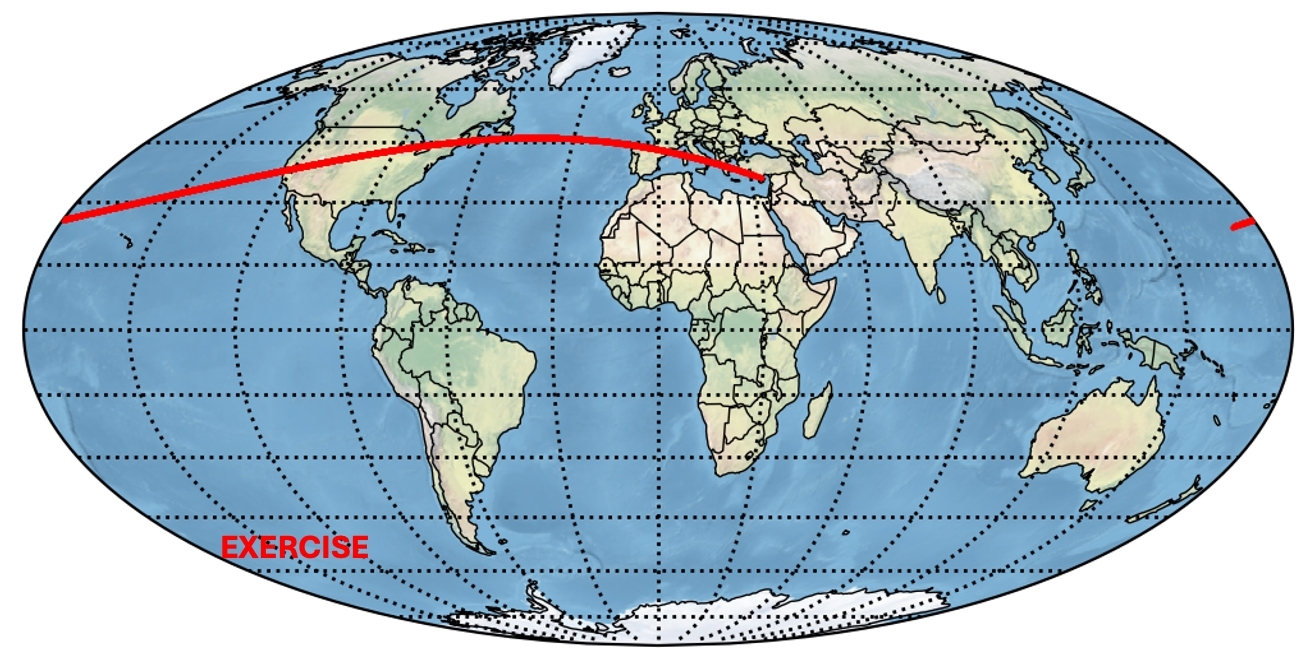
Risk corridor on Earth for PDC2027 exercise.
Image credit: IAA/PDC2027
Expected damage level
In this scenario, the impact risk corridor stretches across the Pacific Ocean, United States of America, Canada, the Atlantic Ocean, Spain, France, Italy, Greece, Turkey, and the Mediterranean Sea.
The theoretical asteroid size is projected as most likely in the range 260-280 feet (80–85 meters) in diameter, but potentially in the range 250-300 feet (75–90 meters) in diameter.
The assigned “expected damage level if impact occurs” is local to regional blast damage from a large airburst, ranging from window breakage to potential structure collapse.
Detections
As outlined in the hypothetical case of space rock hits Earth, the asteroid was detected in images taken by the NSF-DOE Vera C. Rubin Observatory in Chile. The archival detections were then reported to the Minor Planet Center.
These detections extended the span of time covered by the observations and dramatically improved the orbital predictions for 2038. As a result, the impact probability rose to 16%. The higher impact probably led to planning for the James Webb Space Telescope (JWST) to observe the asteroid.
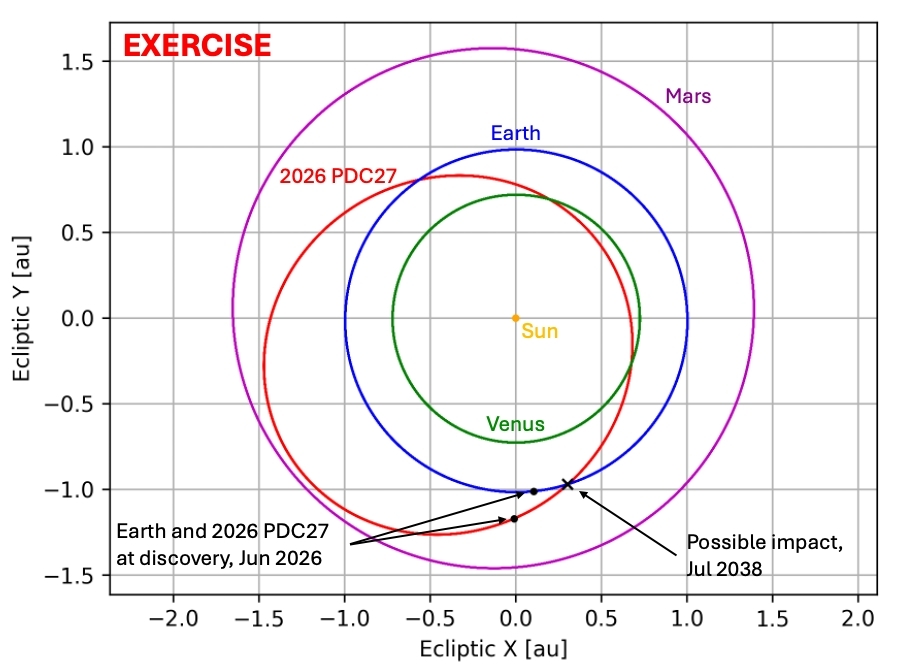
Image credit: IAA/PDC2027
International warning network
Subsequently, the International Asteroid Warning Network (IAWN) issued a formal notification regarding the potential Earth impact because the probability of impact passed the 1% notification threshold established by IAWN.
In the make-believe situation, IAWN issued a second notification because of the end of the discovery apparition and the updated information on the impact probability and the asteroid’s physical properties.
The IAWN notification explained that, after the asteroid became observable again, additional observations were expected to reduce the uncertainty in its orbit, thereby shrinking the predicted uncertainty region in 2038.
Hypothetical situation
“If Earth remained within the shrinking region, the impact probability was expected to increase; if the region moved completely off Earth, the impact probability would fall to zero,” according to the hypothetical situation.
Meeting organizers are encouraging prospective authors to consider basing their forthcoming Planetary Defense Conference 2027 abstracts on elements of the hypothetical scenario that are relevant to their areas of research.
For details on next year’s conference, go to:
The hypothetical asteroid impact scenario is now available online at:
https://cneos.jpl.nasa.gov/pd/cs/pdc27/
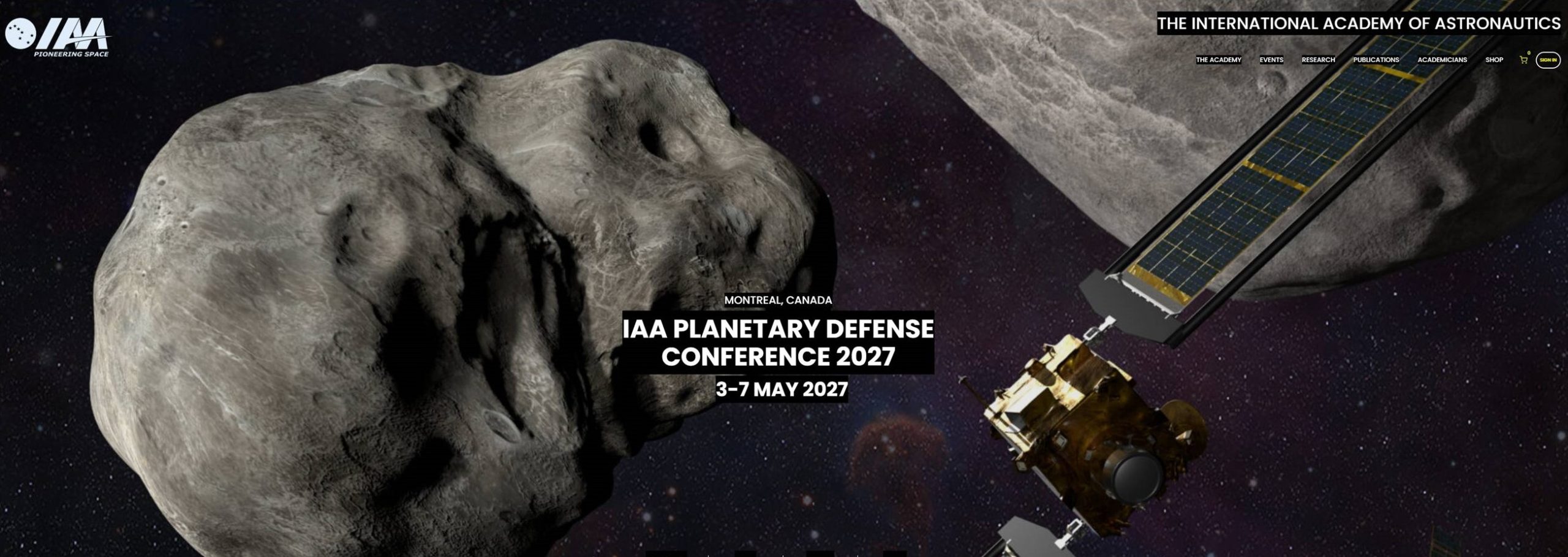
Image credit: IAA/PDC2027

Image credit: Virgin Galactic
Sir Richard Branson’s Virgin Galactic suborbital space plane program has announced a higher fee for per person spaceflight.
Michael Colglazier, CEO of Virgin Galactic, said that the company’s tranche of spaceflight expeditions priced at $750,000 “was oversubscribed and booked out ahead of schedule.”
While Colglazier said that demonstrated strong demand from a wide range of customers, Virgin Galactic expects to release a new tranche of spaceflight expeditions at higher price points this fall.
First ship
“Our first ship is now expected to enter commercial service in February 2027 rather than the fourth quarter of 2026,” said Colglazier.
That slip into next year allows additional time to complete avionics and systems installations.
“We expect to commence the flight test phase with this vehicle in October, and with our second spaceship planned to join the fleet in March 2027, we expect to deliver positive quarterly cash flow within 2027,” Colglazier said.
Milestones this year
Virgin Galactic is looking forward to several milestones through the end of the year, including the start of the Flight Test Phase with Spaceship Captive Carry Flight in October 2026, and the start of rocket production in Quarter 4 of 2026, according to a company statement.

Credit: Virgin Galactic
Meanwhile, Virgin Galactic has announced the name of one of its newest spaceships will be chosen by the public.
Cast your vote
Space enthusiasts can cast their vote from now until August 27, choosing from four names inspired by the Virgin Galactic community: Horizon, Explorer, Ascend, and Apeiron.
In a “we built it…you name it” website, “it’s your turn to help name a new spaceship joining our fleet, a rare chance to shape a piece of spaceflight history,” the company explains.
Go to:
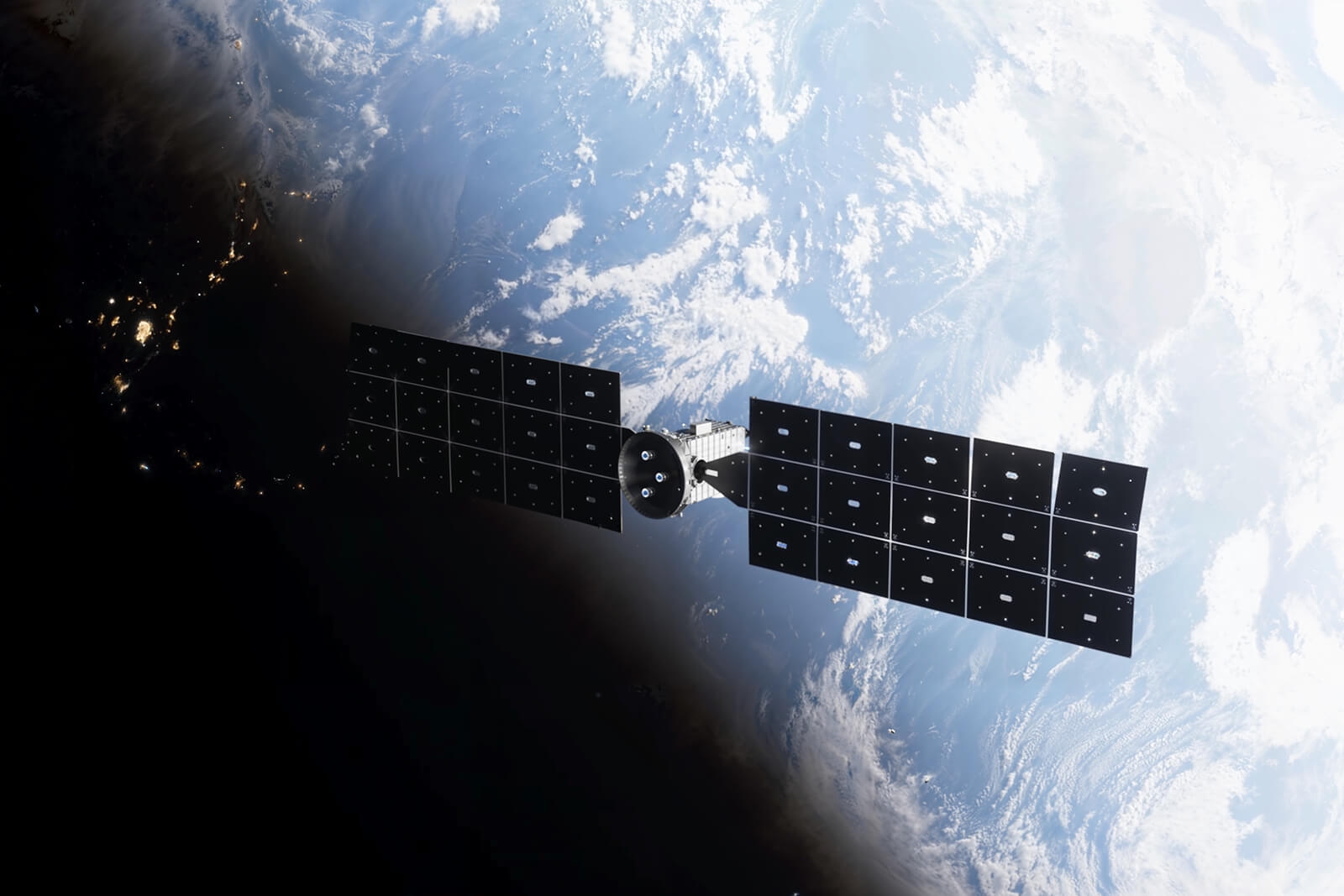
Image credit: Katalyst Space
Katalyst Space successfully uploaded a flight software update for its LINK spacecraft, which is set to boost NASA’s Neil Gehrels Swift Observatory to a higher orbit. That observatory is designed to study gamma-ray bursts, the most powerful explosions in the universe, and other cosmic objects and events.
Launched on July 3, the LINK servicing spacecraft experienced issues with attitude control, causing the spacecraft to spin, resulting in sporadic communications.
The software update’s new attitude control algorithms are designed to maintain LINK’s stability using the spacecraft’s remaining actuators.
The team’s work has prepared LINK to continue its approach toward Swift, before attempting to capture and raise Swift to a higher orbital altitude.
Burns and maneuvers
Katalyst team members are set to perform a series of burns and maneuvers in the coming days to align LINK’s orbit with Swift.
In the meantime, the Swift team continues with its innovative new approach to operating the observatory, which has successfully reduced drag and slowed Swift’s orbital decay.
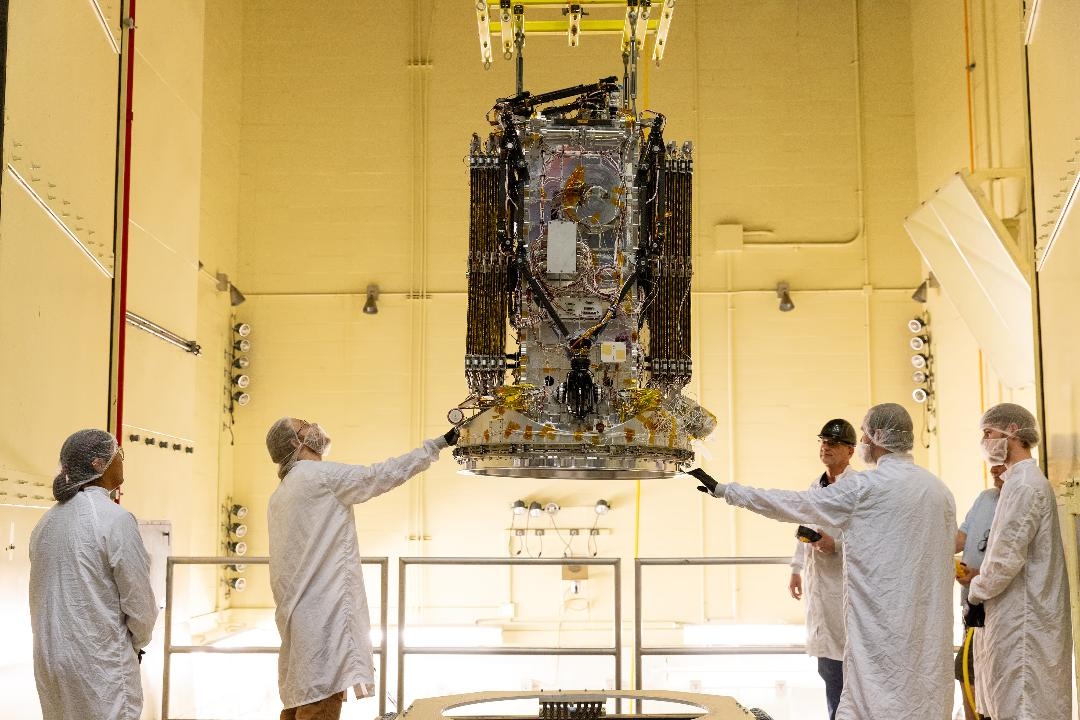
Image credit: Katalyst Space
Swift is currently at an altitude of about 216 miles (347 kilometers). An orbit-raising maneuver would become more difficult below an average altitude of about 185 miles (300 kilometers).
“We are moving carefully and deliberately, assessing LINK’s performance at each phase, “notes a Katalyst Space posting. “The team’s work over the last several days has positioned LINK to continue its approach to Swift for the next phase of the mission.”