Archive for the ‘Space News’ Category
 Author:
  July 14th, 2016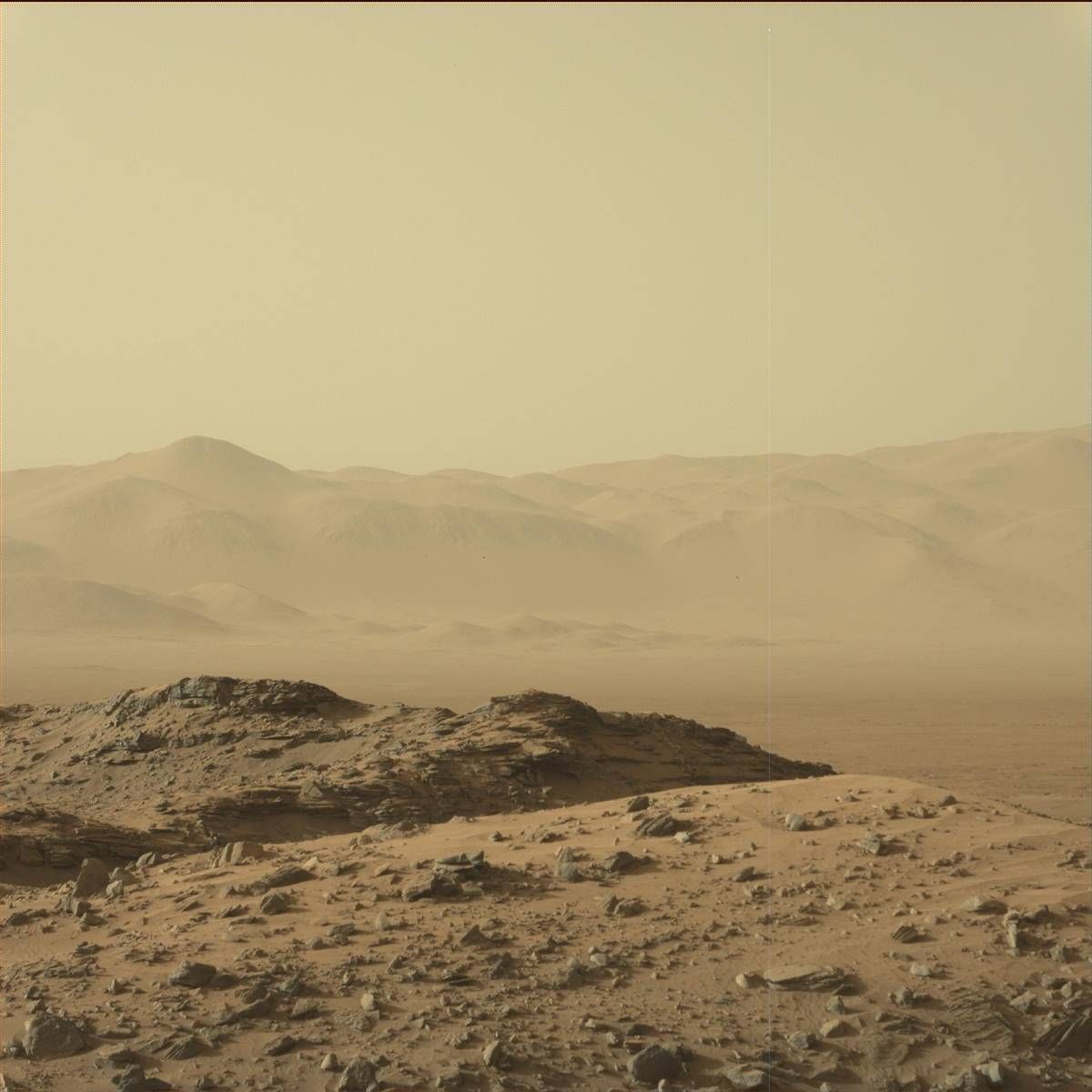
Curiosity Mastcam Left image taken on Sol 1398, July 12, 2016.
Credit: NASA/JPL-Caltech/MSSS
Now in Sol 1400, NASA’s Curiosity Mars rover recently drove roughly 105 feet (32 meters) closer to a blocky deposit known as “Bimbe.”
We’ve identified several notable blocky deposits in orbital images, and this will be our last chance to fully investigate one of these deposits on the ground to try to determine their origin,” explains Lauren Edgar, a research geologist at the USGS Astrogeology Science Center in Flagstaff, Arizona and a member of the Mars Science Laboratory science team.
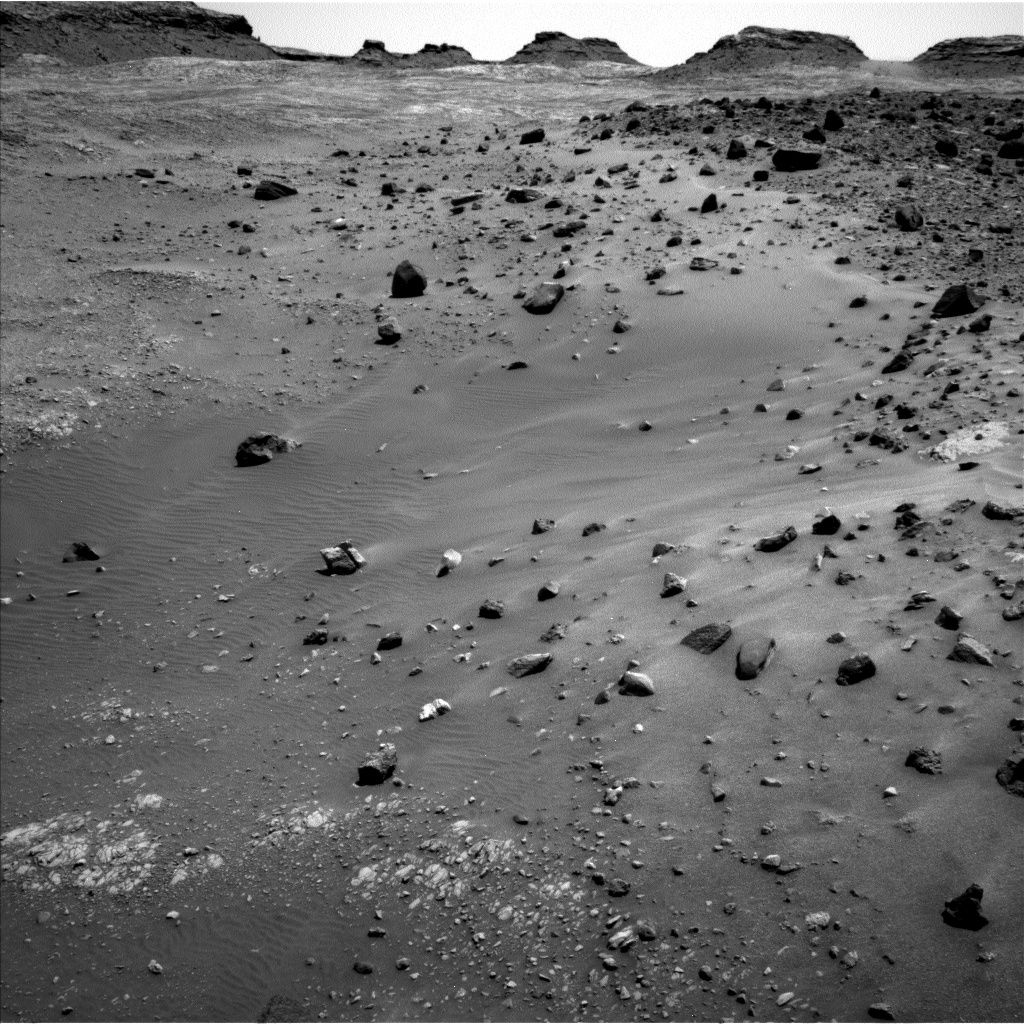
Curiosity Left B Navigation Camera image taken on Sol 1400, July 14, 2016.
Credit: NASA/JPL-Caltech
Laminations in bedrock
The current plan involves taking Mastcam mosaics to characterize laminations in the Murray bedrock, and to document the “Bimbe” region.
Also planned is a study of a target named “Auchab” using the rover’s Chemistry & Camera (ChemCam).
Additionally, a morning science block is to include some systematic atmospheric monitoring with the robot’s Mastcam.

Curiosity Rover’s location for Sol 1399. Base image from the map is from the High Resolution Imaging Science Experiment Camera (HiRISE) in NASA’s Mars Reconnaissance Orbiter.
Credit: NASA/JPL-Caltech/Univ. of Arizona
New map
Meanwhile, a new map depicts Curiosity’s location for Sol 1399.
The map shows the route driven by NASA’s Mars rover Curiosity through the 1399 Martian day, or sol, of the rover’s mission on Mars (July, 13, 2016).
Numbering of the dots along the line indicate the sol number of each drive. North is up.
From Sol 1398 to Sol 1399, Curiosity had driven a straight line distance of about 101.92 feet (31.06 meters).
Since touching down in Bradbury Landing in August 2012, Curiosity has driven 8.28 miles (13.33 kilometers).
 Posted in

At yesterday’s Senate hearing, NASA’s William H. Gerstenmaier, Associate Administrator of Human Exploration and Operations, made note of a new Request for Information (RFI) to further the idea of private sector use of the International Space Station.
Wanted: industry ideas
That RFI is called:
Advancing Economic Development in Low Earth Orbit (LEO) via Commercial Use of Limited Availability, Unique International Space Station Capabilities
NASA is seeking industry ideas to stimulate economic development through the use of unique ISS capabilities such as unused common berthing mechanism (CBM) attachment ports, non-standard attachment sites or any other capability which can be used in a way not previously envisioned. NASA is also interested in operating approaches.
The RFI can be found here:
https://www.fbo.gov/notices/203c8f1a3a4f0497cdea6dbf205ee2b1

Test bedding economic strength of low Earth orbit, the International Space Station.
Credit: NASA
NASA has issued an informative new report titled the Economic Development of Low Earth Orbit.
The document is edited by Patrick Besha, Editor, Senior Policy Advisor, NASA and Alexander MacDonald, Editor, Senior Economic Advisor, NASA.
This wide-ranging collection of papers ranges from “Selecting Policy Tools to Expand NASA’s Contribution to Technology Commercialization” and “Protein Crystallization for Drug Development: A Prospective Empirical Appraisal of Economic Effects of ISS Microgravity” to “Venture Capital Activity in the Low-Earth Orbit Sector” and “Directing vs. Facilitating the Economic Development of Low Earth Orbit.”

Space entrepreneur, Robert Bigelow, explains his expansive plans for space.
Credit: Space Foundation
Viable, sustainable economy
According to the editors, in order for a viable, sustainable economy based on human spaceflight to emerge in low Earth orbit (LEO), a number of elements must be present, such as:
- The marketplace dynamics of supply and demand must exist.
- The overwhelming reliance on government demand and public procurement must be transitioned to a market in which industry and other private sector demand is the primary market force, met by industry supply.

Blue Origin’s New Shepard booster takes flight.
Credit: Blue Origin
Great experiment
That transition from government-led to private sector–led human spaceflight activity in LEO will constitute “a great experiment” in the development of American spaceflight capabilities,” and the careful management of the dynamics of this transition will be of paramount importance,” suggest the editors.
“This collection of papers,” explains Besha and MacDonald, “identifies a number of important policy questions that will be of rising importance as NASA transitions human spaceflight in LEO to the private sector, as well as a number of economic analysis methods for addressing those questions.”
To take a look at this new document, the Economic Development of Low Earth Orbit, go to:

Credit: NASA
U.S. Sen. Ted Cruz (R-Texas), chairman of the Subcommittee on Space, Science, and Competitiveness, convened a subcommittee hearing today titled “NASA at a Crossroads: Reasserting American Leadership in Space Exploration.”
The hearing asked witnesses to focus on the importance of ensuring consistency in policy to best leverage investments made in human space exploration.
Also, the hearing was intending to explore questions facing NASA related to the upcoming presidential transition.

Credit: NASA
Here’s is testimony given today:
U.S. Sen. Bill Nelson Opening Statement
Good afternoon, and thank you, Senator Cruz, for calling this hearing. I greatly appreciate our coming together to work toward a bill that will keep NASA moving forward in an exciting and productive manner.
It’s notable that July 20th, one week from today, marks the 40th anniversary of the first landing on Mars by NASA’s Viking 1. And the legacy of that mission, and subsequent missions to the Red Planet, is that we now know that Mars was once warm and wet and may very well have supported life. There’s even evidence of flowing water at the surface of Mars today.
In 2010, we passed a bipartisan NASA Authorization Act calling on the agency to explore beyond the Earth’s orbit, with the long term goal of a human mission to Mars.
I recently visited Stennis Space Center and the Michoud Assembly Facility on the Gulf Coast, as well as the Marshall Space Flight Center in Huntsville, and I can tell that progress toward that goal is real. We also have Orion at the Kennedy Space Center in Florida being prepared for its first journey beyond the moon. We are going to Mars, and the rockets and engines and spacecraft that are the building blocks of that mission are being assembled and tested right now!
And if all continues to go well, by the end of next year, we will once again have American astronauts launching to space from Florida soil on American rockets, thanks to the partnerships NASA has forged with SpaceX and Boeing.
It is truly an exciting time for our space program.
This committee has always worked in a non-partisan manner, and I am pleased to be a part of continuing that tradition in this Congress as we work toward advancing and passing a NASA reauthorization.
Thank you all for being here, and I look forward to your testimony.
NOTE: Here’s the video of the hearing:
Testimony
— Dr. Mary Lynne Dittmar, Executive Director, Coalition for Deep Space Exploration
— Professor Dan Dumbacher, Professor of Engineering Practice, Purdue University
— Mr. William H. Gerstenmaier, Associate Administrator of Human Exploration and Operations, NASA
— Mr. Mike Gold, Vice President of Washington Operations, SSL
— Mr. Mark Sirangelo, Vice President of Space Systems Group, Sierra Nevada Corporation

Earth’s Moon as seen from the International Space Station taken by ESA British astronaut, Tim Peake.
Credit: NASA/ESA
A senior Harvard astrophysicist is waving a cautionary flag about a loophole in the United Nations Outer Space Treaty that allows nations to exploit the Moon’s resources.
In particular, the scientist sees a race to claim the lunar “Peaks of Eternal Light,” bathed in near-perpetual sunlight and thus ideal for a photovoltaic power station.
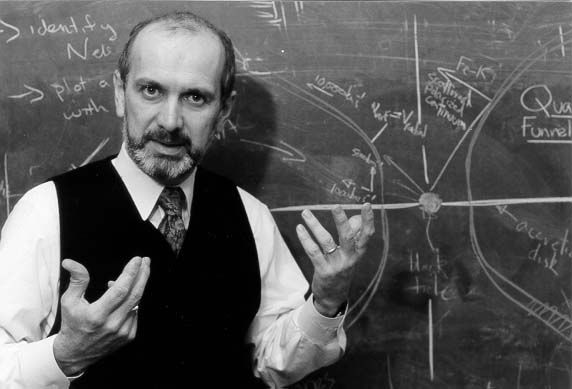
Martin Elvis, Harvard astrophysicist.
Credit: Martin Elvis
Martin Elvis, a Harvard-Smithsonian Center for Astrophysics (CfA) researcher is co-author of a recent paper that says provisions in the treaty allow nations to exploit resources, including through establishing research stations, and bar others from disrupting such endeavors.
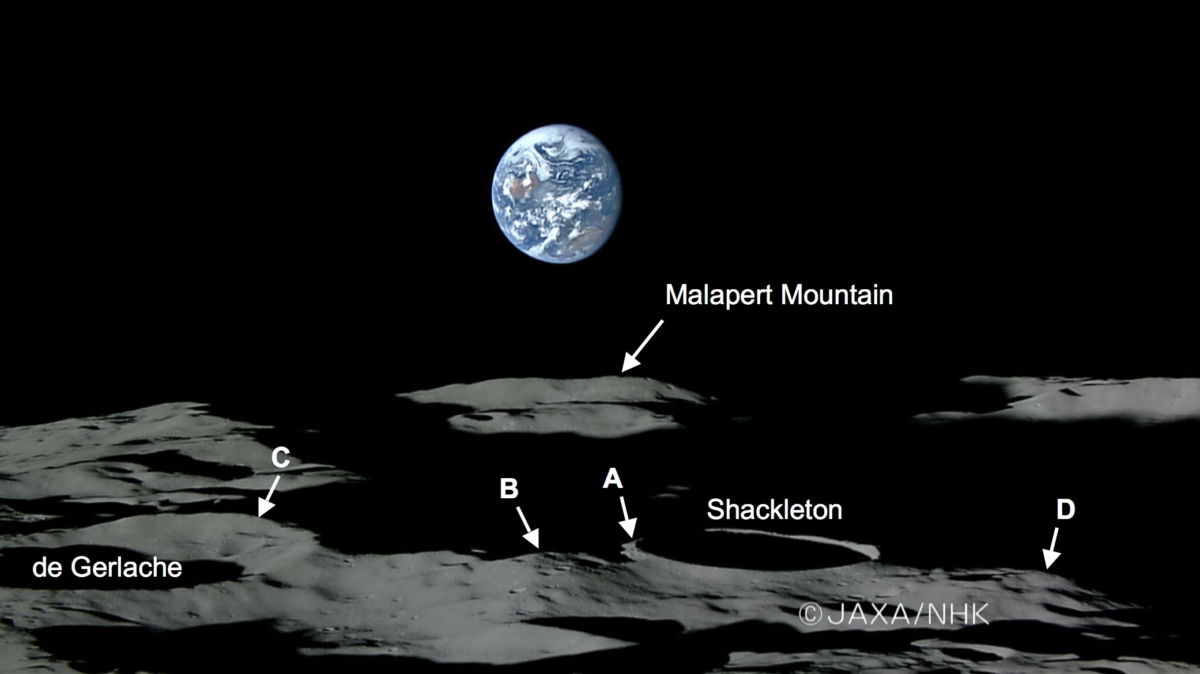
Lunar South Pole, 4 peaks are identified which are illuminated more than 80% of the time.
Credit: JAXA
De facto ownership
In some cases, this could amount to de facto ownership, Elvis points out. As China and Japan plan Moon landings, and corporate leaders eye their own space ventures, the loophole has gained in importance, he says.
Alvin Powell, Harvard Staff Writer for the Harvard Gazette, interviews Elvis on his concerns, available here at:

Selfie taken earlier of NASA’s Curiosity Mars rover at a drilled sample site called “Okoruso.”
Credit: NASA/JPL-Caltech
NASA’s Curiosity Mars rover is deep into Sol 1398, back on line and in full operations.
New imagery indicates that the Mars machinery is back in photo-taking mode, relaying new photos of its surroundings.
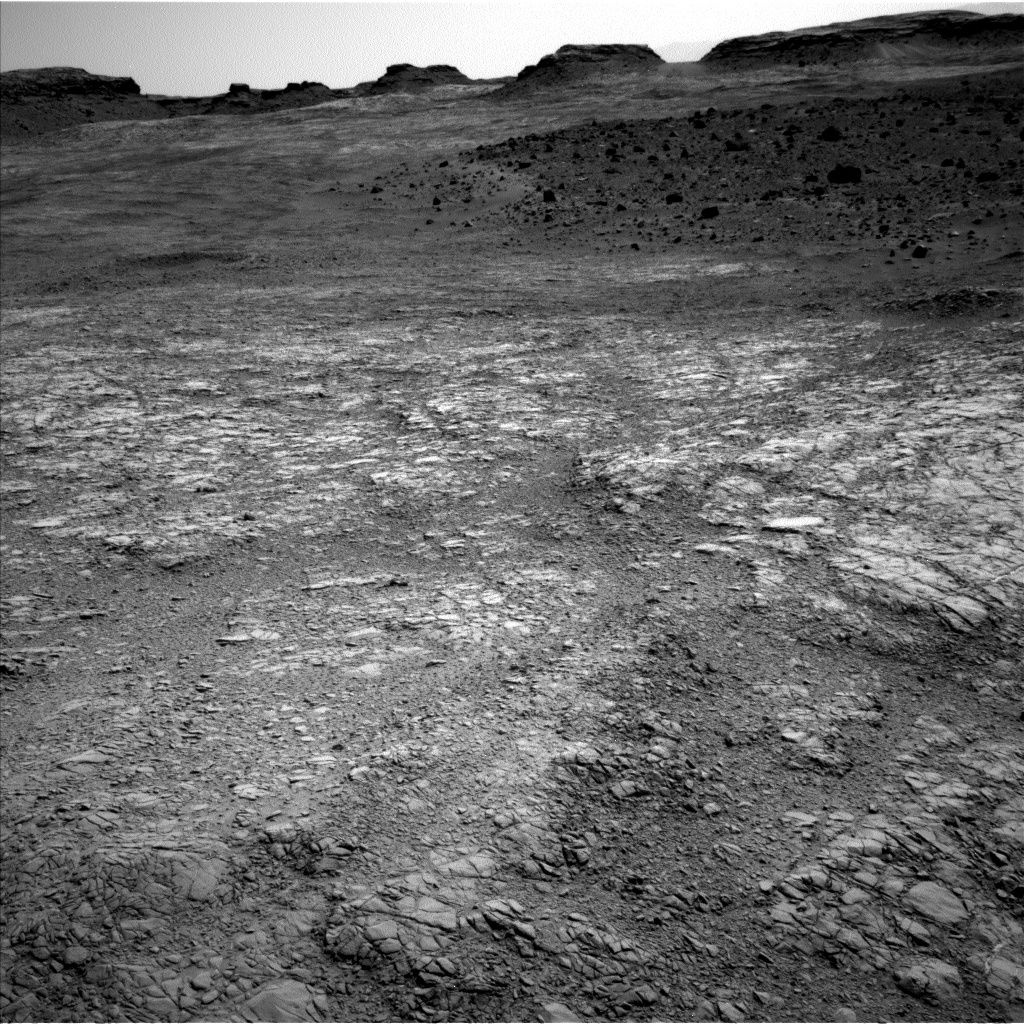
This image was taken by Curiosity’s Navcam Left B on Sol 1398, July 12, 2016.
Credit: NASA/JPL-Caltech
Meanwhile, engineers continue to sharp shoot why the rover put itself into a safe standby mode on July 2. The rover team brought Curiosity out of safe mode on July 9.
According to the Jet Propulsion Laboratory Curiosity website: “The most likely cause of entry into safe mode has been determined to be a software mismatch in one mode of how image data are transferred on board.”
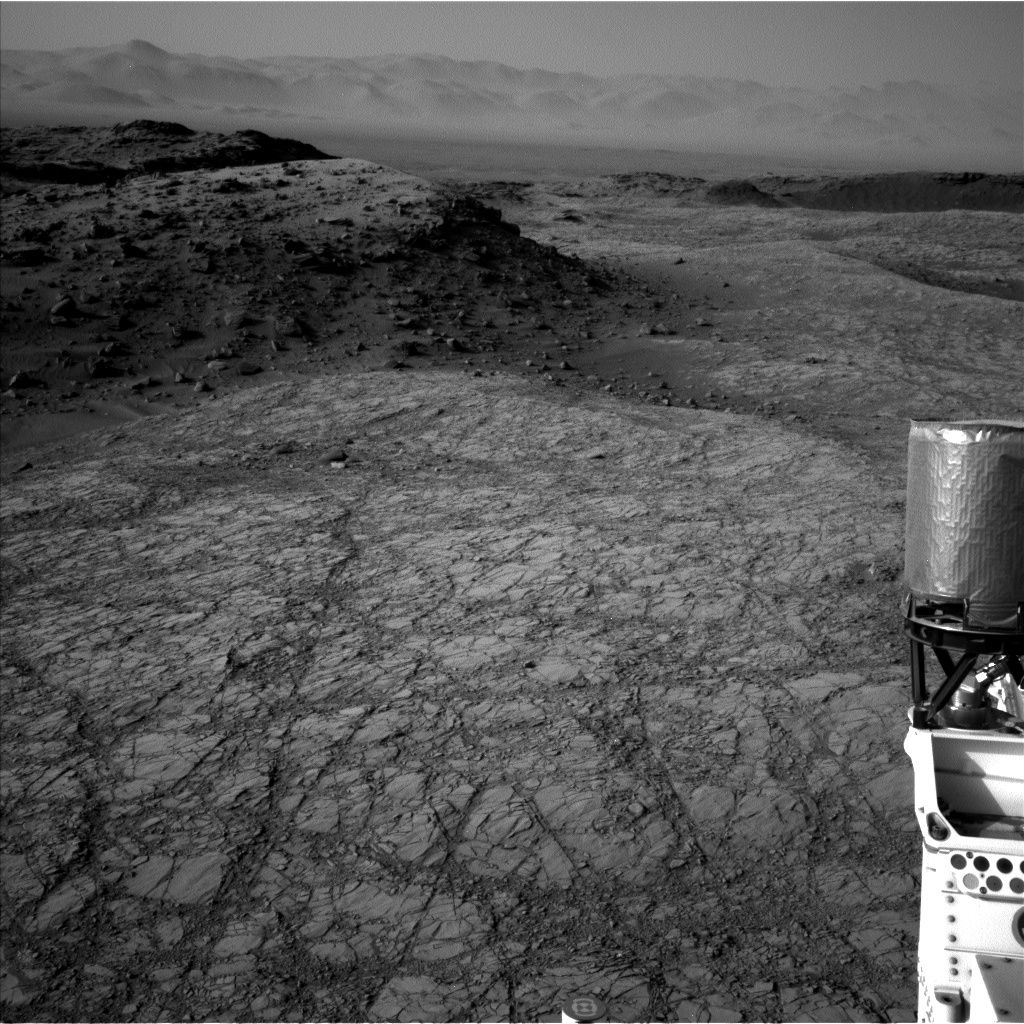
This Curiosity image was taken by Navcam Left B on Sol 1398, July 12, 2016.
Credit: NASA/JPL-Caltech
Science activity planning for the rover is avoiding use of that mode, according to JPL, a mode that involves writing images from some cameras’ memories into files on the rover’s main computer. Alternate means are available for handling and transmitting all image data.

Senator Ted Cruz
Credit: Office of Ted Cruz
U.S. Sen. Ted Cruz (R-Texas), chairman of the Subcommittee on Space, Science, and Competitiveness, will convene a subcommittee hearing tomorrow titled “NASA at a Crossroads: Reasserting American Leadership in Space Exploration.”
The hearing promises to focus on the importance of ensuring consistency in policy to best leverage investments made in human space exploration.
Also, the hearing is to explore questions facing NASA related to the upcoming presidential transition.

Ted Cruz, Republican senator from Texas, pokes his head into NASA’s Orion spacecraft while visiting the NASA Johnson Space Center. Orion program manager Mark Geyer (left) discusses the workings of the spacecraft with the lawmaker.
Credit: Lockheed Martin
Slated to start on Wednesday, July 13, 2016, at 2:30 p.m. the invited witnesses are:
— William H. Gerstenmaier, Associate Administrator of Human Exploration and Operations, NASA
— Mary Lynne Dittmar, Executive Director, Coalition for Deep Space Exploration
— Mike Gold, Vice President of Washington Operations, Space Systems Loral (SSL), former Bigelow Aerospace
— Mark Sirangelo, Vice President of Space Systems Group, Sierra Nevada Corporation
— Dan Dumbacher, Professor of Engineering Practice, Purdue University, West Lafayette, Indiana.

Credit: NASA
Hearing Details
Wednesday, July 13, 2016
2:30 p.m. Eastern Time
Subcommittee Hearing
Senate Russell Building 253
Note: Witness testimony, opening statements, and a livestream will be available on:

China’s Tiangong-2 space lab undergoing checkout for September liftoff.
Credit: CCTV via China Spaceflight
It is an important year for China’s burgeoning human spaceflight program.
Chinese news agencies report that the country’s second orbiting space lab –Tiangong-2 — has been delivered over the weekend from Beijing by rail to the Jiuquan Satellite Launch Center.
According to a statement from China’s manned space engineering office, the vessel will undergo assembling and testing processes at the center, preparatory work for its mid-September launch.

China’s Shenzhou-11 piloted spacecraft being readied for launch later this year.
Credit: CCTV via China Spaceflight
As the second orbiting space lab for China, Tiangong-2 is to be visited by two astronauts onboard their Shenzhou-11 spacecraft.
Early next year, a Long March 7 will loft a Tianzhou supply ship to the Tiangong-2 space lab.
Also on tap this year is the maiden blastoff of China’s Long March 5. This booster is scripted to hurl into Earth orbit space station modules, as well as support robotic lunar sample return from the Moon, and toss a rover to Mars in 2020.
Check out these two videos on preparations of the Long March 2 F booster and Tiangong-2 for the upcoming launch:
http://www.cctvplus.com/news/20160710/8026553.shtml
http://www.cctvplus.com/news/20160711/8026573.shtml

Maiden flight last month of Long March 7 departing Wenchang coastal spaceport.
Credit: New China
Test capsule
Late last month, the first Long March 7 rocketed from the country’s new Kennedy Space Center-like Wenchang coastal spaceport.
The Long March 7 carried mini-satellites, as well as a sub-scale test capsule for future piloted space missions in low Earth orbit and deep space. That 2.6 metric ton (2,600 kilograms) reentry module parachuted to a landing in Badain Jaran Desert in north China.

Credit: js7tv.cn
Prior to the capsule’s landing, the reentry module spent about 20 hours in orbit.

Credit: js7tv.cn

Mars Research Facility by Matt Jennings.
The closing hours of a Kickstarter campaign are near a hand, an effort to raise funds to back a workshop on designing a sustainable city on Mars.
This unique workshop will be hosted at the University of Southern California (USC), on September 15-28th, 2016.
Wanted: thinkers and innovators
Workshop participants include competing finalists of a worldwide Mars City Design 2016 challenge, including teams from MIT, Carnegie Mellon University, Ares Astronautics, and others.
“It is not enough to just travel to Mars and survive,” explains Vera Mulyani, Founder & CEO of Mars City Design. To sustainably live on the Red Planet, “we call on a new generation of thinkers and innovators to make this a reality.”
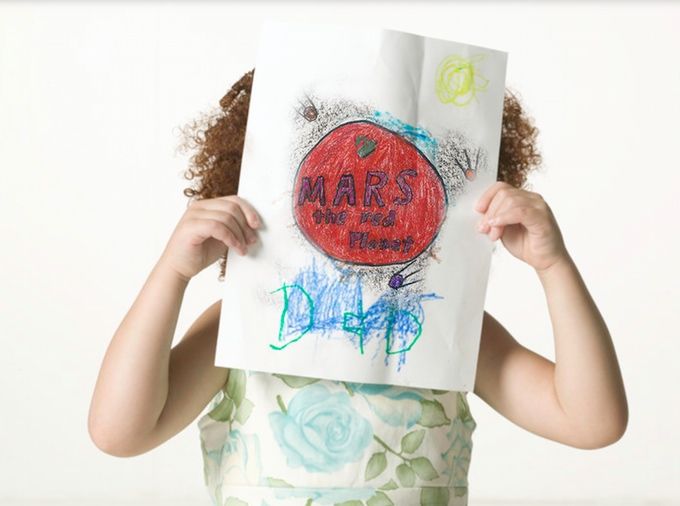
Courtesy: Mars City Design
Off planet urbanism
Student category contestants come from MIT, CMU, Ballstate University, University of Virginia and University of Manchester in the UK, Math & Engineering School in Bucharest, and School of Urban Design in Turkey.
Also taking part in Mars City Design activities are professionals from different fields, such as agricultural, innovation, architecture, urbanism, math and engineering experts.
Another objective of the Mars City Design initiative is o build the winning prototypes, by 3D printing and testing them in their real scale in Mojave Desert, within the next 3 years.
Global community
Kickstarter is a global community built around creativity and creative projects. Over 10 million people, from every continent on Earth, have backed a Kickstarter project.
For more information on this Kickstarter project, go to:
https://www.kickstarter.com/projects/marscitydesign/a-city-on-mars

Credit: NASA image courtesy of the DSCOVR EPIC team.
The Deep Space Climate Observatory (DSCOVR) has snagged new and unique imagery of the Moon passing between the spacecraft and Earth.
DSCOVR is located at the Earth-Sun Lagrange-1 (L-1) point.
Onboard the spacecraft, NASA’s Earth Polychromatic Imaging Camera (EPIC) snapped the images over a period of about 4 hours on July 5th, 2016.
Backdrop Earth
Visible in photos is the far side of the Moon — never seen from Earth – as it passes by. In the backdrop, Earth rotates with Australia and the Pacific visible and some gradually revealing looks of Asia and Africa.
The DSCOVR spacecraft’s position gives EPIC a unique angular perspective that can be used in science applications to measure ozone, aerosols, cloud reflectivity, cloud height, vegetation properties, and UV radiation estimates at Earth’s surface.

Deep Space Climate Observatory (DSCOVR).
Credit: NOAA Satellites
Jupiter too!
On March 15, 2016, over a span of 5 hours, DSCOVR EPIC imaged Jupiter. This activity was done for purposes of instrument characterization, but also provides a unique view of our solar system’s largest planet and its moons.

Credit: NASA image courtesy of the DSCOVR EPIC team.
DSCOVR is a partnership between the National Oceanic and Atmospheric Administration (NOAA), NASA and the U.S. Air Force.
NOAA is operating DSCOVR from its NOAA Satellite Operations Facility in Suitland, Maryland, and is processing the space weather data at the Space Weather Prediction Center — part of NOAA’s National Weather Service — in Boulder, Colorado.

America’s first operational deep space satellite orbits one million miles from Earth. Positioned between the sun and Earth, it is able to maintain a constant view of the sun and sun-lit side of Earth. This location is called Lagrange point 1. (Illustration is not to scale).
Credit: NOAA
Warning system
Launched over one year ago, on February 11, 2015, DSCOVR — the nation’s first operational satellite in deep space — is now orbiting one million miles away and is America’s primary warning system for solar magnetic storms and solar wind data while giving Earth scientists a unique vantage point for studies of the planet’s atmosphere and climate.
Get a moving view of the Earth and Moon here:
http://epic.gsfc.nasa.gov/galleries/lunar_transit_2016/vid.php
For single frames, go to:

