Archive for the ‘Space News’ Category
 Author:
  June 5th, 2018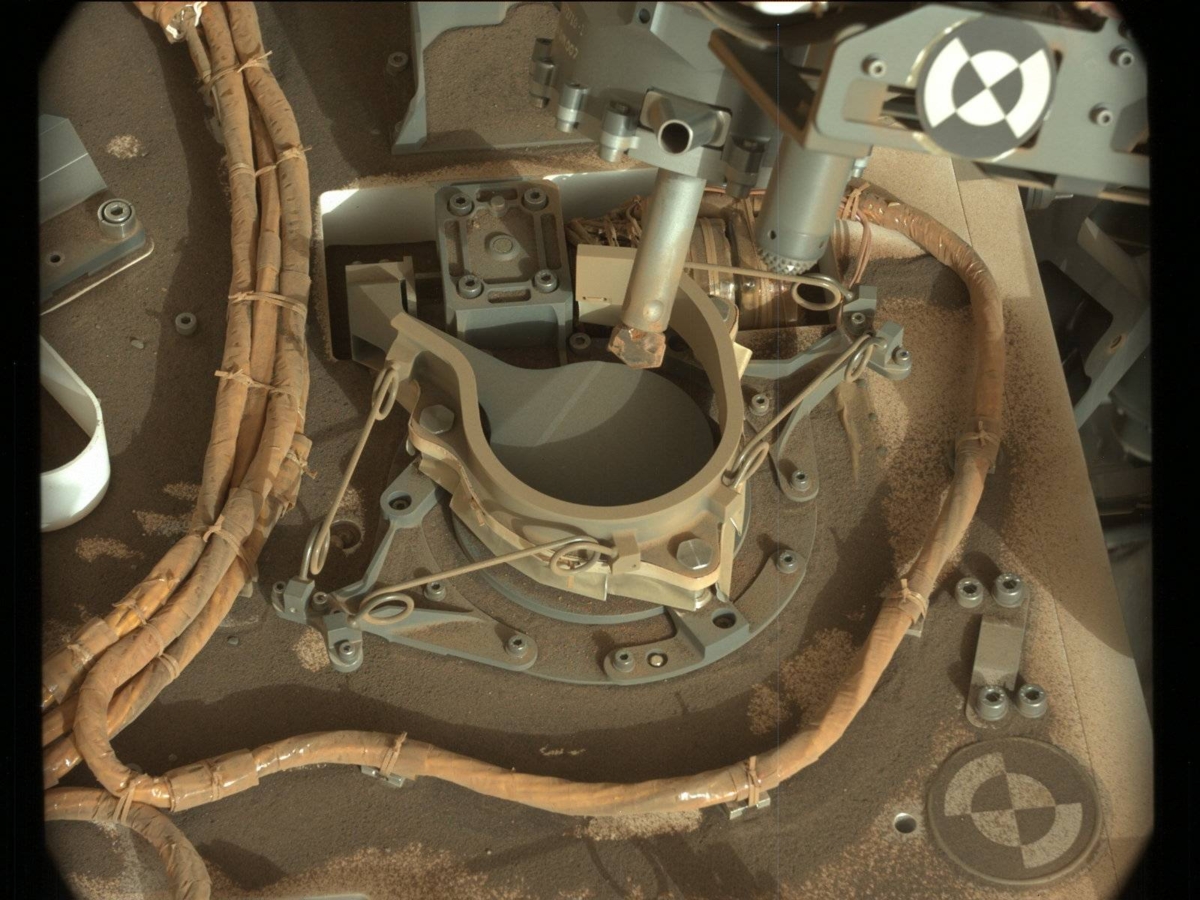
Curiosity drill bit positioned over the Chemistry & Mineralogy X-Ray Diffraction/X-Ray Fluorescence Instrument (CheMin) inlet as part of the new Feed Extended Sample Transfer (FEST) drop-off technique.
Curiosity Mastcam Left photo taken on Sol 2068, June 1, 2018.
Credit: NASA/JPL-Caltech/MSSS
NASA’s Curiosity Mars rover is wrapping up Sol 2072 duties.
Reports Abigail Fraeman, a planetary geologist at NASA/JPL in Pasadena, California: “Every single day that the Curiosity team gets to go into work and operate a one-ton rover on the surface of Mars is a good day. But last Friday was not just your typical good day — it was a very, very, very good day.”
Adding a personal opinion, Fraeman adds “it was probably one of the top five most excellent planning days we’ve had on the mission to date.” Early Friday morning the science team learned that the Feed Extended Sample Transfer (FEST) drop-off of the “Duluth” drill sample to Chemistry & Mineralogy X-Ray Diffraction/X-Ray Fluorescence Instrument (CheMin) had worked. “This means we had enough rock powder in the instrument to measure its mineralogy.”
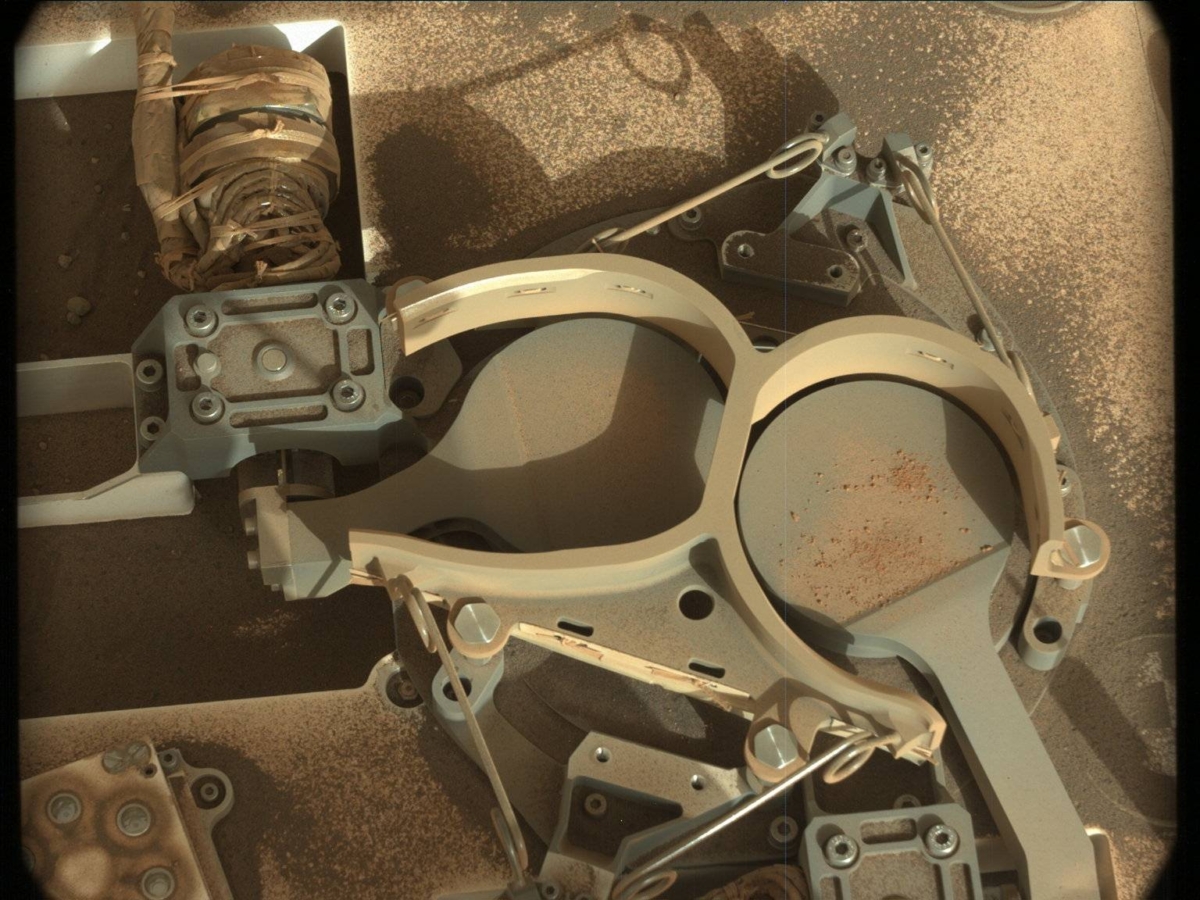
Curiosity Mastcam Left image taken on Sol 2071, June 4, 2018.
Credit: NASA/JPL-Caltech/MSSS
Critical step
Most importantly, now that Curiosity controllers demonstrated this critical step on Mars, the team can officially say that Curiosity’s drilling and sample transfer capabilities have been restored.
“This represents a huge accomplishment for the tireless engineers who’ve worked over a year to learn to operate the vehicle in a way it was never designed to work,” Fraeman explains. It’s also an extremely exciting time for the science team, as scientists are eager to learn the key information CheMin and the Sample Analysis at Mars (SAM) Instrument Suite will provide and further unravel the history of Gale Crater.
FESTive spirit
“The scientists and engineers at JPL celebrated this accomplishment with a joyous afternoon cookie break,” Fraeman notes.
Duluth drill sample analysis activities were to continue in the sol 2070-2072 plan.
“Since we now know we have successfully delivered to CheMin, SAM is up next. Our main activity for the weekend plan was a preconditioning of SAM and the sample dropoff using the FEST technique,” Fraeman says. “We also squeezed in some remote sensing science of our local area.”
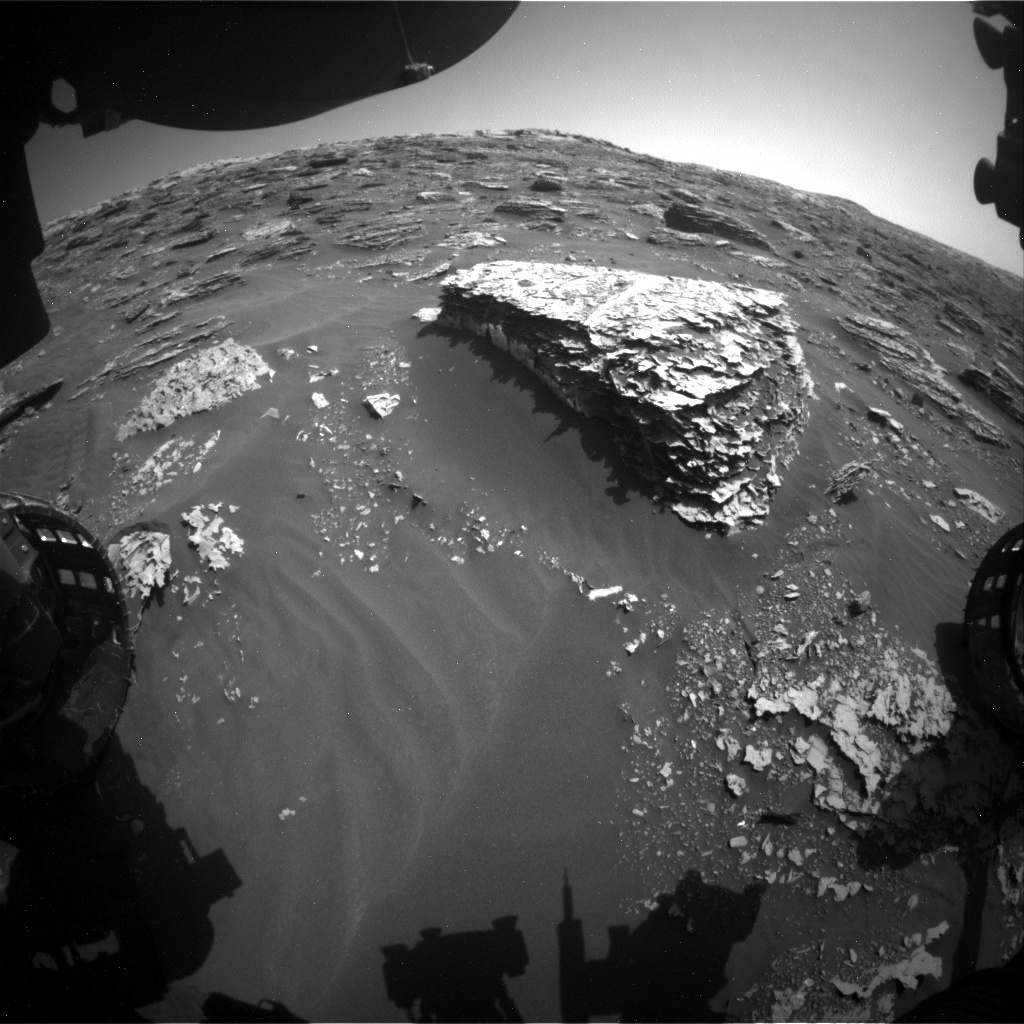
Curiosity Front Hazcam Left B photo acquired on Sol 2072, June 5, 2018.
Credit: NASA/JPL-Caltech
Change detection imagery
On sol 2070 the plan called for acquiring Chemistry and Camera (ChemCam) Laser-induced breakdown spectrometer (LIBS) observations of targets named “Little Marais” and “Bartlett,” and a Mastcam change detection image of an area where the robot dropped a previous portion of the drill sample on the ground.
Also planned is to take a Mastcam tau (dust monitoring) observation on sol 2070, followed up with a Navcam dust devil movie, dust devil survey, and suprahorizon and zenith movies on sol 2071, Fraeman concludes.
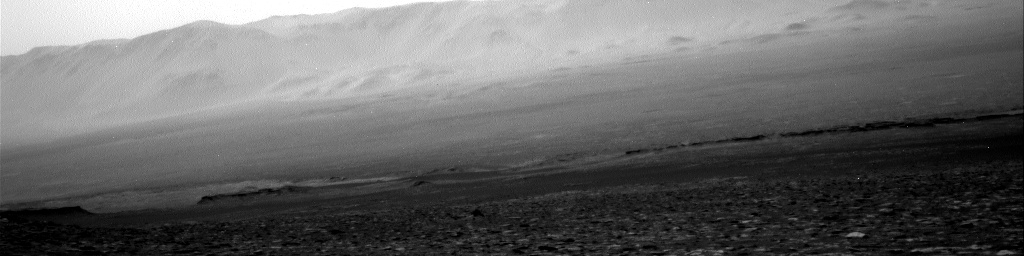
Curiosity Navcam Right B image taken on Sol 2072, June 5, 2018.
Credit: NASA/JPL-Caltech
 Posted in
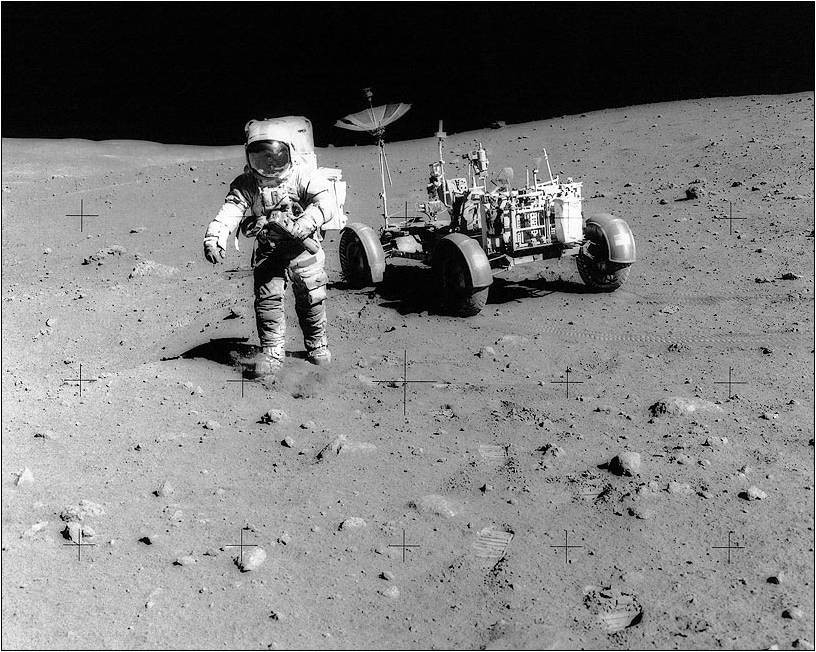
Apollo 15’s David Scott performed a seat belt assault during his 1971 mission to the Moon.
Credit: NASA
On Wednesday, May 30th, NASA held the “Transformative Lunar Science” talks in the James Webb auditorium at NASA Headquarters. Hosted by Dr. James Green, NASA Chief Scientist, the talks discussed cutting-edge science that is transforming our understanding of the Moon, and what we can still learn from our nearest neighbor.
The talks included a panel discussion with Mr. David Schurr, Deputy Director of NASA’s Planetary Science Division, and Dr. Jason Crusan, Director of the Advanced Exploration Systems Division.

Credit: NASA
A panel discussion on the future of lunar science and exploration, including description of Apollo 15’s “Seat Belt Assault,” involved three preeminent lunar scientists — Dr. Carlé M. Pieters, (Brown University) spoke about the lunar water cycle; Dr. Robin Canup, (Southwest Research Institute) talked about the origin of the Earth-Moon system; Dr. David Kring, (USRA Lunar and Planetary Institute) spoke about how the Moon can reveal the chronology of the Solar System.
The Q&A was moderated by Dr. James W. Head III (Brown University).
Go to:
https://sservi.nasa.gov/articles/transformative-lunar-science-talks/
Credit: Via NASA/JPL
Just in time for “Asteroid Day” on June 29th!
A small asteroid discovered on Saturday disintegrates hours later over Southern Africa
As noted in a JPL release: “A boulder-sized asteroid designated 2018 LA was discovered Saturday morning, June 2, and was determined to be on a collision course with Earth, with impact just hours away. Because it was very faint, the asteroid was estimated to be only about 6 feet (2 meters) across, which is small enough that it was expected to safely disintegrate in Earth’s atmosphere. Saturday’s asteroid was first discovered by the NASA-funded Catalina Sky Survey, located near Tucson and operated by the University of Arizona.”
Match up
Although there was not enough tracking data to make precise predictions ahead of time, notes the JPL statement, a swath of possible locations was calculated stretching from Southern Africa, across the Indian Ocean, and onto New Guinea.
Reports of a bright fireball above Botswana, Africa early Saturday evening match up with the predicted trajectory for the asteroid.
Bright fireball
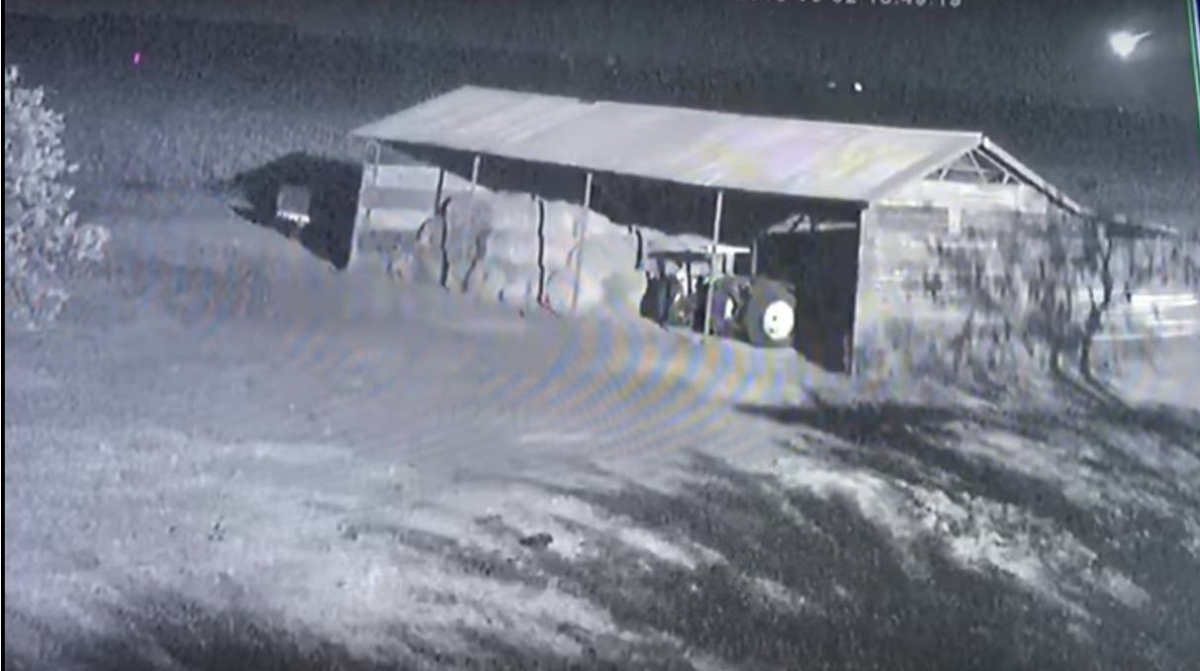
This object penetrated Earth’s atmosphere at the high speed of 10 miles per second (38,000 mph, or 17 kilometers per second and disintegrated several miles above the surface, creating a bright fireball that lit up the evening sky.
Infrasound data collected just after the impact clearly detected the event from one of the listening stations deployed as part of the International Monitoring System of the Comprehensive Nuclear-Test-Ban Treaty. The signal is consistent with an atmospheric impact over Botswana.
The event was witnessed by a number of observers and was caught on webcam video here:
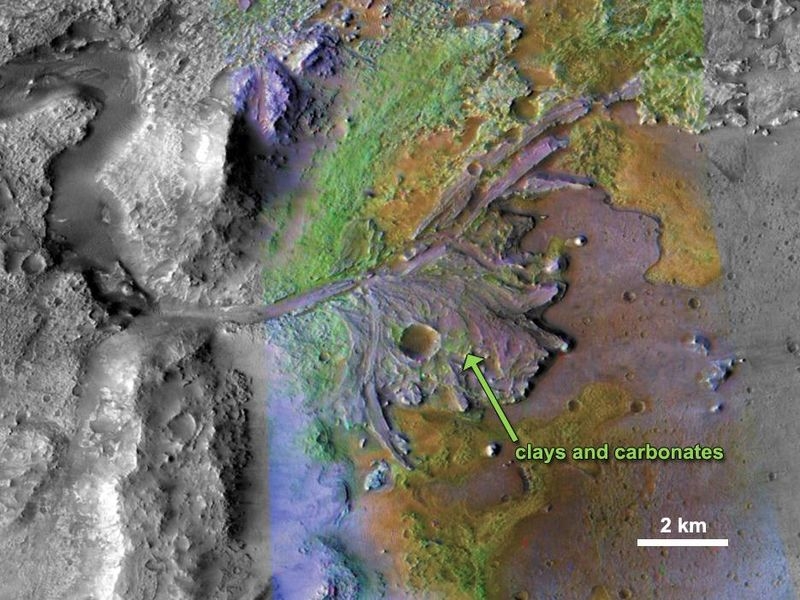
The Jezero Crater delta, a well-preserved ancient river delta on Mars. New research suggests sedimentary rocks made of compacted mud or clay, like those found in the Jezero Crater delta, are the most likely to contain microbial fossils.
Credit: NASA/JPL-Caltech/MSSS/JHU-APL
A candidate landing site for NASA’s Mars 2020 rover is being flagged as a prime spot for finding fossils on Mars. A duty of that robotic mission is to collect rock samples to be returned to Earth for analysis by a future mission.
A team led by a University of Edinburgh researcher has determined that sedimentary rocks made of compacted mud or clay are the most likely to contain fossils. These rocks are rich in iron and a mineral called silica, which helps preserve fossils.

New planetary prowler – the NASA Mars 2020 rover – scouring the Red Planet for select samples for eventual return to Earth.
Credit: NASA/JPL
Wet past
On Mars, Jezero Crater tells a story of the on-again, off-again nature of the wet past of Mars. Water filled and drained away from the crater on at least two occasions. More than 3.5 billion years ago, river channels spilled over the crater wall and created a lake. Scientists see evidence that water carried clay minerals from the surrounding area into the crater after the lake dried up. Conceivably, microbial life could have lived in Jezero during one or more of these wet times. If so, signs of their remains might be found in lakebed sediments.

NASA Mars 2020 rover is designed to collect samples, store the specimens in tubes, then deposit the tubes on the surface for later pick-up.
Credit: NASA/ESA
Fossils of microbes
A new review study – “A Field Guide to Finding Fossils on Mars” – was published in the Journal of Geophysical Research: Planets, a journal of the American Geophysical Union. It sheds light on where fossils of microbes, if they exist, might be preserved on the Red Planet.
This paper reviews the rocks and minerals on Mars that could potentially host fossils or other signs of ancient life preserved since Mars was warmer and wetter billions of years ago.
Earth’s fossil record
The research team applied recent results from the study of Earth’s fossil record and fossilization processes, and from the geological exploration of Mars by rovers and orbiters, in order to select the most favored targets for astrobiological missions to Mars.
They conclude that mudstones rich in silica and iron‐bearing clays currently offer the best hope of finding fossils on Mars and should be prioritized, but that several other options warrant further research. They also recommend further experimental work on how fossilization processes operate under conditions analogous to early Mars.
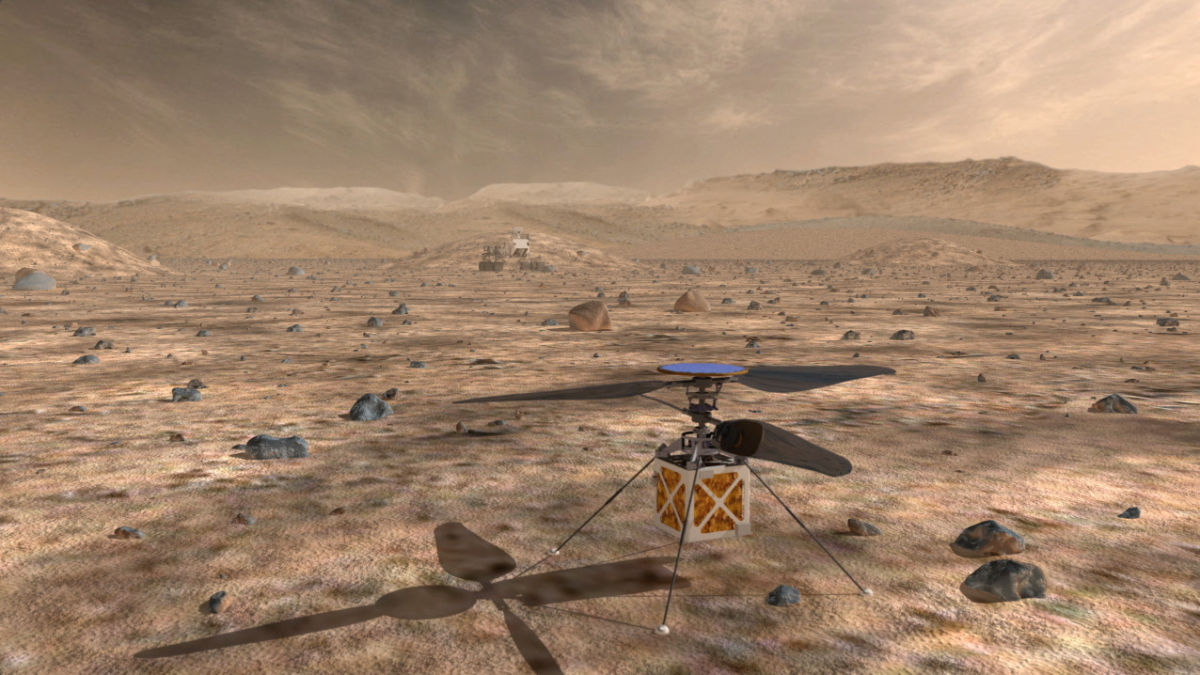
Newly selected helicopter for the Mars 2020 rover can extend the exploration zone of the rover’s landing location.
Credit: NASA/JPL-CALTECH
Prioritize promising deposits
The study, led by Sean McMahon of the UK Centre for Astrobiology, School of Physics and Astronomy at the University of Edinburgh, also involved researchers at NASA’s Jet Propulsion Laboratory, Brown University, California Institute of Technology, Massachusetts Institute of Technology and Yale University in the U.S.
“There are many interesting rock and mineral outcrops on Mars where we would like to search for fossils, but since we can’t send rovers to all of them we have tried to prioritize the most promising deposits based on the best available information,” said McMahon.
For the free access research paper, go to:
https://agupubs.onlinelibrary.wiley.com/doi/full/10.1029/2017JE005478

Callisto, a reusable first stage demonstrator.
Credit: CNES via SatelliteObservation.net
The French space agency, CNES, is exploring reusable rockets.
Jean-Marc Astorg, the head of CNES’ launch vehicles directorate recently gave a technical talk on Europe’s response to U.S. reusable launchers and its plans for the future. Also detailed: the pros and cons of reuse; Callisto, a reusable first stage demonstrator; an overview of worldwide development efforts, including China’s work on developing a reusable launcher too: Long March 8-R, to be ready for 2028.

Credit: CNES via SatelliteObservation.net
This article posted on SatelliteObservation.net is a translated transcript of what he said, illustrated by slides shown during the presentation.
https://satelliteobservation.net/2018/06/02/cnes-director-of-launchers-talks-reusable-rockets/

Now headed for Mars – The Interior Exploration using Seismic Investigations, Geodesy and Heat Transport spacecraft (InSight) inside the Astrotech processing facility at Vandenberg Air Force Base in California.
Credit: USAF 30th Space Wing/Alex Valdez
A critical part of planetary protection is keeping contaminants from humans from riding aboard spacecraft. That’s a challenge. Spacecraft assembly facilities harbor a low but persistent amount of biological contamination despite the use of clean rooms.
In the clean room facilities, NASA implements a variety of planetary protection measures to minimize biological contamination of spacecraft. These steps are important because contamination by Earth-based microorganisms could compromise life-detection missions by providing false positive results.
Menagerie of microorganisms
New research led by Rakesh Mogul, a Cal Poly Pomona professor of biological chemistry offers the first biochemical evidence explaining the reason the contamination persists.
Despite extensive cleaning procedures, however, molecular genetic analyses show that the clean rooms harbor a diverse collection of microorganisms, or a spacecraft microbiome, that includes bacteria, archaea and fungi, explains Mogul. The Acinetobacter, a genus of bacteria, are among the dominant members of the spacecraft microbiome.

Acinetobacter baumannii
Credit: BioCote
“We’re giving the planetary protection community a baseline understanding of why these microorganisms remain in the clean rooms,” Mogul adds. “There’s always stuff coming into the clean rooms, but one of the questions has been why do the microbes remain in the clean rooms, and why is there a set of microorganisms that are common to the clean rooms.”
Hands-on experience
Chemistry professor Gregory A. Barding, Jr., was a collaborator and second author on a recent research paper published in the journal Astrobiology.
The remaining 22 coauthors are all Cal Poly Pomona students – 14 undergraduates in chemistry, three chemistry graduate students and five undergraduates in biological sciences.
“We designed the project to give students hands-on experience – and to support the learn-by-doing philosophy of Cal Poly Pomona. The students did the research, mostly as thesis projects in the areas of enzymology, molecular microbiology and analytical chemistry,” Mogul notes in a Cal Poly Pomona news release.

Specially garbed specialists process the Phoenix Mars lander, seen here in the Kennedy Space Center clean room, following its trip from Colorado to Florida.
Credit: Barbara David
Strain gauge
To appraise how the spacecraft microbiome survives in the clean room facilities, the research team analyzed several Acinetobacter strains that were originally isolated from the NASA Mars Odyssey and Phoenix spacecraft facilities.
They found that under very nutrient-restricted conditions, most of the tested strains grew on and biodegraded the cleaning agents used during spacecraft assembly.
Cleaning agent culprits
The research work showed that cultures grew on ethyl alcohol as a sole carbon source while displaying reasonable tolerances towards oxidative stress. This is important since oxidative stress is associated with desiccating and high radiation environments similar to Mars.
The tested strains were also able to biodegrade isopropyl alcohol and Kleenol 30, two other cleaning agents commonly used, with these products potentially serving as energy sources for the microbiome.
The bottom line from Mogul and his research team: For planetary protection, more stringent cleaning steps may be needed for missions focused on life detection. Furthermore, the research highlights the potential need to use differing and rotating cleaning reagents that are compatible with the spacecraft to control the biological burden.

Curiosity Front Hazcam Left B image taken on Sol 2067, May 30, 2018
Credit: NASA/JPL-Caltech
NASA’s Curiosity rover is now carrying out Sol 2068 duties.
Reports Claire Newman, an atmospheric scientist at Aeolis Research in Pasadena, California: “We’re looking forward to analyzing some great drill samples from the ‘Duluth’ rock target in Curiosity’s Chemistry and Mineralogy instrument, CheMin. However, previous tests on Mars and the first delivery attempt to CheMin raised a concern that less material than expected may be making it in.”
To increase the chances of a successful CheMin analysis this time around, adds Newman, three portions will be delivered in Sol 2068 instead of the usual single portion, and from a smaller height than before.
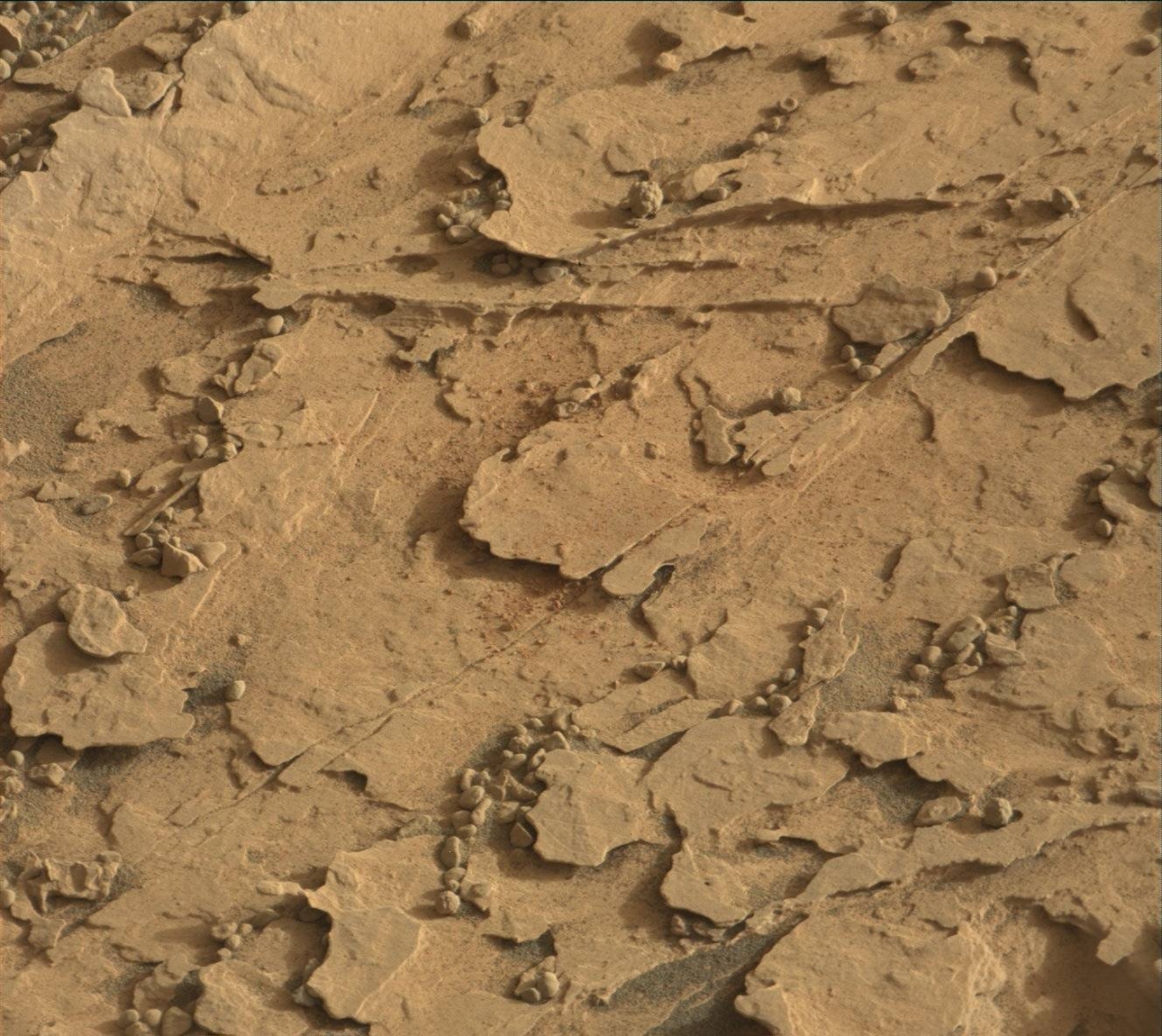
Curiosity Mastcam Right photo taken on Sol 2065, May 28, 2018.
Credit: NASA/JPL-Caltech/MSSS
Exposed bedrock
In addition to the CheMin triple delivery, the geology theme group has planned some passive imaging of target “Bassett” by the rover’s Chemistry and Camera (ChemCam) instrument.
“This is exposed Murray formation bedrock, so the purpose is to compare its chemical composition with other Murray targets and get a sense of their variability,” Newman adds.
Also included in the plan were Mastcam stereo images of targets “Anderson Lake,” “Bob Lake,” “Toohey Lake,” and “Bass Lake” to better understand the bedding geometry.
Opacity of atmosphere
The geology theme group also included more Mastcam change detection images of the Duluth drill tailings and “Noodle Lake” target, to monitor how rapidly and in what direction the Martian wind is moving loose material on the surface.
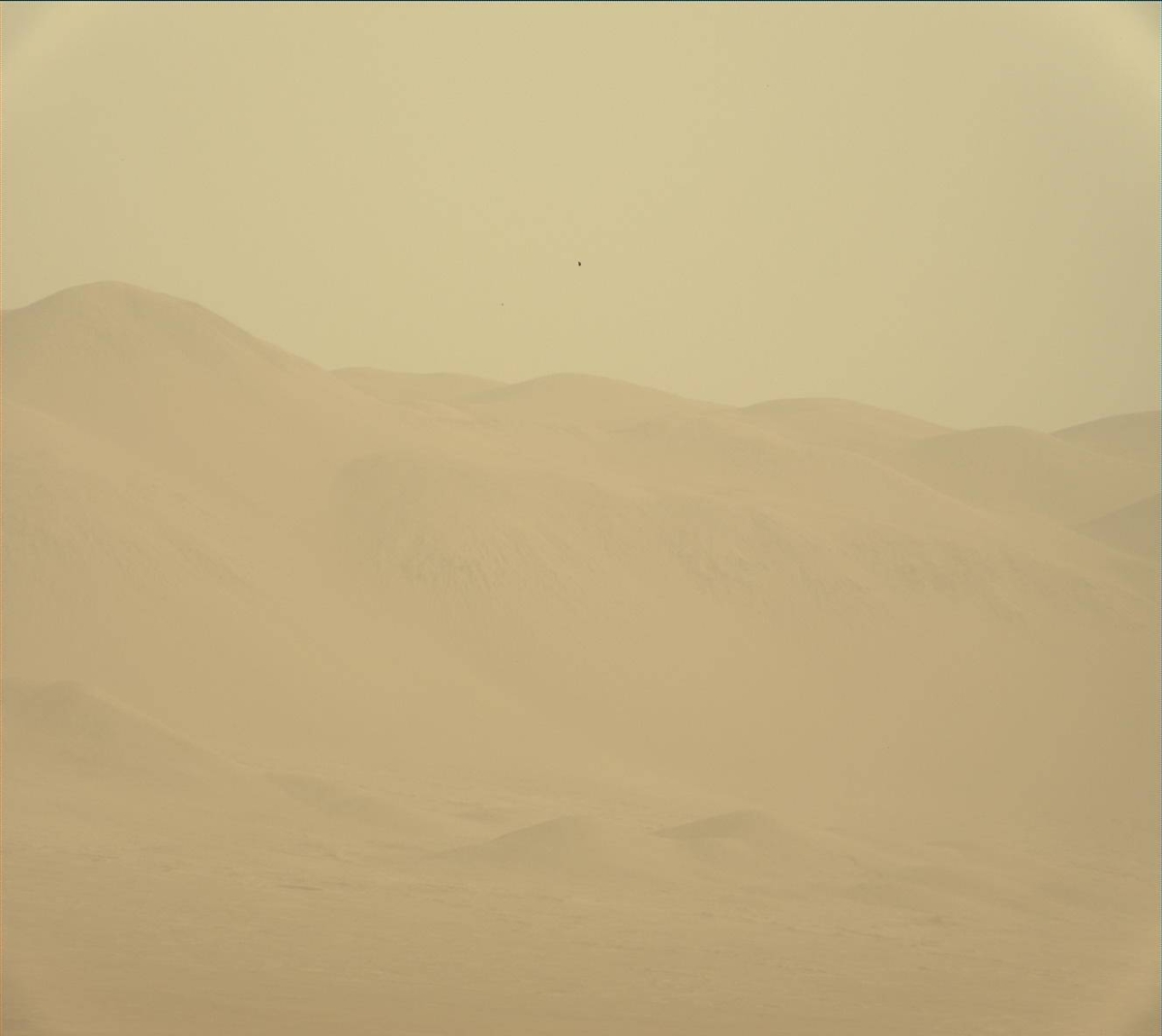
The Martian air can be pretty dusty, reducing visibility, even when no storms are raging, as shown in this Mastcam crater rim image. Mastcam Right image acquired on Sol 2065, May 28, 2018
Credit: NASA/JPL-Caltech/MSSS.
Also, Newman notes, the environmental theme group planned two early morning Navcam cloud movies on Sol 2069 less than an hour after sunrise.
“The cooler early morning is now the best time to see clouds, as we move well past the ‘cloudy’ season and into the warmer half of the year,” Newman explains. These movies were to be followed by Mastcam images of the sky and crater rim, which respectively allow Mars researchers to measure the opacity of the atmospheric column above the rover and the line-of-sight extinction across the crater horizontally.
“The air can be pretty dusty inside the crater, reducing visibility, even when no storms are raging,” Newman points out.
Dust devil devotees
Meanwhile, the environmental theme group has taken another long Navcam dust devil movie, this time looking more to the northeast, as well as a shorter movie looking to the northwest and another Navcam dust devil survey, with the two movies covered nicely by two hours of extended Rover Environmental Monitoring Station (REMS) meteorological measurements.
“Such overlap is ideal, because rapid pressure drops measured with REMS – which indicate a convective vortex (dusty or not!) passing nearby – can then be correlated with any dust devils we spot in the movies,” Newman explains. “This tells us something about how intense vortex activity has to be to raise dust and make vortices visible as dust devils. And on the rare occasions when we can connect a REMS pressure drop to a specific dust devil, we can use this to learn more about the dust devil’s size and speed,”
Credit: Project RegoLight
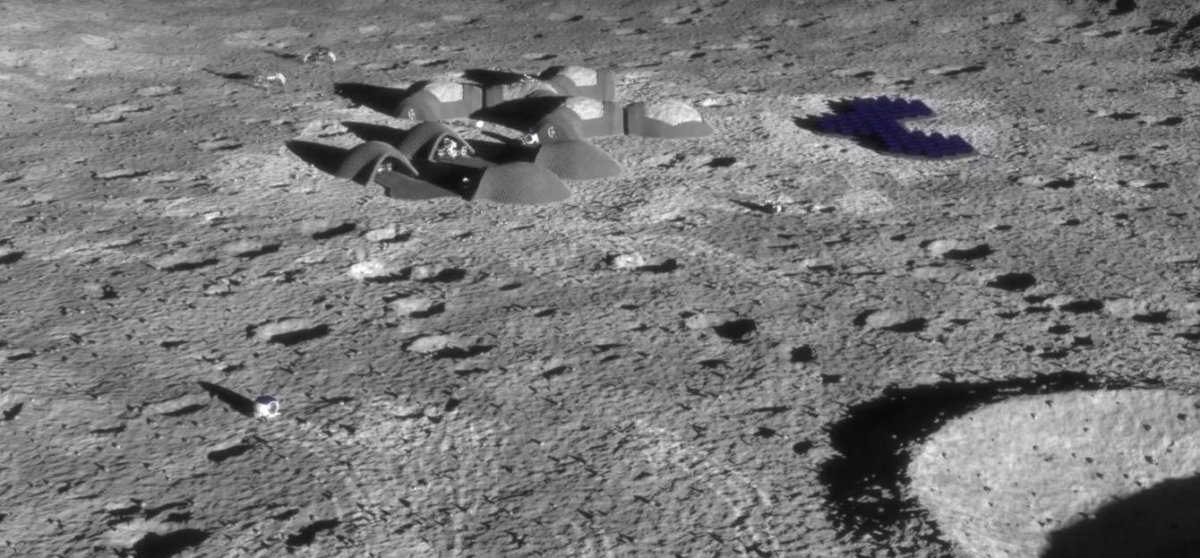
Progress is being made in fabricating building elements on the Moon.
In one effort, 3D printing technologies and methodologies for lunar buildings makes use of the Sun as a source of energy to “sinter” and “shape” lunar regolith, the loose layer of dust, soil and broken rocks on the Moon’s surface.
Architects, engineers, systems designers, and scientists teamed to create project RegoLight. Team work was coordinated by the German Aerospace Center (DLR)-Cologne, bringing together the talents of the Belgium-based Space Applications Services, Comex of Marseille, France, LIQUIFER Systems Group in Austria, and Bollinger Grohmann Engineers in Austria.
Credit: Project RegoLight
Range of geometries
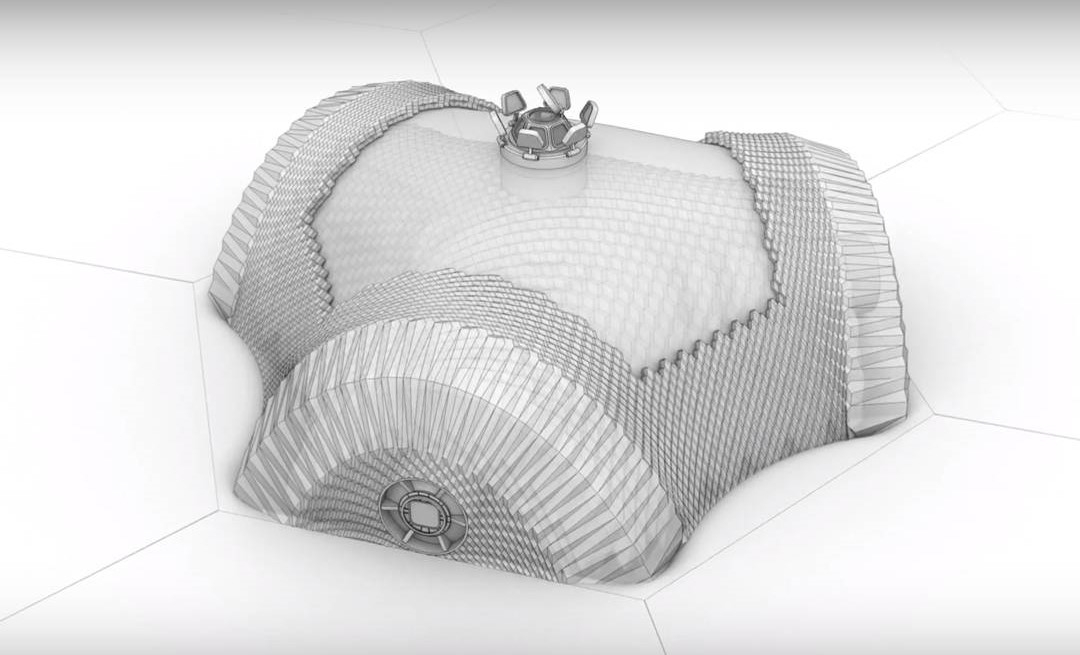
A range of geometries were developed to serve as interlocking building elements for the construction of a lunar base, elements that could provide radiation shielding for inhabited and pressurized modules, as well as non-pressurized shelters as dust and micro-meteoroid protection for machinery. Also studied was a launch pad apron, and terrain modeling for a radio telescope on the far side of the Moon.
RegoLight was carried out as a 2-year project under the European Union‘s Horizon 2020 Program. The project started November 2015 and concluded late last year.
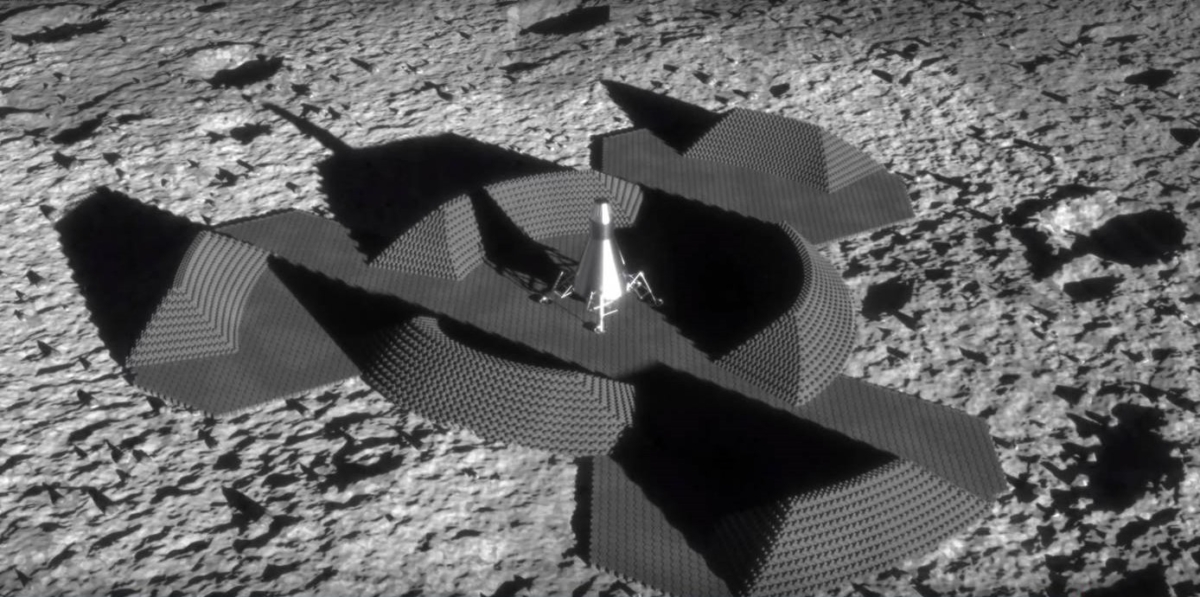
Blast shields up…for incoming and outgoing lunar landers.
Credit: Project RegoLight
Additive layer manufacturing
In a related development, OHB System AG, a subsidiary of the Bremen-based space and technology group OHB SE, signed a contract with the European Space Agency (ESA) for a study “Conceiving a Lunar Base Using 3D Printing Technologies.”
OHB is leading a team with three more partners (Comex, LIQUIFER, and Sonaca of Berlin, Germany). This team is evaluating the feasibility and implementation effort of using Additive Layer Manufacturing in the construction, operations and maintenance of a lunar base.
Two parallel studies
The study involves two parallel surveys:
- Mapping the required hardware for a continuously human tended lunar base. From permanent infrastructures to “on demand” items, a wide range of elements of different scales will be investigated for their potential to be 3D printed.
- The other survey is an analysis of available additive layer manufacturing technologies and their potential capabilities in a lunar environment. The assessment includes the state of the art of 3D printing related to several materials such as metals, polymers, ceramics, concrete, food ingredients, and living tissues.
For video concerning the innovative work done under Project RegoLight, go to:
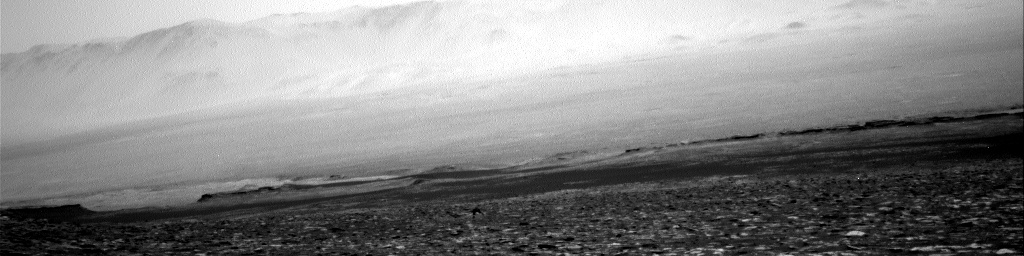
Curiosity Navcam Right B photo acquired on Sol 2060. May 23, 2018
Credit: NASA/JPL-Caltech
Now in Sol 2067, the Curiosity Mars rover faces “tis the season to be dusty,” explains Claire Newman, an environmental science theme lead from Ashima Research in Pasadena, California.
The previous rover plan included some tests of the sample delivery system, including delivery of a single portion to the closed cover of the Sample Analysis at Mars (SAM) Instrument Suite inlet. “The imaging showed a small amount made it, but not as much as we’d hoped,” Newman explains.
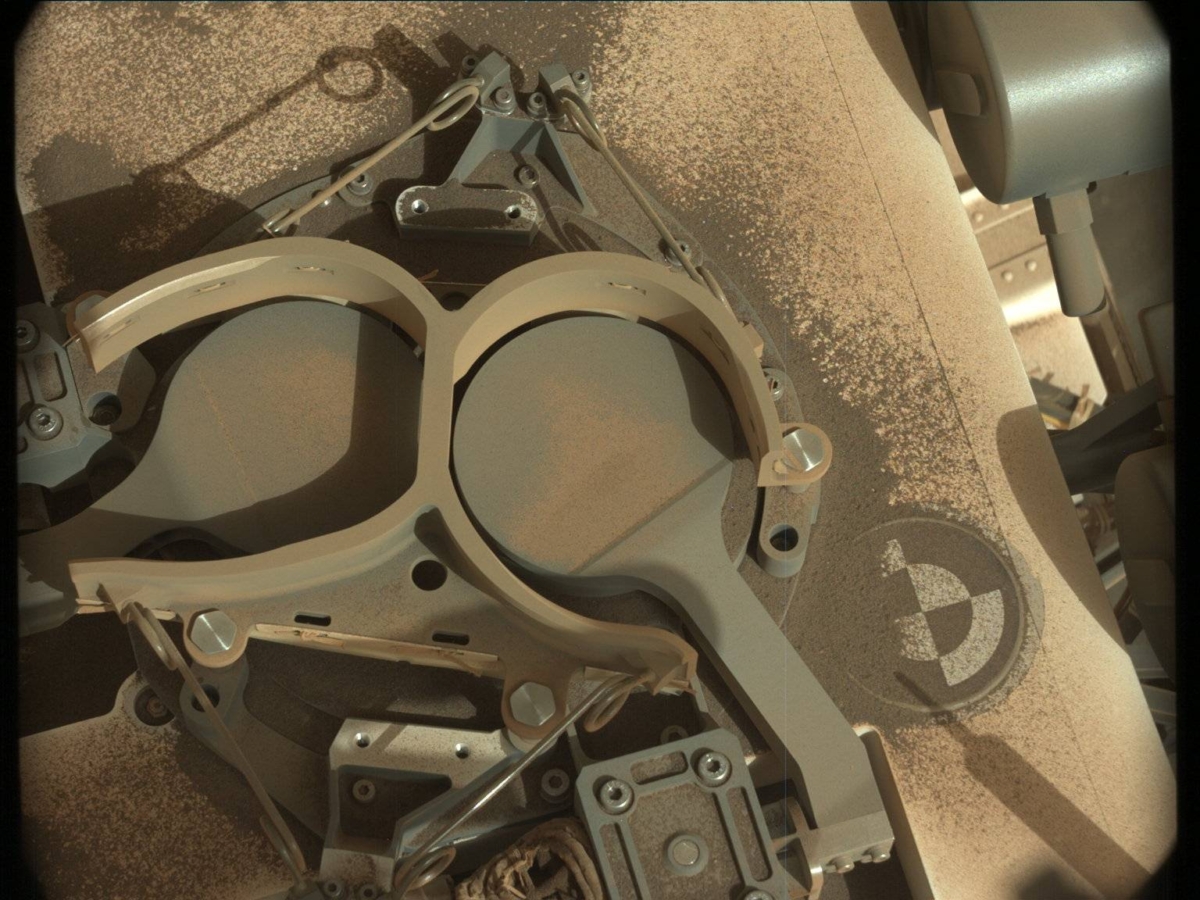
Curiosity Mastcam Left photo acquired on Sol 2064, May 27, 2018
Credit: NASA/JPL-Caltech/MSSS
So the team decided to postpone the Chemistry & Mineralogy X-Ray Diffraction/X-Ray Fluorescence Instrument (CheMin) for later, “leaving us even more time for science activities in today’s single sol plan for Sol 2067,” Newman notes.
Seize the opportunity
The environmental theme group seized the opportunity to take a long “dust devil search” movie pointed roughly to the northwest, where the robot has a view back down the slope of Aeolis Mons toward the Bagnold Dunes, and all the way across Gale Crater’s floor to the northwest rim.
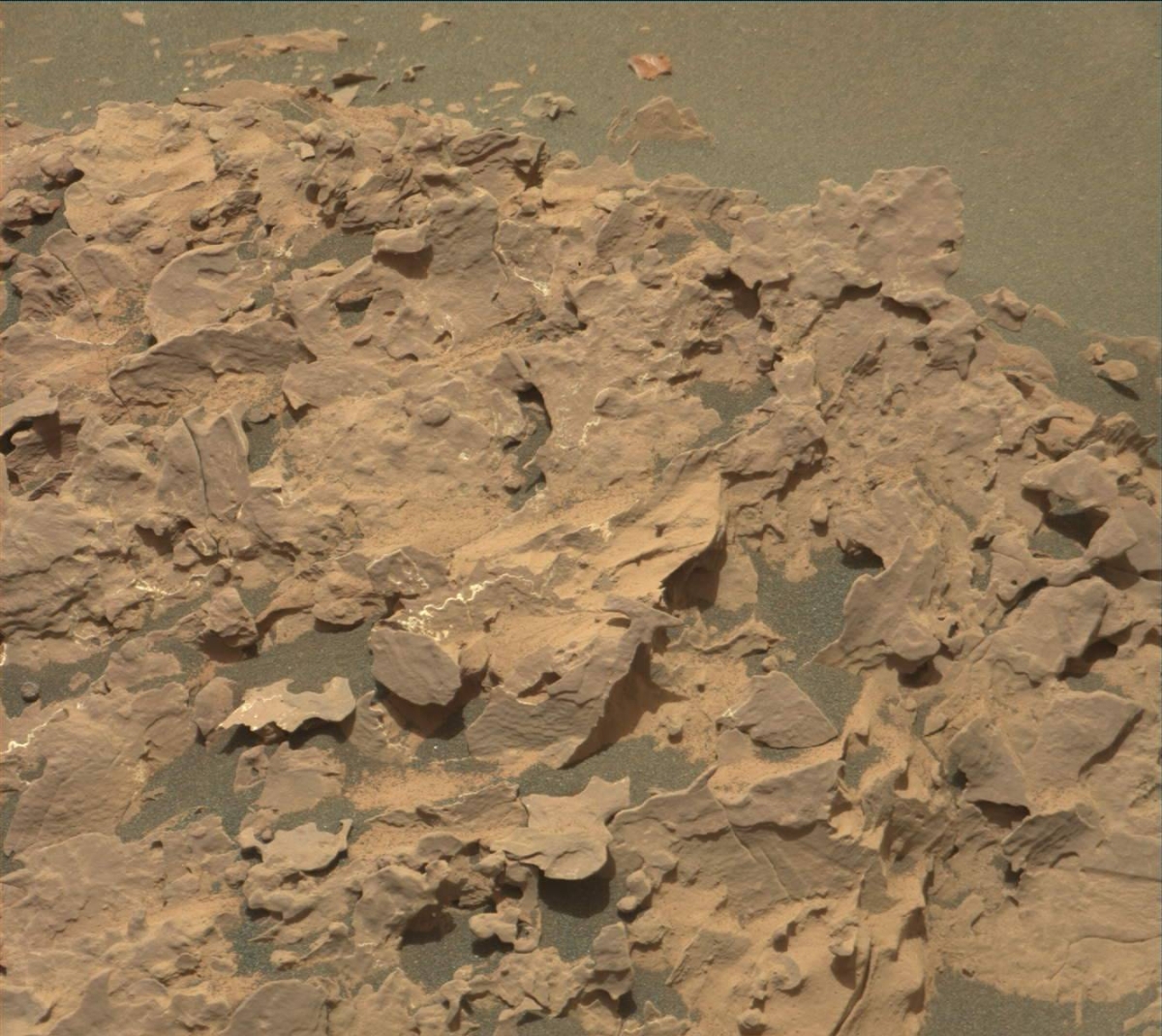
Curiosity Mastcam Right image acquired on Sol 2065, May 28, 2018.
“We’ve just moved past southern spring equinox, which means we’re now in the half of the Mars year when global dust storms are observed to begin,” Newman points out. “However, the increased surface heating as we head for the warmest time of year should also produce a peak in convective activity and hence in dust-filled vortices known as dust devils. We’ve already seen a lot this Mars year in our location higher up the slope, so we’re hoping for a bumper crop in spring and summer!”
Meanwhile, the environmental theme group added a long 360° dust devil survey and cloud movie as well as the usual Dynamic Albedo of Neutrons (DAN) and Rover Environmental Monitoring Station (REMS) activities.
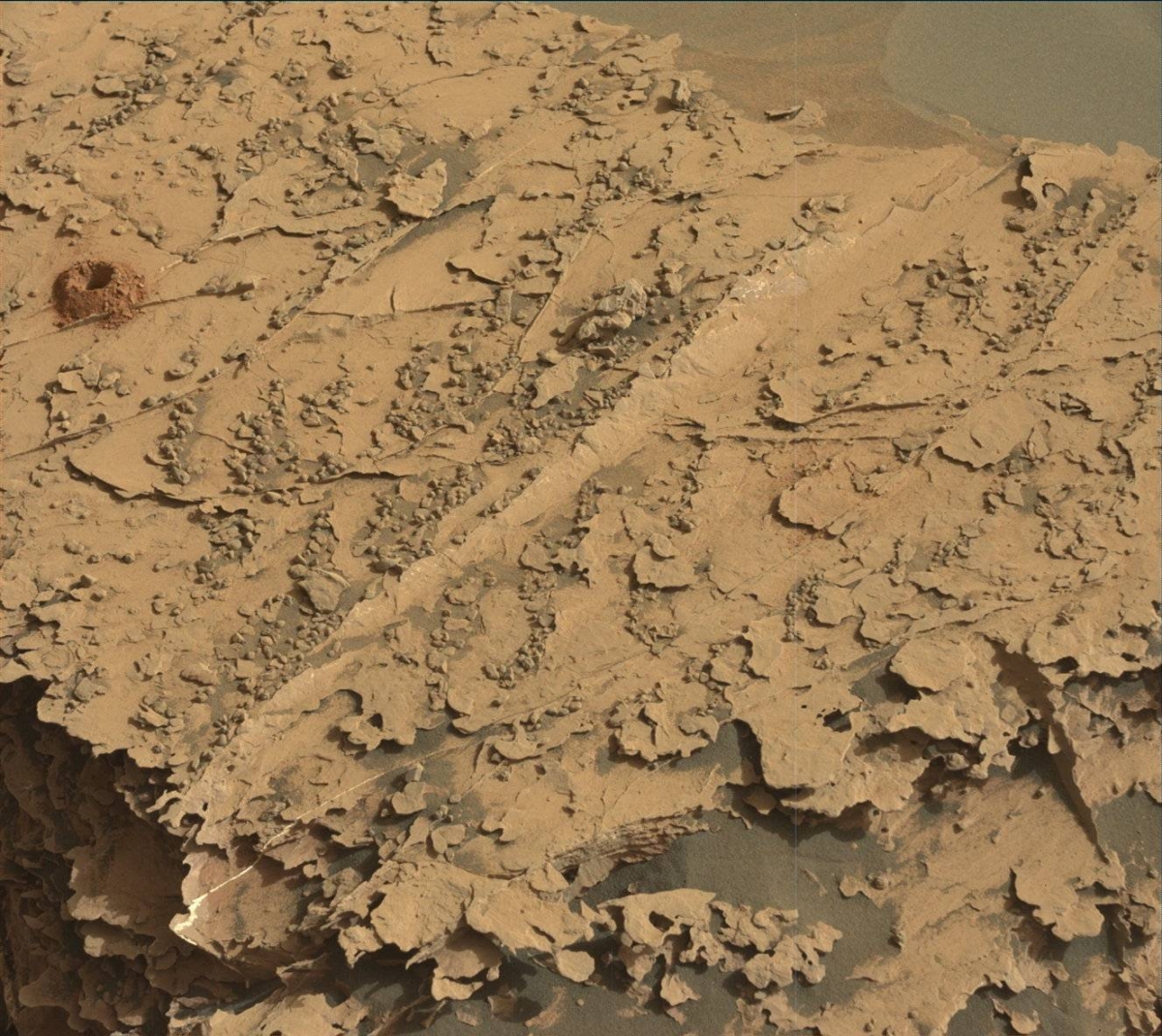
Curiosity Mastcam Left photo taken on Sol 2064. May 27, 2018
Credit: NASA/JPL-Caltech/MSSS
Change detection
Newman also reports that, on the geology side, following the robot’s haul of change detection images over the weekend, Mars researchers continued to look for surface changes on the Duluth drill tailings and on target “Noodle Lake” that has loose material sitting on the bedrock.
“The purpose of these experiments is to help us figure out the wind direction and its relative strength at this location, which may help to explain some of the sampling issues,” Newman adds, “that is, if the sample is being blown away as it drops.”
Curiosity’s Chemistry and Camera (ChemCam) also made measurements on “Sawtooth Bluff,” a gray, thin alteration layer raised above the bedrock surface, repeating measurements made previously on the nearby “Grand Marais” target, and on “Gary,” a raised ridge feature, as well as taking two long-distance Remote micro-imager (RMI) images of the “Red Cliff” target as part of an engineering test.

Credit: JPL/Exoplanet Travel Bureau
Are you considering an “exotic” destination to visit this summer?
How about a virtual voyage to an Earth-size planet beyond our solar system with NASA’s interactive Exoplanet Travel Bureau?
Best yet…no off-planet passports required!
Data archives
The Exoplanet Travel Bureau was developed by NASA’s Exoplanet Exploration Program communications team and program chief scientists.
Based at the agency’s Jet Propulsion Laboratory in Pasadena, California, which is a division of Caltech, the program is NASA’s search for habitable planets and life beyond our solar system. The program develops technology and mission concepts, maintains exoplanet data archives and conducts ground-based exoplanet science for NASA missions.

Credit: JPL/Exoplanet Travel Bureau
Interactive visualizations
Via this creative website, you can explore an imagined surface of an alien world through 360-degree, interactive visualizations. All the 360-degree visualizations are viewable on desktop and mobile devices, or in virtual reality headsets that work with smartphones.

Credit: JPL/Exoplanet Travel Bureau
You can also peruse travel posters of distant worlds.
Go to Explore: Exoplanet Travel Bureau at:
https://exoplanets.nasa.gov/alien-worlds/exoplanet-travel-bureau/

