Archive for the ‘Space News’ Category
 Author:
  September 4th, 2018
Artist’s illustration of asteroid ISRU showing astronauts at an asteroid as well as other mining and transportation vehicles operating in space.
Credit: TransAstra Corporation & Anthony Longman
The U.S. Geological Survey (USGS) is starting to earnestly evaluate space resources.
Since the 1870’s they’ve dealt with the Earth, but now attention is being paid to assay what benefits may or may not exist in tapping extraterrestrial water, minerals and metals.
Some asteroid resource advocates, for example, trot out pie-in-the-sky estimates of trillions of dollars in return for the investment.

Business plan for asteroid mining.
Credit: Joel Sercel/ICS Associates Inc. and TransAstra
Making the grade
A no-nonsense approach is being espoused by the USGS to accurately portray what truly “makes the grade” in terms of profitably exploiting off-Earth assets.
Check out my new Space.com story posted today:
The US Geological Survey Is Getting Serious About Space Resources and Mining
September 4, 2018 07:00am ET
https://www.space.com/41707-space-mining-usgs-resource-survey.html
 Posted in
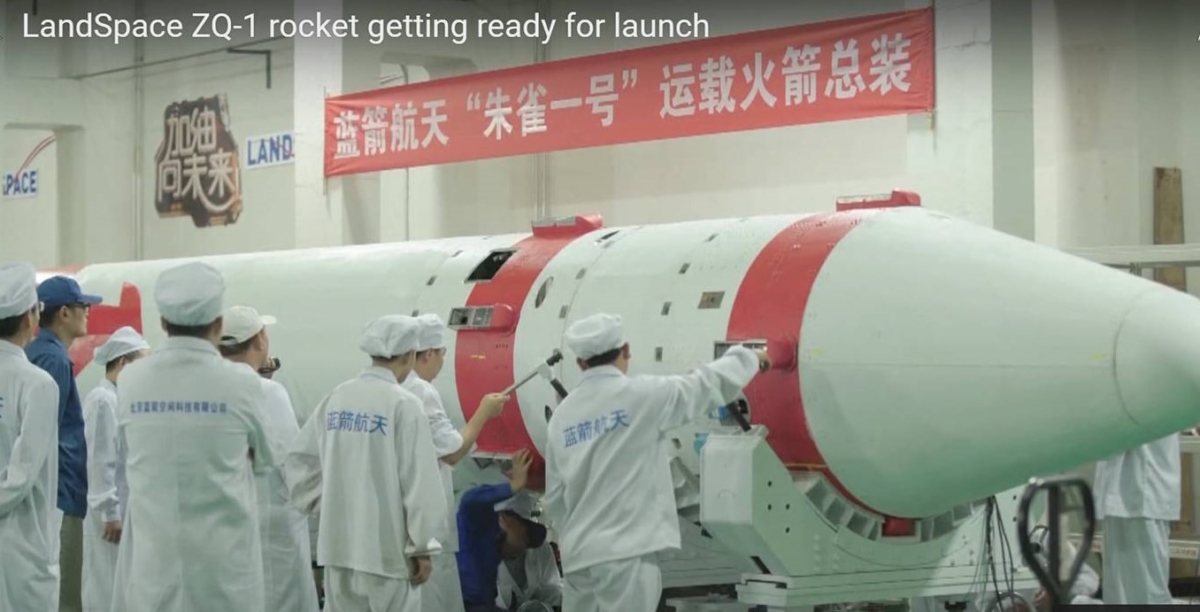
Credit: China Central Television (CCTV)/Screengrab
China’s commercial space group, LandSpace Technology Corporation (蓝箭, Blue Arrow), is getting ready to launch its first rocket ZQ-1 (朱雀一号, ZhuQue-1).
The company’s headquarter is located in Huzhou City, Zhejiang Province, east China, with the final assembly of the rocket taking place in Xi’an City, Shaanxi Province, northwest China.
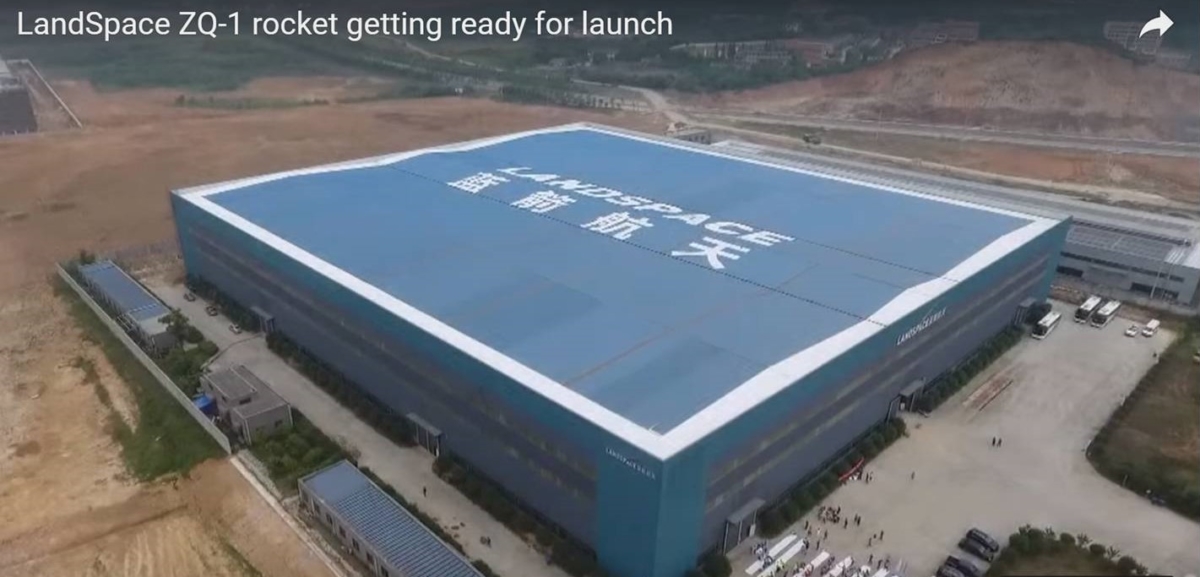
Credit: China Central Television (CCTV)/Screengrab
According to Zhang Changwu (CEO/LandSpace), the private rocket can carry a 440 pound (200 kilograms) payload at a 500-kilometer sun-synchronous orbit and 400 kilograms at low-earth orbit.
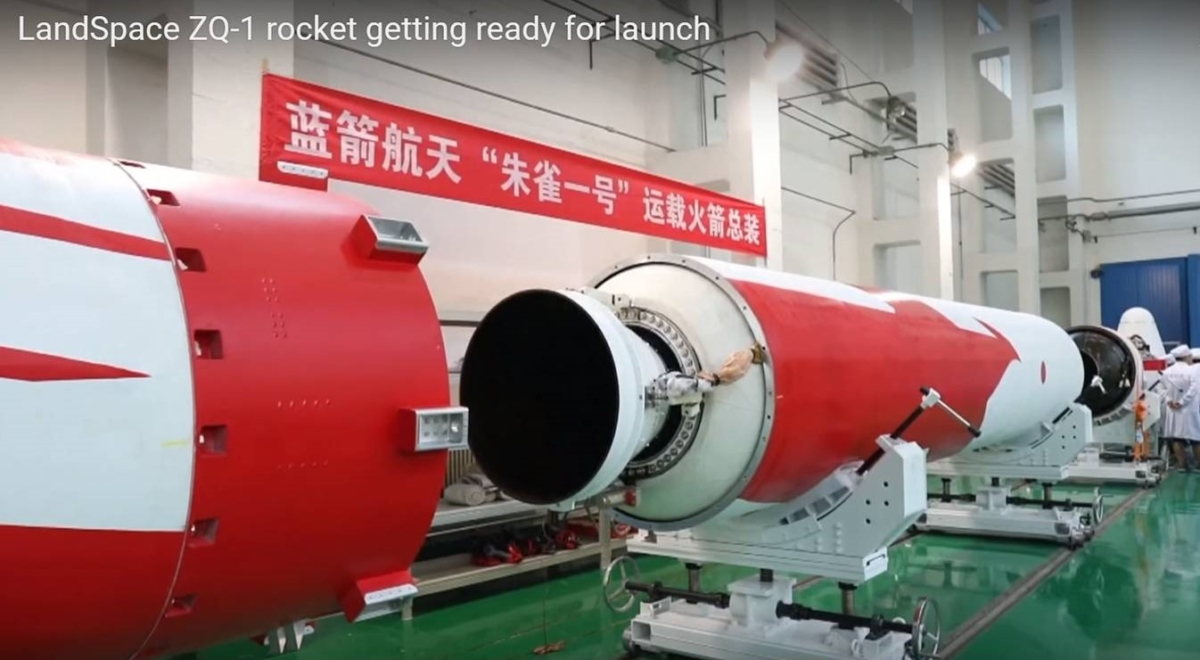
Credit: China Central Television (CCTV)/Screengrab
The first launch is scheduled at China’s Jiuquan Satellite Launch Center in the next two months and the booster’s payload is a small satellite called “Future” (Weilai-1).
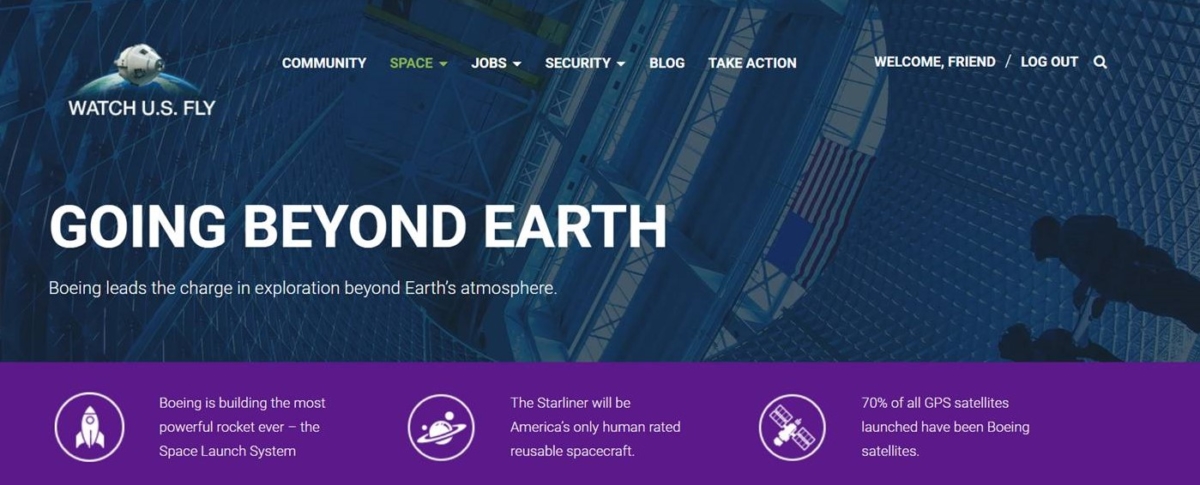
Credit: Watch US Fly
NASA hasn’t used American-made spacecraft to send our astronauts to space since 2011 – and a website has been established to decry that fact.
“Watch U.S. Fly is a community of Americans that believes that America should lead the world in technological advancements. We realize that in order to maintain our edge, American aerospace must have the support of policymakers so they can continue to chart the future.”
Make your voice heard
Watch U.S. Fly was created to bring viewers updates on space exploration and to “make it convenient to make your voice heard to ensure America remains the world leader in the modern-day space race.”
American firms like Boeing are on the cusp of changing this, the website adds. The American-made Starliner spacecraft will send astronauts into space and cement America’s lead in the modern-day space race.

NASA’s Space Launch System.
Credit: NASA
SLS boosterism
Also highlighted on the site:
Going Beyond Earth
Why the CST-100 Starliner Is Important for America
Why the SLS Is the Best Rocket to Send Americans to Mars
Check this site out at:

Credit: Orbitz
Orbitz, the travelling services group, has a new venue to view: extraterrestrial tourism…but Earth is on the receiving end
of out-of-sate, country and world travelers.
They note: “We are not alone. Reports of UFO sightings, and encounters of the first, second, and third kind date back to Ancient Egypt, and continue throughout the course of history. The truth is out there…”

Credit: Orbitz
To book your eyes on a set of sighting posters — Disks of Fire!; Galactic Globe Falls to Earth; Judgement day; They Came From The Stars; That’s No Moon; She Came From Outer Space; They’re Here; You Can Run, But You Can’t Hide; Attack of The Tentacleo Tormentor and Spiralling Lights Haunt Scandinavian Skies – go to:

Credit: Exploration Vessel (E/V) Nautilus
Exploration Vessel (E/V) Nautilus is exploring regions of the ocean seeking out new discoveries in biology, geology, and archaeology. As part of this assignment, a research team is probing an underwater area that may mimic Saturn’s moon Enceladus.
The expedition is currently collecting fluid samples from Pele’s Pit for a project studying hydrothermal vents as an analog for future space exploration.
Underwater volcano
Now underway is investigating Lō`ihi Seamount, an underwater volcano off the southeastern coast of the Big Island of Hawai`i.
It is the first time an expedition is carrying out the SUBSEA (Systematic Underwater Biogeochemical Science and Exploration Analog) research program.
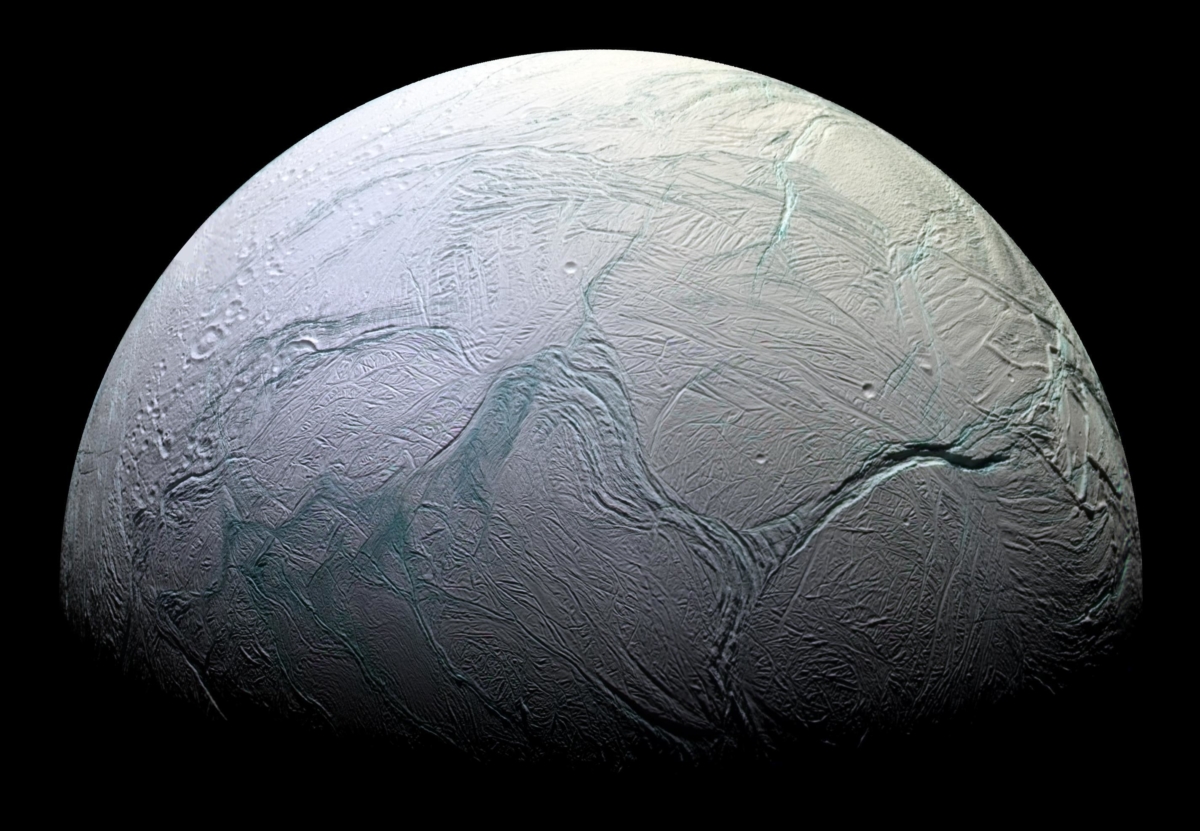
Saturn’s moon Enceladus.
Credit: NASA
Deep sea, deep space
This partnership between NASA Ames Research Center, NOAA’s Office of Ocean Exploration and Research (OER), Woods Hole Oceanographic Institution, and various academic centers brings together both ocean and space exploration teams aboard E/V Nautilus to study how deep sea and interplanetary exploration could share similar approaches.
The expedition is running from August 23 – September 12, 2018, co-led by Darlene Lim of NASA Ames and Christopher German of the Woods Hole Oceanographic Institution.
Microbial life
Scientists think that the ocean worlds of the outer solar system could potentially have the right conditions for microbial life, and Lo’ihi Seamount has similar characteristics researchers can learn from.
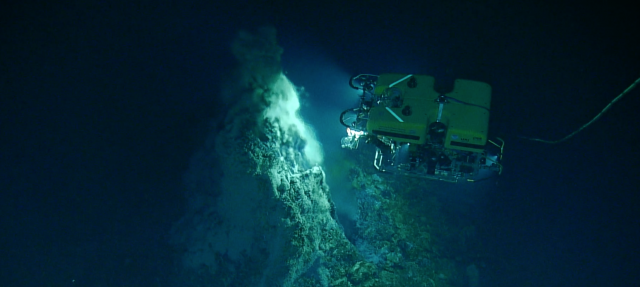
Credit: Exploration Vessel (E/V) Nautilus
This active hydrothermal venting site has the type of volcanic activity, water temperatures and chemical reactions that researchers think may exist on Saturn’s moon Enceladus.
The SUBSEA team will study the environmental conditions and life around Lo’ihi’s hydrothermal vents, and also investigate whether this site has been affected by recent Kīlauea volcanic activity.
To watch this expedition via live video, go to:
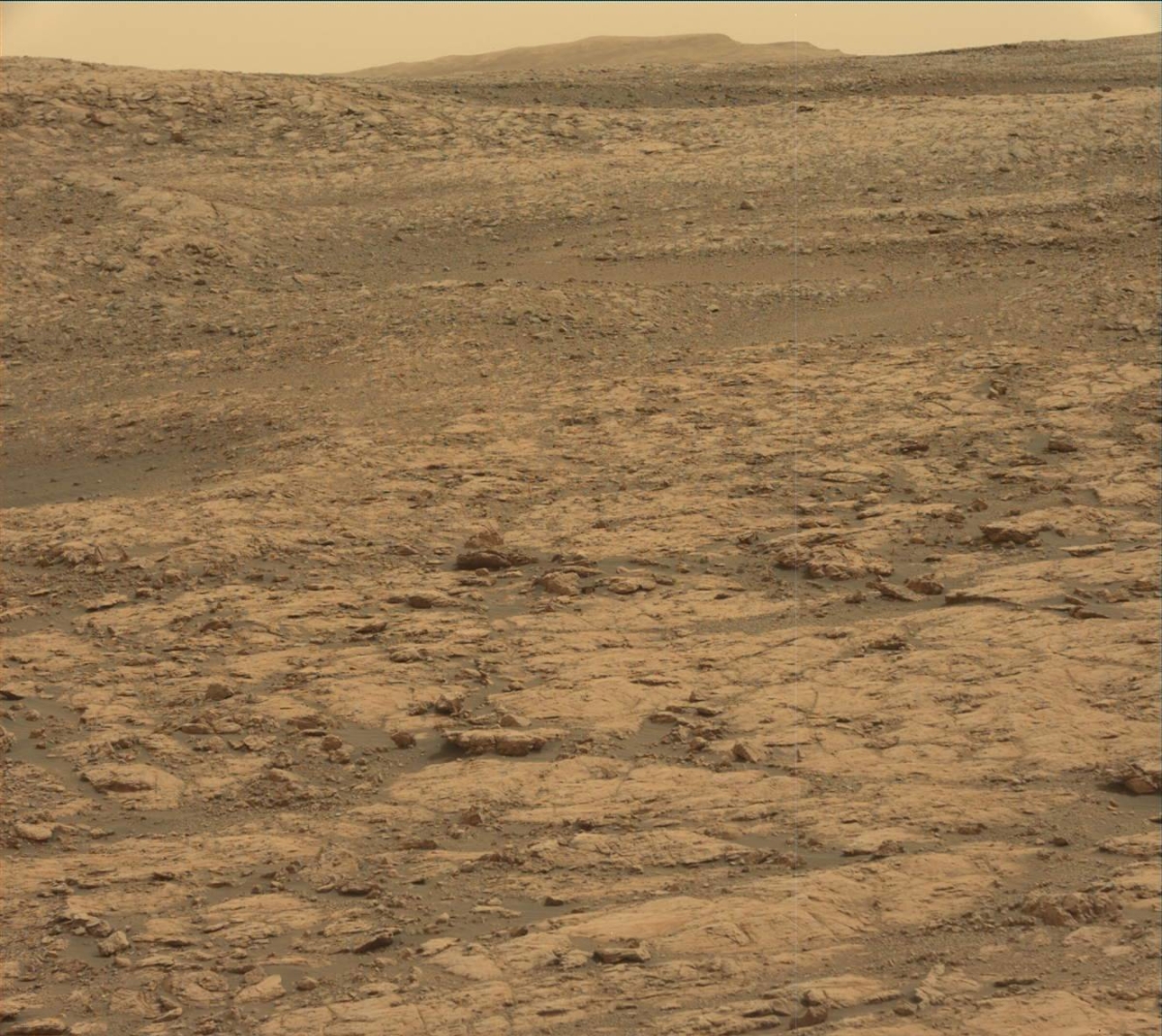
Curiosity Mastcam Left Photo taken on Sol 2156, August 30, 2018.
Credit: NASA/JPL-Caltech/MSSS
NASA’s Curiosity Mars rover is now performing Sol 2158 weekend duties.
Meanwhile, some recent imagery relayed from the robot show it busy at work:
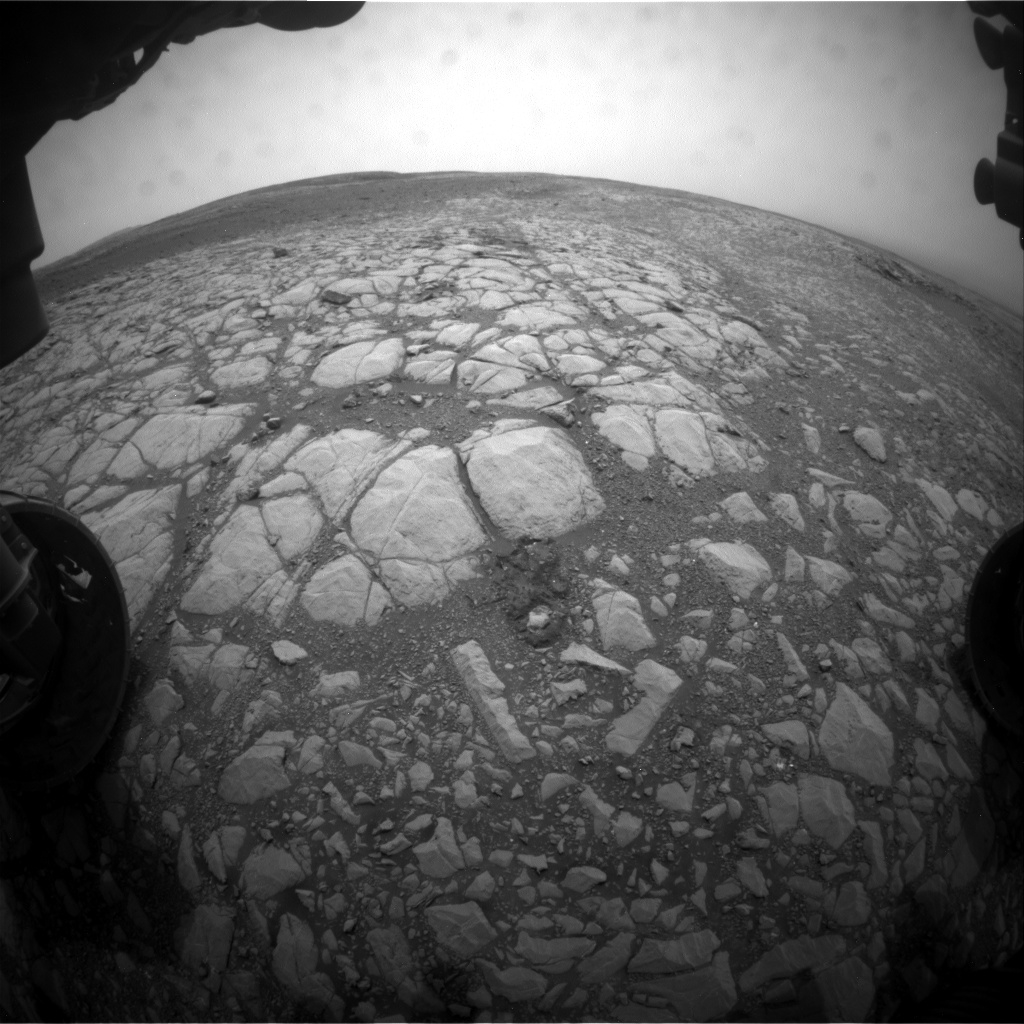
Curiosity Front Hazcam Left B image acquired on Sol 2157, August 31, 2018.
Credit: NASA/JPL-Caltech
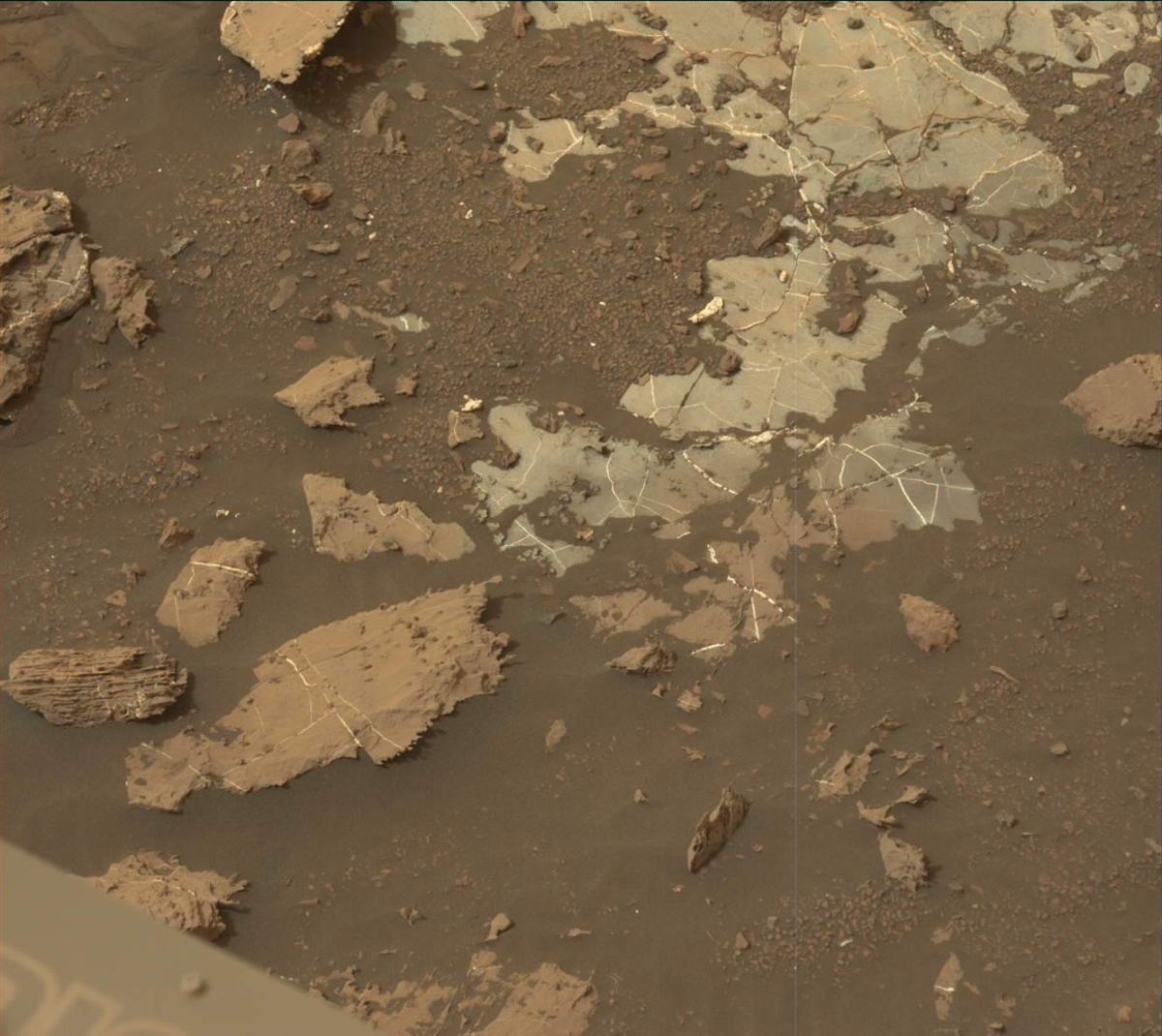
Curiosity Mastcam Left Photo taken on Sol 2156, August 30, 2018.
Credit: NASA/JPL-Caltech/MSSS
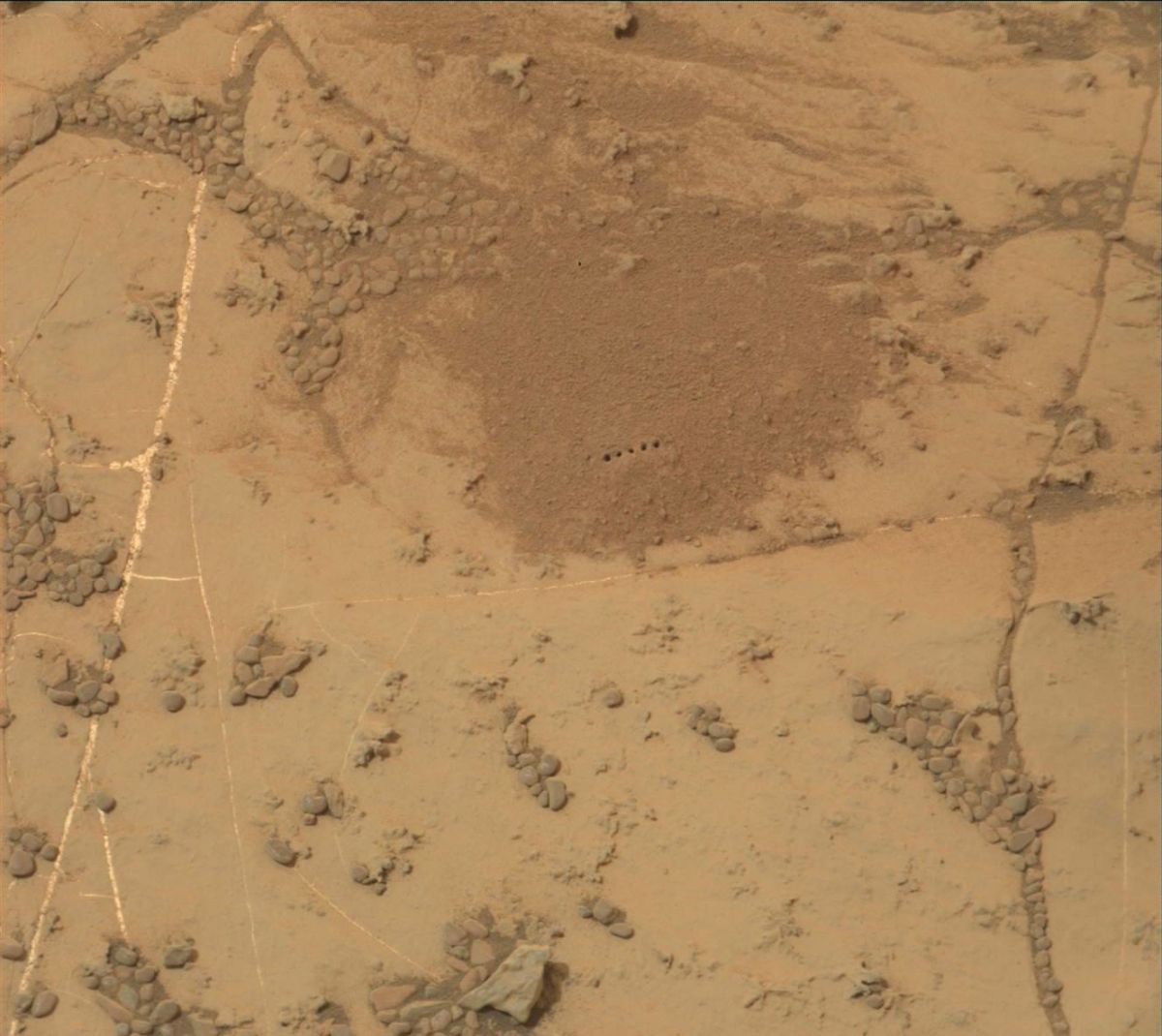
Chemistry and Camera laser shots are shown in this Curiosity Mastcam Right image taken on Sol 2156, August 30, 2018.
Credit: NASA/JPL-Caltech/MSSS
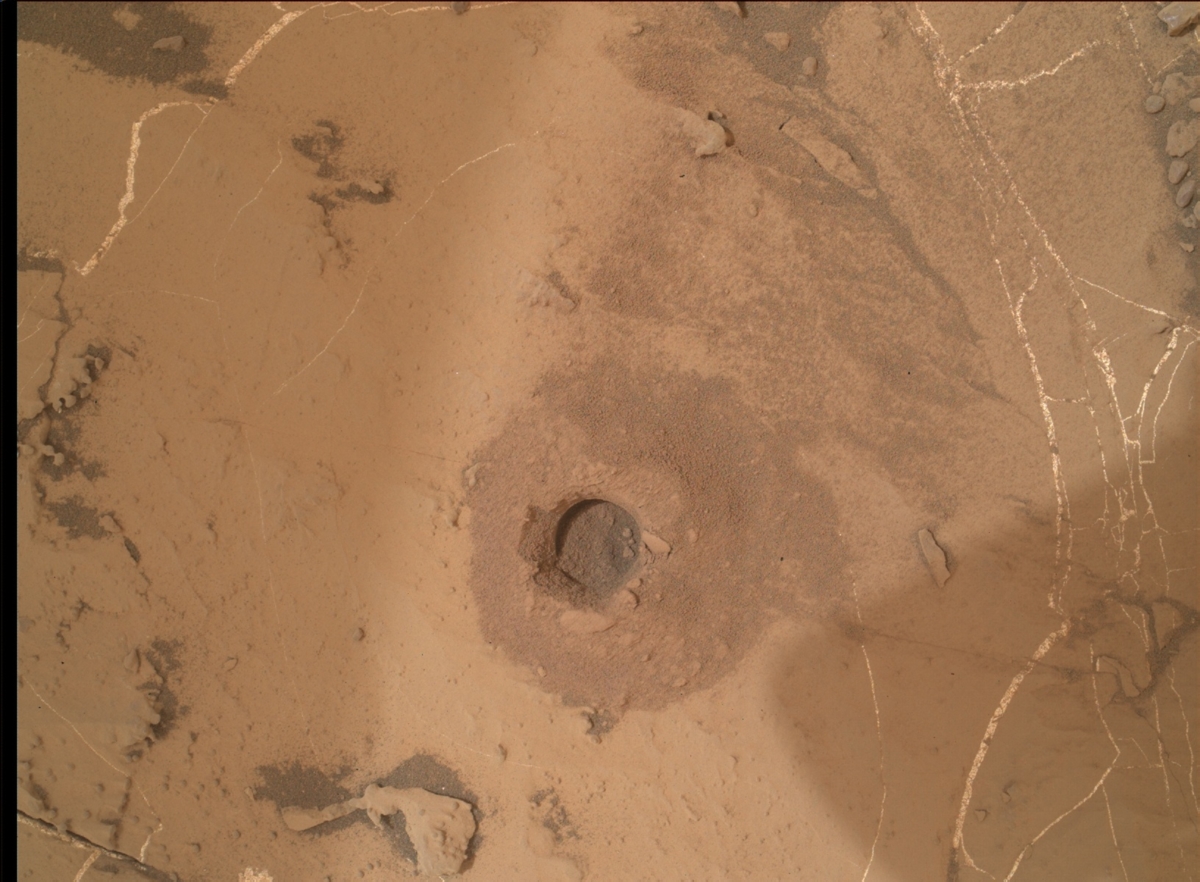
Mars Hand Lens Imager (MAHLI) Sol 2156, August 30, 2018. MAHLI is located on the turret at the end of the rover’s robotic arm
Credit: NASA/JPL-Caltech/MSSS
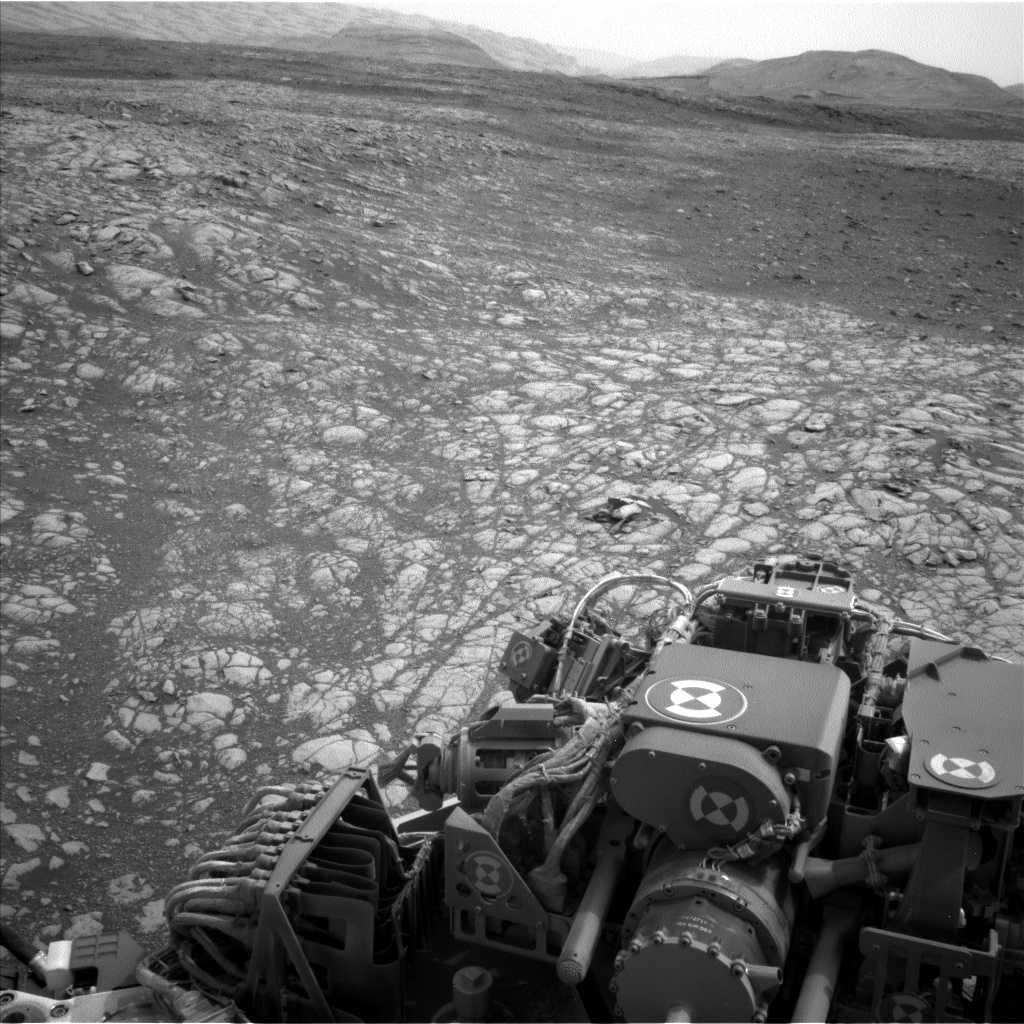
Curiosity Navcam Left B image acquired on Sol 2157, August 31, 2018.
Credit: NASA/JPL-Caltech
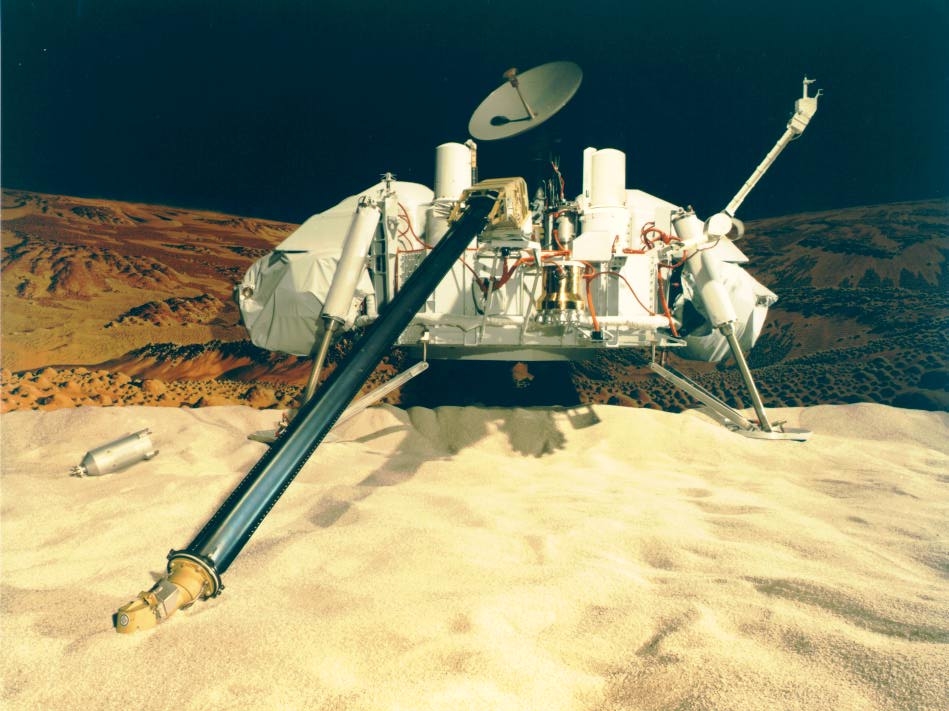
Credit: NASA
In 1976, when two NASA Viking landers came full stop on the Red Planet, the stationary spacecraft were seeking to answer a weighty question: Is there life on Mars?
Gilbert Levin was the principal investigator of the Viking Labeled Release (LR) life detection experiment. The instrument at both landing locales got positive responses.

Credit: Gilbert Levin
However, a consensus of scientists did not agree his results were proof of life. In 1997 Levin concluded that the experiment had, indeed, detected life on Mars – and he’s championed that belief ever since.
Take a look at my new story up today on Space.com regarding this ongoing discussion about life detection on Mars – decades ago!
Go to:
https://www.space.com/41689-nasa-viking-mars-life-search-gil-levin.html
NOTE: Listen to The Space Show interview with Gil Levin, broadcast July 27, 2018, Broadcast 3160, by going to:
https://thespaceshow.com/show/27-jul-2018/broadcast-3160-dr.-gil-levin#disqus_thread
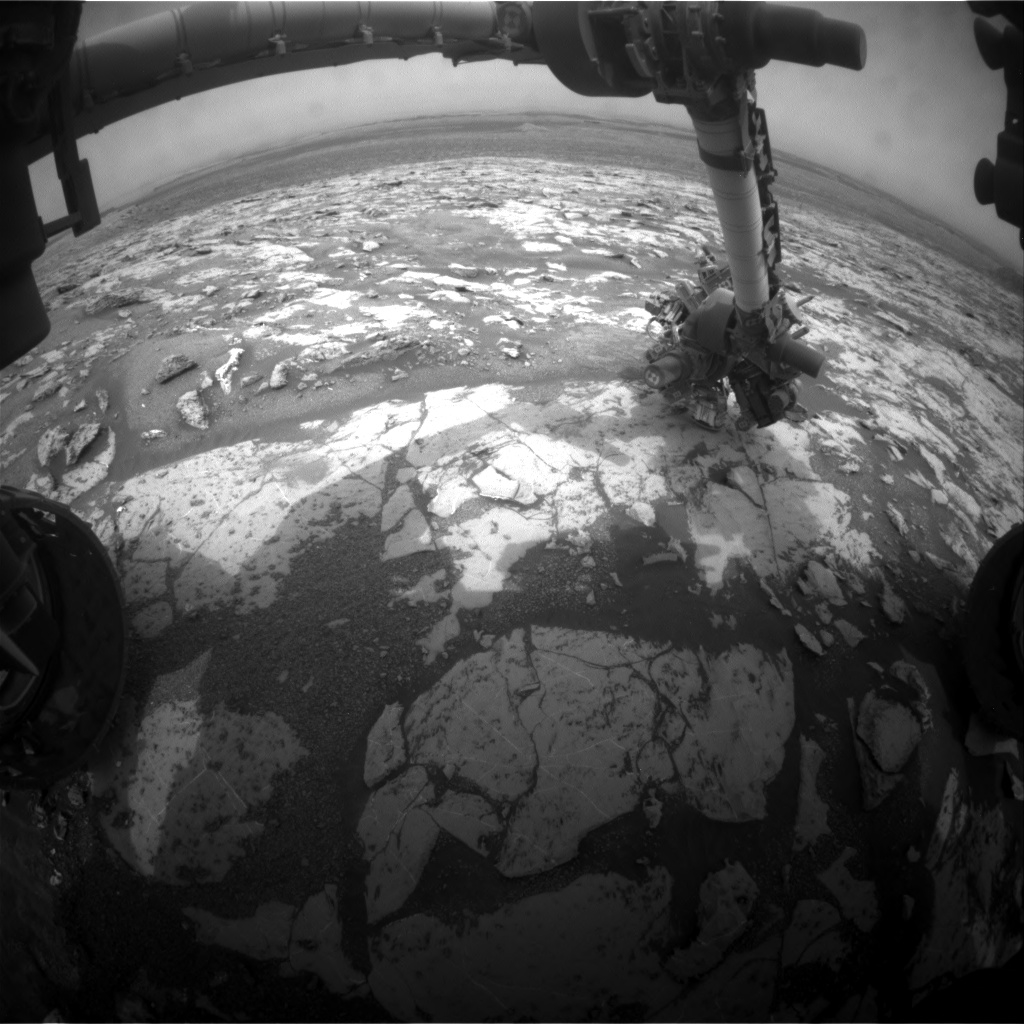
Curiosity Front Hazcam Left B image taken on Sol 2156, August 30, 2018.
Credit: NASA/JPL-Caltech
Now in Sol 2156, the NASA Curiosity Mars rover is on duty.
“After an extremely productive couple of weeks, we are finishing up our work at Stoer!” That’s the report from Abigail Fraeman, a planetary geologist at NASA/JPL in Pasadena, California.
The plan calls for taking quick Chemistry and Camera (ChemCam) and Mastcam observations of the tailings dump pile before packing up and starting the rover’s drive up the ridge towards a next drill location.
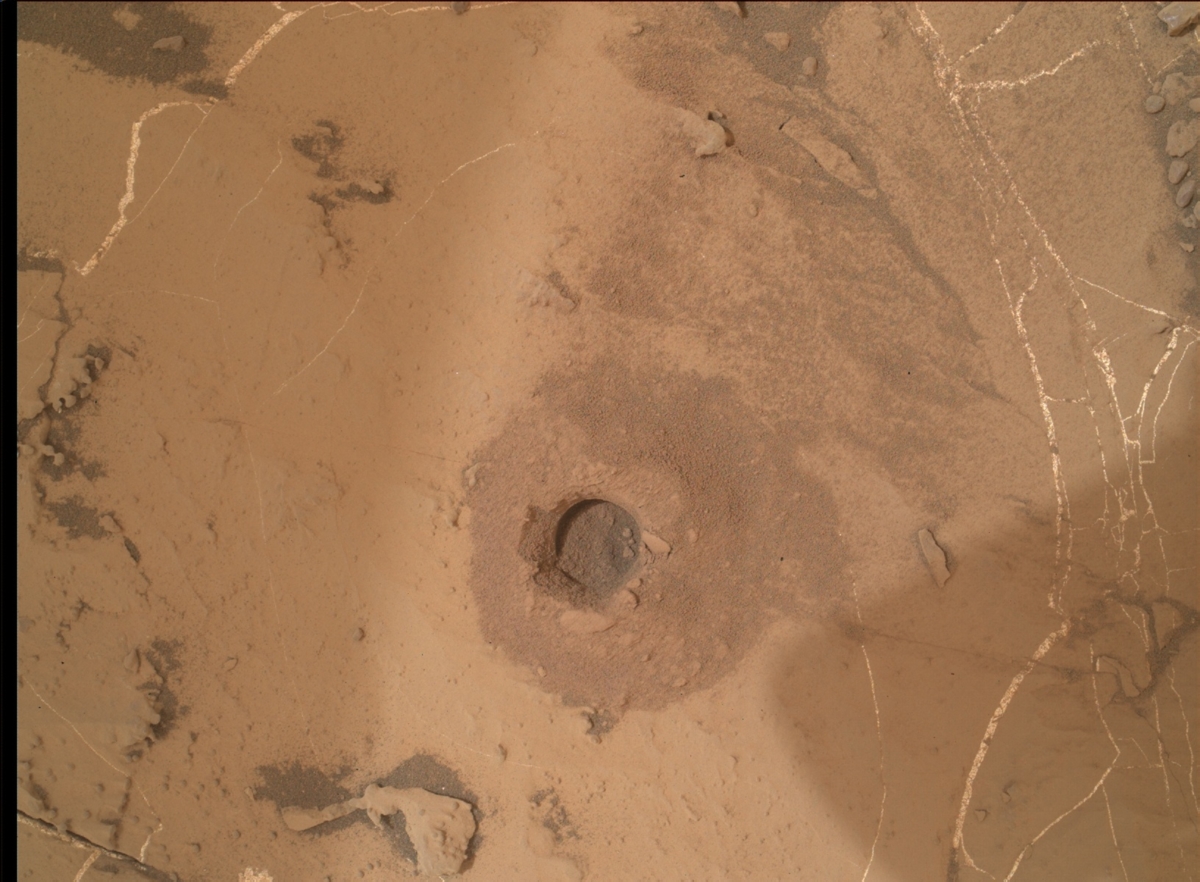
Curiosity Mars Hand Lens Imager (MAHLI) photo acquired on Sol 2156, August 30, 2018.
Credit: NASA/JPL-Caltech/MSSS
Sharing a story
“As we leave Stoer, I’d like to take some time to share the story of how and why we came to drill this particular location,” Fraeman explains.
“We first attempted to drill Vera Rubin Ridge back on sol 2112 at the ‘Voyageurs’ target. However, the drill made only a few millimeters of progress into that target before stopping because the rate of downward progress was so slow,” Fraeman adds. “The drill itself performed exactly as it was designed but the Voyageurs rock was simply too hard! It was pretty interesting from a science perspective to see this result, but it also meant we had to work quickly to figure out a plan B.”
The science team agreed, Fraeman continues, that it was scientifically important enough to get a drill sample from the lower part of Vera Rubin Ridge that researchers should try again.
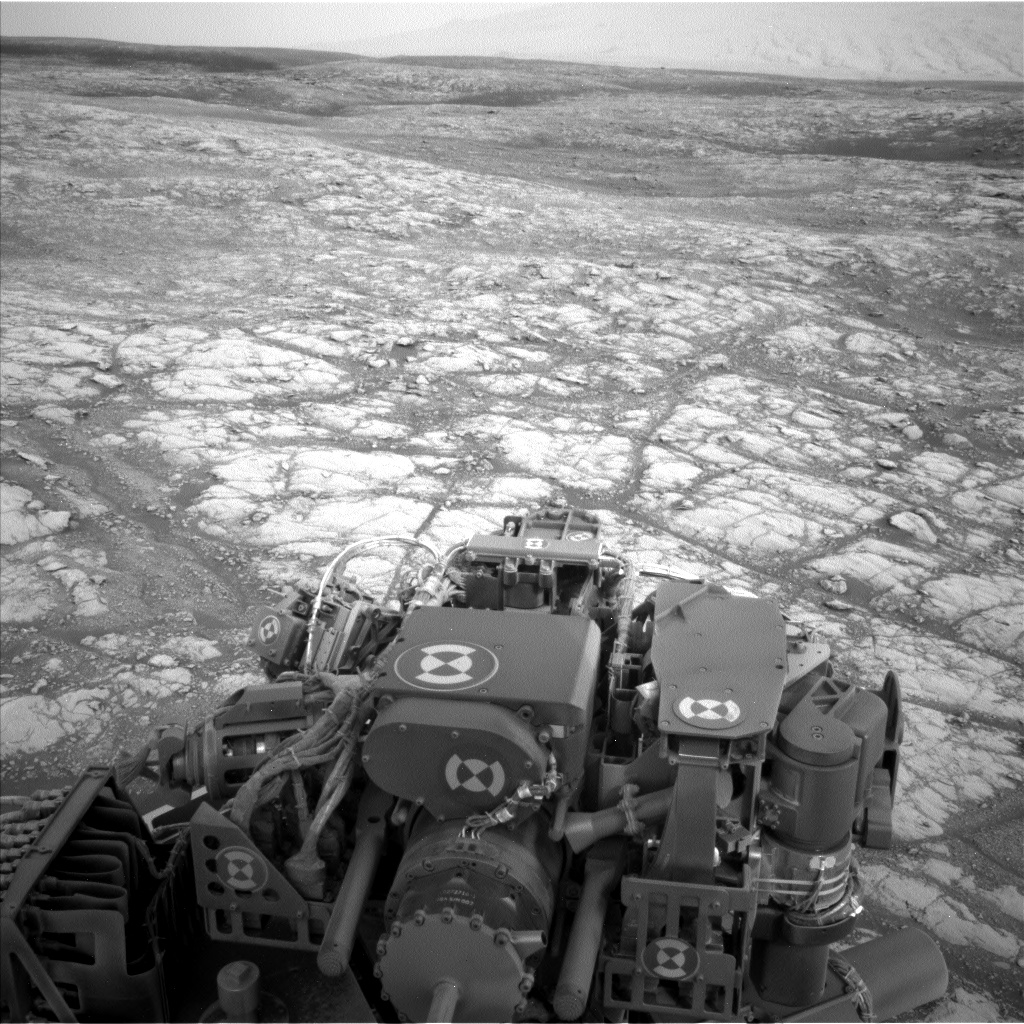
Curiosity Navcam Left B image taken on Sol 2156, August 30, 2018.
Credit: NASA/JPL-Caltech
Think like geologists
But how could they improve their chances of finding a rock that would be softer and easier to drill than Voyageurs? It was time to think like geologists, Fraeman points out.
“In the absence of direct data on rock mechanical properties, we came up with three criteria that we could use to try to find a softer rock. Fraeman reports: (1) Did the bristles of the DRT [Dust Removal Tool] brush leave scratches on the rocks’ surfaces? While not necessarily a direct indicator of what the rock strength would be when we drilled into it, we could at least say rocks that got scratched with the DRT had a softer surface than those that didn’t. (2) How well exposed are the white calcium sulfate veins?”
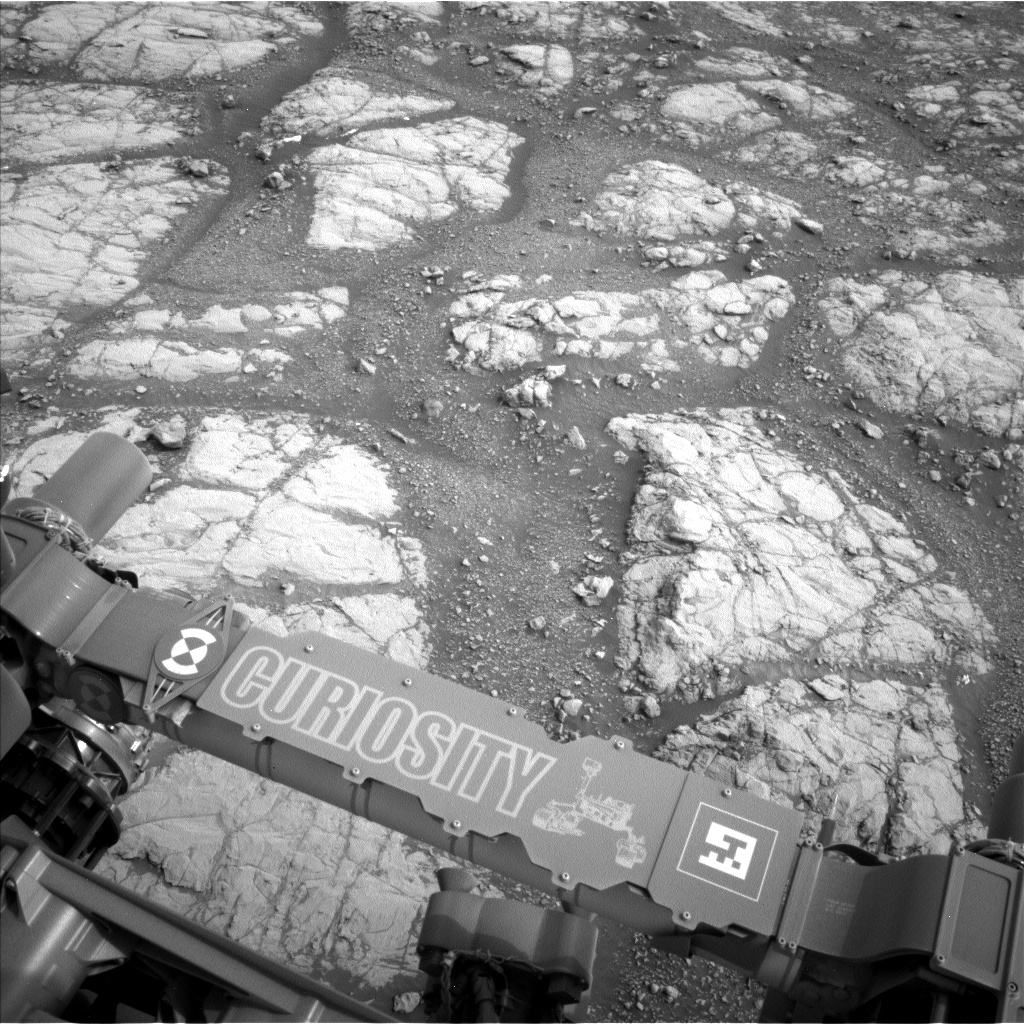
Curiosity Navcam Left B image taken on Sol 2156, August 30, 2018.
Credit: NASA/JPL-Caltech
Large-scale topography
“On some rock targets, like Stoer, we clearly see veins. On other targets, like Voyageurs, the veins are recessed into the rock,” Fraeman observes. “Recessed veins erode much faster than the surrounding bedrock because the surrounding bedrock is harder. Non-recessed veins tell us the bedrock may be similar in strength to the veins, or, if the veins stick out, the bedrock may be lower in strength.”
Fraeman’s point 3: What does the large-scale topography tell us?
“Broadly, Vera Rubin Ridge is a ridge because it is composed of hard rocks that are more resistant to erosion than their surroundings,” Fraeman notes. “We realized we might use this same logic to find softer rocks within the ridge by trying to drill in local topographic lows or at bases of scarps where the bottom of the scarp is eroding more quickly than the hard rocks on top.”
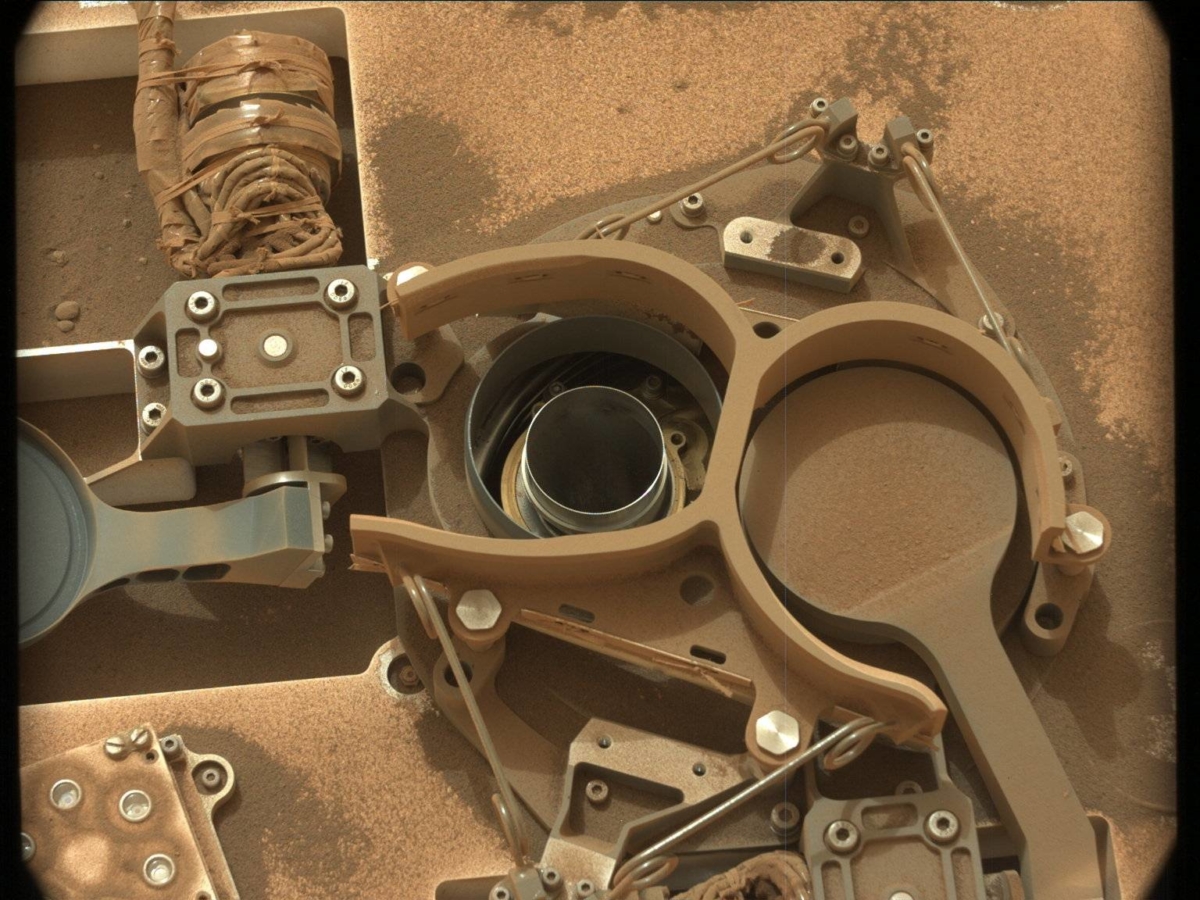
Curiosity Mastcam Left photo taken on Sol 2155, August 29, 2018.
Credit: NASA/JPL-Caltech/MSSS
Next drill targets
Fraeman says that, fortunately, because Mars researchers had already explored a lot of Vera Rubin Ridge, they already had lots of data in hand to search for next drill targets.
“Several members of the science team put in impressive efforts to quickly go through all of the images we’d taken in the last 200 sols, and we found just a handful of candidates that fit our criteria,” Fraeman reports. “The area near ‘Ailsa Craig’ was close to Voyageurs and looked different enough that we thought it was worth a go. We made more progress drilling into this target than Voyageurs, but still not enough.”
Looking back
“Stoer” was a final choice, and it was initially chosen because it was near the base of a scarp and had more prominently expressed veins.
“We all had a really good feeling about this target.” Fraeman notes, “when we saw the DRT had scratched it, and were thrilled when we saw a successful drill hole. Apparently third time really was the charm for us!”
Looking back on all the drills over the course of the mission, Fraeman says Stoer has got to a favorite spot. “Not only have I been personally wondering about the rocks on Vera Rubin Ridge for six years, but the fact that the science team worked so hard to find this not-so-hard rock makes this particular drill extra sweet.”
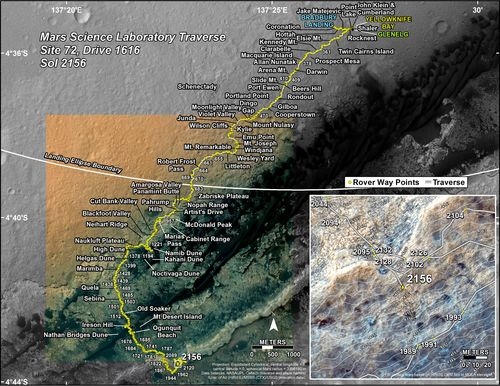
Credit: NASA/JPL-Caltech/Univ. of Arizona
Road map
A new Curiosity traverse map through Sol 2156 has been issued by JPL.
The map shows the route driven by NASA’s Mars rover Curiosity through the 2156 Martian day, or sol, of the rover’s mission on Mars (August 30, 2018).
Numbering of the dots along the line indicate the sol number of each drive. North is up. The scale bar is 1 kilometer (~0.62 mile). From Sol 2132 to Sol 2156,
Curiosity had driven a straight line distance of about 127.30 feet (38.80 meters), bringing the rover’s total odometry for the mission to 12.20 miles (19.64 kilometers).
The base image from the map is from the High Resolution Imaging Science Experiment Camera (HiRISE) in NASA’s Mars Reconnaissance Orbiter.

Credit: LPI
It was a personal shock to me yesterday to learn of the passing of Paul Spudis, a leading Moon expert, a great friend over the decades, and an in-your-face space policy debater when it came to Moon-first over humans on Mars.
Word first came to me via a posting by Samuel Lawrence, Chair, Lunar Exploration Analysis Group:
“Today, we lost a giant of our field. It is my sad duty to report that Dr. Paul Spudis passed away this morning due to complications from lung cancer,” Lawrence said.

Credit: LPI
“Few individuals have been as articulate, passionate, or resolute in their advocacy of lunar exploration and human spaceflight as Paul Spudis. Paul articulated a clear, attainable vision regarding the immense value of going to the Moon, establishing a permanent human presence on the surface, and using the resources now known to be abundant on the surface to provide the capabilities required to let us go anywhere, and do anything, we want to do in the Solar System,” Lawrence wrote.

Credit: LPI
“For four generations, Paul was a truly fearless leader, unafraid to speak truth to power, vigorously pointing out immense value of a strong presence on the Moon’s surface for any future United States efforts beyond low earth orbit. When the history of the 21st century is written, it is likely that those who ultimately succeed in moving humanity beyond low earth orbit will have done so by following the clear path he laid out,” Lawrence noted.
“We have lost an accomplished scientist, a visionary leader, and a friend. While many tributes are being planned, I think that everyone would agree that the best possible tribute to his memory will be a continuing, vibrant United States presence on the lunar surface. It is now, sadly, up to the rest of us to finish the job he started,” Lawrence wrote.

Credit: NASA/ESA

He had the whole orb in his hands.
Credit: Paul Spudis
Outpouring of sadness
The outpouring of sadness filled my email box. Here are a few comments:
“As I watch the Moon rising right now over the Colorado mountains, I can’t help but recall the words from J.R.R. Tolkien: “Moonlight drowns out all but the brightest stars.”
“Paul: We clearly see you shining bright next to your old friend, the Moon,” wrote Angel Abbud-Madrid, Director, Center for Space Resources, Colorado School of Mines.
Devastating news
“This is indeed the most devastating and unexpected news,” responded Ian Crawford of the Department of Earth and Planetary Sciences, Birkbeck College London.
“It goes without saying that Paul was among the strongest advocates for a human return to the Moon, and lunar science will miss him terribly,” Crawford said. “He had a significant influence on me personally, especially through his book The Once and Future Moon. I would like to offer my heartfelt condolences to Paul’s friends, family, and colleagues. As others have noted, the best way to honor his memory will be to get humanity back to the Moon.”

Spudis was a strong advocate of commercial outreach to the Moon.
Credit: Paul Spudis/Moon Express
Commitment to exploration
“Oh No! The lunar community has lost a champion, but of course that is an understatement beyond words,” responded planetary scientist, Carle Pieters at Brown University in Providence, Rhode Island.
“Paul’s continued and unswerving commitment to exploration of the Moon, coupled with his fathomless store of history and knowledge about the Moon, is simply irreplaceable,” Pieters said. “His sharp mind and dry wit will be greatly and constantly missed as we move forward!”

Credit: NASA
History-making background
Spudis was Deputy Leader of the Science Team for the Department of Defense Clementine mission to the Moon in 1994, the Principal Investigator of the Mini-SAR imaging radar experiment on India’s Chandrayaan-1 mission (2008-2009), and a team member of the Mini-RF imaging radar on NASA’s Lunar Reconnaissance Orbiter mission (2009-2018).

Last time we saw Paul at NASA Ames in January lunar exploration meeting.
Credit: Barbara David
Spudis authored or co-authored over 115 scientific papers and 7 books, including The Once and Future Moon, a book for the general public in the Smithsonian Library of the Solar System series, The Clementine Atlas of the Moon, by Cambridge University Press, and The Value of the Moon: How to Explore, Live and Prosper in Space Using the Moon’s Resources, by Smithsonian Books.
Spudis was a major lunar scientist based at the Lunar and Planetary Institute in Houston, Texas at the time of his passing.
For a glimpse of the renowned work of Paul Spudis, go to:

Curiosity Front Hazcam Left B photo taken on Sol 2154, August 28, 2018.
Credit: NASA/JPL-Caltech
NASA’s Curiosity Mars rover has just entered Sol 2155.
Reports Michelle Minitti, a planetary geologist at Framework in Silver Spring, Maryland, if all had gone according to plan over the weekend, scientists would be seeing a nice pile of drill fines in a rover image.

Curiosity Navcam Left B image acquired on Sol 2154, August 28, 2018.
Credit: NASA/JPL-Caltech
“Alas, a slight hiccup in the sample dump process meant that the ‘Stoer’ sample was still in the drill and turret. Fortunately, the vast majority of the weekend activities executed unhindered by the sample dumping fault,” allowing the team to focus on recovering the dump-related activities.
Sample dump

Reattempted sample dump appears successful in this Curiosity Mars Hand Lens Imager (MAHLI) photo taken on Sol 2154, August 28, 2018.
Credit: NASA/JPL-Caltech/MSSS
“We had enough power to reattempt the sample dump,” Minitti adds, with the robot’s Mars Hand Lens Imager (MAHLI) imaging on the dump pile, and two Alpha Particle X-Ray Spectrometer (APXS) integrations on the dump pile.
Planned Mastcam and Navcam images of the workspace after the sample is dumped will enable scientists to target the dump pile with Chemistry and Camera (ChemCam) in the next couple of sols.
A MAHLI image of the drill hole and tailings will help researchers plan APXS placement on the tailings shortly.
Waning dust storm
“In addition to making forward progress on drill activities, Curiosity continued to learn more about the dust kicked up by the now-waning dust storm conditions,” Minitti says.
A weekend dress rehearsal of a ChemCam passive observation of the Sun was successful, a new plan included the complete observation.
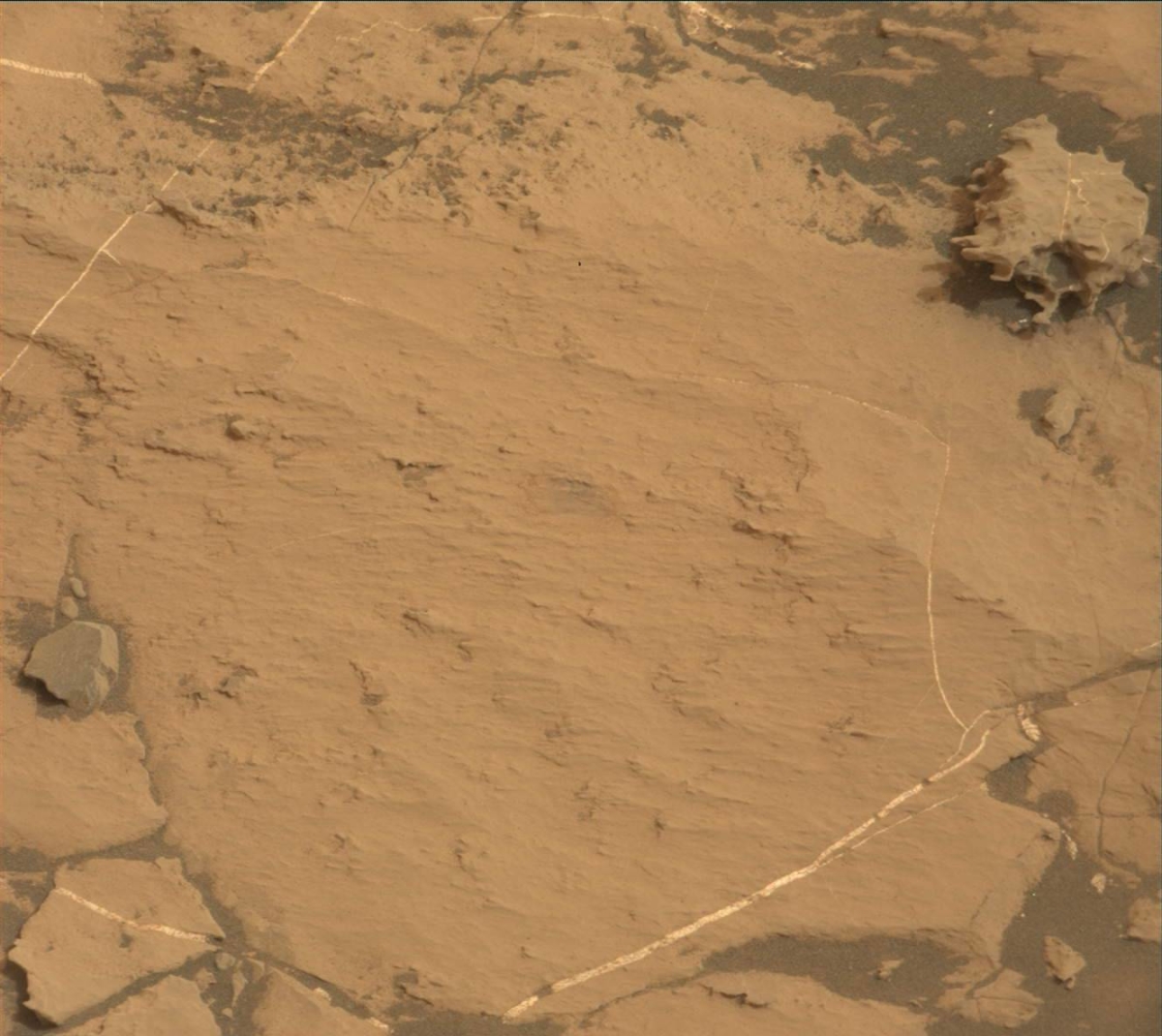
Curiosity Mastcam Right image taken on Sol 2153, August 27, 2018.
Credit: NASA/JPL-Caltech/MSSS
“Typically, we avoid pointing ChemCam at the Sun (really, all cameras!), but this carefully designed observation will acquire ChemCam passive data that will characterize the spectral properties of the atmospheric dust kicked up by the dust storm,” Minitti concludes.

