Archive for the ‘Space News’ Category
 Author:
  November 7th, 2020
NASA’s Origins, Spectral Interpretation, Resource Identification, Security-Regolith Explorer (OSIRIS-REx) spacecraft.
Credit: NASA/Goddard/University of Arizona
NASA’s Origins, Spectral Interpretation, Resource Identification, and Security–Regolith Explorer (OSIRIS-REx) mission is slated to head back to Earth, delivering its precious cargo of newly acquired Bennu asteroid samples – but the probe may have a new target in 2029.

Credit: USRA/LPI
“We have developed a mission design that allows us to put the OSIRIS-REx spacecraft into orbit around asteroid Apophis in 2029,” reports Dante Lauretta, OSIRIS-REx principal investigator at the University of Arizona, Tucson.
Why Apophis?
The 350-meter asteroid Apophis is an object 5-times larger and 100-times more massive than the Tunguska impactor. Currently, this big bruiser of a space rock is set to miss the Earth on Friday, April 13, 2029.
Apophis is named for the demon serpent who personified evil and chaos in ancient Egyptian mythology.
The object’s close flyby distance at an altitude of 31,000 kilometers (closer than geosynchronous satellites; about one-tenth the lunar distance) provides a once-per-thousand-year natural experiment as a learning opportunity for not only science, but planetary defense.
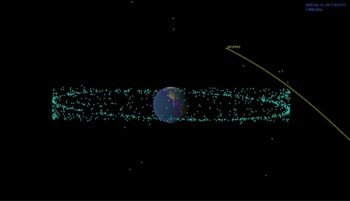
Distance between the Apophis asteroid and Earth at the time of the asteroid’s closest approach. The blue dots are the many human-made satellites that orbit our planet, and the pink represents the crewed International Space Station.
Credit: NASA/JPL-Caltech
Poster child for planetary defense
“Our current challenge is to perform detailed studies of what physical effects, if any, may be induced on Apophis by Earth’s tidal forces,” explains Richard Binzell of the Department of Earth, Atmospheric and Planetary Science at the Massachusetts Institute of Technology in Cambridge, Massachusetts.
The 2029 encounter opportunity makes Apophis the “poster child for planetary defense,” Binzell adds, “transitioning the field to a new era from space situational awareness to space situational understanding.”
Binzell was the scientific lead at last week’s Apophis T–9 Years: Knowledge Opportunities for the Science of Planetary Defense, virtually held November 4–6, organized by the Universities Space Research Association’s Lunar and Planetary Institute, the Nice Observatory in France, and MIT.

Eye of the illustrator captures asteroid Apophis near Earth.
Credit: Dan Durda – FIAAA
Gravity assist
Late last month, OSIRIS-REx successfully stowed the spacecraft’s Sample Return Capsule (SRC) and its stash of asteroid Bennu samples. The spacecraft is targeting delivery of the SRC to Earth on September 24, 2023.
Apophis’ size and gravitational field are comparable in magnitude to those of Bennu, and much of OSIRIS-REx’s concept of operations will be relevant, noted Lauretta of the OSIRIS-REx project.
At Earth return, the spacecraft will have a substantial amount of oomph to allow for the optical acquisition of Apophis on April 8, 2029. An Earth gravity assist maneuver can place the spacecraft on a rendezvous trajectory that arrives at Apophis on April 21, 2029.
Low-cost opportunity
Once in the vicinity of Apophis, the science payload of OSIRIS-REx is capable of characterizing the object’s surface.
“This low-cost opportunity allows for the OSIRIS-REx payload to perform a detailed characterization of this potentially hazardous asteroid, comparable to that achieved at Bennu,” Lauretta reports. Apophis’ size and gravitational field are comparable in magnitude to those of Bennu, and much of OSIRIS-REx’s operational skills would be pertinent, he notes.
The idea is now on the table, but much more work is needed to plot out this potential add-on to the overall mission of OSIRIS-REx, explains Lauretta.
 Posted in

Credit: Danielle Futselaar, artsource.nl.jpg
Those Fast Radio Bursts, or FRBs, are among the most unexplained astronomical phenomena ever observed.
The powerful, millisecond-duration radio waves come from deep space and are among the brightest sources ever seen in the sky – and then disappear.
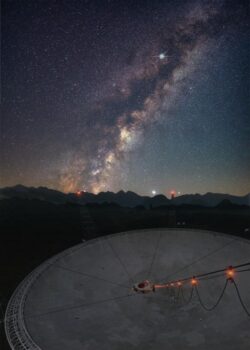
China’s Five-hundred-meter Aperture Spherical Telescope (FAST).
Credit: Bojun Wang, Jinchen Jiang & Qisheng Cui
FAST-paced research
Recent work done at the Five-hundred-meter Aperture Spherical Telescope (FAST) in Guizhou, China appears to have aced out one theory on their origin – that FRBs are similar to gamma-ray bursts (GRBs), the most powerful explosions in the universe.
There’s growing support for a pulsar-like model and the mechanisms of producing FRBs are being greatly narrowed down.
Now in vogue to power FRBs are magnetars – incredibly dense, city-sized neutron stars that possess the most powerful magnetic fields in the universe. Magnetars occasionally make short X-ray or soft gamma-ray bursts through dissipation of magnetic fields.
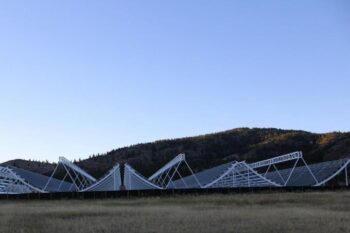
The new Outrigger telescope will work in conjunction with the existing Canadian Canadian Hydrogen Intensity Mapping Experiment (CHIME).
Credit: CHIME
Outrigger
Whatever the case for FRBs, it’s clear more research is needed.
So enter a new telescope at Green Bank Observatory in West Virginia, designed to improve localization of Fast Radio Bursts. At present, most FRB positions are so imprecise it’s unclear which galaxy they come from.
That’s the objective of the new telescope, called Outrigger, backed by the National Science Foundation. It can determine the particular galaxy that has an FRB, as well as localize the source to a specific region within the galaxy.
CHIMEing in
According to a West Virginia University news release, when Outrigger is built, the facility will work in conjunction with the existing Canadian Hydrogen Intensity Mapping Experiment (CHIME) telescope, which is located half a continent away in British Columbia, to triangulate the locations of FRBs.
To search for FRBs, CHIME continuously scans 1024 separate points on the sky. The new Outrigger telescope will have only one cylinder but will monitor the same area of the sky as the original CHIME telescope.
By using very long baseline interferometry techniques, the intent is to localize where FRBs come from. Also, additional outriggers are expected to be built later, allowing even sharper localization of radio bursts.
For more information, go to:
https://www.unlv.edu/news/release/astronomers-discover-clues-unveil-mystery-fast-radio-bursts

Up and outward bound.
Credit: SpaceX
There is need for an appropriate scientific program to measure launch and reentry plumes and conduct laboratory measurements of the microphysics of all the different particle types generated from launch to reentry.
The effort would be a government and commercial partnership.

Spacecraft reentry: Atmospherics Credit: CORDS
Indeed, very little is known about reentry dust production, the microphysics of the particles and how reentry dust could affect climate and ozone.
Go to my co-authored Space Opinion piece with Martin N. Ross of The Aerospace Corporation, published in Scientific American on November 6, 2020:
An Underappreciated Danger of the New Space Age – Global Air Pollution by Martin Ross and Leonard David at:

A new document by the International Space Exploration Coordination Group (ISECG) spotlights the future of Moon exploration as one scenario with three phases:
- Phase 1: Boots on the Moon
- Phase 2: Expanding and Building
- Phase 3: Sustained Lunar Opportunities
A Global Exploration Roadmap (GER) supplement updates a 2018 report, reflecting the activities of several new ISECG space organizations that have set new national priorities and intensified and accelerated lunar exploration plans. All this activity extends and refines the ISECG Lunar Surface Exploration Scenario, the document explains.

Credit: ISECG
Coordination forum
The ISECG is a voluntary, non-binding coordination forum of space agencies. Since the 2018 GER release, the number of ISECG agencies has increased from 15 to 24.
The supplement is divided into five chapters that highlight the growing global momentum in exploring the Moon. Chapters update lunar exploration plans, objectives, and scenarios, as well as noting the increasing industrial capabilities to augment Moon exploration within the private sector.
To access this informative document that details the number of countries involved in spearheading Moon exploration, go to:
https://www.globalspaceexploration.org/wp-content/uploads/2020/08/GER_2020_supplement.pdf
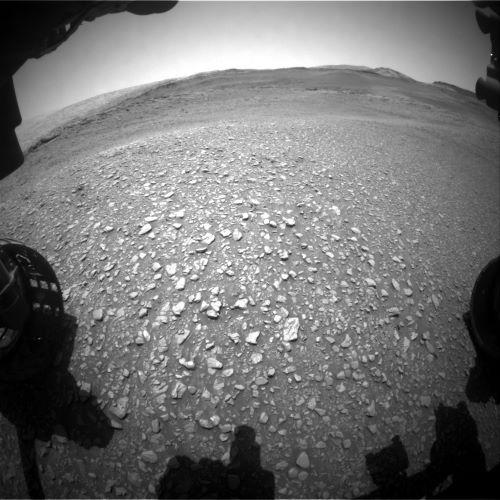
Curiosity Front Hazard Avoidance Camera Left B image taken on Sol 2932, November 4, 2020.
Credit: NASA/JPL-Caltech
NASA’s Curiosity Mars rover is now performing Sol 2933 tasks.

Curiosity Right B Navigation Camera image acquired on Sol 2932, November 4, 2020.
Credit: NASA/JPL-Caltech
“The rubbly terrain that Curiosity is currently driving over is reminiscent of other rubbly terrain encountered within the ‘Glen Torridon’ area and continues to be relatively easy to drive on,” reports Lucy Thompson, a planetary geologist at the University of New Brunswick; Fredericton, New Brunswick, Canada.
Curiosity drove a further 105 feet (32 meters) away from the “Mary Anning” and “Groken” drill site location.

Curiosity Right B Navigation Camera image acquired on Sol 2932, November 4, 2020.
Credit: NASA/JPL-Caltech
“As we drive back towards the planned route to the sulfate unit, the main focus is to document the textures, relationships and chemistry of the rocks we encounter,” Thompson adds.
Previous terrains
The rover’s Alpha Particle X-Ray Spectrometer (APXS) has analyzed the pebble “Rachan” from the Sol 2931 rubbly workspace, with an APXS measurement on the rock target “Mail Beach”slated in the robot’s current workspace.
The Mars Hand Lens Imager (MAHLI) is also set to take close-up images of Mail Beach and scientists will be able to compare the composition and texture to Rachan and other rocks from previous rubbly terrains within Glen Torridon.

Curiosity Right B Navigation Camera image acquired on Sol 2932, November 4, 2020.
Credit: NASA/JPL-Caltech
Also planned is a Chemistry and Camera (ChemCam) We also planned a ChemCam Laser Induced Breakdown Spectroscopy (LIBS) measurement and accompanying Mastcam documentation imaging of the “Windy Standard” rock target, which will complement the APXS and MAHLI observations.
Textures and relationships
Thompson says that the science team also planned three large Mastcam mosaics (including “Corbett”) to document the textures and relationships between the more resistant bedrock ledges and the lower ground in this area.
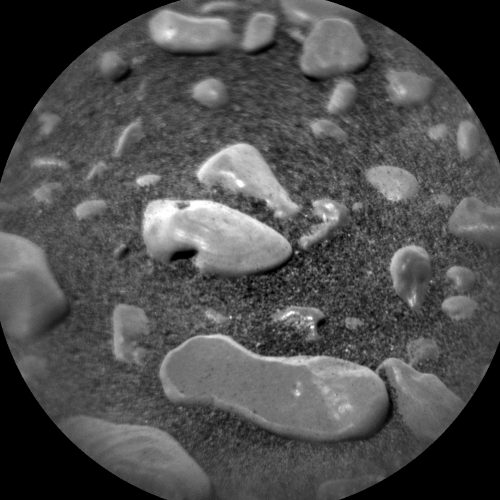
Curiosity Chemistry & Camera Remote Micro-Imager (RMI) photo acquired on Sol 2932, November 4, 2020.
Credit: NASA/JPL-Caltech/LANL
There are questions to pursue, Thompson adds: “Do these ledges represent a slightly different rock type that was perhaps deposited in a slightly different environment to the more typical low relief terrain? Are they more cemented and harder than surrounding rocks as a result of post-depositional processes? Might they provide clues as to what is happening as we get closer to the sulfate unit, that we are on route to?”
Resistant ledges
A planned drive should take Curiosity to another of the resistant ledges for interrogation by many of the robot’s instruments in the upcoming weekend plan.
To give Mars researchers a hint at the chemistry of the rocks at the end of the drive, Thompson explains, a post-drive ChemCam Autonomous Exploration for Gathering Increased Science (AEGIS) observation will be acquired. A planned post-drive Mars Descent Imager (MARDI) image will also give scientists a sense of what the ground beneath the rover’s wheels looks like.

Curiosity Mast Camera Left image taken on Sol 2931, November 3, 2020.
Credit: NASA/JPL-Caltech/MSSS
Dust devil survey
The environmental group was also busy planning observations of the atmosphere. These include a Mastcam basic tau mosaic pointed towards the sun and a Navcam line of sight observation, dust devil survey and suprahorizon movie.
Standard Rover Environmental Monitoring Station (REMS), Radiation Assessment Detector (RAD), and Dynamic Albedo of Neutrons (DAN) passive and active measurements are also scripted.
Lastly, Curiosity’s Chemistry & Mineralogy X-Ray Diffraction/X-Ray Fluorescence Instrument (CheMin) will dump the Groken drill fines, as they are done with their analysis of the sample, Thompson concludes.
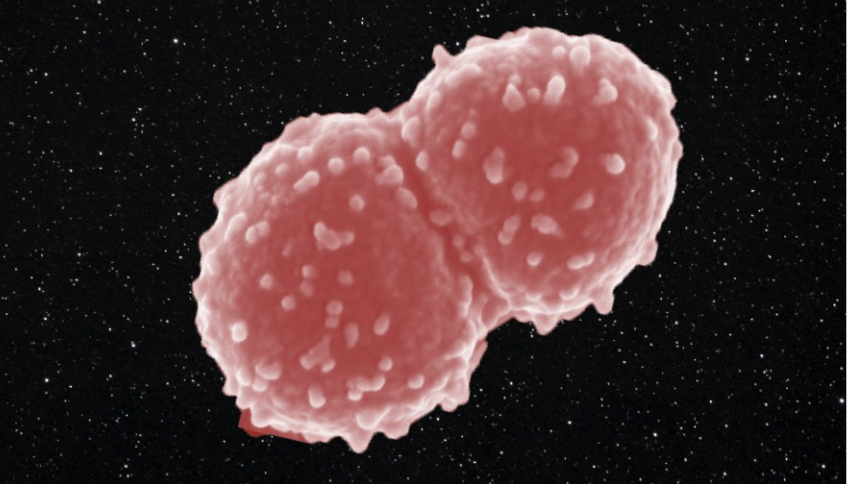
Space traveler Deinococcus radiodurans recovered after 1 year of exposure to low Earth orbit (LEO) outside the International Space Station during the Tanpopo space Mission.
Credit: Tetyana Milojevic
The extraordinarily resistant bacterium Deinococcus radiodurans has been found to withstand harsh environmental conditions present in outer space.
This bacterium was exposed in low Earth orbit (LEO) for one year outside the International Space Station (ISS) to investigate microbial survival and space travel. In addition, a ground-based simulation experiment with conditions, mirroring those from low Earth orbit, was performed.
The exposure panels were on board the SpaceX Dragon commercial cargo spaceship, which launched on April 15, 2015 from Cape Canaveral by the Space-X Falcon-9 rocket. They were manually attached to the exposed experiment handrail attachment mechanism (ExHAM) on the Japanese exposure facility of the ISS, which was transferred to its final position on May 26, 2015.

Earth orbiting research lab, internal and external – the International Space Station (ISS).
Credit: NASA
Panspermia hypothesis
Studies of extremophiles suggest that they may migrate between planets and distribute life across the Universe, underlying the panspermia hypothesis or interplanetary transfer of life.
“These investigations help us to understand the mechanisms and processes through which life can exist beyond Earth, expanding our knowledge how to survive and adapt in the hostile environment of outer space,” explains Tetyana Milojevic, a head of the Space Biochemistry group at the University of Vienna and a corresponding author of the study.
“The results suggest that survival of D. radiodurans in LEO for a longer period is possible due to its efficient molecular response system and indicate that even longer, farther journeys are achievable for organisms with such capabilities,” Milojevic explains in a University of Vienna statement.

Credit: NASA
Mars atmosphere
The researchers that performed the experiment note that results may increase awareness regarding planetary protection concerns on, for instance, the Martian atmosphere.
In addition, the results of the Tanpopo orbital mission should be considered in the context of planetary protection concerns and the development of new sterilization techniques for future space missions.
To read the paper – “Molecular repertoire of Deinococcus radiodurans after 1 year of exposure outside the International Space Station within the Tanpopo mission” – go to the journal Microbiome at:
https://microbiomejournal.biomedcentral.com/articles/10.1186/s40168-020-00927-5
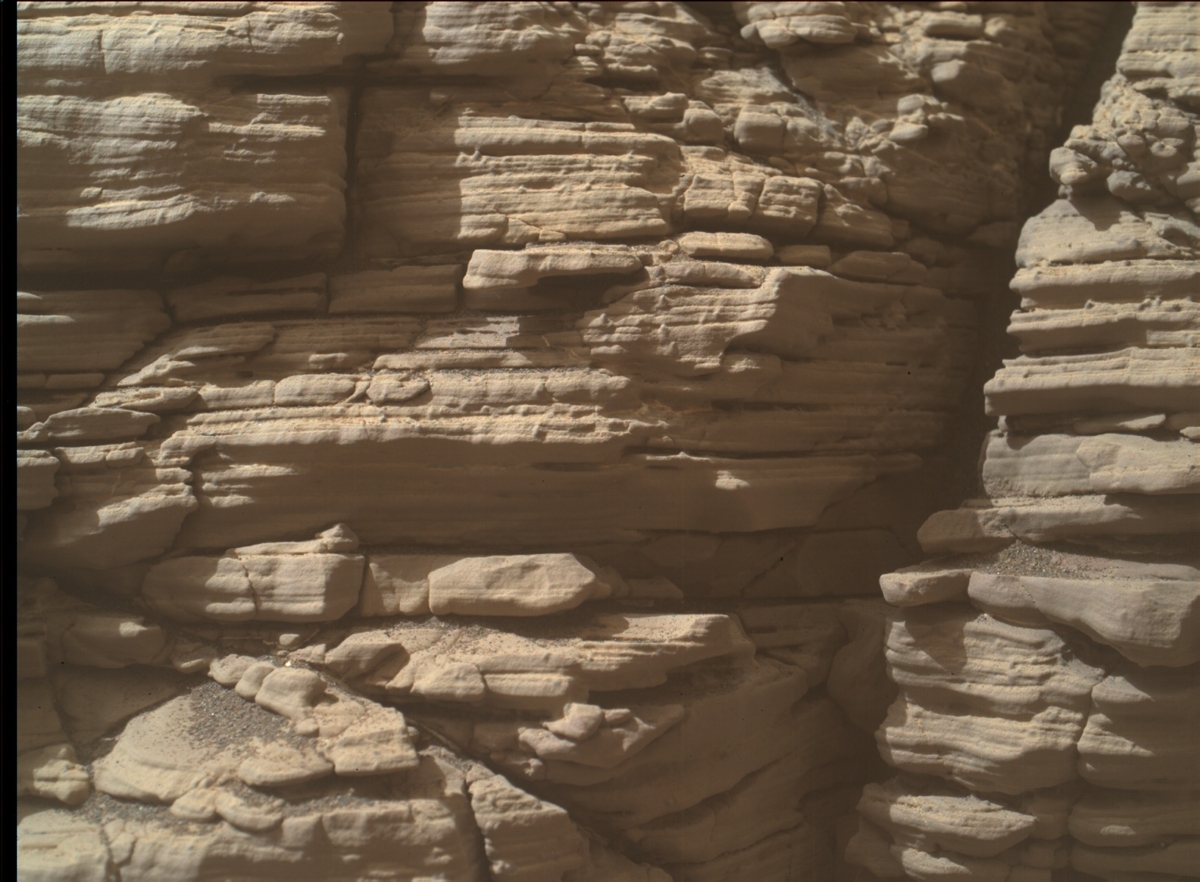
“Hedgehope Hill” taken by Curiosity’s Mars Hand Lens Imager (MAHLI) in a “dog’s eye” mosaic produced October 29 on Sol 2926 – where MAHLI gets down low to the ground to look at the side of a rock. Technique helps Mars researchers learn how the sediment in this rock was deposited.
Credit: NASA/JPL-Caltech/MSSS
NASA’s Curiosity Mars rover is now performing Sol 2932 tasks.
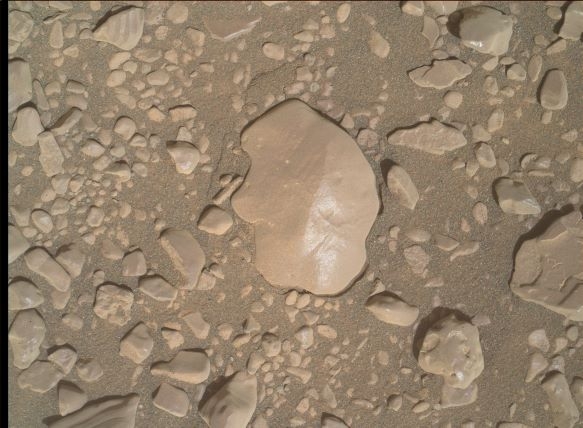
Curiosity MAHLI photo produced on Sol 2931, November 3, 2020.
Credit: NASA/JPL-Caltech/MSSS
“Curiosity is on the road to the sulfate unit, but there are always stops on a road trip,” reports Kristen Bennett, a planetary geologist at USGS Astrogeology Science Center in Flagstaff, Arizona. The rover’s drive did not finish in the weekend plan, so there has been a re-sequencing of that drive.
Meanwhile, the operations team has scripted a plan that includes contact science, remote science, and a drive, Bennett adds.
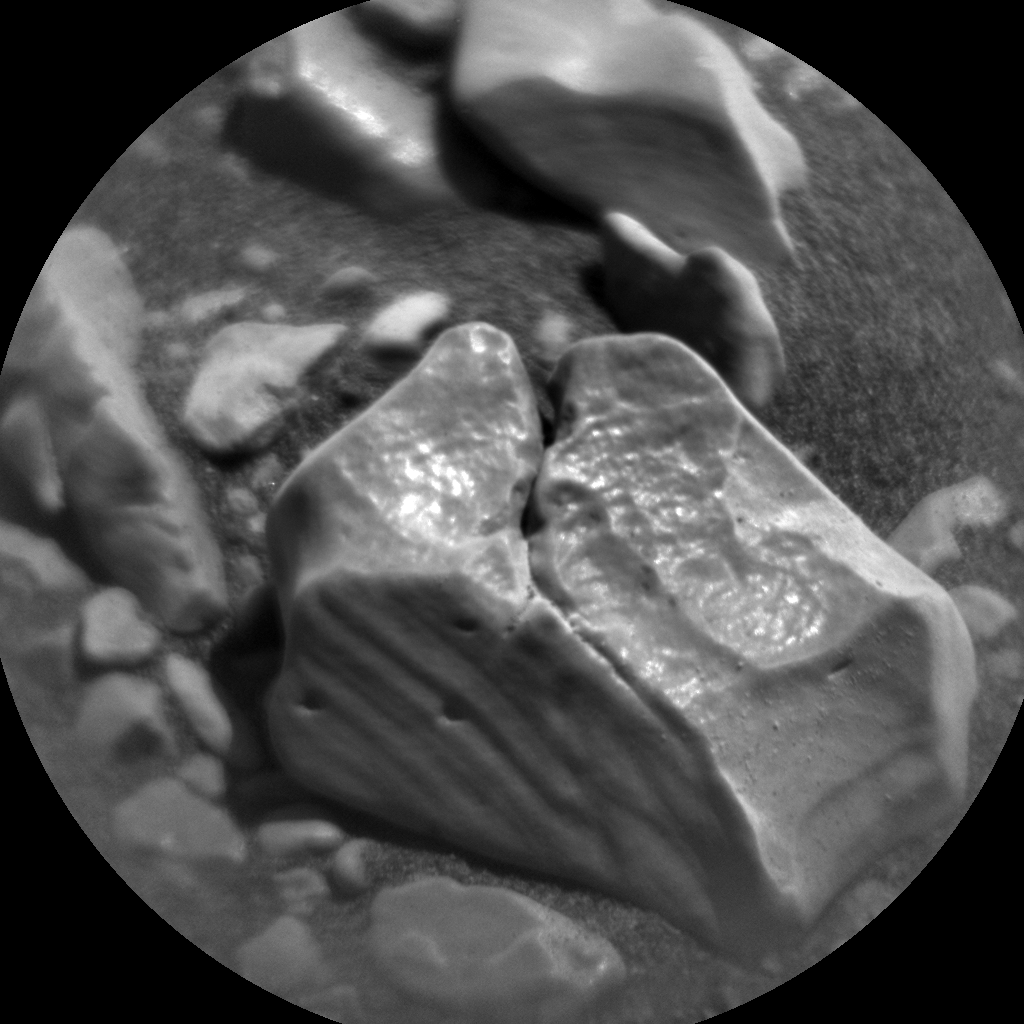
Curiosity Chemistry & Camera Remote Micro-Imager (RMI) photo acquired on Sol 2931, November 3, 2020.
Credit: NASA/JPL-Caltech/LANL
Surrounded by pebbles
“The shortened drive placed the rover in a location surrounded by pebbles and loose soil,” Bennett notes, so the robot’s Mars Hand Lens Imager (MAHLI) and Alpha Particle X-Ray Spectrometer (APXS) target, “Rachan,” is a pebble near the rover.
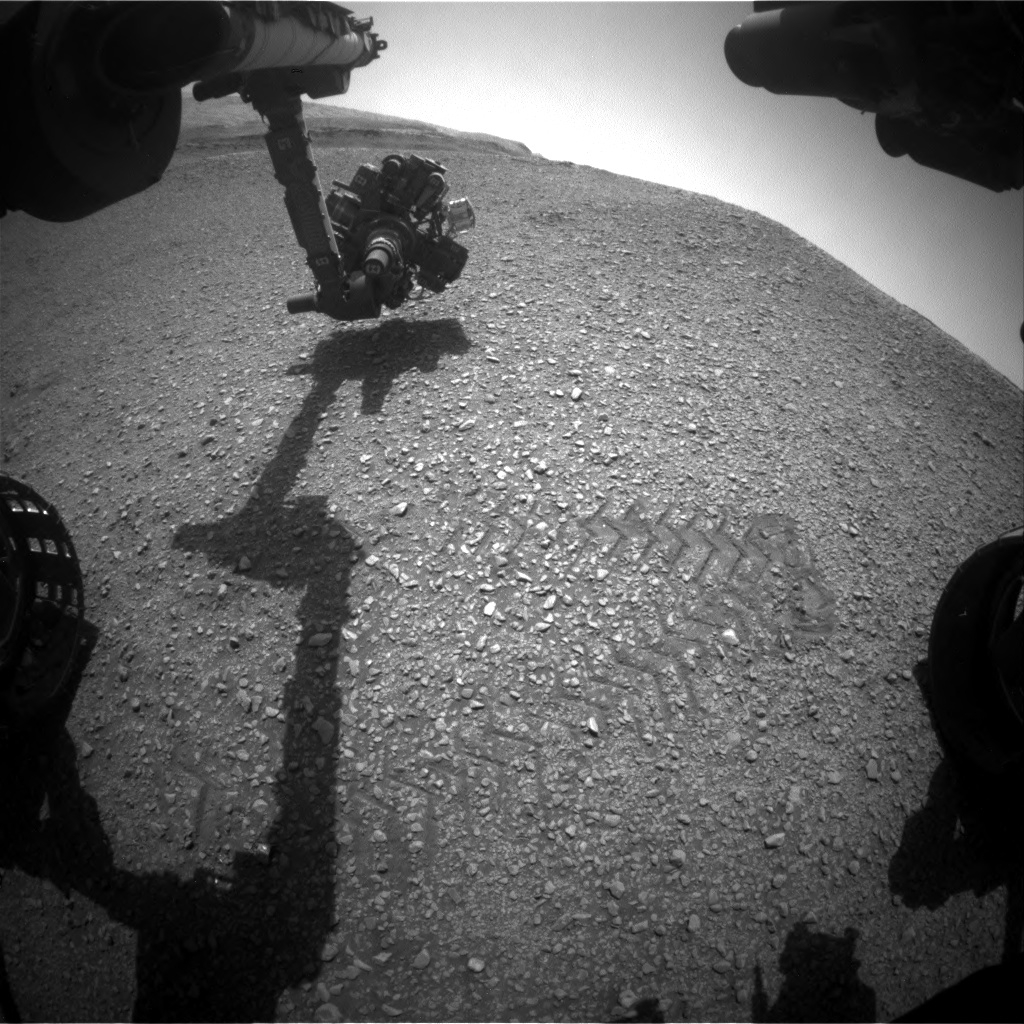
Curiosity Front Hazard Avoidance Camera Right B image taken on Sol 2931, November 3, 2020.
Credit: NASA/JPL-Caltech
The Chemistry and Camera (ChemCam) target, “Lee,” is a different pebble near the rover.
“It is always good to document the composition of the terrain, even if that means targeting a lot of pebbles! Several Mastcam mosaics are planned that cover the rocks carved into benches Curiosity will explore over the next few weeks. There will also be a dust devil movie in an attempt to spot more dust devils during this windy season,” Bennett reports.

Curiosity Left B Navigation Camera image taken on Sol 2931, November 3, 2020.
Credit: NASA/JPL-Caltech

Curiosity Left B Navigation Camera image taken on Sol 2931, November 3, 2020.
Credit: NASA/JPL-Caltech
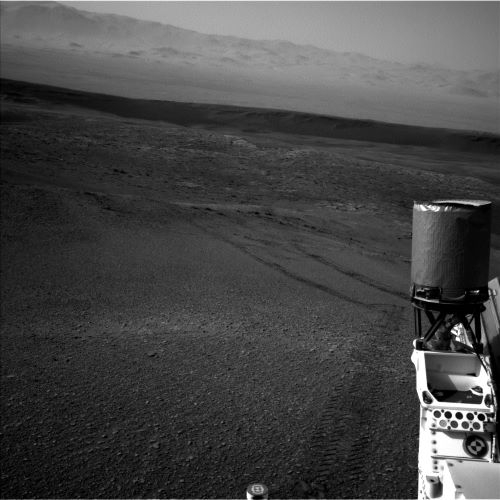
Curiosity Left B Navigation Camera image taken on Sol 2931, November 3, 2020.
Credit: NASA/JPL-Caltech
Curiosity Left B Navigation Camera image taken on Sol 2931, November 3, 2020.
Credit: NASA/JPL-Caltech

Credit: JAXA/Inside Outer Space screengrab
Japan’s Hayabusa2 asteroid explorer is slated for a December 6th jettison of its space rock-stuffed re-entry capsule, samples gathered during its intensive investigation of asteroid Ryugu.
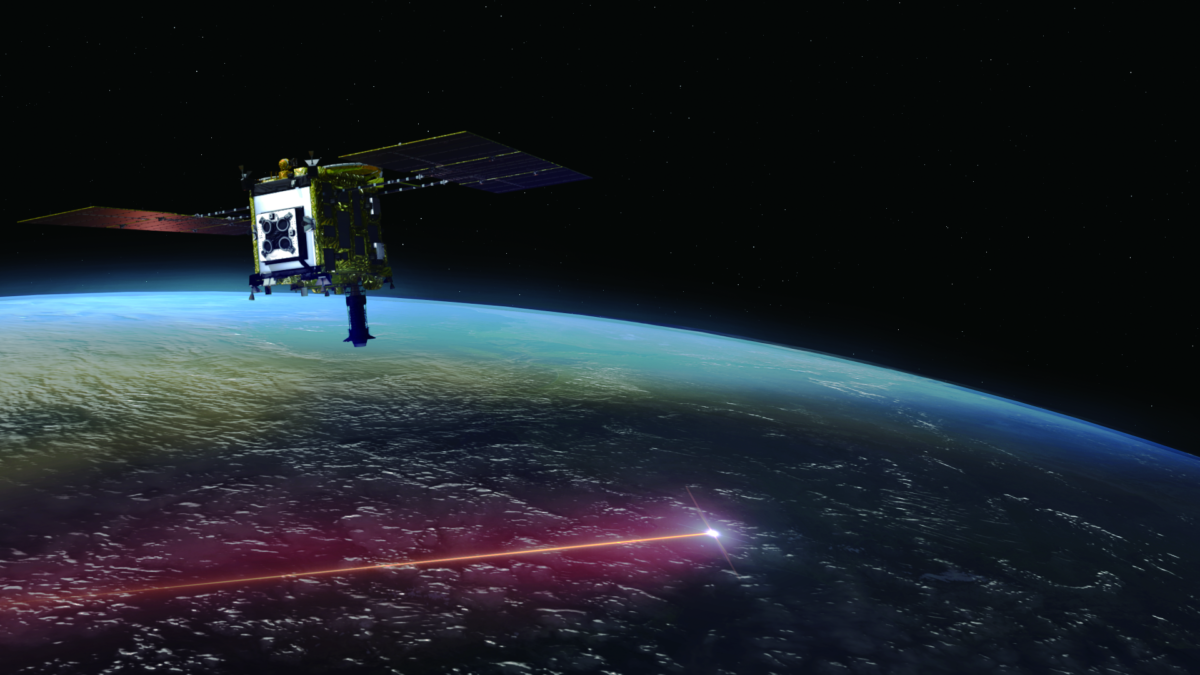
Artist impression of Hayabusa2’s re-entry capsule heading to its landing spot in Australia.
Credit: JAXA
The re-entry capsule will parachute to Earth in South Australia, touching down within the Woomera Prohibited Area.
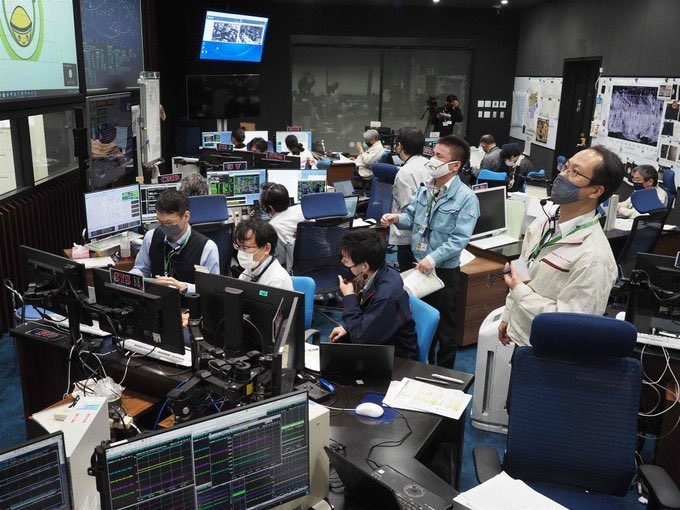
Hayabusa2 control room during re-entry rehearsal.
Credit: JAXA
A capsule separation dress rehearsal was completed today, report Hayabusa2 ground controllers, with the spacecraft now returned to its original state.
Recovery team
In related news, on November 1, the first capsule recovery team of 14 members reached Adelaide. As a measure against the coronavirus, the group will move to the Woomera Desert after two weeks of on-site quarantine.
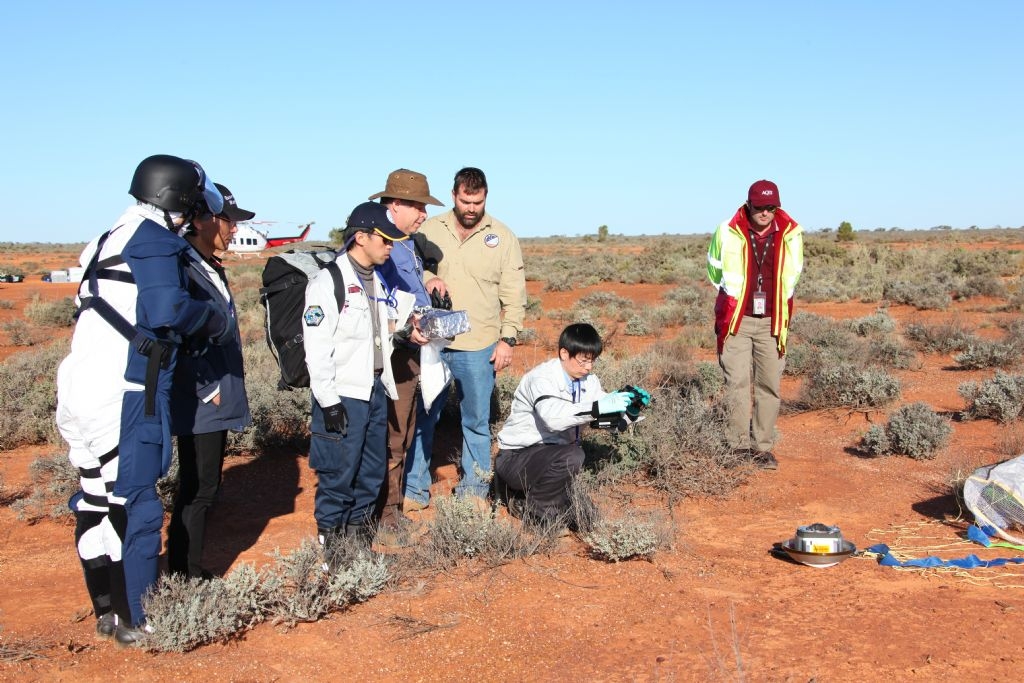
Hayabusa re-entry capsule with tiny collection of asteroid Itokawa particles touched down in Australia in June 2010.
Credit: JAXA
“It has been 6 years since the launch and 10 years since development began and it is emotional to finally be here,” a recovery team member tweets. “In Australia in the Southern Hemisphere, we will be working under the scorching midsummer sun. In addition, we are contending with issues surrounding the coronavirus, but we want to safely collect the capsule and return it to Japan to show to everyone.”
Australian decision-making
Today’s capsule separation rehearsal also involved the participation of the Australian embassy, with the Australian side connected to the Hayabus2 control room to share information.
During re-entry day, Australian authorities may be required to take an active role in decision-making regarding capsule re-entry and landing, so this step was also confirmed during the rehearsal.
The Hayabusa2 project is under the auspices of the Japan Aerospace Exploration Agency (JAXA).

Credit: Roscosmos, Channel One, Yellow, Black and White
Russia’s Channel One and Roskosmos are launching a competition, the winner of which will take the lead role in the first feature film shot in space.
The motion picture has a tentative title “Challenge” – with filming to take place at the International Space Station in October 2021.
This off-planet film shoot is a joint project of Roscosmos, Channel One and the studio, Yellow, Black and White.
“This is a kind of space experiment. The actress selected by a competition and a medical commission will perform the functions of a cosmonaut-researcher and become a full-fledged member of the crew,” explains Dmitry Rogozin, General Director of Roscosmos. “In this project, it is important for us not only to demonstrate the heroism and high professionalism of cosmonauts and industry specialists who ensure the safety of manned flights in outer space, but also to develop the possibility of accelerated preparation for such a flight and a mission to the ISS of a specialist (engineer, doctor, astrophysicist), in whom the need may unexpectedly arise on board the station,” he says in a statement.

Credit: Roscosmos, Channel One, Yellow, Black and White
Have-to-haves
To be selected, there’s a questionnaire with requirements, among them:
Citizenship – Russian Federation; Gender – female; Age – 25-45 years old; No criminal record; and a number of health and physical have-to-haves.
Alexey Trotsyuk, General Producer of Yellow, Black and White explains: “Despite the vast experience in the production of big movies, we first encountered a task of such complexity. In the shortest possible time, we need to find more than just an actress – we need a real superhero.”
Trotsyuk adds they are on the lookout for a woman who can play her role on Earth, and then endure the most difficult training, fly into space and there, in a state of microgravity, also solve the most difficult shooting tasks.
“That is why we, together with Channel One and the Roscosmos state corporation,” Trotsyuk notes, “are announcing an all-Russian casting. If you feel the strength and talent in yourself, and are ready to accept the challenge, this is your chance to become the first!”
Shooting stage – Earth orbiting research lab – the International Space Station (ISS).
Credit: NASA
Multi-stage competition
As the first stage of the competition, a selection committee will select up to 30 finalists for further participation in the competition.
At the next stage of the selection process, a medical expert commission will conduct a comprehensive assessment of the finalists of the competition for compliance with medical and psychological requirements, as well as the requirements for physical fitness, education and professional fitness necessary to participate in space flight and work in space.
Candidates who successfully pass the flight commission will be enrolled in the Cosmonaut School, where they will have to undergo a three-month training course (on a daily basis).
Based on the results of the final part of the competition, two winners will be determined – the future leading actress and her understudy.

WhiteKnightTwo makes its first public debut at Air Venture
Here’s a heads up from New Mexico’s Spaceport America.
Virgin Galactic’s mothership – VMS Eve – is slated to carry out two flights today over Las Cruces and Truth or Consequences, New Mexico.
“The flights are held as part of a series of readiness exercises ahead of Virgin Galactic’s first rocket powered flight from Spaceport America expected this Fall,” according to a statement from Spaceport America.

Credit: Virgin Galactic
Two overflights
The first flight was due to take-off from Spaceport America around 8am. Part of the planned flight path for this flight will see VMS Eve fly near Truth or Consequences and Las Cruces, and should afford residents an opportunity to spot the aircraft flying.

Credit: Spaceport America
The second flight will depart later in the afternoon and will be flown at a higher altitude so will not be visible from the ground.
Educational materials
The teams at Spaceport America, Virgin Galactic and Galactic Unite have put together educational material to accompany the flight and encourage students in both cities to go outside to spot the aircraft in the skies and share their experience with their classes and on social media.
The materials have been shared with the school districts in both cities and can be downloaded from:

