Archive for the ‘Space News’ Category
 Author:
  October 20th, 2021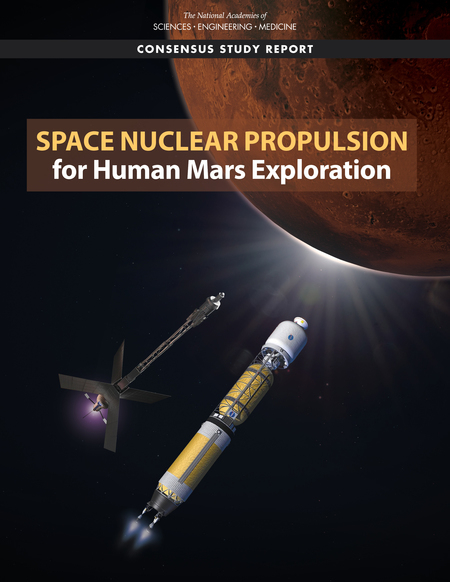
Credit: National Academy of Sciences
The purpose of the October 20, 2021 hearing is to understand the opportunities and challenges of space nuclear propulsion for enabling deep space exploration, examine the status of NASA’s R&D activities and plans for space nuclear propulsion, and to consider government and industry contributions to and collaboration on advancing space nuclear propulsion, among other issues.
Hearing charter:
Online via videoconferencing at:
https://science.house.gov/hearings/accelerating-deep-space-travel-with-space-nuclear-propulsion
Witness testimony:
Roger M. Myers, Co-Chair, Committee on Space Nuclear Propulsion Technologies, National Academies of Sciences, Engineering, and Medicine
https://science.house.gov/imo/media/doc/Meyers%20Testimony1.pdf
Bhavya Lal, Senior Advisor for Budget and Finance, National Aeronautics and Space Administration
https://science.house.gov/imo/media/doc/Lal%20Testimony2.pdf
Greg Meholic, Senior Project Leader, The Aerospace Corporation
https://science.house.gov/imo/media/doc/Meholic%20Testimony.pdf
Michael French, Vice President, Space Systems, Aerospace Industries Association
https://science.house.gov/imo/media/doc/French%20Testimony1.pdf
Franklin Chang-Diaz, Founder and CEO, Ad Astra Rocket Company
https://science.house.gov/imo/media/doc/Chang%20Diaz%20Testimony.pdf
 Posted in
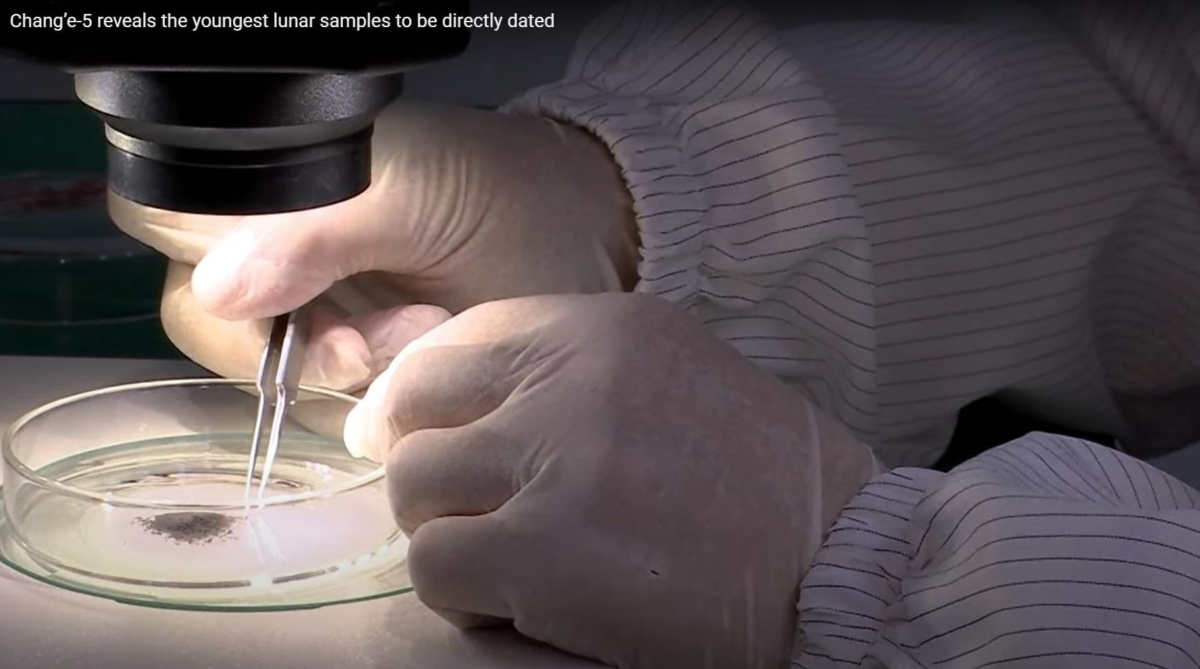
Credit: CCTV/Inside Outer Space screengrab
Moon rock and regolith brought back to Earth by China’s Chang’e-5 lunar sample mission suggests that the samples are a new type of lunar basalt, different from those collected during previous U.S. Apollo and former Soviet Union robotic Luna missions.
The first batch of lunar soil samples were sent to 31 labs of 13 Chinese research institutions last July. Chinese researchers analyzing the lunar collectibles report they have dated the youngest rock on the Moon at around 2 billion years in age, extending the “life” of lunar volcanism 800-900 million years longer than previously known.
China’s Chang’e-5 probe returned to Earth on December 17, 2020, parachuting back a total of around 1.73 kilograms of lunar samples.
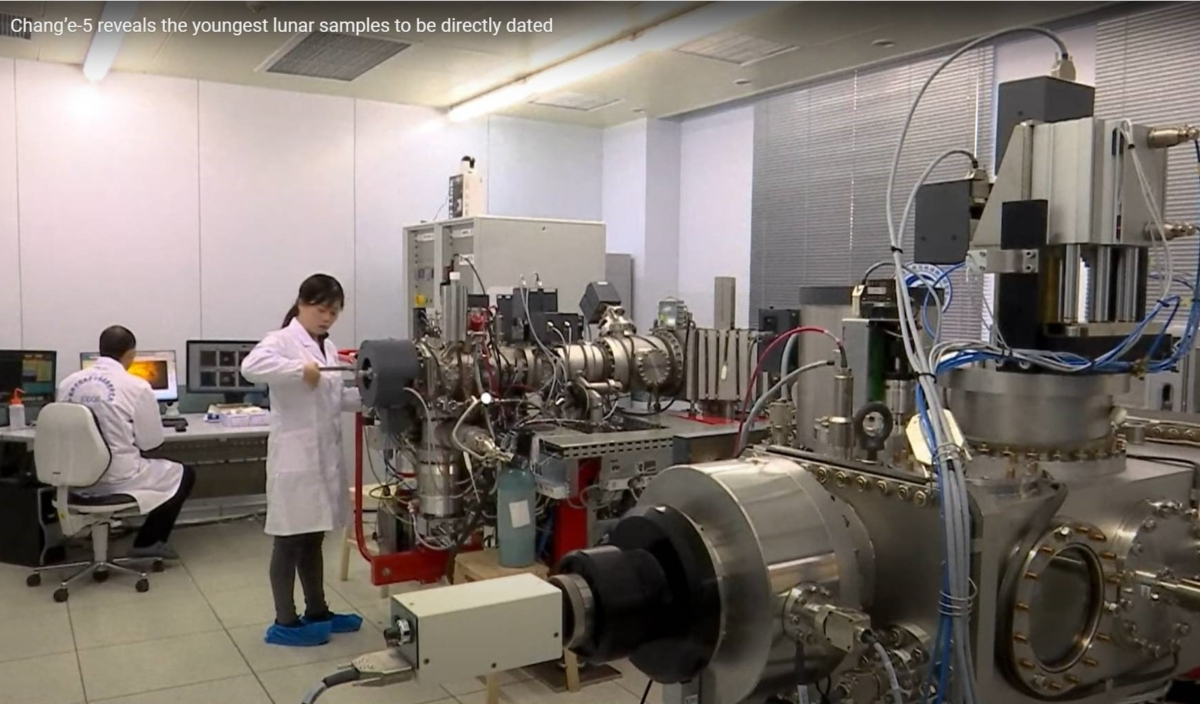
Credit: CCTV/Inside Outer Space screengrab
Magmatic history
A research team analyzed more than 50 uranium-rich rock fragments extracted from lunar basalt and dated the youngest rock on the Moon at about 2 billion years old. Previously, the youngest dated rock from the Apollo and Luna missions and lunar meteorites was around 2.8-2.9 billion years old.
According to Ouyang Ziyuan, an academician of the Chinese Academy of Sciences (CAS), the Moon formed 4.5 billion years ago and magmatic activities were not recorded in the lunar mantle until around 4 billion years ago.
“There were no magmatic activities recorded in the lunar mantle from 3 billion years ago until now. There are two issues concerning the history of the Moon,” Ouyang said via China Central Television (CCTV). “We are not clear about its history before 4 billion years ago and after 3 billion years ago. How we can make breakthrough to restore the true evolution history of the Moon is an important task of scientists. I think it is quite an achievement to extend the history of magmatic activities from 3 billion years ago to 2 billion years ago,” he added.
Credit: CCTV/Inside Outer Space screengrab
Interesting phenomenon
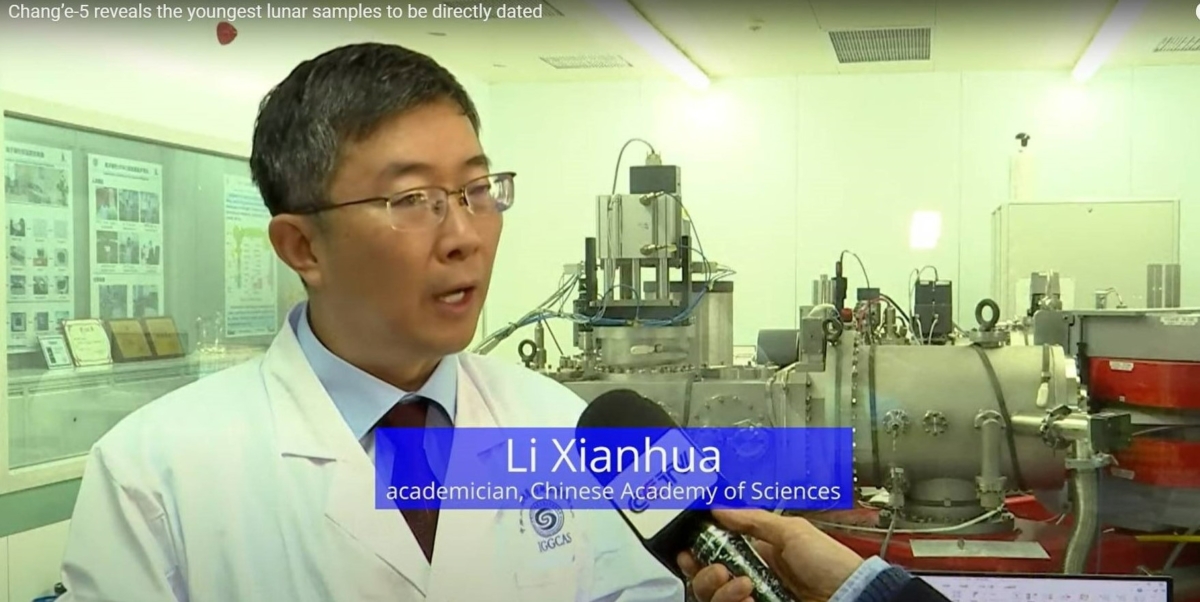
Li Xianhua, another CAS academician, told CCTV:
“Ascertaining this age correctly is very important for another dating technique by using impact craters. Using this method, we can date other regions where the lander cannot reach and other planets in the solar system. The age is the most basic parameter for us to know an object, a planet,” said Li.
Triggers of the latest volcanic activities on the Moon have always been a mystery. There are now two possible explanations among the scientific community.
- The magmatic source was rich in radioactive heat production elements that could provide heat source for melting magma in the Moon’s mantle and drive eruptions.
- The low melting point of the lunar mantle due to high water content resulted in a prolonged duration of volcanic activities.
However, studies of the Chang’e-5 specimens show that the samples are not rich in hot radioactive elements and are exceptionally dry.

Photo taking during surface sampling.
Credit: CCTV/Inside Outer Space screengrab
“There are neither so many radioactive elements nor water, so what triggered the melting becomes an interesting issue. So we will continue to study this interesting phenomenon,” Li said.
China/France cooperation
According to Ecns.cn — the official English-language website of China News Service (CNS) — the Chinese Academy of Sciences has reached initial consensus with the French Centre National d’Etudes Spatiales (CNES) and French National Centre for Scientific Research a joint research initiative to study lunar samples collected by China’s Chang’e-5 mission, Academy officials said at press conference Tuesday.
China and France will carry out complementary cooperation in the form of personnel exchanges and joint research projects, according to Ecns.cn in detailing the conference.
Video & published papers
Go to these videos focused on lunar sample studies, at:
To view a set of research articles by Chinese lunar experts, published October 19, 2021 in Nature, go to:
“Non-KREEP origin for Chang’E-5 basalts in the Procellarum KREEP Terrane,” at:
https://www.nature.com/articles/s41586-021-04119-5
“A dry lunar mantle reservoir for young mare basalts of Chang’E-5,” at:
https://www.nature.com/articles/s41586-021-04107-9
“Two billion-year-old volcanism on the Moon from Chang’E-5 basalts,” at:
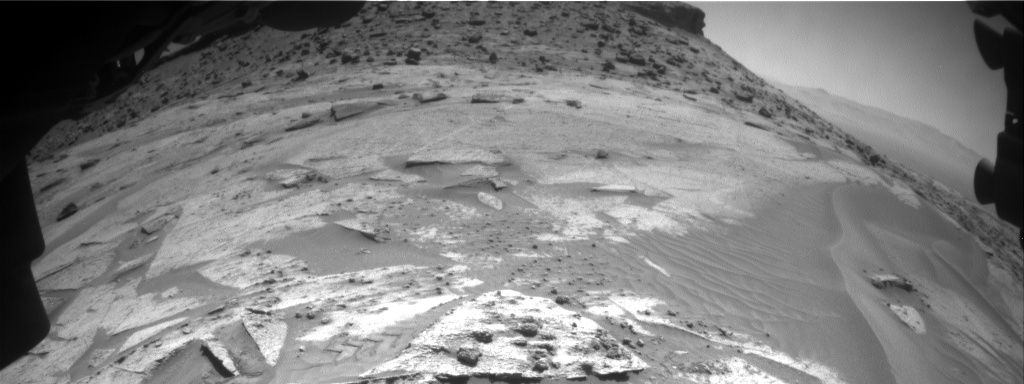
The triangular shaped rock in the immediate foreground contains the crushed nodule targets “Helmsdale Boulder Beds” and the “Crovie” bedrock target. In the background, the slope is covered with grey float blocks similar to those being imaged by Mastcam. The pediment-capping rock is at the top of the image, just right of center.
This image was taken by Curiosity’s Front Hazard Avoidance Camera on Sol 3270, October 17, 2021
Credit: NASA/JPL-Caltech
NASA’s Curiosity Mars rover at Gale Crater is now performing Sol 3272 duties.
The Red Planet robot is back in gear, following a few weeks of hibernation, reports Lucy Thompson, a planetary geologist at University of New Brunswick; Fredericton, New Brunswick, Canada
“Curiosity went into hibernation for a few weeks, executing only routine environmental and radiation monitoring activities, while the Sun was positioned between us and Mars (conjunction),” Thompson notes. October 18 was a first day of planning since Mars has emerged from behind the Sun.
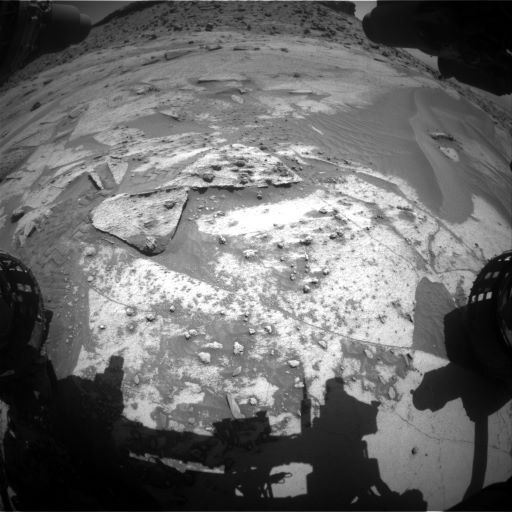
Curiosity Front Hazard Avoidance Camera Right B photo acquired on Sol 3271, October 18, 2021.
Credit: NASA/JPL-Caltech
Healthy status
“Curiosity is healthy after her rest, and we wasted no time planning a multitude of science activities,” Thompson adds.
Prior to conjunction, Curiosity drove away from the Maria Gordon drill site to an area nearby that contained large (roughly 6-7 centimeters across) resistant nodules (“Helmsdale Boulder Beds”).
“We deliberately drove over the nodules to crush them and expose their fresh interiors for examination by a number of the science instruments,” Thompson explains. “The team is interested in determining the chemistry of the nodules relative to the flat bedrock. Why are they resistant? How does their composition compare to other nodules previously encountered, and what might this tell us about fluids that were present in these rocks?”
The workspace imaging that came down to Earth confirmed that Curiosity had successfully broken some of the nodules, such that researchers were able to make several observations just before conjunction. But they were not able to use the arm mounted APXS and MAHLI instruments; we did not want the arm left out over conjunction.
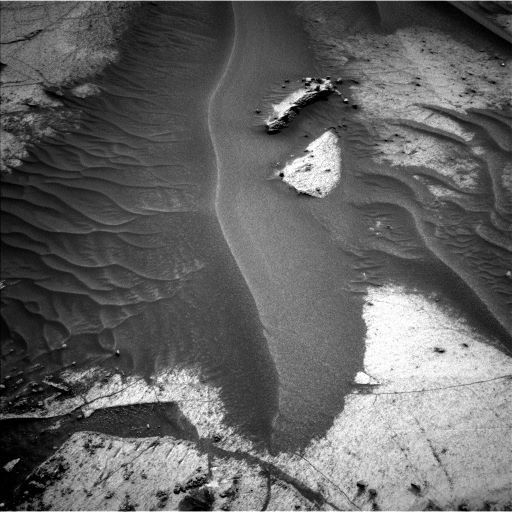
Curiosity Left B Navigation Camera image acquired on Sol 3271, October 18, 2021.
Credit: NASA/JPL-Caltech
Bedrock target
Today, we took advantage of pre-planning prior to conjunction to acquire Alpha Particle X-Ray Spectrometer (APXS) and Mars Hand Lens Imager (MAHLI) images on the crushed “Helmsdale Boulder Beds.”
MAHLI is to image another fresh-looking nodule, “Goose Stone.” These observations will be complemented with Chemistry and Camera (ChemCam) Laser Induced Breakdown Spectroscopy (LIBS) measurements and Mastcam images on the same crushed “Helmsdale Boulder Beds” target and the “Crovie” bedrock target.
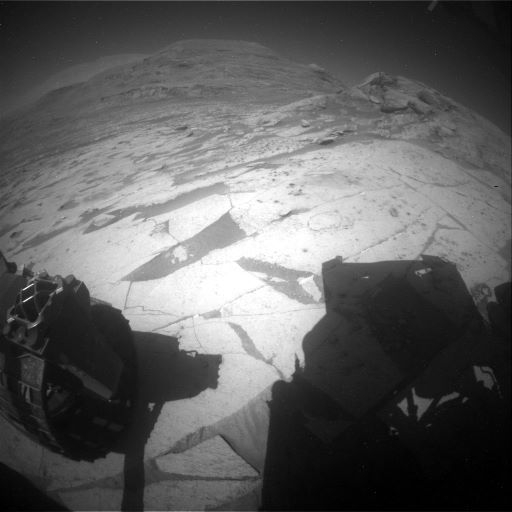
Curiosity Rear Hazard Avoidance Camera Right B photo acquired on Sol 3271, October 18, 2021.
Credit: NASA/JPL-Caltech
Pediment-capping rock
Looking further afield, Thompson reports, Curiosity will image resistant, pediment-capping rock in the distance with the ChemCam Remote Micro-Imager (RMI) and Mastcam.
“The pediment is a gently sloping surface that appears to cut across the underlying rocks that we are currently driving over. Mastcam will also image some grey float rocks that may be derived from those pediment-capping rocks,” Thompson says.
Also on tap is uplinking several environmental observations including Mastcam images “to detect changes in the unconsolidated sediment and wind activity while Curiosity has been parked in the same location for the last few weeks. Atmospheric observations are also planned to look for dust devils and to measure the opacity of the atmosphere.”
Note: It also appears that NASA’s Mars Insight lander and the NASA Perseverance rover have begun relaying post-conjunction imagery. Still awaiting word on China’s Zhurong rover.

Credit: Korean Aerospace Research Institute
A focused investigation of the Moon’s permanently shadowed regions is an objective of South Korea’s first Moon mission, the Korean Pathfinder Lunar Orbiter under the wing of the Korean Aerospace Research Institute in Daejeon, Korea.
Scheduled for an August 2022 lunar sendoff atop a SpaceX Falcon 9 Block 5 booster, the Korean Pathfinder Lunar Orbiter (KPLO) will conduct its exploration mission for one year, supporting the NASA Artemis program by measuring the existence of water or resources and topographic characteristics of candidate landing sites for “rebooting” the Moon with human crews.
KPLO carries six science instruments; five instruments from South Korea and one from NASA:
- Lunar Terrain Imager
- Wide-Angle Polarimetric Camera
- KPLO Magnetometer
- KPLO Gamma Ray Spectrometer
- Delay-Tolerant Networking experiment
A recent and major milestone for the KPLO effort was installation on the spacecraft of the NASA-contributed ShadowCam.

Credit: Korean Aerospace Research Institute/KARI TV
Permanently shadowed regions
ShadowCam will investigate the Moon’s permanently shadowed regions (PSRs) that will provide critical information about the distribution and accessibility of volatiles in PSRs at spatial scales required to both mitigate risks and maximize the results of future exploration activities.

ShadowCam instrument being lifted for mounting to the Korean Pathfinder Lunar Orbiter satellite at the Korean Aerospace Research Institute in Daejeon, Korea.
Credit: Courtesy KARI
Explains Mark Robinson, ShadowCam’s principal investigator at Arizona State University, the instrument is based on the successful Lunar Reconnaissance Orbiter Camera (LROC) Narrow Angle Camera (NAC) and will be over 100 times more sensitive (altitude dependent) than the current NAC.
ShadowCam’s science objectives include searching for deposits of frost and ice and find out whether high-purity ice or rocky deposits are present inside PSRs.

KPLO spacecraft being lifted off the floor by its mounting ring at KARI.
Credit: Courtesy Mark Robinson, ASU/KARI
Manufactured and provided by the U.S., NASA’s ShadowCam is a high-precision camera playing the role of viewing permanent shadow areas that sunlight cannot reach such as craters located in the north and south poles of the Moon.
If available, processed ice resources could yield oxygen, water, and rocket fuel to be utilized by future lunar expeditions.
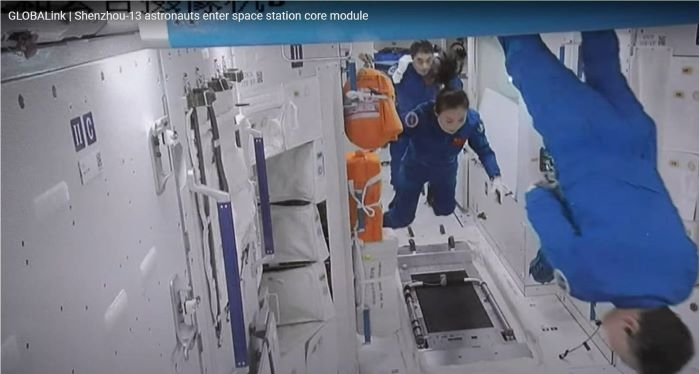
Credit: GLOBALink/Inside Outer Space screengrab
The new arrivals at China’s space station construction site are busy at work at the start of their projected six-month stay.
The Shenzhou-13 crew has opened the hatch of the Tianzhou-3 cargo craft, transferring hardware and life-sustaining supplies. The space trio of Zhai Zhigang, Wang Yaping and space rookie, Ye Guangfu, will also open the hatch of the Tianzhou-2 cargo spacecraft.
On the near-term agenda is conducting two to three extra-vehicular activities and scientific research. Wang Yaping, the only female astronaut of the crew, will carry out a spacewalk, as well as perform science education work. It will be the second time for her to broadcast a live lecture in space. During her Shenzhou-10 flight in 2013, she reached an audience of over 60 million schoolchildren.
“Apart from experiments, we also hope to do more space science education, to let the public have closer contact with space. We hope the public can know our space, our life, as well as the miraculous feeling in space. These are the things we hope to do,” said Wang told China Central Television (CCTV) prior to the Shenzhou-13 launch.
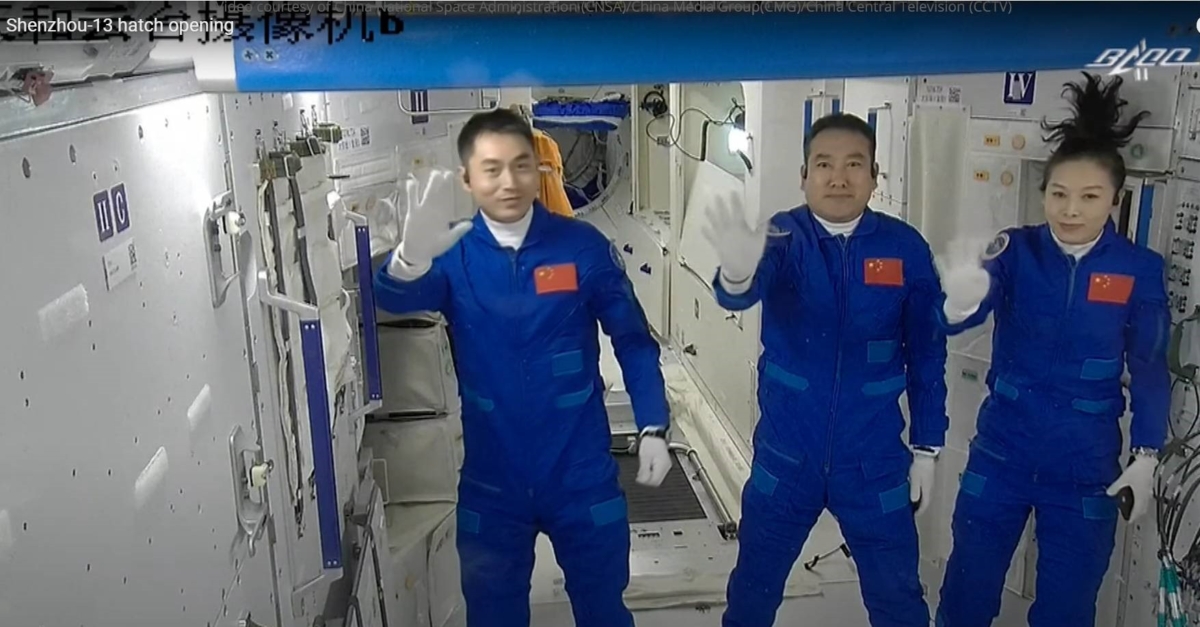
Credit: China National Space Administration (CNSA)/China Media Group(CMG)/China Central Television (CCTV)/Inside Outer Space screengrab
Priority work
Following liftoff of the Shenzhou-13 spaceship atop a Long March-2F carrier rocket early Saturday morning, the taikonauts completed a fast automated rendezvous and docking with the Tianhe core module, forming a complex together with the already docked Tianzhou-2 and Tianzhou-3 supply ships.
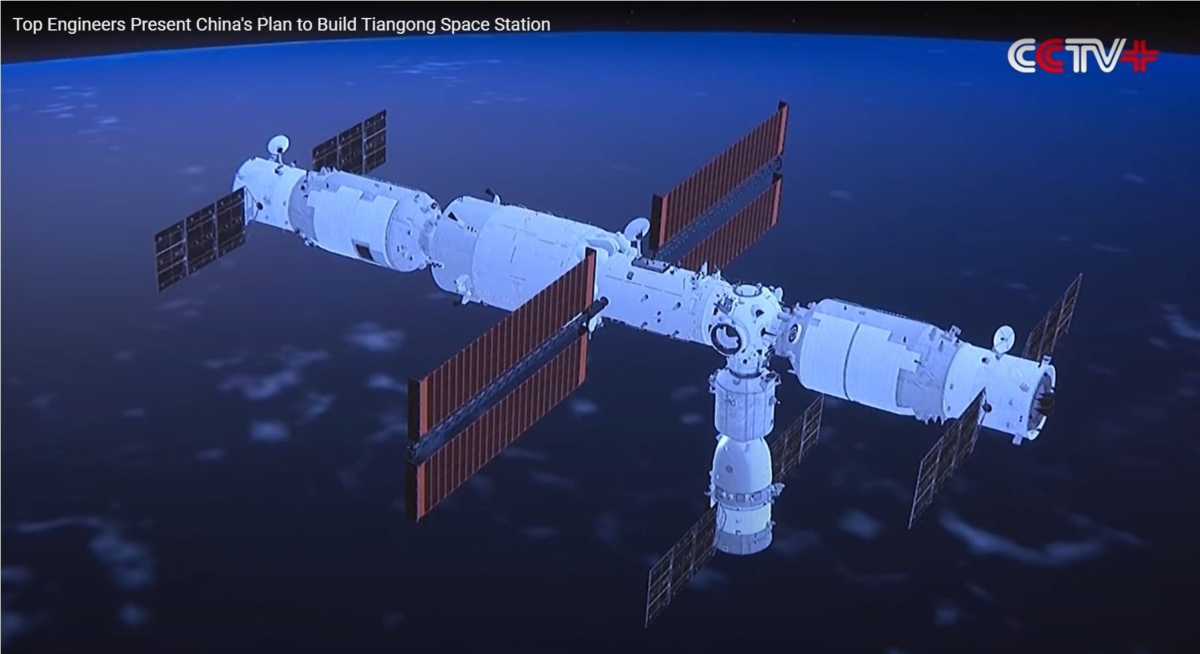
Current configuration of China’s space facility.
Credit: CCTV/Inside Outer Space screengrab
The three Chinese astronauts aboard Shenzhou-13 spaceship still have more adjusting and setting work to do after entering China’s space station.
In an interview with CCTV, Yang Liwei, China’s first astronaut, said the priority work of the astronauts after entering the core module is to make adjustments and settings related to their living. Yang is also the deputy chief designer of China’s manned space program.
Yang said the astronauts have been well prepared for long-time work in space. They also brought to space some leisure products to enrich their life.
“During the on-ground training in the previous period, the astronauts completed a lot of training in both physical and mental reserve, including the psychological compatibility among the three of them,” Yang said. “In addition to professional and physical preparation, they also brought with them some spare-time products to space, including their favorite music, books and videos. Therefore, the astronauts’ leisure time will be enriched during the half-year stay, and their working status will be better adjusted as well.”

Credit: GLOBALink/Inside Outer Space screengrab
Next steps
Yang also said the Shenzhou-13 mission is a milestone flight in China’s space station activities.
“After the entire space station is completed next year, it will be operational for more than ten years, which is our current plan. From long-term perspective of manned spaceflight, we will enter deeper far-reaching space,” Yang said. “For example, we are doing demonstration work for our plan of [a] manned Moon landing. I think after the project is approved in the near future, we will see our astronauts go further in the far-reaching space exploration.”
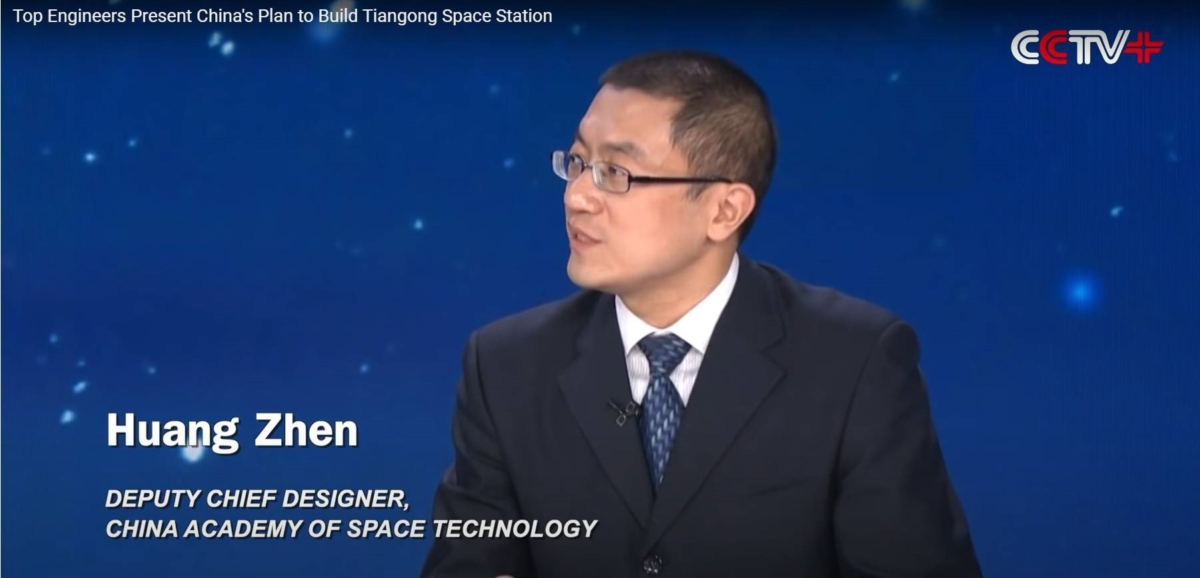
Credit: CCTV/Inside Outer Space screengrab
China’s evolving Tiangong space station construction plans have been outlined.
Next year, China will conduct six flight missions and dock two experimental modules with the space station’s core module, according to Huang Zhen, deputy chief designer at the China Academy of Space Technology.
“After the completion of the mission by the Shenzhou-13 crew, it will mean that we have finished all of the work for the key technology verification phase and have entered the construction phase of the space station,” Huang told CCTV. “In this phase, we are going to first launch Tianzhou-4 and Shenzhou-14. While the astronauts are still in the core module, we will successively launch Wentian and Mengtian, two large experimental cabins weighing over 20 tons and dock them with the core module to form a ‘T’ structure,” said Huang.

Robotic arm helps on space station construction.
Credit: CCTV/CNSA/Inside Outer Space screengrab
Little “T” and big “T”
The Wentian and Mengtian modules will dock with the core module from the front port. Through the space station’s “position changing mechanism,” one of them will switch to the left side and the other to the right side. The two modules will form a “T” configuration with the core cabin.
“This is why the current ‘T’ is called the little ‘T’, while the ‘T’ composed of the two experimental cabins and the core cabin – three spacecrafts weighing more than 20 tons – is the big ‘T’,” Huang continued.
With the crew of the Shenzhou-14 mission still onboard the space station, China will launch Tianzhou-5 and Shenzhou-15. “It will be the first time our astronauts switch shifts during orbit,” Huang added.
Rolling base
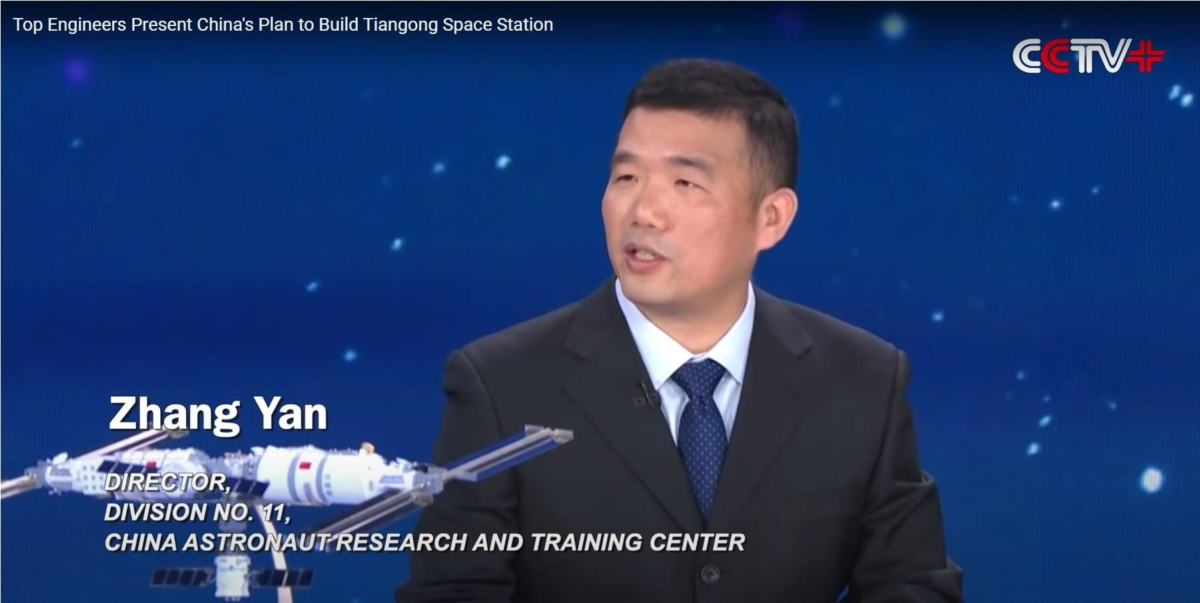
According to Zhang Yan, director of Division No.11 at the China Astronaut Research and Training Center, “our mission is conducted on a rolling base. So is the training of our astronauts. For the Shenzhou-14 and Shenzhou-15 missions and the third batch of astronauts, we have basically put in place simulators of the core module and two experimental modules and equipment for underwater training, extra-vehicular activity training, and virtual training. We now have the conditions for simulating the missions of Shenzhou-14 and Shenzhou-15 and training astronauts.”
Credit: China Central Television (CCTV)/China National Space Administration (CNSA)/United Nations Office for Outer Space Affairs (UNOOSA)/China Manned Space Agency (CMSA)/Inside Outer Space screengrab
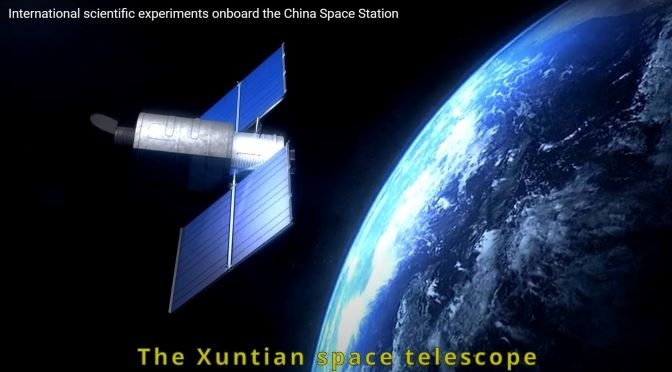
Also on tap is the launch of a Chinese space survey telescope. It will co-orbit with the space station for a long-term independent flight. The telescope is designed to conduct space survey observations and stop at the space station for short-term replenishment and maintenance upgrades.
To watch a newly issued set of videos on the Shenzhou-13 mission and future space station construction plans, go to:
Credit: China National Space Administration (CNSA)/China Media Group(CMG)/China Central Television (CCTV)/Inside Outer Space screengrab
China’s newest space crew has docked with and then entered the Tiangong space station on Saturday morning, embarking on a six-month stint inside the core module of their “Heavenly Palace.”
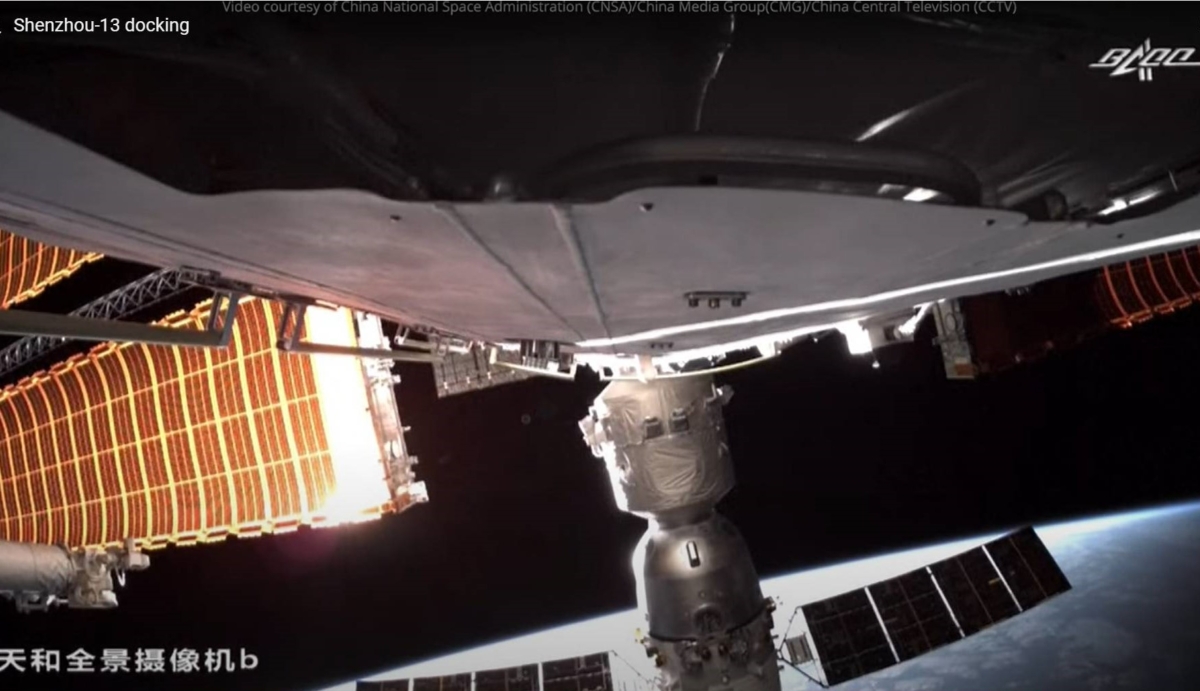
Projected to become the longest spaceflight for a Takionaut team, the three-member crew – Shenzhou-13 mission commander Zhai Zhigang, Wang Yaping and Ye Guangfu — floated into the module, named Tianhe, or “Harmony of Heavens” around three hours after the automated docking of their spacecraft with the space station complex.
Credit: China National Space Administration (CNSA)/China Media Group(CMG)/China Central Television (CCTV)/Inside Outer Space screengrab
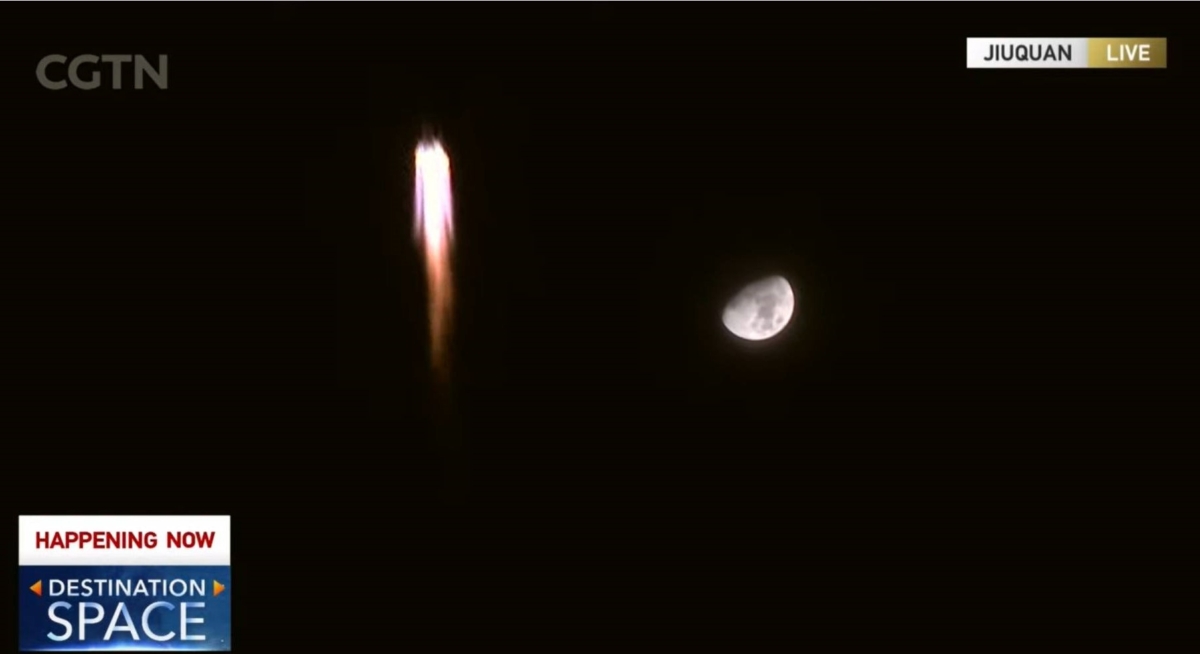
Shenzhou-13 was launched by a Long March-2F carrier rocket, from the Jiuquan Satellite Launch Center in northwest China’s Gobi Desert at 00:23 local time on Saturday (16:23 GMT on Friday).
Following a 6.5 hour post-launch journey, the crewed spaceship docked with the radial port of the space station core module Tianhe, thereby forming a complex together with the previously docked Tianzhou-2 and Tianzhou-3 cargo crafts.
Wide range of tasks
The Shenzhou-13 crew is tasked with a wide range of tasks, including: performing two to three spacewalks to install a small robotic arm onto a larger one and verifying key procedures and technologies like manual control of the robotic arms and robotic arm-assisted movement of station modules.
Also, the new crew will check the performance and capability of devices inside the station, and test support instruments for astronauts’ life and work in long-term flights, said Lin Xiqiang, deputy director of the China Manned Space Agency (CMSA), at a news conference on Thursday at the Jiuquan center.
Life saving preparations
Viewed as one of China’s most challenging and sophisticated space endeavors, the Tiangong space station will eventually comprise three main components; the Tianhe core module and two large space labs.
Circling Earth, the complex will then have a combined weight of nearly 70 metric tons. The entire station is set to operate for about 15 years in a low-Earth orbit about 250 miles (400 kilometers) above our planet.
Credit: CGTN/Inside Outer Space screengrab
The mission has also prepared for emergency life saving actions. A Shenzhou-14/ Long March-2F carrier rocket can be launched in quick order to dock with the space station and bring the Taikonaut team back in a timely manner.
While docked, the Shenzhou-13 spaceship will be powered off, but some other systems will keep powering on, ready at all times for an emergency return to the ground.

Credit: CCTV
Radial direction
Rendezvous and docking between the Shenzhou-13 piloted spaceship and the port of the space station core module Tianhe in the radial direction was termed as intricate.
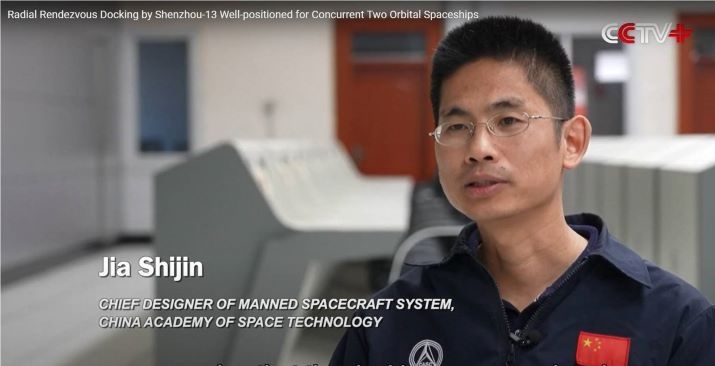
“The difficult point in the rendezvous and docking process in the radial direction mainly lies in control actually,” Jia Shijin, chief designer for the manned spacecraft system of China Aerospace Science and Technology Corporation (CASC) told China Central Television (CCTV).
Credit: CCTV/Inside Outer Space screengrab
“The process in the horizontal direction happens only when the spacecraft and the space station are at the same orbital altitude,” Jia said.
The spacecraft should stay upwards if it docks with the space station in the radial direction. “If the spacecraft stays upwards, first, the control scheme of the spacecraft is different from that when it flies in the horizontal direction. So, we have to adjust it. Second, the direction of antenna for measurement and control is also different from that when it flies in the horizontal direction,” Jia added.
Credit: GLOBALink/Inside Outer Space screengrab
Supply craft
China’s uncrewed Tianzhou-3 carried supplies for the Shenzhou-13 crewed mission, and was launched and docked at the rear docking port of Tianhe on September 20.
That supply craft was stuffed with nearly six-tons of goods and materials, including living supplies for the astronauts, one extravehicular spacesuit for back-up, supplies for extravehicular activities, space station platform materials, payloads and propellants.

China’s space station is projected to be completed in late 2022.
Credit: CAST
The Shenzhou-13 trio is the second crew to work on the evolving Chinese space station. Wang Yaping is the first woman astronaut on board the station. She is also slated to perform a spacewalk during the projected six-month cruise.
With additional modules and follow-on crews to come, China anticipates the fully outfitted station to be operational by the end of 2022.
To view newly-released videos focused on the Shenzhou-13 crew and mission, go to:
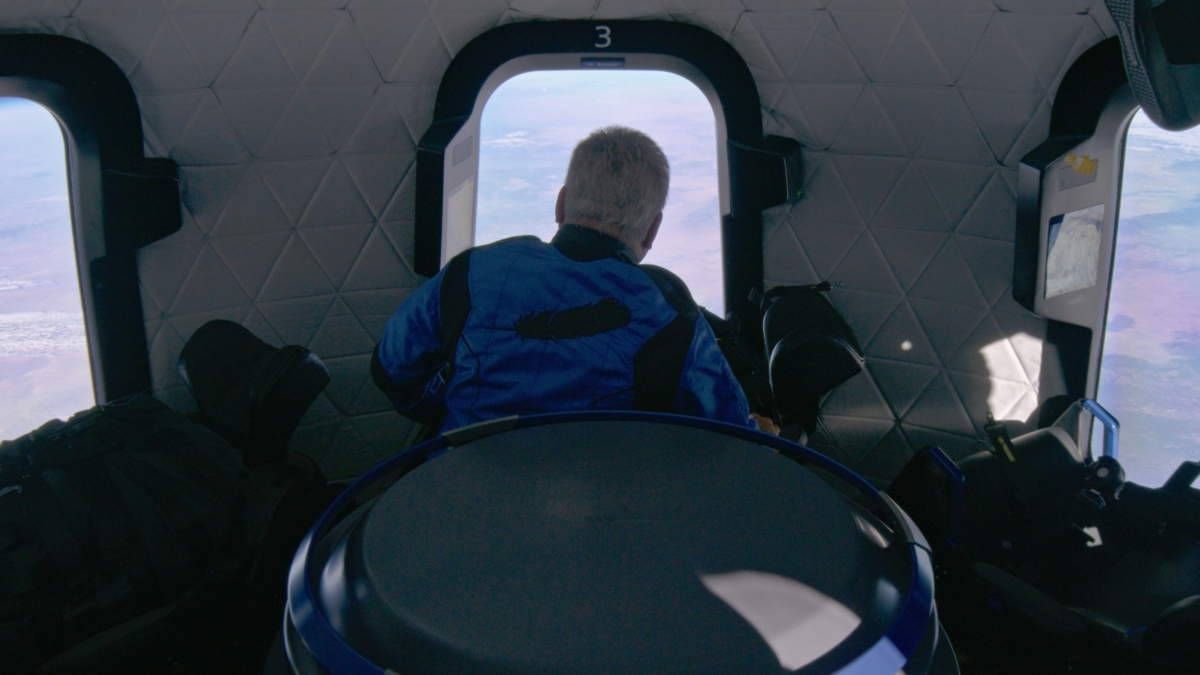
William Shatner looks out of the New Shepard windows on NS-18.
Credit: Blue Origin
Blue Origin successfully completed the second human spaceflight on their New Shepard suborbital rocket on October 13, 2021.
That four-person crew included Star Trek icon, William Shatner, who clearly had his own close-encounter with the “Overview Effect,” a phenomenon coined by author Frank White.
That iconic term, White explains, describes the cognitive shift that results from the experience of viewing the Earth from space and in space, from orbit or on a lunar mission.
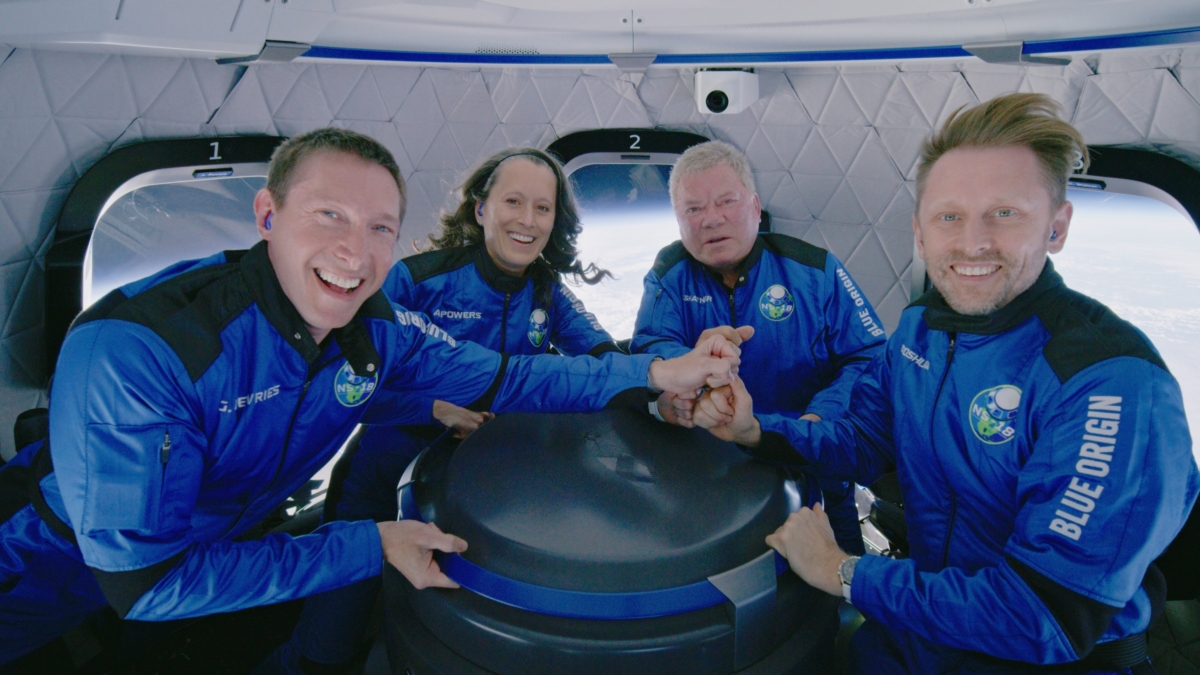
The crew of NS-18 at apogee.
Credit: Blue Origin
Profound experience
Following his excursion, Shatner told Blue Origin founder Jeff Bezos: “What you have given me is the most profound experience I can imagine,” he said. “I’m so filled with emotion about what just happened. I just, it’s extraordinary, extraordinary. I hope I never recover from this. I hope that I can maintain what I feel now. I don’t want to lose it.”
It was unbelievable, Shatner said. “The little things – the weightless – but to see the blue color [of the sky] whip by you and now you’re staring into blackness. … And then it’s gone. It was so moving. This experience did something unbelievable…everybody in the world needs to do this,” Shatner told Bezos.

An emotional Shatner after spaceship touchdown.
Credit: Blue Origin webcast/Inside Outer Space screengrab
Beyond words
Contacted by Inside Outer Space, Frank White reacts to Shatner’s comments:
“William Shatner clearly experienced a powerful version of the Overview Effect and was still processing it when he landed. It is rare that we get to see and hear from an astronaut so soon after they return to Earth.”
White recalls that astronaut Edgar Mitchell told the author that being open to the experience was critical in terms of its impact.

Credit: Amazon books
“I believe Shatner was uniquely open, and that is why he felt it so strongly,” White explains. “He also absorbed the primary Overview Effect message and tried to communicate how beautiful and essential to life our home planet really is. I hope people will come to understand that space exploration is not about escaping Earth but is about coming to appreciate her more fully. As Shatner said, the experience is beyond words, but almost everyone who has it wants to share it as best they can, because the Overview Effect message is critical to our future.”
For more information on the Overview Effect, go to this new edition of Frank White’s seminal book at:
The Overview Effect: Space Exploration and Human Evolution, Fourth Edition, now available for purchase on Amazon at:
https://www.amazon.com/dp/B0932GSDM3
Also, go to this replay of New Shepard mission and comments from Shatner starting at 2:44:35 by going to:
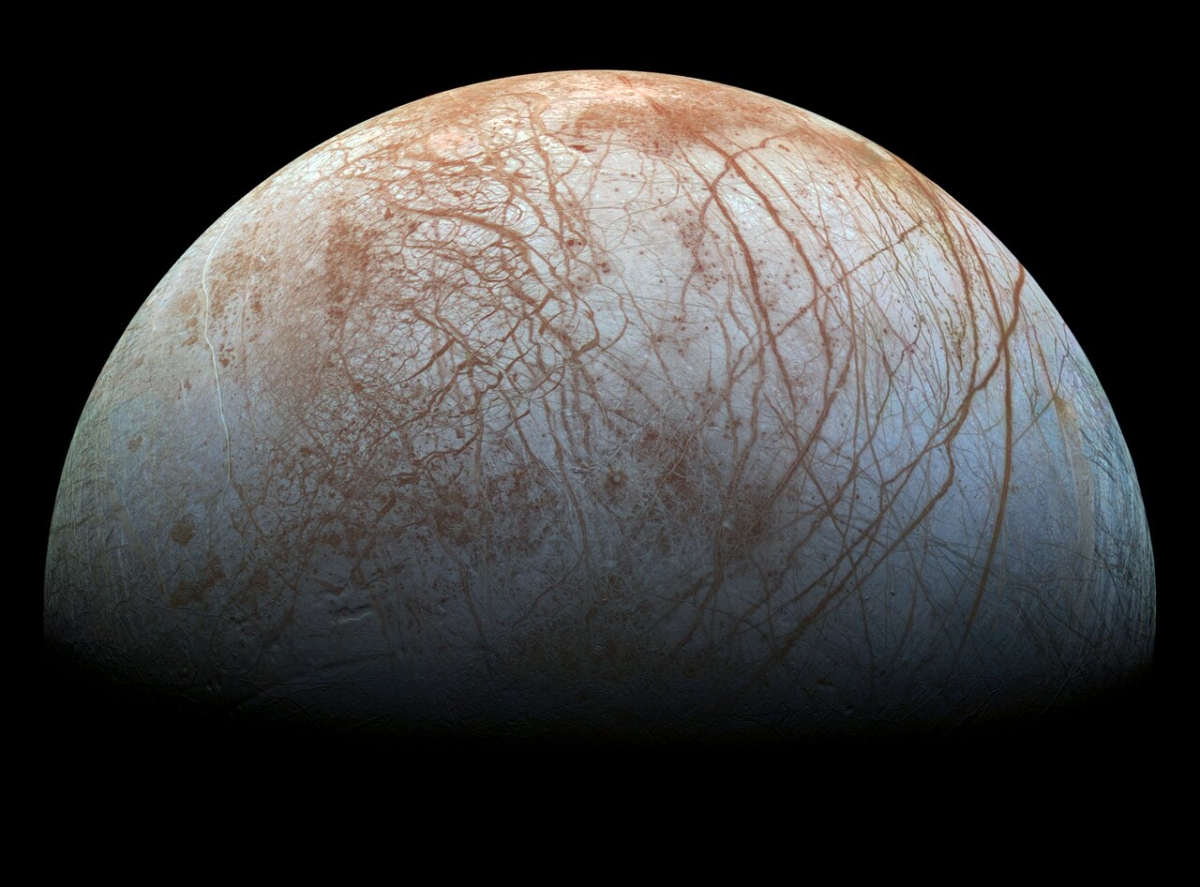
This reprocessed colour view of Jupiter’s moon Europa was made from images taken by NASA’s Galileo spacecraft in the late 1990s.
NASA/ESA Hubble Space Telescope images and spectra have revealed that water vapor is present in the atmosphere of the icy moon Europa – one of Jupiter’s 79 moons.
Research scientists suspect that Europa harbors a vast ocean underneath its icy surface, perhaps hosting extraterrestrial life.
For the first time, an astronomer has discovered evidence for persistent water vapor in the atmosphere of Europa. Despite the presence of water vapor on Europa’s trailing hemisphere there is no indication of H2O on the leading hemisphere of Europa.
Hubble spectrograph
To make this discovery, Lorenz Roth of the KTH Royal Institute of Technology in Stockholm, Sweden, dove into archival Hubble datasets, selecting ultraviolet observations of Europa from 1999, 2012, 2014 and 2015 while the moon was at various orbital positions.

Space Telescope Imaging Spectrograph (STIS).
Credit: Ball Aerospace
These observations were all taken with one of Hubble’s most versatile instruments — the Space Telescope Imaging Spectrograph (STIS). These ultraviolet STIS observations allowed Roth to determine the abundance of oxygen — one of the constituents of water — in Europa’s atmosphere, and by interpreting the strength of emission at different wavelengths he was able to infer the presence of water vapor.
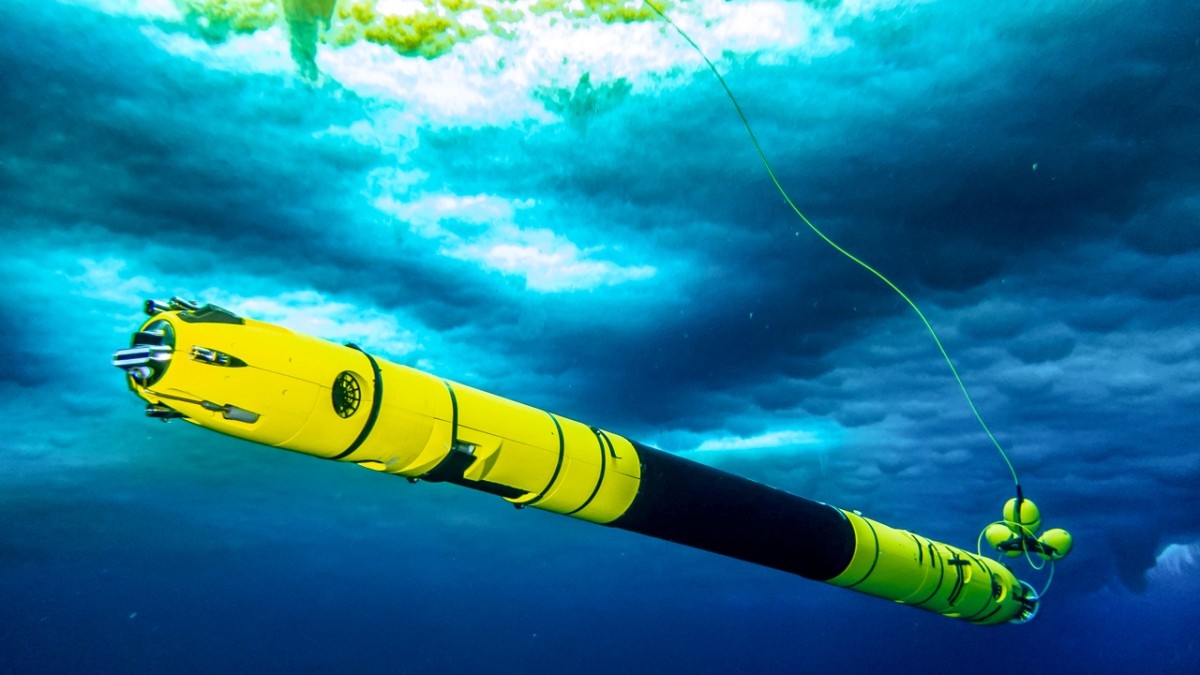
Icefin is a small robotic oceanographer that allows researchers to study ice and water around and beneath ice shelves – and develop the technology to explore other oceans in our solar system.
Courtesy: Cornell University
Icefin: robotic oceanographer
Meanwhile, research focused on Europa, is taking place in Antarctica.
Icefin is a small robotic oceanographer that allows researchers to study ice and water around and beneath ice shelves – and develop the technology to explore other oceans in our solar system.
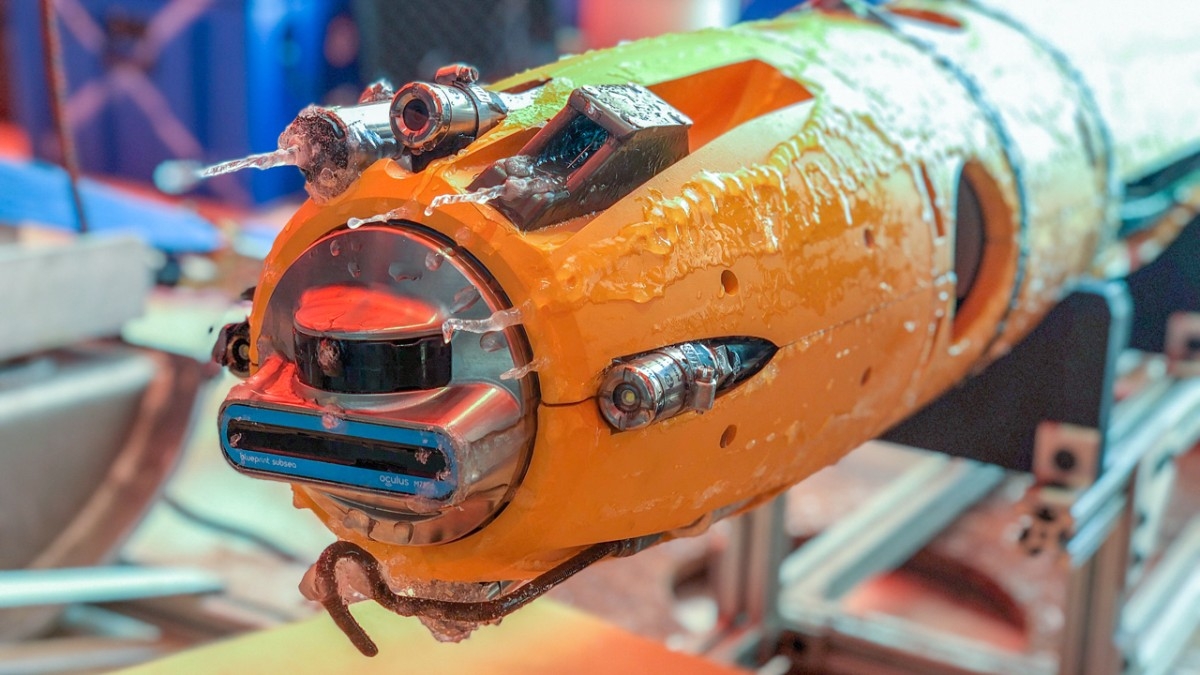
The Icefin underwater vehicle has sonar, chemical and biological sensors that help researchers characterize sub-ice environments.
Courtesy: Cornell University
Icefin – shaped like a torpedo, 13 feet long and 10 inches wide – carries cameras, sonar equipment, speed sensors, water column measuring tools and other devices. The team slips it into open water through a hole drilled in thick ice on the surface.
Hardest environment
“My team and I focus on how ice and oceans work across the solar system, including Earth. Particularly, we focus on Europa, the innermost icy moon of Jupiter,” says Cornell’s Britney Schmidt.
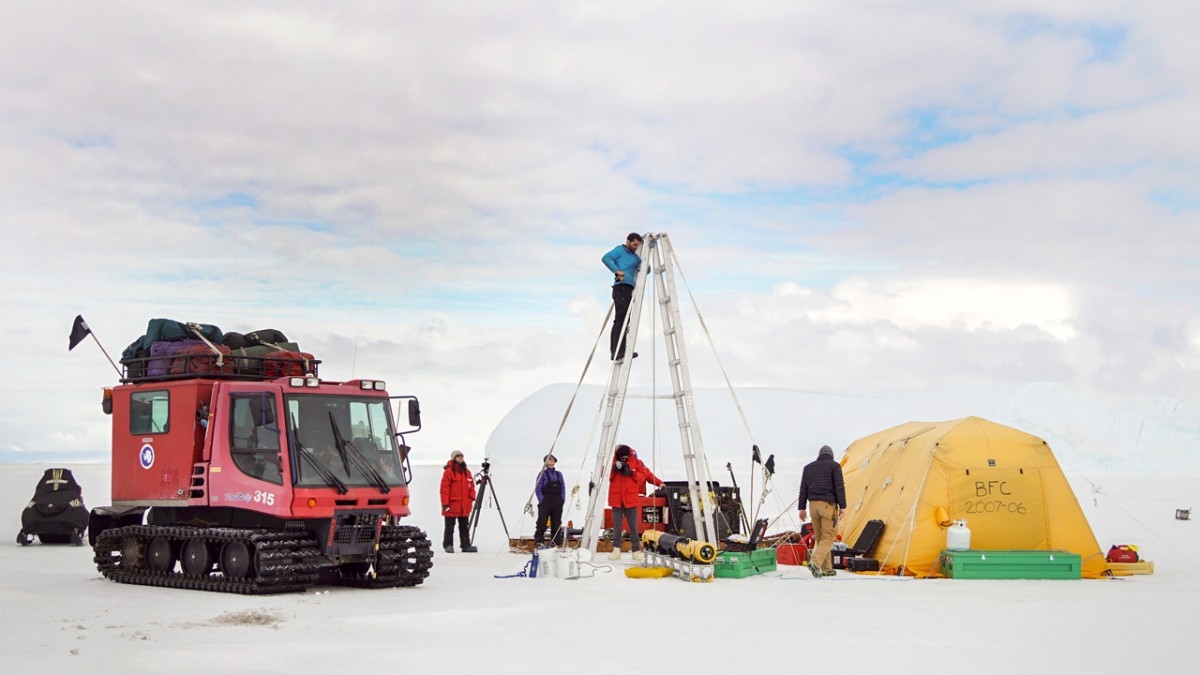
Britney Schmidt, associate professor of astronomy and of earth and atmospheric sciences, and her team set up their field site in Antarctica in 2018. They’re currently in Antarctica through February 2022.
Courtesy: Cornell University
“We’re trying to explore underwater, under ice, the hardest environment you can imagine – the most like Europa,” Schmidt said in a Cornell statement. “If we want to explore Europa with an underwater probe someday, we’ve got to do it here first.”
Field work for this project is being conducted in McMurdo Station in Antarctica and in the nearby seas, and receives funding from NASA and support from Antarctica New Zealand and the National Science Foundation (NSF).
Go to this video describing the Icefin research, at:
Credit: CCTV
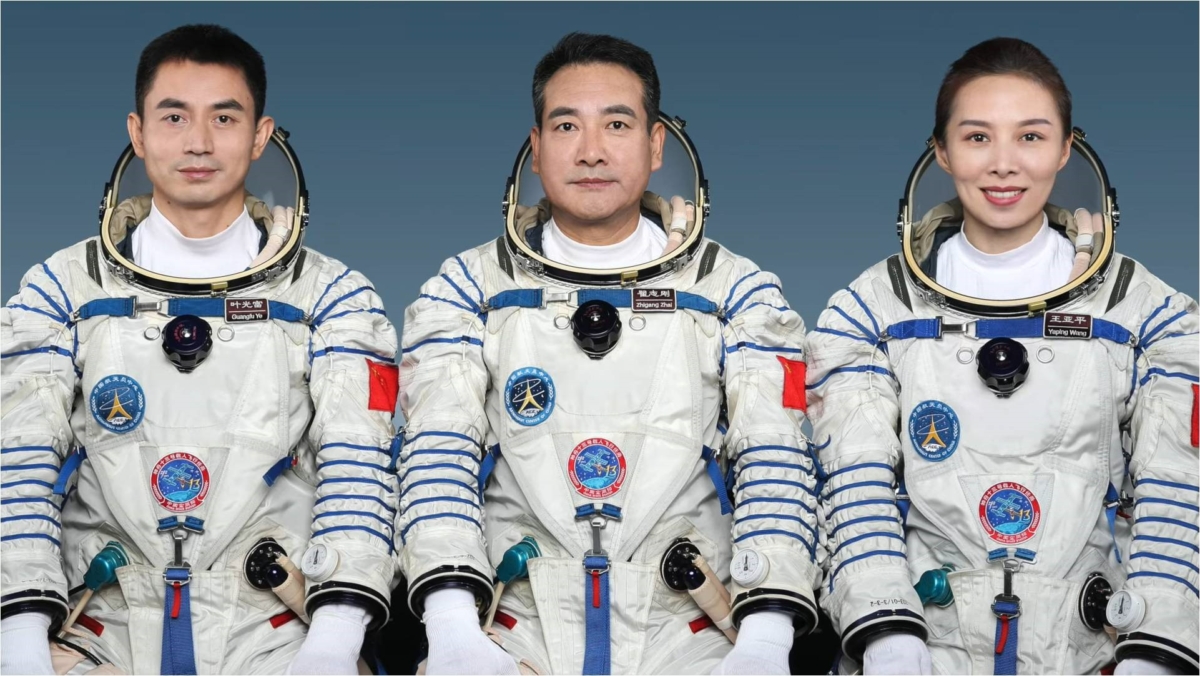
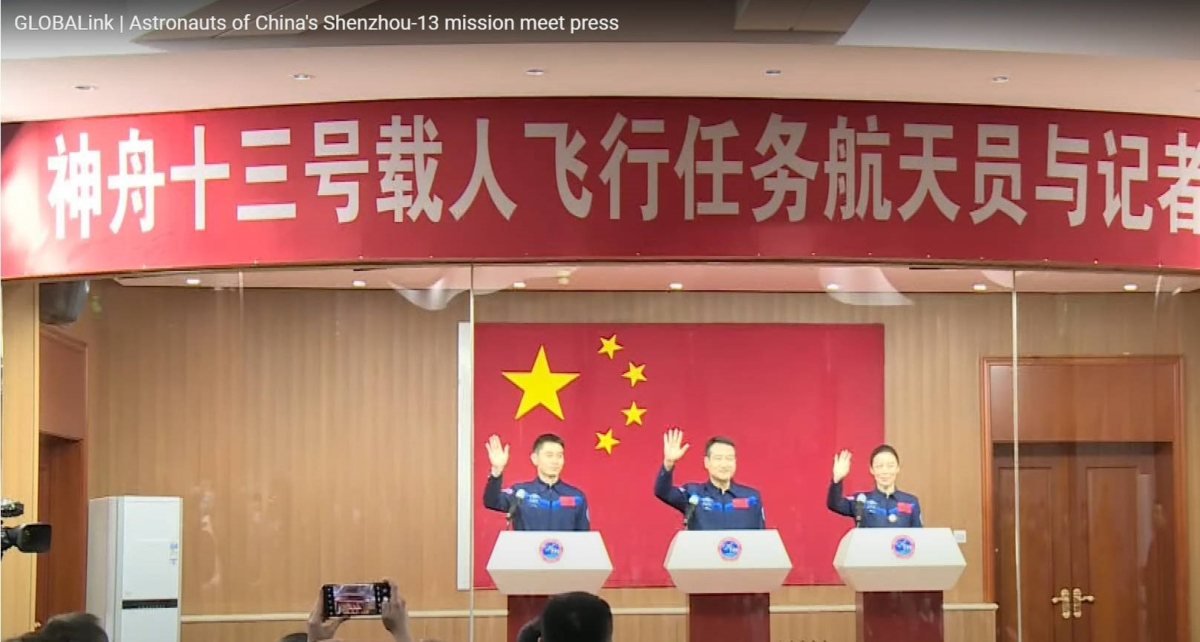
China’s 3-person Shenzhou-13 mission has been announced, a Taikonaut team that will stay in space for roughly 6 months, performing new construction tasks on the country’s space station.
The three astronauts are: Zhai Zhigang, Wang Yaping and Ye Guangfu. This will be the longest ever space mission for Chinese astronauts.
Launch schedule
Shenzhou-13 will be commanded by Zhai Zhigang, who became the first Chinese astronaut to carry out a spacewalk back in 2008.
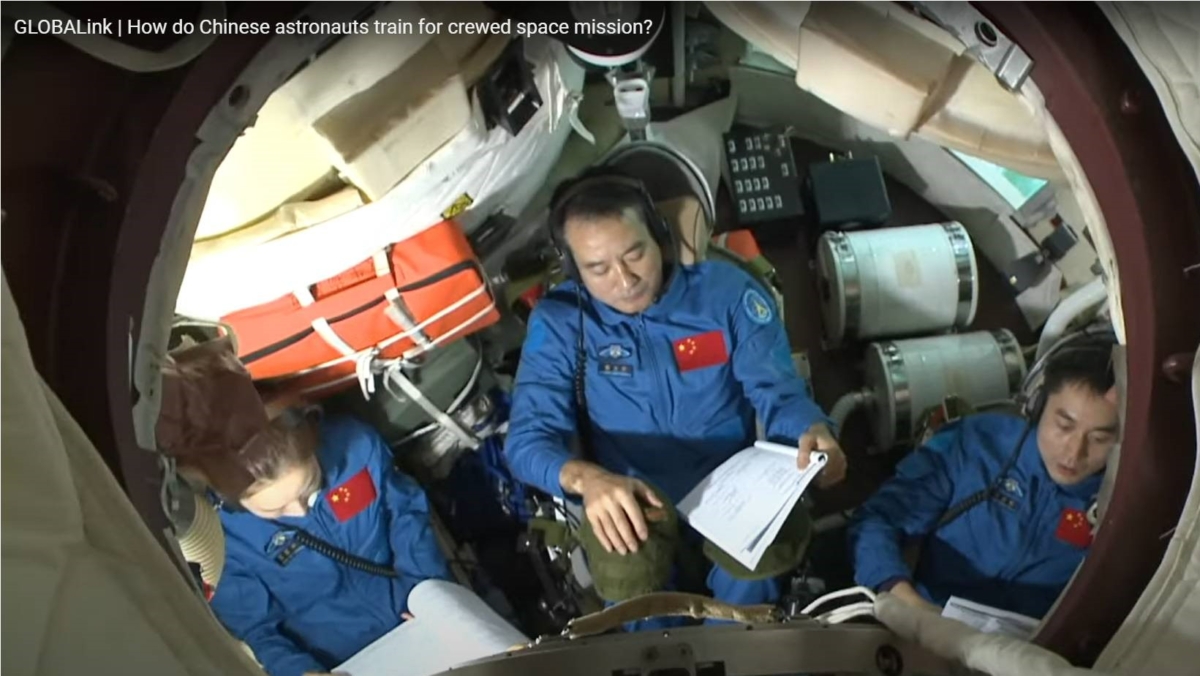
Credit: GLOBALink/Inside Outer Space screengrab
Wang Yaping became China’s second ever female astronaut as part of the Shenzhou-10 mission in 2013 and will be the first woman to work on the station’s Tianhe core module.
Ye Guangfu is set to make his first spaceflight.
The Shenzhou-13 crewed spaceship will be launched at 12:23 a.m. Saturday (Beijing Time) from the Jiuquan Satellite Launch Center in northwest China.
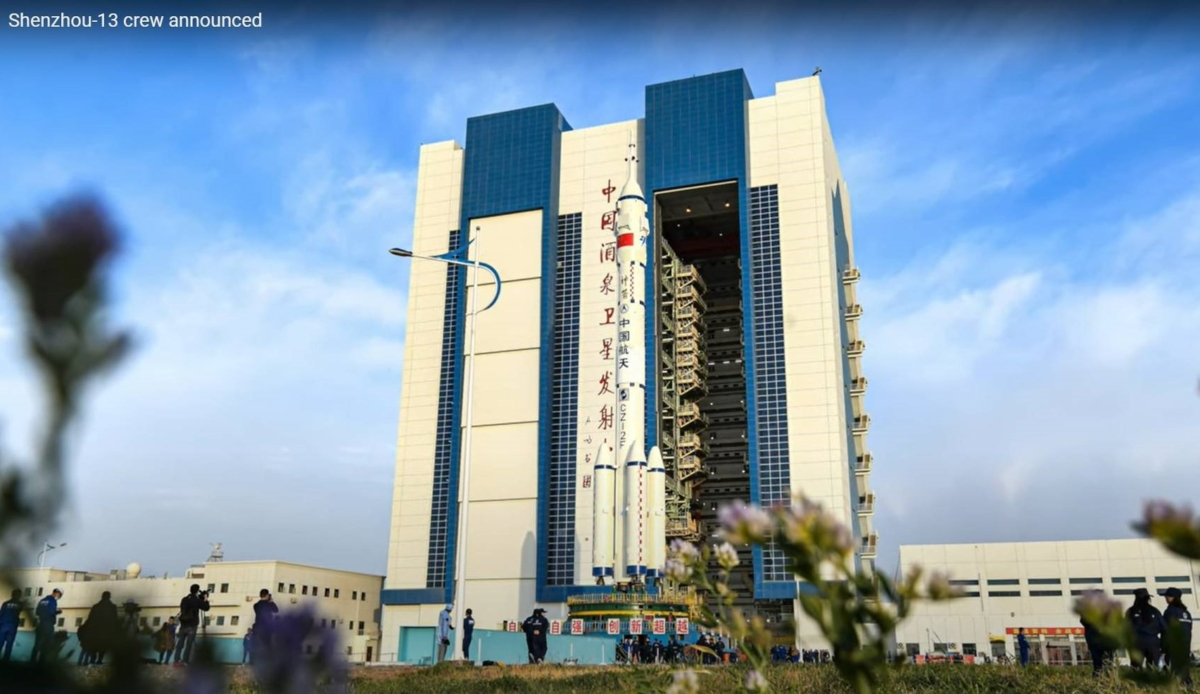
Credit: CCTV/Inside Outer Space screengrab
After entering orbit, the spaceship will conduct a fast automated rendezvous and docking with the radial port of the in-orbit space station core module Tianhe, forming a complex with the core module and the cargo crafts Tianzhou-2 and Tianzhou-3.
Spacewalks
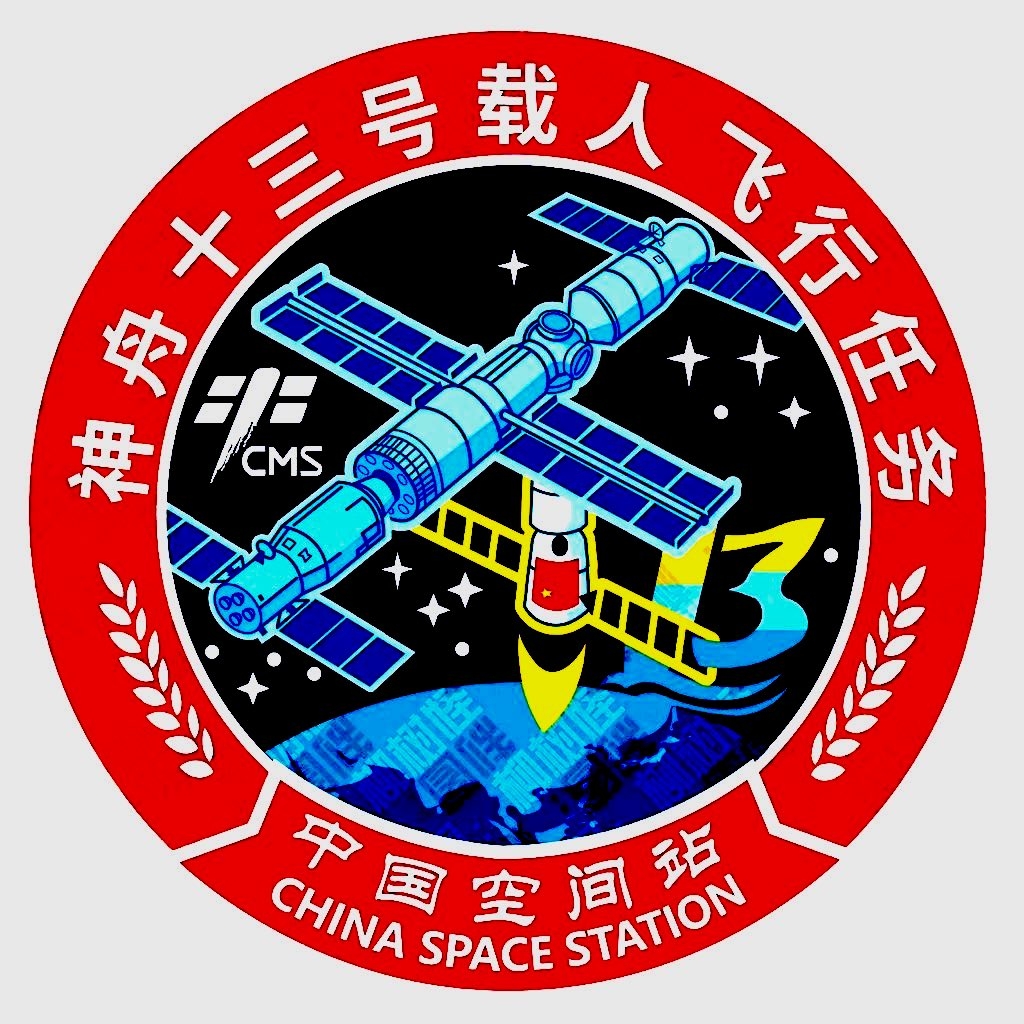
The upcoming Shenzhou-13 crewed space mission will include two or three extravehicular activities, installation of important devices for mechanical arms as well as various sci-tech experiments and application, according to the China Manned Space Agency (CMSA) on Thursday.
The Shenzhou-13 mission is part of a fast-paced series of launches to complete the building of China’s space station Tiangong by the end of 2022.
Credit: CMSA
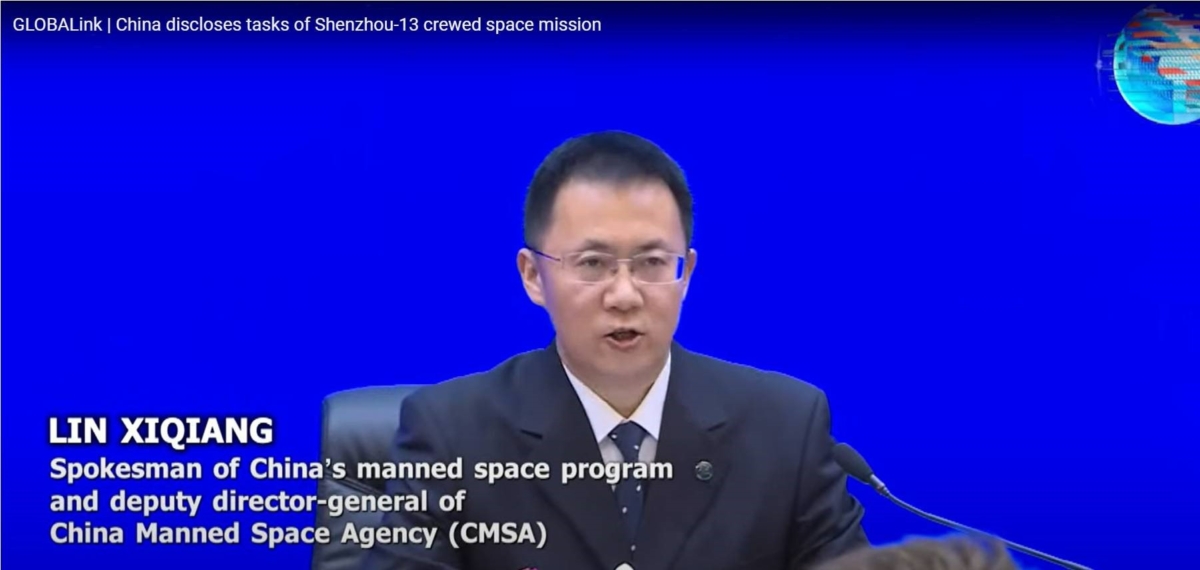
Credit: GLOBALink/Inside Outer Space screengrab
Shenzhou-12 recap
Lin Xiqiang, deputy director of the China Manned Space Agency (CMSA) recapped during a press briefing the previous Shenzhou-12 mission. Its crew carried out a series of space science and technology experiments, and tested key technologies for the construction and operation of the space station, before returning to Earth safely on September 17.
“Shenzhou-12 mission achieved many firsts: the first time that Chinese astronauts stationed into Chinese space station; the first time that astronauts stayed on orbit for three months; the first autonomous rendezvous and docking which shortened the duration from two days to 6.5 hours; the first time that the astronauts conducted extravehicular activities supported by the robotic arm; the first time that an orbit regenerative life support technology has been demonstrated systematically and comprehensively,” said Lin.
“The other firsts achieved include the first dynamic on-orbit supplies management; the first flight of a combination of three spacecraft; the first onsite emergency rescue standby for human spacecraft and human launch vehicle, which demonstrated the strategy of backup enroll; the first astronauts search and recovery mission at Dongfeng landing site; the first realization of centralized plus distributed flight control support mode for longer term flight missions by six supporter centers including operation and planning center, crew support center and spacecraft on orbit support center,” Lin said.
Credit: GLOBALink/Inside Outer Space screengrab
Decisive, final battle
“The Shenzhou-13 mission is a decisive and final battle for the verification of key technologies of the space station,” Lin said, “as well as a critical threshold to the next phase of construction. The function and performance of each system to perform the space station mission, as well as the compatibility and coordination among the systems, will be assessed more comprehensively during the Shenzhou-13 mission.”
Lin added that the Shenzhou-13 astronauts will stay in orbit for six months for the first time, which will be the normal duration period of the astronauts during the operation of the space station. Furthermore, astronaut Wang Yaping will be the first female astronaut of China to conduct extravehicular activities.
China’s space station is projected to be completed in late 2022.
Credit: CAST
Pre-launch preparations
The Shenzhou-13 launch will be carried out with a Long March-2F carrier rocket, and all pre-launch preparations are basically completed, said Lin.
“At present, the Tianhe core module, Tianzhou-2 and Tianzhou-3 cargo ship assembly is in good working status with all equipment functioning well, ready for the rendezvous and docking as well as for the astronauts to move in,” Lin said. “All systems conducting the Shenzhou-13 mission has undergone tests and comprehensive rehearsal. The flight crew is in good condition and all pre-launch preparations are in order.”
Go to these newly issued videos detailing the mission and training activities:
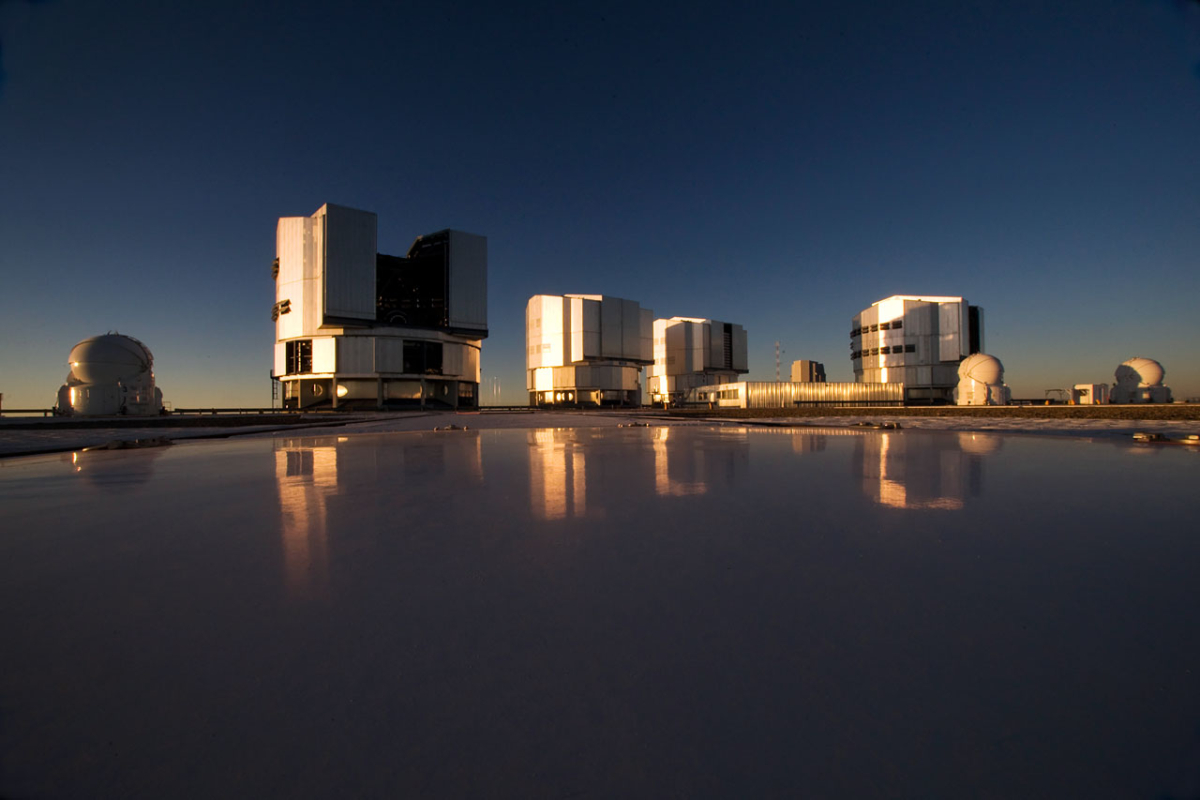
The Sun sets at ESO’s Very Large Telescope (VLT) in this image, taken at the observatory on Cerro Paranal in the dry Atacama Desert of Chile. Credit: Iztok Bončina/ESO
Never before has such a large group of asteroids been imaged so sharply.
That’s the word from The European Southern Observatory using its Very Large Telescope in Chile.
Forty-two of the largest objects in the asteroid belt between Mars and Jupiter have been imaged. Taken in the whole, the observations reveal a wide range of peculiar shapes, from spherical to dog-bone. That imagery can help astronomers trace the origins of the asteroids in our Solar System.
High level of detail
“Only three large main belt asteroids, Ceres, Vesta and Lutetia, have been imaged with a high level of detail so far, as they were visited by the space missions Dawn and Rosetta of NASA and the European Space Agency, respectively,” explains Pierre Vernazza, from the Laboratoire d’Astrophysique de Marseille in France, who led the asteroid study published recently in Astronomy & Astrophysics.
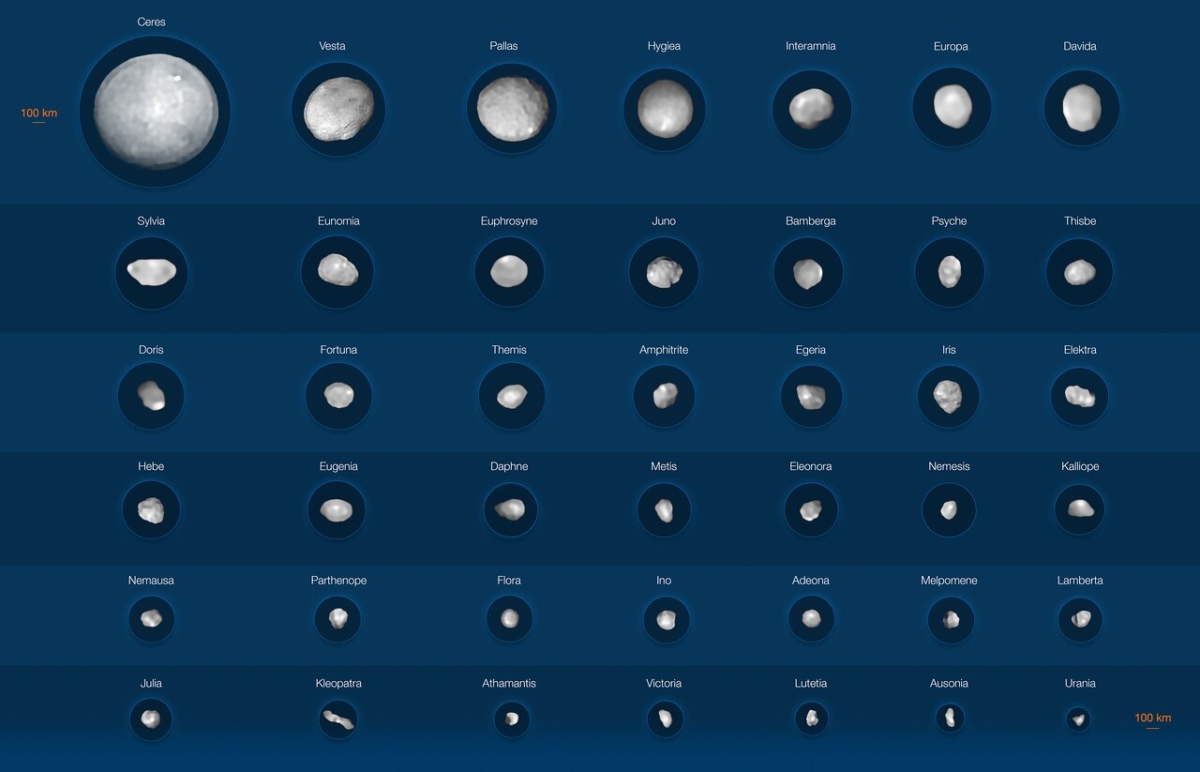
This image depicts 42 of the largest objects in the asteroid belt, located between Mars and Jupiter.
Credit: P. Vernazza, et al.
The four least dense asteroids studied, including Lamberta and Sylvia, have densities of about 1.3 grams per cubic centimeter, around the density of coal. The highest, Psyche and Kalliope, have densities of 3.9 and 4.4 grams per cubic centimeter, respectively, which is higher than the density of diamond (3.5 grams per cubic centimeter).
Object shapes
ESO’s VLT in Chile has made possible the reconstruction of the objects’ shapes. The team realized that the observed asteroids are mainly divided into two families. Some are almost perfectly spherical, such as Hygiea and Ceres, while others have a more peculiar, “elongated” shape, their undisputed queen being the “dog-bone” asteroid Kleopatra, explains an ESO statement.
“Our observations provide strong support for substantial migration of these bodies since their formation. In short, such tremendous variety in their composition can only be understood if the bodies originated across distinct regions in the Solar System,” explains Josef Hanuš of the Charles University, Prague, Czech Republic, one of the authors of the study. In particular, the results support the theory that the least dense asteroids formed in the remote regions beyond the orbit of Neptune and migrated to their current location.
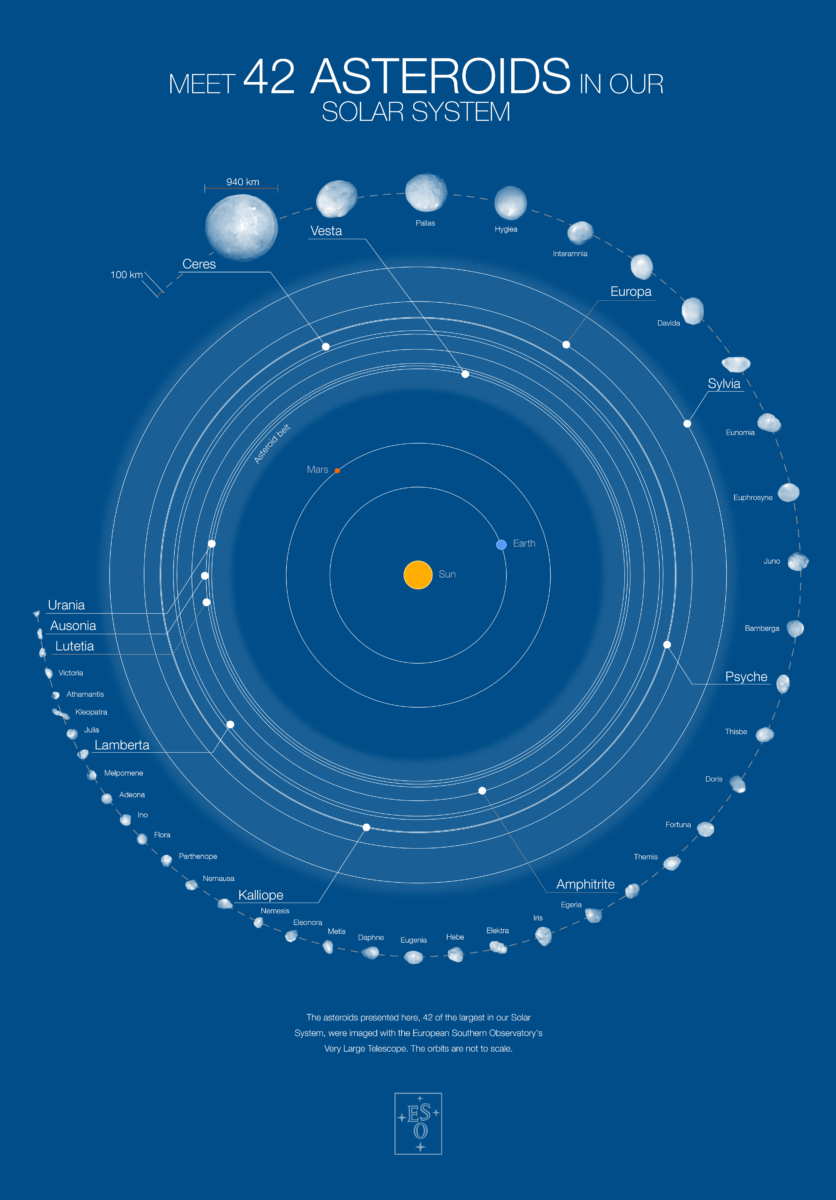
This poster shows 42 of the largest objects in the asteroid belt, located between Mars and Jupiter (orbits not to scale). The images in the outermost circle of this infographic have been captured with the Spectro-Polarimetric High-contrast Exoplanet REsearch (SPHERE) instrument on ESO’s Very Large Telescope. The asteroid sample features 39 objects larger than 100 kilometers in diameter, including 20 larger than 200 kilometers. The poster highlights a few of the objects, including Ceres (the largest asteroid in the belt), Urania (the smallest one imaged), Kalliope (the densest imaged) and Lutetia, which was visited by the European Space Agency’s Rosetta mission.
Credit: ESO/M. Kornmesser/Vernazza et al./MISTRAL algorithm (ONERA/CNRS)
SPHERE sensitivity
These findings were made possible due to the sensitivity of the Spectro-Polarimetric High-contrast Exoplanet REsearch (SPHERE) instrument mounted on ESO’s VLT.
“With the improved capabilities of SPHERE, along with the fact that little was known regarding the shape of the largest main belt asteroids, we were able to make substantial progress in this field,” says co-author Laurent Jorda, also of the Laboratoire d’Astrophysique de Marseille.
To access the paper – “VLT/SPHERE imaging survey of the largest main-belt asteroids: Final results and synthesis,” go to:
https://www.aanda.org/articles/aa/full_html/2021/10/aa41781-21/aa41781-21.html

