Archive for the ‘Space News’ Category
 Author:
  November 5th, 2021
Credit: Ralf Vandebergh
Retro fire yourself back to the 1970’s.
It was a time of Soviet Union/United States Cold War, space race, one-upmanship histrionics.
In late March 1972, the Soviet Union’s Cosmos 482 was launched – an attempted Venus probe that ran afoul during its rocket-powered escape to that cloud-veiled world.
A big chunk of that failed craft remains in Earth orbit today as space junk.

Venera 8
Credit: NPO Lavochkin
Telescopic looks
Ralf Vandebergh of the Netherlands has been taking telescopic looks at the errant Cosmos 482 remains for numbers of years. He explains that, in late June 1972, a smaller object separated from the main spacecraft, thought to be the lander (descent craft), and catalogued as piece E.
Recently, Vandebergh re-appraised images he had taken of the spacecraft leftovers, stacking the best data he obtained from 2014 observations.
“I stacked data of 2 imaging sessions and I’m pretty sure now that there is a compact object – presumably the descent module as stated by experts,” Vandebergh told Inside Outer Space. “However the interesting thing is that there seems to be a fainter elongated part that seems attached to the compact object. It is just very hypothetical, but I thought it could be possible that what we see is the parachute that came out of the lander when it separated from the main spacecraft.”

Venera 8 descent probe.
Credit: Hall of Venus/NPO Lavochkin
Inevitable descent
The former Soviet Union’s Cosmos 482 was a sister probe to Venera 8. That spacecraft in July 1972 became the second craft to land successfully on the surface of Venus. It relayed data from Venus’ hellish surface for 50 minutes and 11 seconds before succumbing to the harsh planetary conditions.
Meanwhile, adrift around Earth and headed, eventually, for an Earth reentry is the lost-to-space Cosmos 482 wreckage.
One key question that intrigues satellite spotters is whether the out-of-action spacecraft still includes its Venus entry capsule.
That Soviet-style contraption was built to withstand the heat of diving into Venus’ cloud-veiled planet’s thick atmosphere. That Venus lander mass is pegged at 1,091 lbs. (495 kilograms) and carries significant thermal protection.
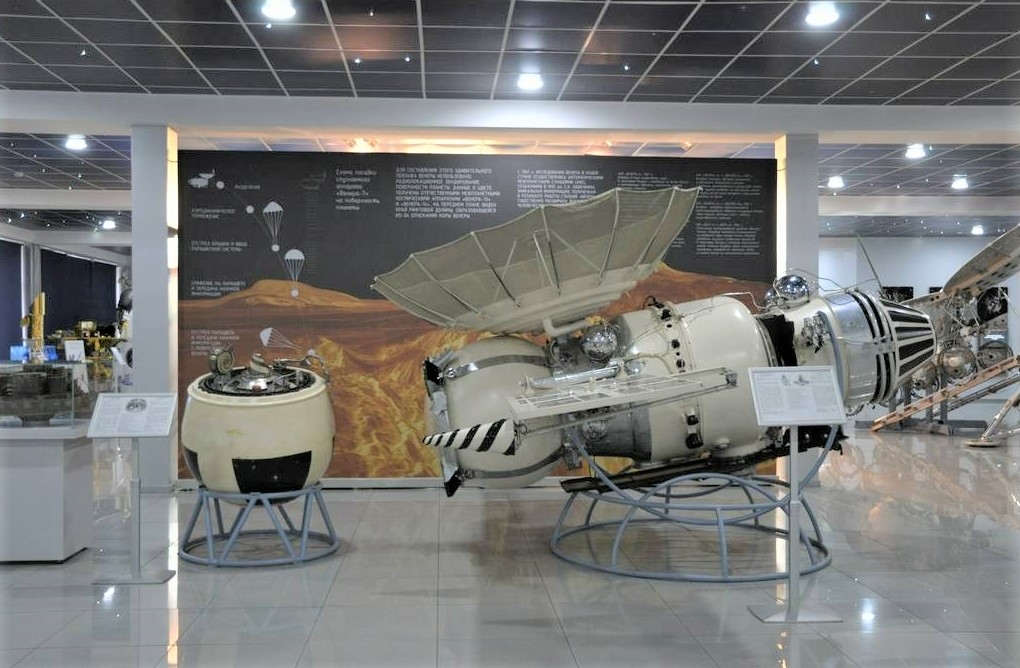
Credit: Hall of Venus/NPO Lavochkin
So could this piece of space junk survive its inevitable descent back to its home planet.
According to N2YO.com – a website dedicated to real time satellite tracking – the Cosmos 482 leftovers are circuiting Earth in an orbit that’s 129 miles (207.6 kilometers) by 1,284 miles (2,065.7 kilometers).
Exactly when and where the wayward hardware could plummet back to Earth is uncertain. Some analysts peg its reentry between 2023 and late 2026.
 Posted in
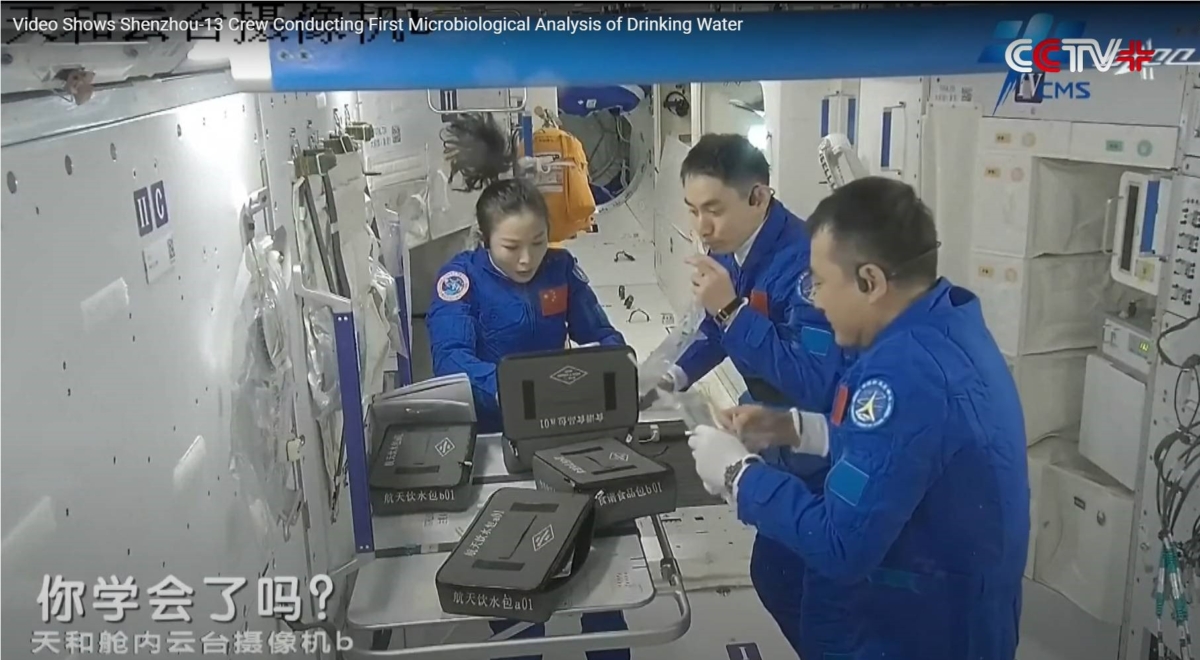
Shenzhou-13 crew.
Credit: CCTV/CMSA/Inside Outer Space screengrab
China’s trio of taikonauts — Zhai Zhigang, Wang Yaping and Ye Guangfu – residing in the country’s space station Tianhe core module are preparing for the mission’s first extravehicular activity in the coming days.
All conditions for the crew’s first EVAs are in place, the China Manned Space Agency (CMSA) announced on Friday.
The combination of China’s under-construction space station is formed by the Shenzhou-13 spaceship, Tianhe core module, and cargo crafts Tianzhou-2 and Tianzhou-3.
Credit: CMSA
Settling in settings
“The Shenzhou-13 taikonauts have finished their settling in settings. And they have unpacked the new extravehicular suit we just sent up with the Tianzhou-3 cargo craft and completed various tests to make sure the space suit is well set for extravehicular activities,” said Wu Hao, an assistant researcher of the China Astronaut Research and Training Center, who specializes in training space crews for extravehicular activities.
The Shenzhou-13 team have successfully transferred supplies from the Tianzhou cargo crafts, maintained the space station combination in a good condition, unpacked and tested the new extravehicular spacesuit, conducted medical examinations, done weightless exercises, carried out some regular scientific experiments, and prepared for such emergency operations as evacuation and first aid, said the CMSA.
Target: new duration record
Launched on October 16, the crew will stay in orbit for six months, setting a new duration record for China’s crewed space missions.
A recently released set of videos spotlights life onboard the orbiting outpost, including the crew carrying out a microbiological analysis of their drinking water.
Go to:
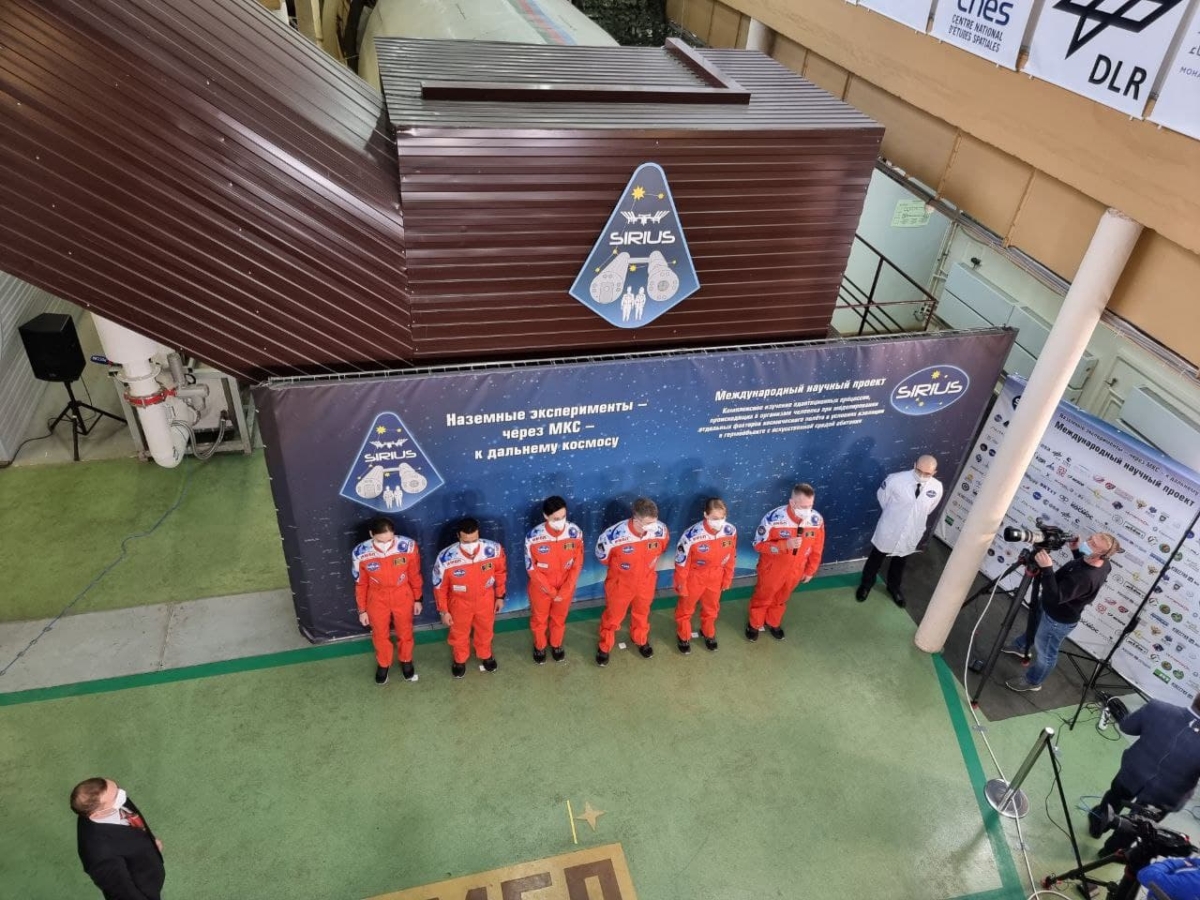
Credit: Roscosmos/SIRIUS International Project
A 240-day isolation study is now underway with an international crew simulating voyage to the Moon.
Called the Scientific International Research In Unique terrestrial Station (SIRIUS), 70 experiments will be carried out related to preparation for further space exploration by humans.
SIRIUS is underway at the Institute of Biomedical Problems of the Russian Academy of Sciences in Moscow.
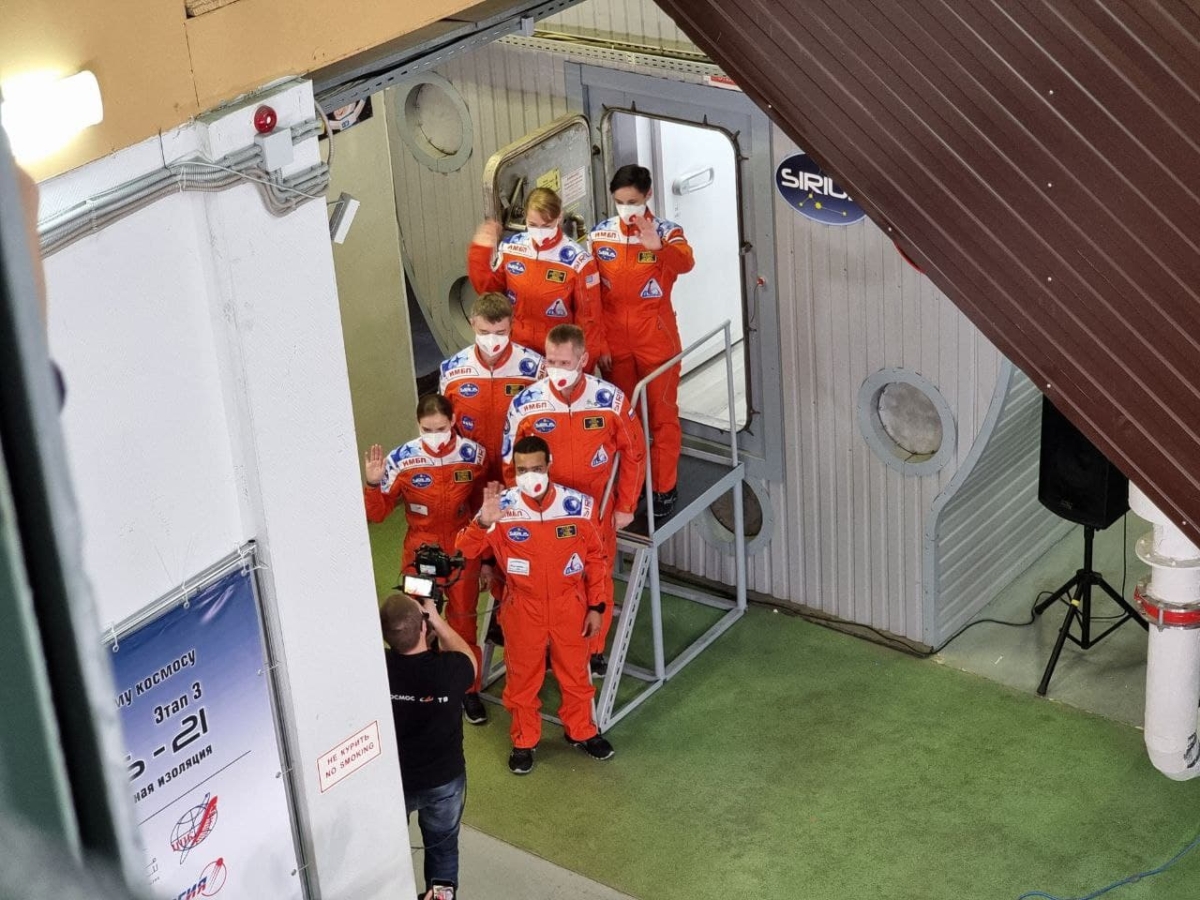
Credit: Roscosmos/SIRIUS International Project

Credit: Institute of Biomedical Problems (IBMP) of the Russian Academy of Sciences
Mixed gender, nationalities
Representing a mixed gender and nationality of the crew, the international crew of the SIRIUS-21 mission are: Oleg Blinov (Russia), Victoria Kirichenko (Russia), Ekaterina Karjakina (Russia), William Brown (USA), Ashley Kowalski (USA) and Saleh Omar al Ameri (UAE).
During the experiment simulating a flight to the Moon, it is planned to collect scientific data on a number of problems expeditionary space crews will face, such as:
- sensory deprivation, monotony, limited social contacts, limited living space and managed habitat
- factors of autonomous interplanetary flight, including limiting the resources of the expedition and extravehicular activities on the planet’s surface
- professional activities of the crew (docking of transport ships, landing of the lunar module, control of robotic equipment)
- communication delay up to 5 minutes one way
Earlier stages
The previous two stages of the experiment – SIRIUS-17 and SIRIUS-19 – were carried out in 2017 and 2019, respectively.
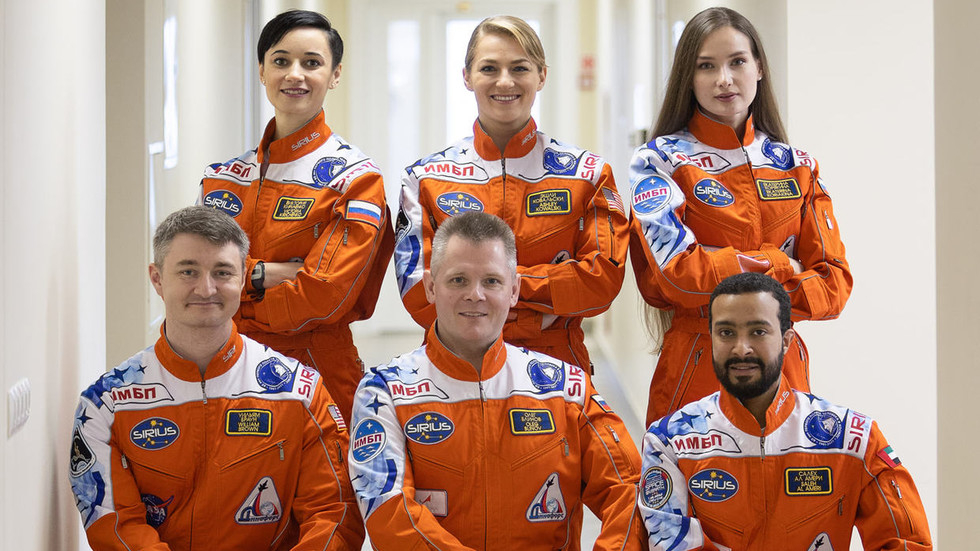
Credit: IBMP
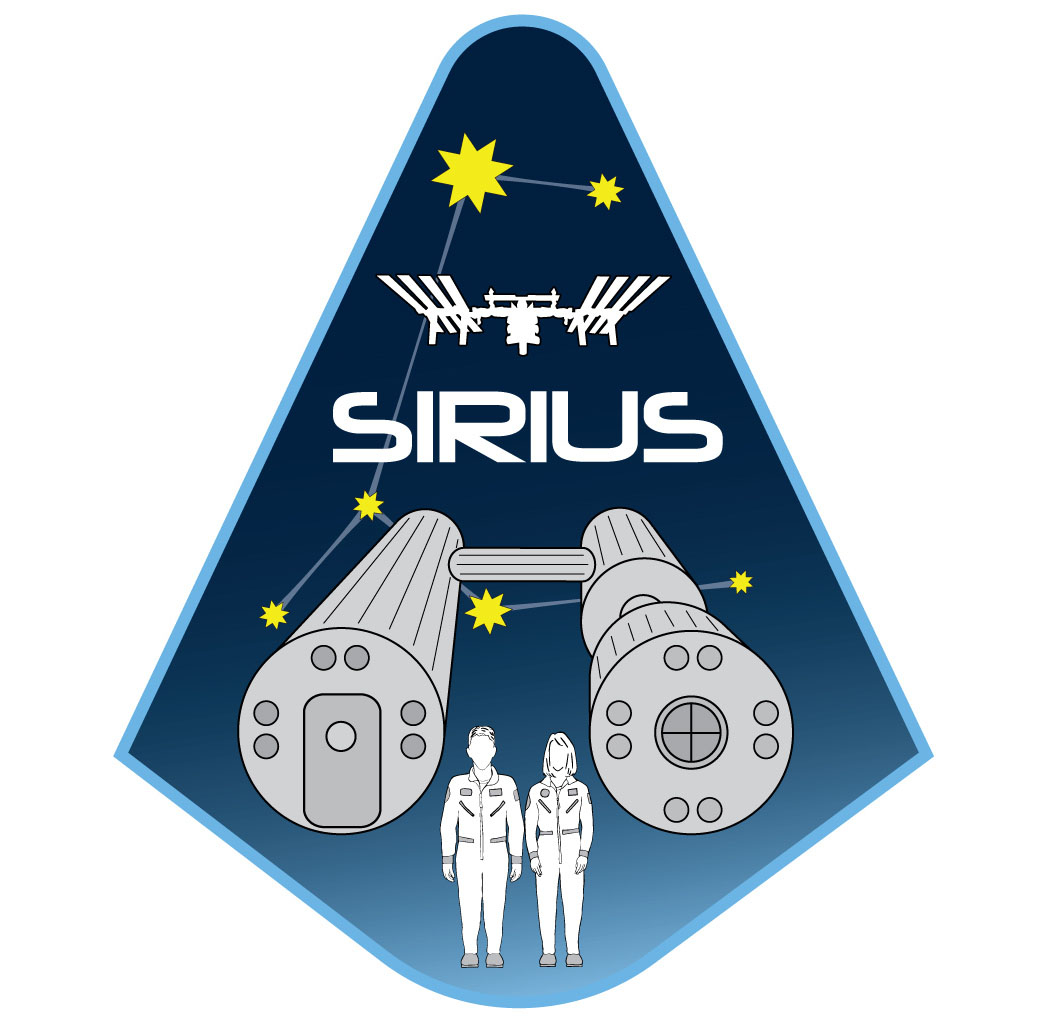
Credit: IBMP
Beginning in 2017, this Russia/US partnership utilizes the Institute of Biomedical Problems of the Russian Academy of Sciences’ ground experimental facility, or NEK, to carry out SIRIUS analog missions.

Credit: IBMP
SIRIUS analog missions assist NASA in gaining knowledge about the physiological and psychological “exploration stresses” of remoteness and confinement in humans – all in preparation for sustained Artemis expeditions to the Moon and on-the-horizon flight of crews to Mars.
Composition of the crew includes crew commander, flight engineer, crew doctor and three researchers. The activities of the crew during the experiment are based on the basic provisions of the Code of Professional Ethics of Cosmonauts of the Russian Federation and the Code of Conduct for the International Space Station crew.
Go to this just-issued video showing the SIRIUS crew prior to starting their isolation study at:

The Defense Department today released its annual report on military and security developments involving China, commonly referred to as the China Military Power Report.
This newly issued report discusses China’s space ambitions:
“The PRC’s [People’s Republic of China] space enterprise continues to mature rapidly and Beijing has devoted significant economic and political resources to growing all aspects of its space program, from military space applications to civil applications such as profit-generating launches, scientific endeavors, and space exploration.”
The report notes the inaugural launch of a reusable PRC Space Plane, explaining:
“In early September, the PRC became the third country to successfully launch and recover a space plane, after
the United States and the Soviet Union. The space plane spent about two days in space before releasing a second object, de-orbiting, and landing at an airfield in Western China. The second object remains on orbit. Beijing has not released any information on the mission beyond calling it a “reusable experimental spacecraft.”
To read the full report — Military and Security Developments Involving the People’s Republic of China — go to:
https://media.defense.gov/2021/Nov/03/2002885874/-1/-1/0/2021-CMPR-FINAL.PDF?source=GovDelivery
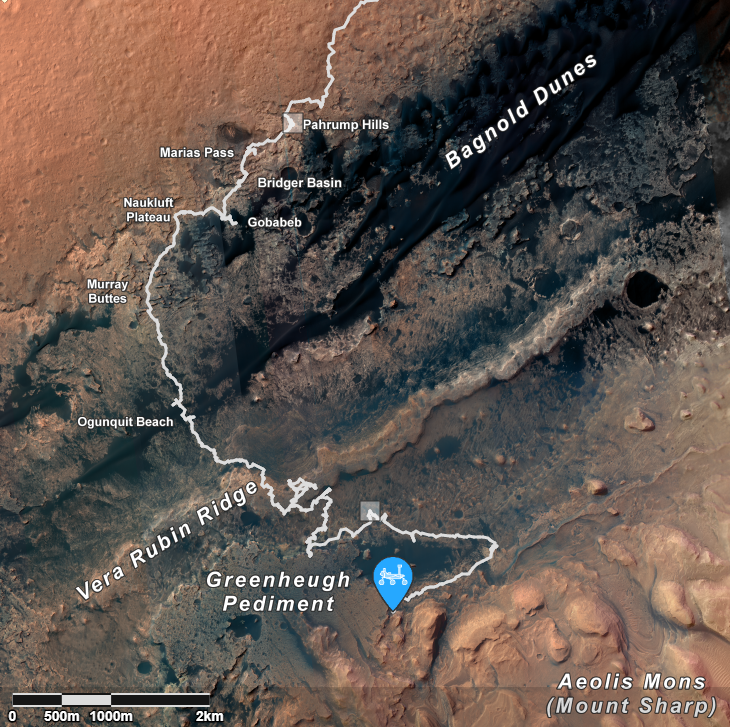
Curiosity’s location as of Sol 3285. Distance driven is 16.50 miles/26.56 kilometers.
Credit: NASA/JPL-Caltech/Univ. of Arizona
NASA’s Curiosity Mars rover at Gale Crater is now performing Sol 3286 duties.
Reports Ken Herkenhoff, a planetary geologist at the USGS Astrogeology Science Center in Flagstaff, Arizona, the robot’s Sol 3285 drive went well.
The rover has a good view of nearby outcrops, so the science team had a lot of potential drill and contact science targets to discuss, Herkenhoff adds. “We sent a prioritized list of drive targets to the rover planners, and ultimately selected a low-lying outcrop.”
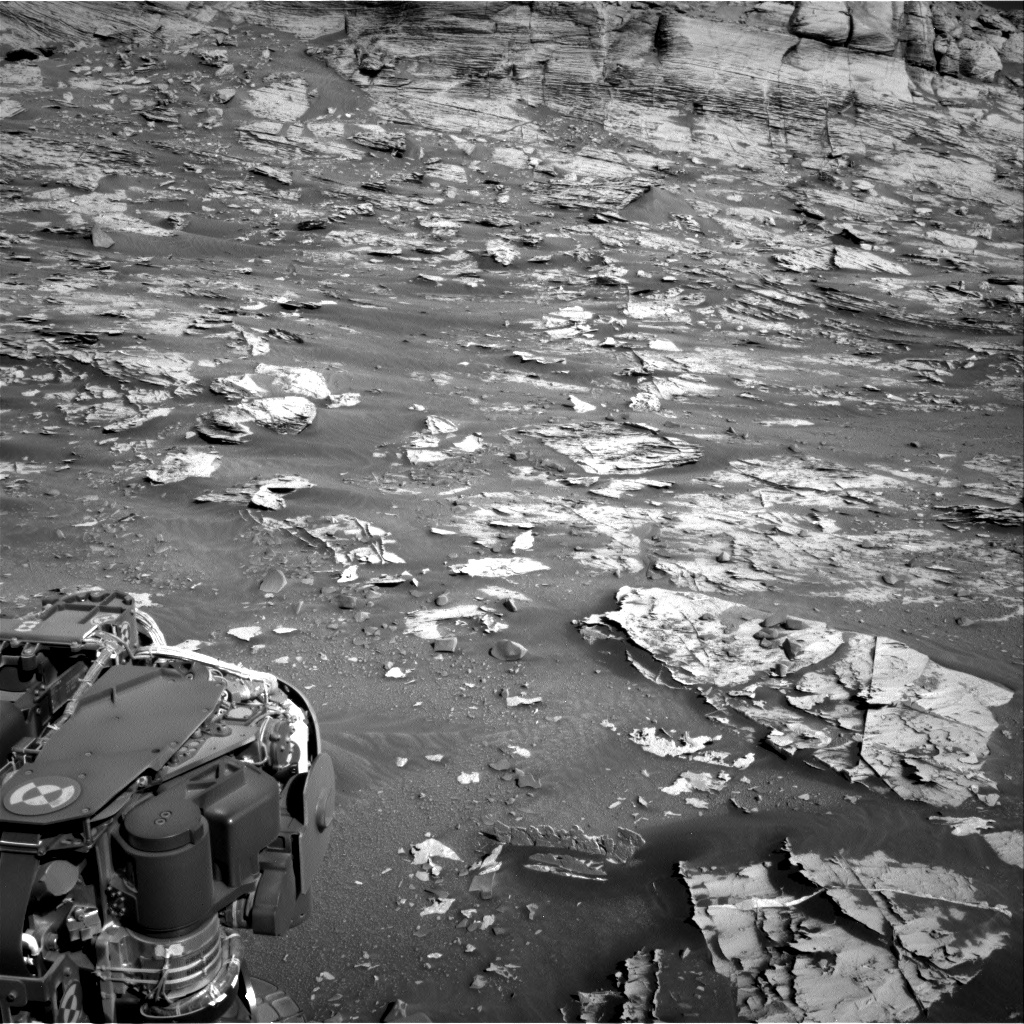
Mars researchers are selected a low-lying outcrop seen right of center in this image taken by Curiosity’s Right Navigation Camera on Sol 3285.
Credit: NASA/JPL-Caltech
This target appears to be easily accessible, so a newly scripted plan represents the first sol of a new drill campaign!
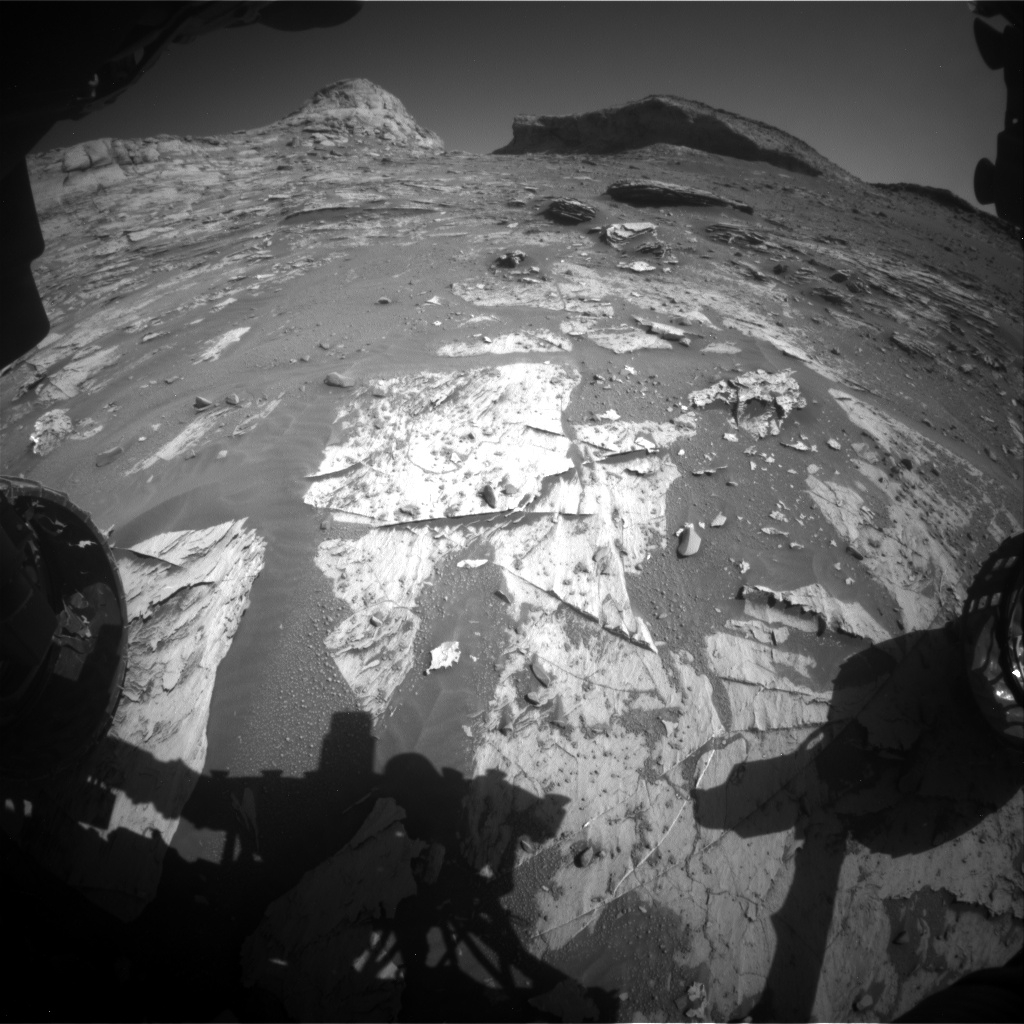
Curiosity Front Hazard Avoidance Camera Left B photo taken on Sol 3286, November 3, 2021.
Credit: NASA/JPL-Caltech
Planning day
“Although the time available before new data must be relayed to Earth was limited today, we were able to plan contact science on a nearby rock target called “Dumbuck” and some remote sensing observations as well,” Herkenhoff notes. “It was a busy and sometime hectic planning day for the team…but the effort was worth it because the final plan is excellent.”
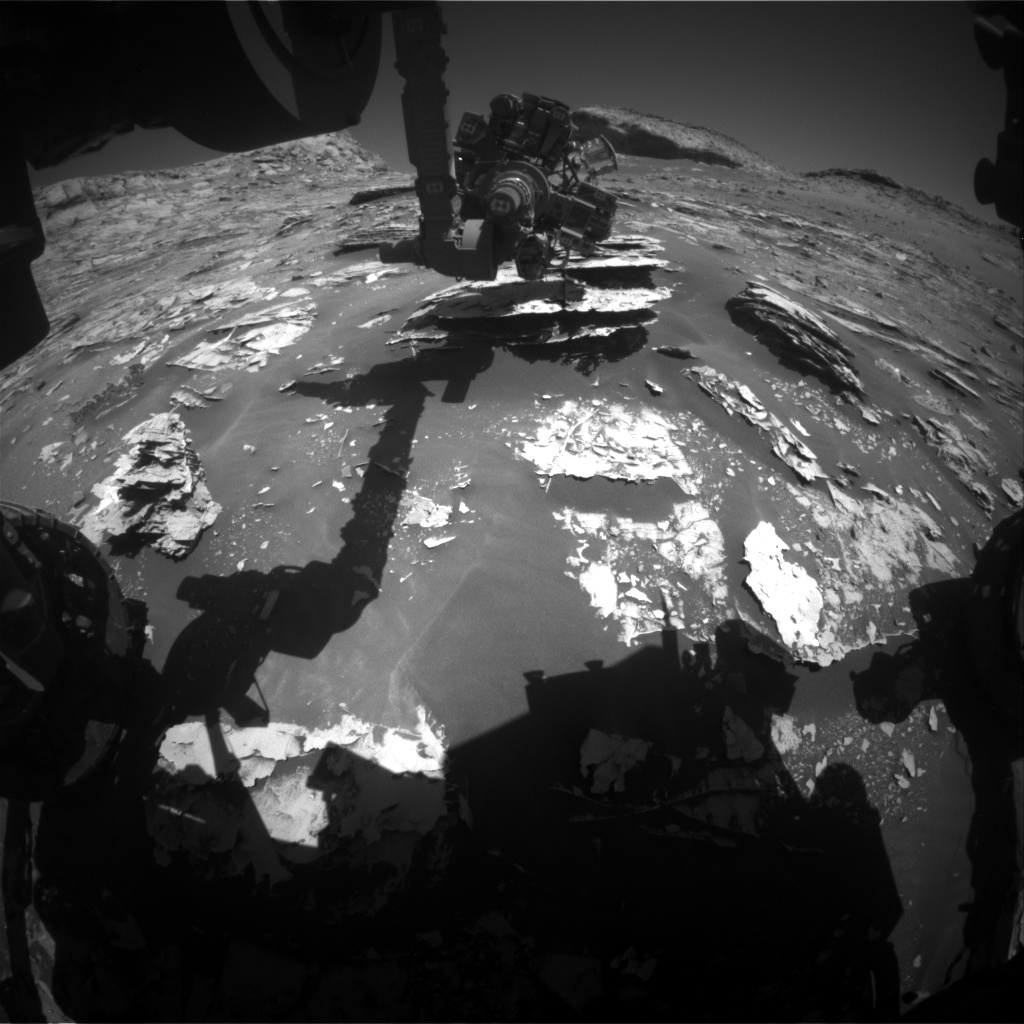
Curiosity Front Hazard Avoidance Camera Right B photo taken on Sol 3286, November 3, 2021.
Credit: NASA/JPL-Caltech
After the Alpha Particle X-Ray Spectrometer (APXS) and the Mars Hand Lens Imager (MAHLI) examine Dumbuck, the rover’s Chemistry and Camera (ChemCam) will shoot its laser at a nearby nodule-rich bedrock target named “Fallen Stack,” Herkenhoff reports, “to look for compositional variations among the nodules and surrounding bedrock.”
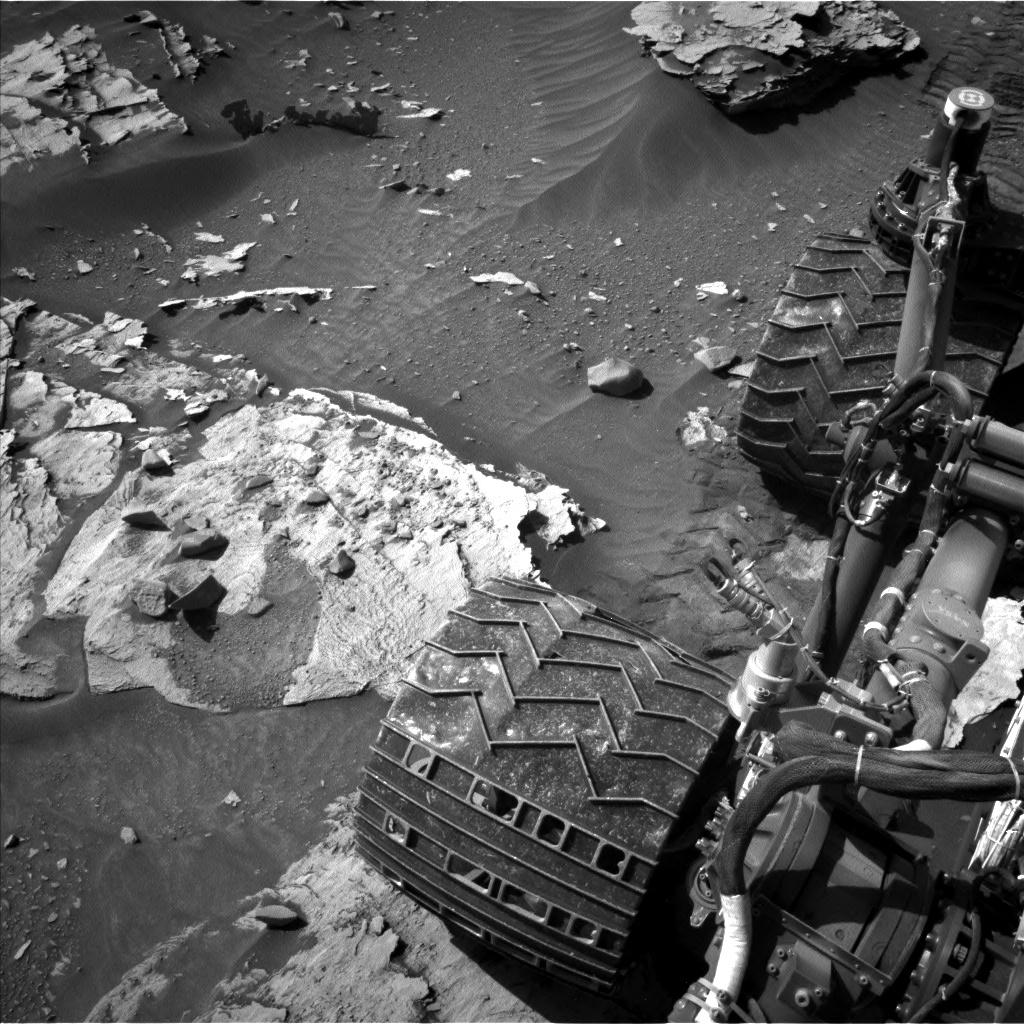
Curiosity Left B Navigation Camera image acquired on Sol 3286, November 3, 2021.
Credit: NASA/JPL-Caltech
Drill site mosaics
After Curiosity’s Right Mastcam documents the laser spots, several Mastcam stereo mosaics are planned of the drill site for context, of an outcrop to the west dubbed “Bellevue,” and an outcrop uphill named “Cliffs of Hallaig.”
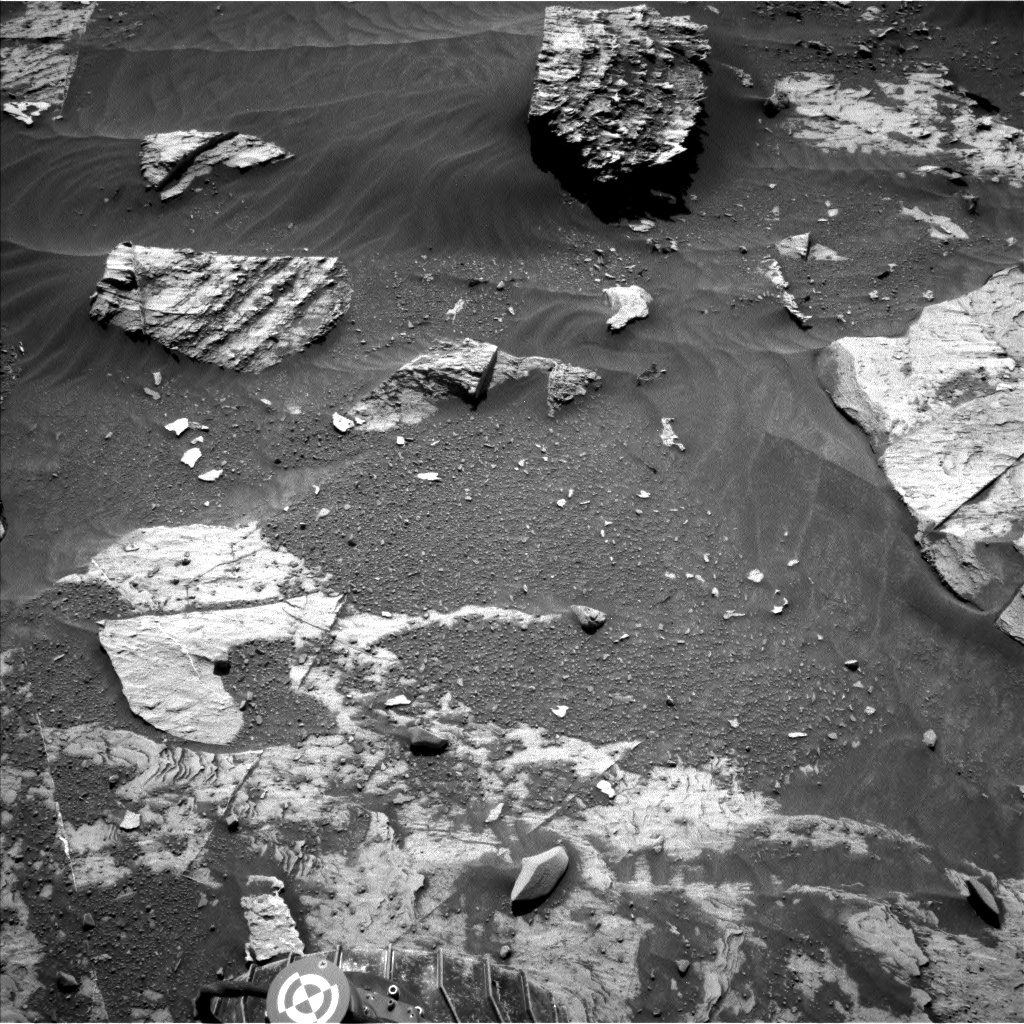
Curiosity Left B Navigation Camera image acquired on Sol 3286, November 3, 2021.
Credit: NASA/JPL-Caltech
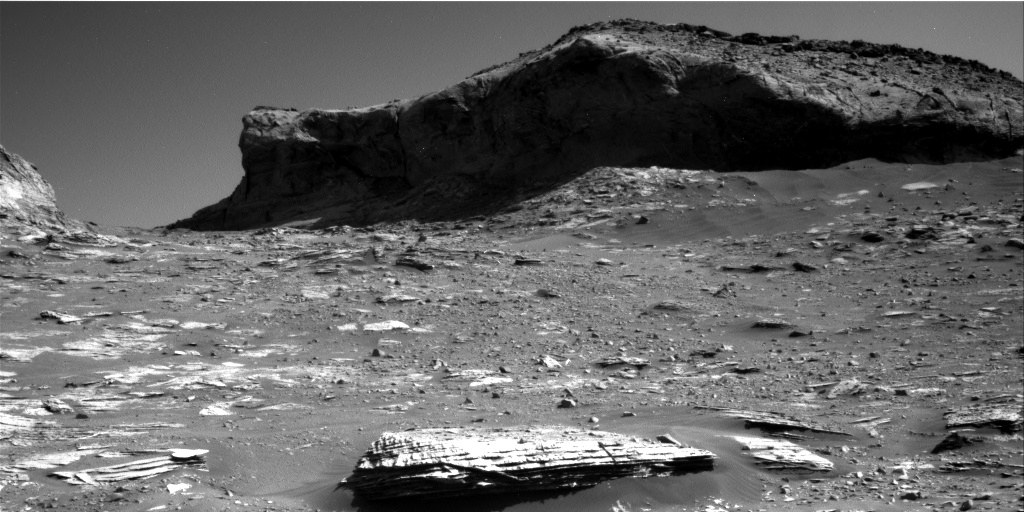
Curiosity Right B Navigation Camera image acquired on Sol 3286, November 3, 2021.
Credit: NASA/JPL-Caltech
“Mastcam stereo mosaics will also be acquired on a couple targets that had been imaged before, “Coylton Rocking Stone” and “Ciuff Hill,” from our new viewpoint,” Herkenhoff says.
After the drive to the new drill site, in addition to the standard post-drive imaging, Navcam and Mastcam will take mosaics of much of the terrain surrounding Curiosity to enable an upcoming, detailed target selection.
Navcam will also search for clouds and the robot’s Mars Descent Imager (MARDI) will image the surface behind the left front wheel during twilight.
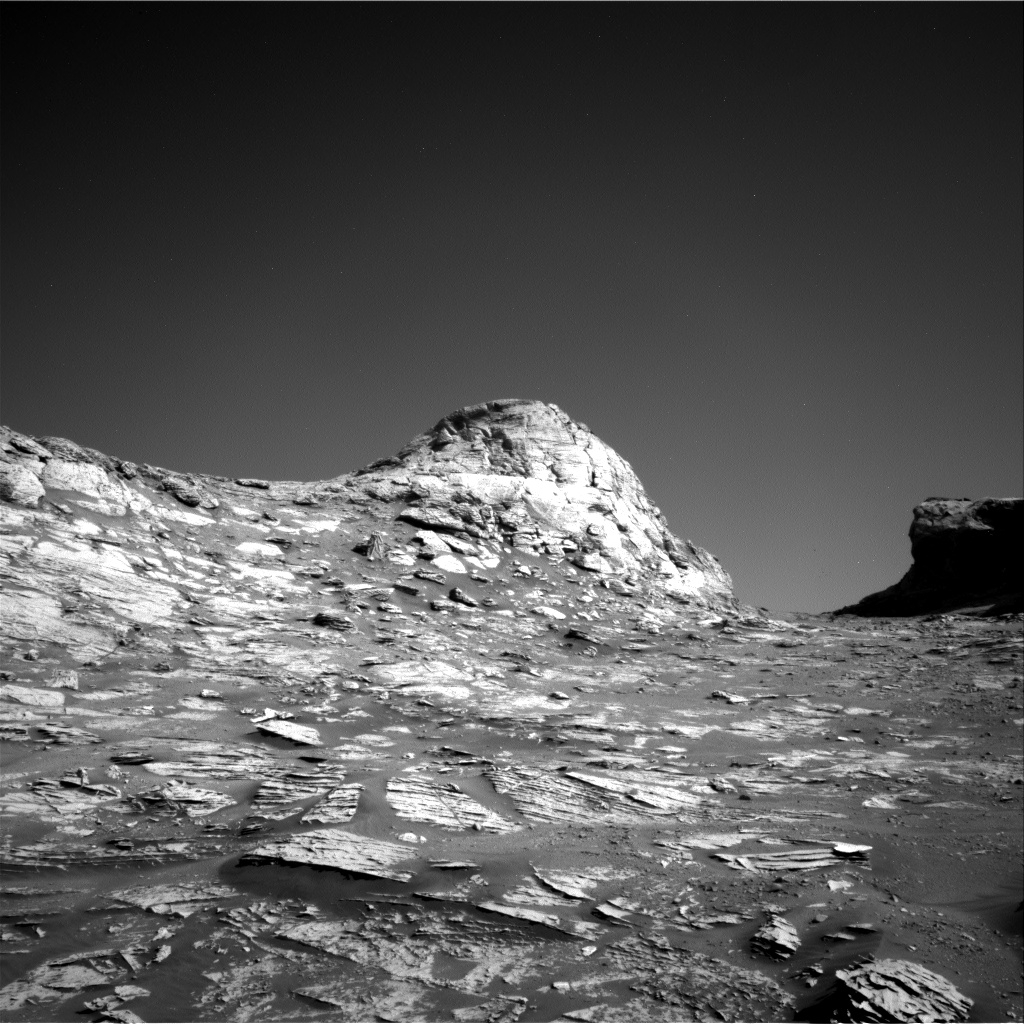
Curiosity Right B Navigation Camera image acquired on Sol 3286, November 3, 2021.
Credit: NASA/JPL-Caltech
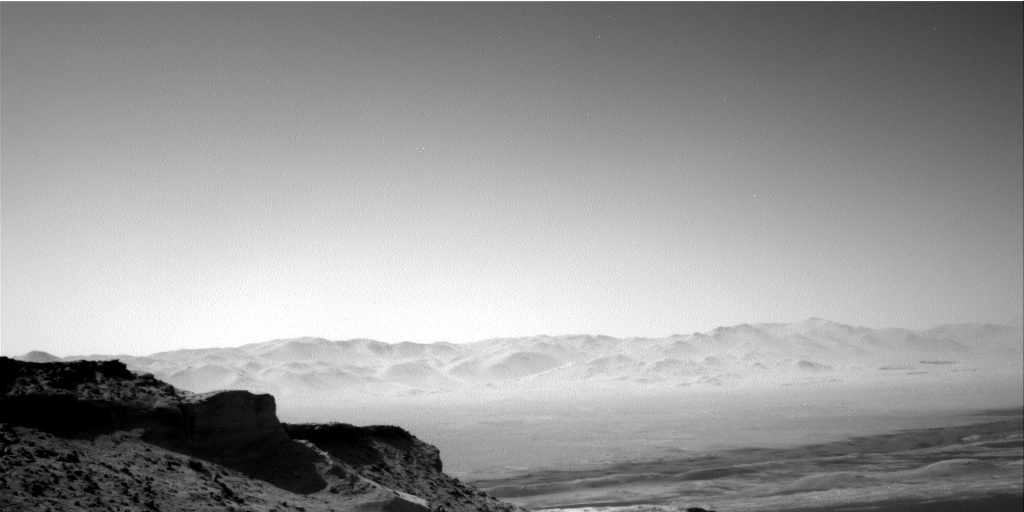
Curiosity Right B Navigation Camera image acquired on Sol 3286, November 3, 2021.
Credit: NASA/JPL-Caltech

SPS-ALPHA (solar power satellite by means of arbitrarily large phased array), a Mark-III design, beams energy to Australia.
Credit: John Mankins/Artemis Innovation Management Solutions
It is a fact that the Sun never sets in space.
Likewise, the idea of harvesting solar energy via power beaming satellites is a long-coming dawn of a glittery thought to feed an energy-ravenous Earth.
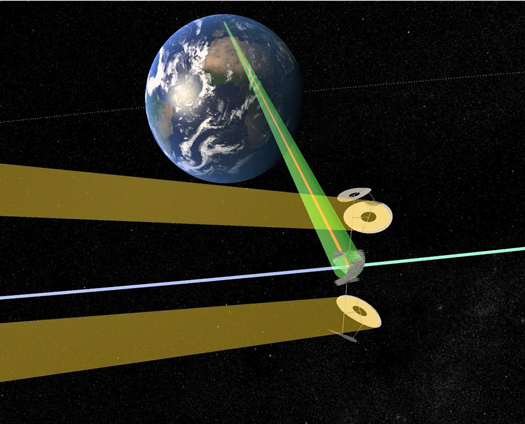
Technical feasibility, cost and economics of space-based solar power as a novel generation technology could support the UK to achieve net-zero emissions by 2050, according to a leading British systems, engineering and technology company.
Credit: Frazer-Nash Consultancy
That reflection has fomented for decades but is now garnering new looks – both in the U.S. and abroad, including Chinese technologists, experts in Japan, and researchers within the European Space Agency and the United Kingdom Space Agency.
Should the long-standing vision for space solar power (SSP) as a sustainable energy alternative be revisited in light of recent advances in technologies?
Go to my new Space.com story – “Space solar power’s time may finally be coming” at:

Curiosity Left B Navigation Camera image acquired on Sol 3285. November 2, 2021.
Credit: NASA/JPL-Caltech
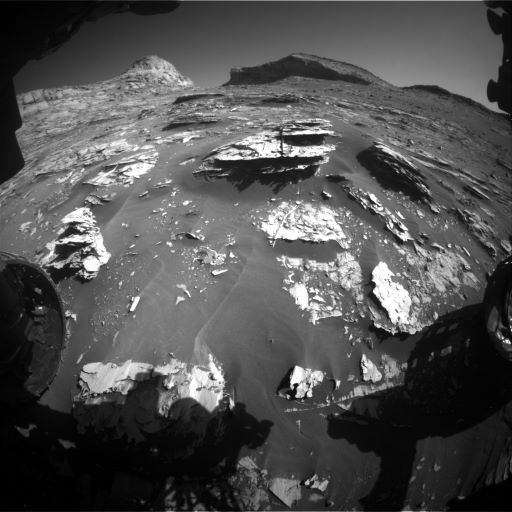
“Coylton Rocking Stone” is seen in this Curiosity Front Hazard Avoidance Camera Left B image taken on Sol 3285, November 2, 2021.
Credit: NASA/JPL-Caltech
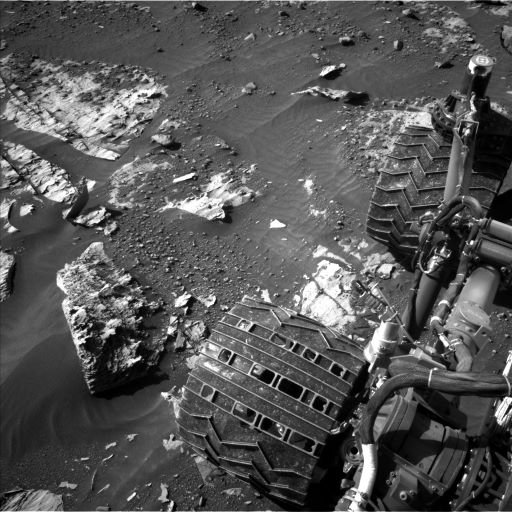
Curiosity Front Hazard Avoidance Camera Left B image taken on Sol 3285, November 2, 2021.
Credit: NASA/JPL-Caltech

Curiosity Front Hazard Avoidance Camera Left B image taken on Sol 3285, November 2, 2021.
Credit: NASA/JPL-Caltech
NASA’s Curiosity Mars rover at Gale Crater is now closing out Sol 3285 duties.
Reports Michelle Minitti, a planetary geologist at Framework in Silver Spring, Maryland, Curiosity performed a weekend drive, chalking up some 20 feet (6 meters) in elevation. “Not bad for a weekend hike!”
Looking at images of the terrain, it is probably not surprising that the rover is looking uphill into the tilted bedrock slabs and thin resistant veins jutting up in all directions.
That makes it hard to plan the robot’s next move, Minitti says. Indeed, a scripted drive will take Curiosity close to the area where researchers want to drill next, but not necessarily the exact spot.
Looking left…and right
“We hope to be able to look around us after the next drive – looking left and right across the tops of these bedrock slabs and veins – and pick a sweet spot to drill,” Minitti adds. “Given the variety of features around us right now, surely sweet spots will not be in short supply!”
Before the rover’s drive, scientists had time to gather data from its surroundings.
The rover’s workspace was considerably less rocky than the last one, but the sand ripples cutting through made an intriguing target.
Sand chemistry
The robot’s Mars Hand Lens Imager (MAHLI) and Alpha Particle X-Ray Spectrometer (APXS) are set to image and measure one ripple, “Dornoch Beach,” the first purely sand target Mars scientists have studied in quite awhile.
“It is good to keep track of sand chemistry, as sand is a mixture of rock components near and far, and changes in sand chemistry can indicate changes how much local rocks are contributing to the sand,” Minitti says.
The rover’s Chemistry and Camera (ChemCam) is scheduled to measure the chemistry of one of the roughly centimeter-sized resistant nodules, “Aztec Tower,” in bedrock out of reach of the arm instrument.
Spectacular slabs
Curiosity’s Mastcam is also on task to acquire a mosaic of one of the spectacular slabs nearby. It is dubbed “Coylton Rocking Stone.”
Minitti reports that before and after the drive, Mastcam will support measurement of the amount of dust in the atmosphere with an image aimed at the sun, using a big filter keeping the camera safe while doing so.
Curiosity’s Navcam is scheduled to look for dust devils and clouds.
The Radiation Assessment Detector (RAD) and the Rover Environmental Monitoring Station (REMS) run throughout the plan.
DAN will run in passive mode for nearly 8 hours before, during, and after the drive while adding an active measurement after the drive is complete, Minitti concludes.

Image shows the night side of Venus glowing in thermal infrared, captured by Japan’s Akatsuki spacecraft.
Credit: JAXA/ISAS/DARTS/Damia Bouic
Like the swirl of Venus clouds, there is a whirlwind of ongoing discussion centered on the claimed detection of phosphine in the planet’s atmosphere – a possible finding that might be produced by life.
Indeed, phosphine on Venus sparks a constant buzz that the acidic clouds of that hellish globe could be an extraterrestrial address for life. The claimed detection of phosphine, a biomarker in an oxidizing environment, would be an enticing argument in favor of life – if it can be confirmed.
But how best to tackle the controversy about possible life in the Venusian cloud deck?

Venus in ultraviolet taken by NASA’s Pioneer-Venus Orbiter in 1979 indicating that an unknown absorber is operating in the planet’s top cloud layer.
Credit: NASA
Extreme conditions
Astrobiologist Dirk Schulze-Makuch has outlined the next steps to gather further insights on the life on Venus question. The research scientist is from the Technical University Berlin and the School of the Environment at Washington State University.
“While many in the scientific community are convinced that the environmental conditions are too harsh for life to exist, others point to the assertion that early Venus was habitable and that microbial life on Venus could have adapted to the currently extreme conditions by natural selection,” Schulze-Makuch explains in a paper to be presented at an upcoming 19th Venus Exploration Analysis Group (VEXAG) meeting.
Favorable/unfavorable arguments
Schulze-Makuch outlines arguments in favor of and against possible life in the Venusian clouds.
Arguments on the favorable side:
- habitable temperatures and pressures exist in a continuous, stable cloud environment
- there is sufficiently available energy that makes photosynthesis in the clouds possible as a metabolic strategy
- life could have evolved from a early surface habitat (ocean) to a cloud habitat, and
- critical elements such as carbon, nitrogen, sulfur, and phosphorus are thought to be available in the atmosphere
Arguments against life include:
- the extremely low water activity which appears to require unknown biochemical pathways to overcome
- sulfuric acid concentrations that are extrapolated to be in a range that life on Earth could not cope with, and
- the likely lack of trace metals and hydrogen
Next steps
Schulze-Makuch points to next steps and questions to be answered.
“The first question to be answered is whether the phosphine detection is real or whether perhaps sulfur dioxide was misidentified as phosphine. To test, we should try to detect phosphine in the infrared range and confirming it by Large Probe Neutral Mass Spectrometer (LNMS) mass spectra. We should also search for diphosphine, because it would be an expected intermediate in the photolysis reaction of phosphine to phosphorus and hydrogen,” he suggests.
Another step is to investigate what kind of mechanisms could be envisioned as an adaptation to hyperacidity and extreme lack of liquid water?
“For example, in some hyperarid environments on Earth,” Schulze-Makuch adds, “life can obtain all of its needed water through deliquescence. Could there be similar ‘tricks’ to meet the challenge of living in an hyperarid environment like the Venusian atmosphere?”

A composite image of the planet Venus as seen by the Japanese probe Akatsuki. The clouds of Venus could have environmental conditions conducive to microbial life.
Credit: JAXA
Adaptation mechanisms
The astrobiologist notes that while there is no organism on Earth that could live in the Venusian clouds, “that may not mean that possible adaptation mechanisms cannot exist.”
Hyperacidic low-water activity environments are rare on Earth, says Schulze-Makuch, and there may have not been enough selection pressure on Earth to develop adaptations to these conditions.
Complimentary to the proposed theoretical work, Schulze-Makuch emphasizes that laboratory experiments should be conducted to test selected acidophilic microorganisms on their limit to sulfuric acid concentrations.
“Can this limit be enhanced from generation to generation as was shown for the gradual adaptation of microbes to perchlorates? Trace metals are critical for life on our planet as well,” Schulze-Makuch explains. “How could putative life at Venus compensate for the lack of important trace metals?”
Laboratory experiments to find out should ideally be conducted in very acidic environments.
“This is not only important for possible life on Venus but would also be useful information to have when exploring other extraterrestrial locations,” Schulze-Makuch says.

NASA’s DAVINCI+ will send a probe to brave the high temperatures and pressures near Venus’ surface to explore the atmosphere from above the clouds.
Credits: NASA GSFC visualization by CI Labs Michael Lentz and others
Exploration target
Lastly, Venus as the “go to” exploration target is on the horizon.
Three missions to Venus have been green-lighted: two by NASA — DAVINCI+ and VERITAS — and EnVision, led by the European Space Agency.
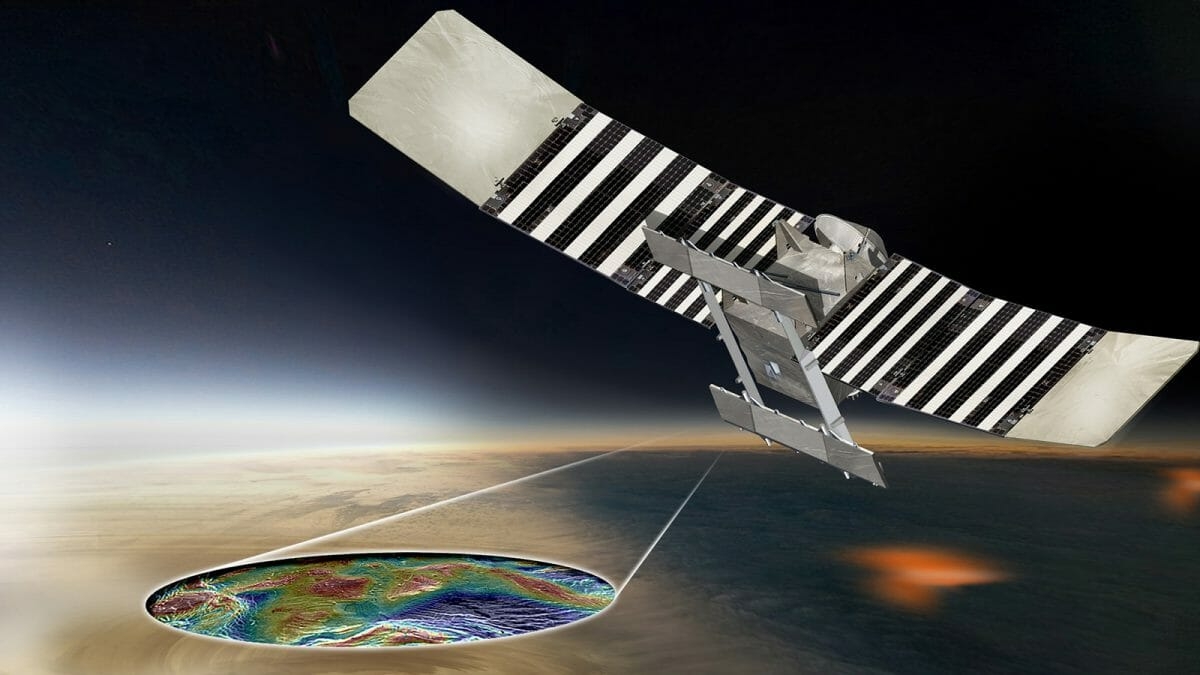
VERITAS Credit: NASA/JPL-Caltech
“These missions are well-suited to find answers to some critical questions,” Schulze-Makuch says, “especially how Venus became the planet it is today. Did Venus have plate tectonics during its natural history and are there still active volcanoes on Venus, which may release water vapor and influence its habitability?”
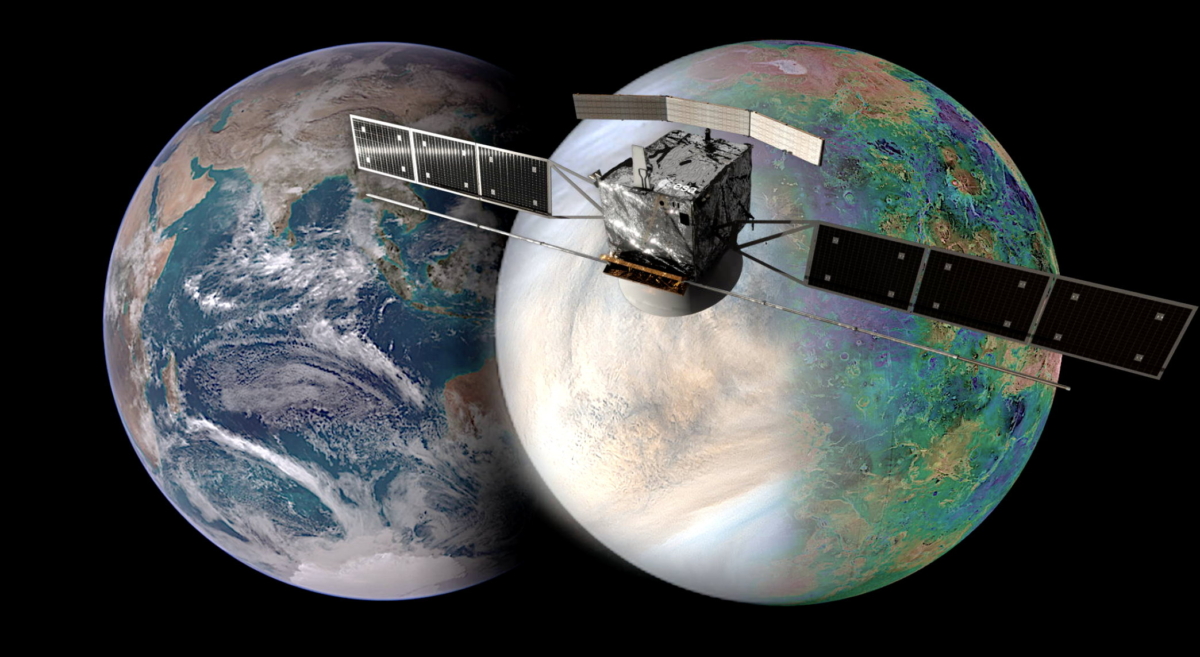
EnVision, led by the European Space Agency.
Credit: NASA/JAXA/ISAS/DARTS/ Damia Bouic/VR2Planets
Upcoming spacecraft missions will advance our knowledge of the Venusian environment tremendously. Without understanding the planet’s environment, researchers cannot possibly hope to understand any life thriving in it. Even if there is no current nor past life on Venus, it is still critical to appreciate the extreme greenhouse effect that encompassed Venus, Schulze-Makuch concludes. “Earth may have a very similar fate in the future.”
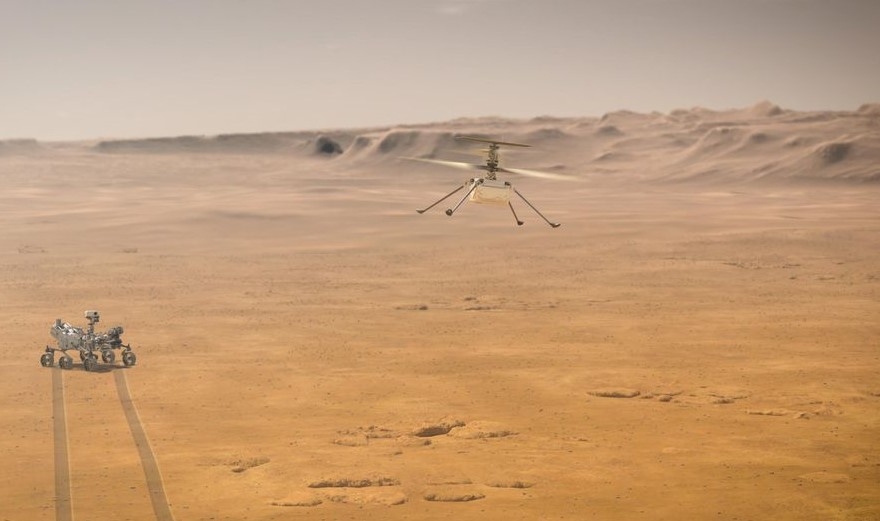
Photo credit: NASA/JPL-Caltech
The successful 14th flight of NASA’s Ingenuity Mars Helicopter took place shortly after 1:18 a.m. PDT on October 24 within Jezero Crater.
According to the NASA Jet Propulsion Laboratory:

Photo credit: NASA/JPL-Caltech/ASU
As planned, the helicopter executed its first 2,700 rpm flight, proving that Ingenuity is capable of flying in the weeks and months ahead on Mars, during which seasonal changes on the surface will result in decreases in air density.

The short 23-second flight included a peak altitude of 16 feet (5 meters) above ground level, with a small sideways translation of 7 feet (2 meters) to avoid a nearby sand ripple.
This most recent flight was also the first time Ingenuity recorded black-and-white navigation camera images at the high-rate of about seven frames a second.
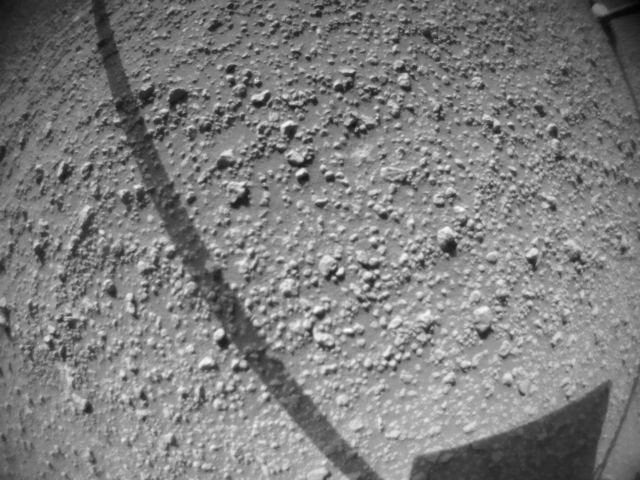
NASA’s Ingenuity Mars Helicopter acquired this sequence of images using its navigation camera. This camera is mounted in the helicopter’s fuselage and pointed directly downward to track the ground during flight.
These images were acquired on October 24, 2021 (Sol 241 of the Perseverance rover mission) at the local mean solar time of 12:34:15.
Image credit: NASA/JPL-Caltech

Credit: NASA/JPL-Caltech

Credit: NASA/JPL-Caltech

Credit: NASA/JPL-Caltech

Credit: Hookie Co.
It is billed as the world’s first Moon concept motorcycle.
Introducing the “Tardigrade,” designed to explore the lunar surface and beyond.
A rider on the Moon vehicle can carry different types of equipment and with a speed limit of 9 mph (15km/h) it has a battery range for over 65 miles (110 kilometers).
Tardigrade is a combination of ultra lightweight materials and changeable airless tire pieces that allows Moon expeditionary crews to tackle any obstacle on its mission.
“It was a vision with hurdles. But we proofed it,” explains Hookie Co. – a moto design company for motorcycle refinement and accessories, based in Dresden, Germany.

Credit: Hookie Co.
Adventure and departure
According to Hookie, this off-world motorcycle was visualized by Russian senior designer, Andrew Fabishevskiy back in 2020. That sparked an exploration vision that Nico Mueller (CEO, Hookie Co.) and his crew pursued.
“The Tardigrade represents an atmosphere of adventure and departure,” the firm explains on their website. “Daring to question the status quo, our small but highly motivated team has created something truly unique. Everyone is proud of that, for a reason.”

Credit: Hookie Co.
Through the imagination of Hookie “we are much closer to a cosmic driving experience between lunar craters and space stations.”
True survivors
Why adopt the name Tardigrade?
“They have been found everywhere in Earth’s biosphere. From mountaintops to the deep sea and mud volcanoes, and from tropical rainforests to the Antarctic. Tardigrades are among the most resilient animals known, with individual species able to survive extreme conditions of any kind. Tardigrades are true survivors who have also endured the rigors of outer space,” the company explains.
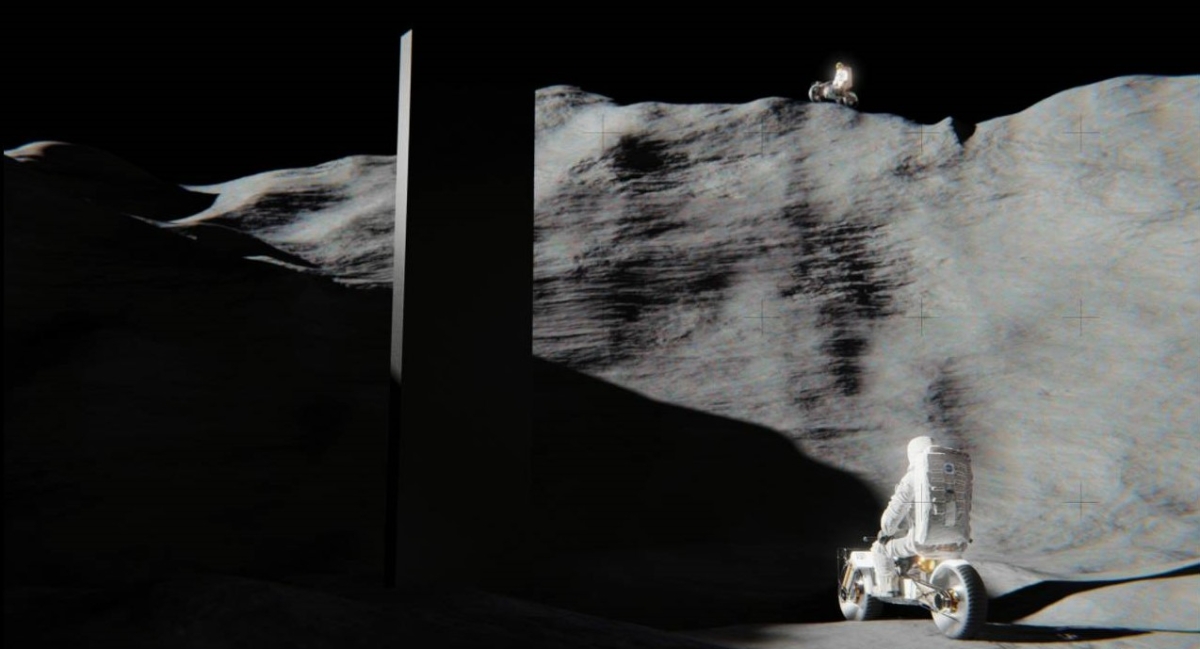
Credit: Andrew Fabishevskiy
For a video of the concept motorcycle, go to:
Also, go to the Hookie company here at:
BTW: The world premiere of Hookie’s Tardigrade will take place mid-this month as part of the ADV:Overland exhibition in the Petersen Automotive Museum in Los Angeles, California.
Go to: https://www.petersen.org/

