Archive for the ‘Space News’ Category
 Author:
  December 28th, 2021
Credit: CCTV/Inside Outer Space screengrab
China has urged the United States to abide by the outer space international treaty of 1967 and take responsible measures to protect the safety of astronauts following close encounters of SpaceX Starlink satellites with the country’s in-construction space station.
A Chinese Foreign Ministry spokesman at a press briefing in Beijing on Tuesday outlined the problem, one that caused the space station to perform preventive collision avoidance control maneuvers in July and October.

Starlink satellites.
Credit: SpaceX
The close encounters sparked China to inform the Secretary-General of the United Nations about the “phenomena” that constituted dangers to the life or health of astronauts aboard the China space station, a UN document states.
China’s submitted document to the UN can be read at:
https://www.unoosa.org/res/oosadoc/data/documents/2021/aac_105/aac_1051262_0_html/AAC105_1262E.pdf
The comments of the Chinese Foreign Ministry spokesman at a press briefing in Beijing on Tuesday can be viewed here at:
 Posted in

China’s space station is projected to be completed in late 2022.
Credit: CAST
China’s in-progress space station has performed preventive collision avoidance control to avoid being struck by SpaceX Starlink satellites. China has informed the United Nations Secretary-General of the issue.
In a document posted by the UN Committee on the Peaceful Uses of Outer Space dated December 6, 2021, there is notification by China under Article V of the Outer Space Treaty concerning preventive collision avoidance between the China Space Station (international designation 2021-035A) and United States’ Starlink-1095 (international designation 2020-001BK) and Starlink-2305 (international designation 2021-024N) satellites.
Starlink satellites.
Credit: SpaceX
Dangers to astronauts
“The China Manned Space Program completed five launch missions in 2021, with the successful launching into orbit of the Tianhe core module of the China Space Station, the Tianzhou-II and Tianzhou-III cargo spacecraft and the Shenzhou-XII and Shenzhou-XIII crewed spacecraft. The China Space Station has travelled stably in a near-circular orbit at an altitude of around 390 km on an orbital inclination of about 41.5 degrees,” the document points out.
“During this period, Starlink satellites launched by Space Exploration Technologies Corporation (SpaceX) of the United States of America have had two close encounters with the China Space Station. For safety reasons, the China Space Station implemented preventive collision avoidance control on 1 July and 21 October 2021, respectively.”
“China hereby informs the Secretary-General of the following phenomena which constituted dangers to the life or health of astronauts aboard the China Space Station,” the document states.
The incident was first flagged by the U.K.’s Express as well as Reuters news agency.
The UN document can be read at:
https://www.unoosa.org/res/oosadoc/data/documents/2021/aac_105/aac_1051262_0_html/AAC105_1262E.pdf

Credit: CCTV/Inside Outer Space screengrab
New EVAs
Meanwhile, China astronauts have just wrapped up about six hours of EVAs.
China’s taikonauts, Zhai Zhigang and Ye Guangfu, safely returned to the Tianhe space station core module. Female astronaut Wang Yaping stayed inside the module, supporting the spacewalking duo, including operation of the station’s robotic arm.
This was the fourth time for Chinese astronauts to conduct EVAs during the construction of the country’s space station and the second by the Shenzhou-13 crew.
Zhai and Ye completed such tasks as adjusting a panoramic camera, tested goods transport, installed hardware for future use and evaluated the EVA spacesuits.

Credit: CNSA/CMG/CCTV/Inside Outer Space screengrab
Accumulated experience
Yang Yanbo, deputy commander of space mission team, Beijing Aerospace Control Center told China Central Television (CCTV):
“We have made proper arrangements for the extravehicular activities such as readjusting settings of mechanical arm’s movement and the platform, which allowed astronauts to operate equipment and mechanical arm simultaneously, thus improving the efficiency of extravehicular activities.”

Credit: CCTV/Inside Outer Space screengrab
Zhu Guangchen, deputy chief designer of the space station system at the China Academy of Space Technology under the China Aerospace Science and Technology Corporation said:
“The extravehicular activities have further tested designs of the core module airlock module, the mechanical arm and the extravehicular suit, and assessed the coordination between space and Earth, which will accumulate experience for the future assembly and construction tasks.”
Zhou Jianping, chief designer of China’s manned space program, told CCTV:
“All the tasks have been performed smoothly so far, with key construction technologies tested. All indicators show that the functions and performance of our space station meet the requirements, and some of them are even far better than what we had expected, this laying a solid foundation for the future space station construction and operation.”
Step-by-step
China’s space program has successfully completed five launches, five rendezvous and docking missions, and four EVAs since the Tianhe space station core module was sent into Earth orbit on April 29, 2021.
The China Manned Space Agency (CMSA) noted that extravehicular operations are becoming the normal work of the space station flight missions. Chinese astronauts will carry out more and complicated EVAs to provide support for the completion of the construction and the stable operation of the space station.
The orbiting outpost is to be completed by the end of 2022.

Courtesy of Seger Yu/Twitter
Six-month mission
China launched the trio of Shenzhou-13 taikonauts on October 16. The crew is on a six-month mission to construct China’s space station.
The Shenzhou-13 crew will continue their in-orbit work to greet the coming new year. This is also the first time that Chinese astronauts to greet a new year in space, the CMSA added.
The CMSA noted that extravehicular operations are becoming the normal work of the space station flight missions. Chinese astronauts will carry out more and complicated EVAs to provide strong support for the successful completion of the construction and the stable operation of the space station.
The Tianhe core module is the first and main component of the in-construction China space station, informally known as Tiangong (Heavenly Palace).
Next year, China is to loft new segments of the station.
To view newly-issued videos regarding the completed 2nd EVAs go to:

Credit: CNSA/CMG/CCTV/Inside Outer Space screengrab
China’s Shenzhou-13 taikonauts are performing extravehicular activities (EVAs) for the second time during their mission on Sunday, according to the China Manned Space Agency (CMSA).

Credit: CMSA
Astronaut Ye Guangfu opened the hatch and carefully translated outside of the Tianhe core model first.

Credit: CGTN/Inside Outer Space screengrab
Ye and Zhai Zhigang are carrying out the EVAs, with astronaut Wang Yaping staying inside to support her crewmates in completing the operations. Wang is providing support from within the core module, including operation of the robotic arm.

Credit: GLOBALink/Inside Outer Space screengrab
The three astronauts were sent to the space station in October aboard the Shenzhou-13 spacecraft for a six-month mission – the longest ever in China’s space program.
The team also performed a 6.5-hour spacewalk in November, during which Zhai and Wang went outside and Ye stayed inside.
The first spacewalk was declared a success, further testing the functions of China’s self-developed extravehicular spacesuits and the reliability and safety of the supporting equipment related to the EVAs.

Credit: CGTN/Inside Outer Space screengrab
In-orbit training
So far, the trio has conducted various tasks and missions, including medical checks, space experiments, inspection and daily maintenance of the space station, and in-orbit training programs including emergency evacuation and medical rescue.
On December 9, Wang broadcast a space lecture from the Tianhe core module to Chinese students on Earth.

Credit: CGTN/Inside Outer Space screengrab
The three-person crew launched into Earth orbit via a Long March-2F launch vehicle, lifting off from the Jiuquan Satellite Launch Center on October 15, 2021.
The Tianhe core is the first and main component of the China Space Station), informally known as Tiangong (Heavenly Palace). China space program planners have stated the fully-outfitted facility will be complete by late 2022.
To watch newly issued videos of the Shenzhou-13 crew conducting their 2nd EVA from the in-construction space station, go to:
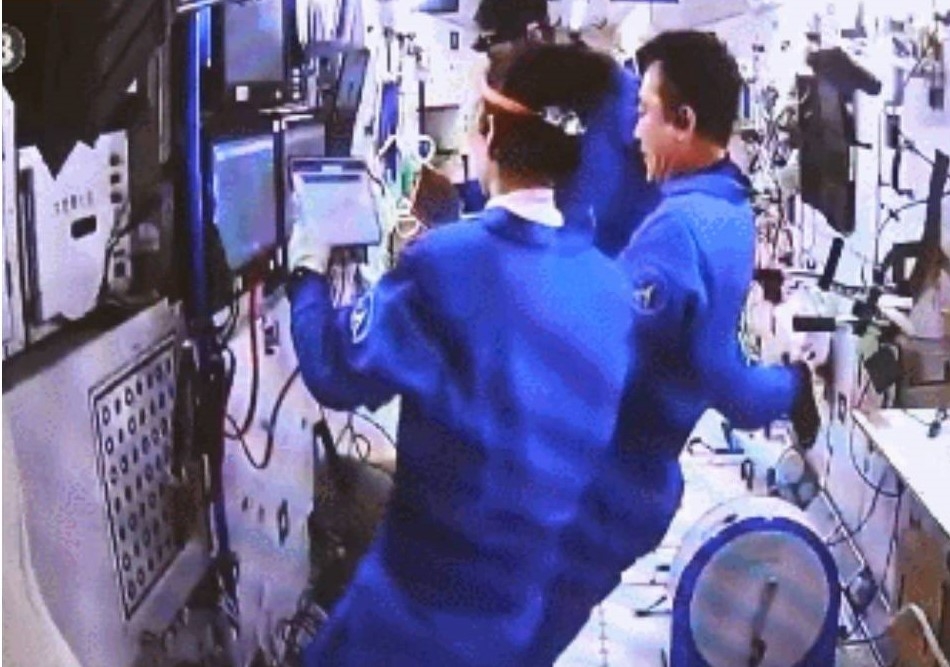
Shenzhou-13 crew conducts an emergency evacuation drill onboard the country’s space station, November 7. 2021. CCCTV/China Media Group
China’s Shenzhou-13 crew living and working on the in-construction Tiangong space station are ready to carry out second space walk duties.
Taikonauts Zhai Zhigang and Ye Guangfu will conduct the EVAs. Wang Yaping will remain inside the core module to support her crewmates.
The trio of astronauts has been in orbit since they were launched on October 16 on a projected six-month journey.

First space walk assignment for Shenzhou-13 crew was in November.
Credit: CMSE/China Media Group/CCTV/Inside Outer Space screengrab
Daily work
Since the crew conducted the first EVAs on November 7, they have performed their daily work, including in-orbit medical checks, space experiments and space station inspections, according to the Xinhua news agency.
Other tasks included in-orbit training programs such as emergency evacuation and medical rescue drills. Also, the crew gave the first live class from the country’s space station on December 9.
Shenzhou-13’s first space walk outing lasted 6.5 hours, carried out by Zhai Zhigang and Wang Yaping, with Ye Guangfu remaining in the cabin to support the EVAs.

Liftoff!
Credit: NASA/Chris Gunn
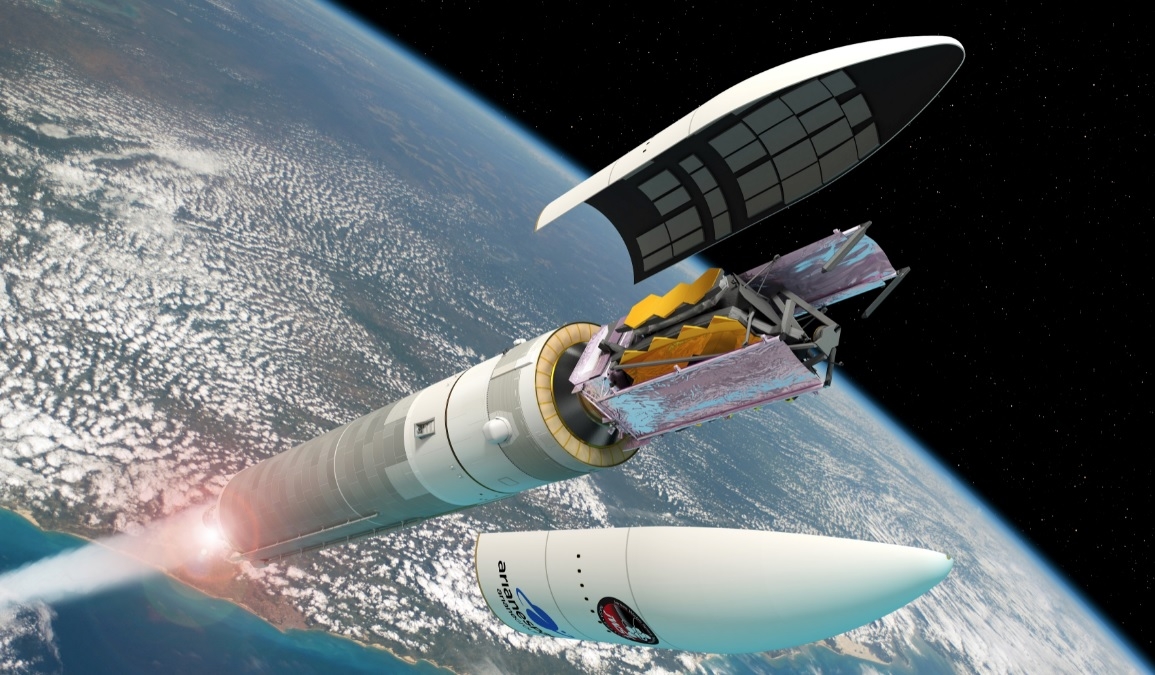
Arianespace’s Ariane 5 rocket with NASA’s James Webb Space Telescope departed its launch pad at Europe’s Spaceport, the Guiana Space Center in Kourou, French Guiana on Saturday, December 25, 2021.
The James Webb Space Telescope (JWST) is a large infrared telescope with a 21.3 foot (6.5 meter) primary mirror. The observatory will study every phase of cosmic history—from within our solar system to the most distant observable galaxies in the early universe.
Approximately 30 minutes after launch, Webb unfolded its solar array, and mission managers confirmed that the solar array was providing power to the observatory.

Deployment!
Credit: NASA/ESA
Engineers and ground controllers will conduct the first of three mid-course correction burns about 12 hours and 30 minutes after launch, firing Webb’s thrusters to maneuver the spacecraft on an optimal trajectory toward its destination in orbit about 1 million miles from Earth.
What’s next?
What’s ahead is a critical 29 days with JWST unfurls in space, undergoing the most difficult and complex deployment sequence ever attempted in space.
— On the third day, the heat shield will begin to deploy. On the eleventh day, the secondary mirror will begin positioning.
— Between the 13th and 14th day, the primary mirror, comprising 18 hexagonal segments and measuring 6.5 meters in diameter, will be assembled.
— The telescope is slated to arrive at its final destination, 1.5 million kilometers from Earth, approximately 29 days after launch.
To keep an eye on the commissioning of the telescope, go to these resources:
29 Days on the Edge at:
https://www.youtube.com/watch?v=uUAvXYW5bmI
These animations show the James Webb Space Telescope deployment sequence, as well as breakout animations of each major deployment on the telescope.
https://svs.gsfc.nasa.gov/20339
Make use of this excellent JWST media kit at:
https://www.webb.nasa.gov/content/webbLaunch/assets/documents/WebbMediaKit.pdf

Commissioning!
Credit: Northrop Grumman

On location!
Credit: NASA GSFC/CIL/Adriana Manrique Gutierrez

Credit: NASA/Bill Ingalls
Arianespace’s Ariane 5 rocket with NASA’s James Webb Space Telescope onboard is at the launch pad at Europe’s Spaceport, the Guiana Space Center in Kourou, French Guiana.
The $10 billion James Webb Space Telescope (JWST) is a large infrared telescope with a 21.3 foot (6.5 meter) primary mirror. The observatory will study every phase of cosmic history—from within our solar system to the most distant observable galaxies in the early universe.
The European Space Agency (ESA) will provide coverage of the launch activities for the JWST, the world’s largest and most powerful space science telescope.
Webb is targeted to be launched at 12:20 GMT/13.20 CET on Saturday, December 25, 2021 on an ESA-provided Ariane 5 rocket. The Webb mission is a partnership of ESA, NASA and the Canadian Space Agency (CSA).

Live launch coverage
Live launch coverage in English will begin at 12.00 CET on ESA WebTV and on ESA’s Youtube channel.
Go to: https://www.esa.int/ESA_Multimedia/ESA_Web_TV
ESA Web TV channel 2 will carry the launch coverage in French, which is a simultaneous translation of the English broadcast from 32 minutes before launch until end of the broadcast.
As soon as possible after the TV transmission, launch highlights will be posted on ESA TV ftp server: tvdownload.esa.int/
Login: esa
Password: ftp4esa
Credit: ESA
On launch day, a “clean feed” of the launch without commentary will be available by satellite via Eurovision Services. The uplink will begin at 12.50 CET and continues for 40 minutes after launch. Four audio channels will be available: English commentary, Spanish commentary, French translation and operational audio only.
More information can be found on:
https://www.esa.int/ESA_Multimedia/Transmissions/2021/12/James_Webb_Space_Telescope_live_launch
Post-launch media briefing
ESA, NASA, CSA and Arianespace will hold a post-launch news conference approximately 30 minutes after the live launch broadcast ends on December 25.
The briefing will stream on ESA WebTV: https://www.esa.int/ESA_Multimedia/ESA_Web_TV

Credit: Mars Guy
Mars is getting in the way of the Ingenuity helicopter mission.
When NASA’s Perseverance Mars rover drove down from its commanding perch over Ingenuity, there were consequences. Now Ingenuity is on its own like never before.

Credit: Mars Guy
“Mars Guy” details the issues in Episode 37.
Mars Guy is Arizona State University associate research professor Steve Ruff. He’s a Mars geologist with decades of experience exploring the Red Planet.
Go to video at:

Curiosity’s location as of Sol 3333. Since landing in August 2012, the rover has driven 16.69 miles/26.86 kilometers.
Credit: NASA/JPL-Caltech/Univ. of Arizona
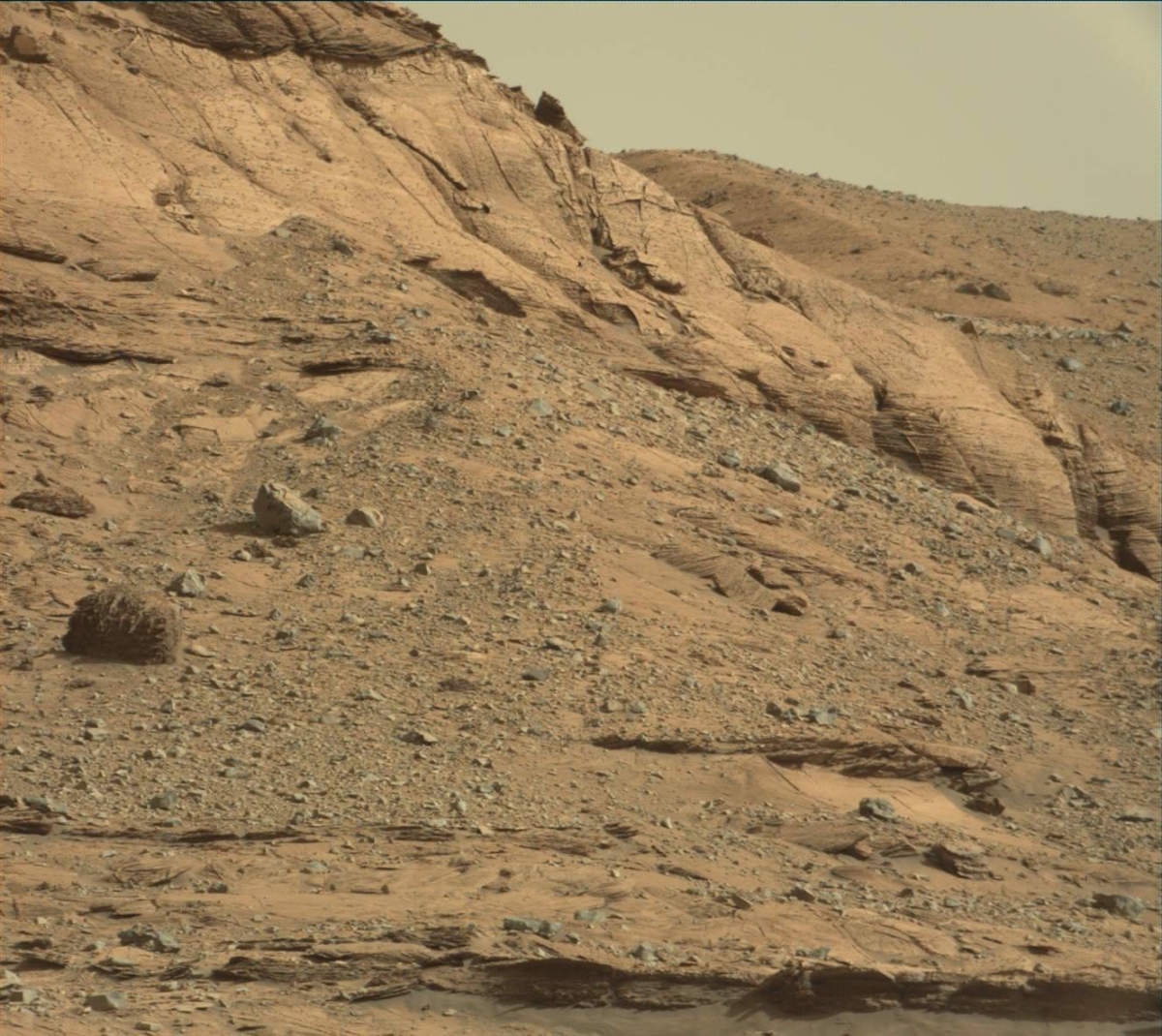
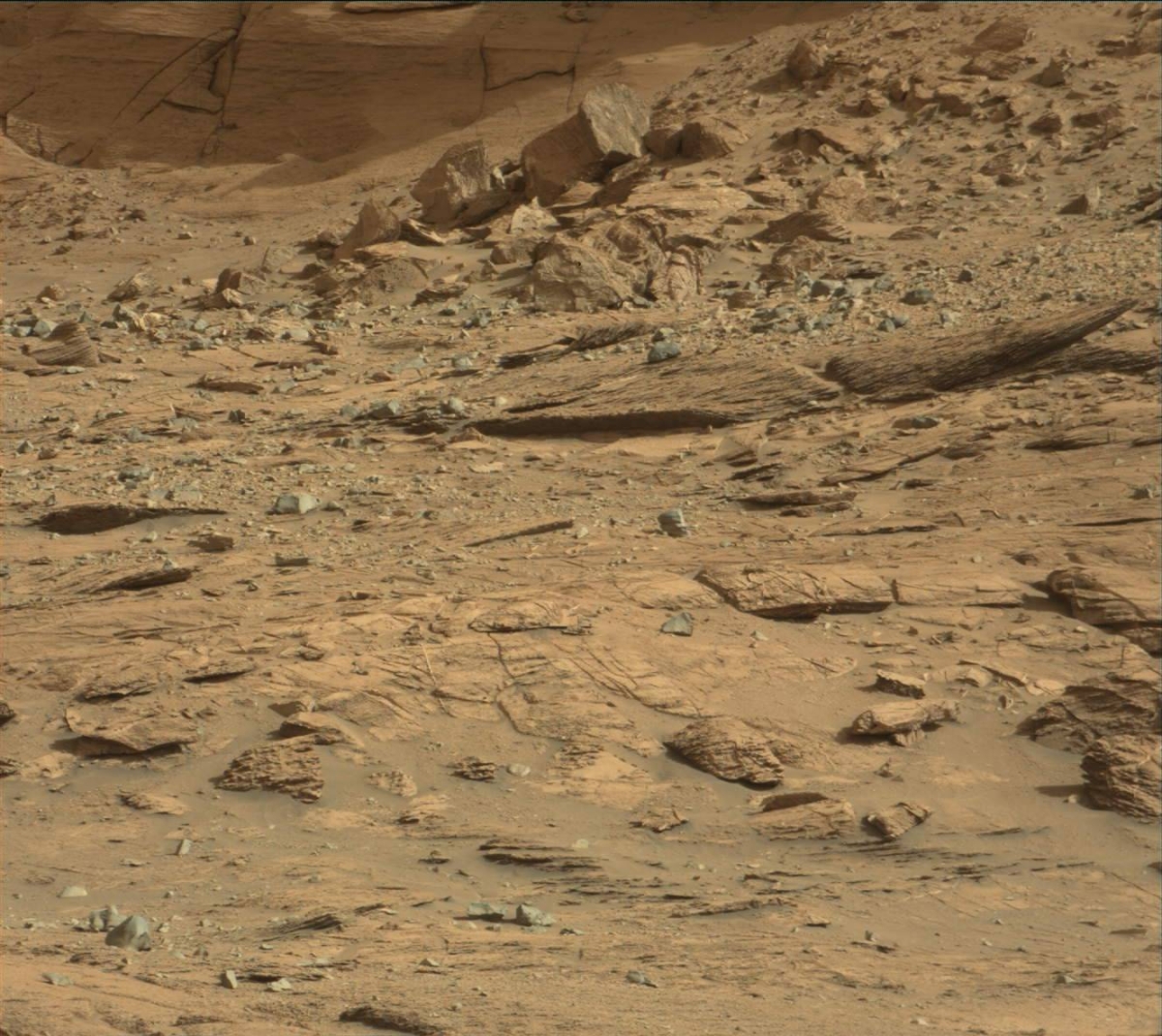
NASA’s Curiosity Mars rover at Gale Crater is now performing Sol 3335 tasks.
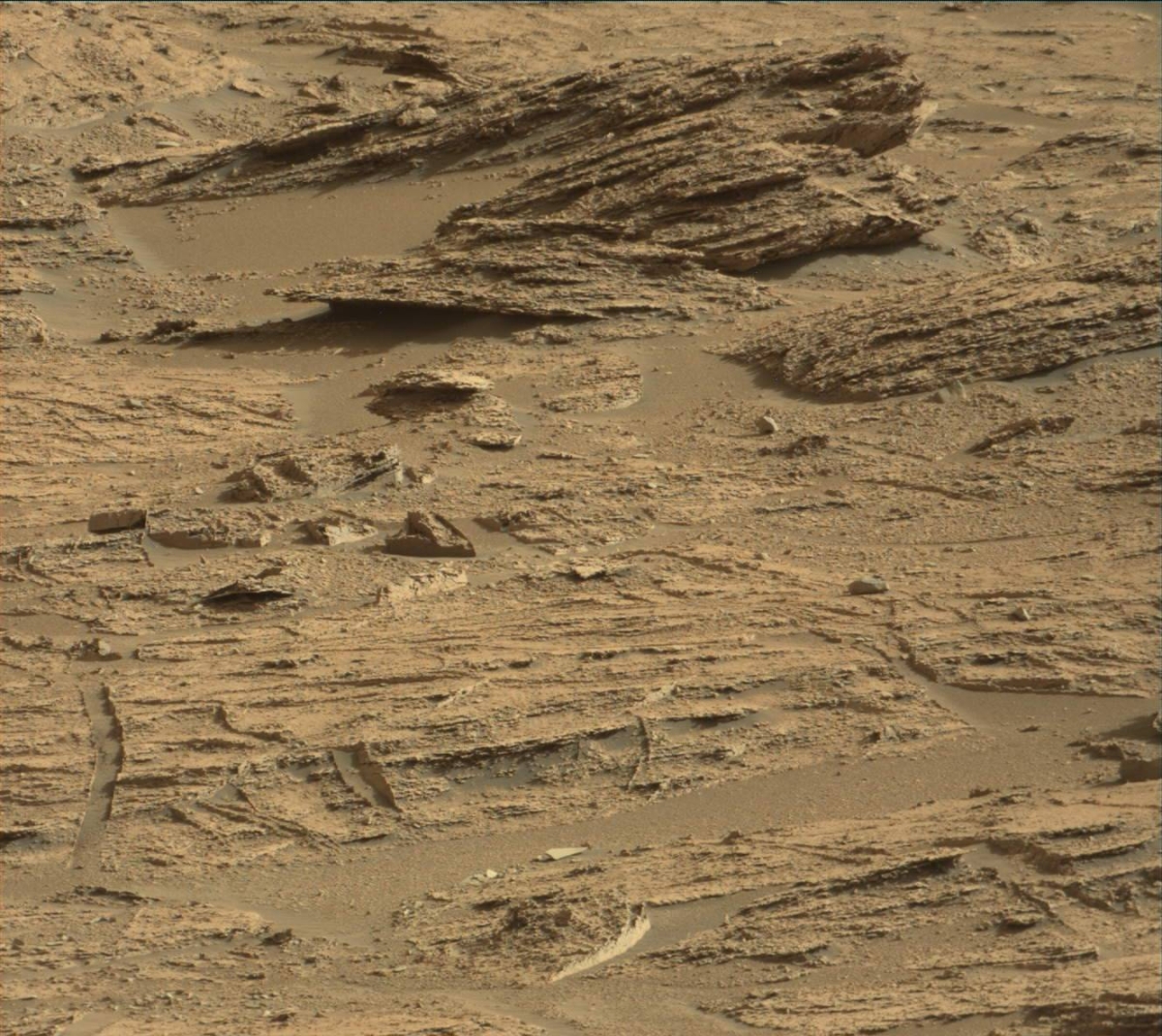
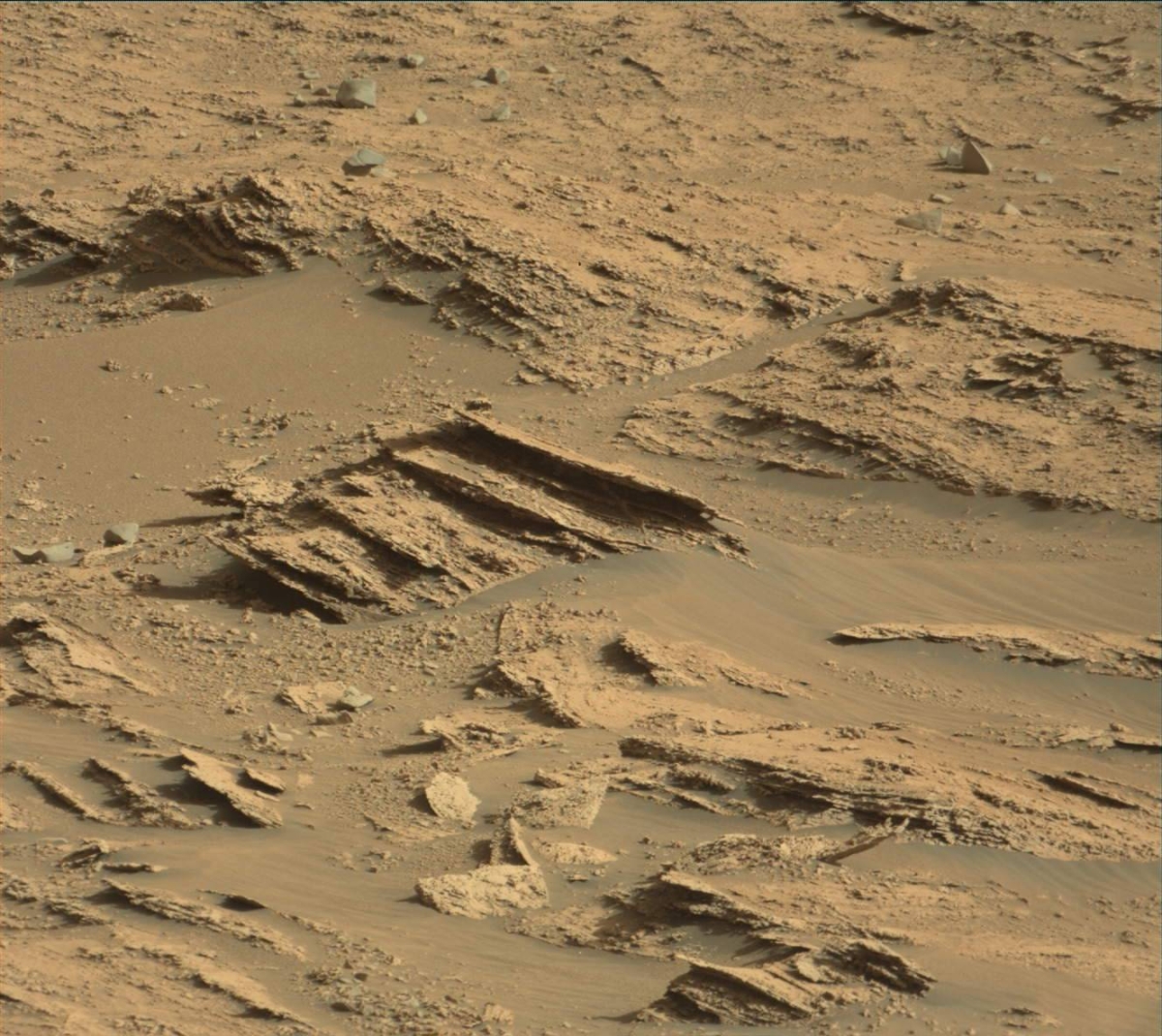
New imagery taken on Sol 3333, December 21, 2021, shows that the robot has been busily taking numerous Mast Camera Right and Left photos of its surroundings.
Here’s a sampling:
Credit: NASA/JPL-Caltech/MSSS
Credit: NASA/JPL-Caltech/MSSS

Credit: NASA/JPL-Caltech/MSSS

Credit: NASA/JPL-Caltech/MSSS

Credit: NASA/JPL-Caltech/MSSS

Credit: NASA/JPL-Caltech/MSSS
Credit: NASA/JPL-Caltech/MSSS
Credit: NASA/JPL-Caltech/MSSS

Credit: Sea of Stars campaign
Justin Sun, Founder of TRON, a blockchain platform, today revealed that he placed the winning $28 million bid for the first seat on Blue Origin’s Inaugural New Shepard rocket.
Justin Sun placed that winning bid for the first seat on New Shepard on June 13 and wants to turn this “flying” opportunity into 6 slots to inspire more people to participate in space exploration.
Sun and five crewmates will fly on a New Shepard flight in fourth quarter 2022.

Credit: Sea of Stars campaign
As part of his planned voyage, Sun has launched the “Sea of Stars” campaign. Over the coming months, Sun will nominate five men and women to travel with him on his voyage.
Nominees may include a member of the TRON decentralized autonomous organizations (DAOs) community, comprising long-term holders of TRX, BTT, JST, SUN, NFT, and WIN, and other leaders drawn from the worlds of fashion, art, technology, space exploration, and entrepreneurship.
Details on the nomination process and criteria will be announced in the coming months.
For more information, go to: https://seaofstars.tron.network/
Video at: https://seaofstars.tron.network/static/media/v.f5517f86.mp4

Credit: GLOBALink/Inside Outer Space screengrab
Dubbed the “China Sky Eye,” the Five-hundred-meter Aperture Spherical Radio Telescope (FAST) situated in southwest China’s Guizhou Province, has identified 509 new pulsars – four times the total amount of pulsars identified by other telescopes around the world, according to the Xinhua news agency.
Pulsars, or fast-spinning neutron stars, originate from the imploded cores of massive dying stars through supernova explosions.
FAST started formal operation in January 2020. It is believed to be the world’s most sensitive radio telescope. Among its tasks is the search for extraterrestrial intelligence.

Credit: GLOBALink/Inside Outer Space screengrab
Chinese researchers found the first evidence of three-dimensional spin-velocity alignment in a pulsar in May of this year.
Since the radio telescope officially opened, FAST has been available for scientists worldwide and received approximately 200 observation applications from 16 countries to utilize the facility.
FAST has also discovered weak fast radio bursts (FRBs) that are hard to locate using other telescopes, and collected the largest-ever samples of FRBs in the world.
Go to this GLOBALink video focused on FAST at: https://youtu.be/rYGpjyir6qw

