Archive for the ‘Space News’ Category
 Author:
  March 15th, 2022
Curiosity’s location on Sol 3413. Distance driven at this point, 17.01 miles/27.37 kilometers.
Credit: NASA/JPL-Caltech/Univ. of Arizona
NASA’s Curiosity Mars rover at Gale Crater is now performing Sol 3415 duties. The robot has now driven over 17 miles since landing in early August of 2012.
Over last weekend, the rover completed the planned drive with a relatively easy traverse in the pediment, reports Michelle Minitti, a planetary geologist at Framework in Silver Spring, Maryland.
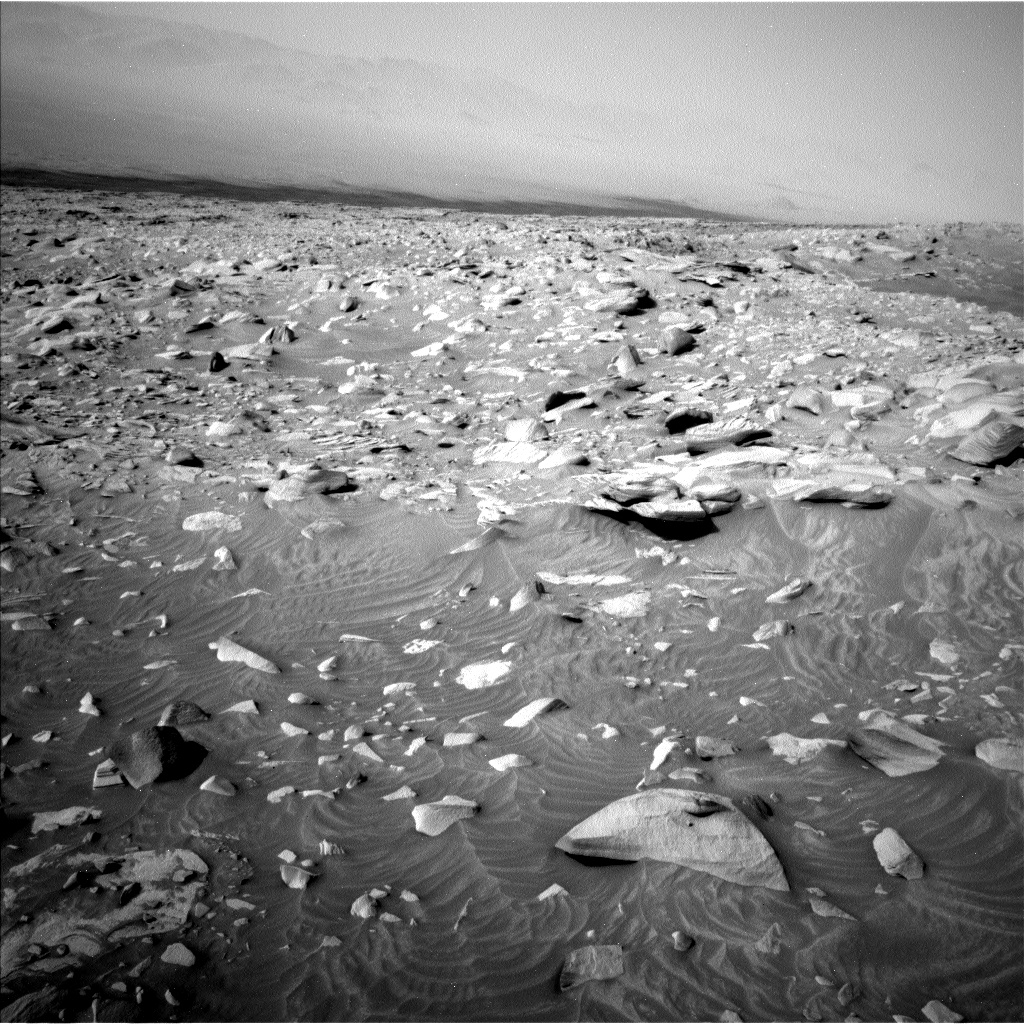
Curiosity Left B Navigation Camera photo acquired on Sol 3413, March 14, 2022.
Credit: NASA/JPL-Caltech
With lots of bedrock in the workspace, Mars researchers quickly identified a contact science target for the robot’s Alpha Particle X-Ray Spectrometer (APXS) and Mars Hand Lens Imager (MAHLI), “Oosta,” that was slightly less dusty than the surrounding bedrock and nicely layered, Minitti adds.
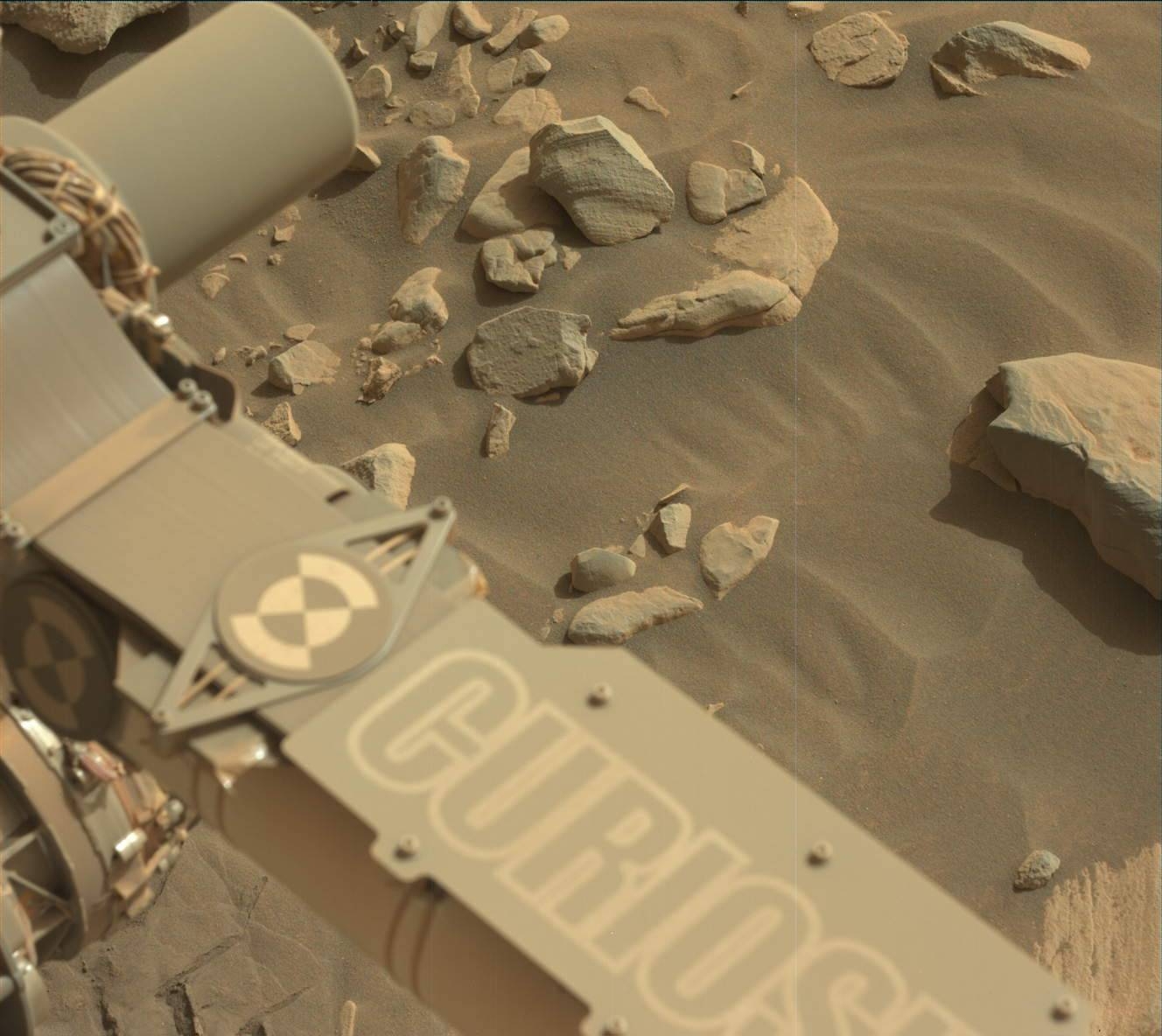
Curiosity Mast Camera Left image taken on Sol 3413, March 14, 2022.
Credit: NASA/JPL-Caltech/MSSS
Exposed vertical faces
“We decided not to co-target [Chemistry and Camera Laser Induced Breakdown Spectroscopy] ChemCam LIBS with the contact science target, to take advantage of targeting some of the exposed vertical faces on the bedrock slabs around the workspace,” Minitti explains. “Many of them had lovely fine layers exposed and interesting texture apparent even in the Navcam images of the workspace. The selected vertical face got a grandiose name, “Hadrians Wall,” relative to its relatively small height.”

Curiosity Mast Camera Left image taken on Sol 3413, March 14, 2022.
Credit: NASA/JPL-Caltech/MSSS
Curiosity’s ChemCam and Mastcam imaged other, larger features to explore the three dimensional structure of the pediment cap and Gediz Vallis Ridge.
“We had a great view of the edge of the trough and the bedding structure and varying textures therein, so Mastcam covered the topography with a large stereo mosaic ‘Youkil Quarry.’ The top of Gediz Vallis Ridge and a prominent horizon lower down its flank were the targets for two ChemCam long distance [Remote Micro-Imager] RMI mosaics,” Minitti reports.

Curiosity Mast Camera Left image taken on Sol 3413, March 14, 2022.
Credit: NASA/JPL-Caltech/MSSS
Washboard texture
After the drive, which gets the rover closer to a part of the capping unit that has a “washboard” texture from orbit, Mastcam will cover the terrain with mosaics to help with future drive planning, the Mars Descent Imager (MARDI) will capture the bedrock action under Curiosity’s left front wheel, and ChemCam will shoot an autonomously-targeted raster to increase our chemistry measurements on the pediment.

Curiosity Front Hazard Avoidance Camera Left B image taken on Sol 3413, March 13, 2022.
Credit: NASA/JPL-Caltech
The bulk of our environmental observations will take place either after the drive or on the second sol of the Sol 3414-3416 plan.
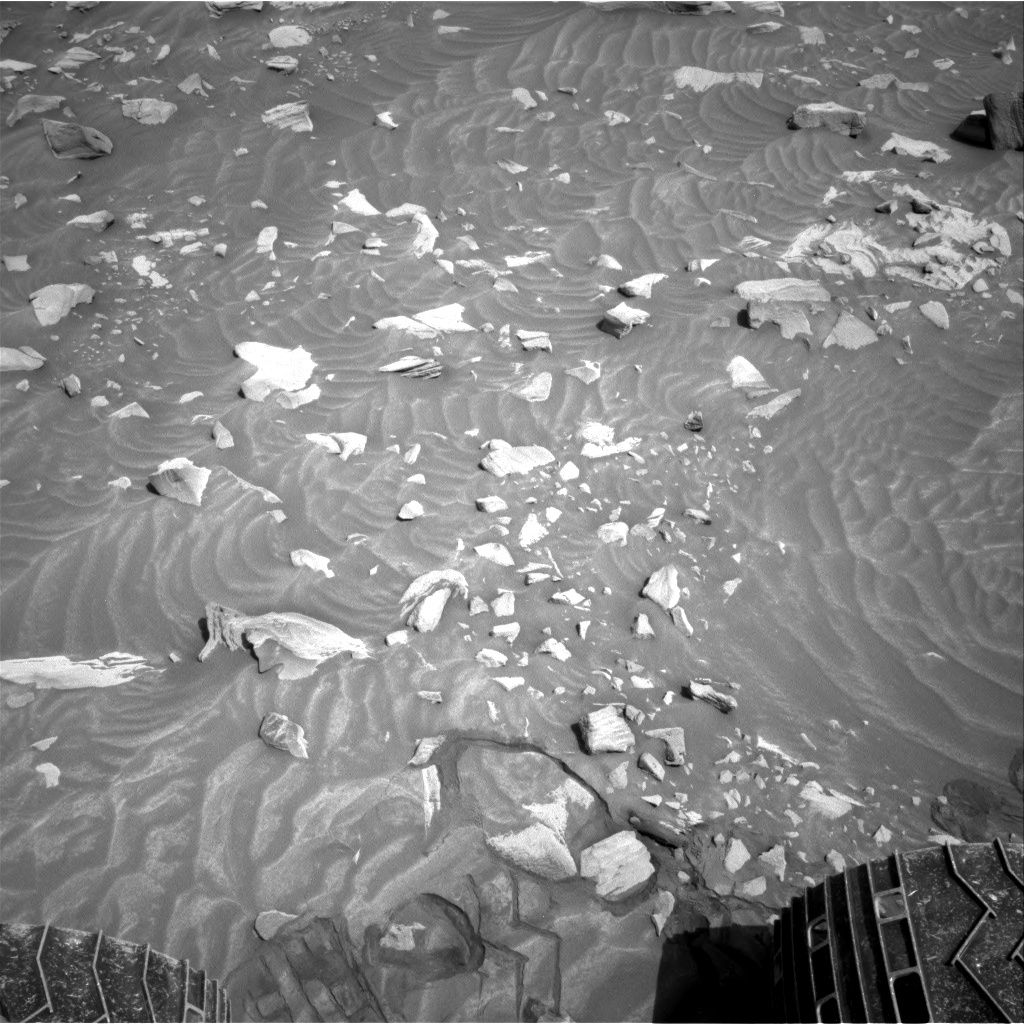
Curiosity Right B Navigation Camera image acquired on Sol 3414, March 14, 2022.
Credit: NASA/JPL-Caltech
“We will acquire Navcam cloud movies, dust devil imaging, and dust devil movies at multiple times of day, in addition to multiple Navcam and Mastcam images to measure the amount of dust in the atmosphere,” Minitti adds.
Dynamic Albedo of Neutrons (DAN) passive measurements will run for a leisurely 8 hours on the first sol and 3 hours on the second sol, with an active measurement added right after the drive. The Radiation Assessment Detector (RAD) and Rover Environmental Monitoring Station (REMS) also run regularly, “ever the Energizer bunnies of our plans,” Minitti concludes.
 Posted in
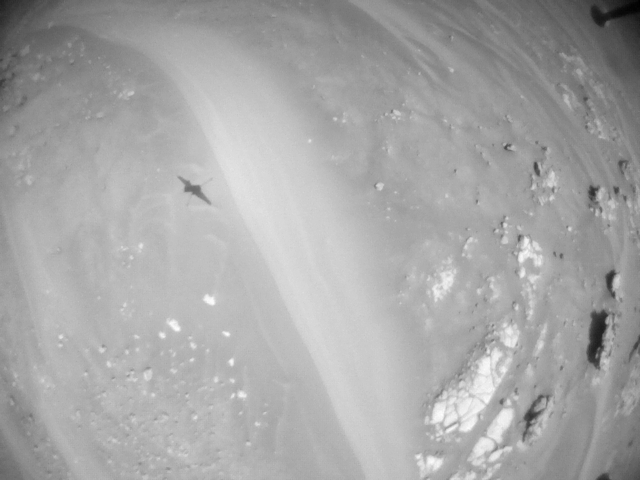
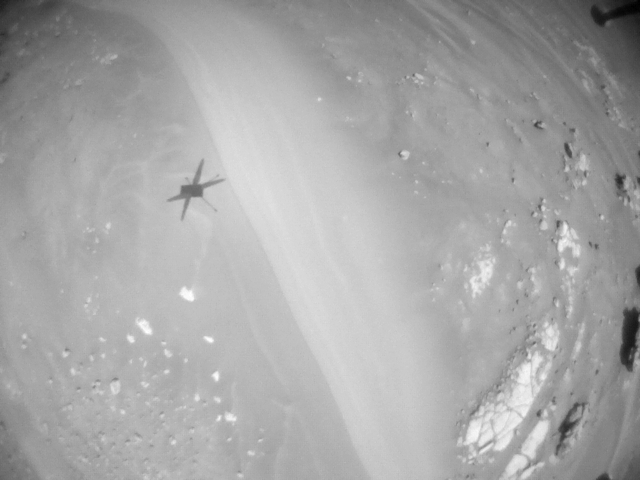
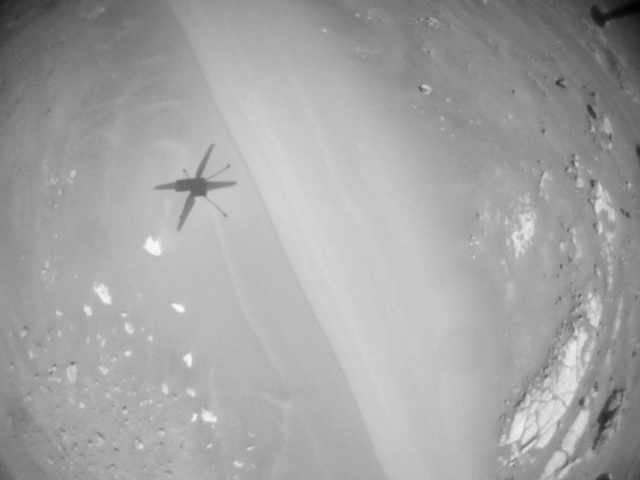
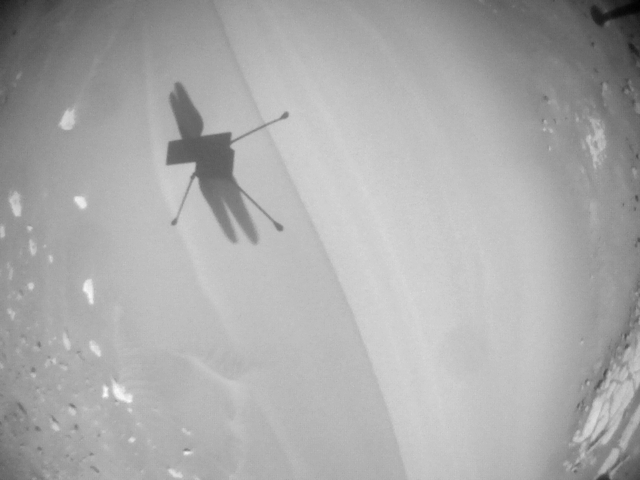
Photos from the 21st flight of NASA’s Ingenuity Mars Helicopter have been newly posted.
The rotorcraft traveled 1,214 feet (370 meters) and clocked a speed of 3.85 meters per second. The tiny vehicle stayed aloft for 129.2 seconds.
These images were acquired on March 10th by the craft’s navigation camera mounted in the helicopter’s fuselage and pointed directly downward to track the ground during flight.
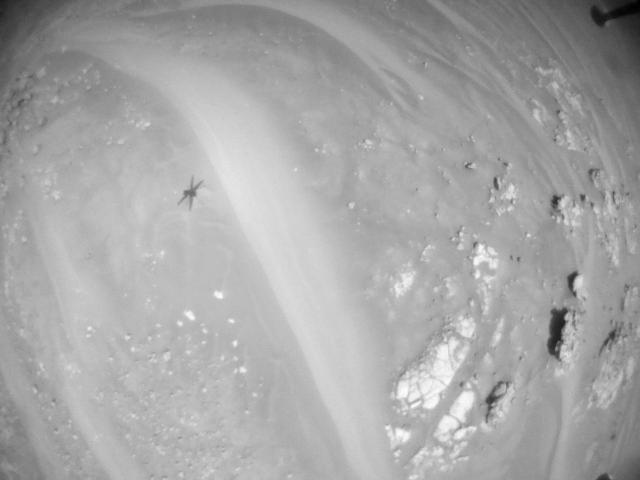
Credit: NASA/JPL-Caltech
Credit: NASA/JPL-Caltech
Credit: NASA/JPL-Caltech
Credit: NASA/JPL-Caltech
Credit: NASA/JPL-Caltech
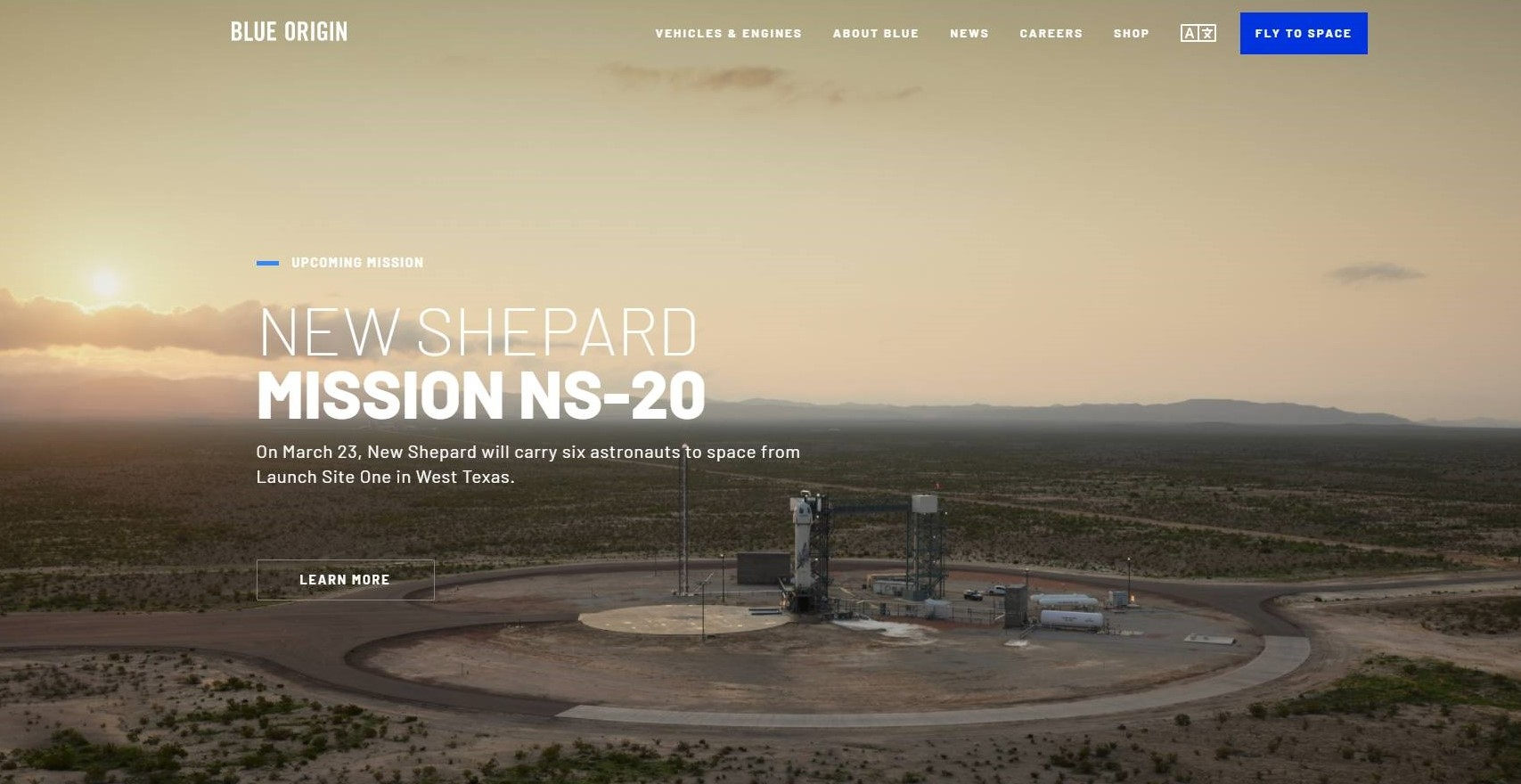
Blue Origin’s 20th mission of its suborbital New Shepard vehicle is slated for March 23rd.
Aboard the crew is Saturday Night Live star Pete Davidson alongside five customers: Marty Allen, husband and wife duo Sharon and Marc Hagle, Jim Kitchen, and George Nield.

This mission is the fourth human flight for the New Shepard program and the 20th in its history.
Marty Allen is a turnaround CEO and angel investor. During his tenure as CEO of Party America, he transformed the company from a broken California retail chain into a large nationwide retailer, leading the company through a bankruptcy restructuring and the acquisition of several competitors. He is also the former CEO of California Closet Company, leading the company to record sales and profitability. Marty also mentors CEOs through his board activities.
Pete Davidson joined the cast of Saturday Night Live in 2014. In 2020, he co-wrote and starred in the semi-autobiographical film The King of Staten Island, which also earned a nomination for The Comedy Movie Star of 2020 at the 46th People’s Choice Awards. Pete also appeared in the 2021 film The Suicide Squad directed by James Gunn.
Sharon Hagle founded SpaceKids Global in 2015, a nonprofit whose mission is to inspire students to excel in STEAM+ education with a focus on empowering young girls. SpaceKids hosts several annual challenges designed to inspire kids to pursue careers in the space industry, including national essay competitions and a partnership with the Girl Scouts of Citrus County. SpaceKids also participates in Club for the Future’s Postcards to Space program. To date, Sharon has reached nearly 100,000 students globally.
Marc Hagle is president and CEO of Tricor International, a residential and commercial property development corporation. Under his direction, the company has developed and owned more than 17.4 million square feet of properties across the United States, including shopping centers, warehouses, medical facilities, recreational facilities, drug stores, and office projects. Marc and his wife, Sharon, are avid philanthropists for numerous arts, sciences, health, and education-related charities.
Jim Kitchen is a teacher, entrepreneur, and world explorer who has visited all 193 U.N.-recognized countries. He’s been a space dreamer since watching NASA’s Apollo rocket launches in Florida as a child. As a college student in the 1980s, he promoted low Earth orbit space trips for a startup. Since 2010, Jim has served on the faculty of University of North Carolina’s Kenan-Flagler Business School, teaching students to create world-changing for-profit and nonprofit ventures.
George Nield is the president of Commercial Space Technologies, LLC, which he founded to encourage, facilitate, and promote commercial space activities. He previously served as associate administrator for the Federal Aviation Administration Office of Commercial Space Transportation and was responsible for licensing and regulating all commercial launch activities. Earlier in his career, he held engineering roles at the Air Force Flight Test Center and the Orbital Sciences Corporation, and he was an assistant professor and research director at the U.S. Air Force Academy. Dr. Nield also served as the manager of the Flight Integration Office for NASA’s Space Shuttle Program.
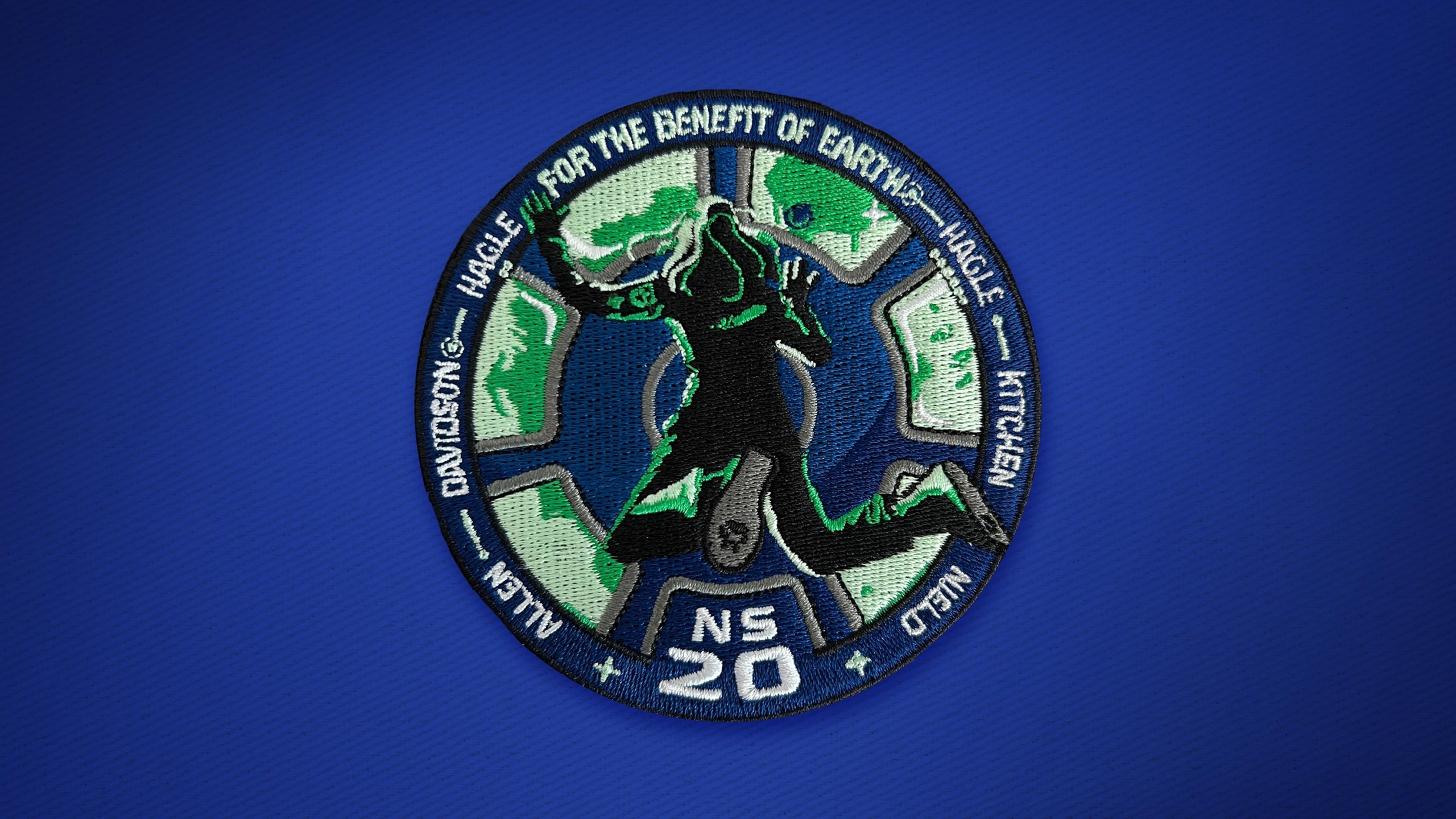
NS-20 flight patch.
Credit: Blue Origin
Live launch coverage begins on BlueOrigin.com at T-60 minutes. Liftoff is currently targeted for March 23 at 8:30 a.m. CDT / 13:30 UTC from Launch Site One in West Texas.
The European Space Agency (ESA) Council will meet March 16-17, 2022 in Paris in its 306th session. On the agenda: “implications of the current geopolitical situation on ESA’s activities.”
Last month, ESA stated: “We deplore the human casualties and tragic consequences of the war in Ukraine. We are giving absolute priority to taking proper decisions, not only for the sake of our workforce involved in the programs, but in full respect of our European values, which have always fundamentally shaped our approach to international cooperation.”
Furthermore, ESA explained that they were fully implementing sanctions imposed on Russia by the organization’s Member States.
ESA has 22 Member States: Austria, Belgium, the Czech Republic, Denmark, Estonia, Finland, France, Germany, Greece, Hungary, Ireland, Italy, Luxembourg, the Netherlands, Norway, Poland, Portugal, Romania, Spain, Sweden, Switzerland and the United Kingdom. Slovenia, Latvia and Lithuania are Associate Members.

Artist’s impression of the ExoMars 2020 rover and Russia’s stationary surface platform in background.
Credit:
ESA/ATG medialab
Major question mark
“We are assessing the consequences on each of our ongoing programs conducted in cooperation with the Russian state space agency, Roscosmos” as well as with NASA on the International Space Station.
“Regarding the Soyuz launch campaign from Europe’s Spaceport in Kourou, we take note of the Roscosmos decision to withdraw its workforce from Kourou. We will consequently assess for each European institutional payload under our responsibility the appropriate launch service based notably on launch systems currently in operation and the upcoming Vega-C and Ariane-6 launchers.”
A major question mark is going ahead with the joint ESA/Roscosmos ExoMars program. Given the sanctions and the wider context, ESA stated that making a launch in 2022 was “very unlikely.”
ExoMars 2022 was slated for a September 20 departure (the opening of a 12-day launch window), to lift off from Baikonour atop a Russian Proton booster.
And there is the prospect of other programmatic shoes to drop.
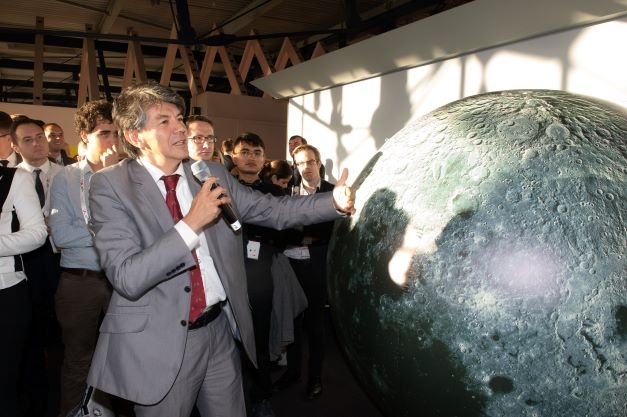
Bernard Foing, space scientist and diplomat. Credit: ESA/Philippe Sebirot
Joint experiments
Inside Outer Space reached out to Bernard Foing, Director of the International Lunar Exploration Working Group (ILEWG). He is a retired ESA project scientist for the SMART-1 — the first European mission to the Moon (2003-2006) — and is vice-chair of the influential Committee on Space Research (COSPAR) planetary commission, and exploration panel.
“As a world citizen I am deeply troubled by the Russian/Ukraine conflict, with its casualties, losses and threats for all,” Foing said. “I am also personally affected as I have Ukrainian friends and colleagues from joint collaborations that involved Ukrainian, European and Russian researchers. We had vibrant memories of collaborations, and visits to Kiev (also spelled Kyiv) observatory, Evpatoria, Yalta. We even had joint experiments, including the first growth of flowers (“Moon marigolds”) from lunar soil conducted with Academy of Sciences in 2005.
ESA deplores the consequences of the war in Ukraine, Foing said, and that its decisions take into account not only its workforce but European values.

Factory floor integration of science instruments on Russia’s Luna-25 Moon lander.
Credit: Roscosmos
Analyzing options
As for the ExoMars rover, Foing added, ESA has said that the economic sanctions imposed by Western nations on Russia and the wider context of the war have made a 2022 launch unlikely. ESA is analyzing options for the way forward.
“The war has already affected other projects,” Foing said. “The withdrawal of Russian Soyuz rocket from Kourou is affecting the launch of Galileo navigation satellites. However the EU commission indicated that a solution will be found in due time to guarantee autonomous access to space for their assets.”
As for ESA working with Russia on that country’s series of Luna missions, “one cannot assess yet how the current conflict would affect the upcoming lunar polar lander missions Luna-25, due for launch in July, and Luna-27 planned in 2025 with ESA contributions of a drill and instruments,” Foing said.
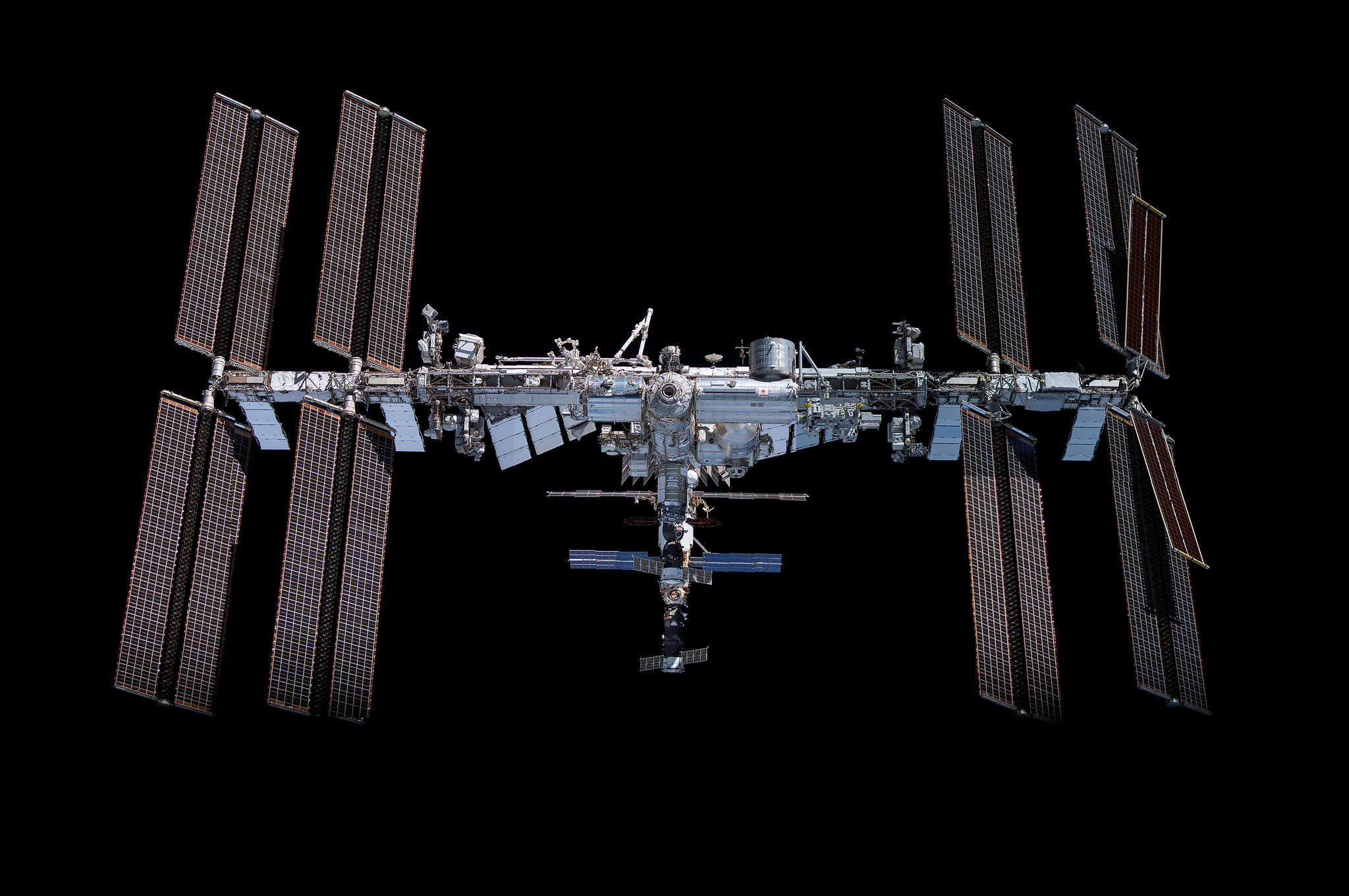
What impact will Russian military aggression against Ukraine have on the International Space Station? Credit: NASA
Foing also said that there are possible consequences on the operations of International Space Station, a multi-nation enterprise that has been a unique platform for peaceful collaboration, technology, science, education and public outreach.
Peace bridge
“Having worked as a space scientist and diplomat at ESA for more than 30 years, I believe “we should not waste the efforts of scientists, engineers, technicians, taxpayers money and public support from Europe, Russia and all countries involved in peaceful space science and exploration joint projects.” Foing said.
Rather, Foing continued, we should use space science as a “peace bridge” between countries with dialogue even in times of geopolitical conflict, as Apollo-Soyuz did in 1975.”

Apollo-Soyuz link-up: On July 17, 1975 two Cold War-rivals met in space.
Credit: NASA
Space science collaboration generates knowledge and advanced technologies, inspiring public and young generations, Foing said, underscoring the United Nations Sustainable Development Goals (SDGs), as well as “developing creative minds for the benefits of humanity and for protecting our Earth.”
Lastly, Foing said that a statement has been released, “Make Space, Not War,” from the Space Renaissance Initiative (SRI), for which he has served as elected president since July 2021.
For more information on SDG 18 – SPACE FOR ALL, go to:
For more information on the Space Renaissance Initiative (SRI), go to:

Shenzhou-13 crew members.
Credit: CNS/Inside Outer Space screengrab
China’s Shenzhou-13 crew — Zhai Zhigang, Wang Yaping and Ye Guangfu – are returning to Earth in April. The taikonaut trio entered the Tianhe core module on October 16, 2021.
The under construction space station complex is composed of the core module and the cargo supply crafts Tianzhou-2 and Tianzhou-3.
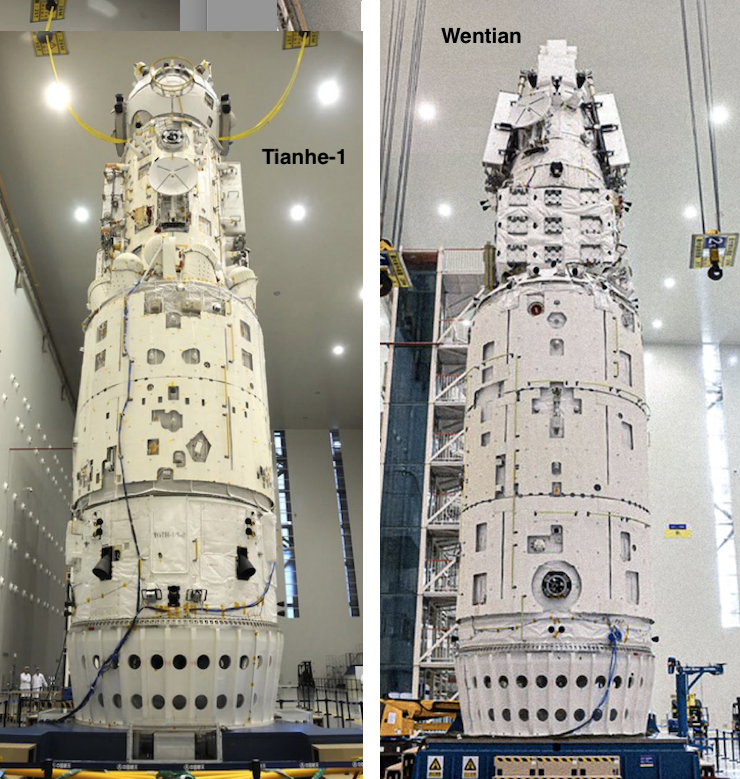
Next up station modules.
Credit: CNSA
China has planned to carry out six spaceflight missions in 2022, including the launch of the Wentian and Mengtian lab modules, two cargo spacecraft and two crewed spaceships, to complete piecing together the space station outpost by year’s end.
The crews for the next two spaceflights have been selected and are in intense training, according to China Manned Space Agency (CMSA).
Upcoming activity
Key technologies for assembly and construction of China’s space station, such as the technologies of module transfer supported by a robotic arm system and manual remote operation, have all been tested, in preparation for upcoming tasks.

Credit: CCTV/Inside Outer Space screengrab
In 2019, CMSA and the U.N. Office for Outer Space Affairs announced nine international projects selected for China’s space station. The first batch of the projects may be carried out in 2022.
As reported by China Global Television Network (CGTN), Zhou Jianping, the chief designer of China’s manned space program, said he’s looking forward to having foreign astronauts on board the country’s space station after it is completed and can operate stably and safely.
Artist’s impression of the ExoMars 2020 rover and Russia’s stationary surface platform in background.
Credit:
ESA/ATG medialab
The unprovoked Russian military aggression against Ukraine has lit a fuse that has impacted worldwide space cooperation not only here on Earth but set collaborative projects on an unsteady interplanetary trajectory.
Like Russian nesting dolls of diminishing sizes, just how major or minor Russia’s actions will impact the space community of nations in years to come is difficult to foretell. To be sure, it is celestial chess playing. Whether or not Russia rules as a Grandmaster or a secluded space power on the world stage remains to be seen.

Russia’s Luna-25 Moon lander.
Credit: RSC Energia/Roscosmos
Go to my new Scientific American story — “Russia’s War in Ukraine Threatens Joint Missions to Mars, Venus and the Moon – Interplanetary voyages are among several space science collaborations delayed or doomed by the ongoing conflict” – at:
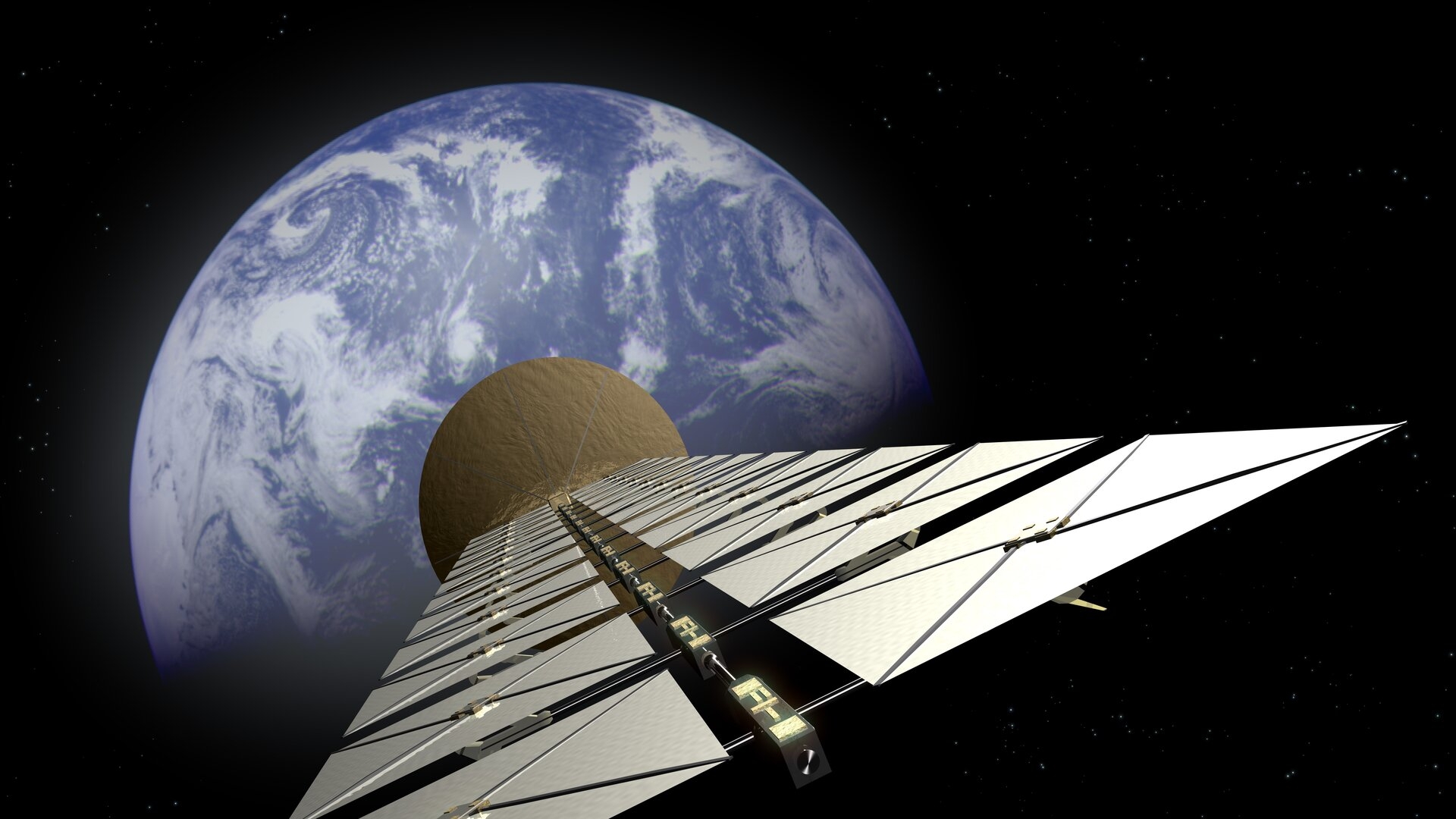
Courtesy of ESA
At the beginning of 2022, the European Space Agency (ESA) awarded two parallel cost-benefit analysis studies, based on two different technical solutions, to Frazer-Nash Consultancy and Roland Berger respectively.

Credit: ESA
These studies, funded through the Preparation element of ESA’s Basic Activities, will evaluate the “business case” for space-based solar power in Europe, using orbiting solar power stations to complement terrestrial renewable power plants.
The outcome of the studies will be ready at the end of summer 2022 and are intended to help inform decision makers in the public and private sector.

Concept for an in-orbit demonstrator of a Space-Based Solar Power beaming satellite.
Credit: ESA
For more information, go to:
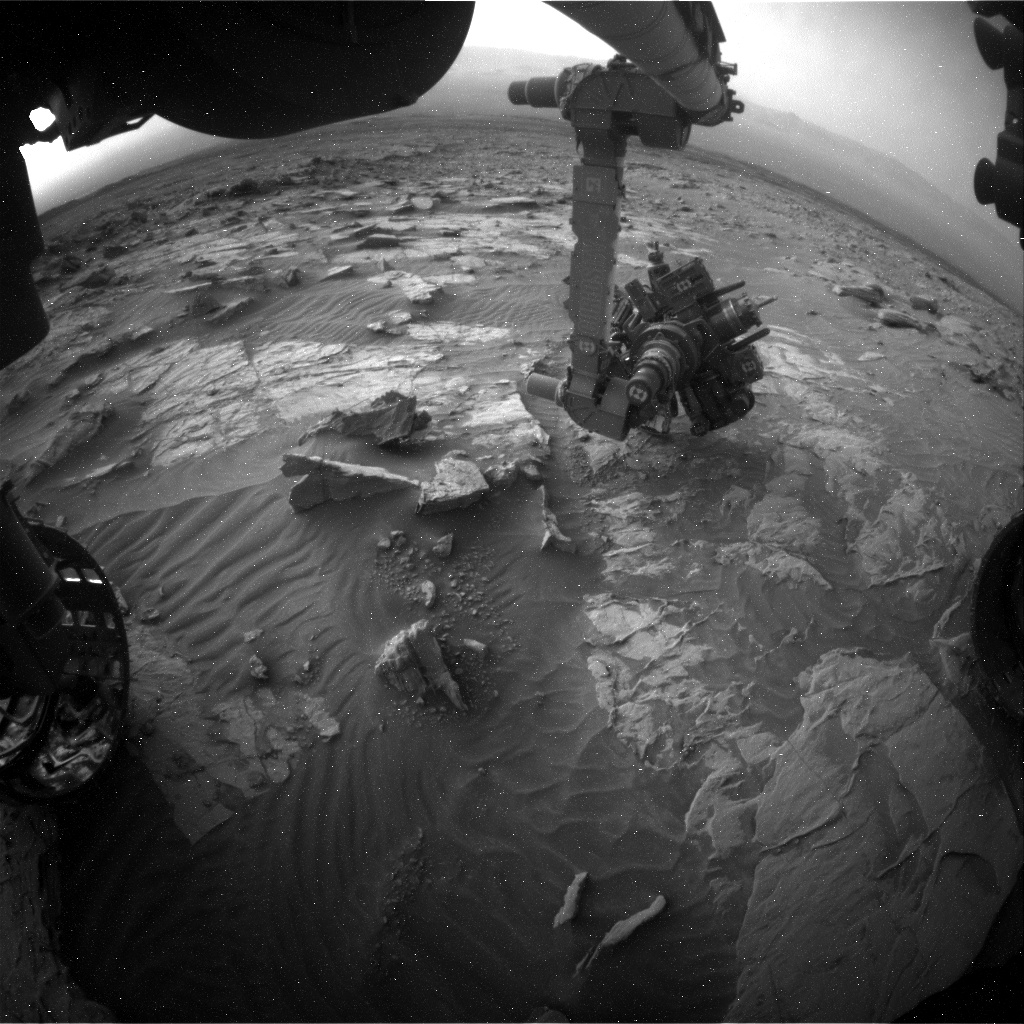
Curiosity Front Hazard Avoidance Camera Left B image acquired on Sol 3409, March 10, 2022.
Credit: NASA/JPL-Caltech
NASA’s Curiosity Mars rover at Gale Crater is now performing Sol 3410 duties.
The rover continues to face difficult terrain.
Scott Guzewich, an atmospheric scientist at NASA’s Goddard Space Flight Center reports that recent Chemistry and Camera (ChemCam) AEGIS work has automatically identified an interesting rock near the rover by itself.
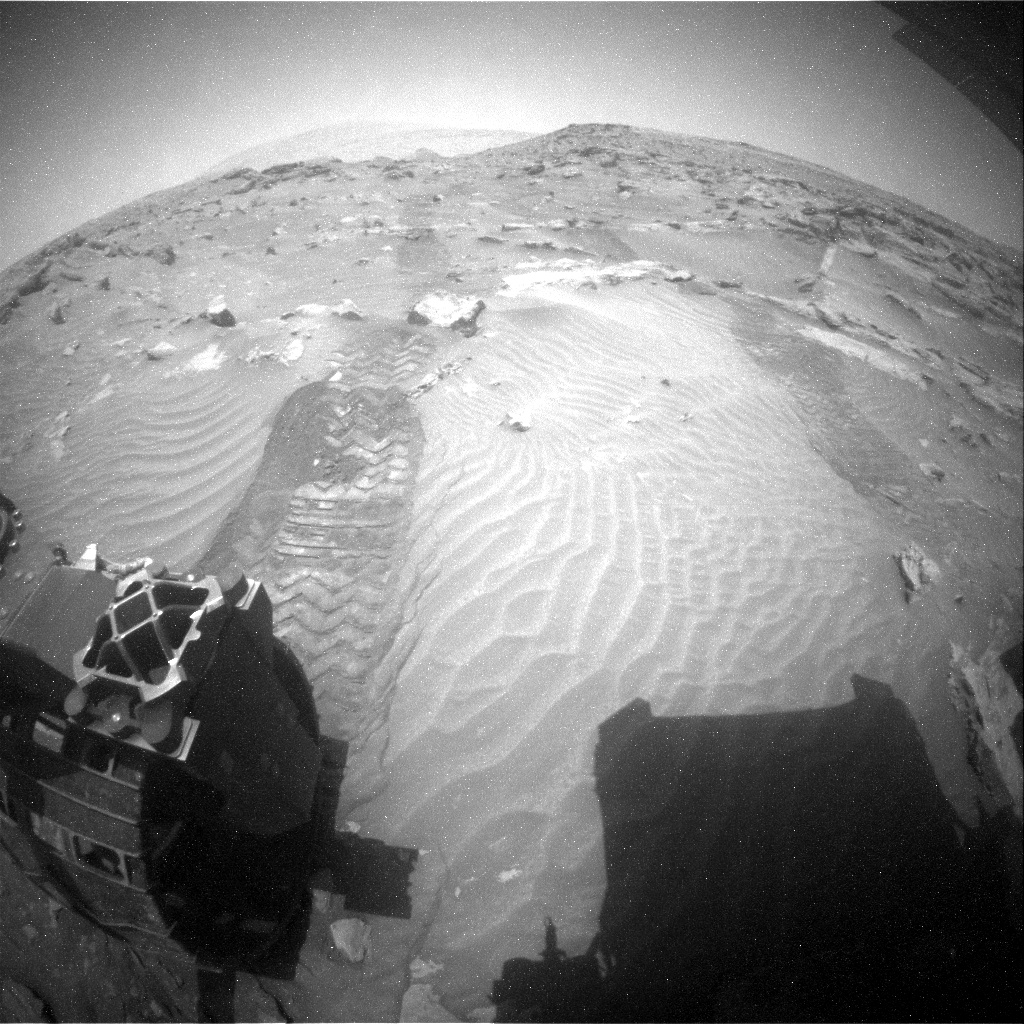
Curiosity Rear Hazard Avoidance Camera Left B photo taken on Sol 3406 March 6, 2022.
Credit: NASA/JPL-Caltech
AEGIS stands for Autonomous Exploration for Gathering Increased Science) – a software suite that permits the rover to autonomously detect and prioritize targets.
Furthermore, there’s been a bonanza of atmospheric monitoring activities, as the rover had power to spare.
“This included 7 dust devil movies with 4 different cameras: Mastcam, Navcam, and the front and rear Hazcams,” Guzewich adds.

Curiosity Left B Navigation Camera image taken on Sol 3406, March 6, 2022.
Credit: NASA/JPL-Caltech
The robot has viewshed views as it wheels to the north from its current location on the Greenheugh Pediment, which provides good opportunities for dust devil searches.
Slow-going
In an earlier report, Ashley Stroupe, a mission operations engineer at NASA’s Jet Propulsion Laboratory, reports that the rover is continuing to slowly move through very challenging terrain.
Over the last weekend, Curiosity made it about 13 feet (4 meters) before the drive stopped when the rover sensed more difficulty.
A recent challenge the robot and controllers faced was dealing with the drive stopping early, in a place that scientists didn’t expect.
“Given the difficulties of driving in this area, this was not a huge surprise,” Stroupe says. With the rover not being in the expected orientation, Curiosity would not have been able to see Earth to receive a recently uploaded plan (the line of site was again occluded by the terrain).
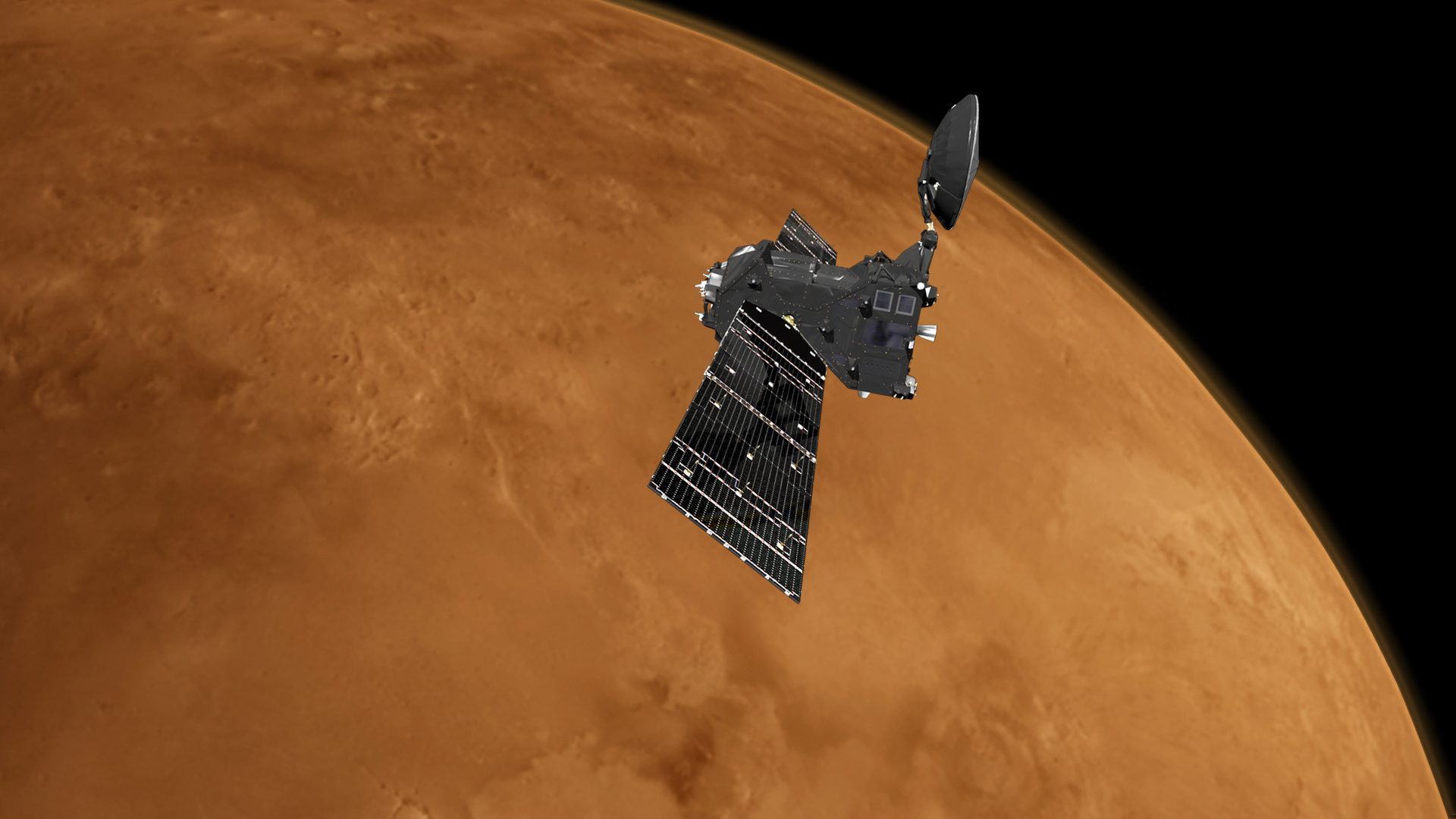
European Space Agency’s Trace Gas Orbiter.
Credit: ESA/ATG medialab
Relaying of plans
Instead, researchers ended up relaying the plan via Europe’s ExoMars Trace Gas Orbiter (TGO) orbiter.
“Due the timing of the relay, we shifted our plan to cover sols 3409-3410 instead of 3408-3409. Once we knew we could get the plan to the rover, we were able to move forward with the day. We won’t see the results of this plan until Friday morning, but that gives us more time in our plan for targeted observations on the first sol and allows us to drive on the second sol,” Stroupe adds,
ChemCam has done a Laser Induced Breakdown Spectroscopy (LIBS) observation of “Achvarasdal,” a dark toned target in the rover’s workspace, and a 10-frame long-distance Remote Micro-Imager (RMI) mosaic of the Gediz Vallis Ridge.

Curiosity Left B Navigation Camera Sol 3407 photo acquired on March 7, 2022.
Credit: NASA/JPL-Caltech
“We also took several Mastcam mosaics, including the ChemCam targets as well as a large 16-frame mosaic to look at pebble sorting and an extension of our prior drive direction imaging,” Stroupe notes. “All of these Mastcam images will hopefully provide a 3-D reconstruction of the formations in this area, which can tell us something about how the materials were deposited.”
Safety checks
Unlike previous drive faults by Curiosity, “we ended in a place that we could safely unstow the arm for contact science. The target named “Skaw Granite” is one of the larger pieces of bedrock within reach,” Stroupe says.
With the extra time, the arm rover planners were able to incorporate a brush of the contact science target (for which they did not have time in the original plan).
The mobility rover planners had a big task, Stroupe explains, “to figure out how to continue to make progress in this very challenging spot. They ended up putting in a lot of extra safety checks and some conditional sequencing in order to try to account for many different possibilities.”
Tricky area
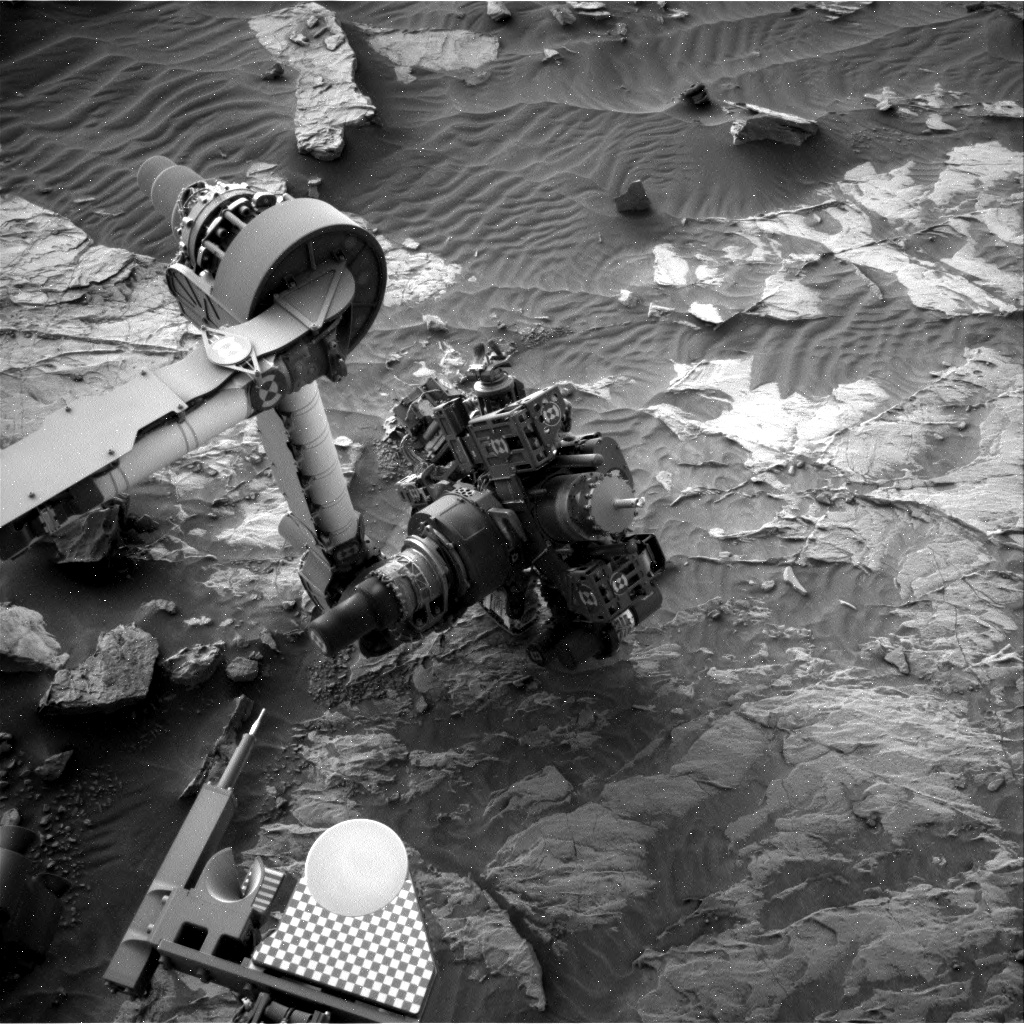
“We’re trying to follow the same route we have planned before, which should take us along this valley to where we might be able to view the pediment and better assess the safety of driving there, as well as to find a good place to climb up,” Stroupe continues. “Hopefully, when we get the results of the drive, this tricky area will be in our rear view mirror. After the drive, we also did a lot of environmental observations with Navcam, including a lot of movies/surveys for dust devils.”

Curiosity Mast Camera Left image taken on Sol 3406, March 6, 2022.
Credit: NASA/JPL-Caltech/MSS
Stroupe concludes that the Curiosity team took their time to sort things out and get things right, “which did make for a slow start to the planning day, but we got everything in the plan and did complete our process without going too late.”

Credit: XinhuaVideo/Inside Outer Space screengrab
China has approved the fourth phase of its lunar exploration program, a phase that includes building an International Lunar Research Station (ILRS) at the south pole of the Moon.
“The fourth phase of the project is mainly to make several landings at the south pole of the Moon. After landing, a model lunar scientific research station will be built at the south pole of the Moon. It will be implemented in three missions, for instance Chang’e-6, Chang’e-7 and Chang’e-8. The timeline is set before 2030. At present, the research work is progressing smoothly,” said Wu Weiren, chief designer of China’s lunar exploration program.
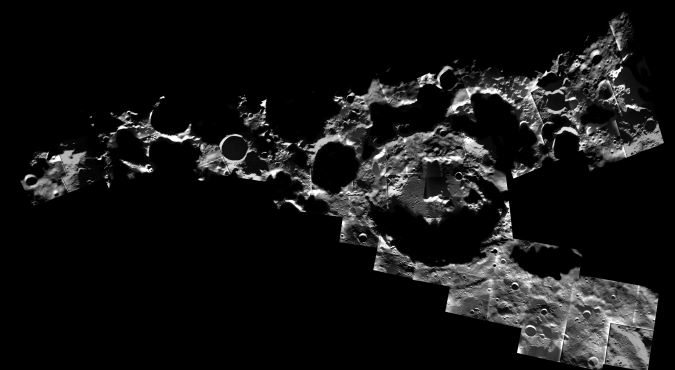
Mosaic of the lunar south pole from images acquired by ESA’s Small Missions for Advanced Research in Technology (SMART-1) that flew 2003-2006.
Credit: ESA
Lunar series
According to China Central Television (CCTV), Chang’e-7 is targeted for the south pole of the Moon first.
Since Chang’e-6 is a backup of Chang’e-5 sample-return mission, it will be launched after Chang’e-7 to rocket back one to two kilograms of samples from the lunar south pole.
Chang’e-6 mission will be followed by Chang’e-8, a step toward building a basic lunar scientific research station.
The Chang’e-8 mission will test numerous technologies to make use of lunar resources, from producing oxygen to fabricating structures using 3D printing technology.
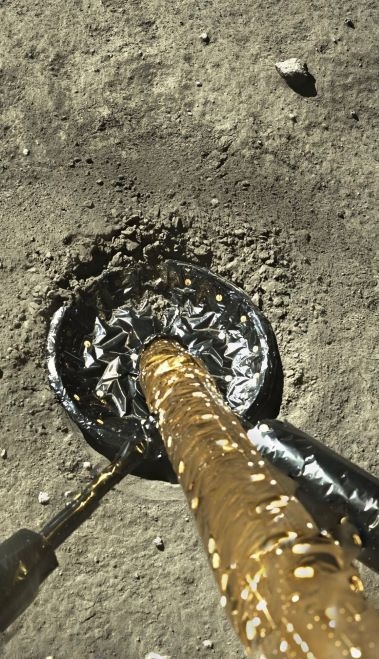
Landing leg of Chang’e-5 lander.
Credit: CNSA/CLEP
“Chang’e-7 is mainly for the survey of lunar resources, such as water, the environment and climate, topography and landform of the lunar south pole,” Wu added. “For Chang’e-8, we hope to analyze and study the existence of resources on the spot, which will lay the foundation for long-term work on the Moon in the future. So the utilization of resources is particularly important.”
Transfer outpost
Wu said that the construction of the ILRS before 2035 will lay a solid foundation to better explore the lunar environment and resources.
Wu said the ILRS will be outfitted with rovers, landers and hoppers, adding that the station would also serve as a transfer outpost for missions into deep space, utilizing Moon-produced rocket fuel.

Artist’s view of China/Russia International Lunar Research Station to be completed by 2035. Credit: CNSA/Roscosmos
“Governments of China and Russia are working closely on the ILRS agreements and have basically reached a consensus, and the agreement will hopefully be signed later this year,” said Wu Yanhua, China National Space Administration deputy head. “After that, a joint declaration on the project will be announced to the world by the national space agencies of the two countries,” Wu told the Global Times at a press conference for the issue of the fifth edition of China Space white paper in January.
Video available at: https://youtu.be/ITA2gZfnSWM

Credit: NASA
How best to keep NASA’s sight on Mars? A status update and review of NASA’s Artemis program was held on March 1 by the U.S. House Science, Space, and Technology Committee.
It reviewed NASA’s plans and progress on Artemis—the heavy-lift Space Launch System, the Orion crew vehicle, the ground systems, the space suits, the human landing system, the cislunar orbiting Gateway station, and the many other systems, payloads, and operations that will support planned missions to the Moon in preparation for the next giant leap–being the first nation to land humans on the surface of Mars.

NASA’s Artemis program.
Credit: NASA
Missing in action
Chairwoman Eddie Bernice Johnson’s (D-TX) opening remarks are telling, noting that:
“More than four years after Artemis was started, NASA still has not established an overall architecture for the initiative, and NASA is now saying it hopes to have one by the end of the year.”
“More than four years after Artemis was started, NASA still has not developed the specific objectives that it is to pursue, or how they will fit together to support the goal of humans to Mars. NASA says it hopes to have them in the coming months.”

Credit: NASA
“More than four years after Artemis was started, no one appears to be in charge of the entire Artemis initiative. It is still largely a collection of individual projects rather than an integrated program managed by an empowered program manager, something that has been raised as a serious concern in the witness testimony for today’s hearing.”
Key witnesses
This March 1 hearing involved key witnesses:
– Mr. James Free, Associate Administrator, Exploration Systems Development Mission Directorate, National Aeronautics and Space Administration
– Mr. William Russell, Director, Contracting and National Security Acquisitions, U.S. Government Accountability Office
– Dr. Patricia Sanders, Chair, Aerospace Safety Advisory Panel
– The Honorable Paul K. Martin, Inspector General, National Aeronautics and Space Administration
– Mr. Daniel Dumbacher, Executive Director, American Institute of Aeronautics and Astronautics
To view the hearing, go to this video at:
Also, take a read of this informative charter for the hearing at:
https://science.house.gov/imo/media/doc/keeping_our_sights_on_mars_pt_3_charter.pdf

