Archive for the ‘Space News’ Category
 Author:
  May 12th, 2026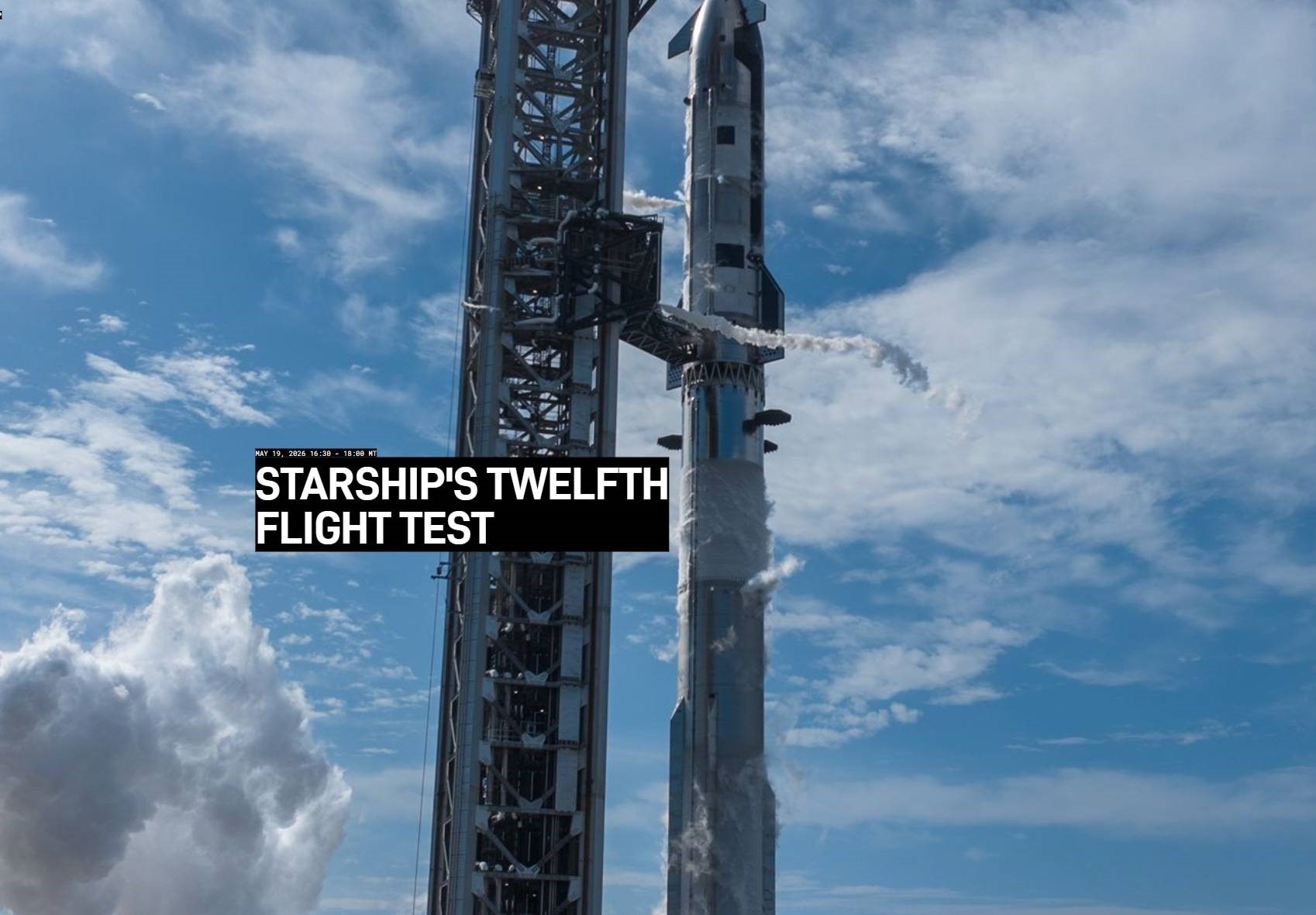
Image credit: SpaceX
SpaceX has announced that the twelfth flight test of Starship is preparing to launch as soon as Tuesday, May 19. The launch window will open at 5:30 p.m. Central Texas Time (CT).
The upcoming flight will debut the next generation Starship and Super Heavy vehicles, powered by the next evolution of the Raptor engine and launching from a newly designed pad at Starbase.
Here is the SpaceX posted upgrades debuting on Starship, Super Heavy, Raptor, and the launch pad on Flight 12, as reported by the company.
Primary goal
The flight test’s primary goal will be to demonstrate each of these new pieces in the flight environment for the first time, with each element of the Starship architecture featuring significant redesigns to enable full and rapid reuse that incorporate learnings from years of development and test.
The booster’s primary test objective will be executing a successful launch, ascent, stage separation, boostback burn, and landing burn at an offshore landing point in the Gulf of America. As this is the first flight test of a significantly redesigned vehicle, the booster will not attempt a return to the launch site for catch.
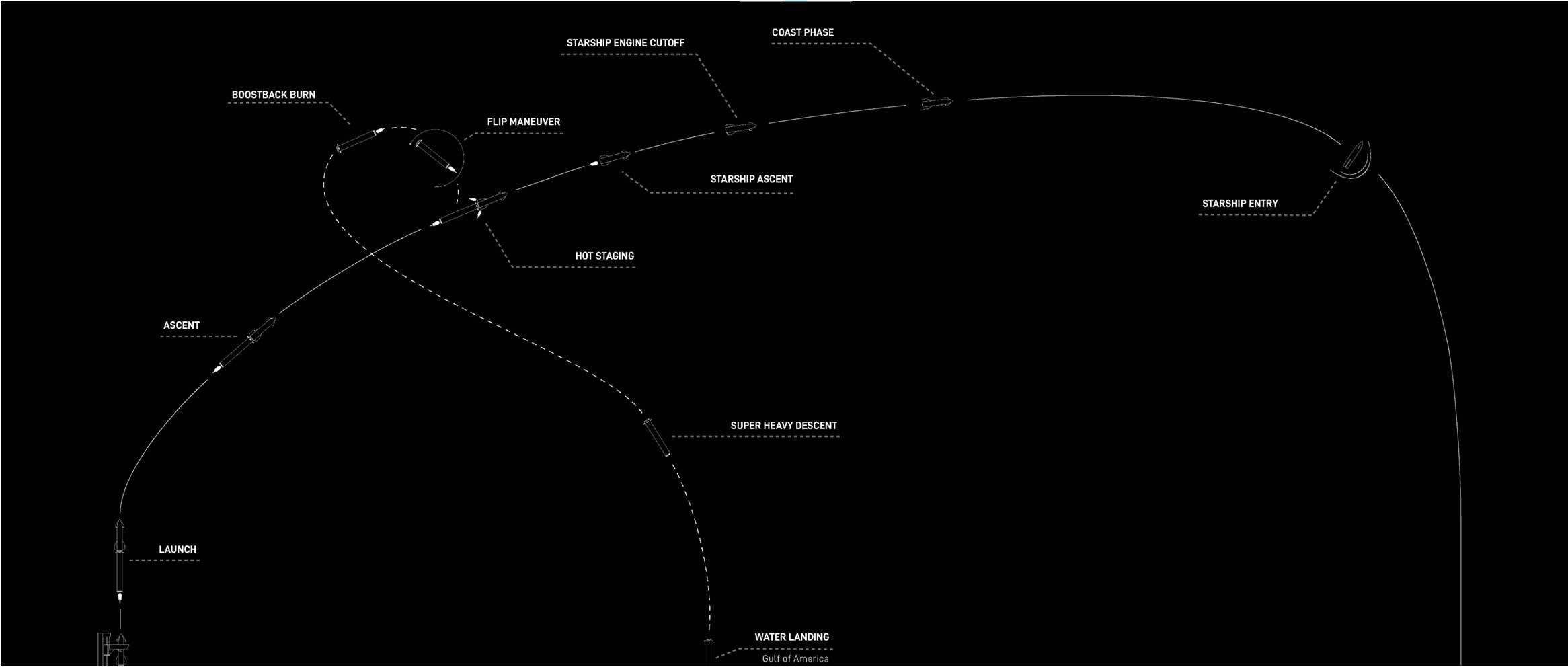
Image credit: SpaceX
In-space and reentry objectives
The Starship upper stage will target multiple in-space and reentry objectives, including the deployment of 22 Starlink simulators, similar in size to next-generation Starlink satellites.
The last two Starlink simulator satellites deployed will scan Starship’s heat shield and transmit imagery down to operators to test methods of analyzing Starship’s heat shield readiness for return to launch site on future missions.
Several tiles on Starship have been painted white to simulate missing tiles and serve as imaging targets in the test. The Starlink simulators will be on the same suborbital trajectory as Starship. A relight of a single Raptor engine while in space is also planned.

Image credit: SpaceX
For Starship entry, a single heat shield tile has been intentionally removed to measure the aerodynamic load differences on adjacent tiles when there is a tile missing. Finally, the ship will perform experimental actions tested on previous flight tests, including a maneuver to intentionally stress the structural limits of the vehicle’s rear flaps and a dynamic banking maneuver to mimic the trajectory that future missions returning to Starbase will fly.
Super Heavy V3 Change Highlights
The Super Heavy V3 booster features several significant upgrades.
The number of grid fins has been reduced from four to three, with each fin now 50% larger and significantly stronger. These fins include a new catch point and have been re-clocked on the booster to support vehicle lift and catch operations.
The fins have also been lowered to reduce heat exposure from Starship’s engines during hot-staging. Additionally, the grid fin shaft, actuator, and fixed structure have been moved inside the booster’s main fuel tank for better protection.
An integrated hot stage replaces the previous single-use protective interstage. The forward dome of the booster fuel tank is now directly exposed to the Starship upper stage’s Raptor engines upon ignition, with the booster’s internal fuel tank pressure and a non-structural layer of steel protecting it during stage separation. And the actuators on the interstage that connect the ship and booster now retract after separation to further shield them from Raptor exhaust.
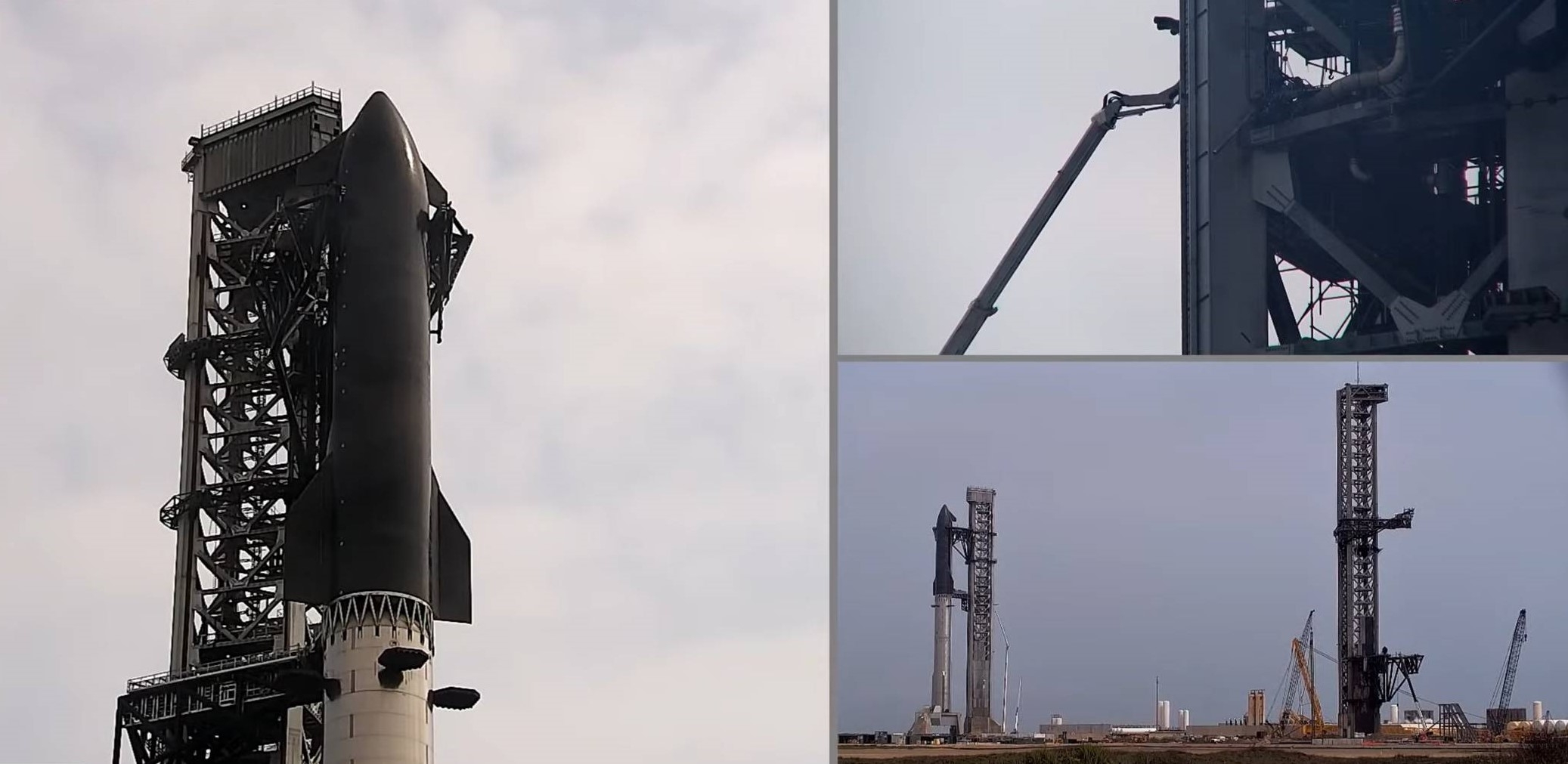
Image credit: SpaceX
The fuel transfer tube, which channels cryogenic fuel from the main tank to the 33 Raptor engines, has been completely redesigned and is now roughly the size of a Falcon 9 first stage. This new design enables all 33 engines to start up simultaneously and faster, more reliable flip maneuvers.
The aft end thermal protection system has been redesigned, with propulsion and avionics systems now tightly integrated to coordinate the distribution of fluids, power, and networking to the 33 Raptor engines. Large individual engine shrouds have been eliminated, and shielding has been added to the surface area between engines and around the thrust vector control hardware on the inner 13 engines. The carbon dioxide fire suppression system has been removed following the deletion of the aft cavity and engine shrouds.
Finally, the booster has gone from a single quick disconnect, which is the primary path for loading fuel and oxidizer into the vehicle, to two physically separated connection points. This change provides additional redundancy between the pad and vehicle connections while allowing the supporting mechanisms to be smaller and less complex.

Image credit: SpaceX
Starship V3 Change Highlights
Starship V3 incorporates a clean-sheet redesign of its propulsion systems. These changes enable a new Raptor startup method, increase propellant tank volume, and improve the reaction control system used for steering while in flight. The propulsion updates also reduce contained volumes in the aft end of the vehicle that could trap propellant leakage.
Aft end fluid and electrical systems have been rerouted allowing for the deletion of individual engine shrouds and the large aft close-out volume, which previously required extensive environmental control. The aft flap actuation system has also been upgraded from two actuators per flap to a single actuator with three motors. This improves redundancy for return-to-launch-site operations while reducing mass and cost.
The Starlink PEZ Dispenser mechanism has been enhanced with new actuators and inverters, increasing deployment speed for each satellite.
Starship is now designed to be capable of long-duration flights with more efficient reaction control systems, isolation valves for high-pressure gases, 100% vacuum jacketing coverage of the header feed system, a high-voltage electrically actuated cryogenic recirculation system, and a dedicated system for managing cryogenic propellant interactions with the engines during extended coasts in space. Four docking drogues have also been added on the leeward side of the vehicles to enable docking with other Starships, along with propellant feed connections for ship-to-ship propellant transfer.

Image credit: SpaceX
Avionics
Starship and Super Heavy V3 will debut advanced avionics capabilities designed for high flight-rate, full reusability, and enhanced reliability. At the heart of the two vehicle systems, approximately 60 custom avionics units integrate batteries, inverters, and high-voltage electrical distribution into single assemblies, capable of delivering ~9MW of peak power across the vehicles with distributed fault isolation. The upgraded multi-sensor navigation is designed for precision autonomous flight with high redundancy across all phases of upcoming missions and environmental conditions. New precision radio frequency sensors for measuring propellant levels in microgravity should enable accurate propellant monitoring ahead of upcoming in-space propellant transfer operations. And finally, upgraded cameras will provide approximately 50 views to give comprehensive vehicle coverage while powered by 480Mbps of redundant high-speed and low-latency Starlink real-time connectivity.
Raptor 3 Change Highlights
Raptor 3 engines deliver increased thrust, with sea-level variants now producing 250 tf (551,000 lbf) up from 230 tf (507,000 lbf), while vacuum engines produce 275 tf (606,000 lbf) up from 258 tf (568,000 lbf).
Sensors and controllers are now internally integrated and covered by engine thermal protection, eliminating the need for individual engine shrouds on both Starship and Super Heavy. All engine variants will also now feature a redesigned ignition system.
Mass of the Raptor sea-level engines has been reduced to 1,525 kg from 1,630 kg. Overall vehicle-level mass savings reach approximately 1 ton per engine through simplification of the engine itself, vehicle-side commodities, and supporting hardware.

Image credit: SpaceX/Inside Outer Space screengrab
Starbase Launch Pad 2 Change Highlights
Flight 12 will mark the first launch from Pad 2 at Starbase. The propellant farm that stores the required commodities has been upgraded with increased storage capacity and significantly more pumps, enabling much faster vehicle filling for launch.
On the launch tower, the chopsticks are now shorter, allowing faster motion to better track vehicles during catch operations. Their main actuators have been changed from hydraulic to electromechanical to improve speed, redundancy, and reliability. The quick disconnect arm for loading propellant into the Starship upper stage has been strengthened, repackaged, and now rotates farther away from the rocket during launch.
The launch mount structure and hold-downs have been completely redesigned to greatly improve load sharing, throwback reliability, and protection during vehicle fly-out. Inside the mount, a new bidirectional flame diverter and top-deck flame deflector are designed to eliminate ablation and the need for refurbishment on these surfaces after launch. And the launch mount quick disconnects for Super Heavy propellant loading have been moved to the opposite side of the mount and split into separate methane and oxygen mechanisms.

Delivery of cargo on the Moon.
Credit: SpaceX
The various vent valves, isolation valves, and filters for booster fluid fill have been relocated into a hardened bunker on the side of the launch mount, designed to greatly reduce the distance to the rocket while isolating oxygen and methane systems into separate rooms for safety.
Bottom line
“Together, these new elements are designed to enable a step-change in Starship capabilities and aim to unlock the vehicle’s core functions,” the SpaceX/Starship posting indicates, “including full and rapid reuse, in-space propellant transfer, deployment of Starlink satellites and orbital data centers, and the ability to send people and cargo to the Moon and Mars.”
To keep an eye on this flight, go to:
https://www.spacex.com/launches/starship-flight-12

What? Me Worry?
Image credit: Elon Musk by Walter Isaacson/Simon & Schuster
 Posted in
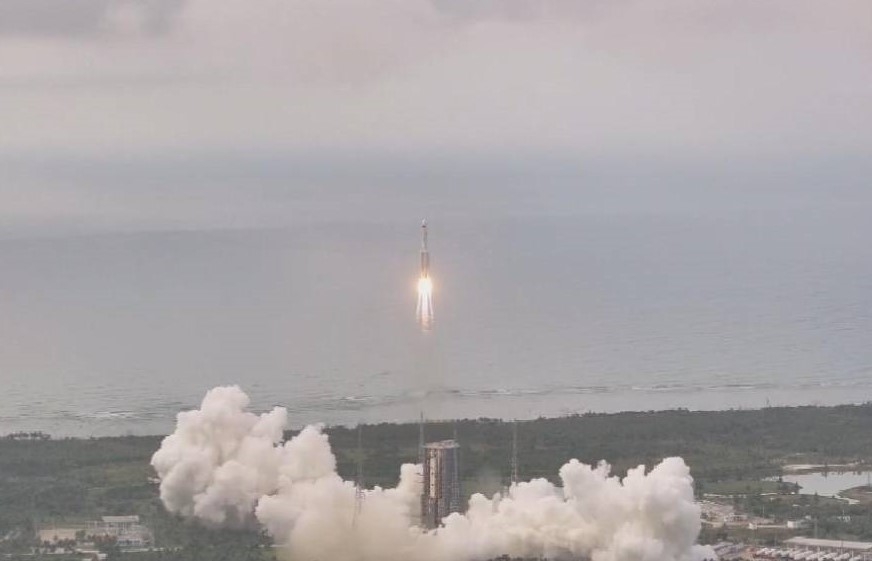
Image credit: CCTV/Inside Outer Space screengrab
Following launch of China’s Tianzhou-10 cargo craft atop a Long March-7 Y11 carrier rocket from the Wenchang Spacecraft Launch Site in the southern island province of Hainan, the uncrewed supply ship docked on May 11 with the Tiangong space station.
China Manned Space Agency (CMSA) noted that the Tianzhou-9 separated from the orbiting Tiangong space station combination on May 6 and re-entered the atmosphere under controlled conditions.
That action cleared a docking port to make room for the Tianzhou-10, the CMSA noted.
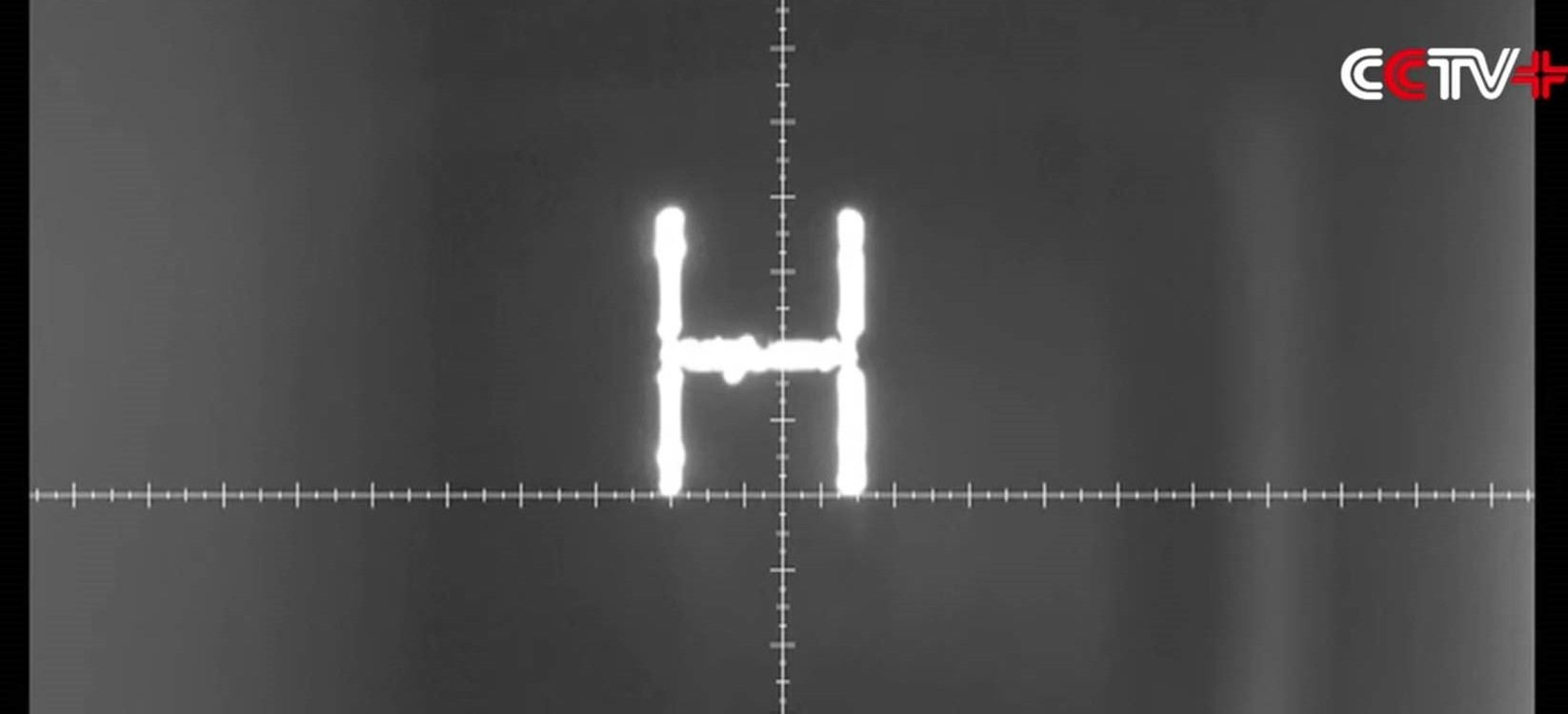
Image credit: CCTV/Inside Outer Space screengrab
Essential living supplies
Supplies aboard Tianzhou-10 added up to nearly 6.2 tons, such as food and water.
“Another category includes instruments, equipment, accessories and spare parts needed for the daily operation and maintenance of the space station. In addition, we have also replenished nearly 700 kilograms of propellants for the space station this time,” said Yu Lei, chief designer of China Aerospace Science and Technology Corporation.
Also onboard the just-arrived cargo spacecraft is a new set of extravehicular spacesuit.
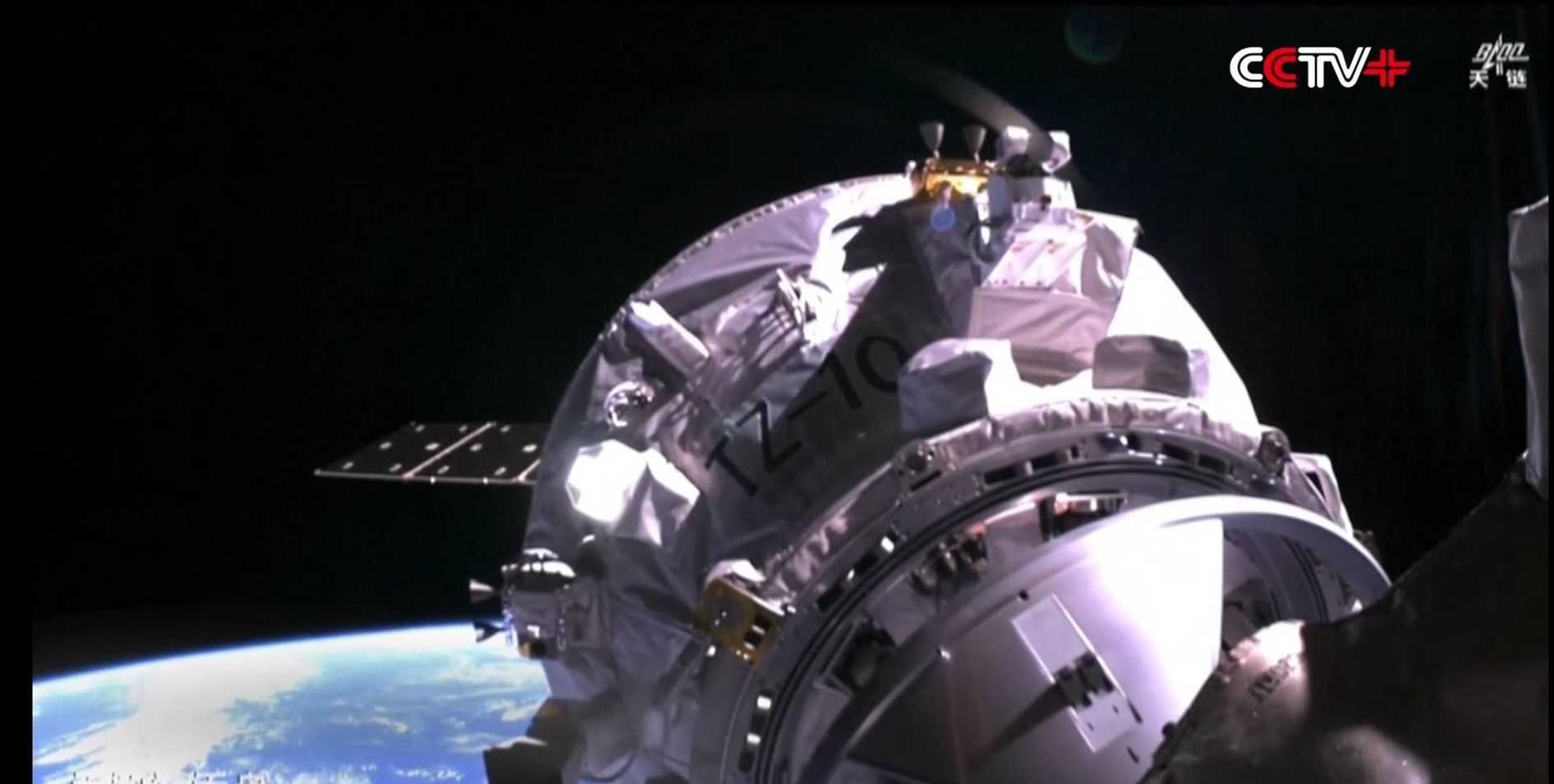
Image credit: CCTV/Inside Outer Space screengrab
Together with the two sets previously sent up by Tianzhou-9, there are now three new extravehicular spacesuits in total in the space station, which will fully replace and upgrade the original spacesuits, reports China Central Television (CCTV).
New treadmill
In addition, the cargo spacecraft has a new space treadmill to meet the astronauts’ exercise needs in orbit.
With a launch weight of approximately 14 tons, Yu also stated that the “Tianzhou-10 cargo spacecraft will carry a large number of payload devices this time, making it the mission with the most payload equipment since the space station construction mission began.”
Tianzhou-10 will also help the space station to carry out the orbit control and attitude adjustment during its mission.
Go to this CCTV video at:

Image credit: Actual site photo with FBI Lab rendered graphic overlay depicting corroborating eyewitness reports from September 2023 of an apparent ellipsoid bronze metallic object materializing out of a bright light in the sky, 130-195 feet in length, and disappearing instantaneously.
The Department of War (DOW) has posted new information on UFOs, at the request of U.S. President Donald Trump.
Never-before-seen files on Unidentified Anomalous Phenomena (UAP) are part of the Presidential Unsealing and Reporting System for UAP Encounters (PURSUE).
Justified speculation
In a statement by Pete Hegseth, United States Secretary of War:
“The Department of War is in lockstep with President Trump to bring unprecedented transparency regarding our government’s understanding of Unidentified Anomalous Phenomena,” Hegseth states. “These files, hidden behind classifications, have long fueled justified speculation — and it’s time the American people see it for themselves. This release of declassified documents demonstrates the Trump Administration’s earnest commitment to unprecedented transparency.”
Unresolved cases
According to the website at: https://www.war.gov/UFO/
“The materials archived here are unresolved cases, meaning the government is unable to make a definitive determination on the nature of the observed phenomena.”
The website adds: “This can occur for a variety of reasons, including a lack of sufficient data, and the Department of War welcomes the application of private-sector analysis, information and expertise. DOW will continue to conduct separate reporting on resolved UAP cases, as mandated by statute. Under this Administration, we will pursue the truth and share our findings with the American people.”
The posting involves roughly 162 documents, photos and videos from the files of NASA, the FBI, Defense Department, and State Department.
According to a CBS breaking news report, “more are expected to be made public as the process continues.”
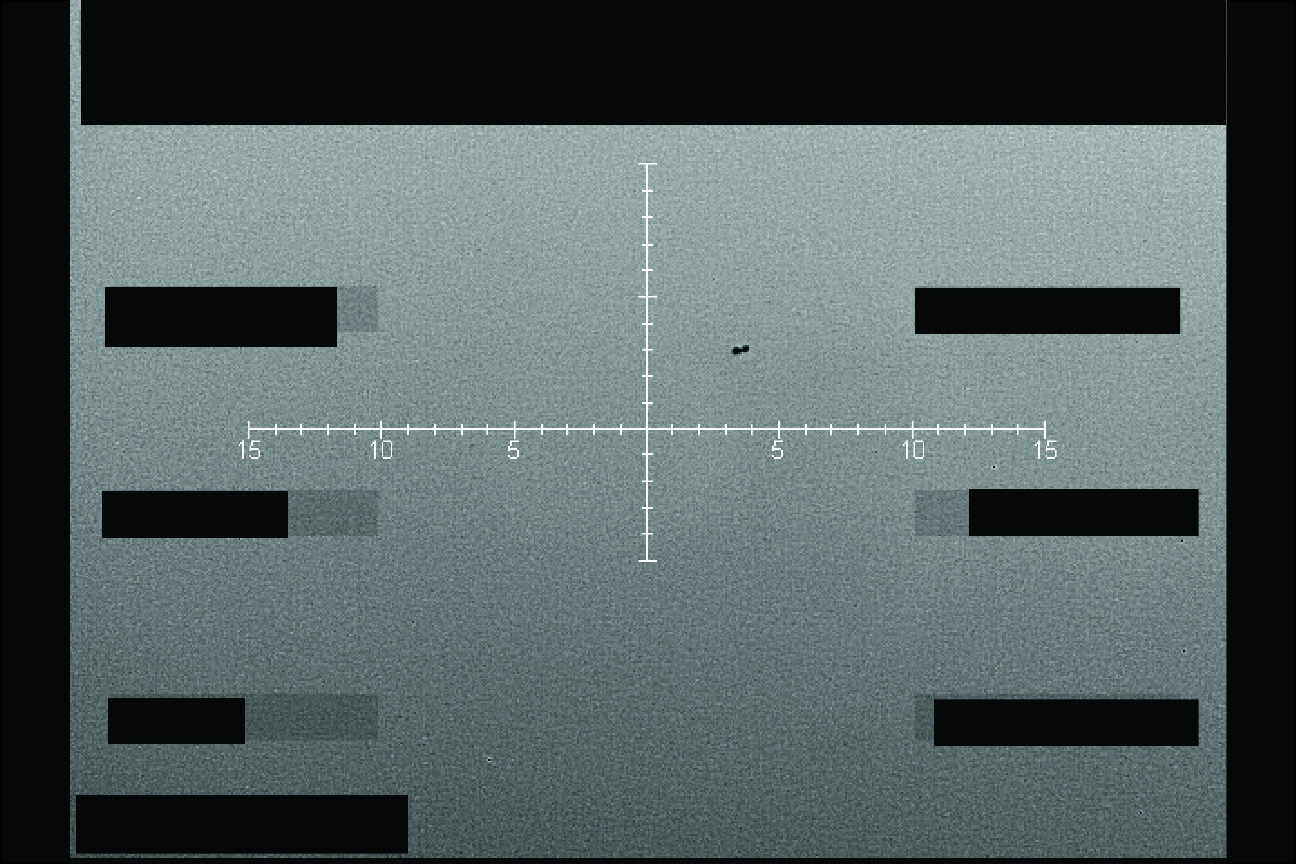
Infrared still image (black hot) captured of unidentified object(s) over western United States in September of 2025.
Image credit: FBI Photo B20
FBI case file
On the website, a FBI 62-HQ-83894 case file includes investigative records, eyewitness testimonies, and public reports concerning Unidentified Flying Objects and flying discs documented between June 1947 and July 1968.
The records include high-profile incident accounts, photographic evidence from sites like Oak Ridge, TN, and technical proposals regarding potential propulsion systems.
Additional topics include convention programs, researcher accounts, and extensive media coverage from the period. This file is partially posted on FBI vault with more redactions and some pages missing.
Included here is the complete case file with several newly declassified pages and only minor redactions.
Go to: https://www.war.gov/UFO/#65_HS1-834228961_62-HQ-83894_Section_10
Go to “Department of War Releases Unidentified Anomalous Phenomena Files in Historic Transparency Effort” at:
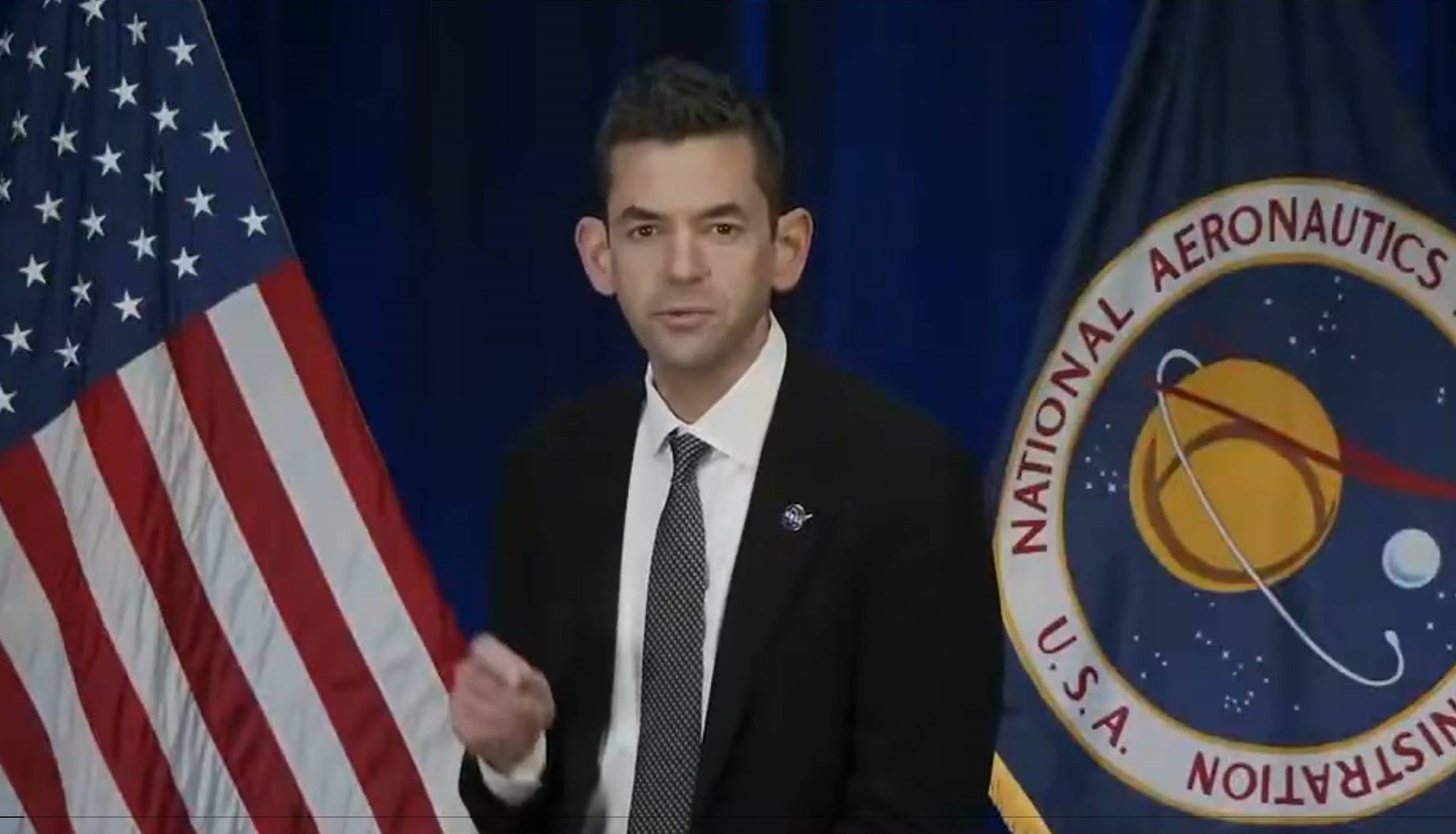
Image credit: NASA
A DOW release includes a comment from NASA Administrator Jared Isaacman:
“I applaud President Trump’s whole-of-government effort to bring greater transparency to the American people on unidentified anomalous phenomena,” Isaacman states. “At NASA, our job is to bring the brightest minds and most advanced scientific instruments to bear, follow the data, and share what we learn. We will remain candid about what we know to be true, what we have yet to understand, and all that remains to be discovered. Exploration and the pursuit of knowledge are core to NASA’s mission as we endeavor to unlock the secrets of the universe.”
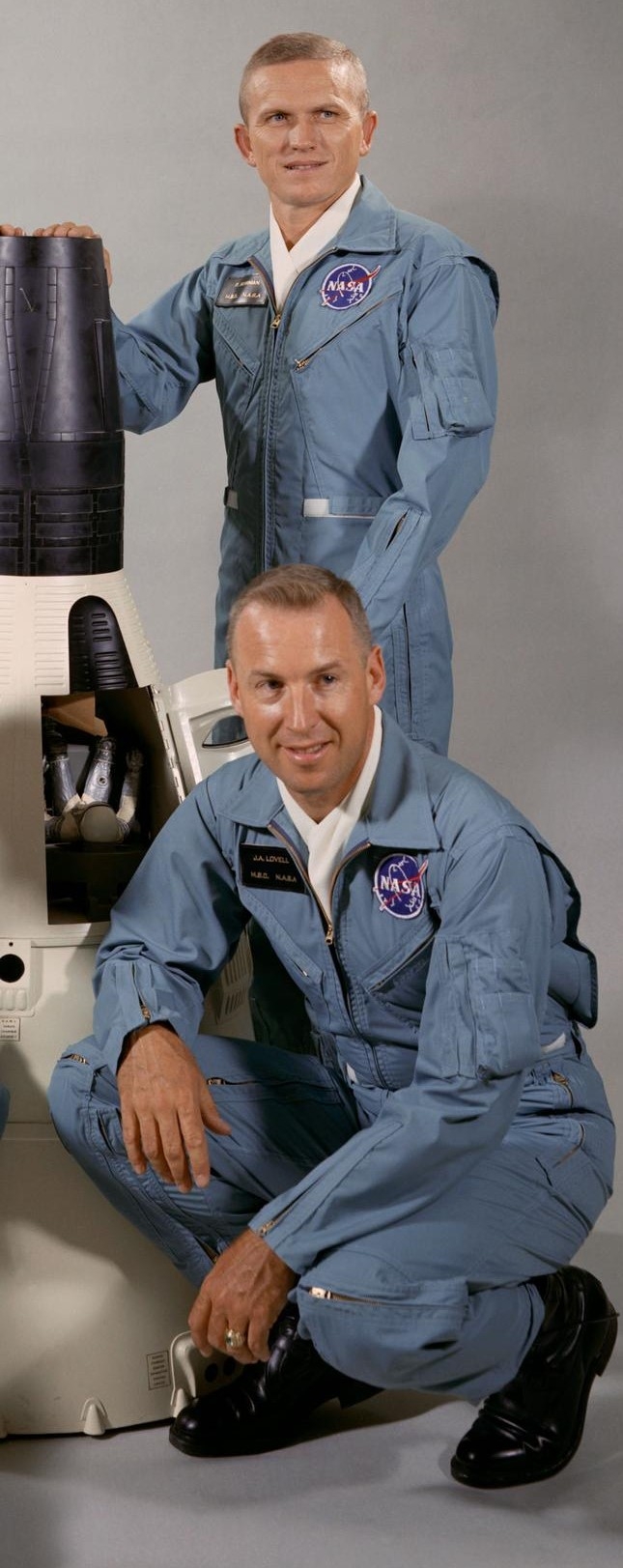
Gemini 7 crew members.
Image credit: NASA
NASA files
Included in the files is an audio recording that contains air to ground communications and the NASA Public Affairs audio feed with commentary, recorded during the flight of the Gemini 7 mission.
In the excerpted segment of audio, Astronaut Frank Borman reports to NASA mission control in Houston his sighting of an unidentified object, which he referred to as a “bogey.” This sighting occurred on December 5, 1965. The dialogue includes Borman’s initial report, as well as additional comments by Astronaut Jim Lovell, Borman’s fellow crew member.
Give a listen at:
https://www.war.gov/UFO/#NASA-UAP-D3A-Gemini-7-Audio-Excerpt-1965
Apollo 12, 17
Also released is an archival photographs depicting the lunar surface as viewed from the landing site of Apollo 12.
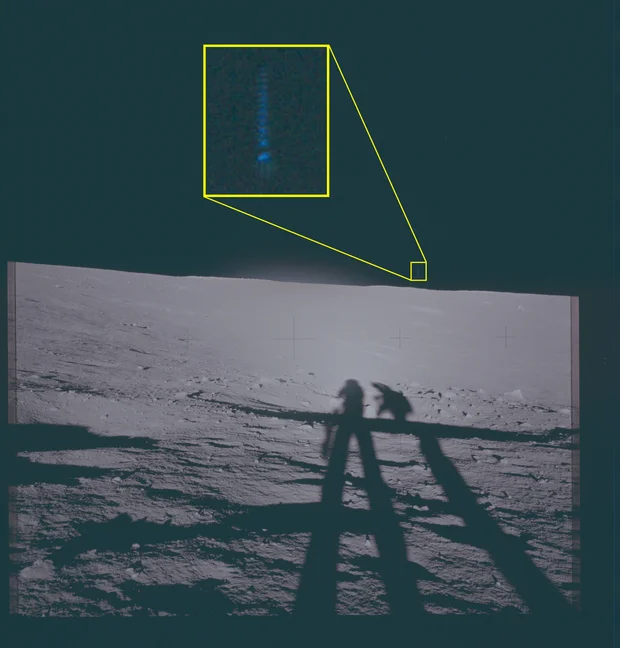
Image credit: NASA
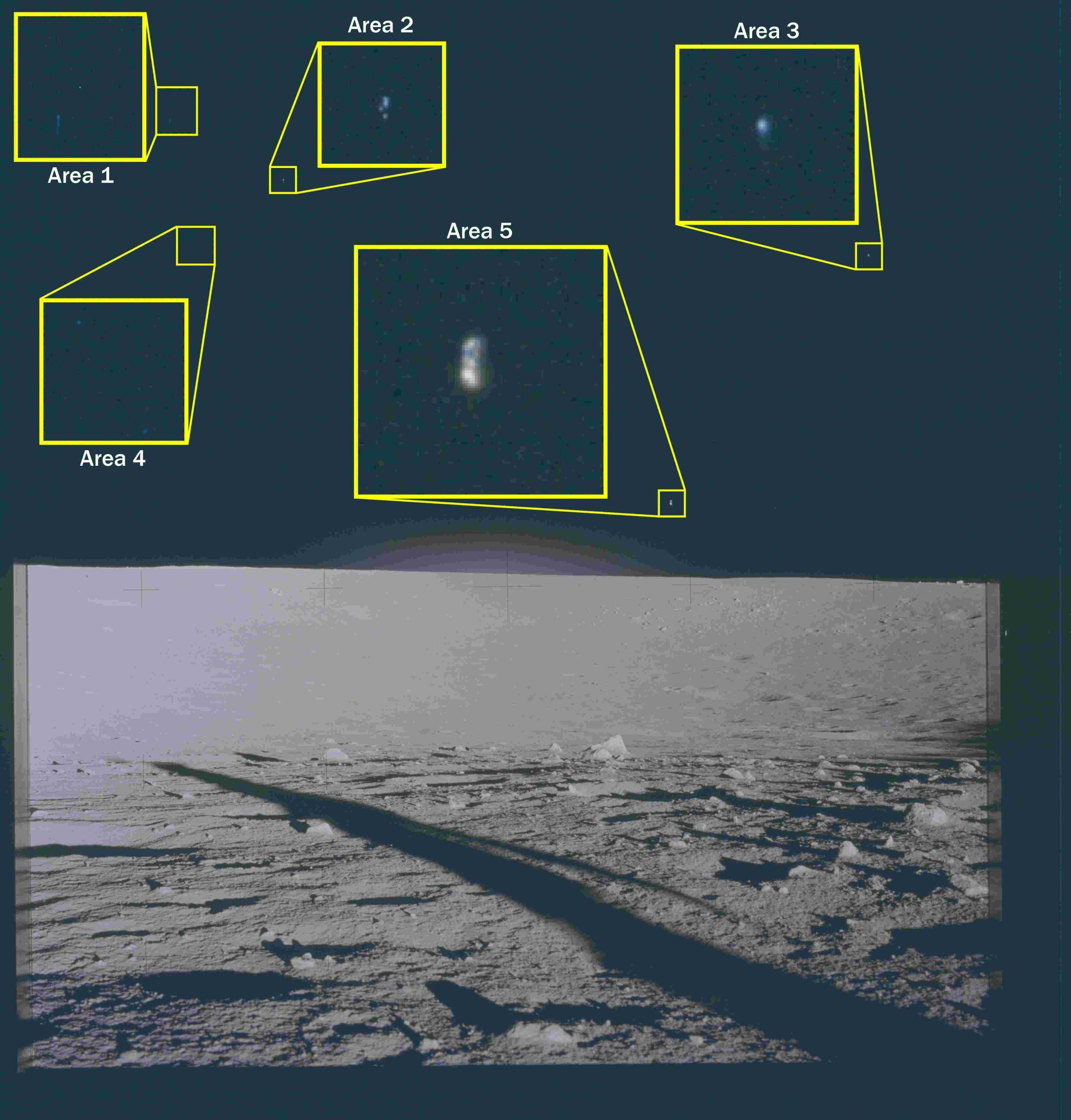
Image credit: NASA
One image features five highlighted areas of interest, labeled “Area 1” through “Area 5,” above the horizon, in which unidentified phenomena are visible.
The DOW website explains that this image has been modified from its original state to assist viewers in identifying specific areas of interest. These highlights are provided for contextual purposes only. Such alterations do not constitute an analytical judgment, investigative conclusion, or factual determination regarding the nature or significance of the subject matter.
Also released by the Pentagon’s DOW is an image from the 1972 Apollo 17 mission.
Apollo 17 commander, Gene Cernan, described observing several flashing, rotating phenomenon that he assessed as corresponding to physical objects in space rather than a purely optical phenomenon.
Fellow moonwalker, Jack Schmitt also reported observing similar phenomenon, though he assessed the source of his observation to be a separated rocket stage (S-IVB).
Cernan reported observing two additional distant flashing objects, though he assessed them as Spacecraft/Lunar Module Adapter panels (SLA panel), another separated component of the Saturn V rocket.
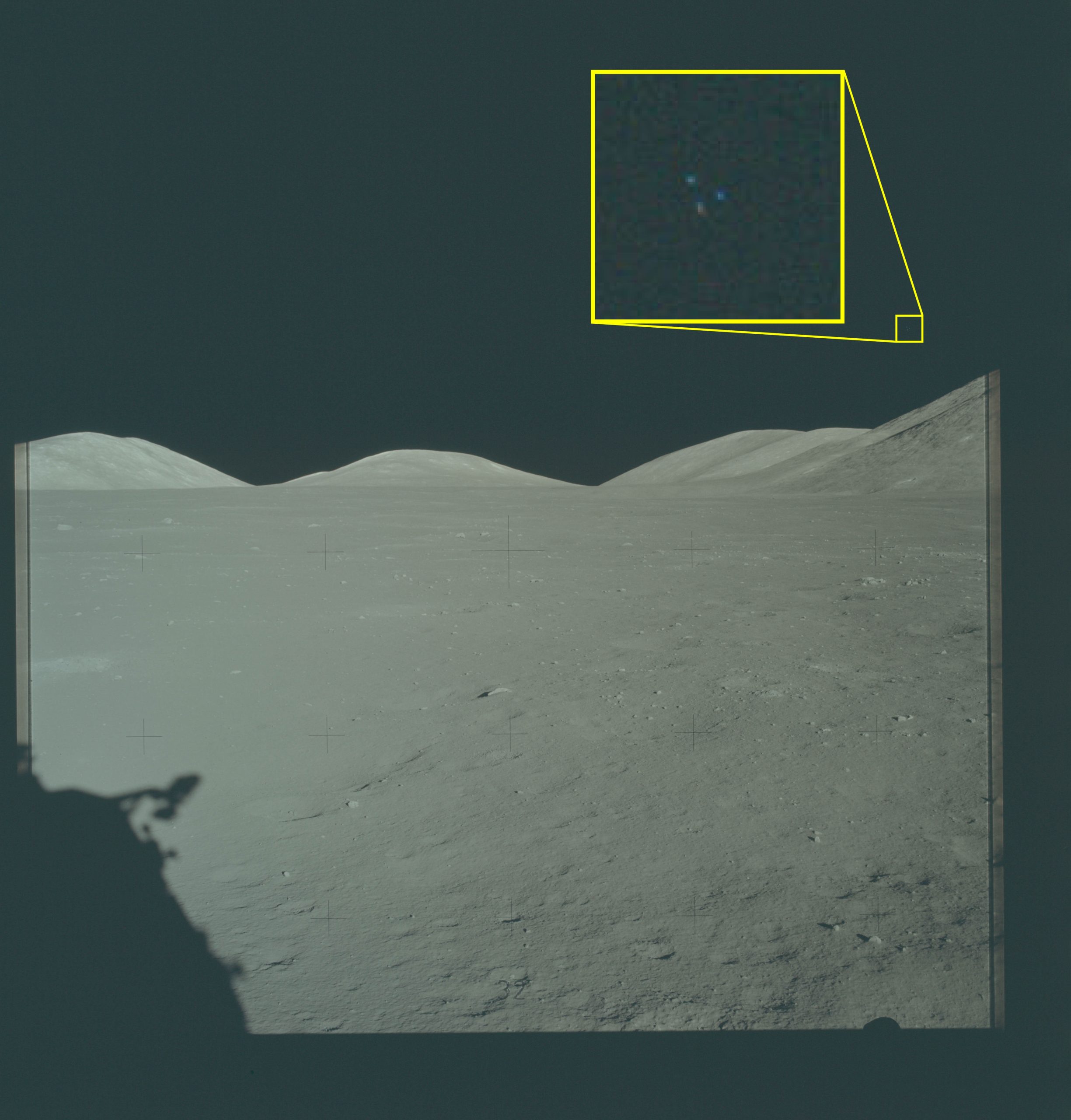
Image credit: NASA
Meanwhile, Enigma Labs, a technology company working on UFO sightings data, has recast the DOW files on an easy to navigate website at:

Image credit: Impact Flash/NASA GEODES
During their far-flung voyage around the moon, the Artemis II crew remained vigil while zipping by the darkened side of the moon, on the ready to try and record meteoroid impact flashes visually on the lunar landscape.
But it’s extremely difficult to capture impact flashes with a camera – which is one of the benefits of sending trained crew to observe the Moon.
The latest from the Artemis II Lunar Science Team is that they are currently working to archive the science data from the Artemis II mission on NASA’s Planetary Data System.

Image credit: Artemis II/NASA
Scientists excited
For Artemis II, the Orion spacecraft carried 31 cameras designed to capture the mission from every angle, be it from external cameras to internal cabin equipment used to document the distant sojourn around the Moon.
NASA’s Artemis 2 astronauts saw flashes on the far side of the Moon that cameras struggle to capture.
Here’s why scientists are excited…and for more details, go to my new Space.com story – “NASA’s Artemis 2 astronauts saw flashes on the far side of the Moon that cameras struggle to capture” – at:

Wait a Minute!
Image credit: Barbara David
If the winds and whims of politics play out, U.S. President Donald Trump is to trek to Beijing for a summit with Chinese President Xi Jinping on May 14 and 15.
No telling the outcome(s) from such a two-nation mind meld given the entourage that will accompany Trump, folks that typically engage in off-stage banter to propose, detail, iron-out, trash, and agree on new ideas.
It might be a wait-a-minute moment for space collaboration.
Could one of those pitches retro-fire back to a U.S. John Kennedy and then Soviet Union Premier’s Nikita Khrushchev discussion of a joint Moon mission?

Space race rivals: Soviet Union’s Premier
Nikita Khrushchev with U.S. President, John F. Kennedy.
Image credit: Kennedy Library
Yes, a blunt, but bold initiative – and at a time when rocket rhetoric has it that both the U.S. and China are in a heated “Space Race.”
Joint-mission messages
Let’s revisit a page in space history.
When U.S. President Kennedy and former Soviet Union leader Nikita Khrushchev met in June 1961, the Soviet leader said “nyet” to the idea of a joint Moon adventure. Kennedy further pushed for a bi-national lunar landing idea during a United Nations address on September 20, 1963.
After JFK met his doom in Dallas, the joint-mission idea fell to the wayside…and the rest was history as Apollo 11’s Neil Armstrong and Buzz Aldrin came to full-stop on the barren Moon’s surface in July 1969.

Image credit: NASA
Measured in months, not years
Fast forward to today, China has road mapped a plan to plant the country’s own boots on the dusty, cratered Moon by 2030, maybe even earlier.
It also seems clear that, if they are successful, Chinese moonwalkers may likely strut their right stuff across lunar real estate ahead of NASA’s current Artemis lunar landing plans.
That possibility is much to the consternation of NASA and the U.S. Congress.
NASA Administrator Jared Isaacman has repeatedly stated that America finds itself with a real geopolitical rival, one that is challenging American leadership in the high ground of space. Success or failure in countering that confrontation will be measured in months, not years, he has explained.
“This time, the goal is not flags and footprints. This time, the goal is to stay. America will never again give up the Moon,” Isaacman has said.

Image credit: White House
Artemis program agenda
Rhetoric aside, there isn’t as yet a “Department of Wiggle Room” that can stave off the uncertainty of NASA funding, government shutdown ramifications, space agency layoffs, restructuring of space agency field centers – as well as hiccups in pushing forward on the Artemis program agenda.
In the meantime, China’s intention to place their astronauts on the Moon is progressing smoothly and appears on track. They have enough financial resources. They have already demonstrated a technical ability that equals or exceeds America in some instances. But they too could encounter setbacks.
China’s robotic sample return of lunar collectibles from the Moon’s near side and far side have been done, with more missions plotted out. They are building international partnerships that include sharing precious lunar material with other nations.
The long haul
Like the United States, China is detailing their own Moon-situated research base, in partnership with Russia’s space agency, Roscosmos.
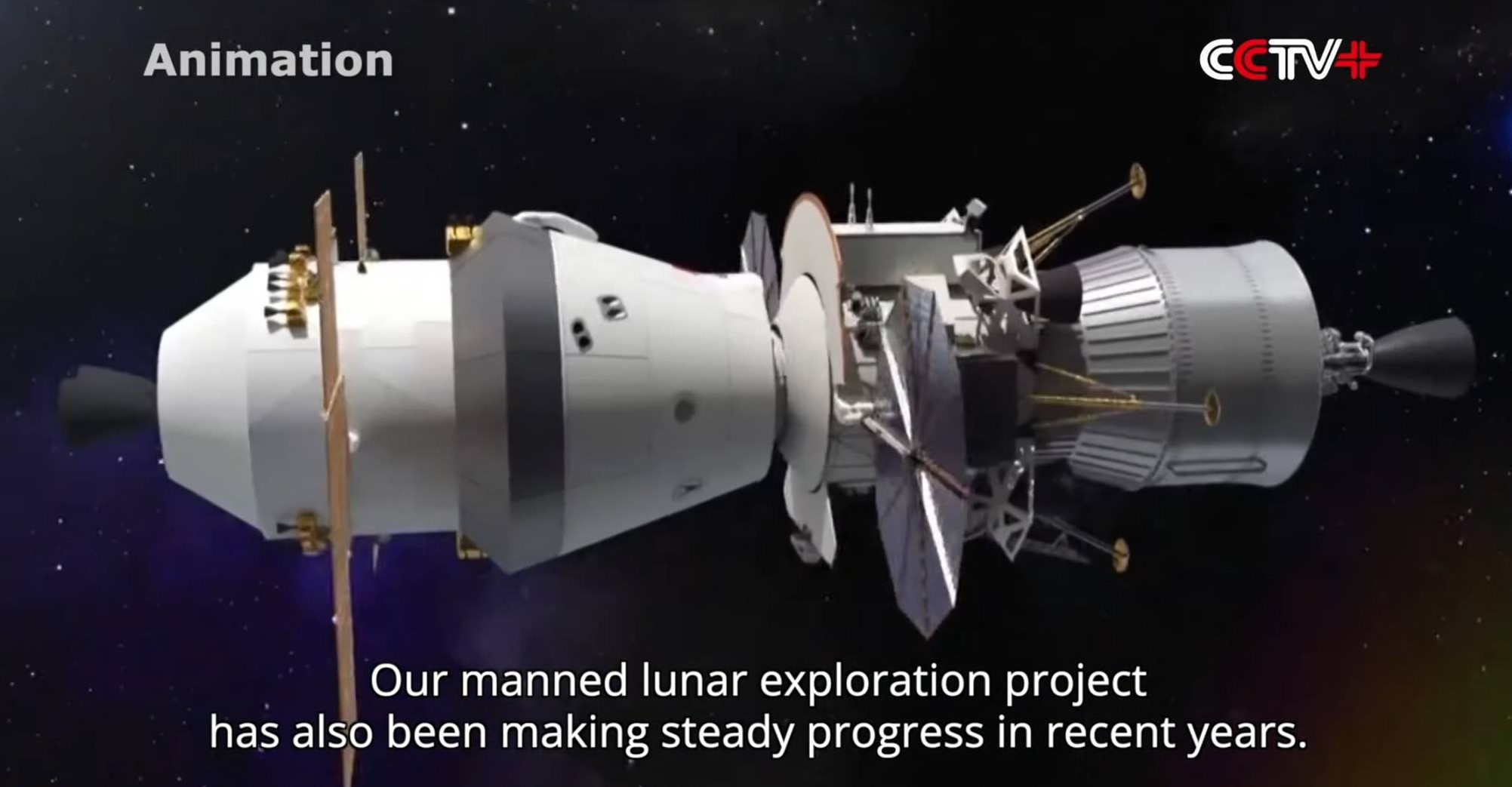
Image credit: CCTV/Inside Outer Space screengrab
China’s encampment will benefit by a sequence of two upcoming robotic lunar landers. The Chang’e-7 mission later this year is tasked to accomplish environment and resource surveys in the lunar south pole region. Chang’e-8 in 2028 is to tackle on-the-spot utilization of lunar resources.
All this suggests that — like the U.S. — China is into Moon exploration and utilization – and for the long haul.
Both nations are putting in place an aggressive agenda of technological development for “rebooting” the Moon, this time in the 21st century.
Is the window of opportunity open once again regarding the idea of superpower space cooperation in space?
Bring your own Windex!
What are your views?

Wait-a-Minute!
Image credit: Barbara David

Space explorer soaks up the scenery on Titan.
Artwork credit: Michael Carroll
After “re-booting” the moon and establishing a base there, followed by dispatching expeditionary crews to the Red Planet…where to after that? Next month, a first of its kind gathering will blueprint an eventual human trek to tantalizing Titan, a giant moon of Saturn.
An inaugural “Humans to Titan Summit” is on tap to make the case for an astronaut outing to that far off moon. To be detailed are the science goals and concepts of human missions to Titan as well as necessary forerunner robotic missions.
What are the issues for flinging flesh and bone to eye, first-hand, that distant globe?
“It’s not too soon to begin thinking about this,” explains a leading space scientist.
For details, go to my new Space.com story – “Should Saturn’s huge moon Titan be humanity’s next destination…after the moon and Mars?” – at:

Image credit: Composite image by Ella Maru Studio for the National Academy of Sciences
Planetary protection sounds like some sort of essential cosmic condom.
The ongoing quest to look for life on other planetary bodies demands that we don’t haul life from Earth via spacecraft, a downer of a dilemma called forward contamination.
At present, spacecraft microbial reduction protocols for outward-bound spacecraft prioritize bacterial spores. But it appears there might be a worrisome breach in planetary protection strategies.
A new study has identified 23 fungal strains isolated from NASA spacecraft assembly cleanrooms that are capable of surviving a pre-launch cleansing of ultraviolet radiation exposure.
For more details, go to my new Scientific American story – “Could this fungus live on Mars? Maybe it already does” – at (open link in incognito window):
https://www.scientificamerican.com/article/could-this-fungus-live-on-mars-maybe-it-already-does/
Curiosity Left Navigation Camera image taken on May 2, 2026.
Image credit: NASA/JPL-Caltech
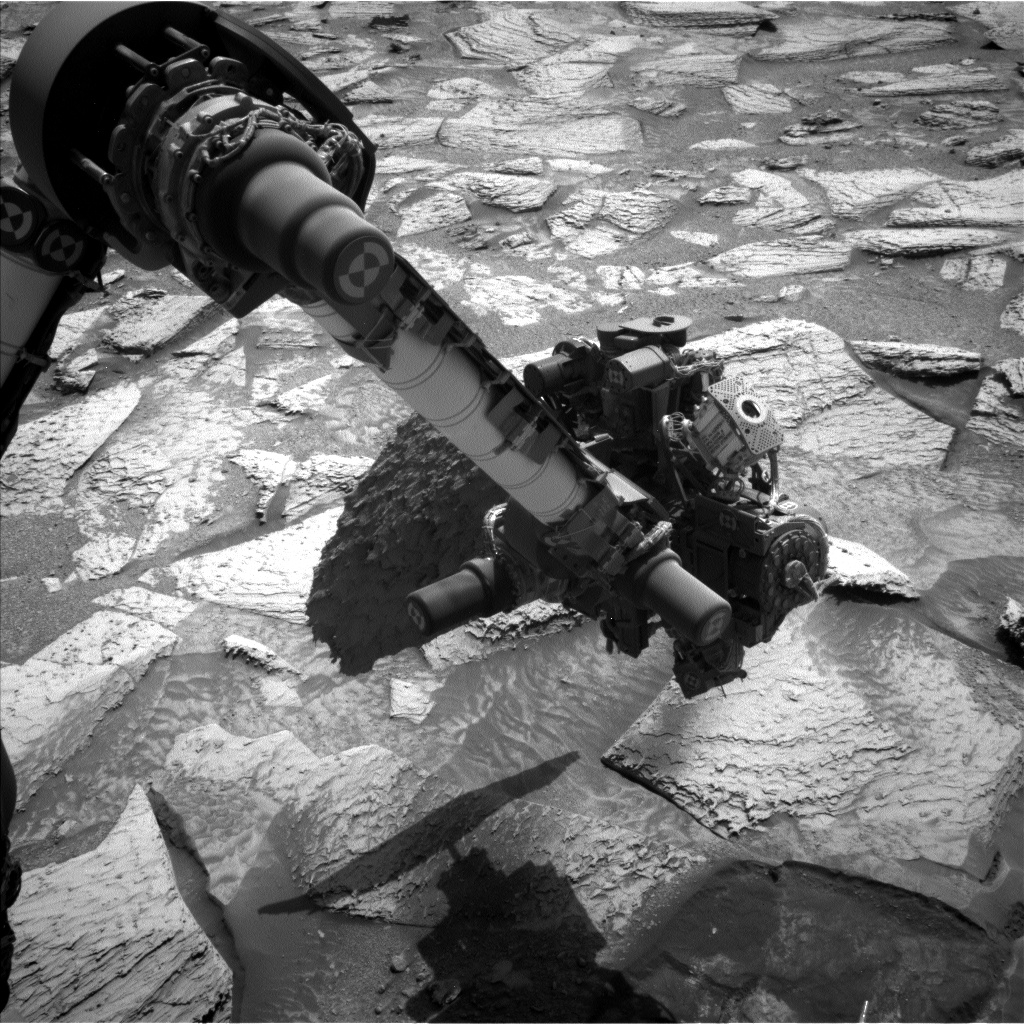
The Atacama drill target on Mars presented a challenge to the Curiosity rover and to the rover team reports William Farrand, a senior research scientist at the Space Science Institute.
Downlinked data from the Mars machinery indicating that a successful drill hole was made in the Atacama target, Farrand explains, “but the rock being drilled into was a detached block and as the arm was raised to extract the drill, the rock came along with it!”
Bite of the drill bit
Curiosity’s rover planners went to work to develop a plan to extract the drill bit from the rock.
“These included efforts at changing the orientation of the drill bit, and attached block, as well as carrying out percussion to try to vibrate the rock off,” Farrand adds. “Ultimately, as a result of activities like these in the Sol 4883-4885 plan, we freed the drill from the Atacama block.”
Future activities involve wrapping up the drill campaign on Atacama and, nominally, seeking a more “firmly rooted drill target” in order to collect drill tailings for analysis, says Farrand, “which were lost from Atacama as part of the effort to dislodge the drill bit from the rock.”
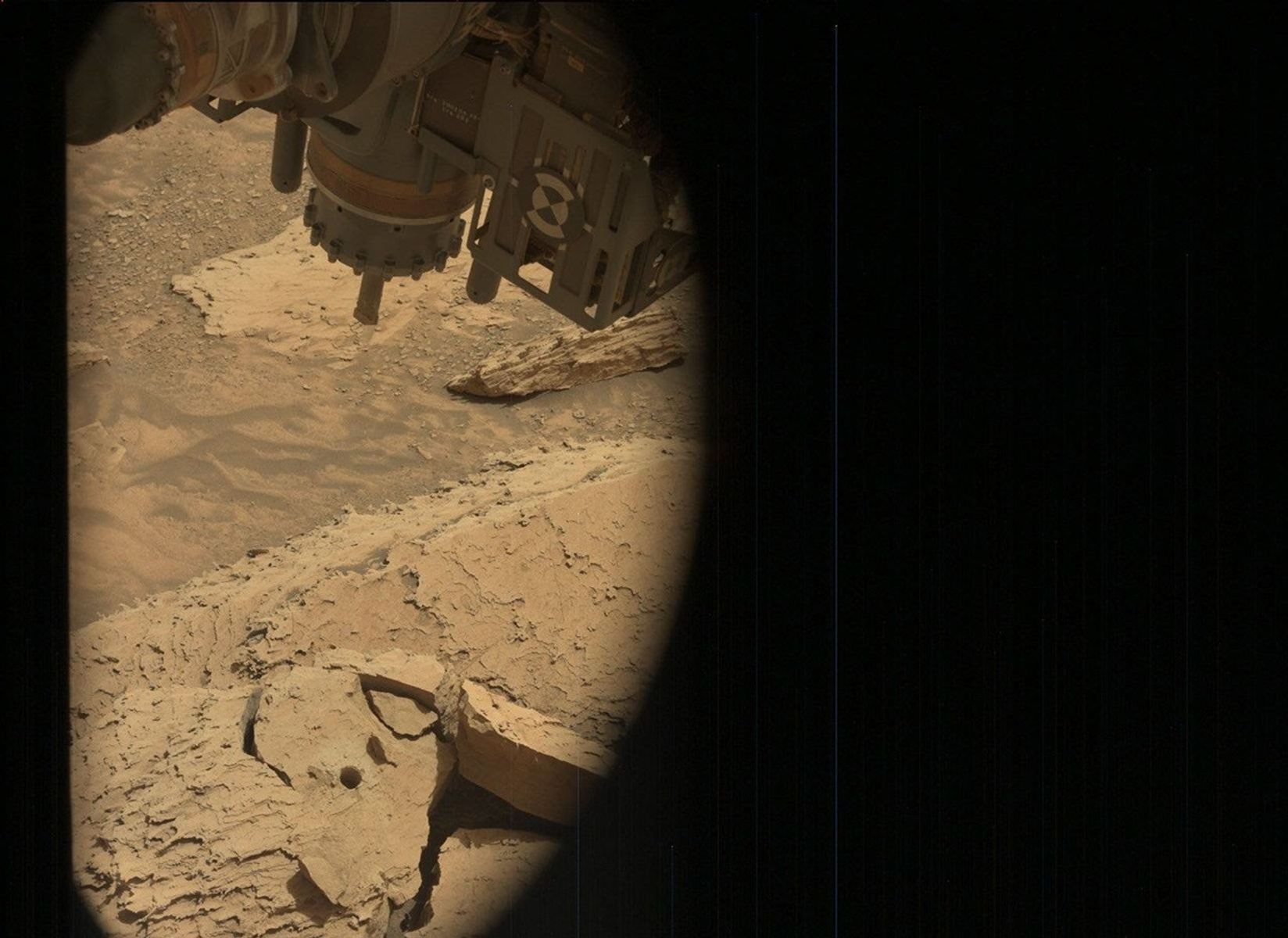
NASA’s Mars rover Curiosity acquired this image of its drill (above, now free of the Atacama block) and the stubborn stone block, again back on the surface (below), on May 2, 2026.
Image credit: Mast Camera (Mastcam) on Sol 4883/NASA/JPL-Caltech/MSSS
Here’s the history
On April 25, 2026, Curiosity drilled a sample from a rock nicknamed “Atacama,” which is an estimated 1.5 feet in diameter at its base, 6 inches thick and weighs roughly 28.6 pounds (13 kilograms).
When the rover retracted its arm, the entire rock lifted out of the ground, suspended by the fixed sleeve that surrounds the rotating drill bit. Drilling has fractured or separated the upper layers of rocks in the past, but a rock has never remained attached to the drill sleeve.
The team initially tried vibrating the drill to shake off the rock, but saw no change.
Freedom
On April 29, the team tried reorienting Curiosity’s robotic arm and vibrating the drill again. Imagery shows sand falling from Atacama, but the rock stayed attached to the rover.
Finally, on May 1, Curiosity’s team tried again, tilting the drill more, rotating and vibrating the drill, and spinning the drill bit.
The team planned to perform these actions multiple times but the rock came off on the first round, fracturing as it hit the ground.
Check out this NASA/JPL-Caltech link to see Curiosity’s dilemma at:
https://science.nasa.gov/photojournal/nasas-curiosity-rover-frees-its-drill-from-a-rock/
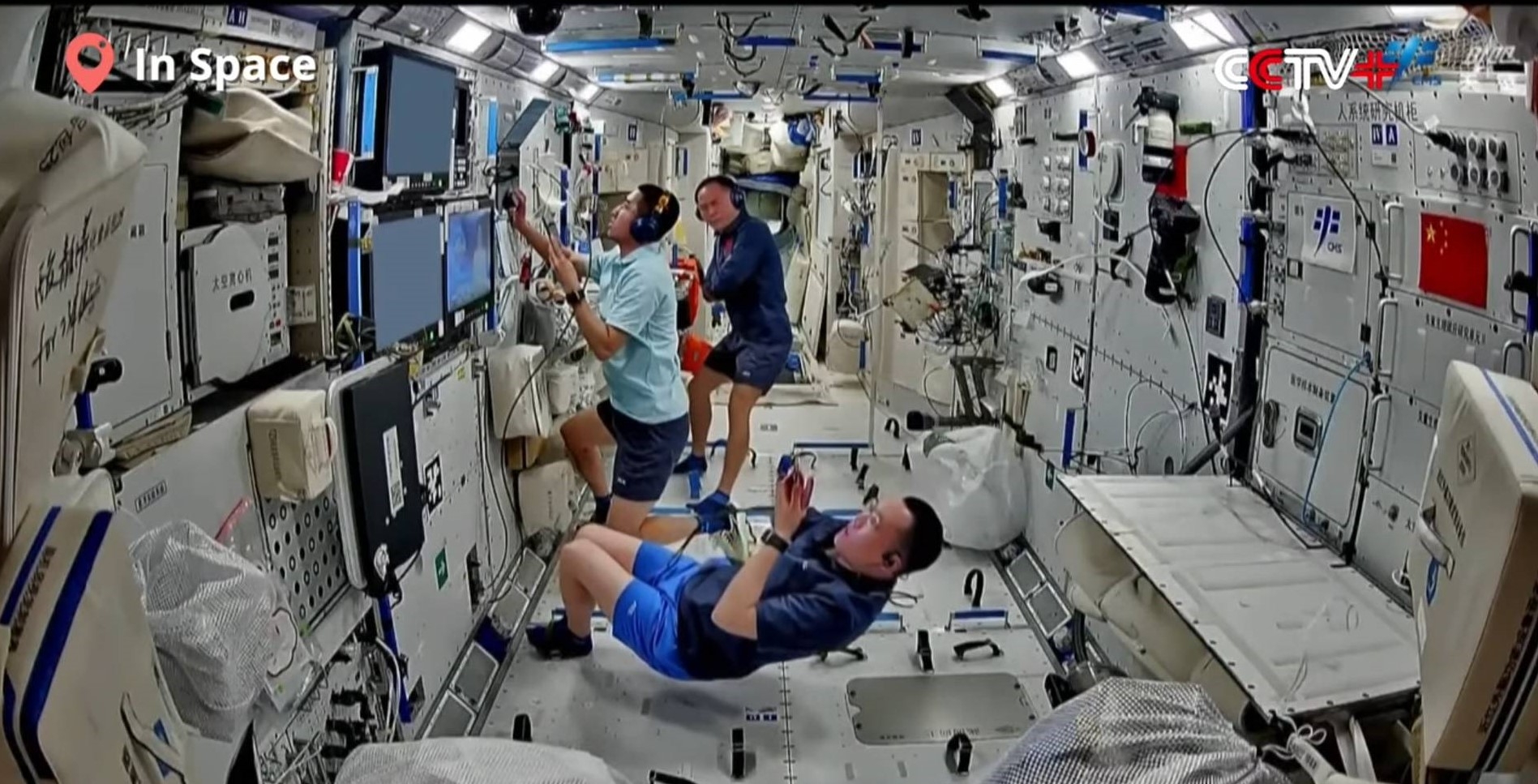
Image credit: CCTV/Inside Outer Space screengrab
China’s Shenzhou-21 crew — Zhang Lu, Wu Fei, and Zhang Hongzhang — has begun their one-month extended mission aboard the country’s Tiangong space station.
The taikonaut trio entered the space station on November 1, 2025. The threesome have completed their initial six-month stay in orbit and are now working an extra month in space.
With this extension, the Shenzhou-21 crew is set to break the previous record of 204 days in orbit set by Shenzhou-20. So far, they have completed three spacewalks and conducted 27 scientific projects.
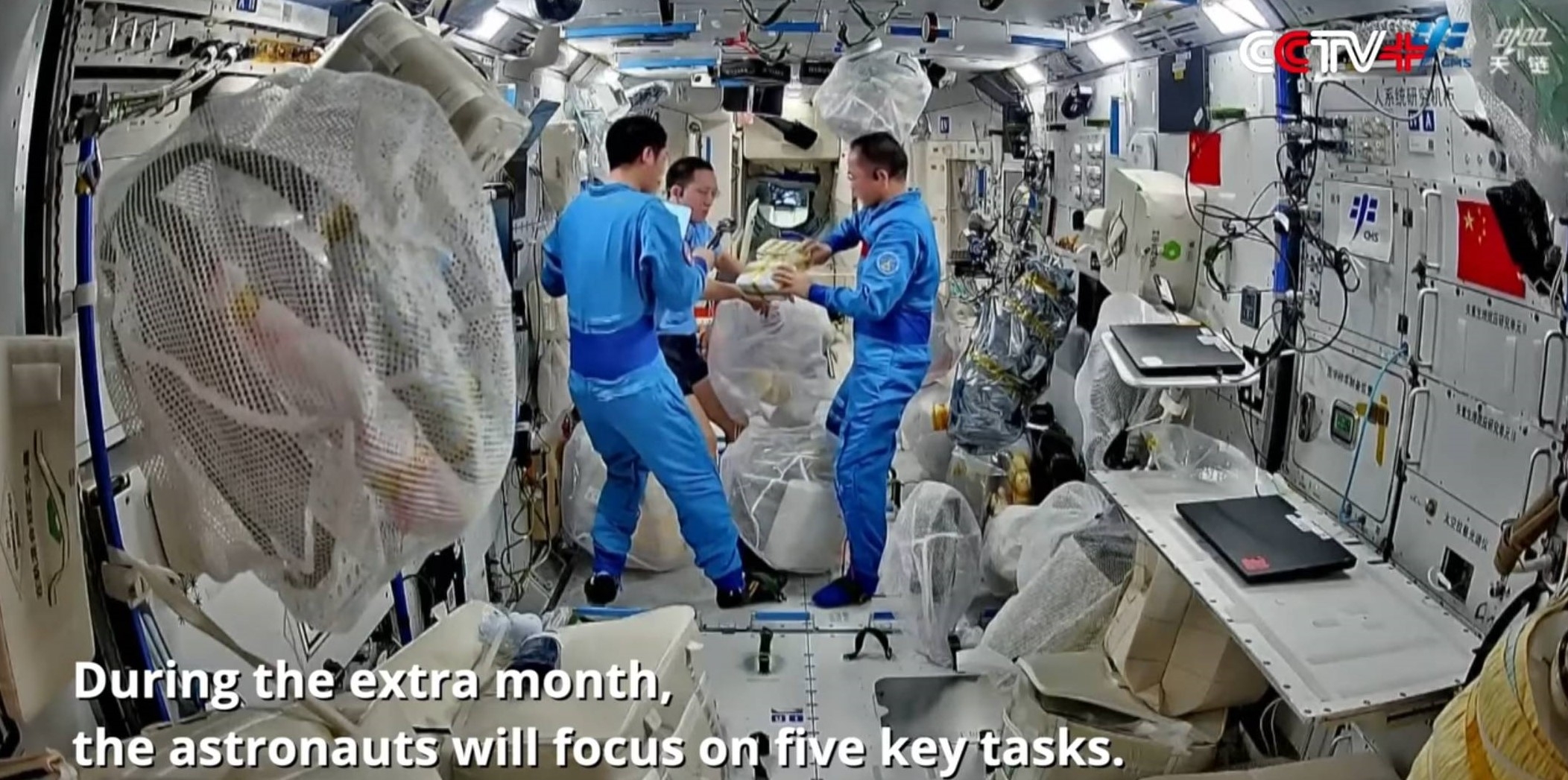
Image credit: CCTV/Inside Outer Space screengrab
Key tasks
During the extra month, the astronauts will focus on five key tasks, reports China Central Television (CCTV).
- they will prepare for handover. This includes wrapping up scientific experiments, sorting data, and thoroughly checking payloads, cabin systems and life support equipment to get prepared for the arrival of the next crew.
- they will pack experimental samples and equipment for return to Earth, while transferring waste to the Tianzhou-9 cargo spacecraft for later disposal.
- they will conduct detailed inspections of the spacecraft. This includes verifying airtight seals on hatches, checking the return module’s life support systems, communication equipment, portholes, and structural integrity to rule out any risks from space debris impacts.
- the crew will intensify physical training to adapt to Earth’s gravity and enhance monitoring of their biorhythms, psychological state, and crew compatibility to support future long-term missions.
- they will review all return procedures to ensure a safe journey.
In the coming month, the crew will also welcome the arrivals of a Tianzhou-10 resupply spacecraft, as well as the Shenzhou-23 crew.
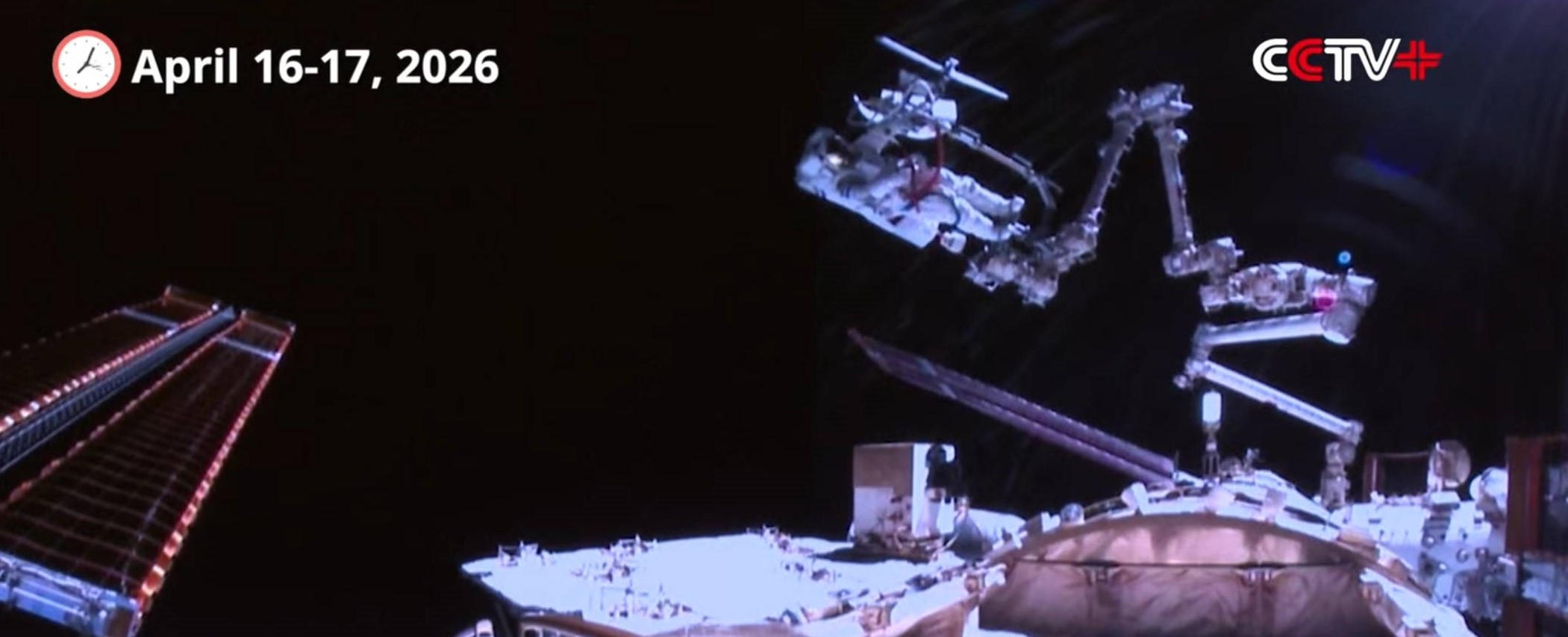
Image credit: CCTV/Inside Outer Space screengrab
On-orbit research
The CCTV reports that the now-in-orbit crew conducted on-orbit electroencephalogram (EEG) research. Using EEG acquisition devices, VR glasses, and other equipment, they conducted multiple experiments, providing relevant data for ground-based researchers for further study.
In the field of behavioral and psychological research, the astronauts performed executive function training by observing images on a laptop and responding via keyboard inputs. They also completed emergency decision-making assessments and emotional state tests, providing valuable data for studying the effects of long-duration spaceflight on decision-making abilities and mental well-being.
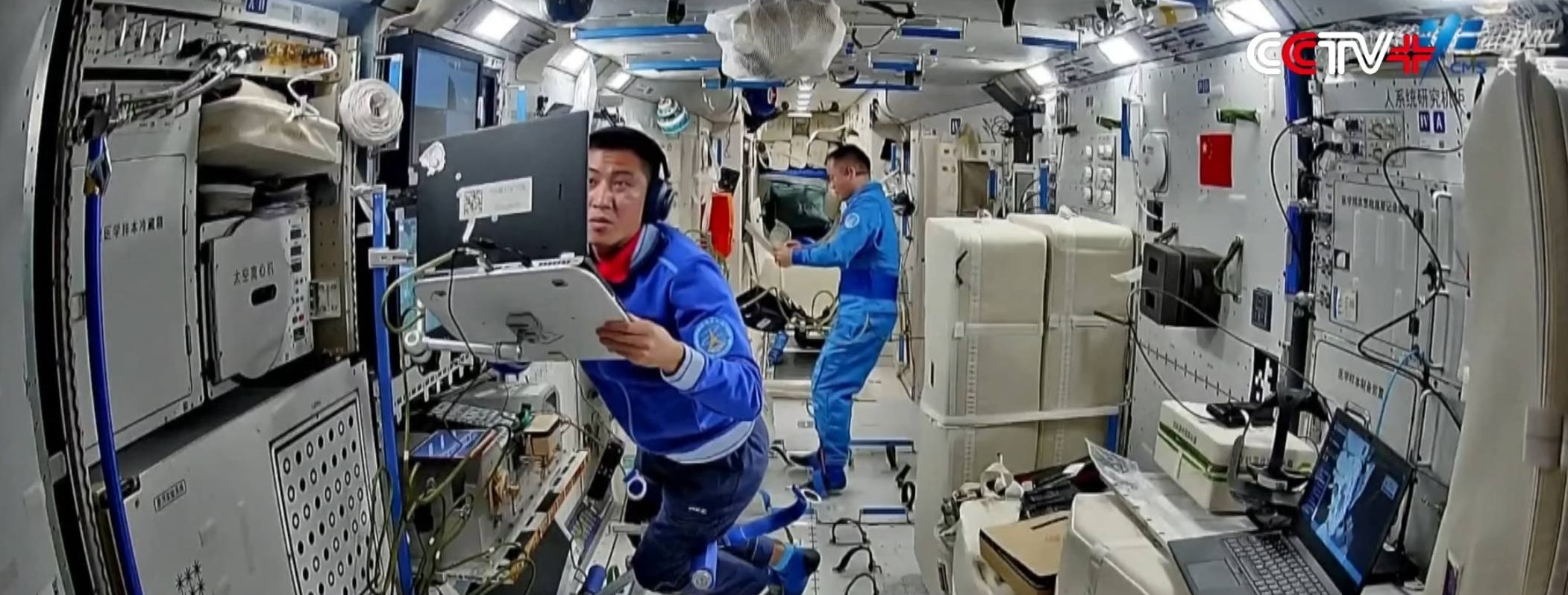
Image credit: CCTV/Inside Outer Space screengrab
Station maintenance
The three space travelers also conducted rendezvous and docking simulation training to maintain operational proficiency.
Also the crew replaced the filters and sampling covers in the combustion science experiment cabinet, conducted research on space fluid storage and transportation and completed tasks such as sample cleaning, and electricity component maintenance.
For space station maintenance, the astronauts inspected and serviced the life support systems, measured cabin noise levels, cleaned the living areas, and organized supplies.
On the health front, they completed routine medical checks such as hearing tests and muscle ultrasound examinations while continuing regular physical exercises.
Go to this video at:
https://www.facebook.com/reel/1334964331808238

China’s Tiangong space station as imaged by MAXAR satellite.
Image credit: MAXAR
Curiosity Left Navigation Camera image taken on May 2, 2026.
Image credit: NASA/JPL-Caltech
“There was excitement in the air as the Curiosity Science Team kicked off a drill campaign at the Atacama site to characterize the first Mount Sharp layered-sulfate bedrock since leaving the boxwork terrain,” explains Sharon Wilson Purdy, Planetary Geologist at the Smithsonian National Air and Space Museum
A recent three-sol plan (4873-4875) focused on “drill sol 1” activities that included a pre-load test on Curiosity’s drill target as well as triage contact science.
Variations in the bedrock
The robot’s Alpha Particle X-ray Spectrometer (APXS) assembled a set of repeated observations on the Atacama drill target, and the coordinated Mars Hand Lens Imager (MAHLI) images taken with different lighting will provide an opportunity to detect possible changes between the datasets.
Mastcam assembled stereo mosaics to document the Atacama drill site, investigate variations in the bedrock at “Kimsa Chata,” and characterize the layering within Paniri butte.
Another three-sol plan (4876-4878) included the full drill and portion characterization related to “drill sols 2 and 3” activities.
Curiosity Front Hazard Avoidance Camera photo taken on May 2, 2026.
Image credit: NASA/JPL-Caltech
Rock broken by rover drive
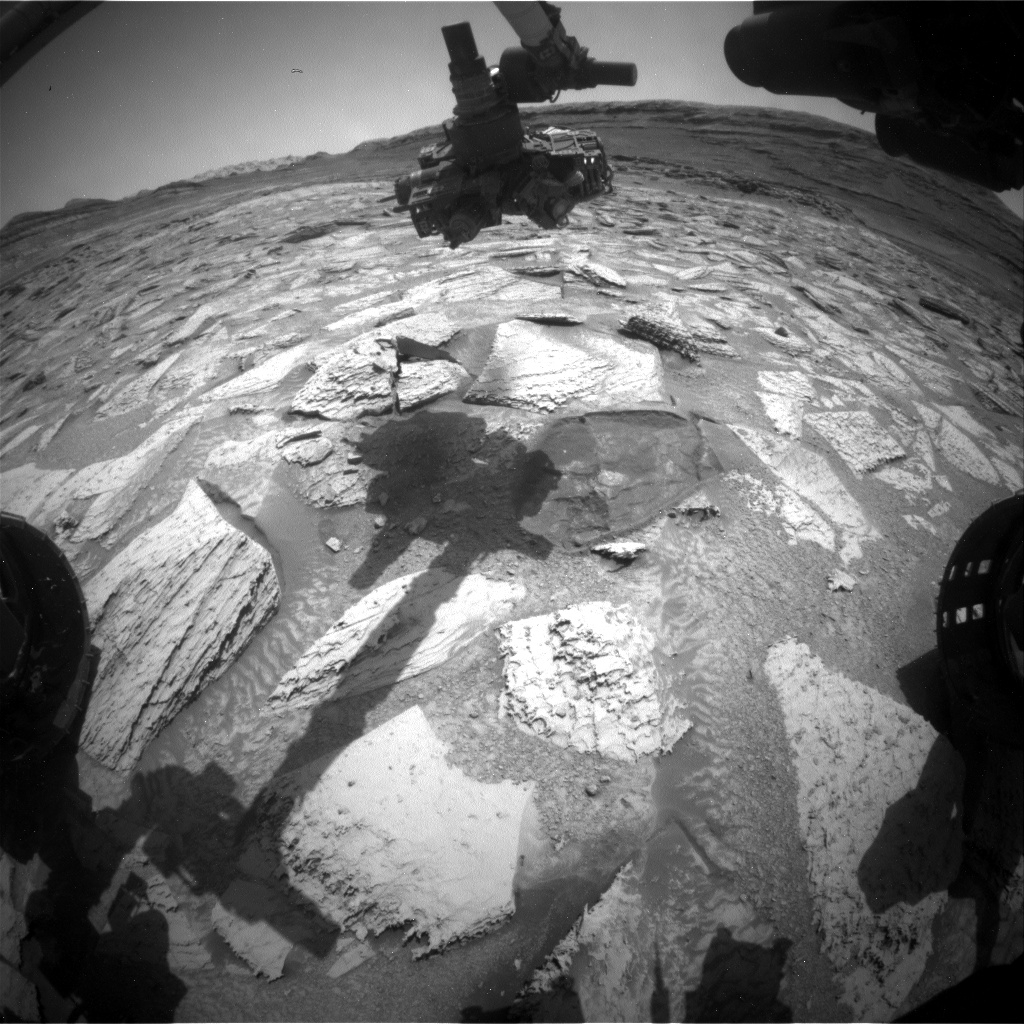
Mastcam planned stereo mosaics of rocks in the workspace including a laminated rock with an exposed edge named “Queen of the Andes,” a rock with polygonal fractures that was broken when the rover drove over it named “Curaco,” and more coverage of the “El Almendrillo” target.
Rounding out the plans, the Environmental theme group continued to monitor dust in the atmosphere, study cloud movements, and document the presence of dust devils. The rover will also autonomously select two targets to be analyzed by the Chemistry and Camera (ChemCam) instrument.
Drill campaign
Mars scientists look forward to continuing the drill campaign, where the next step will be delivering a portion of the Atacama target to the Chemistry and Mineralogy (CheMin) instrument for analysis.
The science team is looking forward to seeing how the mineralogy of the layered sulfate unit here compares to the last drill of the same unit at the Mineral King site, which is nearly 160 meters (525 feet) below the rover’s current location, Purdy concludes.

