Archive for the ‘Space News’ Category
 Author:
  April 16th, 2023
Image credit: CCTV/Inside Outer Space screengrab
The Shenzhou-15 taikonauts onboard the orbiting Chinese Tiangong space station have completed their fourth spacewalk, the China Manned Space Agency said on Sunday.
From inside the country’s space station, Deng Qingming assisted spacewalkers Fei Junlong and Zhang Lu to perform a series of tasks on Saturday, before the two returned to the station’s Wentian lab module.

Image credit: CGTN/Inside Outer Space screengrab
As noted by China’s Xinhua news agency, the trio has carried out extravehicular activities on four occasions since they were launched into space in November 2022, “setting a domestic record for the most spacewalks by a single crew.”
Equipment installed
During the most recent spacewalk, several items of equipment have been installed, including the extravehicular extended pump sets, cross-module cables, and supporting devices for the extravehicular payload platform.
In doing so, subsequent large-scale science and technology experiments outside the space station can be done, the CMSA stated.

Image credit: CGTN/Inside Outer Space screengrab
In related China station news, a Long March-7 Y7 carrier rocket has been transported to the Wenchang Spacecraft Launch Site in south China’s Hainan Province. That booster is set to hurl the uncrewed Tianzhou-6 cargo spacecraft into Earth orbit.
The Tianzhou-6 cargo spacecraft is scheduled to be launched in May, the first flight mission since China entered the stage of space station application and development.

Image credit: Shujianyang Wikimedia Commons, CC BY-SA
On-orbit experiments
China’s Shenzhou-15 mission crew successfully performed the first in-orbit ignition test in the Mengtian space lab module’s combustion cabinet recently, according to the Technology and Engineering Center for Space Utilization (CSU) under the Chinese Academy of Sciences (CAS). The experiment used methane as fuel and the two ignitions lasted about 30 seconds in total.

Stirling thermoelectric converter. Image credit: CCTV/Inside Outer Space screengrab
The Shenzhou-15 astronauts also completed tests for a free-piston Stirling thermoelectric converter, marking the country’s first successful verification on the use of the technology in orbit.
Also, in-orbit verification experiments using a two-photon microscope have been performed. This device can obtain three-dimensional images of the epidermis and superficial dermis of an astronaut’s skin during a space mission, which provides a new tool for the future research on the in-orbit health monitoring of astronauts, according to China Central Television (CCTV).
The Shenzhou-15 crew is scheduled to return to Earth this June.
Go this video focused on the recent spacewalk at: https://youtu.be/LA4zVvbLkfE
 Posted in
NASA’s Curiosity Mars helicopter at Jezero Crater performed its 50th flight on April 13.
Newly-issued color imagery shows the Red Planet’s landscape. The craft used its high-resolution color camera mounted in its fuselage and pointed approximately 22 degrees below the horizon.

Image credit: NASA/JPL-Caltech

Image credit: NASA/JPL-Caltech

Image credit: NASA/JPL-Caltech

Image credit: NASA/JPL-Caltech

Image credit: NASA/JPL-Caltech

Image credit: NASA/JPL-Caltech

Image credit: NASA/JPL-Caltech

Image credit: NASA/JPL-Caltech
Also released are black and white images. The rotorcraft used its navigation camera mounted in the helicopter’s fuselage and pointed directly downward to track the ground during flight.

Image credit: SpaceX
On April 14, the Federal Aviation Administration (FAA) issued SpaceX a Vehicle Operator License to launch the Starship / Super Heavy vehicle from Boca Chica, Texas.
SpaceX is targeting as soon as Monday, April 17 for the first flight test of a fully integrated Starship and Super Heavy rocket from Starbase in Texas. The 150-minute test window will open at 7:00 a.m. Central Time.
License valid for 5 years
“After a comprehensive license evaluation process, the FAA determined SpaceX met all safety, environmental, policy, payload, airspace integration and financial responsibility requirements. The license is valid for five years,” the FAA stated.
The FAA is responsible for protecting the public during commercial space transportation launch and reentry operations.
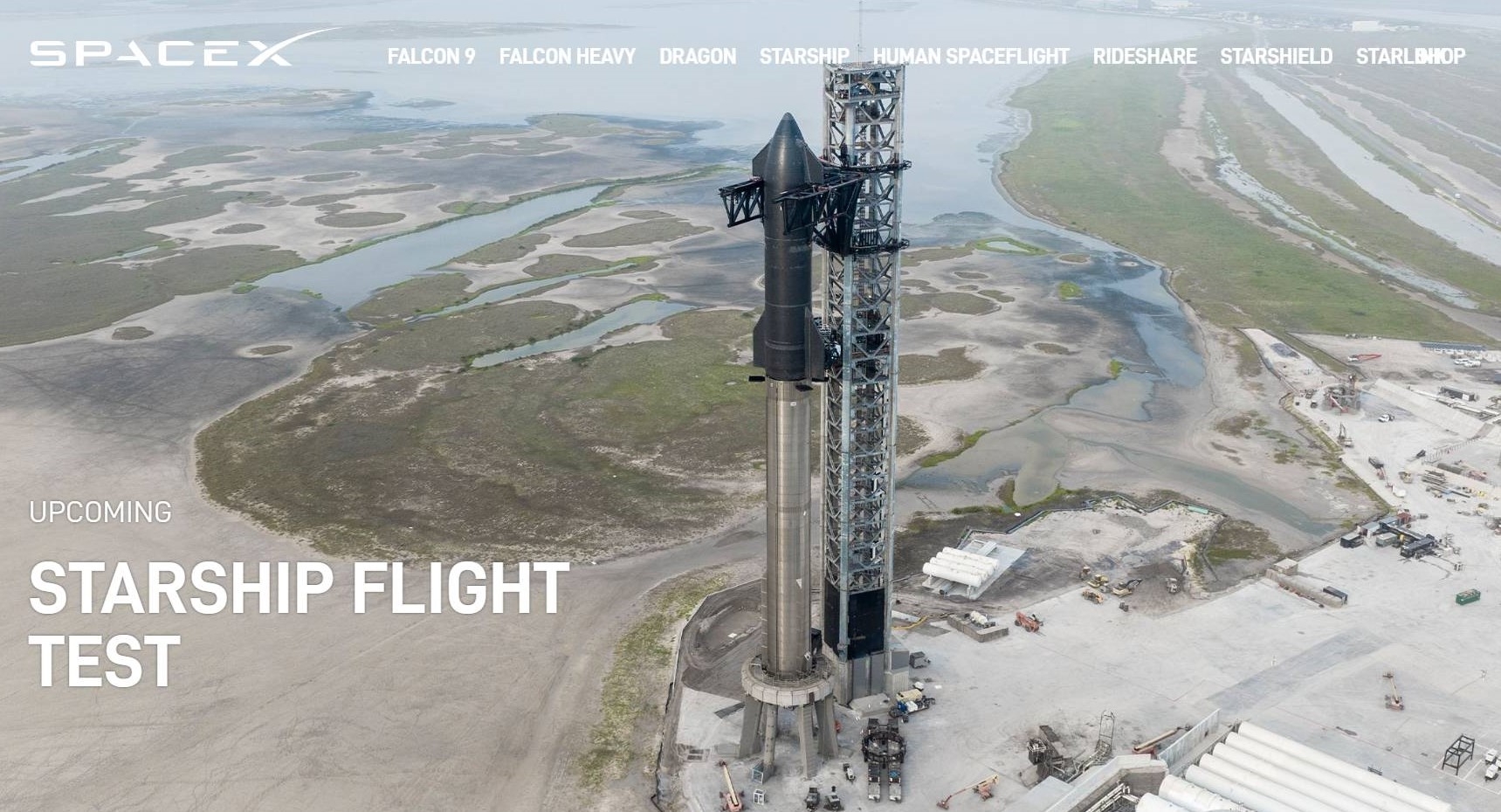
Image credit: SpaceX
“We carefully analyzed the public safety risks during every stage of the mission and required SpaceX to mitigate those risks,” the FAA statement continues. “In addition, the FAA will implement various airspace integration measures designed to reduce the impact of the launch on commercial airline flights and other airspace users.”
Close/reopen airspace
Lastly, the FAA statement said:
- The FAA will use key mission “triggers” such as the loading of rocket fuel and the final disposition of the booster rocket to pinpoint when to close and reopen airspace.
- For the first time, the FAA will implement time-based procedures for a launch from Boca Chica. This will identify and reroute only the aircraft directly affected by the closed airspace allowing more aircraft to stay on their most optimal and efficient routes. It has previously only been used for launches from the Florida space coast.
- Both the Starship vehicle and the Super Heavy booster rocket will transmit telemetry data to the FAA via the Space Data Integrator tool. Data such as position, altitude, speed and any deviation from its expected flight path will provide the FAA situational awareness, and in combination with other information, help to reopen airspace quicker.

I’m 50! Saturday Night Live’s Molly Shannon. Image credit: SNL
NASA’s Ingenuity Mars helicopter has performed a Molly Shannon maneuver – “I’m 50!”
The craft made its 50th flight on April 13, soaring to its highest altitude to date.
Stats: Horizontal distance covered, roughly 1,056 feet (322 meters); Maximum altitude roughly 59 feet (18 meters) – the highest altitude reached to date; Hit a ground speed of roughly 10.3 miles per hour (4.60 meters per second); Duration of flight 145.7 seconds.
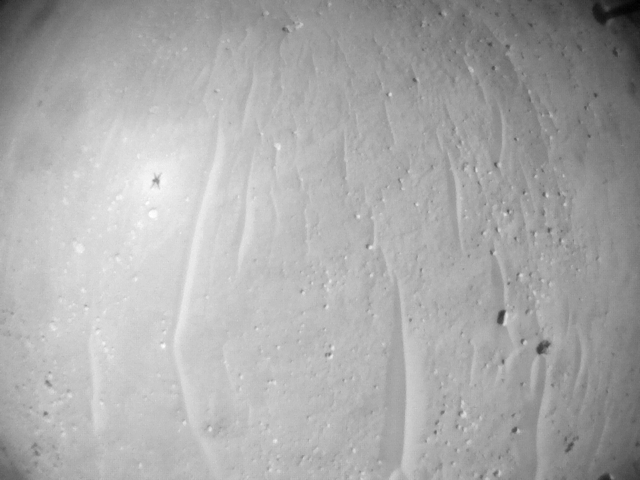
This image was acquired on April 13, 2023 (Sol 763 of the Perseverance rover mission) at the local mean solar time of 15:07:25. This was the date of Ingenuity’s 50th flight.
Image credit: NASA/JPL-Caltech
White knuckle flights
After its milestone-making mission, the craft touched down near the half-mile-wide (800-meter-wide) “Belva Crater” on the Red Planet.
With Flight 50 under its rotors, the helicopter team plans to perform another repositioning flight before exploring the “Fall River Pass” region of Jezero Crater.
“We are not in Martian Kansas anymore,” said Josh Anderson, Ingenuity operations lead at NASA’s Jet Propulsion Laboratory (JPL) in Southern California. “We’re flying over the dried-up remnants of an ancient river that is filled with sand dunes, boulders, and rocks, and surrounded by hills that could have us for lunch. And while we recently upgraded the navigation software onboard to help determine safe airfields, every flight is still a white-knuckler.”
Built with many off-the-shelf components, such as smartphone processors and cameras, Ingenuity is now 23 Earth months and 45 flights beyond its expected lifetime. The craft’s first flight took place on April 19, 2021.

Artist’s concept of NASA’s Ingenuity Mars helicopter flying through the Red Planet’s skies. Image credit: NASA/JPL-Caltech
The rotorcraft has now flown for roughly 89.2 minutes in total and collectively more than 7.1 miles (11.6 kilometers) in distance.
Electronic earshot
According to JPL, beyond facing more challenging terrain, Ingenuity will also fly at a greater frequency in the coming days. That flight rate is due to the helicopter needing to remain within “electronic earshot” of the busily-working NASA Perseverance rover. With its auto-navigation capability, the Perseverance robot can wheel hundreds of meters each day.
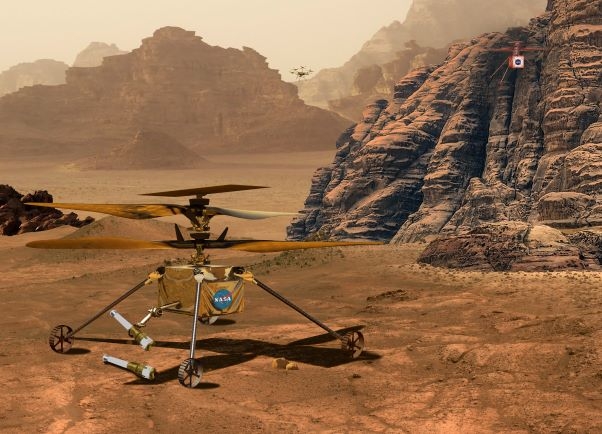
Ingenuity helicopter is enabling looks at future aerial craft for Mars exploration.
Image credit: NASA/JPL-Caltech
The Ingenuity Mars Helicopter was built by JPL, which also manages the project for NASA Headquarters. NASA’s Ames Research Center in California’s Silicon Valley and NASA’s Langley Research Center in Hampton, Virginia, provided significant flight performance analysis and technical assistance during Ingenuity’s development.
AeroVironment Inc., Qualcomm, and SolAero also provided design assistance and major vehicle components. Lockheed Space designed and manufactured the Mars Helicopter Delivery System.

A range of less-expensive landers, rovers and aerial vehicles are foreseen to help advance a sustainable human presence on Mars.
Image credit: Keck Institute for Space Studies (KISS)/Chuck Carter (Used with permission)
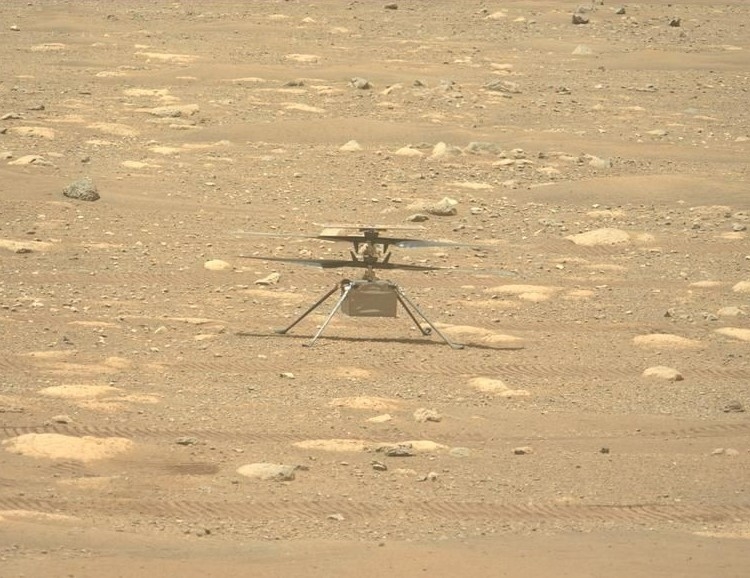
Image credit: NASA/JPL-Caltech/ASU
Work is now underway to shape a new NASA Mars helicopter design. There are a lot of add-ons beyond the Ingenuity aerial vehicle that has been busily buzzing the distant and distinct planet.
Image credit: NASA/JPL-Caltech
Thanks to Ingenuity’s nearly 50 hops across the Jezero Crater landscape, much has been learned to soup-up a future rotorcraft for the Red Planet.
For more information, go to my new Space.com story – “NASA sets sights on a next-generation Mars helicopter to return Red Planet samples” at:
https://www.space.com/mars-sample-return-next-generation-helicopter
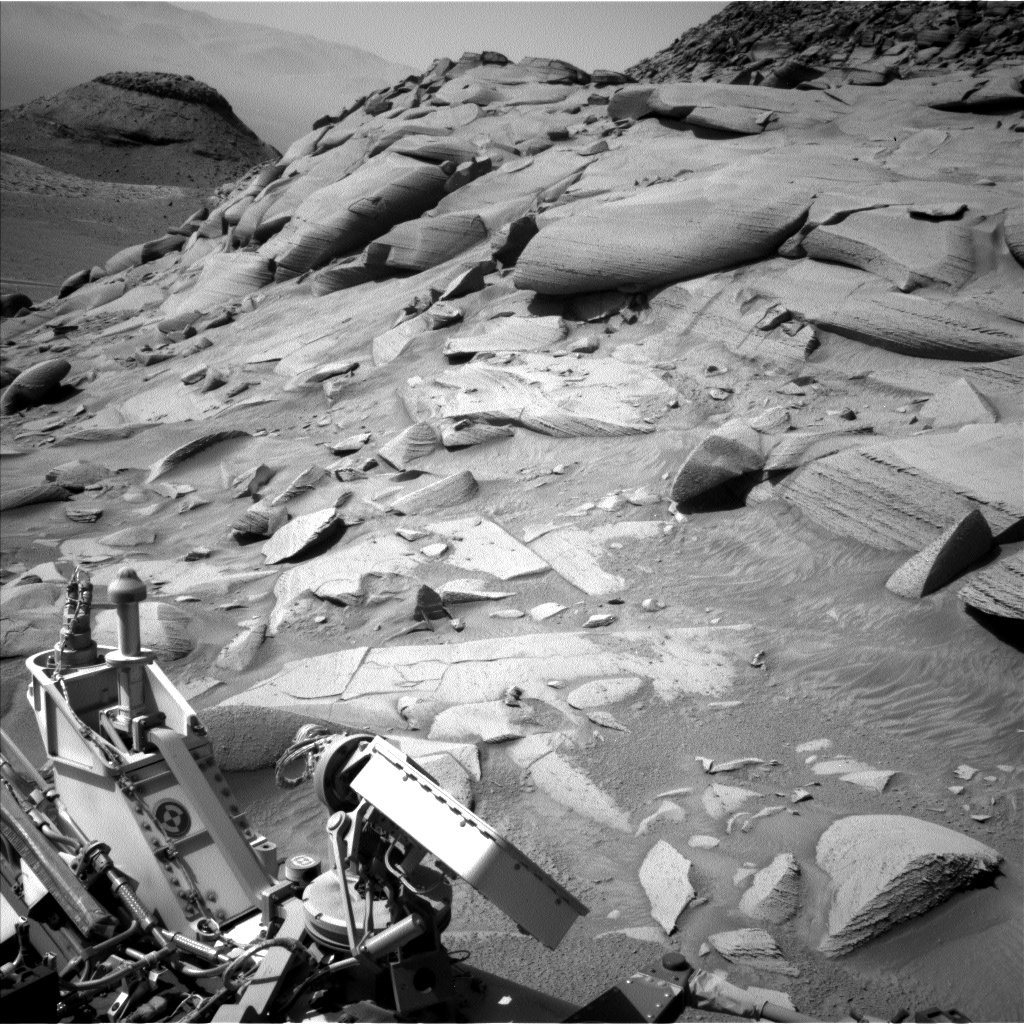
Curiosity Left B Navigation Camera image taken on Sol 3797, April 12, 2023.
Image credit: NASA/JPL-Caltech
NASA’s Curiosity Mars rover at Gale crater is now performing Sol 3798 tasks.
The terrain the rover drivers are now navigating is challenging – “slippery sand surrounding big, wheel-unfriendly rocks,” reports Michelle Minitti, a planetary geologist at Framework in Silver Spring, Maryland.
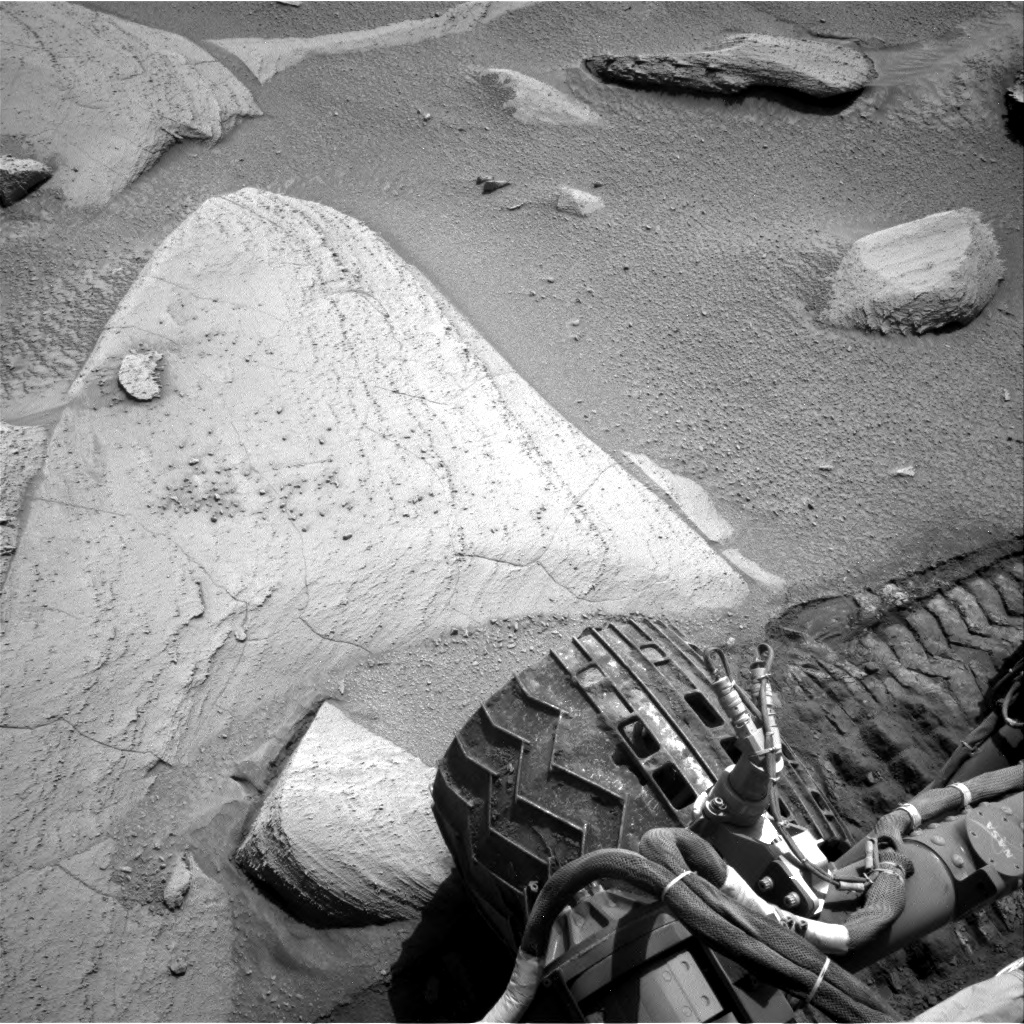
Curiosity Right B Navigation Camera image acquired on Sol 3797, April 12, 2023.
Image credit: NASA/JPL-Caltech
“These contrasting regimes contributed to us not-quite-arriving at our planned workspace with all six wheels confidently on known terrain,” Minitti adds. “Thus, we had to pivot from a combined contact and remote science day, to one with remote science and a drive.”
Interesting textures
Minitti points out that there are interesting textures in the workspace and the surrounding terrain motivated the science team to not want to stray too far from the robot’s current area.
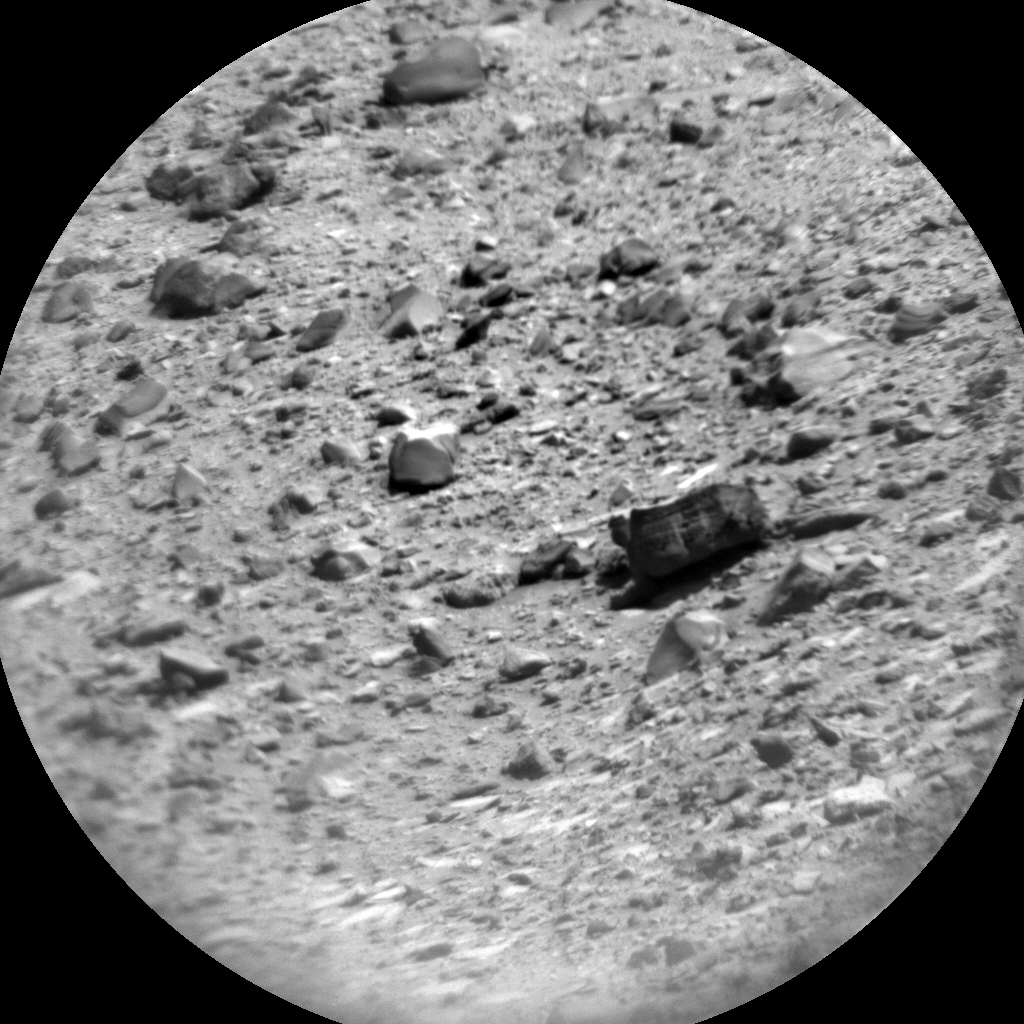
Curiosity Chemistry & Camera (ChemCam) Remote Micro-Imager (RMI) photo taken on Sol 3797, April 12, 2023.
Image credit: NASA/JPL-Caltech/LANL
“So the rover drivers planned a short bump toward another intriguing rock that gives us a bit more confidence that we can arrive at it to enable arm work in the next plan,” Minitti explains.
With no arm work in the plan, geology and environmental planning groups ably filled up their pre-drive science time with Chemistry and Camera (ChemCam), Navcam, and Mastcam observations.
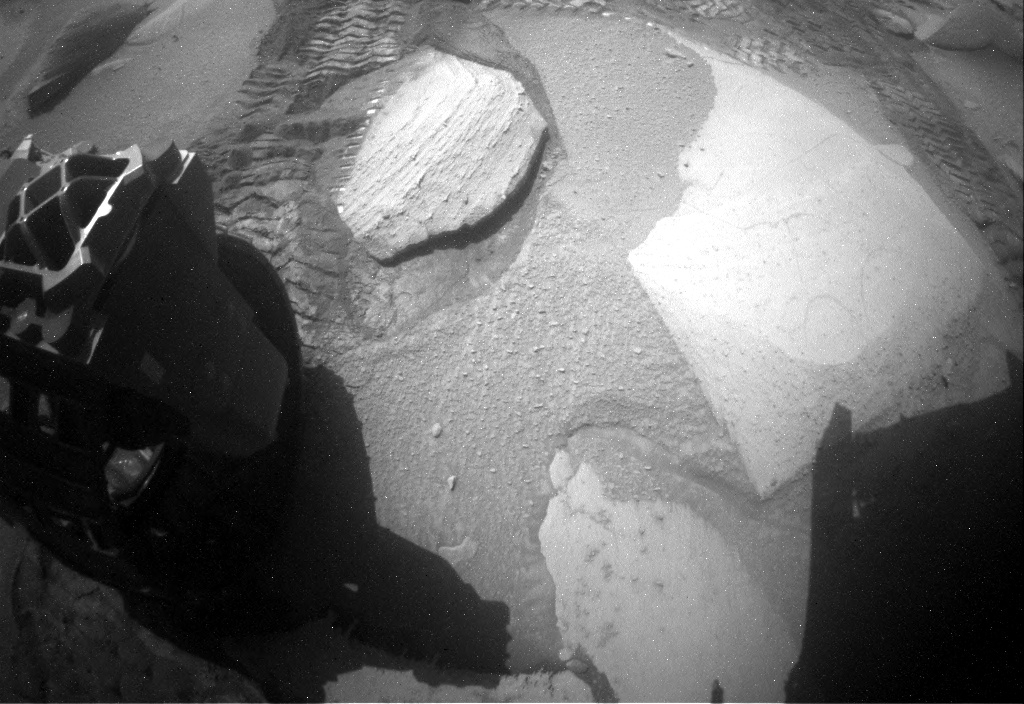
Curiosity Rear Hazard Avoidance Camera Left B image taken on Sol 3797, April 12, 2023.
Image credit: NASA/JPL-Caltech
Dust devil survey
“Navcam will start things off with a dust devil survey. Mastcam planned a series of stereo images and mosaics at targets that all shared regularly-spaced, resistant features paralleling the layering of this area,” Minitti reports, “despite being geographically dispersed, their similarities earned them the same name, ‘Teotonio.’ Layering patterns on another target, ‘La Macarena’ (pause to sing it to yourself…), earned another Mastcam mosaic, as did one of the blocks in the area (‘La Vueltosa’) exhibiting a scalloped fracture pattern that we have not seen for quite awhile. This pattern is also present on the block we are bumping toward, ‘Regina.’”
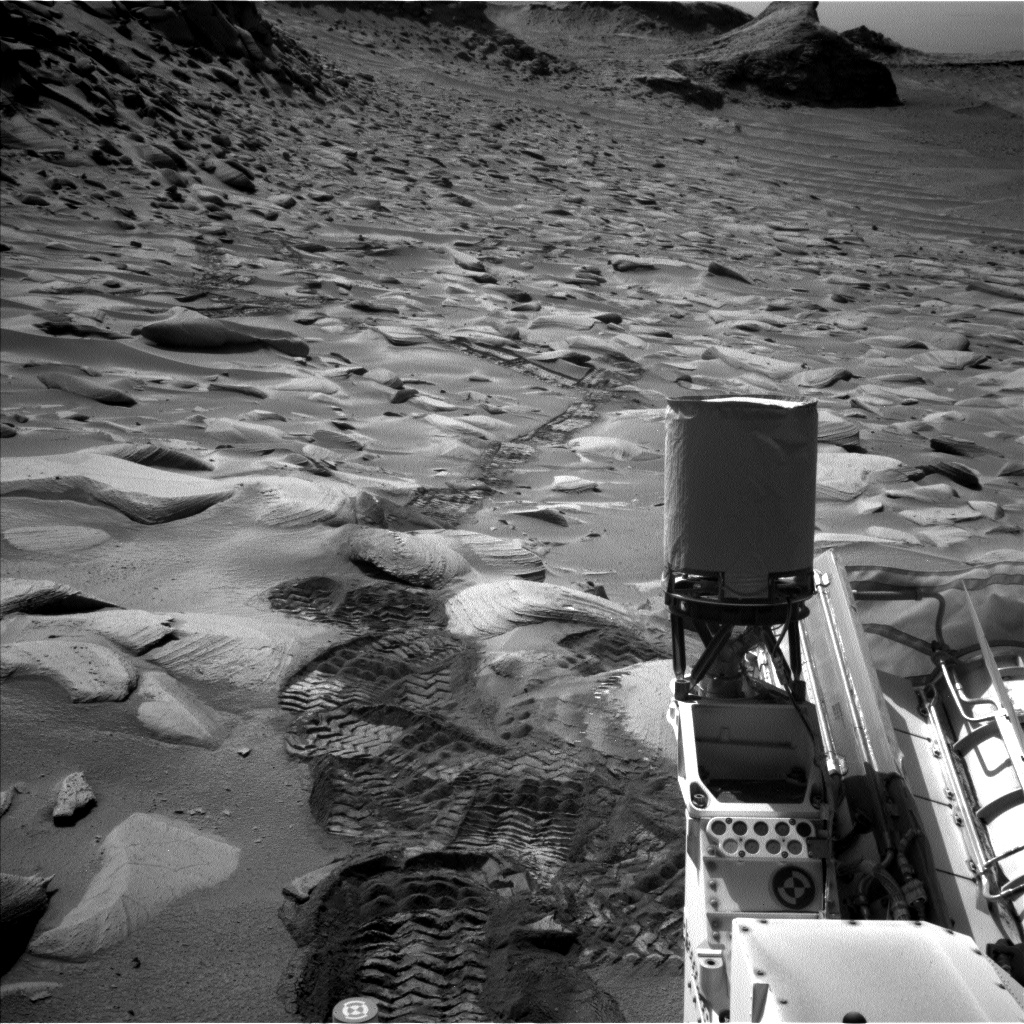
Curiosity Left B Navigation Camera image taken on Sol 3797, April 12, 2023.
Image credit: NASA/JPL-Caltech
The Mastcam images planned on Regina should be returned to Earth in time to help researchers carry out an analysis of the target.
Channel structure
ChemCam targeted yet another scalloped fracture block, “Chiles,” with its lone Laser Induced Breakdown Spectroscopy (LIBS) analysis in the plan. Farther afield, Mastcam will capture the west side of “Owenteik” butte, and ChemCam will collect a Remote Micro-Imager (RMI) mosaic of a hypothesized inverted channel structure on Gediz Vallis Ridge, Minitti notes.
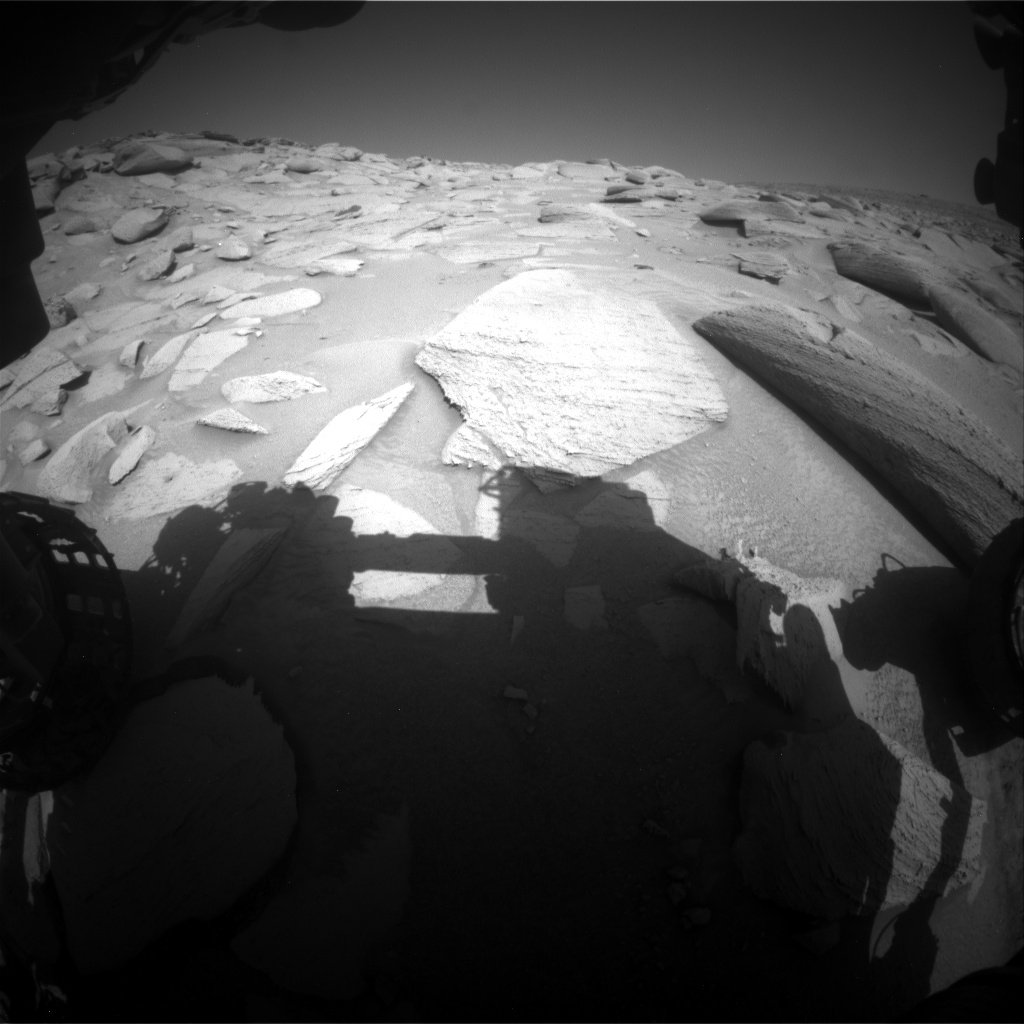
Curiosity Front Hazard Avoidance Camera Left B photo taken on Sol 3797, April 12, 2023.
Image credit: NASA/JPL-Caltech
In parallel with all the pre-drive science and the drive, the Dynamic Albedo of Neutrons (DAN) passive will run for four hours, adding an active measurement post-drive, as well.
Post-drive, Navcam will acquire a cloud altitude observation, and the Mars Descent Imager (MARDI) will provide a view of the ground beneath Curiosity’s left front wheel.
The Radiation Assessment Detector (RAD) and Rover Environmental Monitoring Station (REMS) will keep their regular watch on the weather and radiation conditions in Gale crater, Minitti concludes.

Image credit: ICON
The “Pancosmorio theory” describes the complexity of maintaining gravity and oxygen, obtaining water, developing agriculture and handling waste far from Earth.
Pancosmorio theory is a word coined to mean “all world limit” – and is detailed in “Pancosmorio (World Limit) Theory of the Sustainability of Human Migration and Settlement in Space,” published in March in Frontiers in Astronomy and Space Sciences.
According to one of the paper’s authors, it would be unwise to spend billions of dollars to set up a space settlement only to see it fail, because even with all other the systems in place, you need gravity.

Image credit: ICON
One-G gravity
Humans and all Earth life have evolved within the context of 1G of gravity.
“Our bodies, our natural ecosystems, all the energy movement and the way we utilize energy is all fundamentally based upon 1G of gravity being present,” explains Cornell University’s Morgan Irons.
“There is just no other place in space where there is 1G of gravity; that just doesn’t exist anywhere else in our solar system. That’s one of the first problems we must solve.”
For more information, go to “Pancosmorio (world limit) theory of the sustainability of human migration and settlement in space” at:
https://www.frontiersin.org/articles/10.3389/fspas.2023.1081340/full
Also, go to Baine Friedlander in the Cornell Chronicle at:
https://news.cornell.edu/stories/2023/04/humans-need-earth-ecosystem-deep-space-living
Image credit: SpaceX
At T-minus 00:00:00 “Excitement Guaranteed”
The first flight test of a fully integrated, fully reusable SpaceX Starship and Super Heavy rocket is close at hand.
This voyage is on tap to help “inform and improve” the probability of success in the future of this transportation system designed to carry both crew and cargo to Earth orbit, the Moon, and to Mars and beyond.
“The first integrated flight test of Starship is trending towards the third week of April, pending regulatory approval,” explains SpaceX. A “soft landing” of the Starship is slated for the Pacific north of Hawai’i.
Numerous tests of the Super Heavy rocket have been carried out, including a full-duration 31 Raptor engine test – the largest number of simultaneous rocket engine ignitions in history.
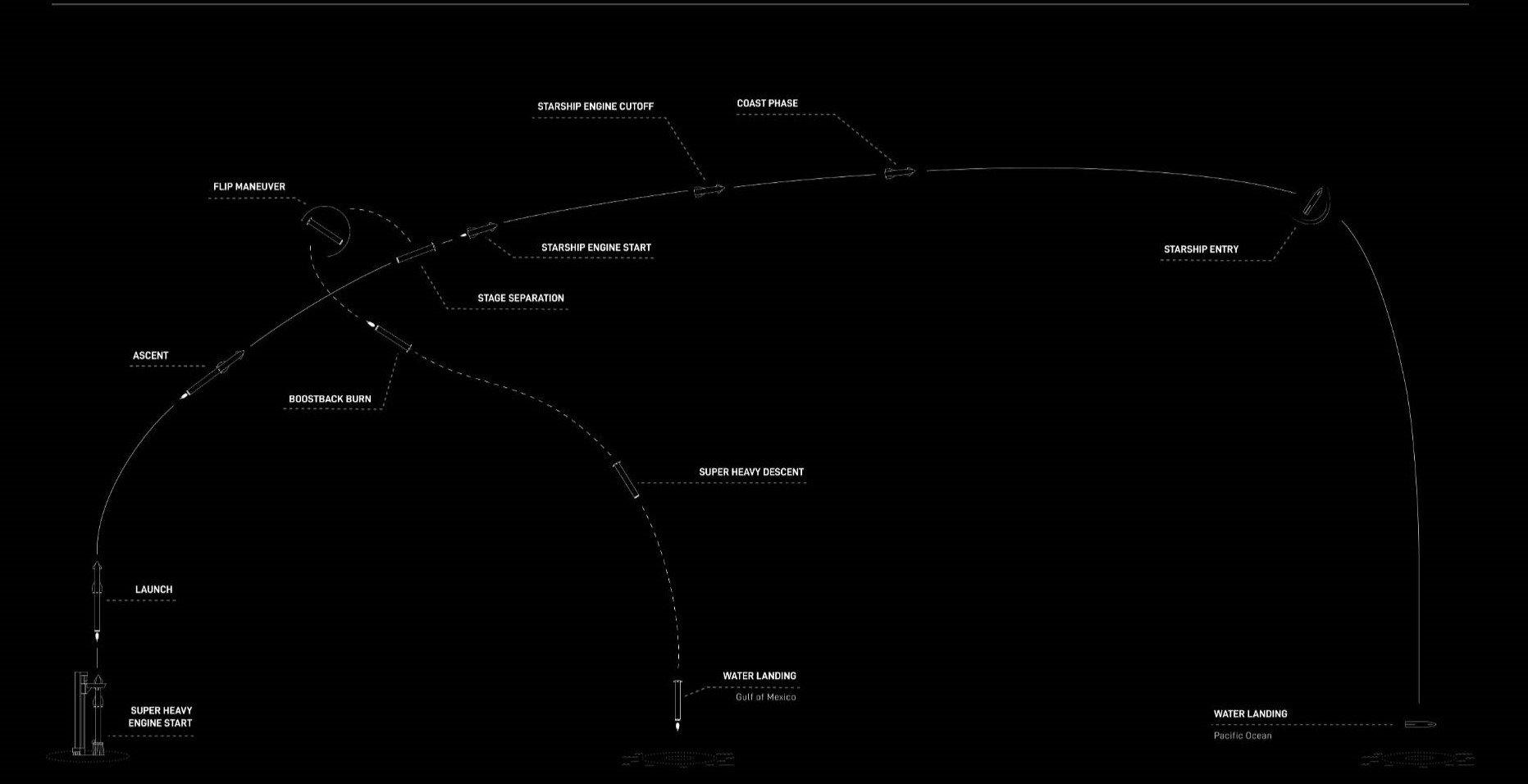
Projected flight profile.
Image credit: SpaceX
Starbase facility
At the SpaceX Starbase facility on Boca Chica Beach in Texas, SpaceX has also built the world’s tallest rocket launch and unique “catch tower.”
At nearly 500 feet tall (146 meters), the launch and catch tower is designed to support vehicle integration, launch, and catch of the Super Heavy rocket booster.

Image credit: SpaceX
For the first flight test, the team will not attempt a vertical landing of Starship or a catch of the Super Heavy booster, adds SpaceX.
The Federal Aviation Administration (FAA) has not made a license determination for the SpaceX Starship Super Heavy operation.
For more information, go to: https://www.spacex.com/vehicles/starship/

Curiosity’s location as of Sol 3796. Distance Driven to that sol: 18.56 miles/29.87 kilometers.
Credit: NASA/JPL-Caltech/Univ. of Arizona
NASA’s Curiosity Mars rover at Gale Crater is now performing Sol 3797 duties.
Scott VanBommel, a planetary scientist at Washington University, reports that the rover spent much of the last week completing a software upgrade while the science team met virtually to synthesize and discuss results.

Curiosity Front Hazard Avoidance Camera Left B image taken on Sol 3796, April 11, 2023.
Image credit: NASA/JPL-Caltech
“That upgrade has been completed successfully,” VanBommel adds, “and Curiosity was back to work characterizing a local canyon in an effort to study the composition and sedimentology of the geologic units above ‘Tapo Caparo.’”
Regular cadence
While continually on the lookout for its next drill location, VanBommel adds that Curiosity will maintain a regular cadence of chemical and textural analyses of rocks along its canyon-transecting traverse.
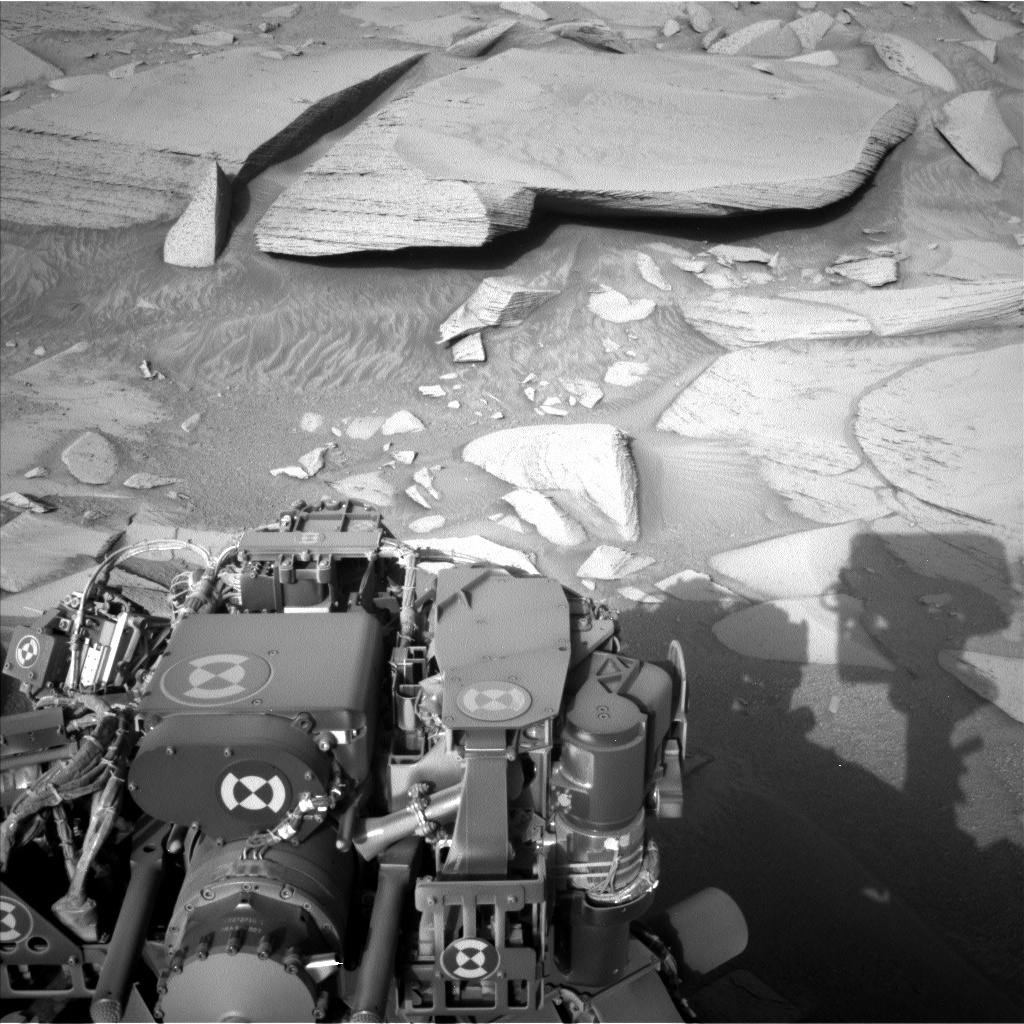
Curiosity Left B Navigation Camera image acquired on Sol 3796, April 11, 2023.
Image credit: NASA/JPL-Caltech
Chemical analysis and imaging efforts were central to tosol’s plan which focused on the Alpha Particle X-Ray Spectrometer (APXS) and the Mars Hand Lens Imager (MAHLI) on a brushed rock face, “Tarilandia,” before the rover executed a planned drive of roughly 98 feet (30 meters).
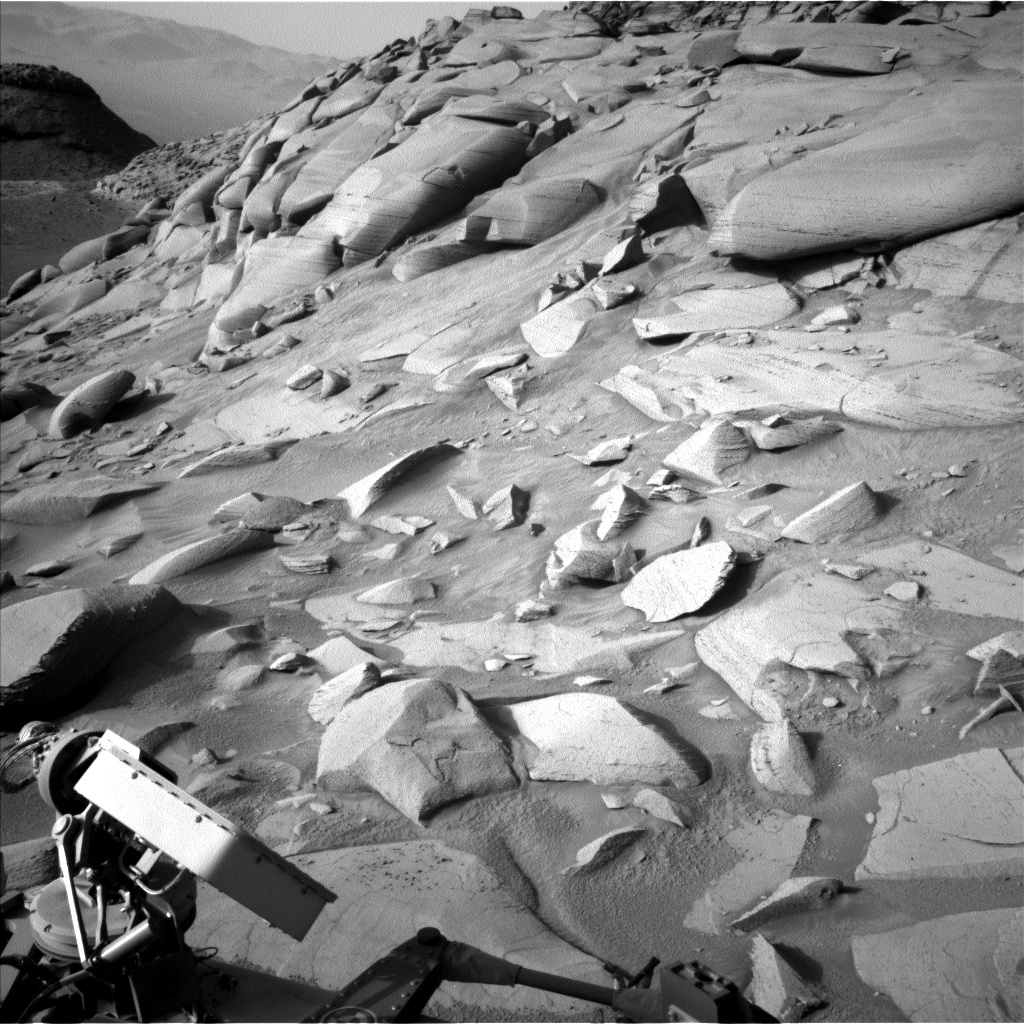
Curiosity Left B Navigation Camera image acquired on Sol 3796, April 11, 2023.
Image credit: NASA/JPL-Caltech
Strikingly round stone
“As APXS prefers colder temperatures and MAHLI benefits from midday illumination, a one-hour science block between these two arm activities rounded out the geologic science planned before the drive,” VanBommel notes.

Curiosity Left B Navigation Camera image acquired on Sol 3796, April 11, 2023.
Image credit: NASA/JPL-Caltech

Curiosity Chemistry & Camera (ChemCam) Remote Micro-Imager (RMI) photo taken on Sol 3796, April 11, 2023.
Image credit: NASA/JPL-Caltech/LANL
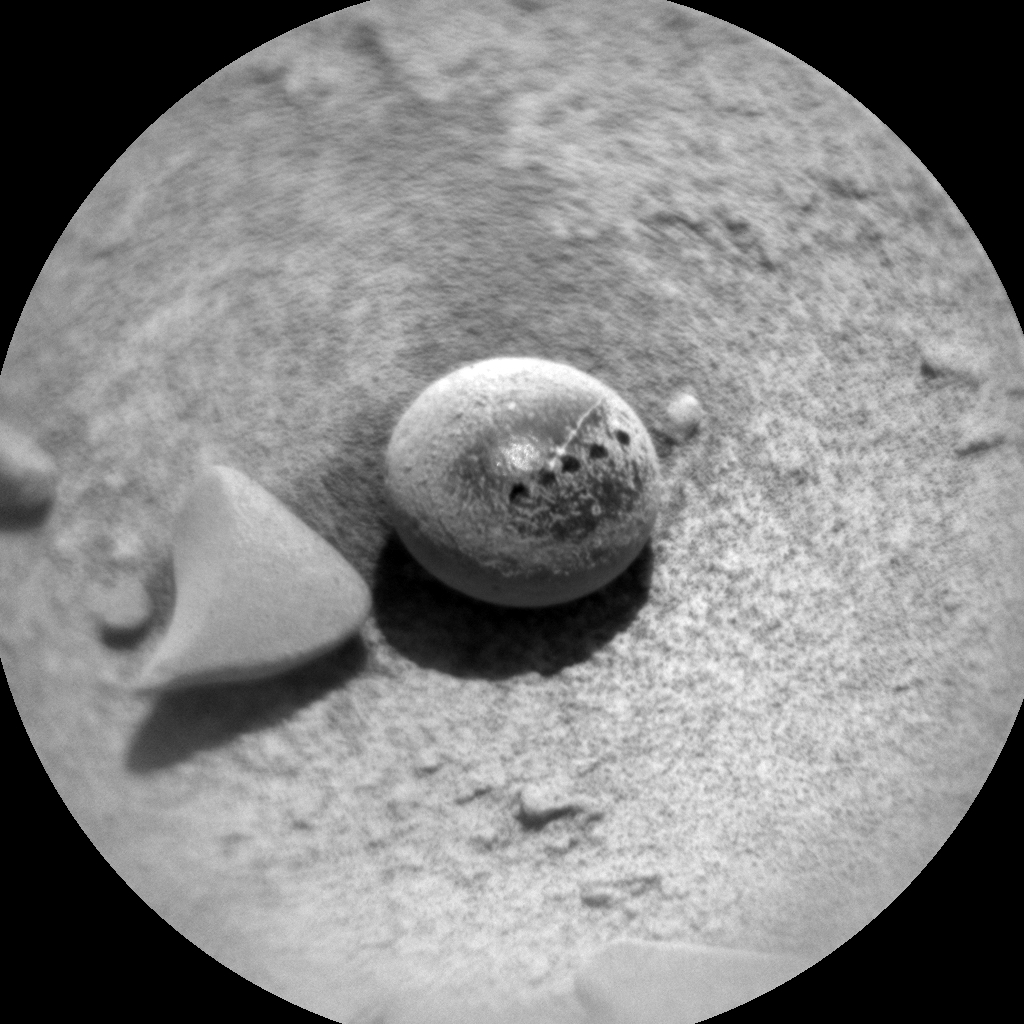
Laser hits, taken by Curiosity Chemistry & Camera (ChemCam) Remote Micro-Imager (RMI), acquired on Sol 3796, April 11, 2023.
Image credit: NASA/JPL-Caltech/LANL
The science block included a Mastcam crater rim extinction image and an extension of the “Tutu Kampu” mosaic. Mastcam also documented the targets “Loulouie” and Tarilandia.
Lastly, the robot’s Chemistry and Camera (ChemCam) imaged and conducted laser analyses on the target “Bem Querer,” a strikingly round stone, Towards the end of the drive, Curiosity was to acquire imaging that will support targeting in an upcoming one-sol plan, VanBommel concludes.

The Astronaut’s Guide to Leaving the Planet: Everything You Need to Know, from Training to Re-entry by Terry Virts; Workman Publishing Company (2023); 176 pages; Softcover: $14.99.
When it comes to tips on departing the Earth, consider getting advice from a person that has been up there. That’s the case with author Terry Virts, a two spaceflight veteran that chalked up over 7 months in Earth orbit, commanded the International Space Station, and also performed three spacewalks.
While the book is targeted for 10 years old and up, in the “kids” category – elder “mission controllers” with aspiring astronauts on their hands will find this volume enchanting, informative, and a superb read.
Its pages are filled with advice, tips and tricks for confronting space microgravity. Virts explains becoming an astronaut: “And it only happened because I didn’t listen to others who told me I could never be an astronaut,” he writes. “So no matter what your dream is in life, always remember – don’t tell yourself no!”

Sample pages
Divided into 10 sections — including “The Journey to Launch: Training,” “Don’t Look Down: Spacewalking – to “Re-entry” and “The Next Mission” – the book includes a helpful guide to astronaut lingo and is well indexed.
The volume is illustrated by the talented Andrés Lozano and is sprinkled by color images.
You’ll find an interesting read regarding a Virtz return-to-Earth in a Russian Soyuz capsule. Also, there’s plenty of counsel on living, eating, sleeping, and yes, that ever-present question of how best to alleviate your toil without too much trouble.
Readers of all ages, young and youthful in spirit, will find The Astronaut’s Guide to Leaving the Planet: Everything You Need to Know, from Training to Re-entry offering valuable insights for off-world space travel.
For more information, go to: https://www.workman.com/products/the-astronauts-guide-to-leaving-the-planet/paperback
Also, go to the Terry Virts website at www.terryvirts.com

