Archive for the ‘Space News’ Category
 Author:
  June 20th, 2026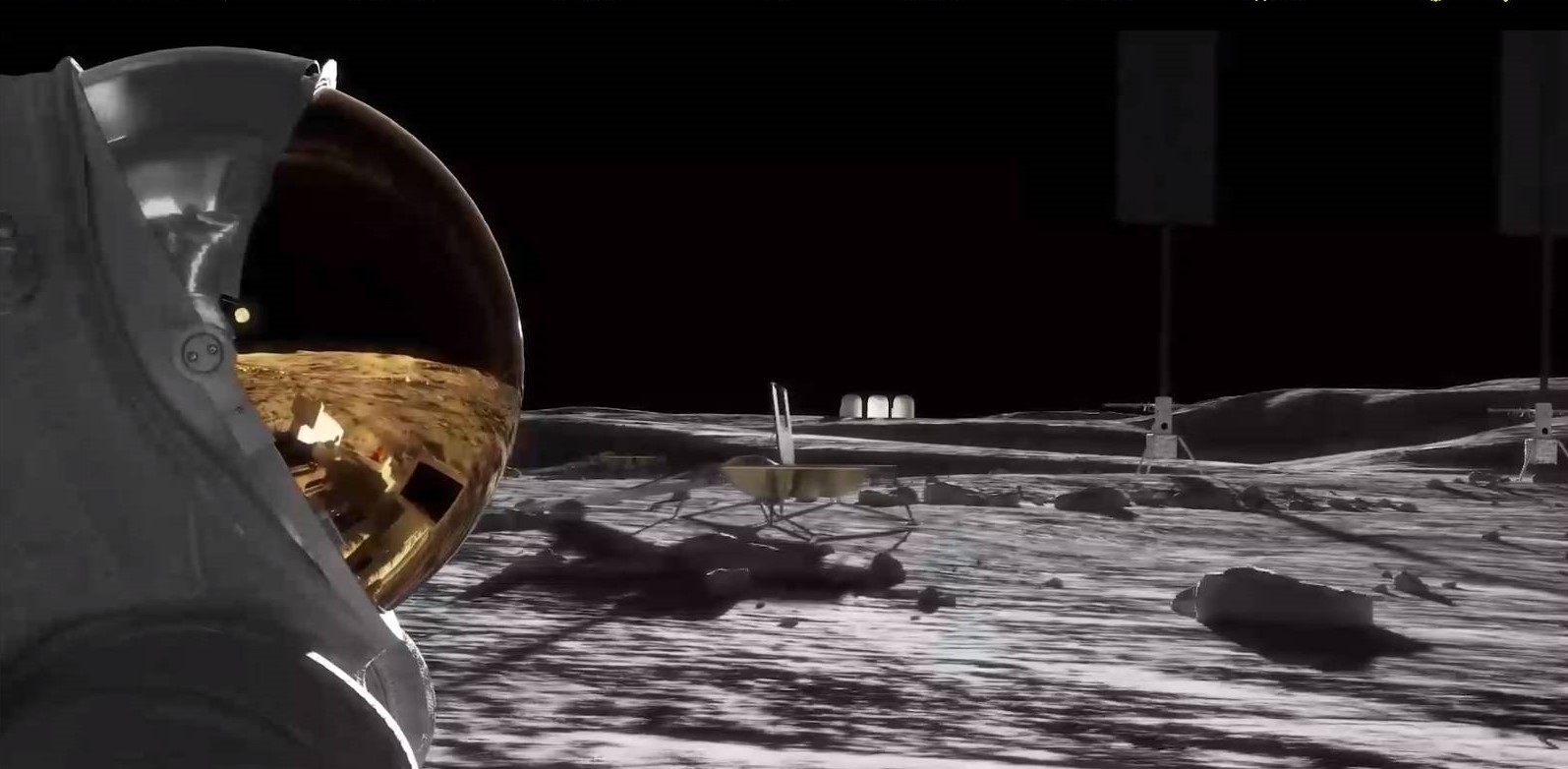
Establishing an Artemis-era Moon Base. Wanted: lunar building codes.
(Image credit: Lockheed Martin)
GOLDEN, Colorado – First of all, take into account centuries of accumulated engineering knowhow, hard-learned lessons, and societal evolution. We here on home planet Earth have shaped a robust framework of building standards that governs construction on our world today.
But now, as humanity prepares to put in place a “sustained presence” on the moon, how do we guarantee the safety and integrity of structures built in an environment for which no such tradition exists?
What’s needed is a lunar building code, the development of design criteria for the moon.
What’s the Moon shaking news about this story? To find out, go to my new Space.com article — “Do we need a lunar building code to build moon bases safely?” – at:
 Posted in

Image credit: Cinemark Theatres
Here’s a collectible that’s an Identified Filling Object (IFO), the Disclosure Day “Stag Popcorn Bucket.”
The bucket, according to an ad, brings Steven Spielberg’s “chilling sci-fi mystery to your collection with an eerie creature-inspired design that fans won’t stop talking about!”
The 85-ounce plastic container is described as “ must-have collectible for alien thriller lovers, movie merch hunters, and blockbuster popcorn bucket collectors.”
This limited-edition collectible is a hand wash only item over 16-inches tall. It’s yours at a bucket-buttery blastoff price of $49.95.
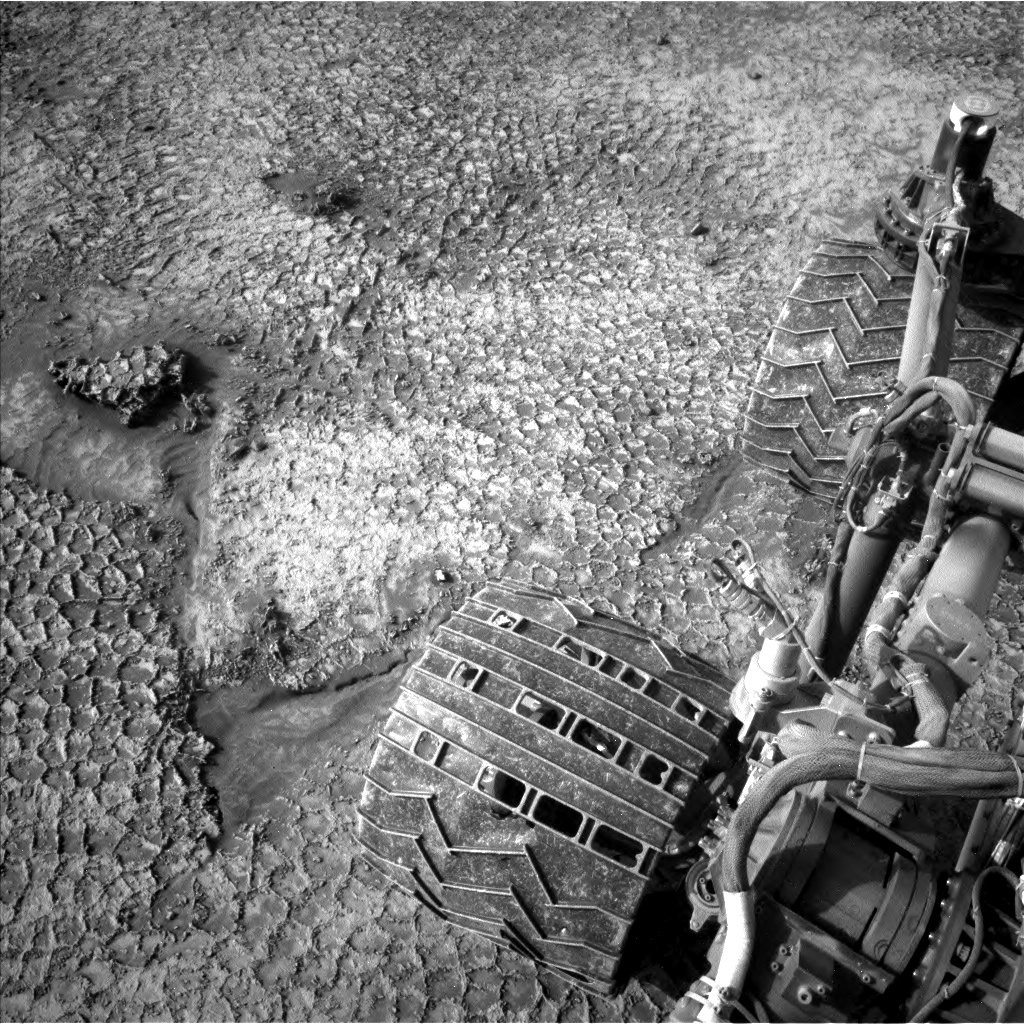
Image credits: NASA/JPL-Caltech

Image credits: NASA/JPL-Caltech
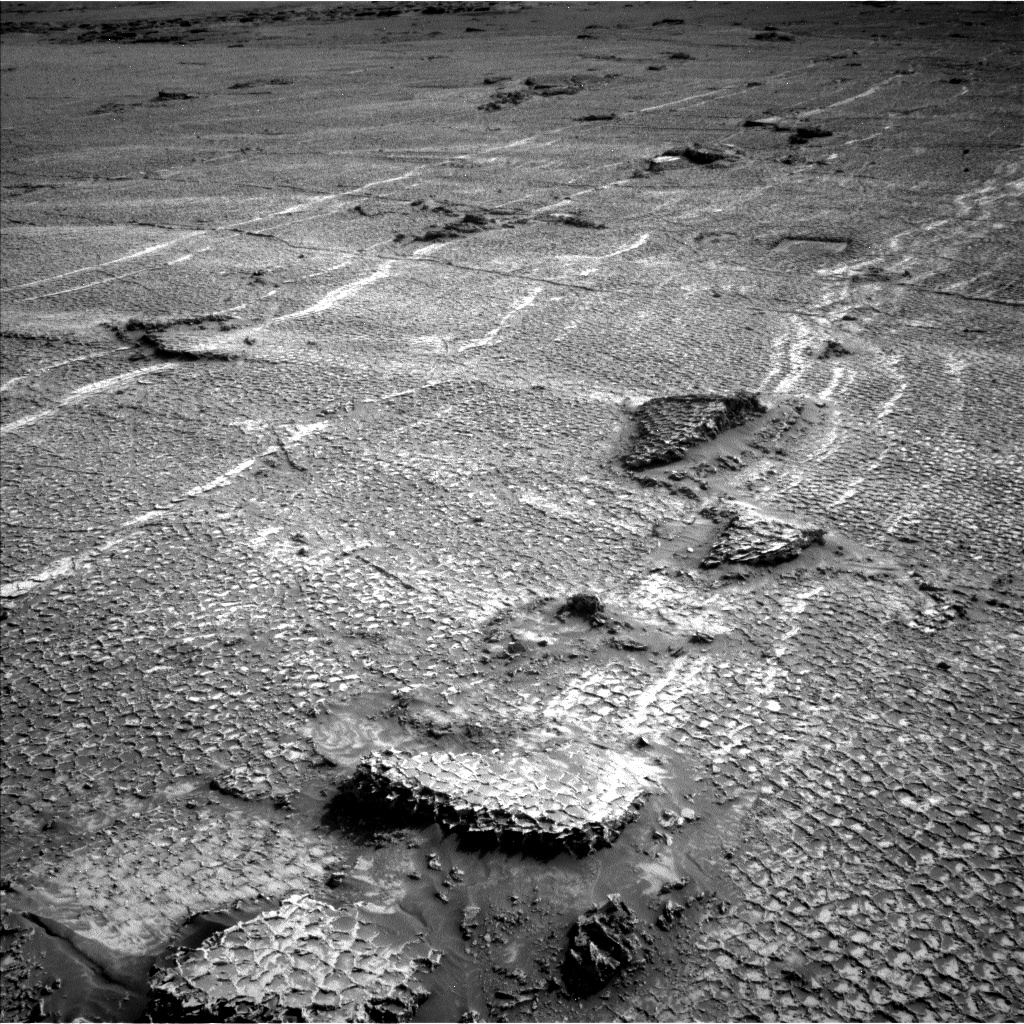
Image credits: NASA/JPL-Caltech
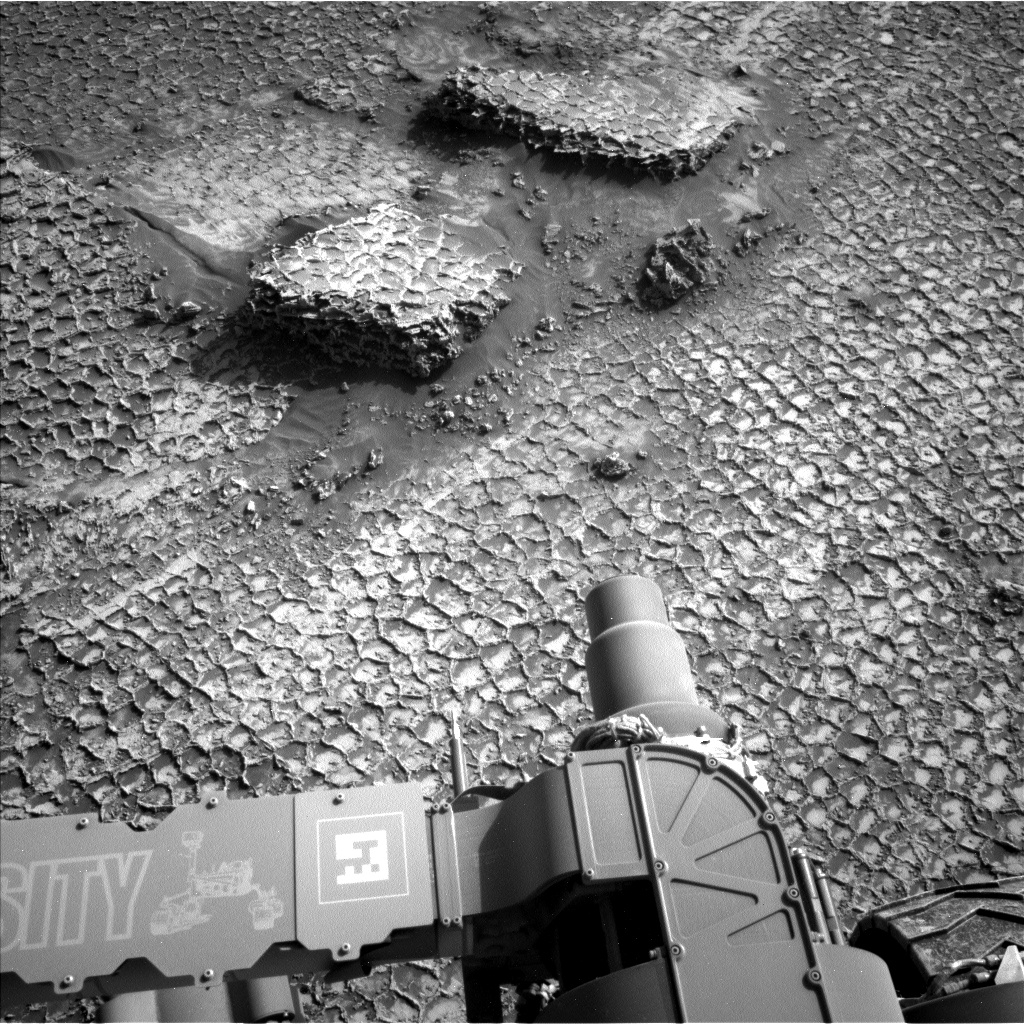
Image credits: NASA/JPL-Caltech
According to the NASA Curiosity Mars rover team, the challenge is piecing together how a vast network of boxwork could exist on Mount Sharp, the 3-mile-tall (5-kilometer-tall) mountain the rover has been ascending.
“Each layer of the mountain formed in a different era of Mars’ ancient, changing climate. The higher Curiosity goes, the more the landscape bears signs that water was drying out over time, with occasional wet periods that saw the return of rivers and lakes.”
These images were taken by one of Curiosity’s Navigation Cameras on Sol 4928, June 17, 2026.
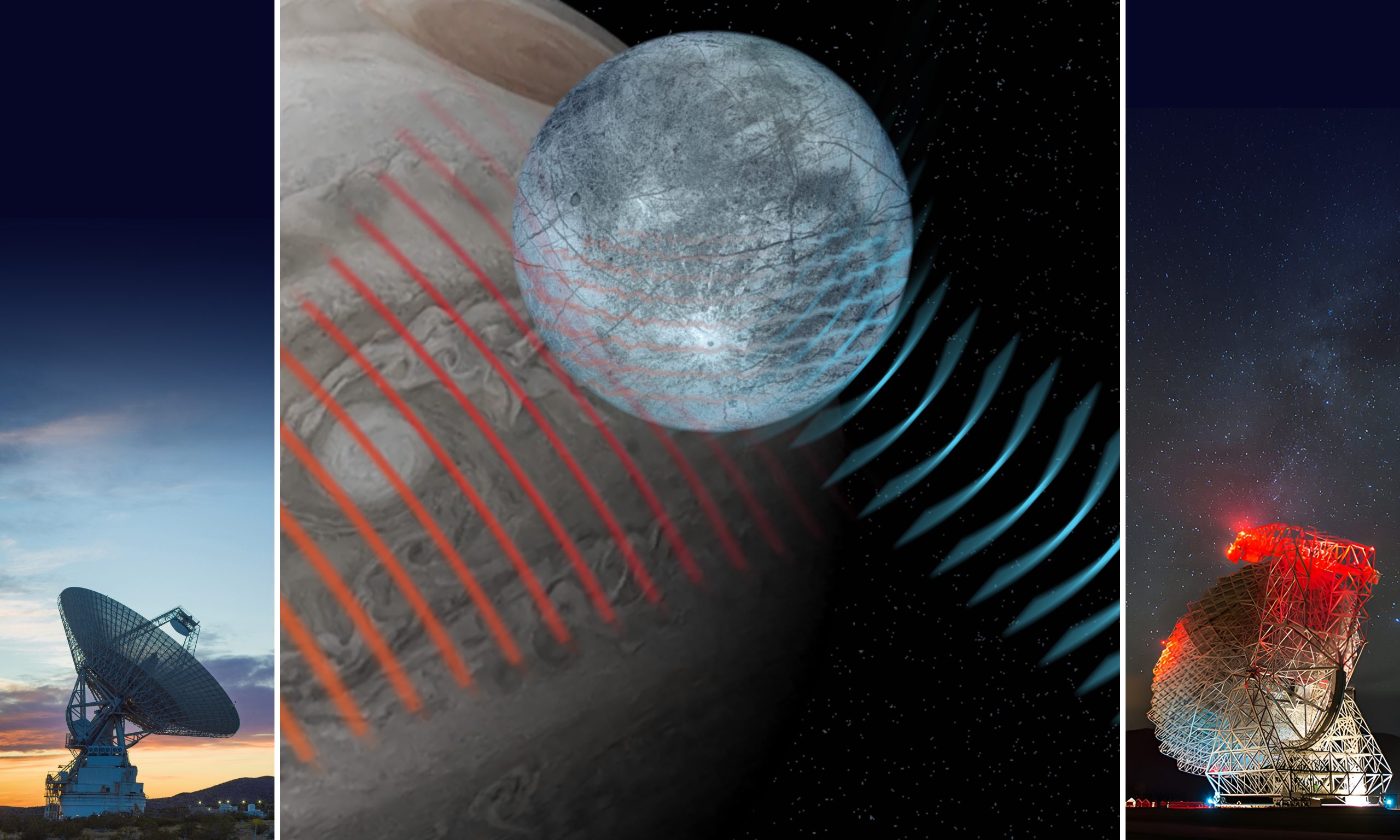
This artist’s impression shows radar waves from the NASA Goldstone Solar System Radar pinging one of Jupiter’s moons, Europa. The radar waves penetrate Europa’s icy surface before bouncing back to be collected by the NSF Green Bank Telescope on Earth.
Credit: NSF/AUI/NSF NRAO/P.Vosteen
Europa, a moon of Jupiter, has been “pinged” by powerful radar on Earth reflecting radio waves in an odd, strong, and complex way not seen on rocky worldsNASA’s Goldstone Solar System Radar and the U.S. National Science Foundation Green Bank Telescope carried out the most extensive radar study to date of the ocean world between 2011 and 2024.
Europa is a prime target in the search for habitable environments beyond Earth.
Internal structure and purity
Tunhui (Tina) Xie, a graduate student at the University of California Los Angeles, states that “radar delves below what is easily seen, because radio waves can penetrate into the ice, and carry information about its internal structure and purity.”

This 2022 view of Jovian moon Europa was created by processing an image from JunoCam captured during the Juno spacecraft’s close flyby on Sept. 29.
Image credits: NASA/JPL-Caltech/SwRI/MSSS Image processing by Björn Jónsson CC BY-NC-SA 2.0
These new observations show that Europa’s radar “albedo”—a measure of how bright it appears to radar—is much higher than that of typical planets and asteroids.
This depth limit using radar offers a new constraint on how transparent Europa’s ice is, and will help scientists interpret upcoming ice‑penetrating radar data from NASA’s Europa spacecraft now en route to study this moon in more detail. It arrives in April 2030.
This radar news is featured in a press conference held at the American Astronomical Society’s 248th meeting on Tuesday, June 16th
Go to 12:35 at:
https://www.youtube.com/watch?v=-38ah-bRjs4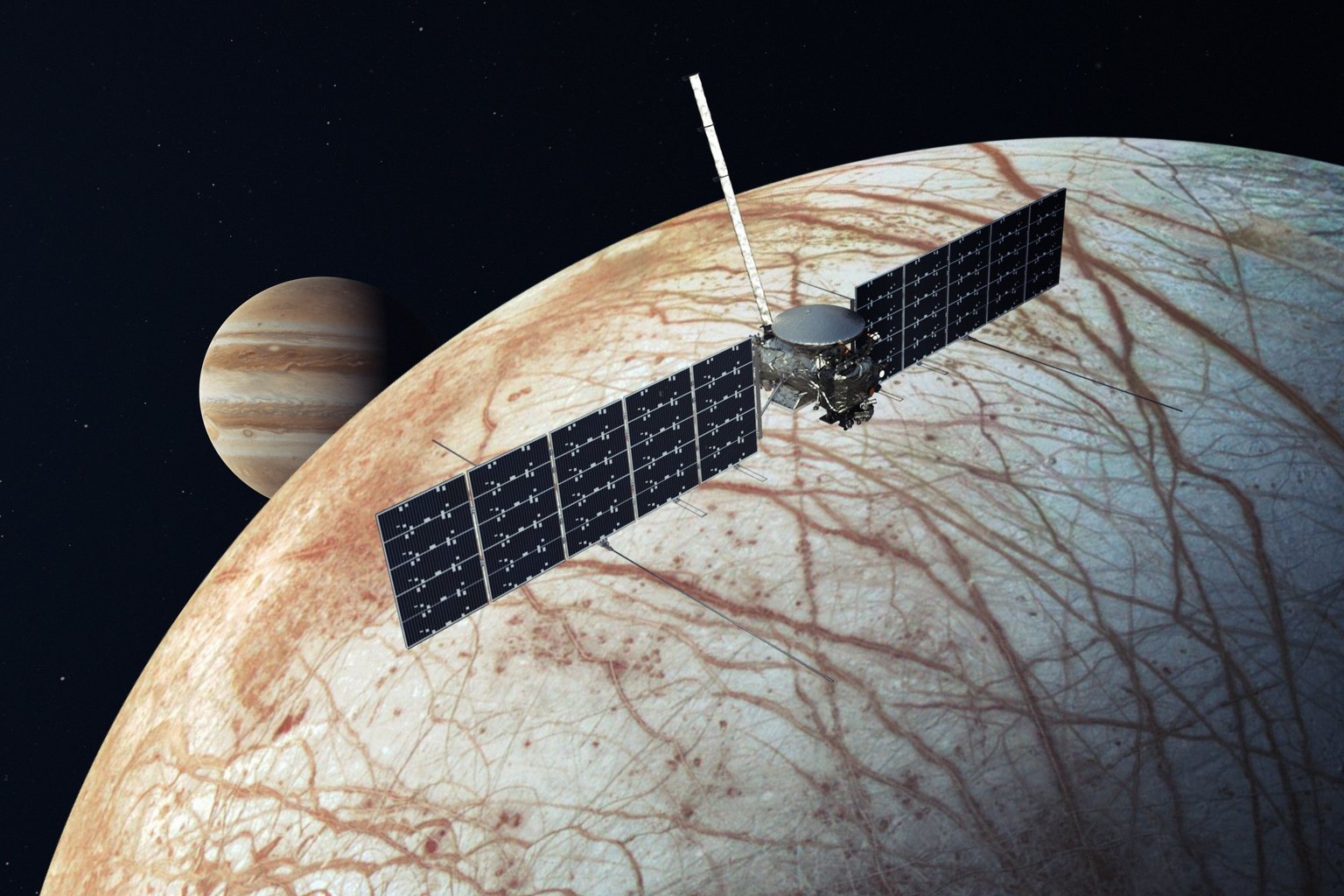
En route to Jupiter, the Europa Clipper.
Image credit: NASA/JPL-Caltech
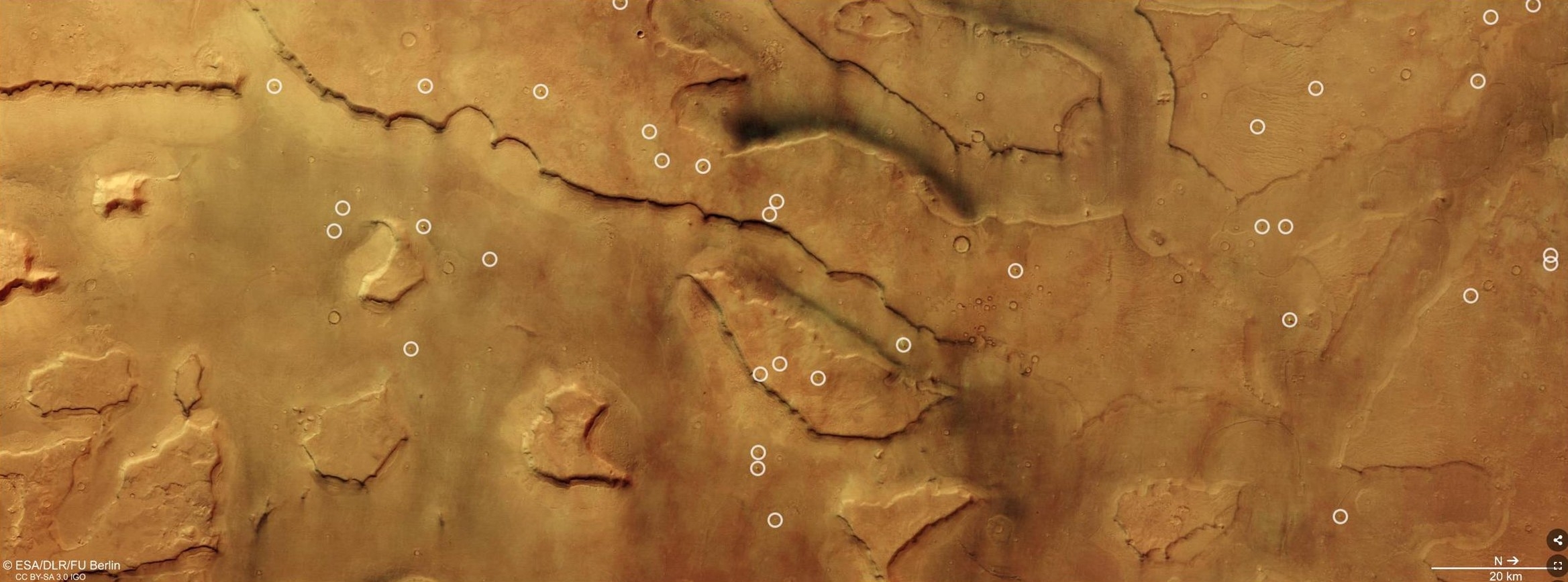
Image credit: ESA/DLR/FU Berlin
An image from the European Space Agency’s Mars Express shows part of Mamers Valles, a huge valley system in Mars’s northern hemisphere.
The image captures tens of small dust devils.
These brief, tornado-like whirlwinds lift dust into the air and carry it across the surface of the Red Planet.
Go to this site to explore dust devils galore at:
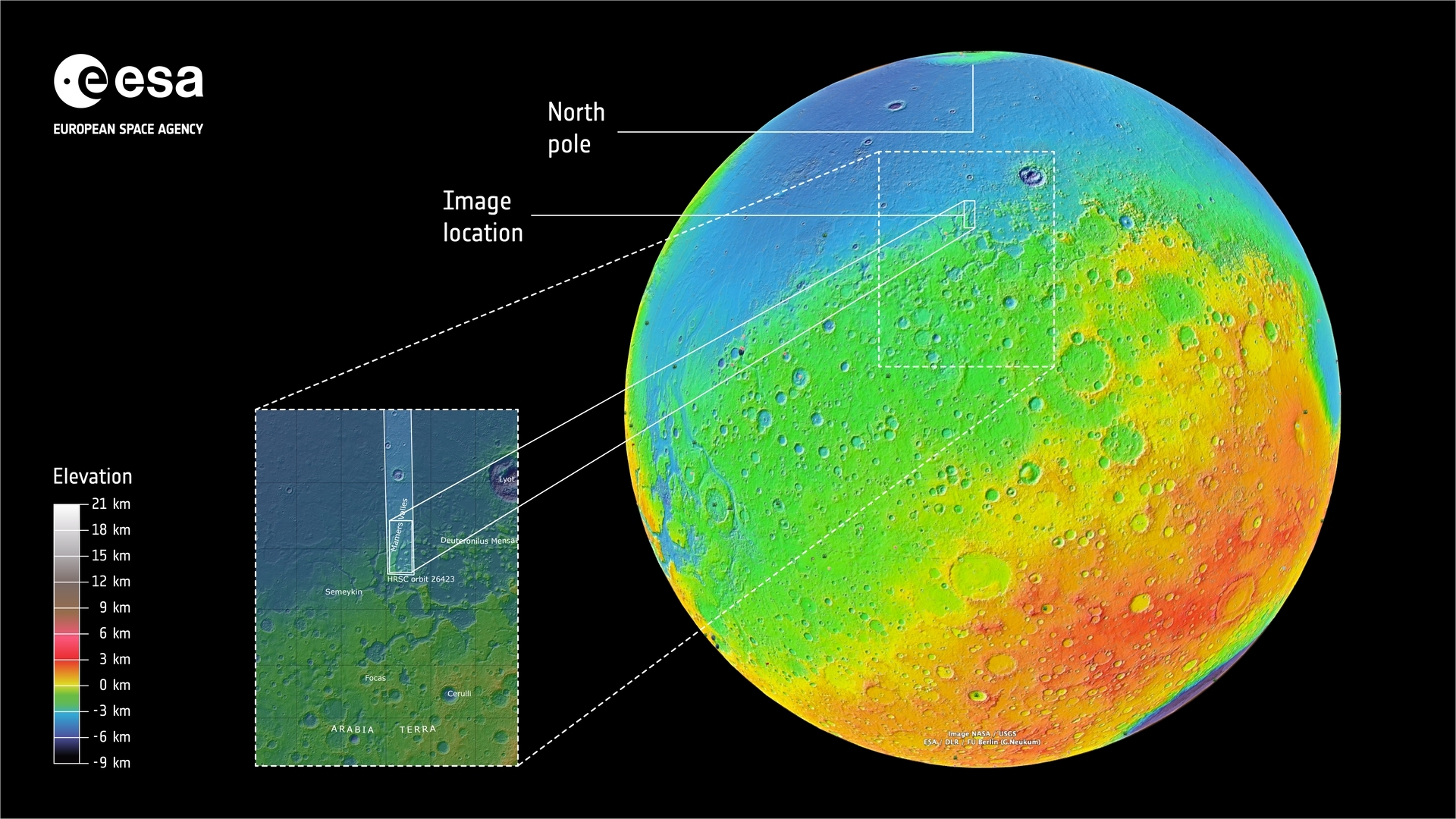
This image marks the location of Mamers Valles, a huge valley system in Mars’s northern hemisphere.
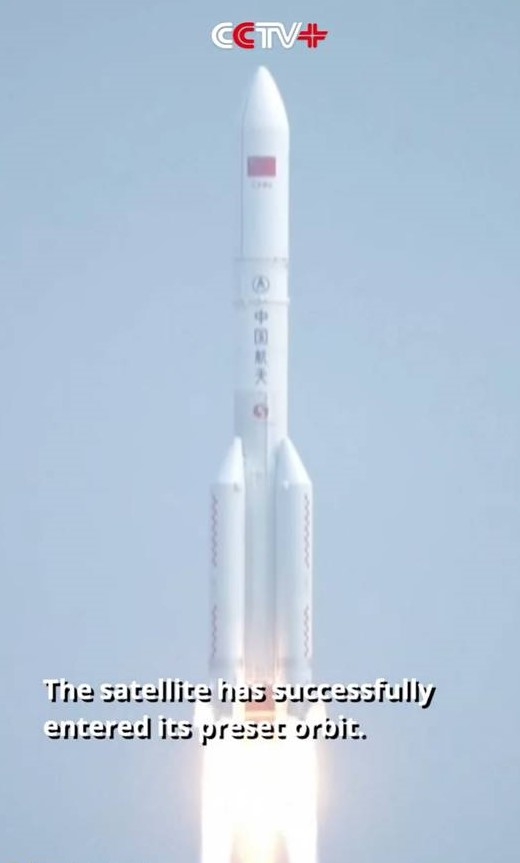
Image credit: CCTV/Inside Outer Space screengrab
Last week China hurled into space a new communication technology test satellite, making use of the Wenchang Space Launch Site in south China’s Hainan Province.
The June 11 liftoff of the Long March 5 booster was noted and confirmed by the Philippine Space Agency (PhilSA) as it routinely monitors expected debris that careens into identified “drop zones” (DZs) sent skyward from China’s busy Wenchang spaceport.
“Unburned debris from rockets, such as the booster and fairing, are designed to be discarded as the rocket enters outer space,” posted PhilSA.
Potential risk
“While not projected to fall on land features or inhabited areas, falling debris poses danger and potential risk to ships, aircraft, fishing boats, and other vessels that will pass through the drop zone,” PhilSA warned.
Due to the possibility for rocket leftovers floating around the area and washing toward nearby coasts, it advises the public to inform local authorities if suspected debris is sighted.
PhilSA also cautions against retrieving or coming in close contact with these materials that may contain remnants of toxic substances such as rocket fuel.
“Additionally, the possibility of an uncontrolled re-entry to the atmosphere of the rocket’s upper stages returning from outer space cannot be ruled out at this time,” PhilSA noted.
Drop zones
DZ 1 is approximately 69 Nautical Miles away from Burgos, Ilocos Norte, and 94 Nautical Miles away from Dalupiri Island, Cagayan.
DZ 2 is 119 Nautical Miles away from Santa Ana, Cagayan, and 133 Nautical Miles away from Camiguin Norte.
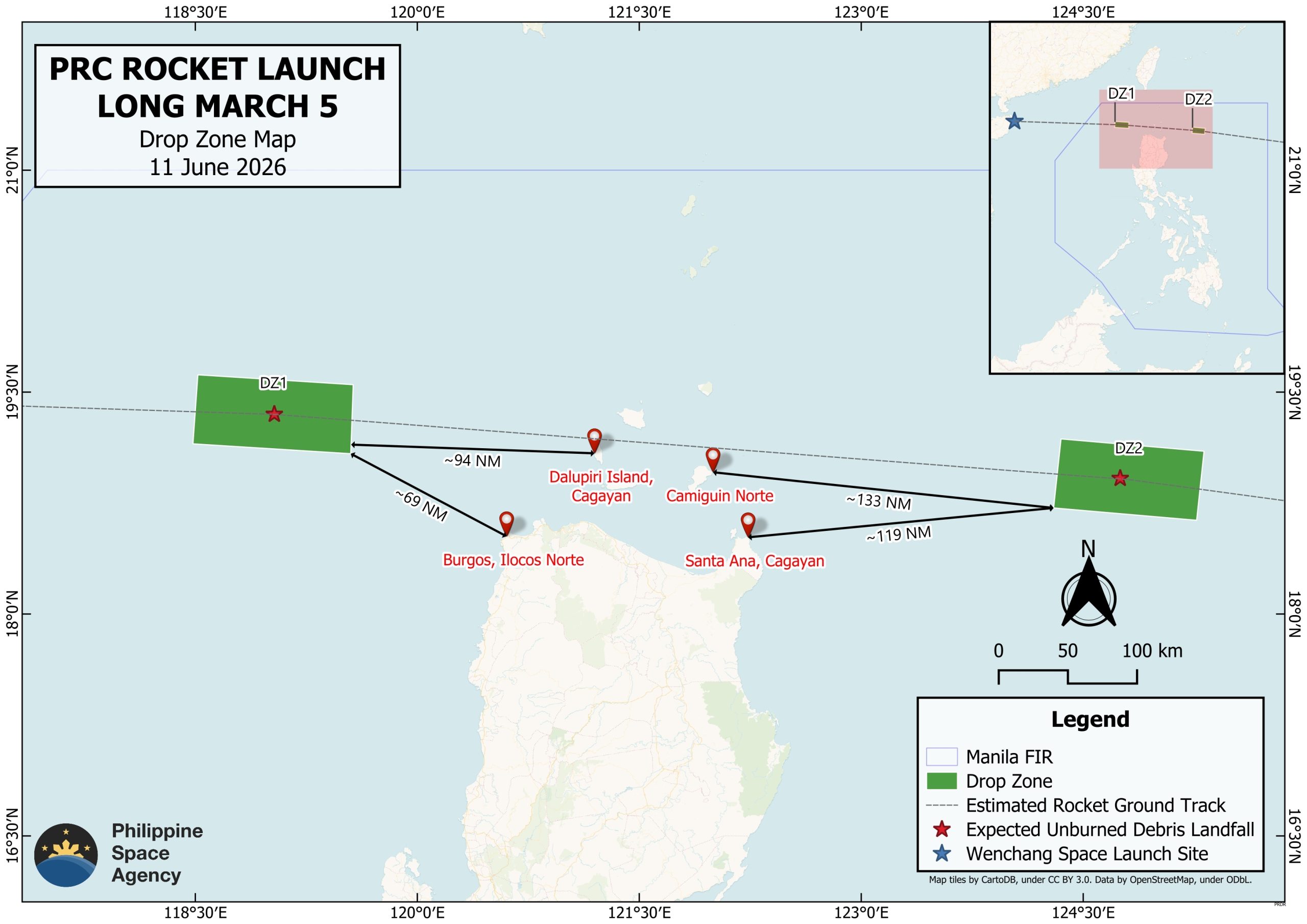
Image credit: Philippine Space Agency (PhilSA)
Both drop zones are within the Philippine Exclusive Economic Zone (EEZ), PhilSA explains.
“Details of the rocket drop zone were disclosed through a Notice to Airmen (NOTAM) warning of an ‘aerospace flight activity.’ PhilSA disseminated a pre-launch report to relevant government agencies and authorities prior to the launch.”
A similar launch warning was posted by PhilSA in late May. On that occasion, China lofted a Long March 7A from the Wenchang Space Launch Site.
Wenchang ramp up
Meanwhile, word is that the Wenchang spaceport is prepared to ramp up rocket liftoffs per year.
Wenchang is home of the Hainan commercial spacecraft launch site, located in Wenchang International Aerospace City. It was built and is being operated by the Hainan International Commercial Aerospace Launch Co., Ltd. (HICAL).
Construction of China’s first commercial spacecraft launch site began in July 2022.
For a video of the recent Long March-5 carrier rocket launch, go to:
https://www.facebook.com/reel/26200449259631288
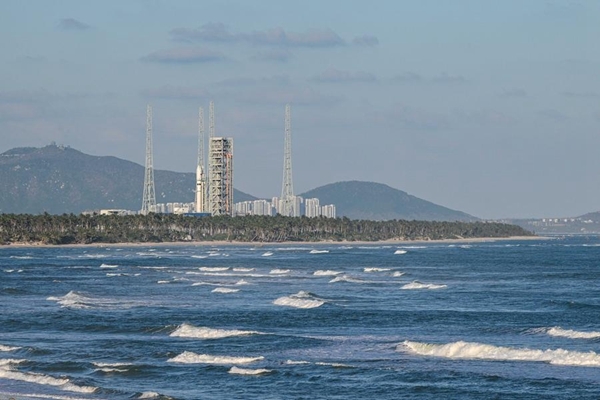
Image credit: Embassy of the People’s Republic of China in the Lao People’s Democratic Republic
Image credit: SpaceX
Some are calling it the “Elon factor” – the highly anticipated initial public offering of SpaceX stock.
Last May, SpaceX filed with the United States Securities and Exchange Commission key documentation that signaled an initial public offering (IPO) of stock.
And this week, the long-anticipated public offering hit the streets, becoming the largest IPO in history.
At roughly a two trillion dollar valuation, SpaceX anticipates a $75 billion initial offering, with shares perhaps valued at $135 each, a dollar number that SpaceX can modify on its own.
SpaceX transitioning to a publicly traded company is a big deal, not only cash wise but may well power the future and potency of commercial space overall.
What’s all the chatter about this IPO? Go to my new Space.com story – “SpaceX to go public with a mind-bogglingly historic IPO today. The space industry may never be the same” – at:
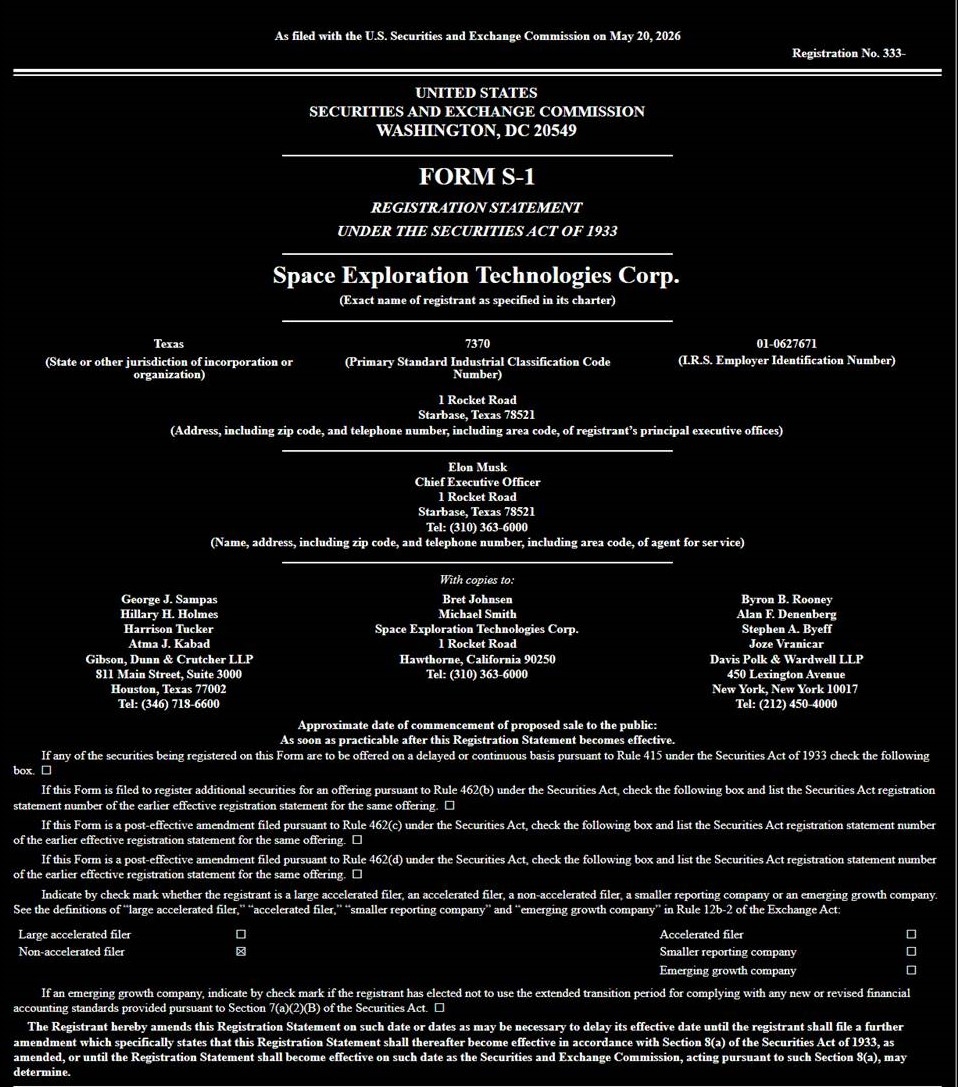
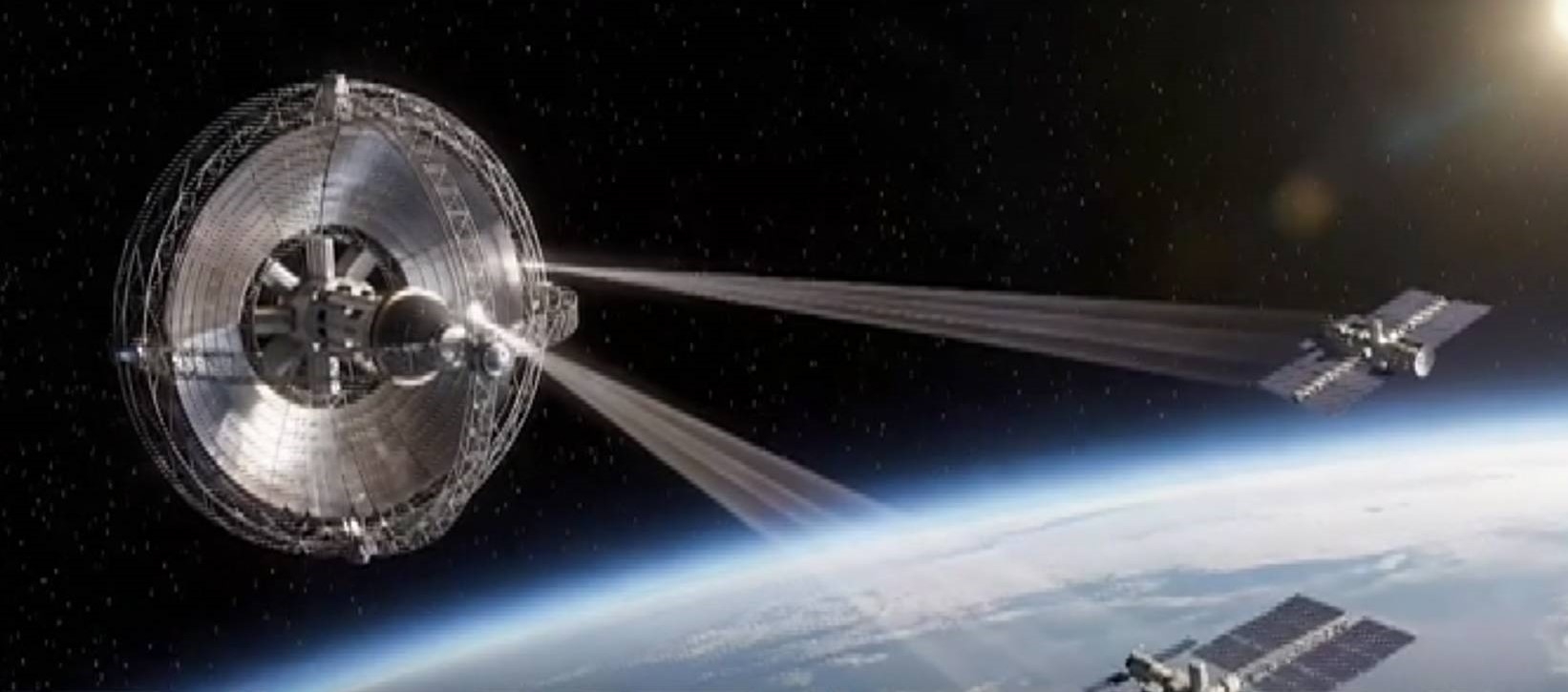
Image credit: CCTV/Inside Outer Space screengrab
Work in China is underway toward building a space solar power station.
The effort is being led by Xidian University in northwest China’s Shaanxi Province, with reports that a breakthrough has been achieved in transmitting energy to multiple moving targets simultaneously.
Underway since 2018, the work is being done under the name “Zhu Ri.” Its latest upgrade has shifted from one-to-one fixed transmission to one-to-many energy supply streams, enabling precise power delivery to multiple fast-moving targets.
As reported by China Central Television (CCTV), researchers say the challenge of the upgraded system was to keep beams locked on moving targets without losing signal.
Control system
“Our transmitting antenna beam must be monitored in real time and precisely directed toward the receiving antenna,” says Qian Sihao, associate professor at the School of Electromechanical Engineering of the university.
“To achieve this, we have developed a high-precision closed-loop control system based on reverse beam guidance,” Qian tells CCTV. “When the receiving antenna sends out a guiding signal, the transmitting antenna can promptly capture it and instantly calculate the position and angular attitude of the receiving antenna, thereby ensuring accurate beam pointing.”
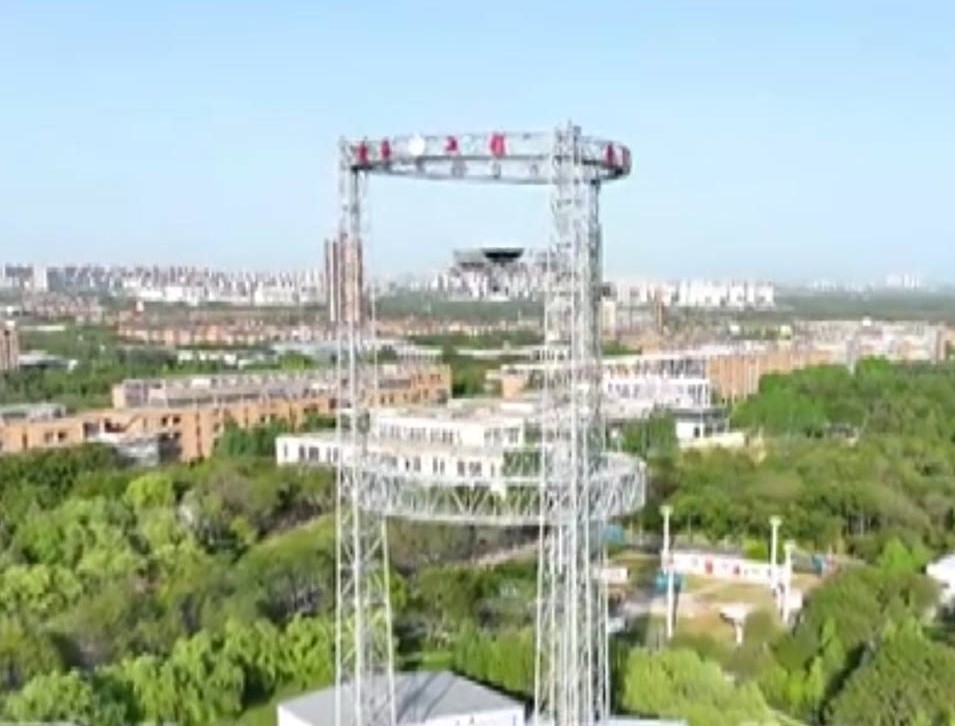
Image credit: CCTV/Inside Outer Space screengrab
Outdoor tests
“In simple terms, the system can track targets and make real-time corrections during transmission, enabling dynamic power supply to multiple moving devices,” notes CCTV. To prevent damage from misaligned beams, key components were upgraded with gallium nitride diodes, improving tolerance to high-power fluctuations.
According to CCTV, outdoor tests showed the system could deliver 1,180 watts of output power at a distance of 100 meters, with DC-to-DC transmission efficiency rising to 20.8 percent and beam collection efficiency reaching 88 percent.
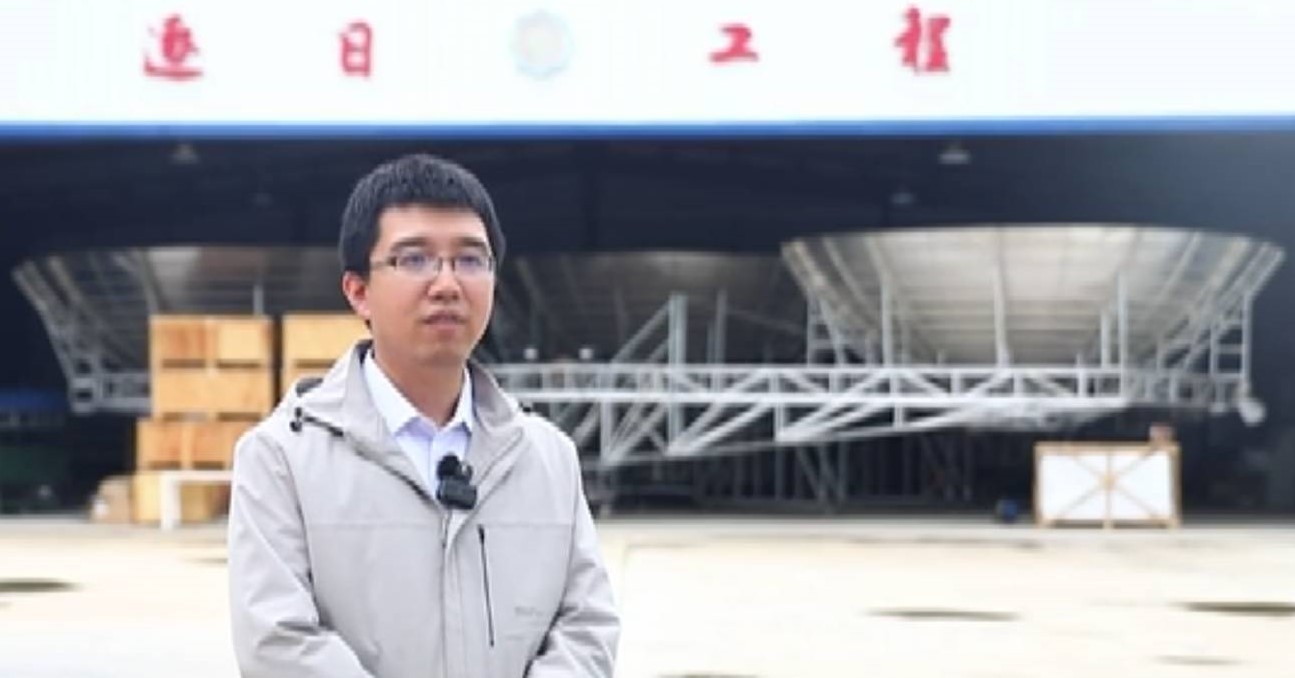
Qian Sihao, associate professor at the School of Electromechanical Engineering at Xidian University.
Image credit: CCTV/Inside Outer Space screengrab
“This means that most of the beams emitted by our transmitting antenna can be precisely captured by the receiving antenna, with very little energy wasted,” Qian adds. “In addition, our overall output power has reached the kilowatt level, which is enough to run a household air conditioner. It can also easily cover everyday needs such as cooking, boiling water, or other domestic uses.”
Power supply for space vehicles
Fan Guanheng, associate professor, School of Mechano-Electronic Engineering at Xidian University, said the construction of space solar power stations could become a major undertaking in the future.
“One potential benefit is access to a virtually unlimited power supply. Because energy can be collected continuously in space 24 hours a day, electricity could be supplied on an uninterrupted basis,” says Fan.
“Secondly, it could reduce our dependence on fossil fuels, thereby lowering carbon emissions and helping protect the environment,” Fan explains.
“Thirdly, it could support the development of charging infrastructure in space and enable wireless microwave charging for spacecraft, changing the way power is supplied to space vehicles,” says Fan.

Fan Guanheng, associate professor, School of Mechano-Electronic Engineering at Xidian University.
Image credit: CCTV/Inside Outer Space screengrab
Ground test system
In 2018, the research team launched the first phase of the Sun Chasing project to build a ground test system.
By June 2022, they had completed the world’s first full-link, full-system ground validation system for a space solar power station.
The team has now moved to phase two. The present goal is to solve the challenges of generating high power in space and transmitting it efficiently over long distances.
Overcoming challenges
Despite the advances in ground-based validation, the researchers add that a series of technical challenges must still be overcome before the technology can be deployed in space.
“The first issue that needs to be addressed is the adaptability of components to the space environment, as conditions in space are completely different from those on Earth, including radiation exposure and extreme temperatures,” Qian says.
“Another challenge involves the deployment and retraction design of transmitting and receiving antennas. We also need to develop thermal management systems to cope with extreme temperatures and temperature fluctuations in space. These are all areas where further breakthroughs are needed,” notes Qian.
In-orbit demonstration
“We have now completed the development and validation of a ground-based test system, and our next step is to carry out in-orbit wireless microwave power transmission,” Fan said.
With ground validation complete, notes CCTV, the team now turns its attention to overcoming the harsh realities of space, “aiming to demonstrate in-orbit wireless power transmission and bring the vision of orbital solar energy closer to reality.”

Image credit: SpaceX
A new study presents the atmospheric impacts of different aspects of spaceflight.
Focus of the research was to appraise the effects of chemical reactions in the rocket plume in setting up a global emission inventory, leading to emission indices that vary with altitude.
The study team was led by Yvar S. W. Vliex, an operations and environment specialist within the faculty of aerospace engineering at Delft University of Technology, Delft, The Netherlands.
Supercomputer-aided study
Researchers calculated emissions from186 rockets launched in 2022 — along with 472 objects equaling a combined total mass of nearly 5,000 tons — that reentered the atmosphere that year.
This research was carried out on the Dutch National Supercomputer Snellius – the largest system in the Netherlands in terms of high-performance computing.
“Although the current atmospheric impact of spaceflight is small, this is expected to change as the sector continues to grow,” Vliex and colleagues explain in the paper, published in the American Geophysical Union’s journal, Earth’s Future.
“As the space industry continues to grow, a better understanding of the effects of re-entry emissions, rocket plume chemistry and aerosols such as those from alumina is required, alongside in situ measurements of emissions from new rocket engines and propellant types,” the study team reports.
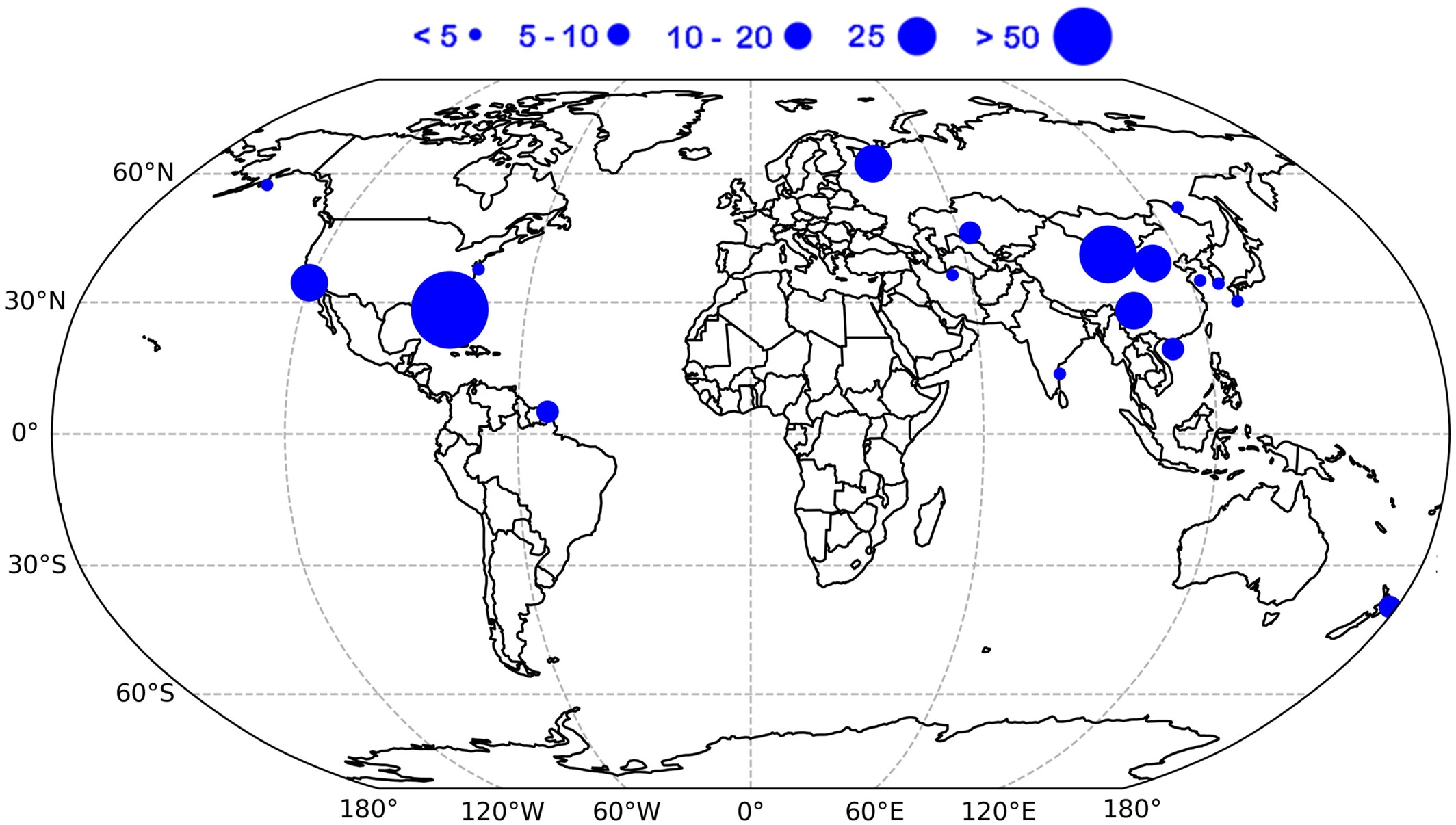
Locations and number of rocket launches in 2022, with marker size indicating launch frequency.
Image credit: Yvar S. W. Vliex, et al.
Launch rate on the rise
The space industry has grown rapidly in recent decades. The yearly launch rate has more than tripled since 2005. Also, the number of operational spacecraft has more than doubled to reach roughly 2,900 Earth orbiting satellites.
“Based on current trends such as the privatization of the space industry, the development of reusable boosters, and the plans for satellite mega-constellations and space tourism, the yearly launch and re-entry rates are expected to increase considerably, with almost 10,000 spacecraft being planned for low-Earth orbits in the upcoming years,” Vliex and colleagues observe.
Atmospheric pollutants
Rocket engines give off pollutants in all layers of the atmosphere, they report, “and the burn-up of satellites and discarded rocket bodies leads to emissions at high altitudes.”
Furthermore, as the space industry is expected to continue to grow rapidly, “a good understanding of its environmental effects is needed.”
The overall climate impact of spaceflight can likely be reduced by using more liquid hydrogen (LH2), a common rocket fuel due to its high efficiency, instead of the Rocket Propellant-1 (RP1) fueled rockets that now dominate the market.
However the low density and cryogenic storage requirements make LH2 less suitable for lower stages.
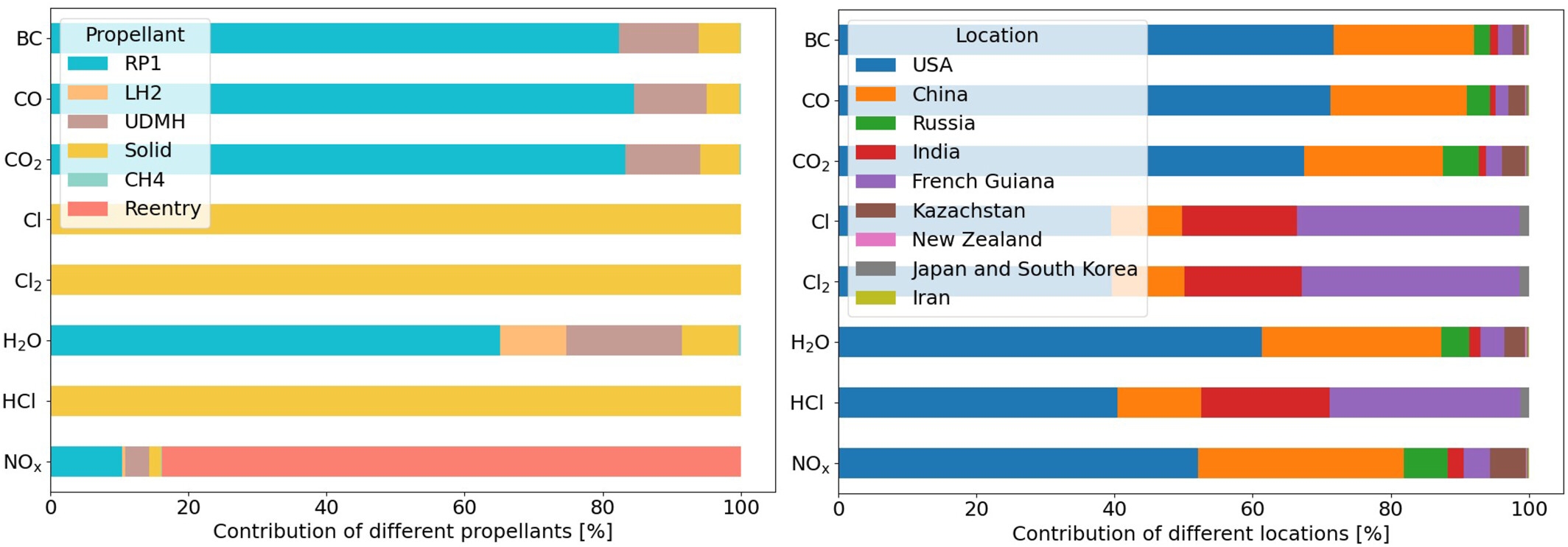
Spaceflight emissions mass contributions for 2022 per propellant type (left) and launch location (right).
Image credit: Yvar S. W. Vliex, et al.
Rocket fuel types
“The current development of liquid-methane rockets will likely reduce the climate impact of spaceflight, as methane is expected to produce less black carbon per unit mass than RP1, but further research is needed to determine how the effect of liquid-methane compares to current propellant types,” Vliex and colleagues add.
Comparing rocket fuel types, solid propellant has the largest impact on ozone depletion. Rocket-grade kerosene has the largest climate response relative to payload mass, they report.
“Our results highlight the need to consider and accurately model re-entry emissions, engine plume reactions and their interactions,” they conclude.
To access the report – “The Role of Propellant Type, Re‐Entry, and Plume Reactions in the Atmospheric Impacts of Spaceflight” – go to:
https://www.repository.cam.ac.uk/items/8d85ab81-c214-4837-a0c6-0feb14cbd382
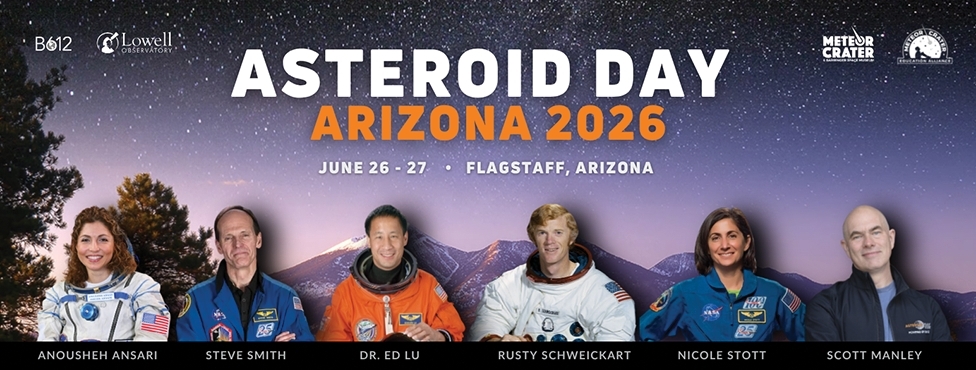
Asteroid Day 2026 explores both the risks asteroids pose to our planet and the extraordinary opportunities they represent for science and exploration.
Five astronauts are converging in Arizona for Asteroid Day, a special event presented by Lowell Observatory, Meteor Crater, and Meteor Crater Education Alliance, with support from the B612 Foundation.
B612 develops tools and technologies to understand, map, and navigate our solar system and protect our planet from asteroid impacts through its Asteroid Institute program and supporting educational programs.
Arizona: asteroid country
Asteroid Day Arizona 2026 is being held June 26-27 in Flagstaff, Arizona.
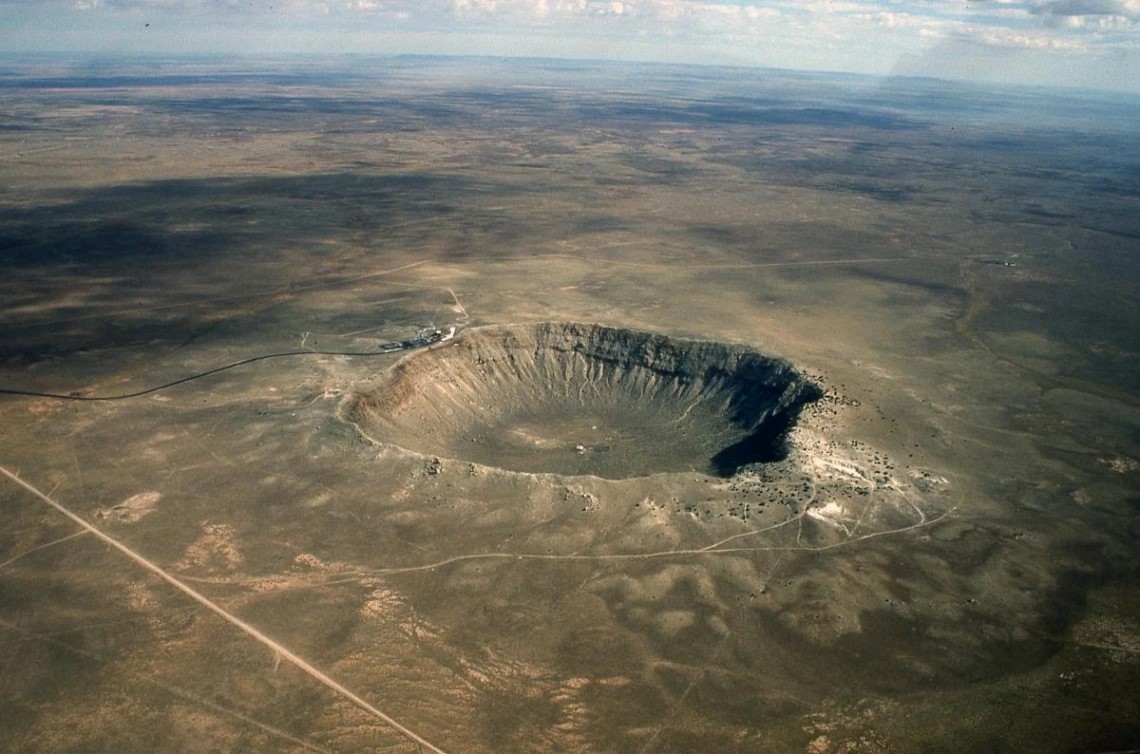
Image credit: Meteor Crater, Arizona: Arizona Geological Survey – AZGS/Dale Nations
“From Luxembourg to Lagos, São Paulo to Mumbai, Asteroid Day has grown into a truly global movement: hundreds of events, more than 190 countries, every June 30. But some places carry the asteroid story in the ground itself. Arizona has been asteroid country for fifty thousand years. We are just making it official,” notes Danica Remy, president of B612 Foundation and co-founder of Asteroid Day.

Apollo 9 astronaut Rusty Schweickart.
Image credit: B612 Foundation/Danica Remy
Schweickart prize
Every year, a prize is awarded to a young scientist working on one of the most important problems our civilization faces: what to do about the rocks in space that could one day threaten life on Earth.
That prize bears the name of Rusty Schweickart, Apollo 9 astronaut and co-founder of B612 and Asteroid Day.
As one of the foremost advocates for planetary defense, Schweickart has long supported building the science, technology, and policies needed to detect and deflect asteroids before they can do what the rock that carved a mile-wide crater into the Arizona desert did some fifty thousand years ago.
“Every year the Schweickart Prize reminds me of why we started B612 in the first place,” Schweickart explains. “The scientists who will defend this planet are out there right now, early in their careers, working on ideas that most people haven’t heard of yet. This prize finds them and says: we see you, we believe in you, and this work matters. That is not a small thing.”
For details about the Schweickart Prize, go to:
https://www.schweickartprize.org/
Program participants
Joining Schweickart for Asteroid Day Arizona 2026:
- Anousheh Ansari, the first Iranian-American in space and first female private space explorer
- Ed Lu, a three-time NASA astronaut and B612 co-founder
- Nicole Stott, four-time NASA astronaut and internationally recognized space artist
- Steve Smith, four-time Space Shuttle astronaut and Arizona native
Also taking part in the event is space science communicator, Scott Manley, as well as Schweickart’s twin sons, Randy and Rusty B. Schweickart, who serve as co-chairs of the Schweickart prize.
The Schweickart prize winner will be announced publicly on June 23 via a live online event open to the press and the public. The formal award ceremony follows on June 27 at Lowell Observatory in Flagstaff, where Schweickart will personally present the $10,000 grant alongside a physical prize that includes a meteorite.

Image credit: Heritage Auctions
Apollo memorabilia
Alongside the Schweickart prize, Heritage Auctions will open a Space Exploration sale on June 23, featuring personally flown Apollo memorabilia from Schweickart himself, consigned by B612, with proceeds supporting the prize.
For auction details, go to:
https://b612foundation.org/schweickart-space-collection-auction-june-2026/
B612 is also launching a separate auction of unflown Schweickart memorabilia. Bidding is now open and will close at 9 pm Pacific Daylight Time on June 26, with proceeds benefiting the Schweickart Prize.
For memorabilia details, go to:
https://www.zeffy.com/en-US/ticketing/schweickart-prize-auction
To access the full Asteroid Day Arizona 2026 program and available ticketing, go to:
https://www.asteroiddayaz.com/
Also, go to the B612 Foundation at:

Imge credit:
Lowell Observatory

