Author Archive
 Author:
  March 21st, 2026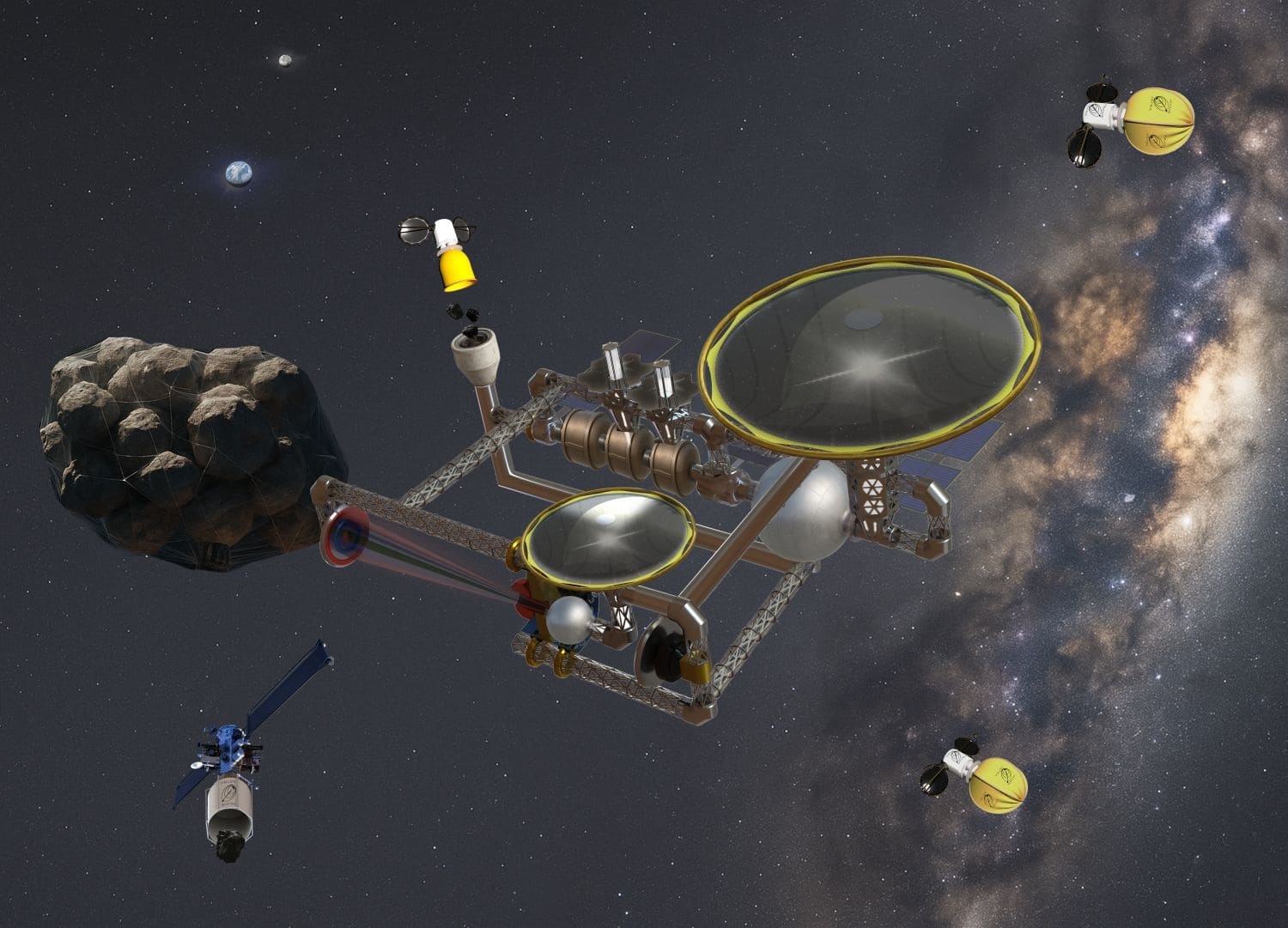
Image credit: TransAstra
Asteroid mining will play a critical role in building the trillion dollar space economy. That’s the visionary mission of Los Angeles – based TransAstra.
To make that quest real, the group is developing four core capabilities: “Detect, Capture, Move, and Process.”
In the bag
In October 2025, TransAstra deployed a “Capture Bag” on the International Space Station. This Flight-Demonstrated Technology is designed to enable orbital debris cleanup and promote responsible space operations for the U.S. Space Force.

Image credit: TransAstra
The Capture Bag is a lightweight, scalable system designed to envelop objects in space, ranging from defunct satellites and spent rocket stages to asteroids.
New Moon
A larger version of the Capture Bag – measuring some 33-feet (10 meters) will be capable of snaring large spacecraft and components for de-orbiting, recycling, or repurposing.
Under the company’s “New Moon” initiative, that sized bag would also be big enough to capture small asteroids for enclosure to enable mining operations in space.

Image credit: TransAstra
In a recently issued video, the company shares more about how their patented technology will allow them to detect, capture, move, and mine asteroids.
Go to:
 Posted in
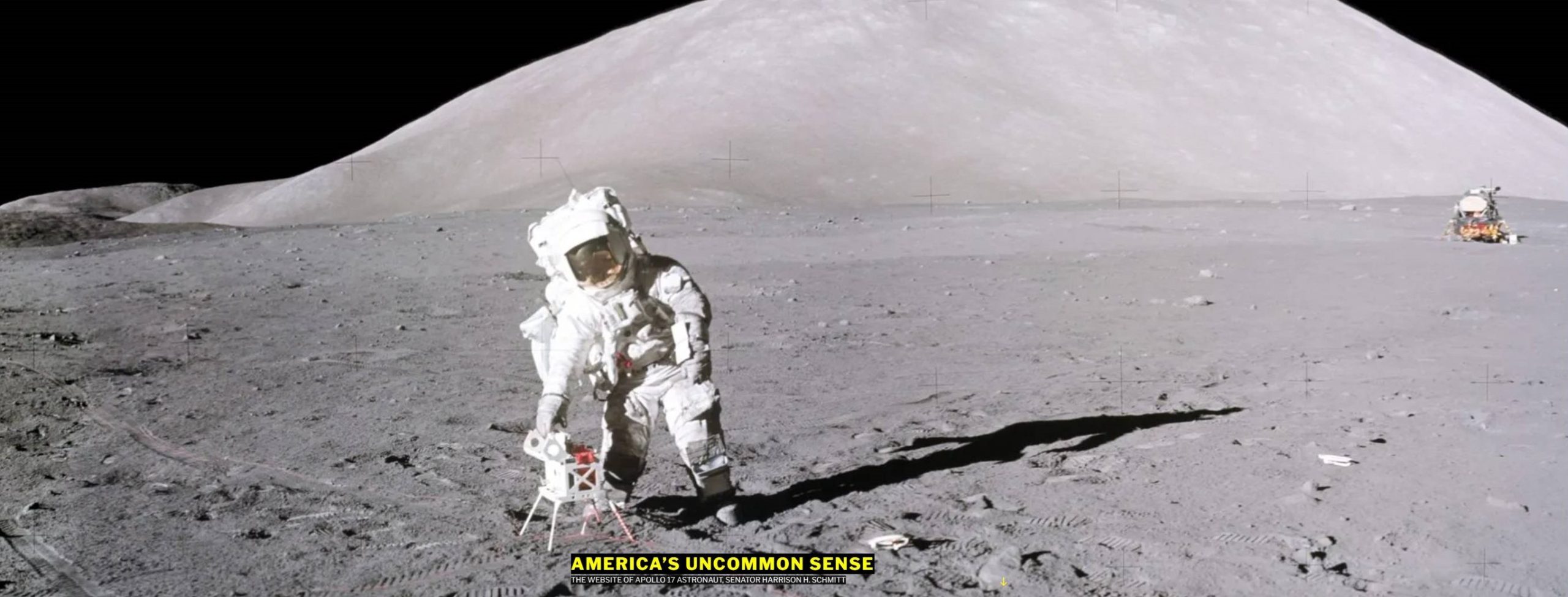
In his online “Diary of the 12th Man”, Harrison Schmitt, Apollo 17 astronaut, has completed another chapter with a section dedicated to “Origin of Life.”
“I have undertaken a long-running project to write a personal account of the Apollo 17 Mission on which I flew to the Moon as the Lunar Module Pilot and scientist,” explains Schmitt. “This diary also attempts to integrate much of the mission’s scientific results to date with the operations that were necessary to explore the valley of Taurus-Littrow.”
Ronald Wells, Editor-in-Chief, notes that Chapter 13, Section 2, focuses on the origin of life here on our home planet and extends lunar regolith geology to a water-rich Earth.
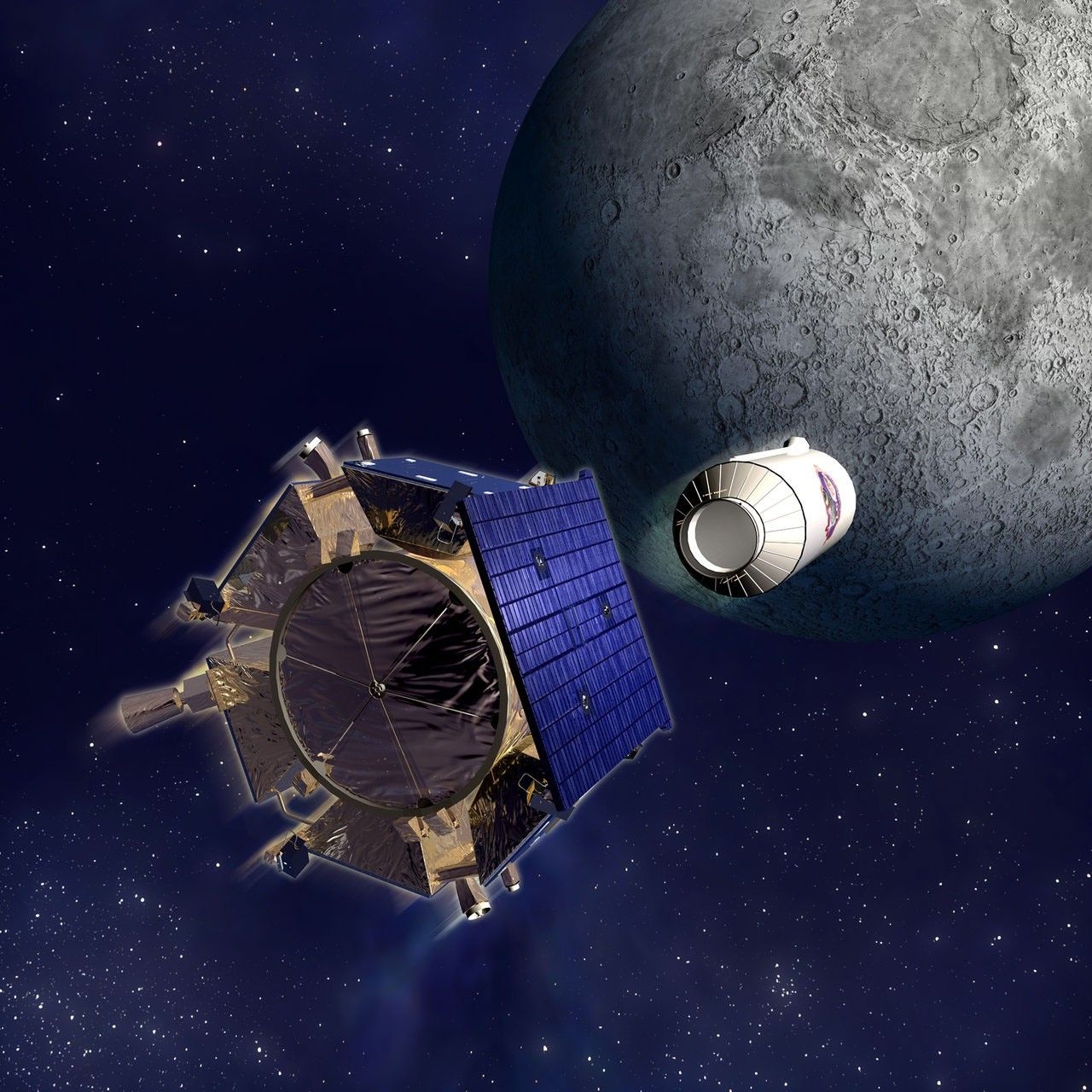
Artist’s rendering of the LCROSS spacecraft and Centaur separation at the Moon.
Image credit: NASA
“The section presages the possible eventual return of similar regolith material by the Artemis astronauts from lunar south polar areas where H2O has been detected,” Wells notes, for example, by NASA’s Lunar Crater Observation and Sensing Satellite (LCROSS) and its Centaur stage that impacted the Moon in October 2009.
That purposely crashed mission was to determine if water-ice exists in a permanently shadowed crater at the Moon’s south pole. NASA formally announced that data from LCROSS “indicates that the mission successfully uncovered water…near the Moon’s south pole.”
Readers can access this chapter and sections in the right sidebar at:

Mike Melvill, the first commercial astronaut, and the first person to travel into space aboard a privately funded spacecraft.
Image credit: Courtesy photograph
SpaceShipOne was the experimental spaceplane developed by Scaled Composites in Mojave, California.
Melvill’s 2004 flight (September 29) along with the late Brian Binnie in SpaceshipOne (October 4, 2004) enabled the project team run by noted aerospace designer, Burt Rutan, to win the Ansari X Prize of $10 million.
Melvill made his second spaceflight in SpaceShipOne, completing the first of the required two flights to qualify for the Ansari X-Prize competition meant to incentivize the creation of reliable, reusable, privately funded spaceflight.
“Very sad — it seems impossible that there are still Apollo astronauts alive, while my two SpaceShipOne Astronauts are now gone,” Rutan told Inside Outer Space.
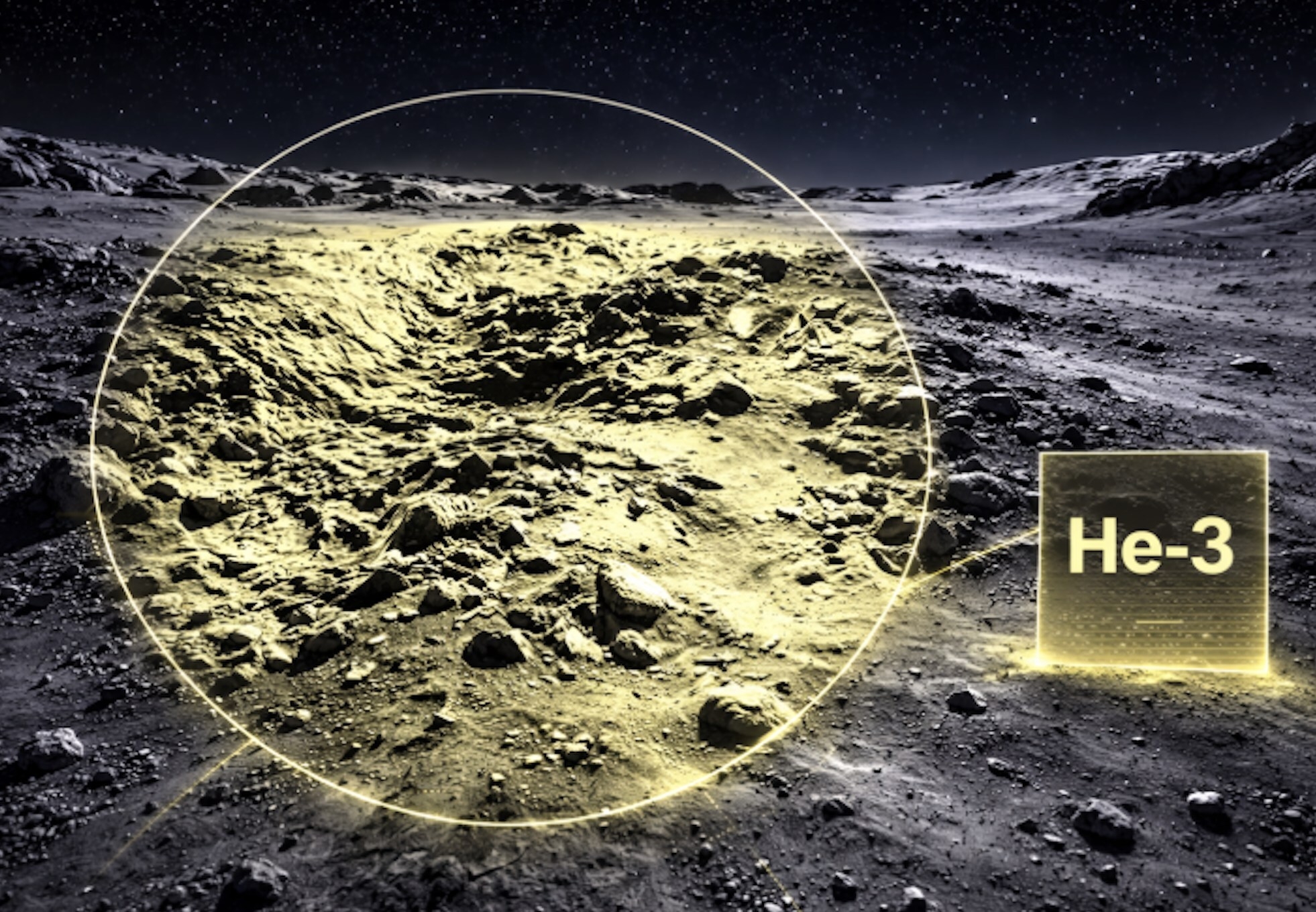
Image credit: Black Moon Energy Corporation
Moon mining for Helium-3 has been given a boost by the U.S. Department of Energy’s Isotope Program (DOE IP).
Black Moon Energy Corporation of Houston, Texas has announced it has secured a contract to supply Helium-3 to the DOE IP. That contract marks a key milestone in the company’s intention to develop the first commercial supply of lunar Helium-3.
DOE IP is the only federal entity authorized to sell and distribute Helium-3.
Scalable reserve within reach
“Helium-3 is extraordinarily scarce on Earth. Small trace amounts escape annually from the Earth’s core, but the primary terrestrial supply is derived from the decay of nuclear materials—an expensive and very limited source,” states Black Moon Energy.

Moon as viewed from the International Space Station:
Image credit: Matthew Dominick/NASA
“In contrast, the Moon has accumulated abundant quantities of Helium-3 in its regolith over billions of years through continuous exposure to the solar wind, making it the only known scalable reserve within our reach,” a company statement adds.
Lunar delineation mission
The company’s commercial roadmap targets Helium-3 production at scale within the next eight years. As part of its agenda, the firm aims to execute one robotic lunar delineation mission within five years to collect data, perform experiments, and “de-risk” future Helium-3 production for long-term development.
By supplying the isotope a number of mission-critical applications involve national security and government research needs, as well as medical diagnostics, quantum computing, cryogenics and fusion energy.
Moon merchants
Back in May 2025, another Helium-3 via the Moon vender, Interlune, announced that the DOE IP has agreed to purchase three liters of helium-3 harvested from the Moon for delivery on Earth at approximately today’s commercial market price. The delivery date is no later than April 2029.

Image credit: Interlune
Go to my earlier Space.com story on lunar Helium-3 mining at:
https://www.space.com/astronomy/moon/mining-the-moon-can-you-make-money-harvesting-helium-3
Also, go to this informative video produced by IEN Magazine at:

Wait-a-Minute!
Image credit: Barbara David
Yet another wait-a-minute moment.
While it remains unclear whether or not new NASA Administrator Jared Isaacman favors putting in place a lunar Gateway, the European Space Agency has just released a schematic overview of the multi-component station.
The lunar Gateway is envisioned by advocates as the first international space station around the Moon, dedicated to supporting the most distant human space missions ever attempted.

Image credit: ESA
This outpost is to be assembled for operation around the Moon, providing a place for crew members to live and work in lunar orbit.
Gateway is to serve as a base for scientific research of the deep space environment, a host for technology development and demonstration experiments, as well as a staging post supporting exploration missions to the lunar surface and beyond.

The Gateway space station will operate in a Near Rectilinear Halo Orbit supporting crewed Artemis missions to the moon.
Image credit: NASA/Alberto Bertolin, Bradley Reynolds
Key elements
In addition to payloads that will fly to this new space station, the European Space Agency (ESA) is contributing three key elements to the Gateway: Lunar I-Hab, Lunar View and Lunar Link. Together, these provide a habitable space for astronauts, refueling, storage and telecommunication capabilities, and windows to view space and the Moon.
The Gateway is to be assembled this decade, built as part of the Artemis program in an international collaboration between ESA, NASA and the space agencies of Canada (CSA), Japan (JAXA) and the United Arab Emirates (MBRSC).

Wait-a-Minute!
Image credit: Barbara David
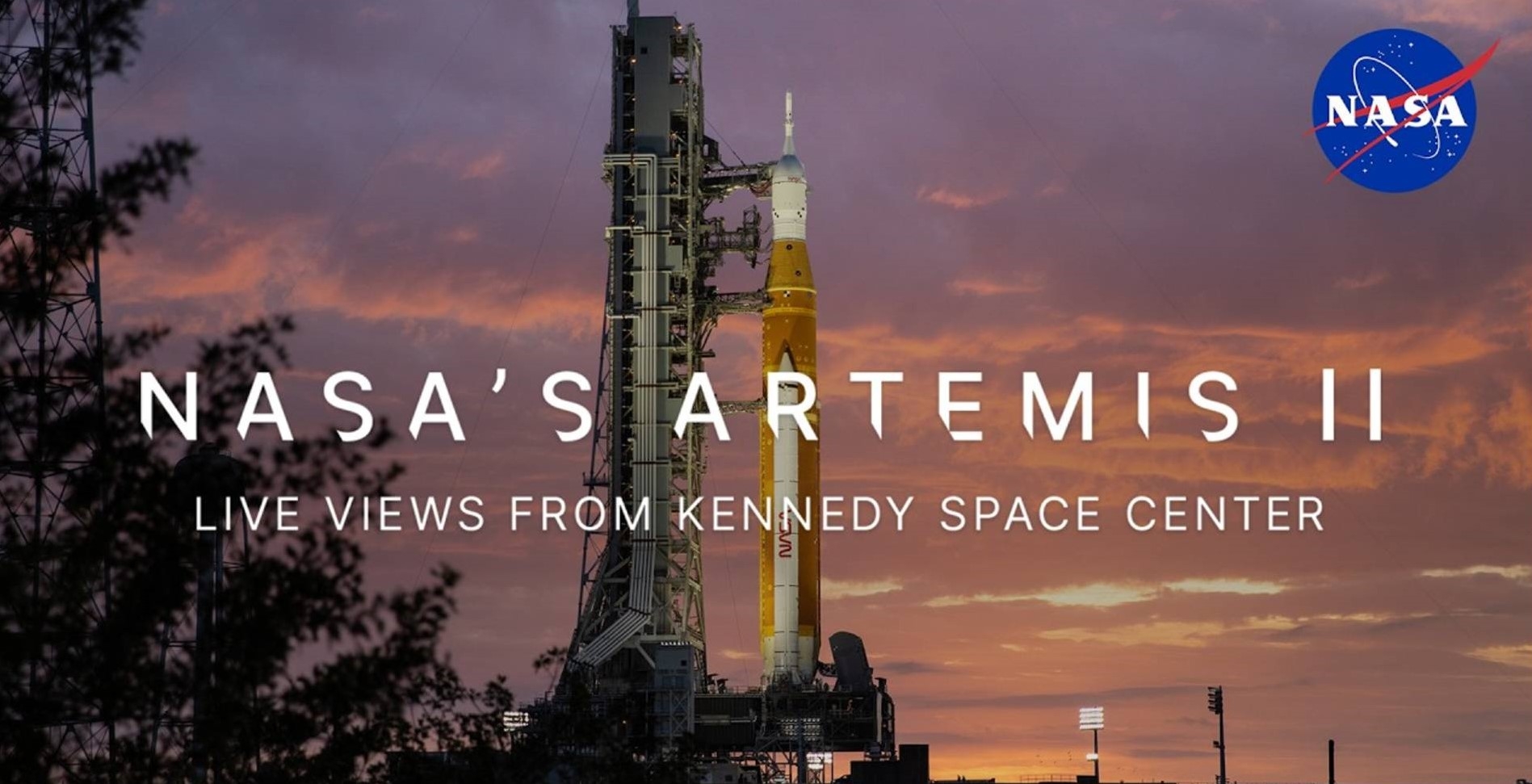
Image credit: NASA
Engineers are targeting 8 p.m. Eastern Daylight Time today, Thursday, March 19, to start rolling the Artemis II Space Launch System (SLS) rocket and Orion spacecraft to Launch Pad 39B at the NASA’s Kennedy Space Center in Florida.
NASA’s crawler-transporter 2 will make the four-mile route from Kennedy’s Vehicle Assembly Building to the launch pad. The journey can take up to 12 hours.
The window for the Artemis II launch with its four-person crew opens as early as Wednesday, April 1, with liftoff opportunities through Monday, April 6.

Four astronauts have been selected for NASA’s Artemis II mission: Commander Reid Wiseman, pilot Victor Glover, mission specialist Jeremy Hansen from the Canadian Space Agency, and mission specialist Christina Koch from NASA.
Image credit: NASA
The mission management team will assess flight readiness across the spacecraft, launch infrastructure, and the crew and operations teams before selecting a launch date.
To watch the rollout, it will be streamed on NASA’s You Tube channel.
Go to:
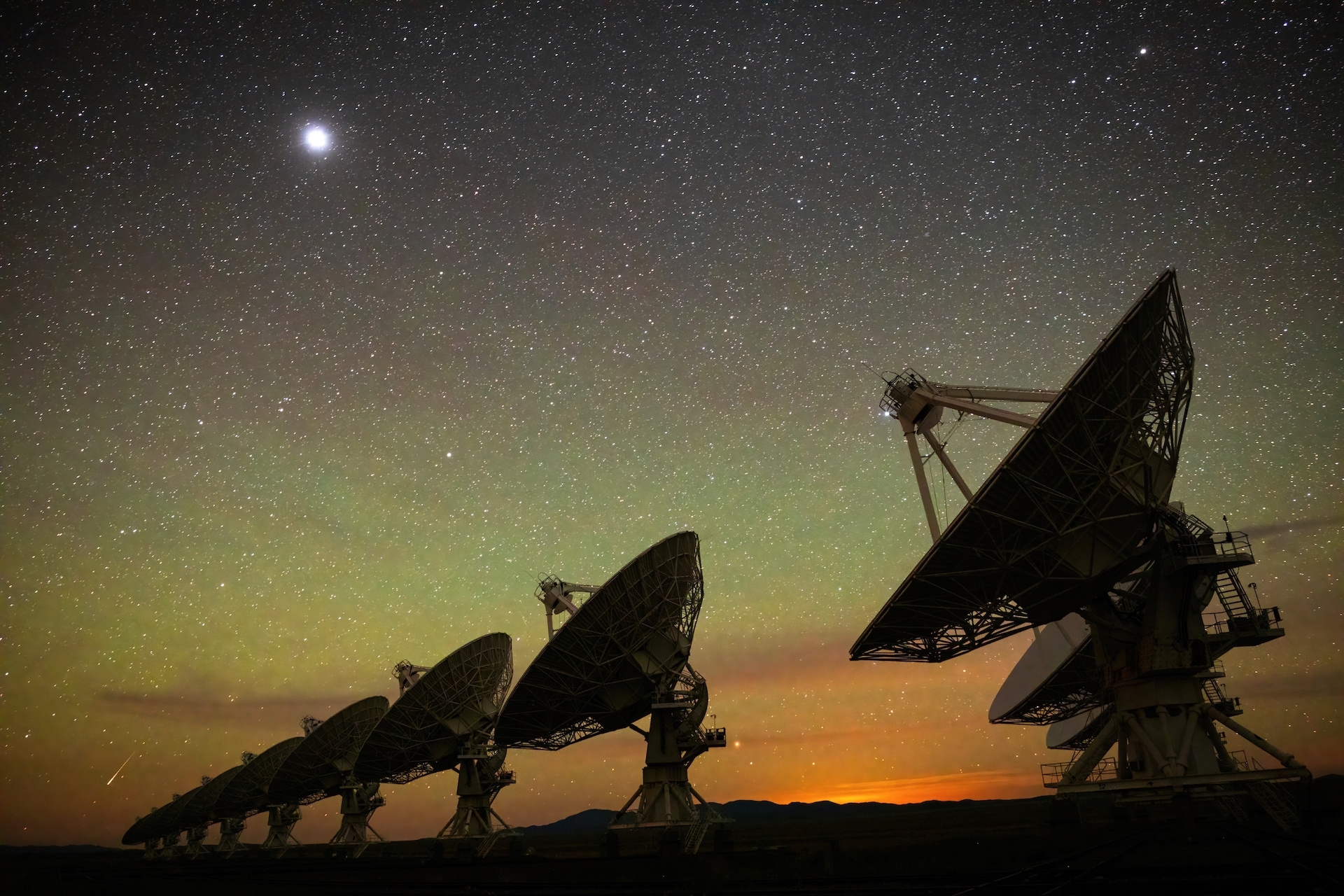
New Mexico’s Very Large Array (VLA) – on the SETI trail.
Image credit: Bettymaya Foott, NRAO/AUI/NSF
Back in 1961, astronomer Frank Drake put chalk to chalkboard and devised a formula to estimate the number of communicative civilizations in the Milky Way. Just how many alien societies exist and are detectable?
Then there’s the paradoxical and cosmological query asked a decade earlier by physicist Enrico Fermi. If indeed there is a believed likelihood of ET out there, where is everybody?
Home alone, naturally?
Over the decades, researchers have been trying to come to terms with and sort out answers. The Search for Extraterrestrial Intelligence (SETI) is a mix of technology, super-smart software, patience, gently whipped into a concoction of optimism…but also pessimism.
Since there’s not been a clear, distinct, confirmed, vetted, and voiced confirmation of any alien signal from afar, it all gets shoved into the “Great Silence” and we’re home alone bin of belief.
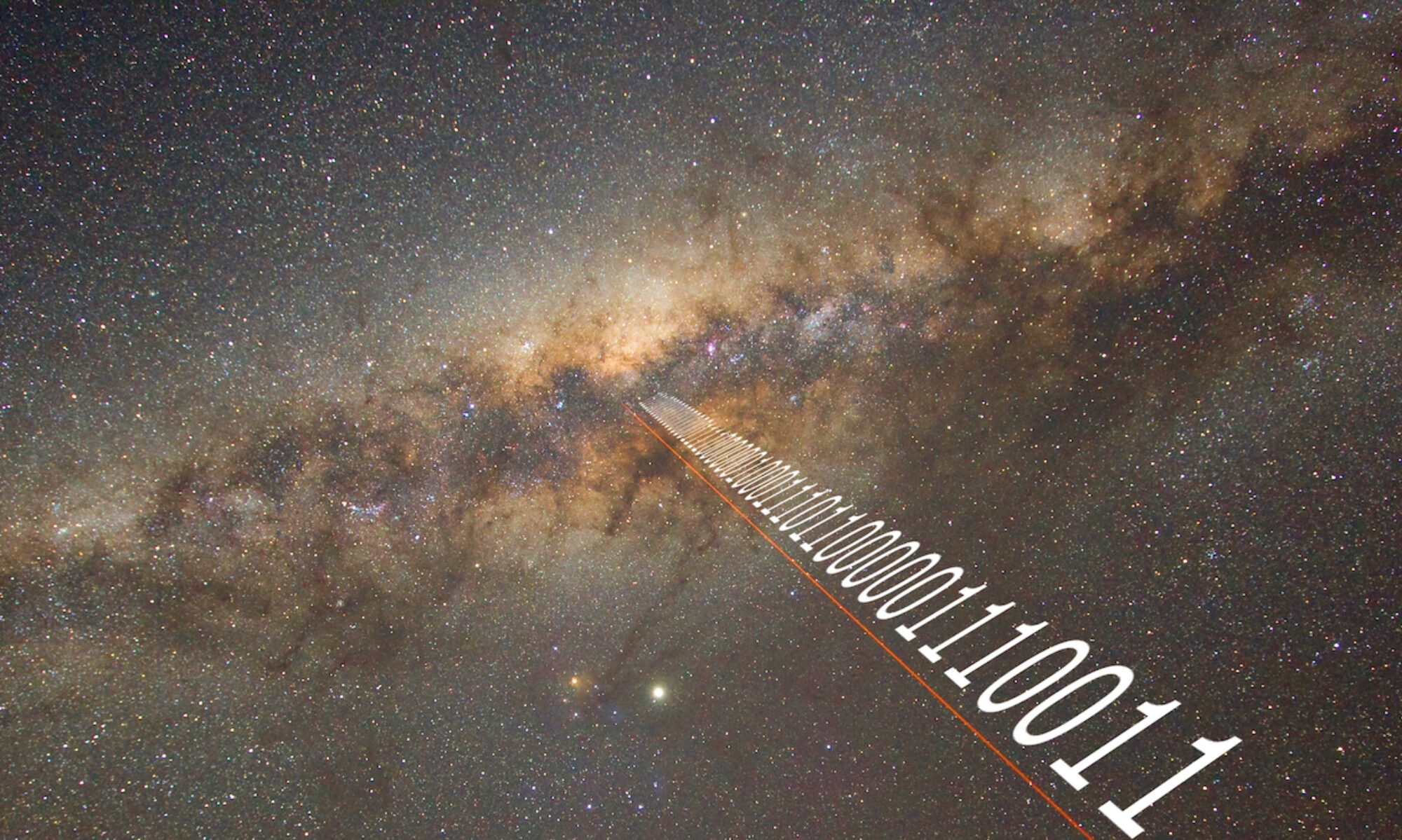
Decades of listening for SETI signals suggest to a “Great Silence.” But maybe nobody wants to communicate with Earth?
Image credit: UCLA SETI
New thinking on this quagmire of thinking is offered by Erik Geslin, an associate professor of interactive media at Noroff University College in Norway.
Go to my new Space.com story – “Where are all the aliens? Maybe they just don’t want to talk to us” – at:
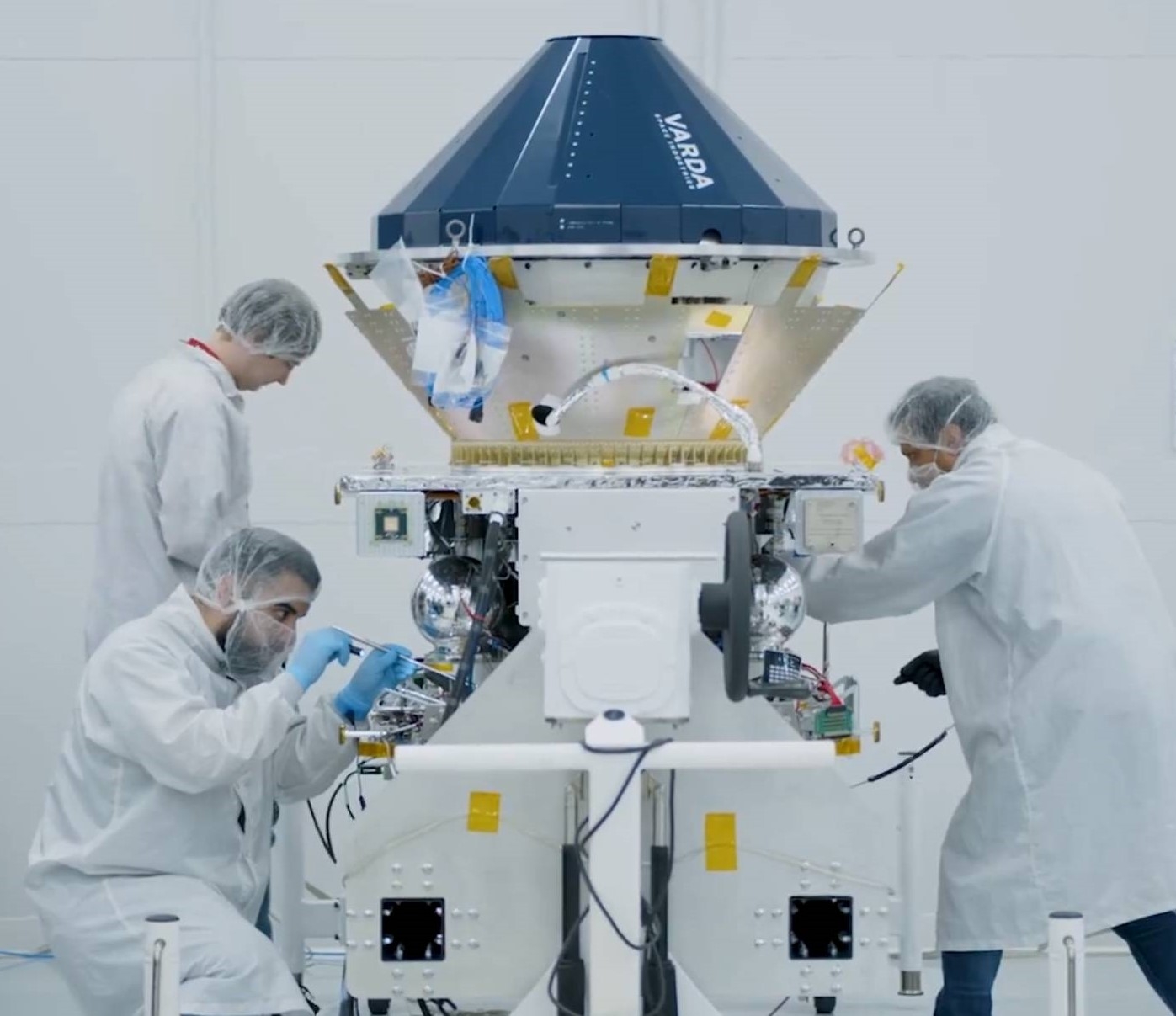
Pre-launch photo shows technicians working on the Varga capsule-mounted spacecraft.
Image credit: Rocket Lab
There has been a streamlining of all launch and reentry licensing announced by the Federal Aviation Administration (FAA).
Those commercial space license approvals will now occur under the Part 450 rule, which consolidates four old rules into one. It provides more flexibility and more methods of compliance, reducing the administrative and cost burdens on industry and the FAA.
In a March 17 FAA statement, the organization issued the Part 450 rule during the first Trump administration as commercial space operations started to rapidly grow. For five years, the old and new regulations were in effect simultaneously to provide a transition period for operators to obtain a Part 450 license.

Image credit: SpaceX
Part 450 reduces the number of times an operator needs an FAA license approval and allows one license for a portfolio of operations, different vehicle configurations and mission profiles, and even multiple launch and reentry sites.
Operators that transitioned legacy licenses by the March 9, 2026, deadline include: Blue Origin’s New Shepard, Firefly Aerospace Alpha booster, SpaceX Falcon 9 / Falcon Heavy and Dragon, Rocket Lab’s Electron, and United Launch Alliance Atlas and Vulcan boosters.
The FAA has issued 14 Part 450 licenses since the rule took effect in March 2021. To view all licenses, go to:
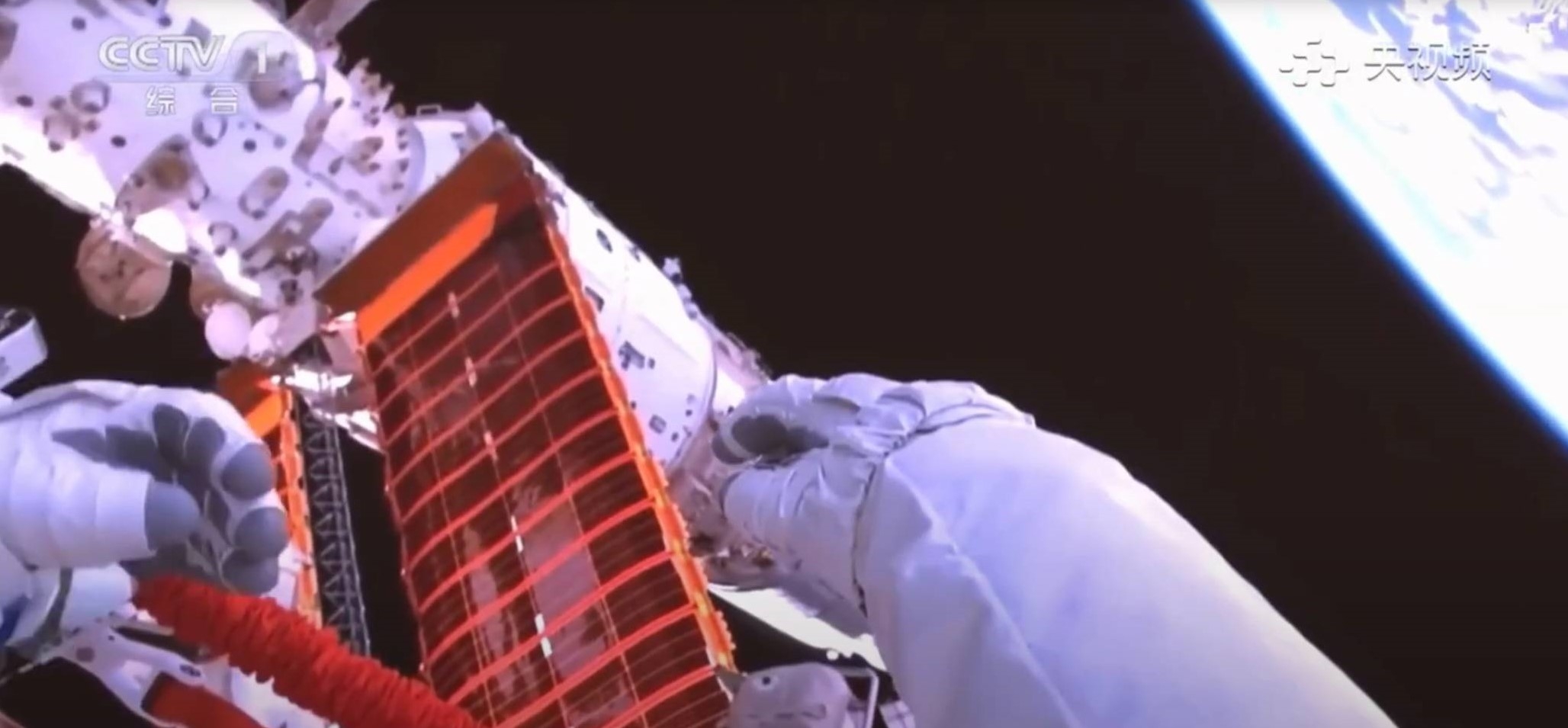
Image credit: CCTV/CMSEO/Inside Outer Space screengrab
China’s Shenzhou-21 crew aboard the country’s orbiting space station completed their mission’s second series of extravehicular activities (EVAs) today, according to the China Manned Space Agency (CMSA).
The astronaut spacewalkers — Zhang Lu, Wu Fei — worked for roughly seven hours and completed their tasks, assisted by the space station’s robotic arm, stay-inside colleague Zhang Hongzhan, and a team on Earth.
What was done?
The trio completed the installation of a space debris protection device for the space station along with other tasks. Zhang Lu and Wu Fei, who have conducted spacewalk operations, returned to the Wentian lab module safely, according to the CMSA.

China’s Tiangong space station as imaged by MAXAR satellite.
Image credit: MAXAR
Since completing the first series of EVAs on Dec. 9, 2025, the Shenzhou-21 crew have also conducted in-orbit training exercises, including rendezvous and docking, medical rescue, and emergency lifesaving.
According to the mission plan, additional EVAs will be carried out by the crew during the Shenzhou-21 mission.
Zhang Lu has so far carried out six EVAs, making him one of the Chinese astronauts with the most spacewalks to date.
Go to CCTV video detailing the recent spacewalk at:
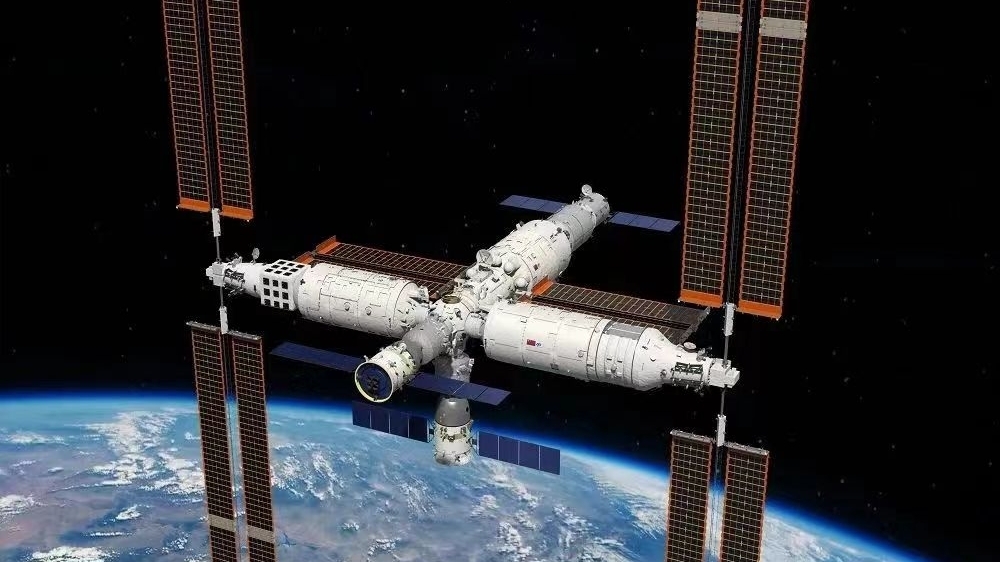
Artwork depicts China’s Tiangong space station.
Image credit: China Manned Space Agency
China’s Shenzhou-21 astronauts continue to perform a series of tasks aboard the country’s Tiangong space station, including in-orbit experiments, equipment maintenance and health
The China Manned Space Agency (CMSA) said on March 15 that the crew — mission commander Zhang Lu and astronauts Wu Fei and Zhang Hongzhang — have spent more than four months in orbit and remain in good health.
This Shenzhou-21 trio departed the Jiuquan Satellite Launch Center in northwest China on October 31, 2025, boarding the space station for a six-month mission.
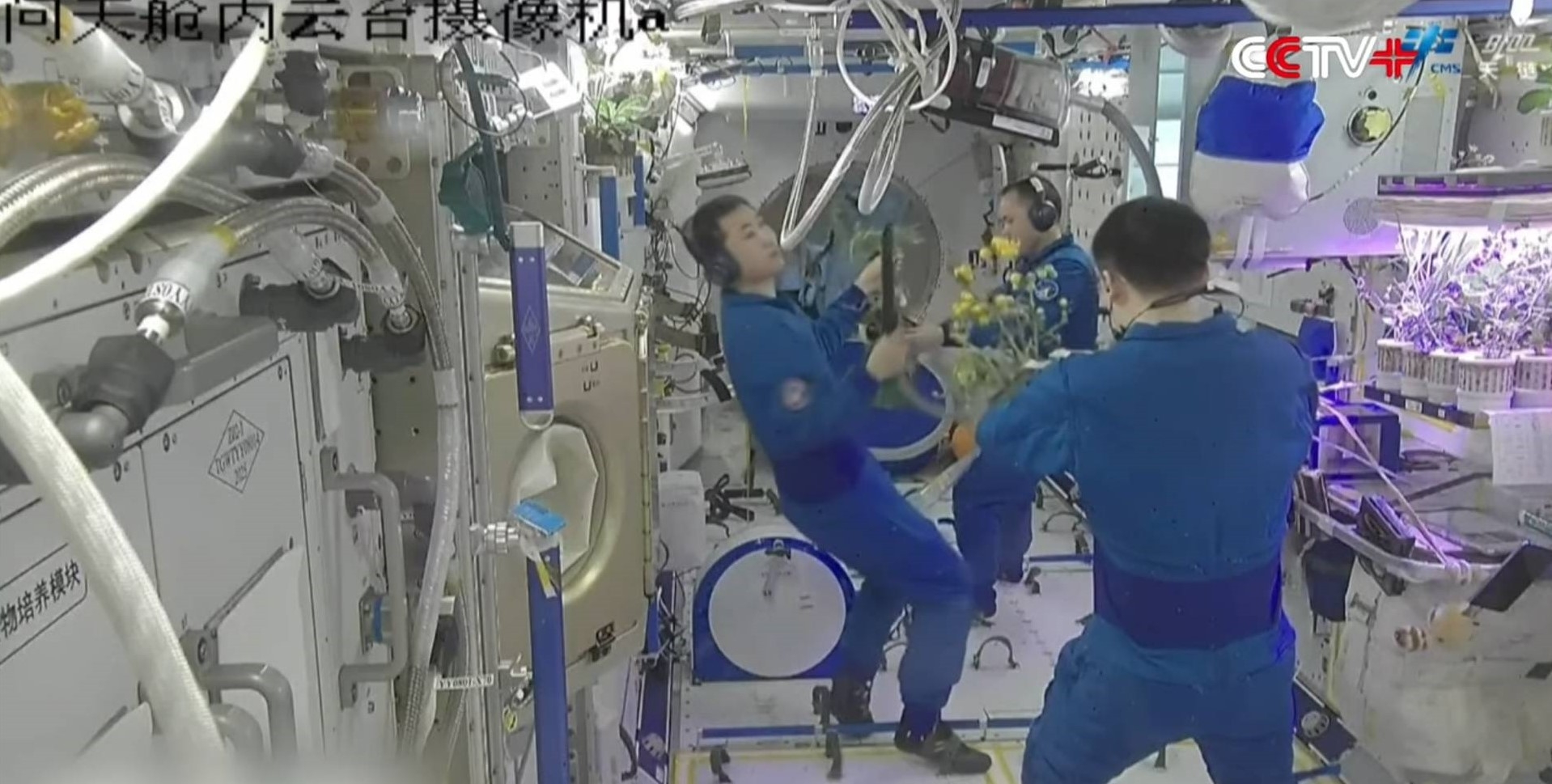
Image credit: CCTV/Inside Outer Space screengrab
Cultivating work
As reported by the China Central Television (CCTV), inside the station’s core module, cherry tomatoes cultivated using a water aeroponic device are thriving.
Crew members documented the plants with photos, harvested ripe fruit and sealed both plants and produce separately for preservation.
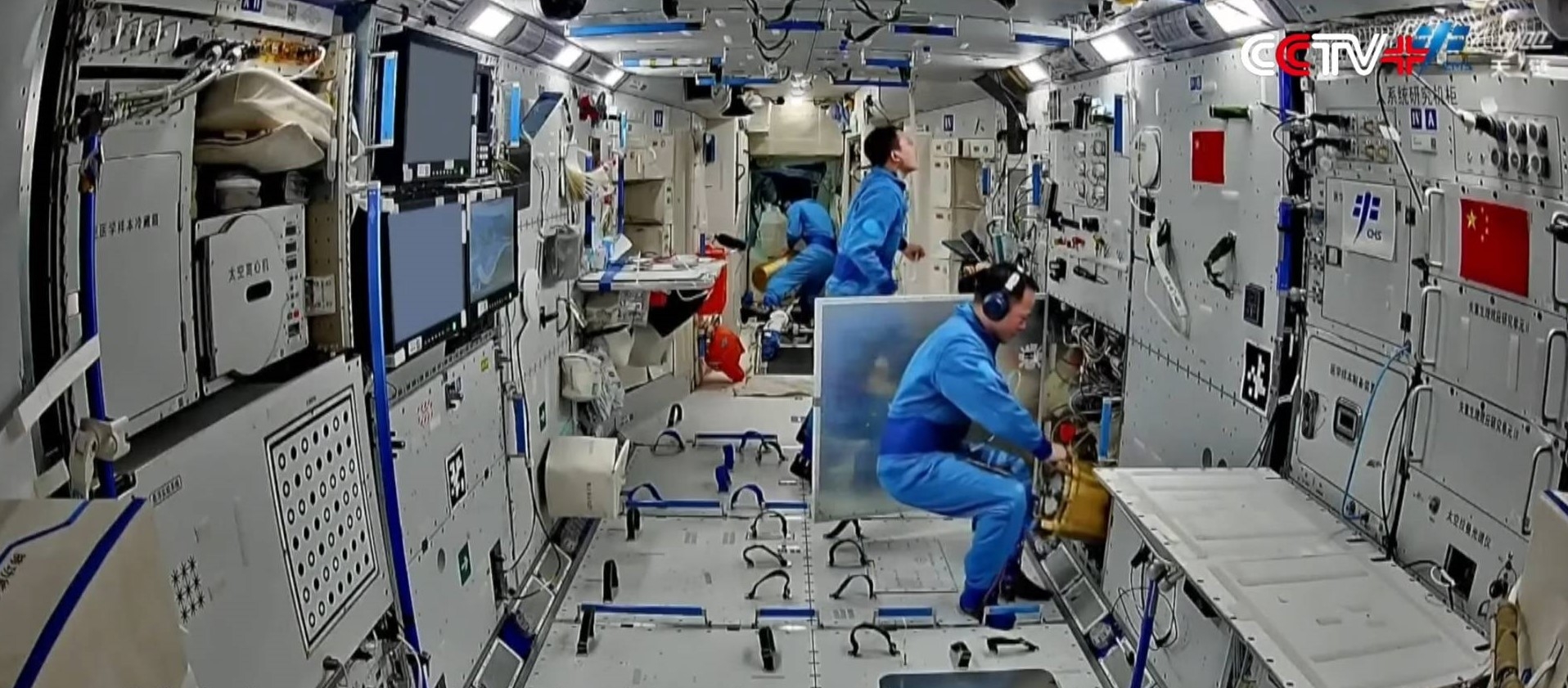
Image credit: CCTV/Inside Outer Space screengrab
“Building on the success of the cherry tomato cultivation, the team will conduct aeroponic experiments with wheat, carrots, and both medicinal and edible plants as planned,” CCTV reports. “These trials aim to validate key technologies and expand the range of crops and technical capabilities for space cultivation.”
Materials science
Space materials science tasks include cleaning the experimental chamber in the unpressurized compartment, replacing experimental samples, maintaining the electrodes of the central mechanism, and cleaning the window cover of the central mechanism.
Crew members also completed microgravity combustion science experiments, such as replacing the burner and sampling cover inside the experiment cabinet.
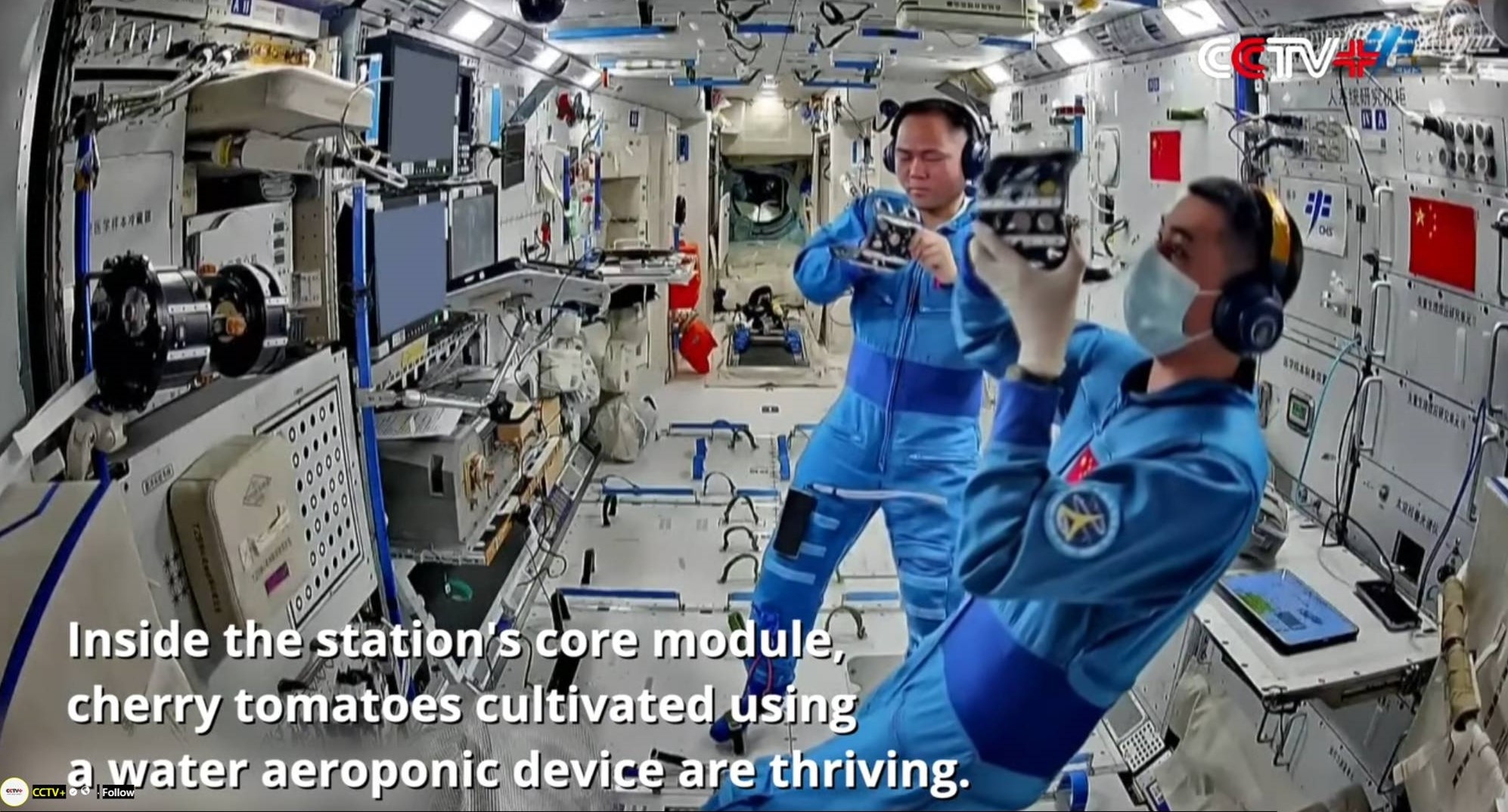
Image credit: CCTV/Inside Outer Space screengrab Crew members also completed microgravity combustion science experiments, such as replacing the burner and sampling cover inside the experiment cabinet.
Medical training
As for maintenance of the regenerative life support system equipment, the Shenzhou-21 team monitored microorganisms and carried out medical training. Doing so, reports CCTV, helps familiarize the astronauts with the rescue operation methods and force application characteristics in a microgravity environment.
For a video spotlighting life aboard China’s station, go to:

