Author Archive
 Author:
  July 24th, 2025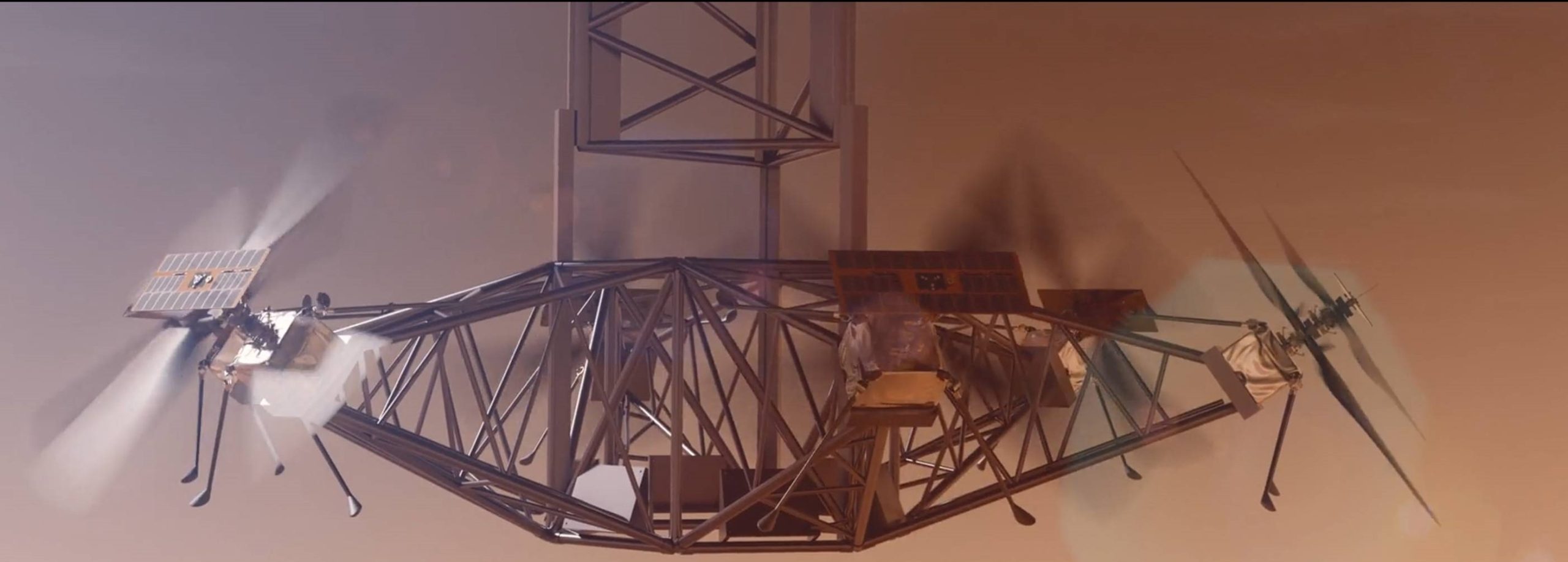
Image credit: AeroVironment/Inside Outer Space screengrab
A new Mars exploration idea seemingly would drop a hornet’s nest of helicopters from high above the Red Planet.
The idea comes from the world of unmanned aerial vehicle (UAV) concepts here on Earth, but fashioned for Mars.
AeroVironment of Arlington, Virginia and NASA’s Jet Propulsion Laboratory today aired Skyfall, a potential concept for next-generation Mars Helicopters to help pave the way for human landing on Mars through autonomous aerial exploration.

NASA’s Ingenuity Mars Helicopter is seen with Jezero Crater in an image captured by the Mastcam-Z instrument aboard the space agency’s Perseverance Mars rover.
Image credit: NASA/JPL-Caltech/ASU/MSSS
For more information, go to my new Space.com story – “Wild new ‘Skyfall’ Mars mission would drop 6 scout helicopters onto the Red Planet from the air” – at:
 Posted in
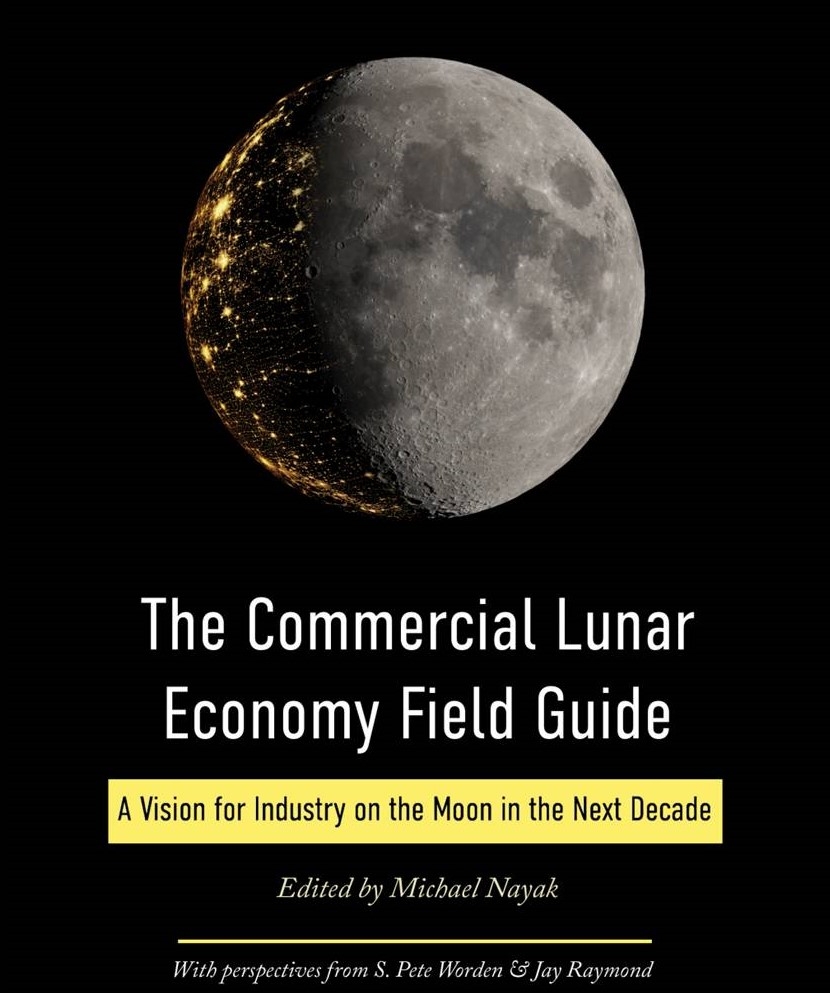
Image credit: Air University Press
The transformation of Earth’s Moon to an industrial site is fully explored in a new publication.
The Commercial Lunar Economy Field Guide: a vision for industry on the Moon in the next decade is fully explored in the document, issued by Air University Press, stationed at Maxwell Air Force Base, Alabama.
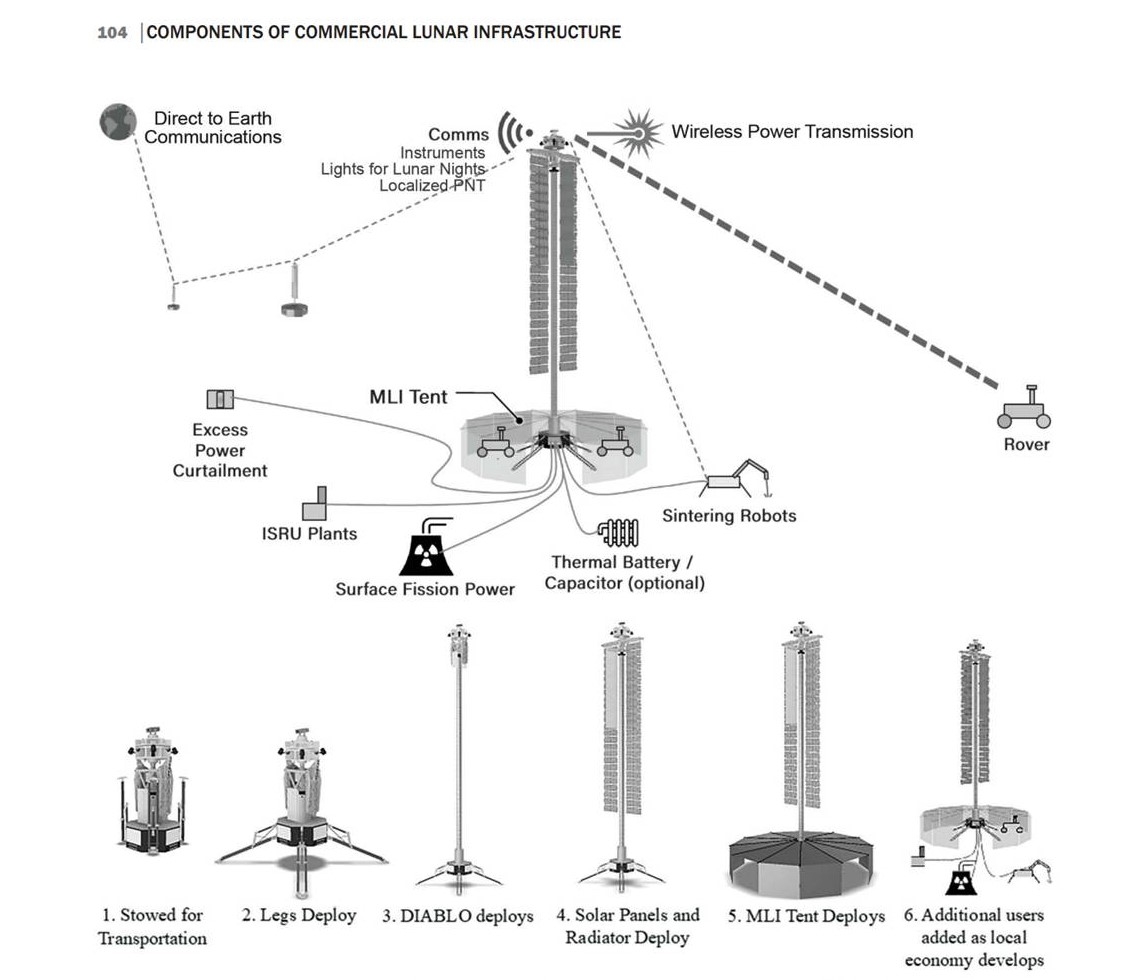
Image credit: Honeybee Robotics
“At the heart of the Moon’s transformation from a distant dream to a vibrant marketplace is the Defense Advanced Research Projects Agency’s groundbreaking LunA-10 initiative, a ten-year blueprint aimed at forging scalable lunar infrastructure and unlocking the economic potential of our closest celestial neighbor,” explains this invaluable resource.
“This book serves as your guide to foundational technology concepts that will help move the nation into future off-Earth economic development.”
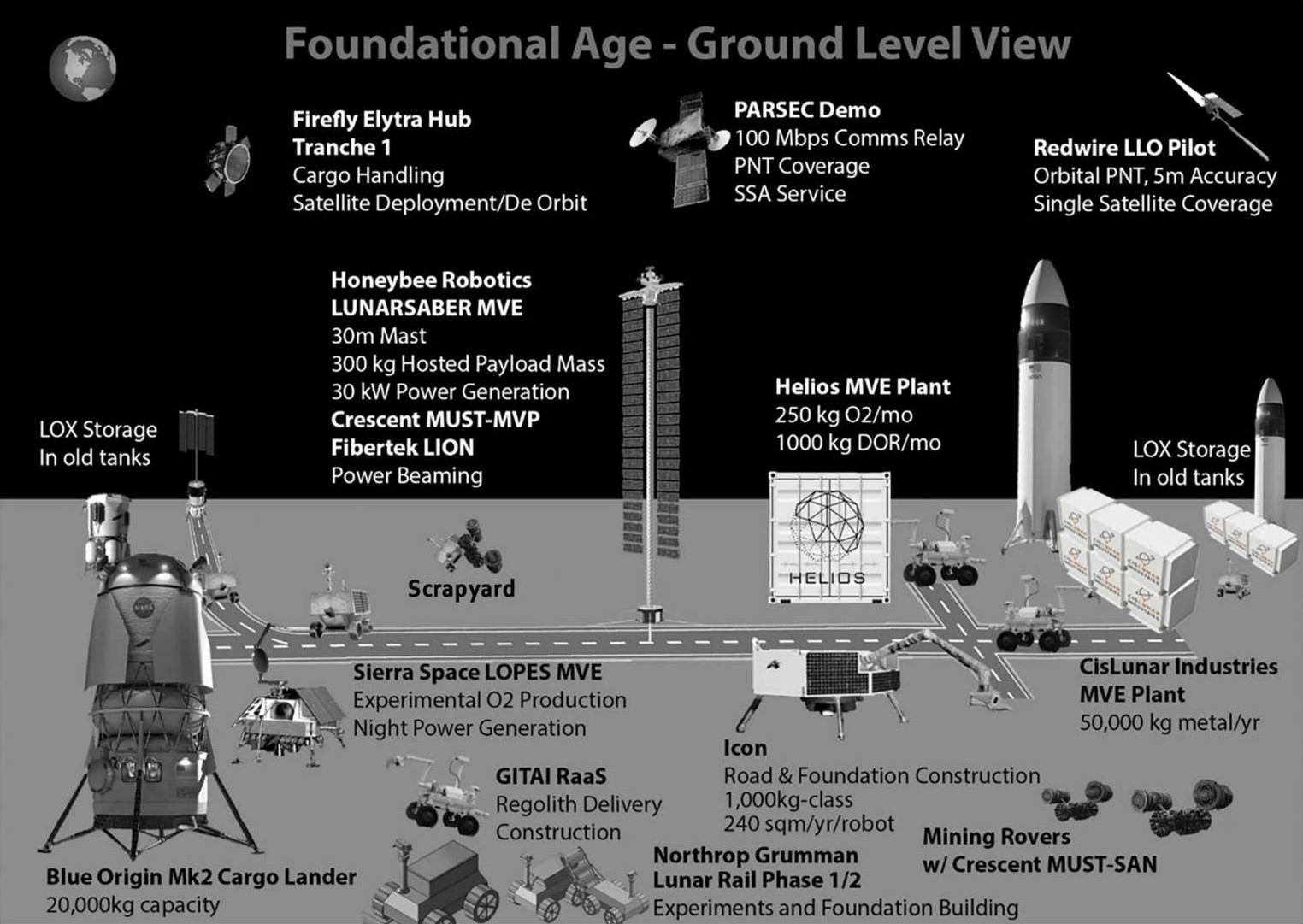
Image credit: Air University Press
Edited by Michael Nayak, a DARPA program manager, The Commercial Lunar Economy Field Guide offers an unprecedented technical, economic, and commercial roadmap for a literal “Moon makeover.”
The book’s 23 chapters fleshes out the foundational technology concepts sparked by early individual scientific efforts to create self-sufficient, monetizable services for future lunar buyers and sellers; and sustain off-Earth economic vibrancy.
For free access to this invaluable document, go to:

Image credit: Air University Press

Image credit: Buzz Aldrin via X
Pope Leo XIV marked the 56th anniversary of man’s arrival on the Moon with a visit to the Vatican astronomical observatory in Castel Gandolfo and a call to Apollo 11 astronaut Buzz Aldrin on July 20.
At the astronomical observatory located in the Pontifical Villas, Leo took a close look at the telescopes that have supported celestial exploration from a faith-based perspective for decades.
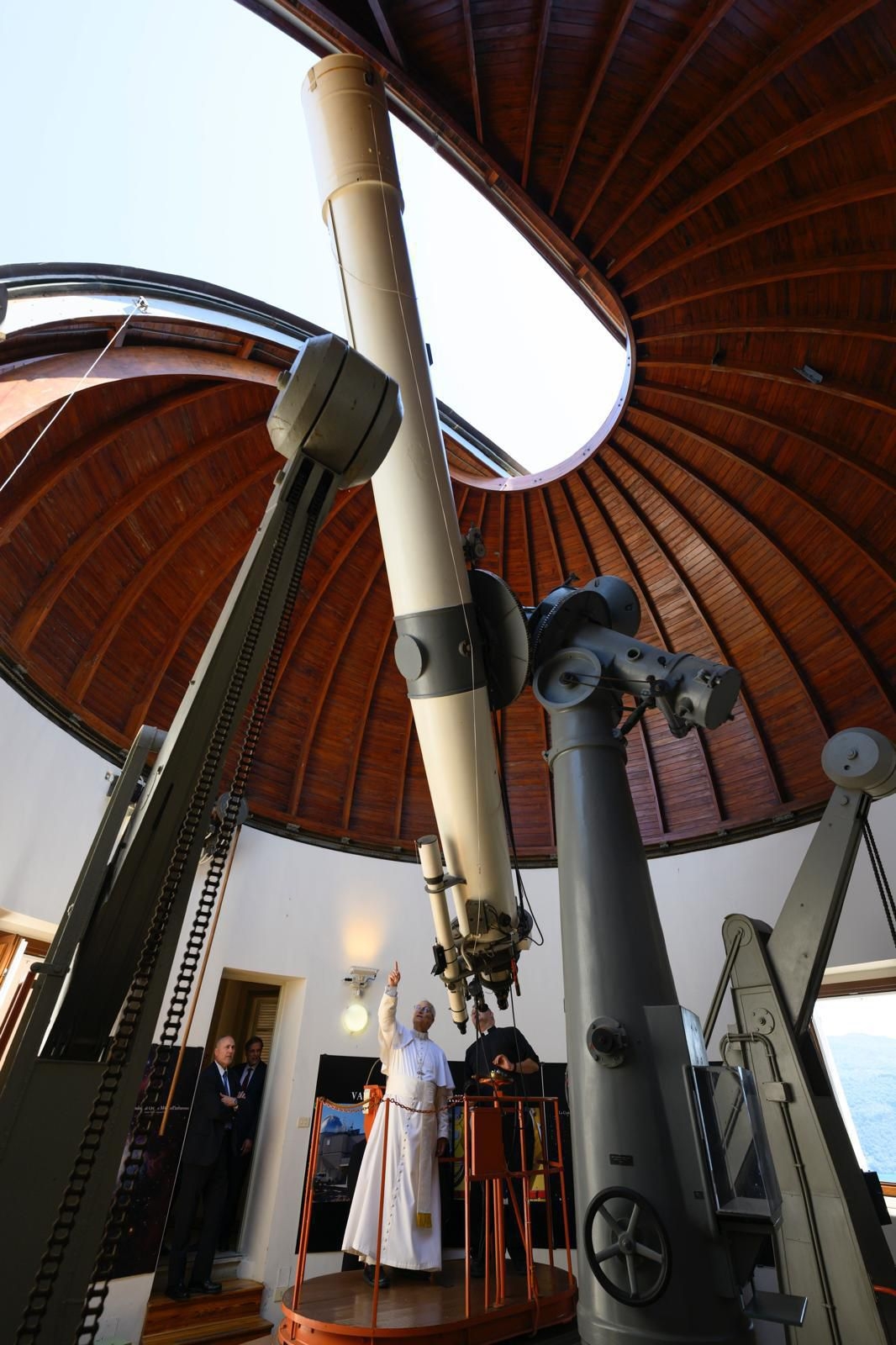
Image credit: The Holy See Press Office
“This evening, 56 years after the Apollo 11 moon landing, I spoke with the astronaut Buzz Aldrin. Together we shared the memory of a historic feat, a testimony to human ingenuity, and we reflected on the mystery and greatness of Creation,” Leo posted on X.
Mystery of Creation
Reports Buzz Aldrin on X: “Anca and I were grateful and touched to receive the highest blessing today, from His Holiness, Pope Leo XIV on the 56th Anniversary of the Apollo 11 moon landing. What an honor! We prayed for good health, long life, and prosperity for all humankind.”
According to the Vatican News, “with the words of Psalm 8, together they meditated on the mystery of Creation, its greatness and its fragility. Before the end of the phone call, the Pope blessed the astronaut, his family, and his collaborators.”

Apollo 11 moonwalkers, Neil Armstrong and Buzz Aldrin.
Credit: NASA
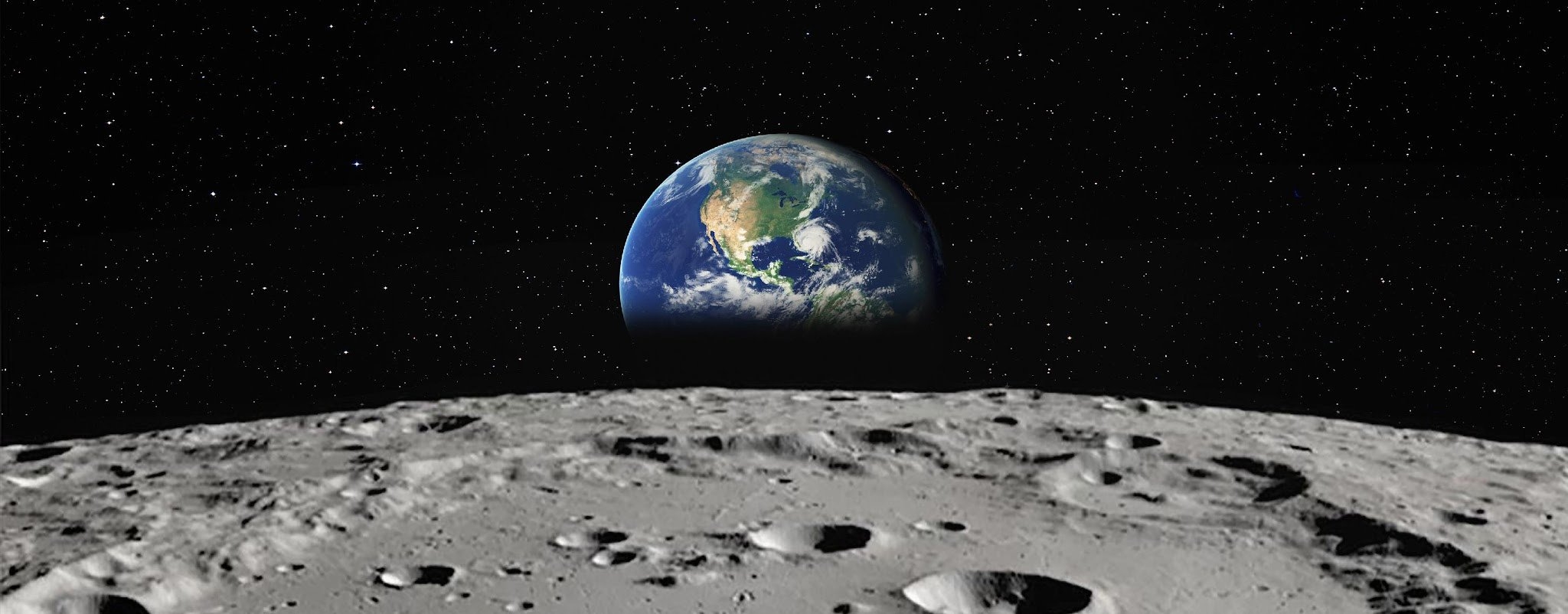
Image credit: Stand Up For Science
In response to the Trump administration’s dismantling cuts and devastating attacks on NASA programs and missions, the Stand Up For Science has published the “Voyager Declaration” – a statement to Interim NASA Administrator Sean Duffy.
This document constitutes a “Formal Dissent,” and raises a set of concerns, including “a permanent loss of capability to the United States both in space and on Earth” actions that will “jeopardize NASA’s core mission.”
For detailed information, go to:

Image credit:: Glenn Beck Podcast /Inside Outer Space screengrab
A Glenn Beck Podcast features a conversation with astronaut Jared Isaacman.
When President Trump nominated him to be the new head of NASA, he ran into a firestorm of turbulence that he’s not used to navigating: D.C. politics.
“Jared Isaacman may be the ultimate embodiment of the American dream, or he’s possibly the real-life version of Tom Cruise’s “Top Gun” character, Maverick. He is a wildly successful businessman who started a billion-dollar company out of his parents’ basement when he was a teenager. He has never been in the military, yet he owns and flies his own fighter jets,” Beck notes.

Jared Isaacman, mission commander for Polaris Dawn.
Image credit: Barbara David
Isaacman is an astronaut who has worked with SpaceX, and became the first civilian in history to perform a spacewalk. When President Trump nominated him to be the new head of NASA, he seemed like an ideal outsider choice who would soar to confirmation.
Isaacman sits down with Glenn Beck to tell the story behind his thwarted nomination, including whether Elon Musk played a role and why America must defeat China in the new space races, including artificial intelligence.
Fascinating video below, at:
Apollo 11 moonwalkers, Neil Armstrong and Buzz Aldrin.
Credit: NASA
This Sunday marks 56 years since Apollo 11 astronauts Neil Armstrong and Buzz Aldrin first walked across that “magnificent desolation” of Earth’s Moon.
A just-released CBS News poll has found that most Americans favor America returning to moon, as well as head for the distant dunes of Mars.
Moon to Mars
“There is a lot of public favor for the idea of the U.S. returning to the Moon, and also for eventually going to Mars. About two-thirds do, while a third does not,” reports Anthony Salvanto, CBS News’ executive director of elections and surveys.

NASA’s Lunar Reconnaissance Orbiter has used its high-powered camera system to provide looks at the Apollo 11 landing site. The remnants of Neil Armstrong and Buzz Aldrin’s historic first steps on the surface are seen as dark paths around the Lunar Module (LM), Lunar Ranging RetroReflector (LRRR) and Passive Seismic Experiment Package (PSEP), as well as leading to and from Little West crater.
Image credit: NASA/GSFC/Arizona State University
The CBS News/YouGov survey was conducted with a nationally representative sample of 2,404 U.S. adults interviewed between June 18-23, 2025. The margin of error is ±2.6 points.
Findings
Salvanto observes several other findings in the poll:
- Younger Americans who are not old enough to remember the first Moon landing are especially in favor, perhaps looking forward to seeing that exploration in their lifetimes. These views generally cut across ideological and party lines, as well.
- The first Moon landing in 1969 continues to loom large in the public mind, all these years on — a big majority says it was worth doing, while just under a quarter says it was not. Views were comparable back when this was asked at the 40th and 50th anniversaries of the Apollo 11 landing.
- That may be partly because, in general, Americans tend to think the space program adds at least somewhat to feelings of national pride.
- People tend to think the space program also contributes some — if not necessarily a lot — to technological contributions from which everyone can benefit.
Go to this informative video on poll outcomes at:
https://youtu.be/KSgQ1PmqiBM?si=Q-fdDUZVWRWQxKuV
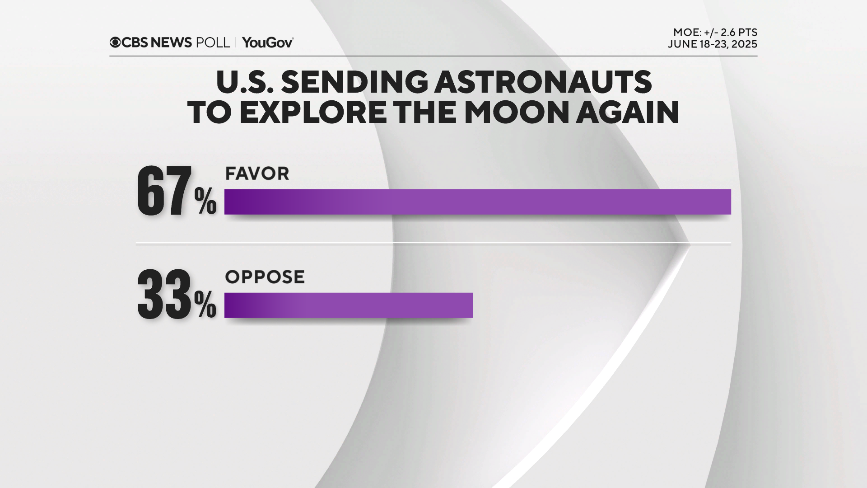

Image credit: NASA
A Georgia Tech study warns that increasing lunar traffic could lead to costly collision avoidance maneuvers. What’s now needed is better coordination to manage growing risks in cislunar space.
While collision probabilities in orbits around the Moon are very low compared to Earth orbit, spacecraft in lunar orbit will likely need to conduct multiple costly collision avoidance maneuvers each year.
The research has appeared in the Journal of Spacecraft and Rockets.
Moon maneuvers
“Our analysis suggests that satellite operators must perform up to four maneuvers annually for each satellite for a fleet of 50 satellites in low lunar orbit (LLO),” said one of the study’s authors, Brian Gunter, an associate professor in the Georgia Tech Daniel Guggenheim School of Aerospace Engineering.

NASA’s Lunar Reconnaissance Orbiter (LRO).
Credit: NASA’s Goddard Space Flight Center Conceptual Image Lab
According to the paper, a series of simulations were performed, using high-fidelity dynamics, in which the current 6 lunar satellites and approximately 50 future space objects were examined. Probabilities of collisions were computed and logged for those events that would likely result in a collision avoidance maneuver, along with other metadata regarding the location and parameters related to the conjunction.
“Our analysis suggests that satellite operators must perform up to four maneuvers annually for each satellite for a fleet of 50 satellites in low lunar orbit (LLO),” the researchers report. “With just 10 satellites in LLO, a satellite might still need a yearly maneuver. Most close encounters are expected to happen near the equator.”
Close approaches
The research work, led by Stef Crum, a 2024 graduate of Georgia Tech’s aerospace engineering doctoral program, said the work underscores the need for improved space domain awareness in the lunar environment.
“The close approaches were much more common than I would have intuitively anticipated,” Crum commented in a university press statement. Considering the small number of satellites in lunar orbit, “the need for multiple maneuvers was ‘really surprising.’”

Korea Moon orbiter.
Credit: KARI
The research points to a key finding: If operators aren’t coordinated about how they plan lunar missions, opportunities for collision will increase in “popular” orbits.
For more information, go to “Cislunar Orbit Collision Probability Analysis” in the bimonthly Journal of Spacecraft and Rockets published by the American Institute of Aeronautics and Astronautics (AIAA) at:
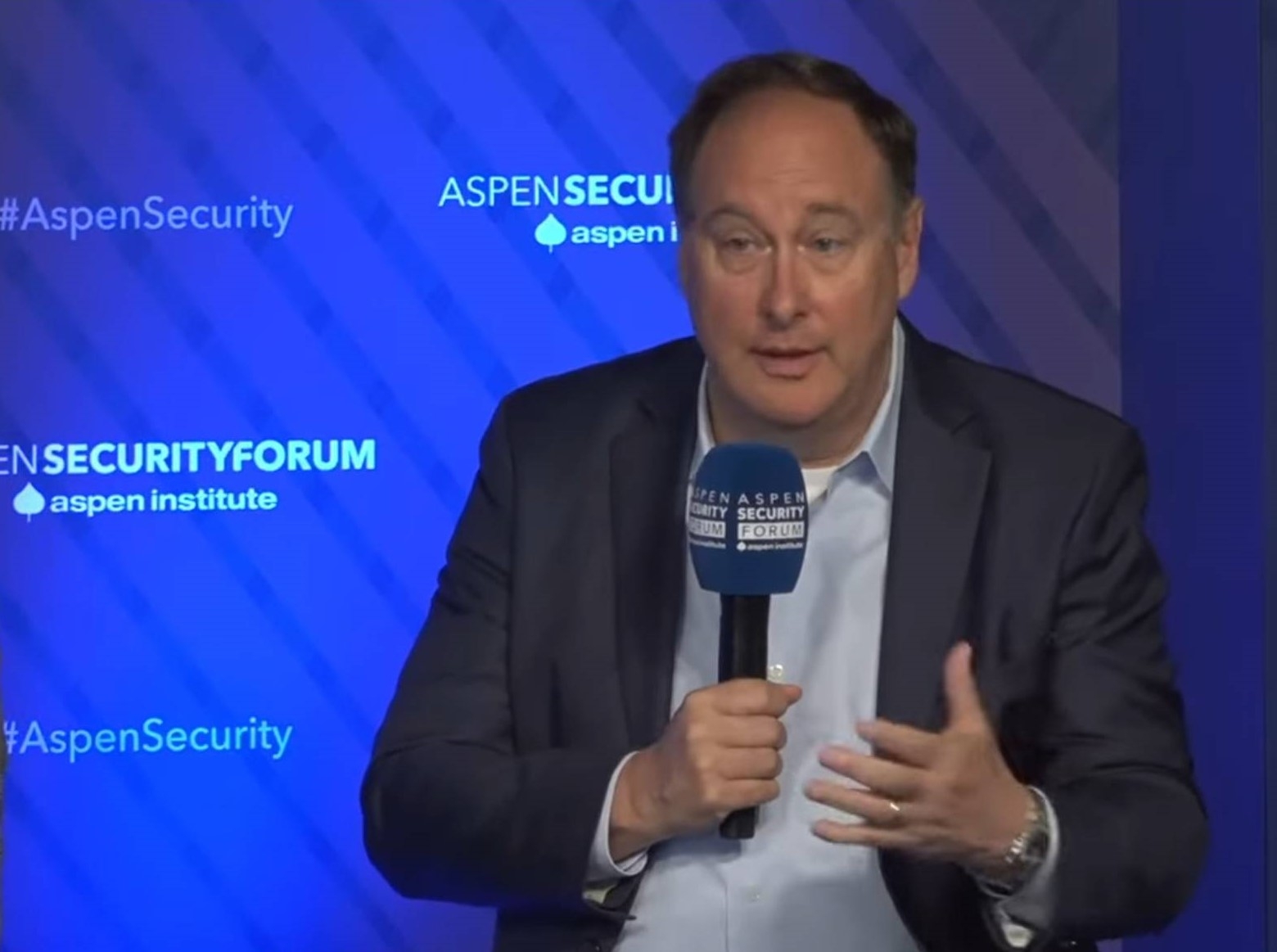
Robert Lightfoot, President, Lockheed Martin Space. Image credit: Aspen Institute/Inside Outer Space screengrab
The Aspen Institute hosted a July 16 panel of top-notch space security thinkers:
Jane Harman, Chair, Council on Foreign Relations Task Force on U.S. Space Policy; Former Congresswoman; Chair, Commission on the National Defense Strategy; Aspen Institute Trustee
Nina Armagno, Chair, Council on Foreign Relations Task Force on U.S. Space Policy; Former Lieutenant General, U.S. Space Force
General Tim Ray, President and Chief Executive Officer, Business Executives for National Security; Former Commander, Air Force Global Strike Command
Robert Lightfoot, President, Lockheed Martin Space
The panel was moderated by Gordon Lubold of NBC News.
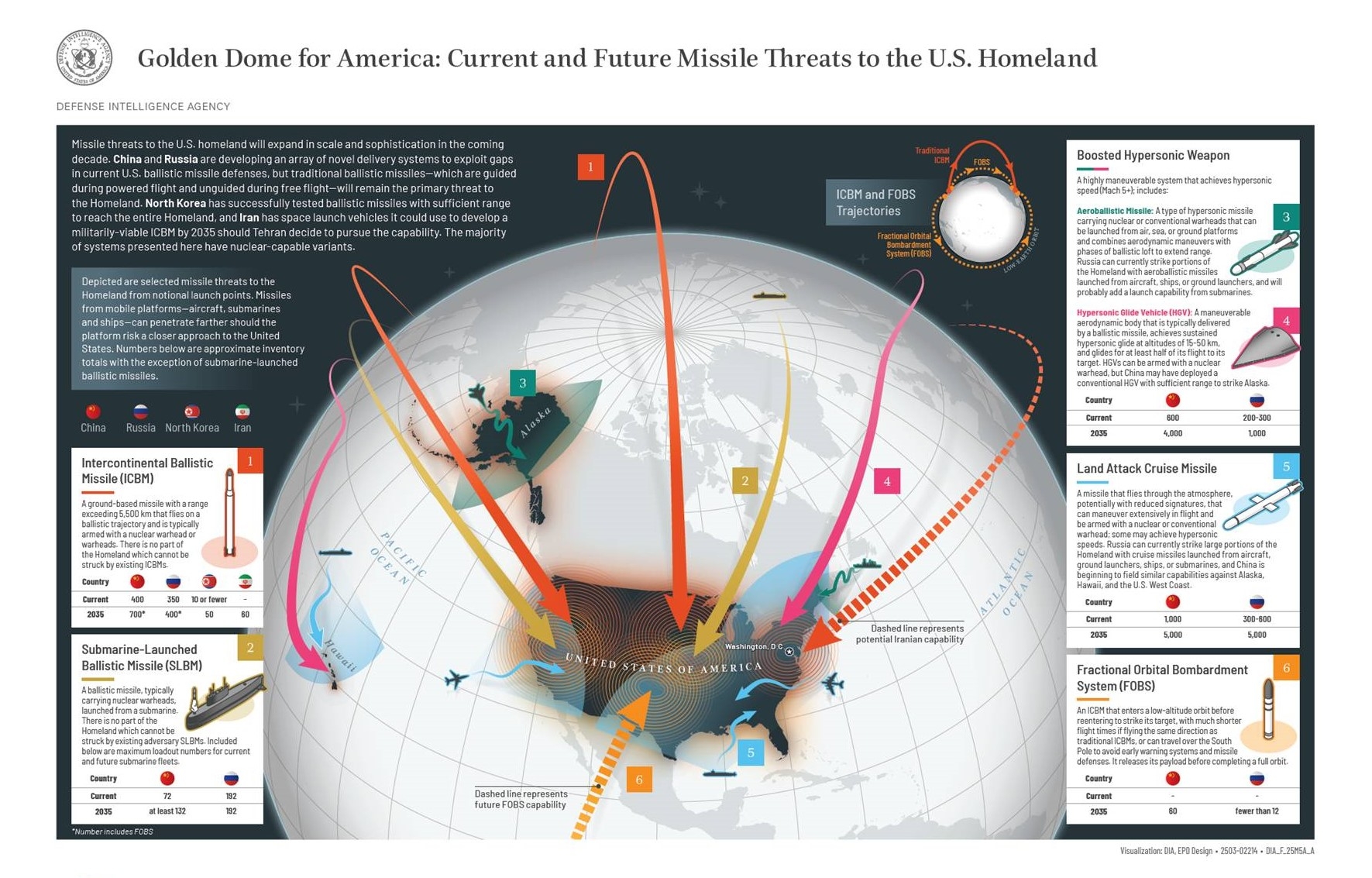
Warfighting domain
“When you think about what we began to use space for decades ago, it was to allow terrestrial operations, operations on Earth…I think the fundamental shift was in 2015 when China decided that they could declare space a warfighting domain. When they did that, they actually changed the narrative.” – Robert Lightfoot
This panel focused on the intersection of space and national security, including the need to counter Russian and Chinese capabilities, threats to both commercial and military assets in space, and how to maintain our competitive edge.
For a video replay, go to:
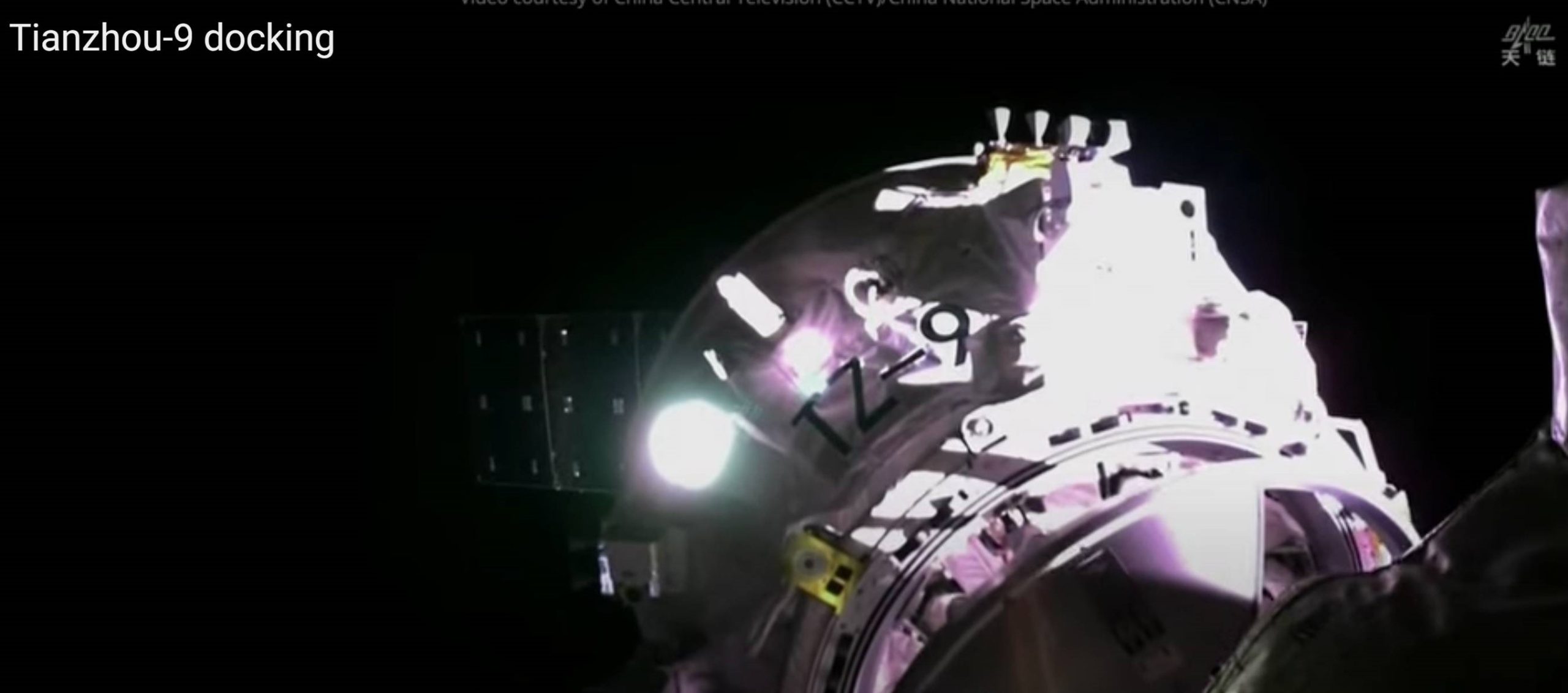
Image credit: CCTV/CMSA/Inside Outer Space screengrab
The Tianzhou-9 cargo spacecraft that recently docked to China’s space station is helping shape the country’s human Moon landing effort.
China employs a three-level positioning approach to rendezvous and dock with the space station. The BeiDou Navigation System first brings the spacecraft within 3 miles (five kilometers) of the space station. The two spacecraft then close the distance to within roughly 330 feet (100 meters). Finally, laser radar achieves millimeter-level positioning when they are 65 feet (20 meters) apart.
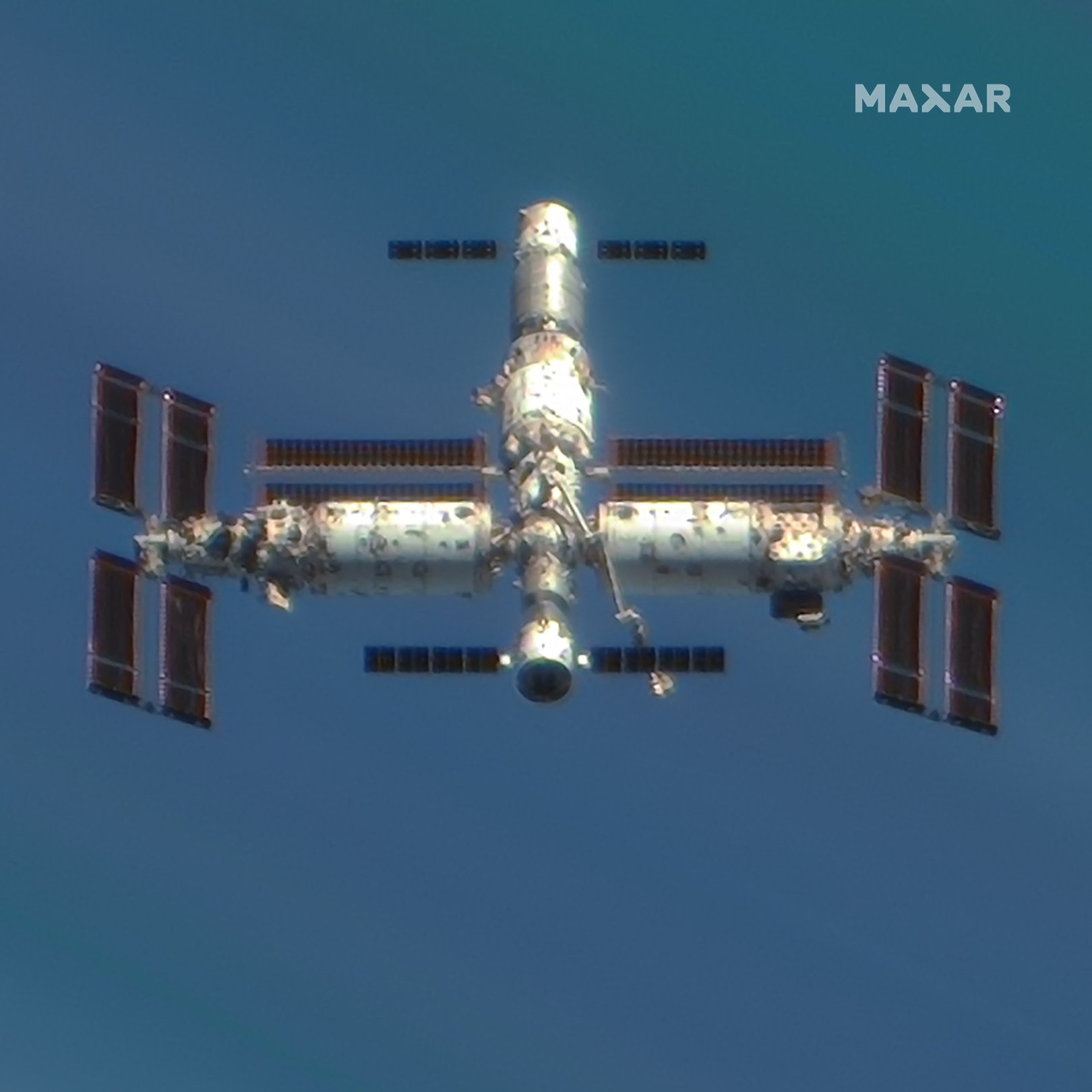
Satellite photo of China’s space station. Image credit: MAXAR
Similarly, China’s lunar robotic return sample missions — Chang’e-5 and 6 — conducted rendezvous and docking in lunar orbit, returning with lunar samples.
Upcoming crewed missions are set to include multiple rendezvous and dockings in lunar orbit, China Central Television (CCTV) reports.
Advanced EVA suits
Also tied to sending crews to the Moon is delivery of two advanced Feitian spacewalk suits to China’s orbital outpost, “marking a technological leap in extravehicular equipment for the country’s space station program,” adds CCTV.
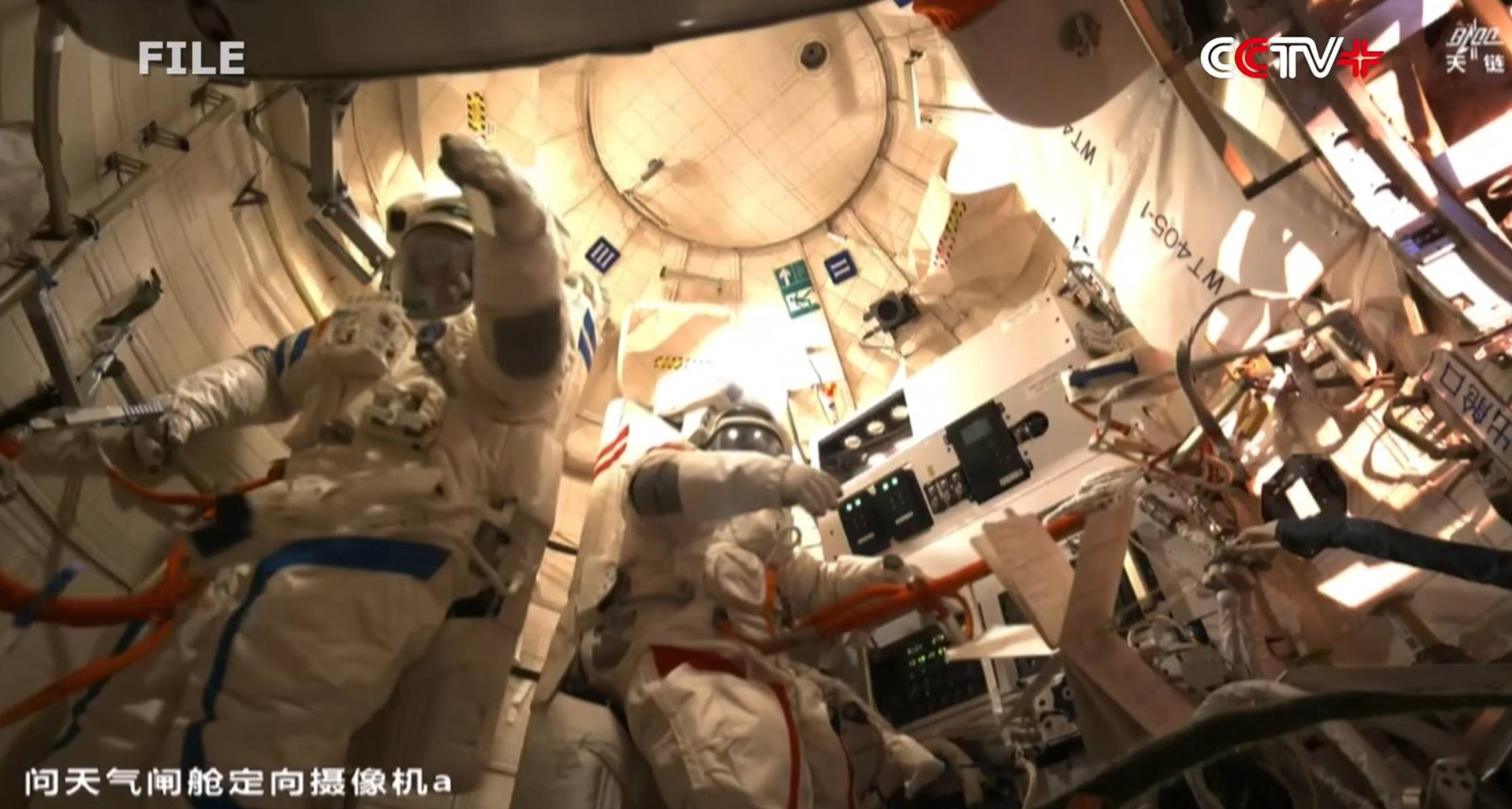
Image credit: CCTV/CMSA/Inside Outer Space screengrab
Tianzhou-9, the fourth cargo spacecraft in the application and development phase of China’s space station, was loaded with about 6.5 tons of supplies — consumables, propellants, science experiments and equipment – to support the in-orbit life and working of China’s now orbiting Shenzhou-20 crew and a future trio of Shenzhou-21 astronauts.
Muscle exercise device.
Also carried to the facility was a core muscle exercise device.
Li Yinghui, a researcher at the China Astronaut Research and Training Center told CCTV: “The stronger (our astronauts are), the longer and farther we can go. Core strength is crucial not only for space station operations but also for future missions to the Moon.”
Li added, “when we first arrive on the Moon, maintaining postural stability is crucial, and core muscles play a key role in that. So this is also part of our preparation to ensure astronauts have the physical control and motor ability required for future lunar exploration.”
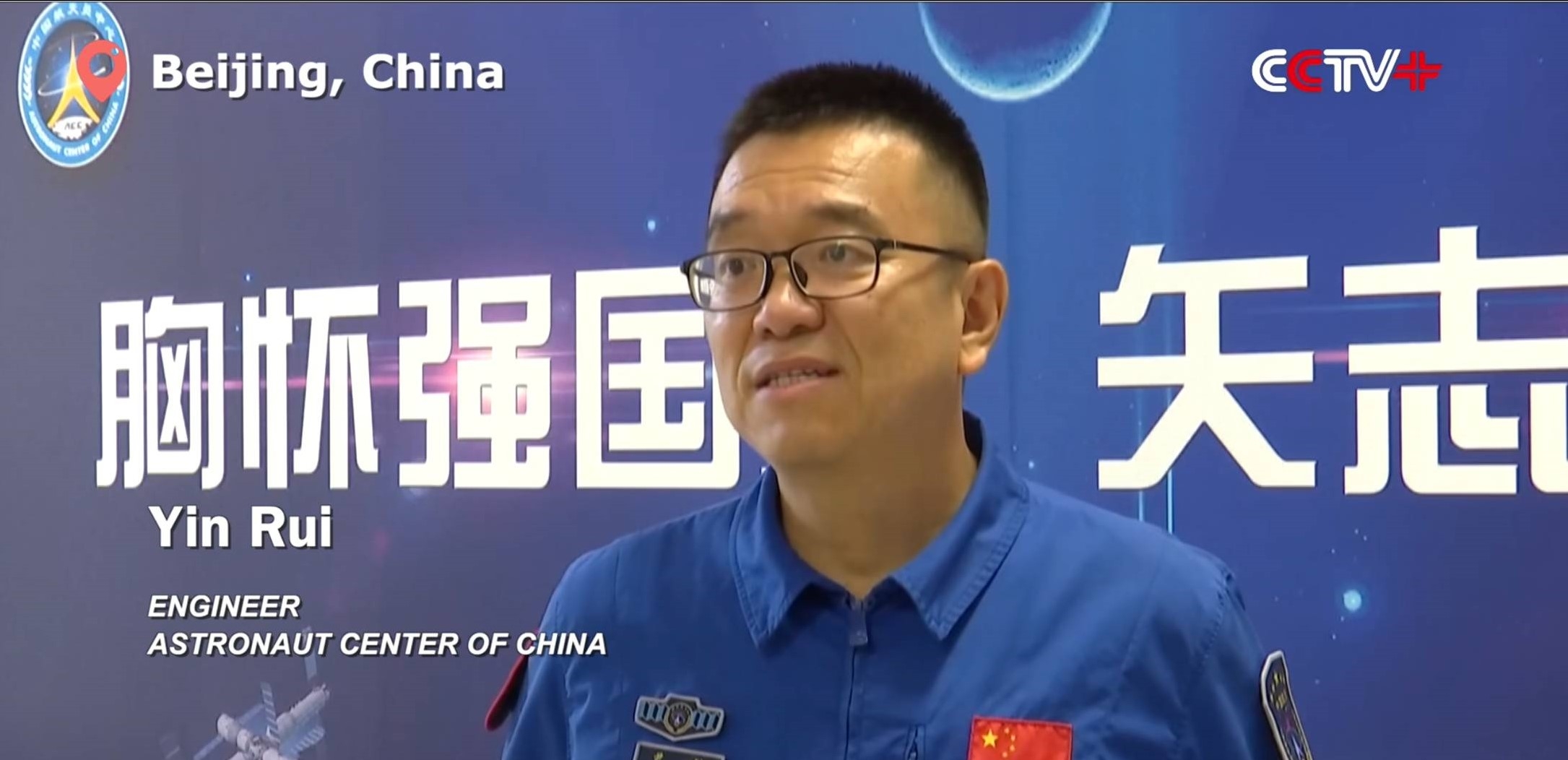
Image credit: CCTV/Inside Outer Space screengrab
Increased performance metrics
Regarding the two new sets of Feitian extravehicular spacesuits, Yin Rui, an engineer at the Astronaut Center of China, said the upgraded space walking suits have increased performance metrics. “These new suits now last four years and can support 20 spacewalks, compared to the previous three-year, 15-mission lifespan,” Yin said.
“Following our principle of continuous design optimization,” Yin added, “we’ve established China’s first space suit lifespan evaluation system based on data from 42 astronaut participations across 21 spacewalks, combined with extensive ground testing.”

Image credit: CCTV/CMS/Inside Outer Space screengrab
According to CCTV, the suit refinements come as China develops its next-generation “Wangyu” moonwalking suits for future lunar missions, with researchers making strides in life support systems and space suit ergonomics.
Emergency response
Li Zhiyong, a researcher with the China Aerospace Science and Technology Corporation noted that “Tianzhou-9 is the first cargo spacecraft capable of emergency launch, able to be launched to the space station within three months if required. This is the significance of an emergency response spacecraft.”
The rendezvous and docking duration has been shortened from the initial two days to 6.5 hours, and to the current three hours, said Li. “The three-hour approach helps us reduce fuel consumption and takes relatively less time, plus we have a lot of autonomous control to ensure the reliability of the rendezvous and docking.”
Tianzhou-9 was lofted on July 15 (local time) by a Long March-7 Y10 rocket that departed from the Wenchang Spacecraft Launch Site in the southern island province of Hainan.
Go to this CCTV video at: https://www.facebook.com/share/v/18tztGuUDF/

Image credit: CCTV/CMSA/Inside Outer Space screengrab

Image credit: Kall Morris Inc (KMI)
A robotic system outfitted with mechanical tentacles has been tested onboard the International Space Station.
Called REACCH, this system can carefully clutch and move objects in space, even objects not designed to be embraced.
Kall Morris Inc (KMI), a space logistics company, is headquartered in Marquette, Michigan and has completed the first commercial demonstrations of REACCH on the ISS.
Capture cycles
Launched aboard SpaceX CRS-31 on November 4, 2024, REACCH spent over eight months within the ISS where it was operated in six separate test sessions by astronauts Suni Williams, Butch Wilmore, Don Pettit, and Takuya Onishi.
Following 172 capture cycles aboard the ISS, REACCH was returned to Earth aboard the SpaceX CRS-32 Dragon capsule on May 25, 2025.
Operated by the Astrobee payload, REACCH became the largest ever Astrobee payload by both mass and volume. Additionally, KMI became the first commercial entity to capture an unprepared object in space and became the first private company to capture objects repeatedly in space.

REACCH patent and digital mockup of Astrobee with REACCH during ISS experiment.
Image credit: Kall Morris Inc (KMI)
KMI is reviewing what was learned in flexing the REACCH tentacles and is continuing technology iteration, embarking upon the next stage of development.
A full-scale, commercial-ready flight demonstration is planned for the first quarter of 2028, using lessons learned from the ISS campaign.
Long and short of it
REACCH is short for Reactive Electro-Adhesive Capture ClotH. “The short name is a play on the robotic ‘octopus tentacles’ that quite literally ‘reach’ for satellites and other space objects,” said Gabby Muehlenbeck, KMI’s design and communications coordinator.
“The long name references the electro-adhesion and Gecko adhesion capture cloth material that is hosted on the robotic tentacles of REACCH,” Muehlenbeck told Inside Outer Space.

Image credit: Kall Morris Inc (KMI)
Making use of its bio-inspired tentacle arms, REACCH is designed to provide satellite operators an in-space capability to safely move objects of nearly any shape, size, or surface without damage or leaving residue.
REACCH supports KMI’s Relocation as a Service (RaaS), an innovative approach for commercial, national security, or scientific satellite repositioning, repair, or retiring spacecraft.
The results of this demonstration will further enable REACCH for its critical mission of orbital debris collection.
“The success of these tests showcase the immense capability of the REACCH system and most notably advance the state of the art of microgravity capture of uncontrolled objects,” said Austin Morris, KMI co-founder and director of engineering in a company statement.

