Author Archive
 Author:
  February 5th, 2019
CubeSats deployed from the International Space Station.
Credit: NASA
Bryce Space and Technology, an analytics and engineering firm for space and satellite, cyber, and R&D clients, has released two informative reports: Smallsats by the Numbers: 2019 and 2018 Orbital Launches Year in Review.
Organizations have deployed more than 1,300 smallsats since 2012. This latest report from Bryce includes data on commercial, government, and academic trends.
Here are the 2018 highlights:
36% of smallsats were launched from the US in 2018
2018 saw 6x as many smallsats launched as 2012
CubeSats have dominated the smallsat market; 961 launched 2012 – 2018
This report is available at:
http://brycetech.com/downloads/Bryce_Smallsats_2019.pdf
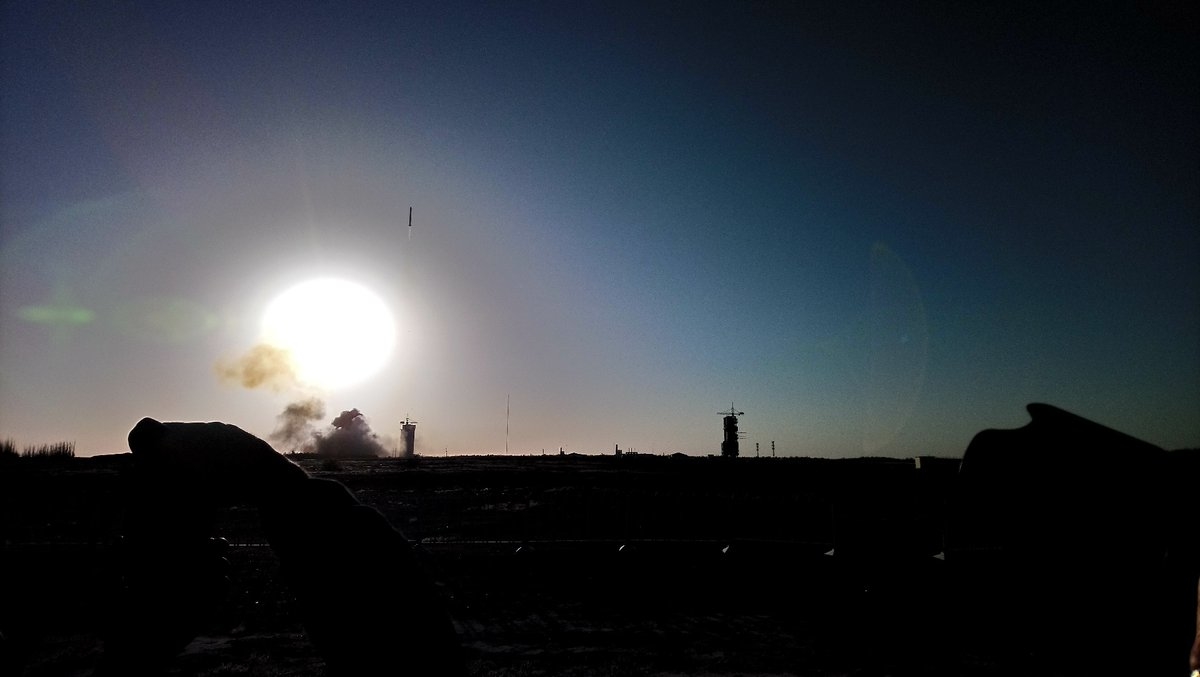
Long March-2C carrier rocket departs Jiuquan Satellite Launch Center in northwest China’s Gobi Desert.
Also available is 2018 Orbital Launches Year in Review.
In 2018, there were 114 orbital launches. This is the most launches worldwide since 1990. U.S. launch providers conducted the most commercial launches while China launched the highest volume of launches.
View the data in the 2018 Orbital Launches Year in Review report at:
http://brycetech.com/downloads/Orbital_Launches_Year_in_Review_2018.pdf
 Posted in
NASA’s Curiosity Mars rover is now performing Sol 2310 duties.
New imagery from February 3 is available of the robot’s new surroundings:
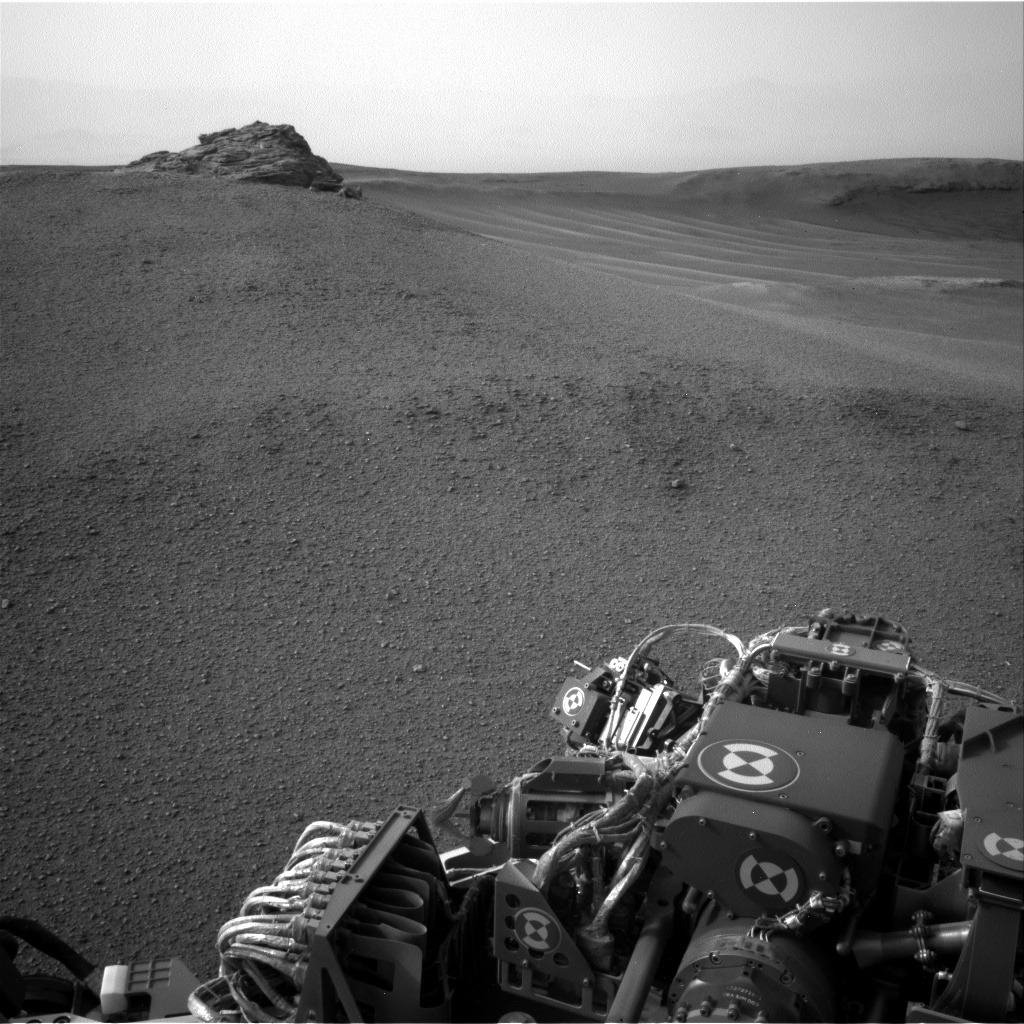
Curiosity Navcam Left A image acquired on Sol 2309, February 3, 2019.
Credit: NASA/JPL-Caltech
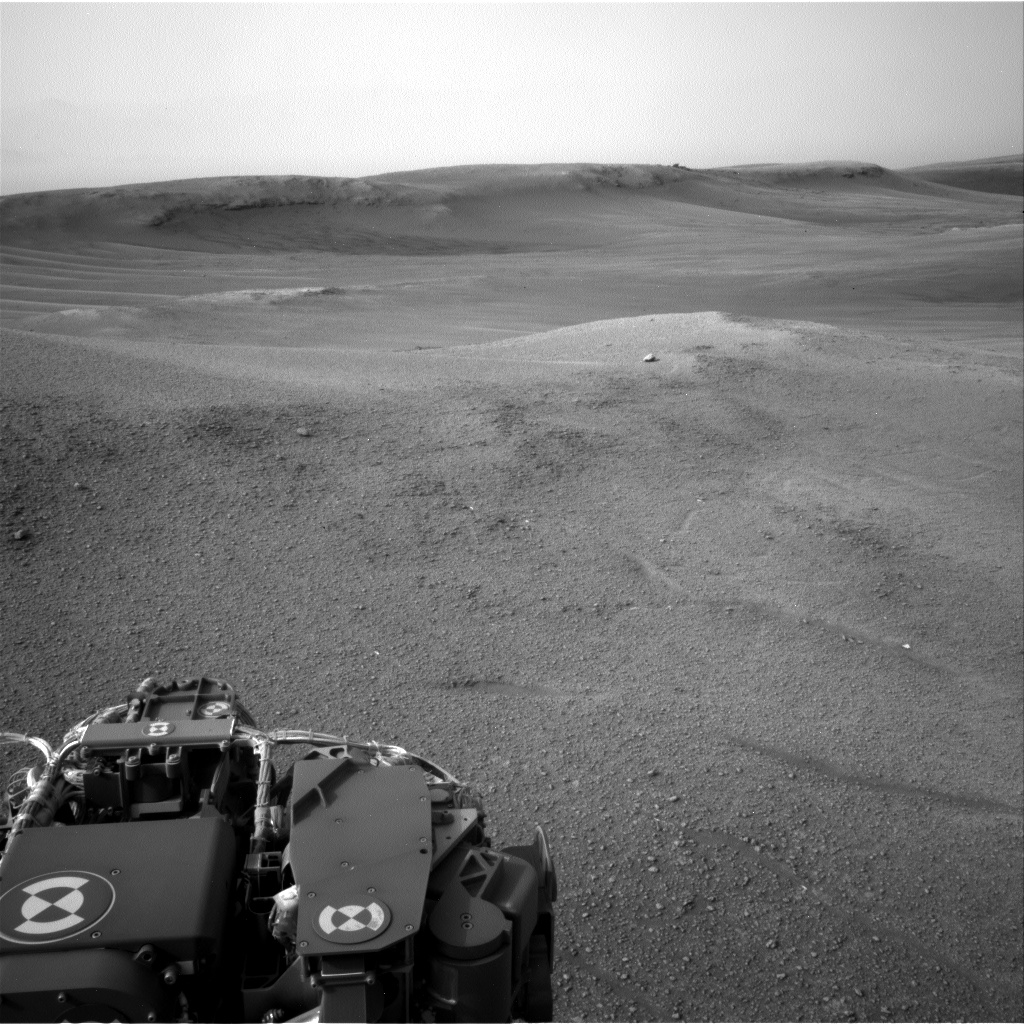
Curiosity Navcam Left A image acquired on Sol 2309, February 3, 2019.
Credit: NASA/JPL-Caltech
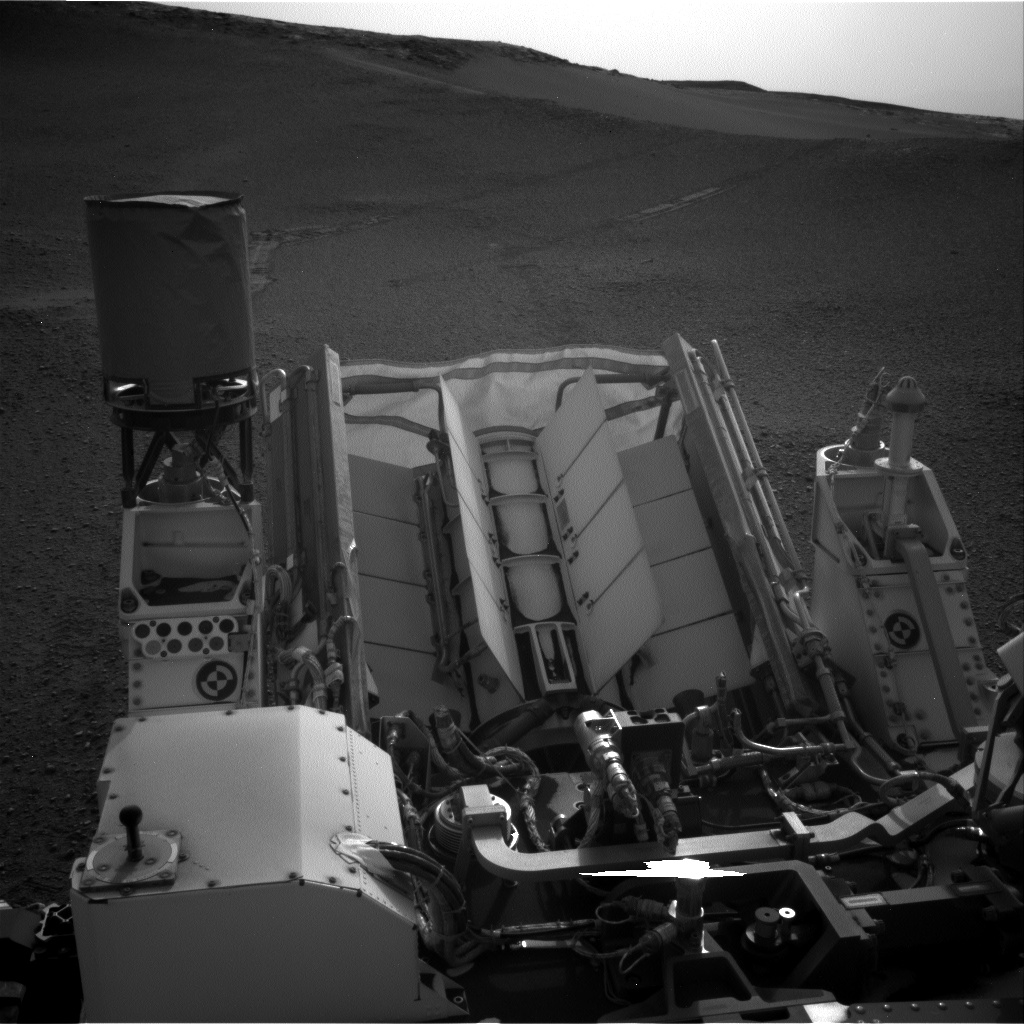
Curiosity Navcam Left A image acquired on Sol 2309, February 3, 2019.
Credit: NASA/JPL-Caltech
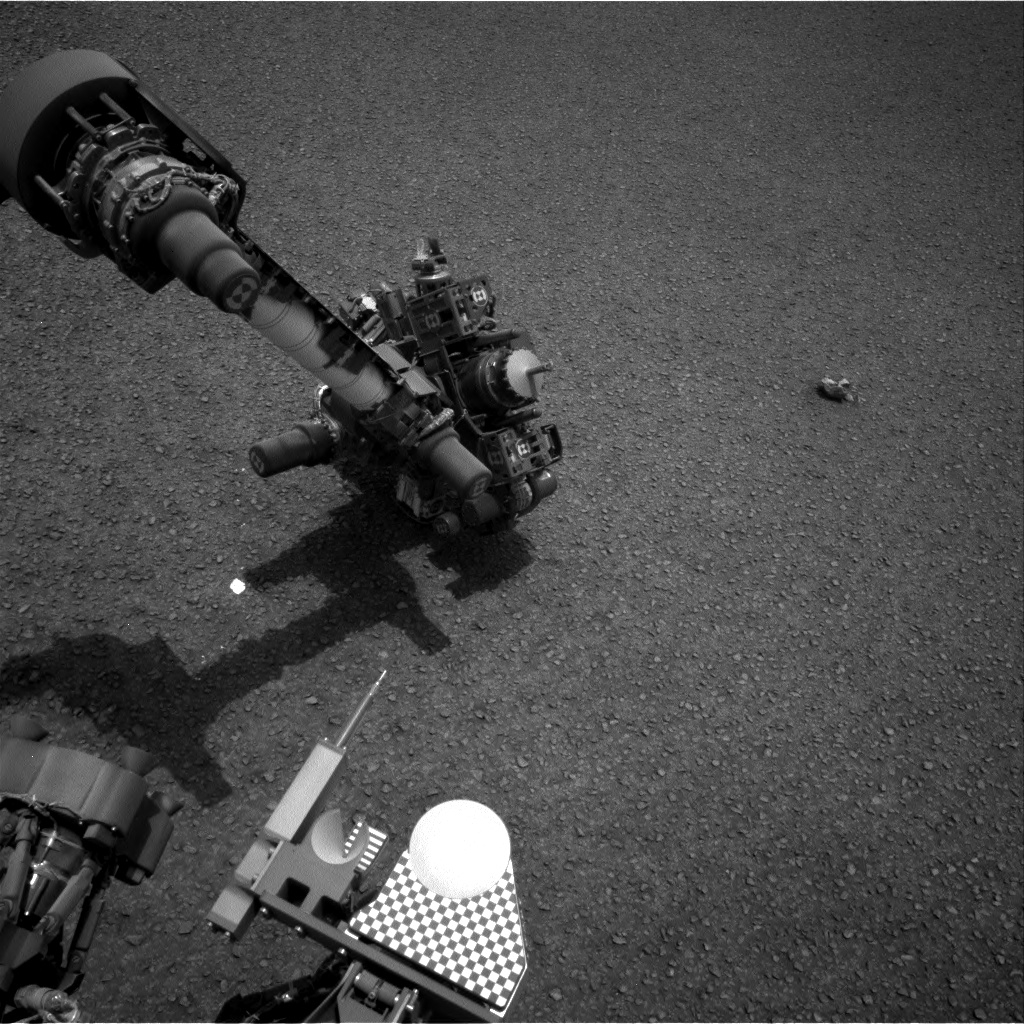
Curiosity Navcam Right A image acquired on Sol 2309, February 3, 2019.
Credit: NASA/JPL-Caltech
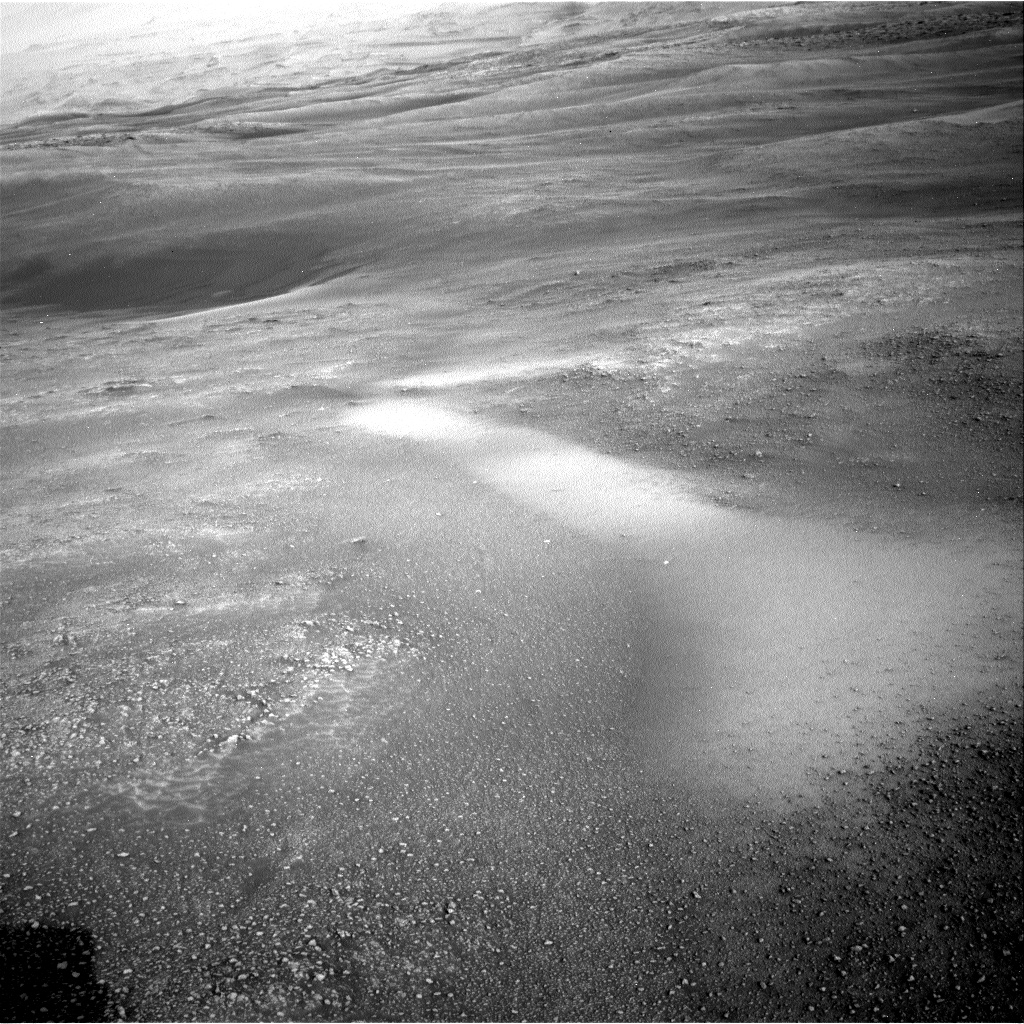
Curiosity Navcam Right A image acquired on Sol 2309, February 3, 2019.
Credit: NASA/JPL-Caltech
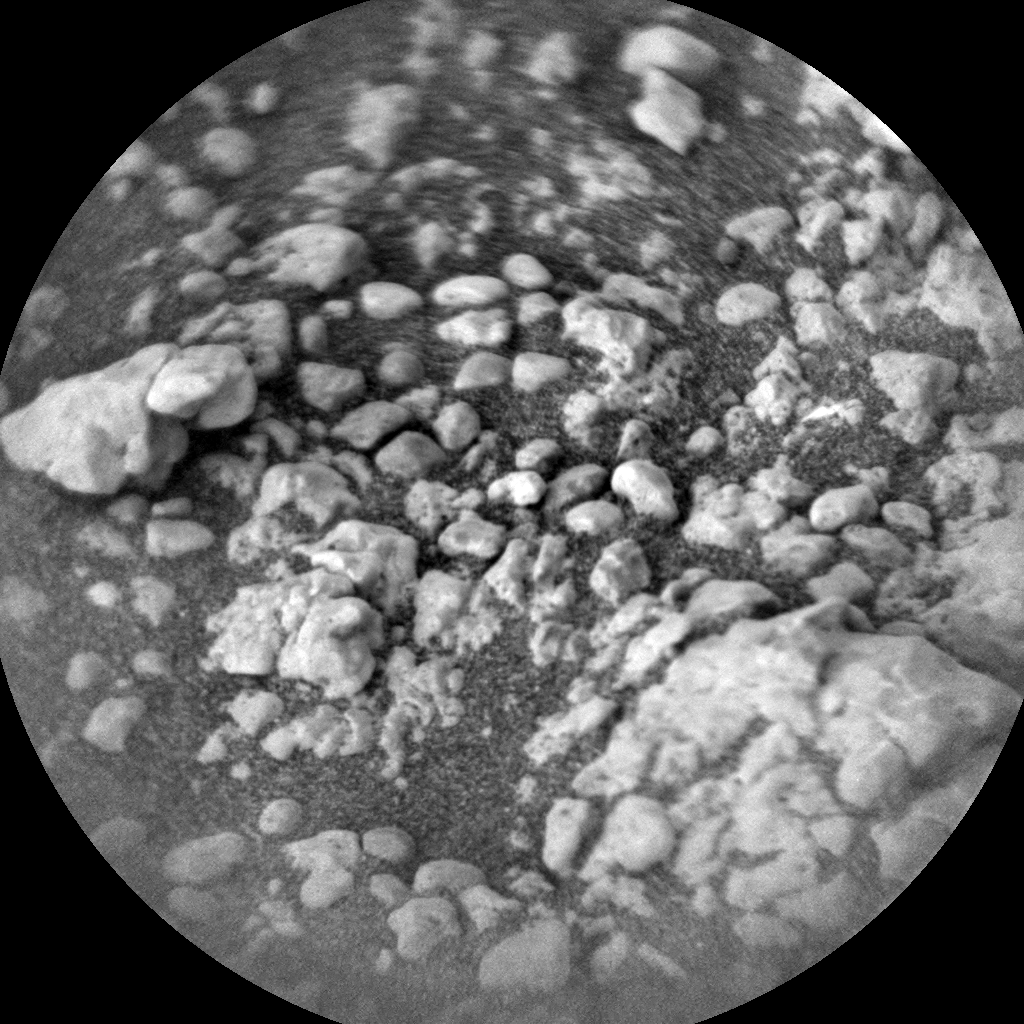
Curiosity ChemCam Remote Micro-Imager photo taken on Sol 2309, February 3, 2019.
Credit: NASA/JPL-Caltech/LANL

Yutu-2 rover as imaged by Chang’e-4 lander earlier in the farside mission.
Credit: CNSA/CLEP
China’s lunar rover Yutu-2 has begun taking its second snooze today, a midday nap, on the farside of the Moon.
According to China Central Television (CCTV), without a good thermal control ability, the rover is experiencing midday temperatures surpassing 100 degrees Celsius.
The rover will be awakened again on Friday.
Nighttime temperatures
The Yutu-2 and lander of the Chang’e-4 mission were awakened by sunlight on Jan. 29 and 30 respectively after a long “sleep” during the first extremely cold night on the Moon.

Image of Chang’e-4 lander taken by Yutu-2 rover early in the farside mission.
Credit: CNSA/CLEP
Nighttime temperatures on the Moon plummeted to minus 190 degrees Celsius, the first data China has obtained about temperature on the lunar surface during the 14-day long nighttime.
China’s Chang’e-4 lander/rover landed on January 3 within the Von Kármán crater in the South Pole-Aitken Basin on the farside of the Moon.

Von Kármán crater as viewed by NASA’s Lunar Reconnaissance Orbiter Camera, or LROC,
Credit: NASA/GSFC/Arizona State University
Scientific tasks
During the first lunar day (14 days in length), the lander and the rover photographed each other, and a camera installed on the top of the lander took 360-degree panoramic photos of the surrounding of the probe.
The Chang’e-4 mission carries four payloads developed by the Netherlands, Germany, Sweden and Saudi Arabia.
Scientific tasks of the farside exploration include low-frequency radio astronomical observation, surveying the terrain and landforms, detecting the mineral composition and shallow lunar surface structure, and measuring neutron radiation and neutral atoms.

Soviet Lunokhod rover
Credit: NASA/GSFC/Arizona State University
Washout
Yutu-2’s on again/off again surface treks sparked a comment from Ron Creel, Apollo Lunar Roving Vehicle Team Member.
“The ‘Lunar Nap’ that the Chinese vehicles are taking is most likely caused by ‘washout’ of visibility of lunar terrain for driving at times near lunar noon,” Creel told Inside Outer Space.
“This is what the Russians have shared with me that they also had to do the same driving pauses with their Lunokhods,” Creel advised. The former Soviet Union’s Lunokhod 1 rover was the first of two robotic lunar rovers that successfully landed on the Moon. It surveyed the Sea of Rains in 1970-1971. Lunokhod 2 wheeled about in Le Monnier crater in 1973.

Credit: NASA/JPL-Caltech

Credit: NASA/JPL-Caltech

Credit: NASA/JPL-Caltech

Credit: NASA/JPL-Caltech

Credit: DLR/Screengrab/Inside Outer Space

Components of the HP3 heat flow probe. Top left: the radiometer (RAD), which is used to measure the radiation temperature (roughly equivalent to the ground temperature) of the surface. Right: the casing with the mole penetrometer, the temperature measuring cable (TEM-P) and the data cable (ET) connected to the lander. In addition, the casing contains an optical length meter for determining the length of the temperature measuring cable that has been pulled from the casing. The mole contains the TEM-A active thermal conductivity sensor and the STATIL tiltmeter. Bottom left: the electronic control unit, known as the back end electronics (BEE), which remains on the lander and is connected to the probe via the ET.
Credit: DLR
InSight has deployed its domed Wind and Thermal Shield (WTS), setting it atop the French-supplied SEIS, short for Seismic Experiment for Interior Structure – a seismometer.
The WTS has a tripod and a protective skirt that tightly ‘hugs’ the ground around the seismometer to stop wind blowing and influence measurements.
Next up…and down!
The next major milestone for the Interior Exploration using Seismic Investigations, Geodesy and Heat Transport (InSight) mission is deploying the German Heat Flow and Physical Properties Package (HP3).
It too, like the seismometer and Wind and Thermal Shield, will be placed on the surface of Mars by InSight’s robotic arm. HP3 is designed to burrow down beneath the Red Planet’s topside — with its tether embedded with heat sensors — to a depth of 16 feet (five meters). If successful, the HP3 will plow deeper than any previous arms, scoops, drills or probes before it.
On the surface
According to Tilman Spohn, HP3’s principal investigator at the German Aerospace Center’s Institute of Planetary Research in Berlin, Germany:
“We expect to be on the surface of Mars on February 13th and start operations about a week later,” Spohn told Inside Outer Space. “However, be aware that these dates are still not cast in concrete yet.”
Mole action plan
HP3 can take Mars’ temperature to reveal how much heat is still flowing out of the interior of the planet. Weighing a little over 6.5 pounds (about 3 kilograms) HP3’s “Mole” hammers itself under the surface. A maximum of 2 watts of power is available while burrowing underneath the surface.
The German Aerospace Center’s (DLR) HP3 heat flow probe has the Mole pulling a ribbon cable equipped with 14 temperature sensors behind it. Once the probe has reached its target depth, the temperature will be measured by all of the sensors every 15 minutes for several months.
For an informative DLR video detailing how the Heat Flow and Physical Properties Package (HP3) works, go to:

Credit: ISRO
India continues to advance its human spaceflight goals.
On January 30, Indian Space Research Organization (ISRO) officials inaugurated a Human Space Flight Center (HSFC) at ISRO Headquarter campus in Bengaluru.

India space program officials are all thumbs up. Behind them, full scale model of the Gaganyaan crew module.
Credit: ISRO
Dignitaries posed in front of a full scale model of the Gaganyaan crew module during the event.
End-to-end mission planning
According to an ISRO press statement, the HSFC is responsible for implementation of the Gaganyaan Project that involves end-to-end mission planning, development of engineering systems for crew survival in space, crew selection and training and also pursue activities for sustained human space flight missions.
Furthermore, the HSFC will support existing ISRO Centers to implement the first development flight of Gaganyaan crew module.
The Gaganyaan project is to propel India to become the fourth nation able to independently rocket humans into Earth orbit by 2022.
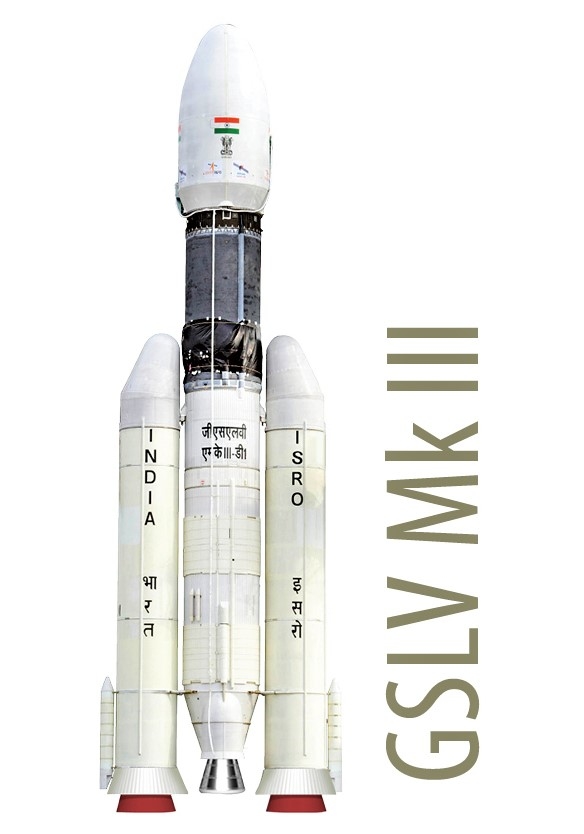
Credit: ISRO
Booster business
ISRO hopes to deploy its biggest rocket, the Geosynchronous Satellite Launch Vehicle Mark III (GSLV Mk III), to send three Indians into space from the Sriharikota space port in Andhra Pradesh. GSLV Mk III is a three-stage heavy lift launch vehicle using two solid strap-ons, a core liquid booster, and a cryogenic upper stage.
Earlier outlines of the Gaganyaan initiative called for a “demonstration phase” that involves undertaking two unmanned flights and one human flight using Indian technology to catapult a crew of three into a low Earth orbit for 5-7 days.
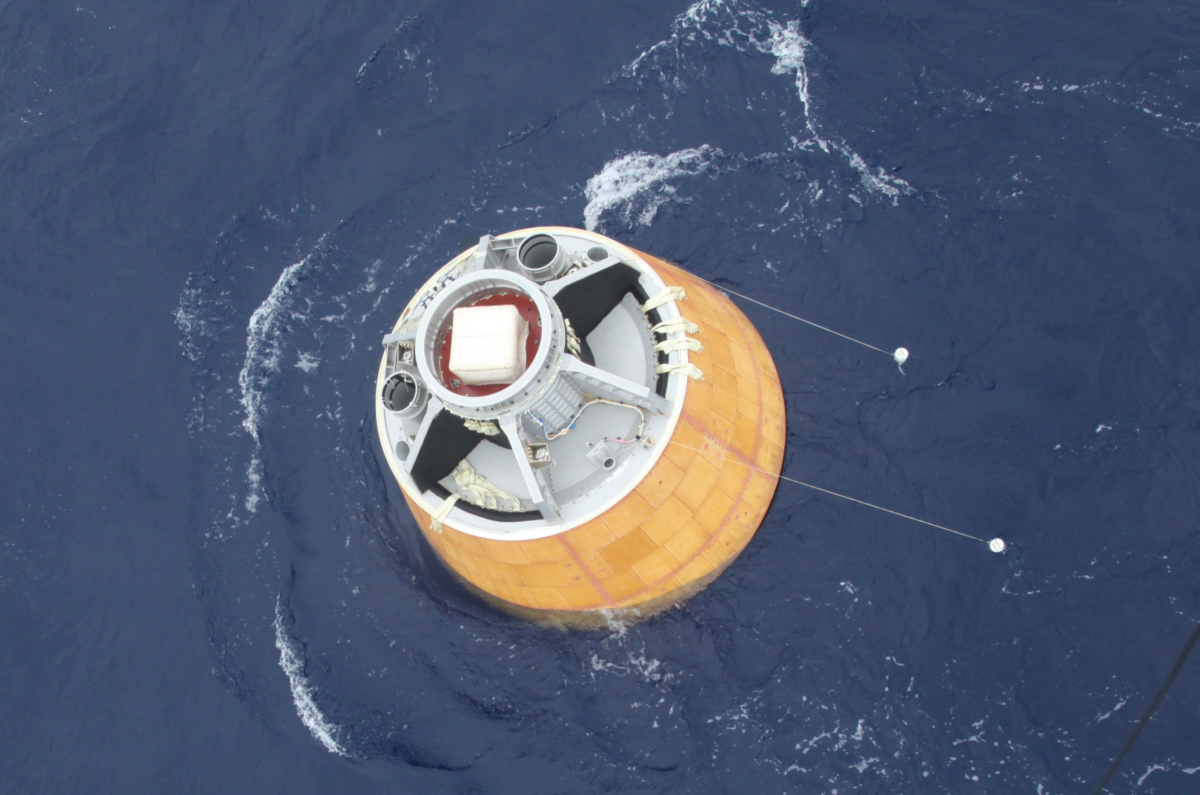
Crew Module Atmospheric Re-entry Experiment (CARE).
Credit: ISRO
Vyomnauts
India has inked agreements with Russia and France for assistance in THE Gaganyaan effort. ISRO plans to call its astronauts “Vyomnauts” since “Vyom” in Sanskrit means space. ISRO has also mastered the art of making a spacesuit to be used by Indian astronauts.
In 2014, India tested a Crew Module Atmospheric Re-entry Experiment (CARE), where a 3,745 kg space capsule – a prototype of the crew module that will be used by the Indian astronauts – was launched into the atmosphere on the first flight of the GSLV Mk III and then safely recovered from the Bay of Bengal. CARE was designed to showcase blunt body re-entry aerothermodynamics and parachute deployment in cluster configuration.
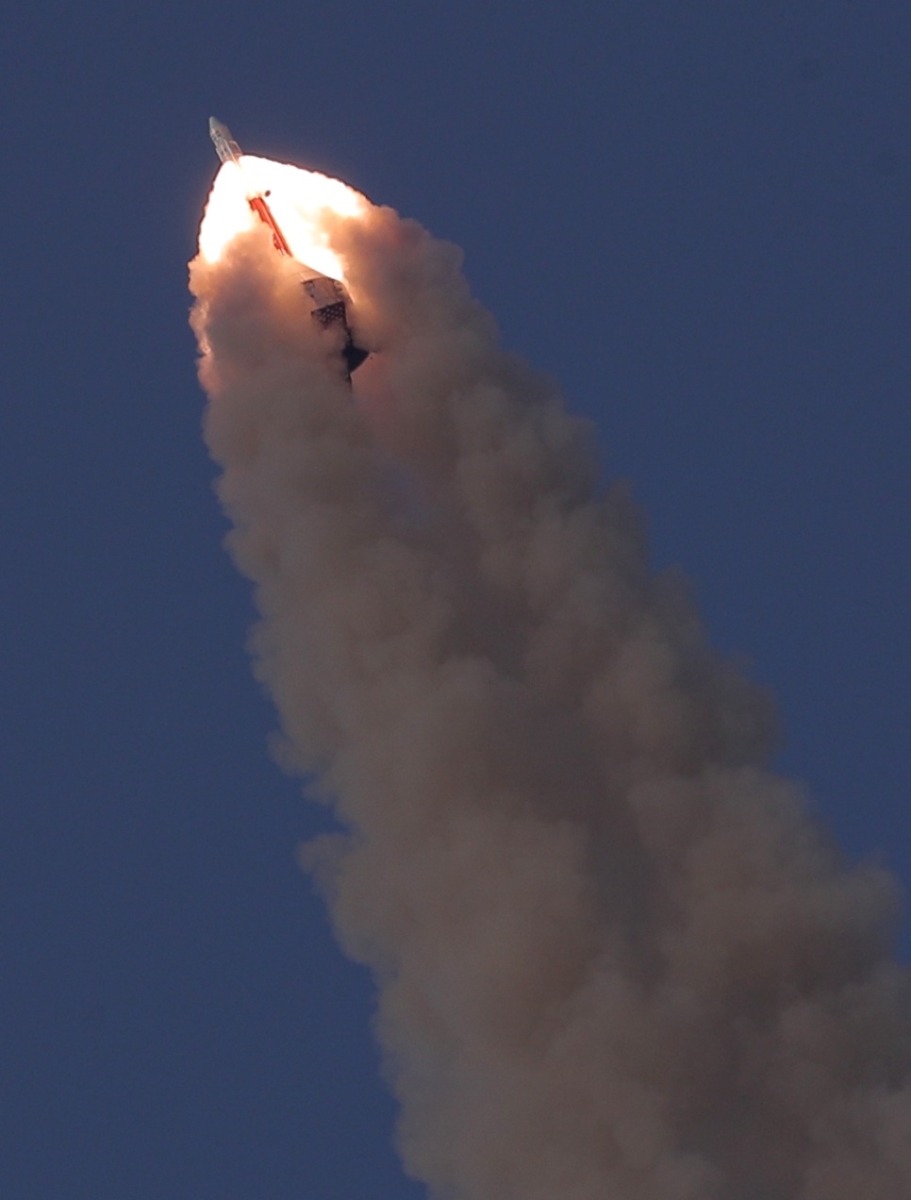
Pad Abort Test.
Credit: ISRO
Pad abort test
Last year, ISRO carried out a crucial Pad Abort Test on July 5, using a 12.6-ton crew module. This escape measure is designed to quickly pull the astronaut-carrying crew module to a safe distance from the launch vehicle in the event of a launch abort.
The test took place at Satish Dhawan Space Center, Sriharikota. The crew module reached an altitude of nearly 1.7 miles (2.7 kilometers) under the power of its seven fast-acting solid rocket motors.
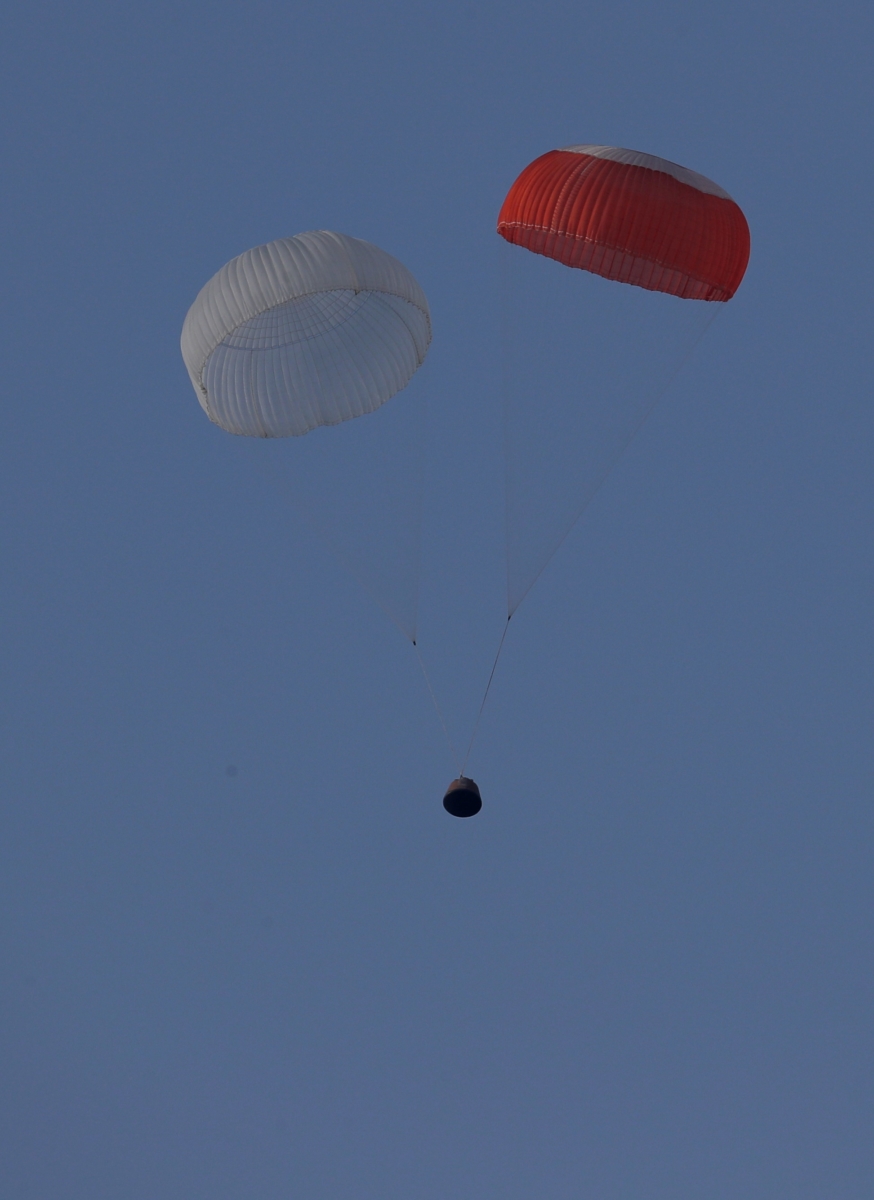
Pad Abort Test capsule parachutes to watery touchdown.
Credit: ISRO
Nearly 300 sensors recorded various mission performance parameters during the test flight.
The test last 259 seconds, during which the Crew Escape System along with crew module soared skyward, racing out over the Bay of Bengal and floated back to Earth under its parachutes about 2 miles ( 2.9 kilometers) from Sriharikota.
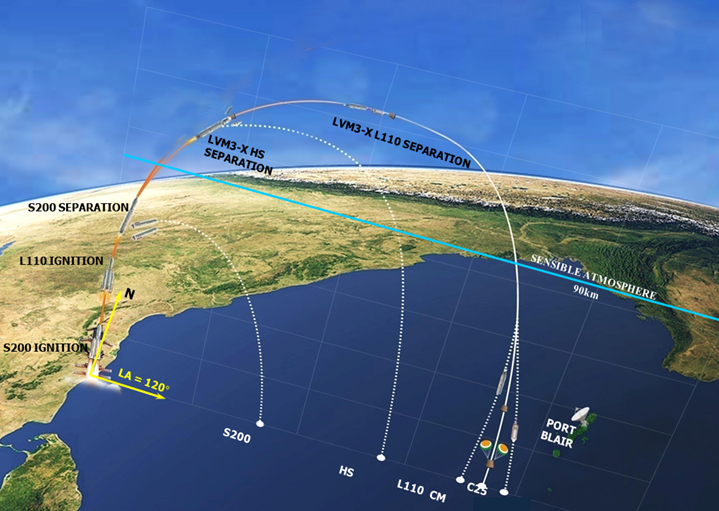
Credit: ISRO
Technology testing
In a human spaceflight-related test, back on January 10, 2007, ISRO launched the Space capsule Recovery Experiment (SRE-1).
Launched by a Polar Satellite Launch Vehicle (PSLV-C7) from Satish Dhawan Space Center (SDSC) SHAR, Sriharikota, SRE-1 was successfully recovered on January 22, 2007 after being maneuvered to reenter the Earth’s atmosphere and descend over the Bay of Bengal.
The SRE – 1 capsule weighed 1,213 pounds (550 kilograms) and demonstrated, among a host of technologies, development of reusable thermal protection system (TPS). The experiment tested lightweight silicon tiles that can protect a spaceship as it re-enters the Earth’s atmosphere.
Go to this New Delhi Television Limited (NDTV) video about India’s human spaceflight plans:
Here’s a video of the pad abort test:
https://www.isro.gov.in/sites/default/files/videos/pat_test_video.mp4.mp4
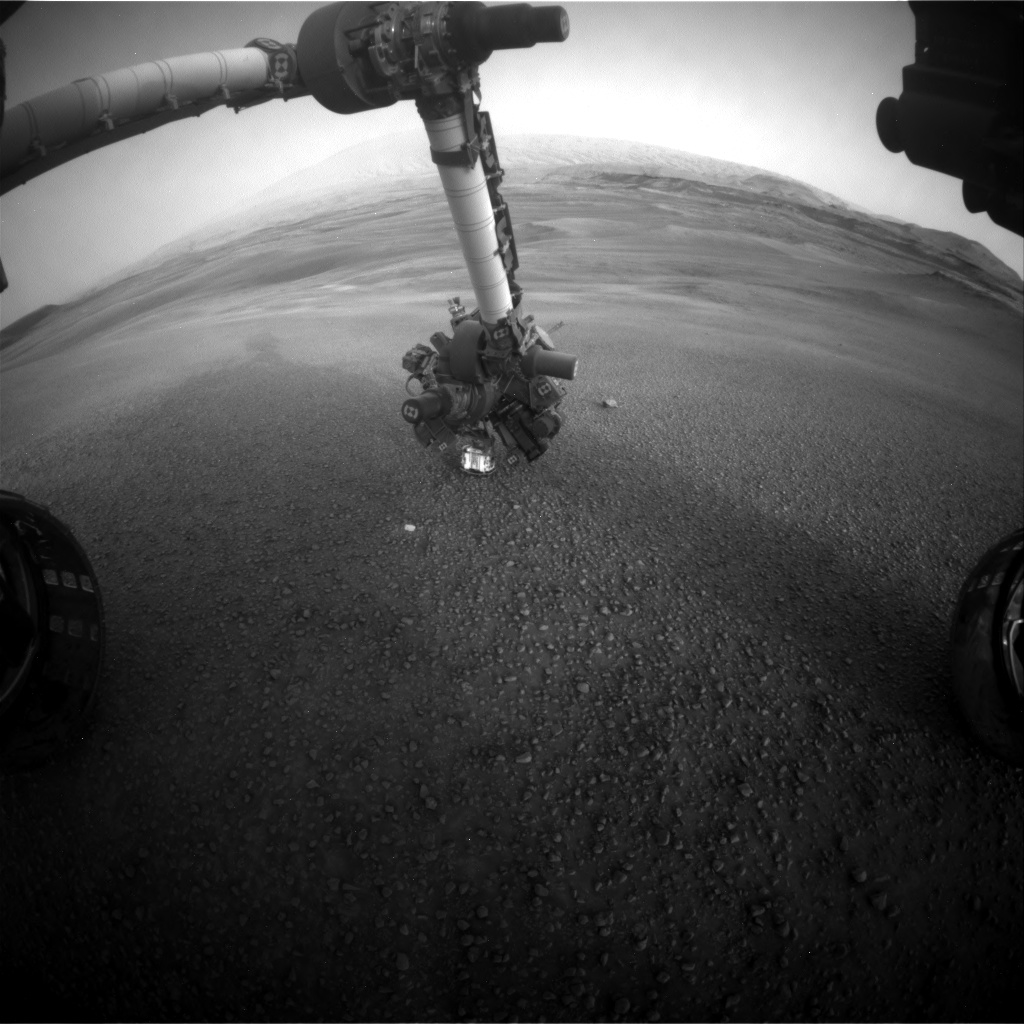
Curiosity Front Hazcam Left A photo acquired on Sol 2308, February 2, 2019.
Credit: NASA/JPL-Caltech
NASA’s Curiosity Mars rover is now performing Sol 2309 duties.
A new set of images from the robot show operations, working the current workspace in front of the Mars machinery that is very rubbly, with no bedrock that is reachable by the rover arm.

Curiosity Navcam Left A image taken on Sol 2308, February 2, 2019.
Credit: NASA/JPL-Caltech
Reports Vivian Sun, a planetary geologist at NASA/JPL in Pasadena, California, most of the clay-bearing unit is likely composed of this rubbly material, so it’s important to characterize its composition and texture.
Overlapping areas
To that end, scientists made Alpha Particle X-Ray Spectrometer (APXS) measurements of this material on Sol 2308, using a rastering technique where the APXS was slated to be placed over three overlapping spots in the workspace.

Curiosity Mars Hand Lens Imager (MAHLI) photo produced on Sol 2308, February 2, 2019.
Credit: NASA/JPL-Caltech/MSSS

Curiosity ChemCam Remote Micro-Imager photo taken on Sol 2308, February 2, 2019.
Credit: NASA/JPL-Caltech/LANL
By obtaining chemical measurements over different, but slightly overlapping areas, Sun notes, scientists will be able to distinguish the compositions of the pebbles from the sand and soil in the APXS field of view.

Instrument Context Camera (ICC).
Credit: NASA/JPL-Caltech
NASA’s InSight Mars lander has made another deployment milestone in readying the probe for performing an agenda of scientific duties.
Following the InSight team finishing fine-tuning the cable position last Sunday — the tether link to the Seismic Experiment for Interior Structure (SEIS) now in position on the surface of Mars – that action was just capped by placing the Wind and Thermal Shield (WTS) atop the SEIS.

Instrument Context Camera (ICC).
Credit: NASA/JPL-Caltech
Honeycomb structure
The WTS consists of an aerodynamically shaped aluminum cover with a honeycomb structure to which is attached a gold-coated thermal skirt.
The whole assembly rests on three legs that were to deploy automatically once the robotic arm lifted the dome off the lander’s platform.
The robotic arm’s five grapple fingers close around a handle that resembles a ball on top of a stem. Each of the three items – the seismometer, the Wind and Thermal Shield, and the still to be deployed heat flow probe have one of these handles.

Instrument Deployment Camera (IDC) image acquired on February 2, 2019, Sol 66.
Credit: NASA/JPL-Caltech

Instrument Context Camera (ICC).
Credit: NASA/JPL-Caltech

The wind and thermal shield (WTS).
Credit: Agence Idé/CNES).

Artist concept showing the protective role of the wind and thermal shield (WTS) at the martian surface.
Credit: IPGP/David Ducros

Near-Earth asteroid Bennu is 1,600 feet (500 meters) wide and contains hydrated minerals, according to scientists working on the NASA OSIRIS-REx spacecraft mission now underway. It could one day be mined for water by future explorers. Credit: NASA/Goddard/University of Arizona
A new study estimates that there are 440 to 1.3 billion U.S. tons of water that could be extracted from the minerals in near-Earth asteroids. That’s enough to fill between 160,000 and 480,000 Olympic-sized swimming pools.
A new study in the Journal of Geophysical Research: Planets, a publication of the American Geophysical Union, suggests there are between 26 and 80 hydrated near-Earth asteroids larger than a kilometer in diameter.
Of those, 8 to 26 of the asteroids are easier to get to than the surface of the Moon. The new study also estimates there are between 350 and 1,050 smaller hydrated objects easier to reach than the Moon.
Interplanetary space missions
“We know that there are minerals with water in them on asteroids. We know that from meteorites that have fallen to the ground.” said Andrew Rivkin of Johns Hopkins University Applied Physics Research Laboratory in Laurel, Maryland.
Rivkin is the lead author on the new paper — How Many Hydrated NEOs Are There? — with F. E. DeMeo of MIT.
As noted by Larry O’Hanlon, editor and online producer of the popular AGU Blogosphere, water in asteroids can provide hints about the nature of the early solar system, including clues about where Earth’s water and the Moon’s polar ice came from. It could also supply water and fuel to future interplanetary space missions, as noted by the authors of the new study.

Artist’s illustration of astronauts at an asteroid as well as other mining and transportation vehicles operating in space.
Credit: TransAstra Corporation & Anthony Longman
Mining companies
“Hydrated minerals are also of interest to asteroid mining companies, which hope to make their extraction and processing as the basis for their business,” explain Rivkin and DeMeo in their paper.
“For these reasons, we are interested in understanding how common hydrated asteroids are in the population of objects with orbits like the Earth’s. There are a few different ways we can make the calculation, but all of the estimates suggest that hydrated asteroids are more common than we would think from the pieces that fall to Earth, and that dozens of them are larger than 1 km in diameter and take less fuel for a round‐trip spacecraft than to the surface of the Moon,” the researchers explain.
Hot commodity
To get a better estimate would probably require a space telescope, like the James Webb Space Telescope, which is scheduled to launch in 2021, explains Rivkin.
Water is expected to be a hot commodity in space, as it is essential for human survival and can be used to propel spacecraft to other parts of the solar system, or to make propellant to refuel Earth-orbiting satellites.

Business plan for asteroid mining.
Credit: Joel Sercel/ICS Associates Inc. and TransAstra
To access the Journal of Geophysical Research: Planets paper – “How Many Hydrated NEOs Are There?” – go to:
https://agupubs.onlinelibrary.wiley.com/doi/full/10.1029/2018JE005584
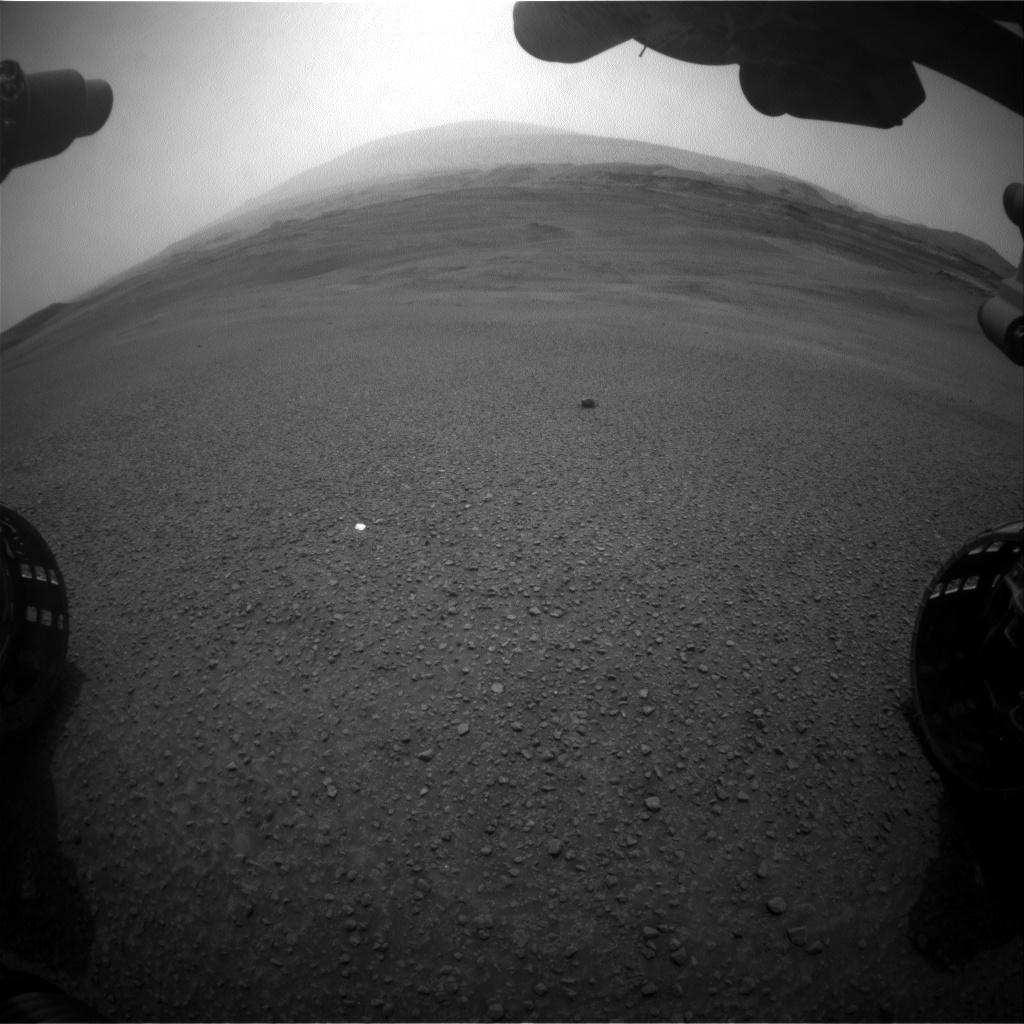
Curiosity Front Hazcam Right A photo taken on Sol 2307, February 1, 2019.
Credit: NASA/JPL-Caltech
NASA’s Curiosity Mars rover is now carrying out Sol 2308 tasks.
The rover has completed a new drive, reports Vivian Sun, a planetary geologist at NASA/JPL in Pasadena, California, and is now parked on top of “Knockfarril Hill” – one of the ridges in the clay-bearing unit.
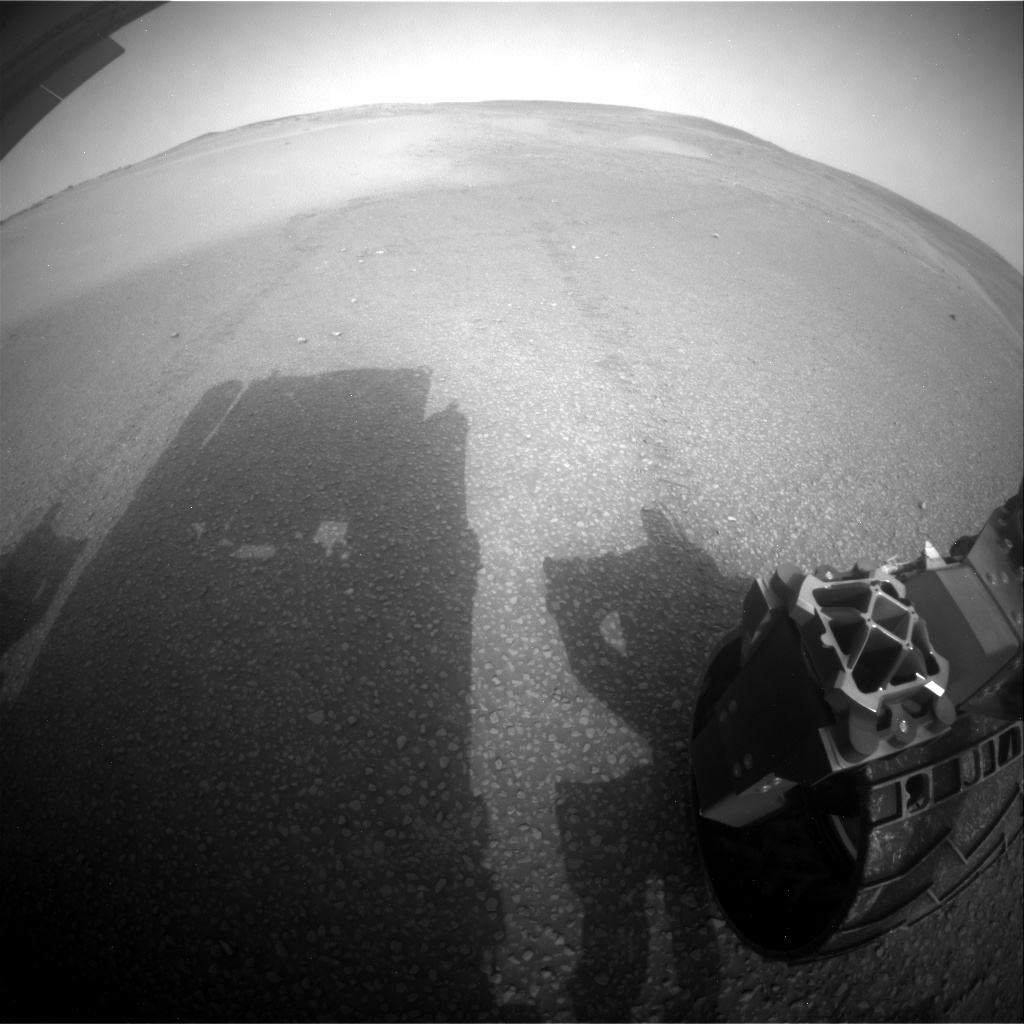
Curiosity Rear Hazcam Right A photo acquired on Sol 2307, February 1, 2019.
Credit: NASA/JPL-Caltech
Weekend exploration
“One of the mysteries of the clay unit is the origin of these ridges – how did they form and what are they made of? This weekend’s 3-sol plan is packed with observations designed to start addressing these questions,” Sun explains.
The current workspace in front of Curiosity is very rubbly, with no bedrock that is reachable by the rover arm.
“However, most of the clay-bearing unit is likely composed of this rubbly material,” Sun points out, “so it’s important to characterize its composition and texture.
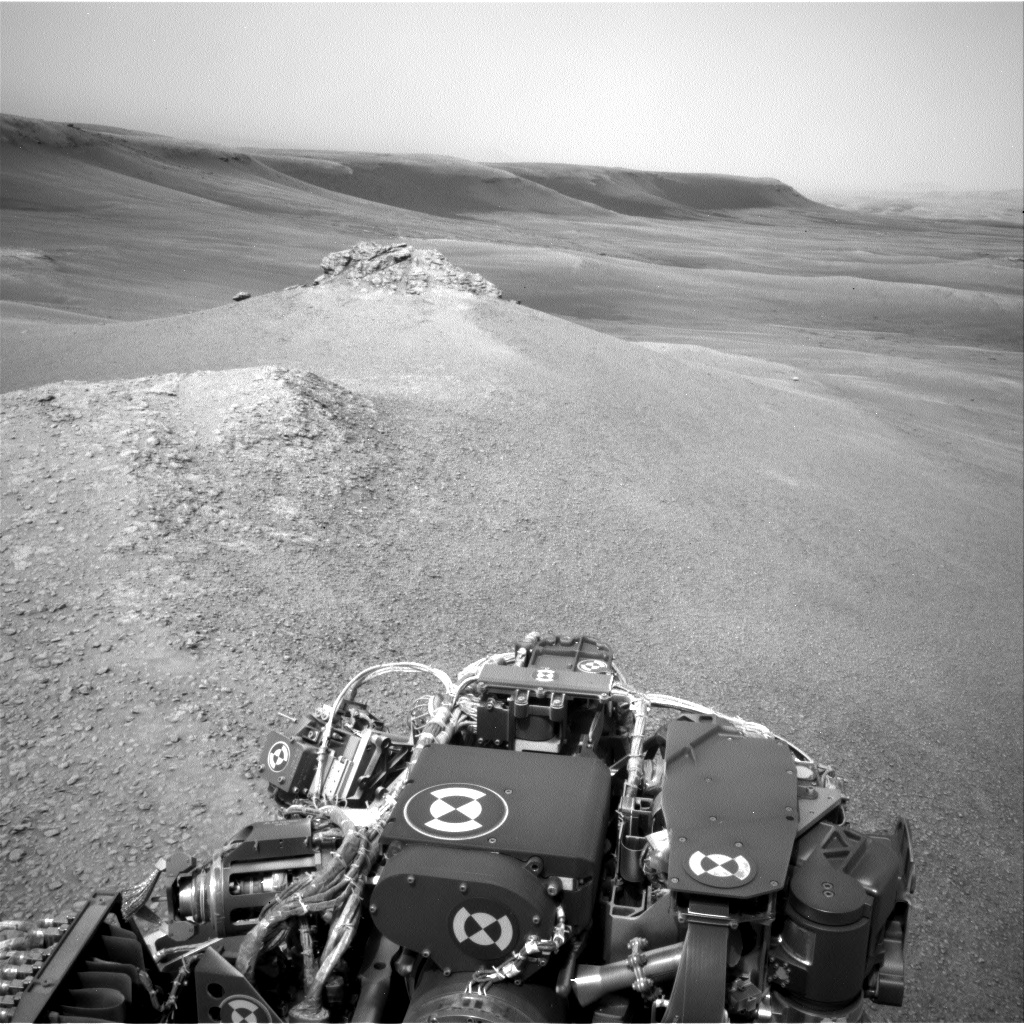
Curiosity Navcam Left A image acquired on Sol 2306, January 31, 2019.
Credit: NASA/JPL-Caltech
Pebbles, sand and soil
To that end, the rover is acquiring Alpha Particle X-Ray Spectrometer (APXS) measurements of this material on Sol 2308, using a rastering technique where the APXS will be placed over three overlapping spots in the workspace.
“By obtaining chemical measurements over different, but slightly overlapping areas, we will be able to distinguish the compositions of the pebbles from the sand and soil in the APXS field of view,” Sun notes.
Also planned is Curiosity analyzing the variety of pebbles in the workspace with Chemistry and Camera (ChemCam) on “Brent” (also the APXS target), “Carluke,” and “Foveran.”
Happy coincidence
“In a happy coincidence, we had identified Carluke as a ChemCam target before we learned that the previous plan’s ChemCam AEGIS [Autonomous Exploration for Gathering Increased Science software] observation had autonomously selected the same Carluke pebble to analyze! We decided to keep the Carluke observation in any case, to gather better statistics on the chemical variability in this pebble,” Sun reports.
Planners also slated plenty of Mastcam imagery given the robot’s relatively high vantage point atop the ridge. Two mosaics are planned to document the bedrock outcrop exposed at Knockfarril Hill and of a layered bedrock outcrop nearby.

Curiosity ChemCam Remote Micro-Imager photo taken on Sol 2307, February 1, 2019.
Credit: NASA/JPL-Caltech/LANL
Intriguing ridges
“We will also document some intriguing aeolian ridges in the distance,” Sun adds, “as well as some enigmatic dark and bright aeolian features in an area called “Crawton.””
After all of these activities, Curiosity is slated to make a short drive descending Knockfarril Hill on Sol 2309, while performing the second part of mobility tests to assess how to best drive in this new rubbly terrain.
“We close out our plan with a suite of atmospheric observations on Sol 2310, including Mastcam taus and dust devil surveys,” Sun concludes. “I kept quite busy as the Geology Keeper of the Plan today, but it was well worth it to plan all of these exciting observations!”
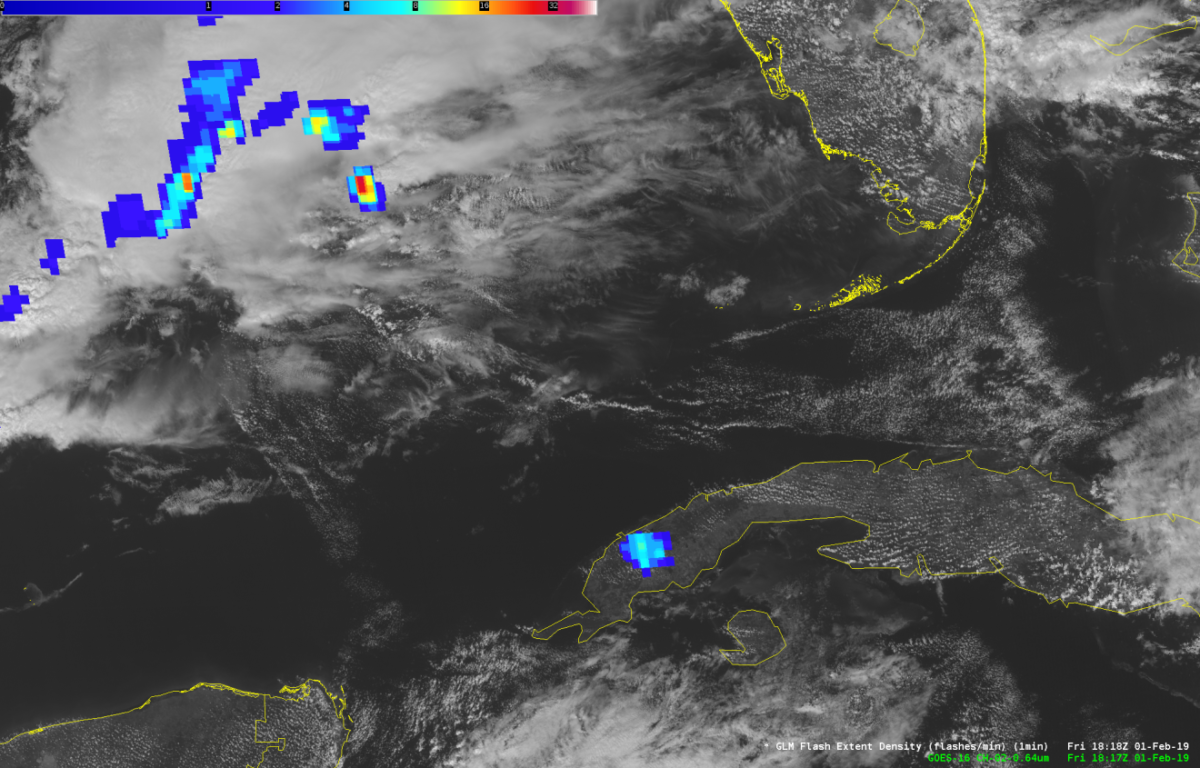
GOES-16 data showing high Flash Extent Density values from the area above Cuba at the same time of the meteor report.
Credit: NASA/SPoRT
A meteor has rocked the skies of western Cuba on Friday, exploding mid-air, shattering windows and raining charred meteorite rocks on people’s homes. Before its demise, the space rock was seen flying above Florida.
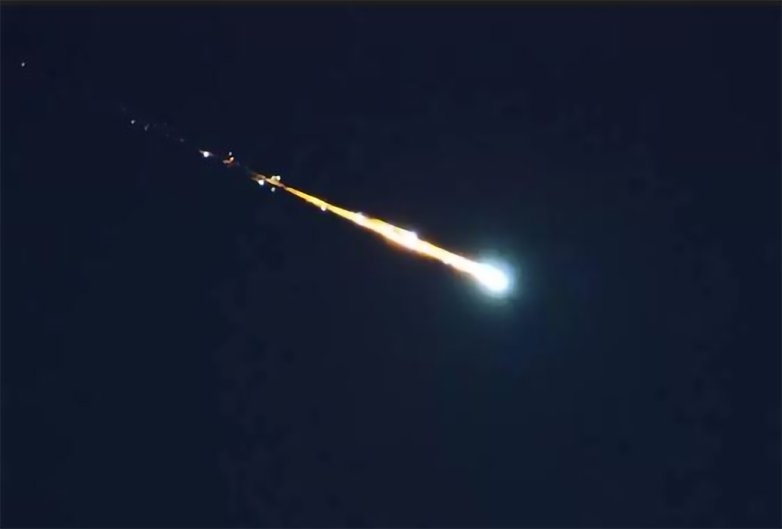
Credit: Caribbean Online Weather
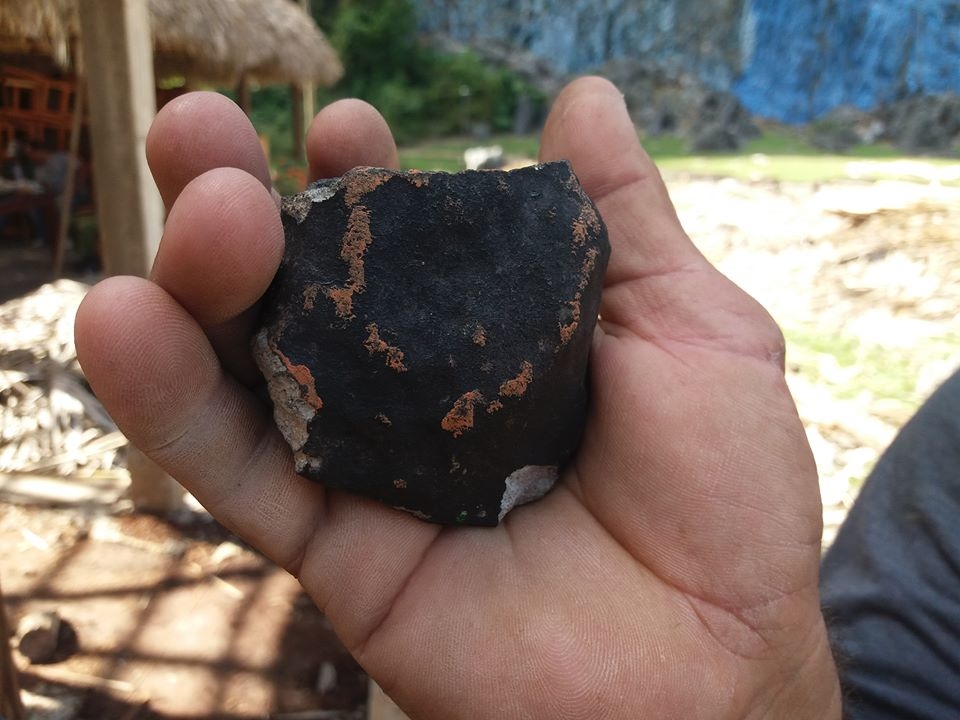
Handout picture released by Tele Pinar, a local television station of reported fragment.
Credit: Tele Pinar/Fátima Rivera Amador
The suspected meteor rained debris in and around the tourist town of Viñales, some 112 miles (180 kilometers) west of Havana.
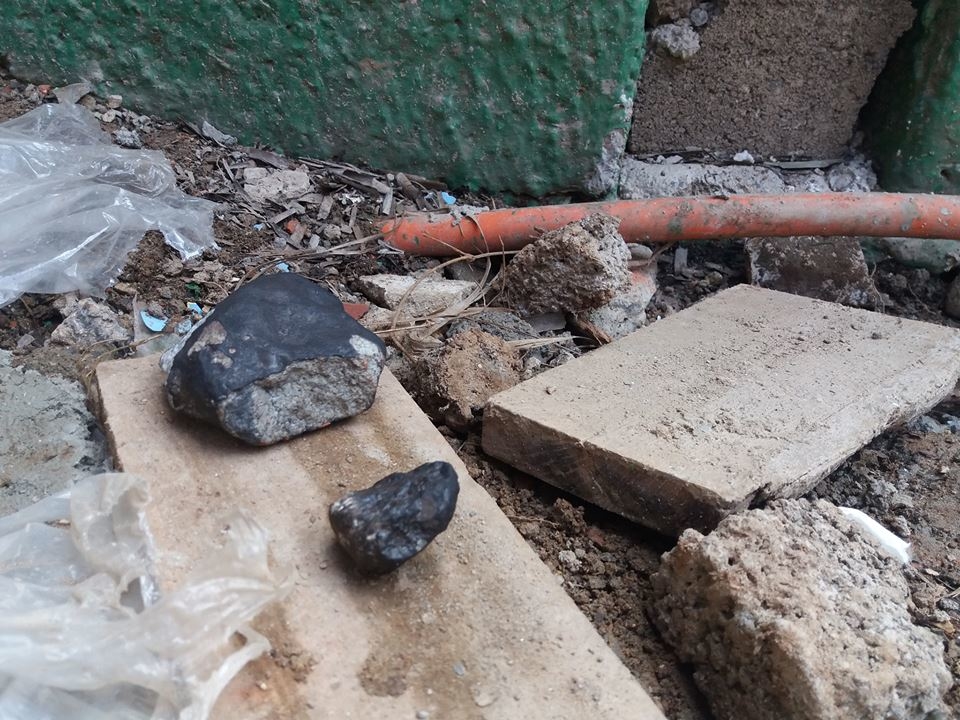
Handout picture released by Tele Pinar, a local television station of reported fragment.
Credit: Tele Pinar
National Weather Service Key West radar may have detected the meteor, reporting a signature was detected near Viñales, Cuba, at a height of over 26,000 feet above ground level.
The space rock was seen flying above Florida with Caribbean Online Weather posting a photo of the fireball.
Meanwhile, a NASA project dubbed SPoRT pulled up satellite data/imagery from GOES-16 — Geostationary Lightning Mapper (GLM) and Advanced Weather Interactive Processing System (AWIPS) software — finding some relatively high Flash Extent Density values from the area above Cuba at the same time of the meteor report.
According to the Cuban News Agency, no casualties have been reported.
This video contains sonic blast from the incoming object:

