Author Archive
 Author:
  August 20th, 2021
Credit: New China/GLOBALink/Inside Outer Space screengrab
For the second time during their mission, Chinese astronauts have completed spacewalks and returned inside the space station core module, Tianhe.
The China Manned Space Agency (CMSA) on Friday declared the extravehicular activity a success.
Taikonauts Nie Haisheng and Liu Boming performed the EVAs with Tang Hongbo staying inside the station’s core module to monitor and support his colleagues.
Liu and Tang performed the first EVAs on July 4, in cooperation with Nie from inside the Tianhe core module.

Tang Hongbo stayed inside the station’s core module to monitor and support his spacewalking colleagues.
Credit: CCTV/CNSA/Inside Outer Space screengrab
Improvements and modifications
“For our second EVA mission, we had taken some lessons drawn from the first EVA mission and made some improvements and modifications, said Chen Shanguang, deputy chief designer of the China Manned Space Program in an interview with China Central Television (CCTV).
“So the mission was performed perfectly, saving much time from the schedule. The taikonauts gave a perfect performance in their operation, and the ground command did a perfect job, too. The mission was a complete success. So we are very happy,” Chen said.

Credit: CCTV/CNSA/Inside Outer Space screengrab
“We are moving forward in practicing our extravehicular activities out of the space station. With the experience from the first extravehicular activities, our astronauts are more skilled and predictable. Second, we also improved the workflow according to the results of the first extravehicular activities, making it more efficient when the operation tasks remain unchanged. Based on these two points, they could do a better job,” said Liu Weibo, deputy chief designer of the astronaut system under the China Astronaut Research and Training Center.
New suits
During the spacewalk, the astronauts installed a pump, oriented the external panoramic camera and tested new EVA spacesuits.

Credit: CCTV/CNSA/Inside Outer Space
Outfitted in their Feitian, new-generation homemade extravehicular mobility unit spacesuits that literally means “flying to space,” the two astronauts also completed installing the foot restraints and extravehicular working platform on the mechanical arm, the China Manned Space Agency (CMSA) said.

Credit: CCTV/CNSA/Inside Outer Space
The Shenzhou-12 space flight is China’s seventh crewed mission to space and the first during the construction of the country’s space station. It is also the first in nearly five years after the country’s last manned mission.
The trio of astronauts flew into space aboard the Shenzhou-12 spaceship on June 17. The three-person crew is scheduled to return to Earth in mid-September.
Go to these videos focused on the 2nd spacewalk and what tasks were done at:
 Posted in
Credit: CCTV/CNSA/Inside Outer Space screengrab
China’s Zhurong Mars rover has been snooping around Utopia Planitia for several months with researchers discussing early findings by the robot.
Due to the Mars solar conjunction, that is expected to impact communication from mid-September to late October 2021, the Tianwen-1 orbiter will remain in a relay communication orbit and continue to relay communications from the Zhurong rover.

China’s Zhurong Mars rover.
Credit: CCTV/Inside Outer Space screengrab
Martian atmosphere
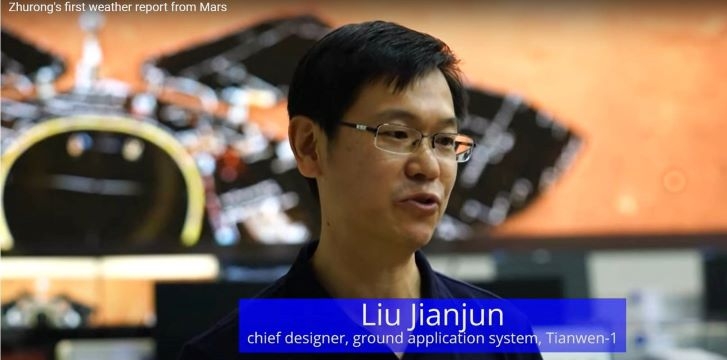
“According to our measurement, the Martian atmosphere has a pressure of around 800 pascals. What does 800 pascals suggest? We used to believe that the pressure on Mars was about 1 percent of that on Earth, but our measurement this time says it’s 1/120,” Liu Jianjun, chief designer, ground application system for China’s Tianwen-1 Mars mission told China Central Television (CCTV).
“Around noon, the temperature was between minus 20 to minus 10 degrees Celsius,” said Liu. “Another question people might be interested in is that if there is wind on Mars and how hard it blows. We measured the wind speed, which was two to eight meters per second, something we call a breeze. The maximum speed on record was 10 meters a second, so basically a breeze,” he said.

Credit: CNSA/Inside Outer Space screengrab
Existence of an ancient ocean?
The 13 scientific devices mounted on Tianwen 1’s orbiter and Zhurong rover have generated more than 420 gigabytes of primary data.
“Hopefully, by providing these data to our scientists, we can get a deeper understanding of the geology of Mars,” Liu said, “and then even see if we can find evidence of the existence of an ancient ocean in the Utopia Planitia, a question that interests many people.”
The rover’s magnetic environment meter mainly measures what the magnetic environment is like on Mars. A surface composition detector basically measures what elements are in the rocks, soil, and dunes on Mars, said Liu.
Go to these newly issued videos from CCTV/China National Space Administration (CNSA) at:

Crew of Shenzhou-12
Credit: GlobaLink/Inside Outer Space screengrab
Chinese taikonauts now stationed in the Tianhe core space station module are soon to carry out another round of spacewalking chores.
The China Manned Space Agency (CMSA) announced on Tuesday the extravehicular activities for a second time will occur within the next few days.
This Shenzhou-12 crew — Nie Haisheng, Liu Boming and Tang Hongbo — have now been onboard the country’s first space station for two months. They will remain in Earth orbit for another month before their return to terra firma. They entered the Tianhe module on June 17.

Credit: CCTV/Inside Outer Space screengrab
Next supply ship
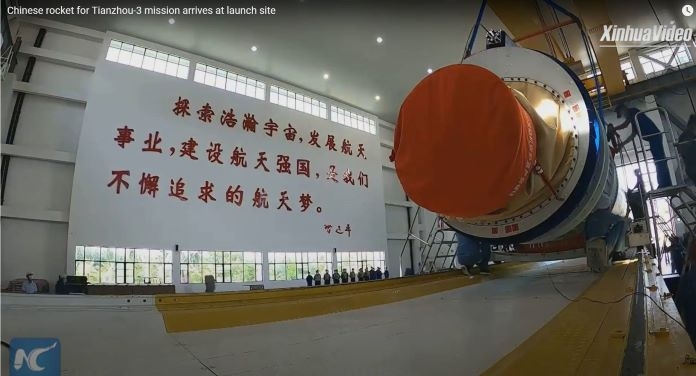
Meanwhile, a Long March-7 Y4 rocket has arrived at its launch site in southern China’s Hainan Province and is now being readied to boost the Tianzhou-3 supply craft.

New China TV/Inside Outer Space screengrab
The booster, alongside the Tianzhou-3 cargo craft, were transported to the Wenchang Spacecraft Launch Site, and will be assembled and tested there at that location, the China Manned Space Engineering Office (CMSEO) said on Monday.
Credit: CCTV/Inside Outer Space screengrab
Additionally, the piloted Shenzhou-13 spacecraft and its carrier rocket are also undergoing preparations at the Jiuquan Satellite Launch Center in northwest China, CMSEO reported.
Go to these new videos: The Long March-7 Y4 rocket’s arrival at:
Chinese astronauts have recently completed assembly of a space centrifuge onboard the station’s core module at:

Credit: NASA
New research suggests Earth’s Moon is far from a bone dry world.
The Imaging Infrared Spectrometer (IIRS) instrument onboard India’s Chandrayaan-2 lunar orbiter has found the presence of both hydroxyl ions (OH) and water molecules (H2O) on the lunar surface.
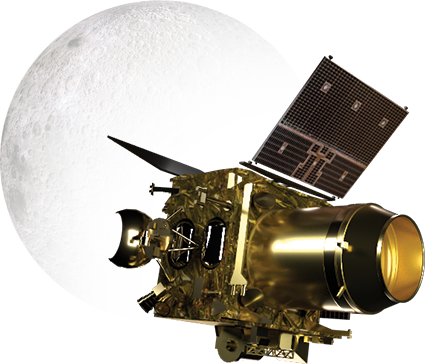
Chandrayaan 2 Orbiter.
Credit: ISRO
The assessment has further quantified the amount of water molecules present on regions of the Moon the instrument imaged, and sorts out places on the lunar landscape that are water-rich and those locales scant in hydration.

Credit: Prakash Chauhan, et. al
Space weathering
Appearing in the journal Current Science, “Unambiguous detection of OH and H2O on the Moon from Chandrayaan-2 Imaging Infrared Spectrometer reflectance data using 3 μm hydration feature,” the lead author of the work is Prakash Chauhan of the Indian Institute of Remote Sensing, Indian Space Research Organization (ISRO).
Chauhan and colleagues point to space weathering – the solar wind or charged solar particles that bombard the lunar terrain – as the source of the water.
To access this paper, go to: https://www.currentscience.ac.in/Volumes/121/03/0391.pdf
In the shadows
Meanwhile, another piece of research suggests that the shadows cast by the roughness of the Moon’s surface create small cold spots for water ice to accumulate even during the ruthless lunar daytime.

Credit: NASA
Previous computer models suggested any water ice that forms during the lunar night should quickly burn off as the Sun climbs overhead.
However, in a new study, JPL scientist Björn Davidsson and co-author Sona Hosseini, a research and instrument scientist at JPL, suggest that shadows created by the “roughness” of the lunar surface provide refuge for water ice, enabling it to form as surface frost far from the Moon’s poles. They also explain how the Moon’s exosphere (the tenuous gases that act like a thin atmosphere) may have a significant role to play.
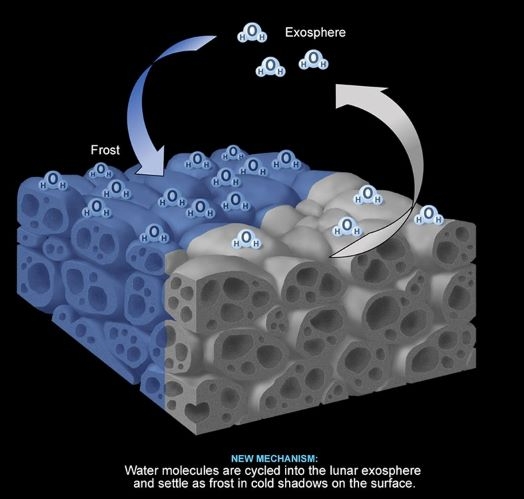
Credit: Björn Davidsson/Sona Hosseini
Strong influence
“This challenges our understanding of the lunar surface and raises intriguing questions about how volatiles, like water ice, can survive on airless bodies,” Davidsson said in a JPL statement.
In their research paper – “Implications of surface roughness in models of water desorption on the Moon” – they report that surface roughness substantially increases the capability of the Moon to retain water on its sunlit hemisphere at any latitude, and within 45 degrees of the poles, at any time of the lunar day.
“Hence, we show that lunar surface roughness has a strong influence on lunar water adsorption and desorption. Therefore, it is of critical importance to take account of surface roughness to get an accurate picture of the amount of water on the Moon’s surface and in its exosphere,” the researchers conclude.
To access this research, go to the Monthly Notices of the Royal Astronomical Society, Volume 506, Issue 3, September 2021 at:
https://doi.org/10.1093/mnras/stab1360
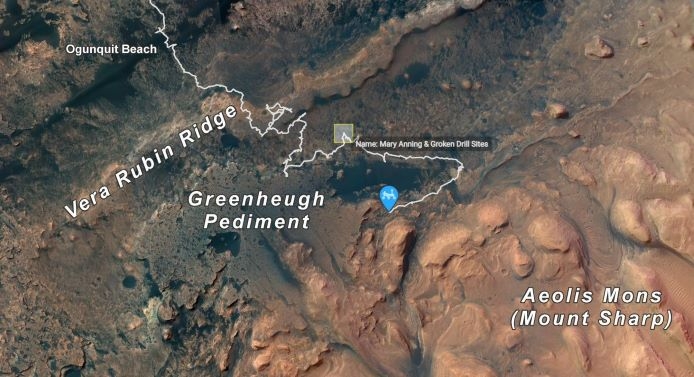
Credit: NASA/JPL-Caltech/Univ. of Arizona
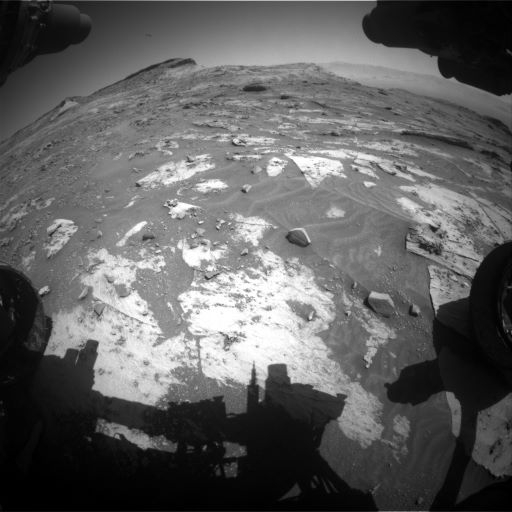
Curiosity Front Hazard Avoidance Camera Right B image taken on Sol 3207, August 14,2021.
Credit: NASA/JPL-Caltech
NASA’s Curiosity rover at Gale Crater is now performing Sol 3208 tasks.
The robot continues its climb up Mt. Sharp, navigating towards the southwest. Here are some recently taken images of the rover’s surroundings:

Curiosity Mast Camera Left image acquired on Sol 3206, August 13, 2021.
Credit: NASA/JPL-Caltech/MSSS
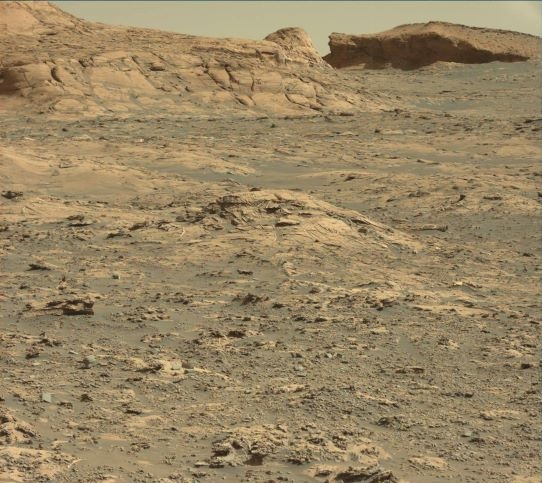
Curiosity Mast Camera Left image acquired on Sol 3206, August 13, 2021.
Credit: NASA/JPL-Caltech/MSSS
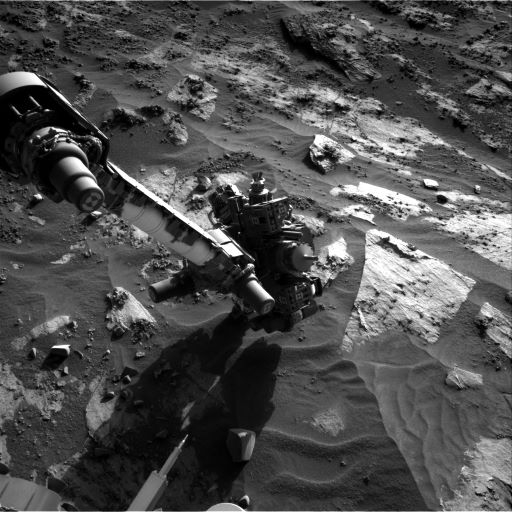
Curiosity Right B Navigation Camera image taken on Sol 3208, August 15, 2021.
Credit: NASA/JPL-Caltech
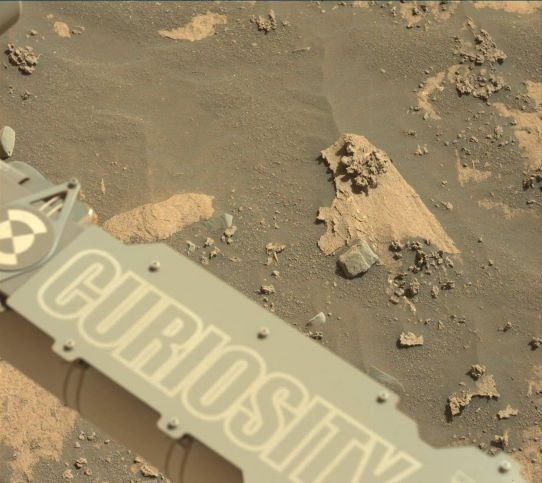
Curiosity Mast Camera Left image acquired on Sol 3206, August 13, 2021.
Credit: NASA/JPL-Caltech/MSSS
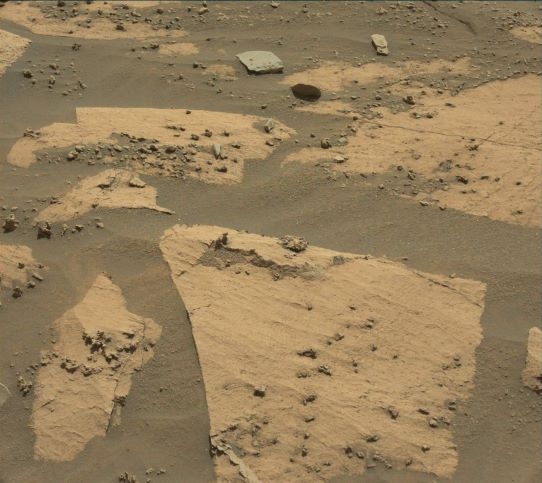
Curiosity Mast Camera Left image acquired on Sol 3206, August 13, 2021.
Credit: NASA/JPL-Caltech/MSSS
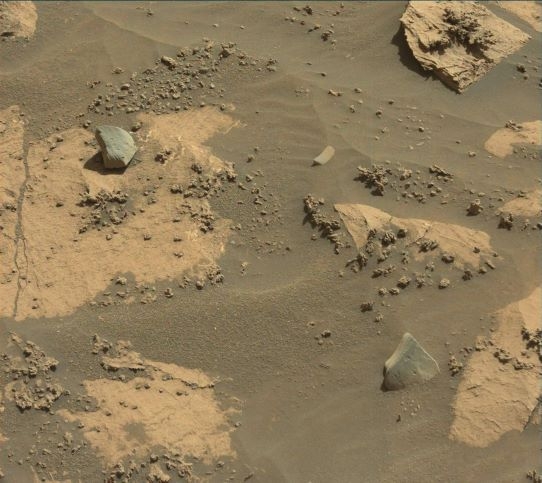
Curiosity Mast Camera Left image acquired on Sol 3206, August 13, 2021.
Credit: NASA/JPL-Caltech/MSSS
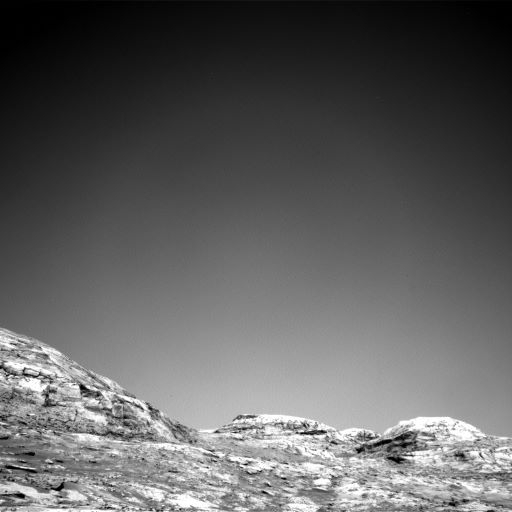
Curiosity Right B Navigation Camera image taken on Sol 3208, August 15, 2021.
Credit: NASA/JPL-Caltech
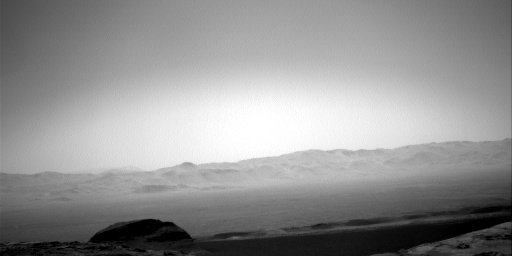
Curiosity Right B Navigation Camera image taken on Sol 3208, August 15, 2021.
Credit: NASA/JPL-Caltech
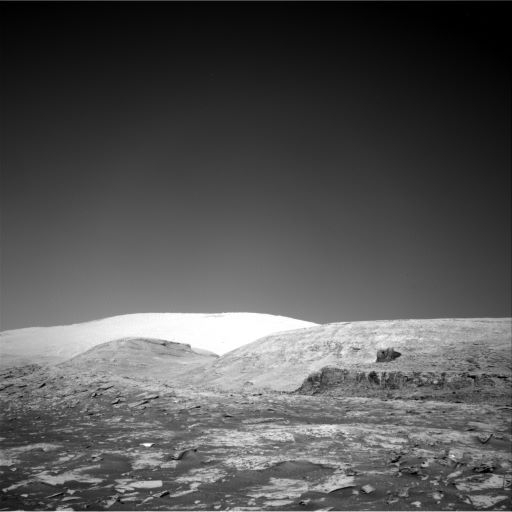
Curiosity Right B Navigation Camera image taken on Sol 3208, August 15, 2021.
Credit: NASA/JPL-Caltech

Curiosity Front Hazard Avoidance Camera Left B image taken on Sol 3206, August 13, 2021.
Credit: NASA/JPL-Caltech
NASA’s Curiosity Mars rover at Gale Crater is now performing Sol 3207 duties.
“Curiosity continues her climb up Mt. Sharp, navigating her way towards the southwest,” reports Mark Salvatore, a planetary geologist at the University of Michigan.
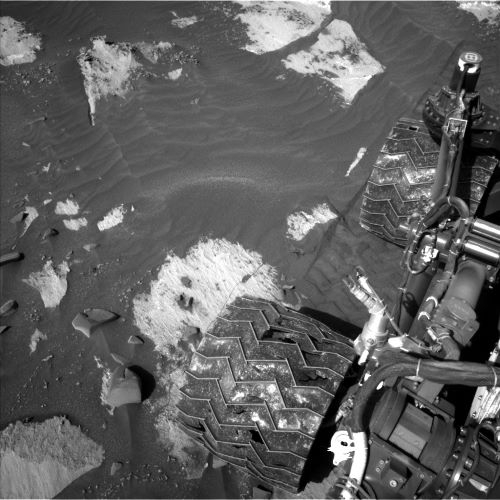
Curiosity Left B Navigation Camera image acquired on Sol 3206, August 13, 2021.
Credit: NASA/JPL-Caltech
Transition region
In the previous plan, Curiosity traveled approximately 131 feet (40 meters) through fairly rocky terrain that coincides with the transition region between the clay-bearing bedrock that the robot has been exploring for the past few years and the overlying sulfate-bearing materials.
“The science team is carefully characterizing this compositional transition both laterally and vertically, hoping to identify key evidence for environmental transitions along the way,” Salvatore adds.
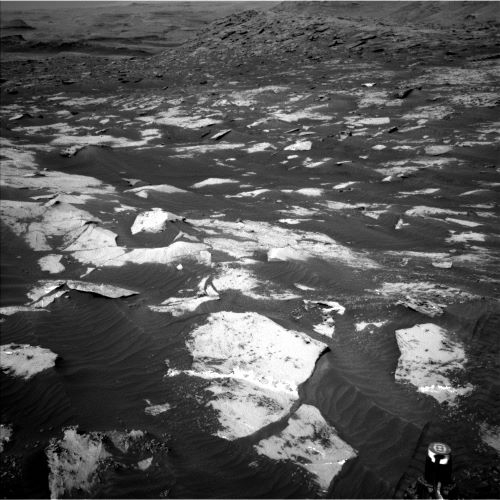
Curiosity Left B Navigation Camera image acquired on Sol 3206, August 13, 2021.
Credit: NASA/JPL-Caltech
“The current transition zone was one of the main reasons why NASA and the scientific community selected Gale crater as the Curiosity landing site,” Salvatore points out.
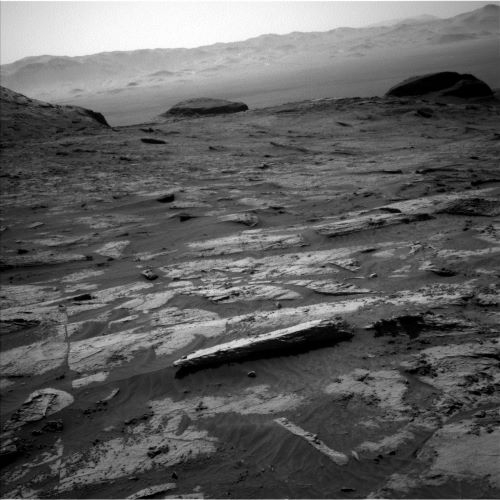
Curiosity Left B Navigation Camera image acquired on Sol 3206, August 13, 2021.
Credit: NASA/JPL-Caltech
Environmental history
Spectral evidence from the Compact Reconnaissance Imaging Spectrometer for Mars (CRISM) instrument on NASA’s Mars Reconnaissance Orbiter showed a clear compositional transition here that might be indicative of significant environmental change recorded in the rock record.
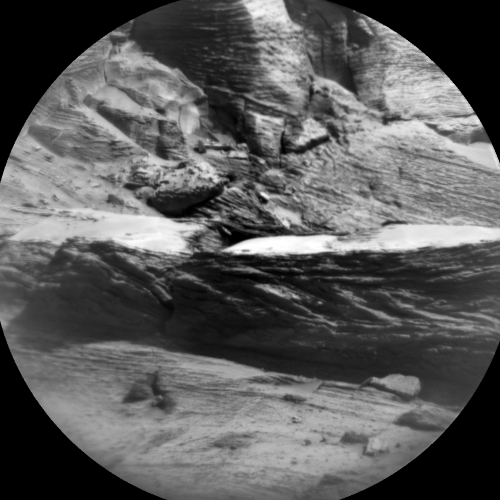
Curiosity Chemistry & Camera Remote Micro-Imager photo taken on Sol 3206, August 13, 2021
Credit: NASA/JPL-Caltech/LANL
Salvatore says that “Curiosity is now in a position to begin understanding and unraveling this environmental history!”
In the current plan, Curiosity will be acquiring local and long-distance imagery, as well as some compositional measurements of local bedrock and diagenetic features (the process of chemical and physical change in deposited sediment during its conversion to rock).
The plan will end with a rover drive of roughly 82 feet (25 meters) to the southwest “as we continue our way through this transition zone,” Salvatore concludes.

Credit: Wageningen University
Growing crops on the Red Planet is a Mars underground necessity.
New research has shown that the effect of cosmic radiation on plants demand they be protected.
Netherlands-based Wageningen University and Research and the Reactor Institute Delft (RID) have investigated the effect of gamma radiation as was recorded by the Mars rover Curiosity on garden cress and rye.
Because the radiation on Mars is about 17 times higher than on Earth, the experiment was carried out under strict safety precautions.

Credit: Wageningen University/RID
Led castle
“We conducted the experiment in a special ‘led castle’ and in a fume hood,” says Nyncke Tack. There were multiple effects of the radiation visible, including brown leaves and dwarfed growth. Besides that, the researcher adds, the harvest was disappointing and lower than a non-radiated control group of plants.
Principal investigator at Wageningen University, Wieger Wamelink, said he had always expected that the radiation would have a negative effect on plant growth, “but it was never very well investigated so we needed to confirm if this expectation was correct.”
According to a university statement, the radiation was emitted by five cobalt 60 sources, especially ‘made’ by the RID. The sources were placed above the plants to create a plane radiation field comparable to Mars. The growing plants were radiated constantly for 28 days and harvested afterwards.
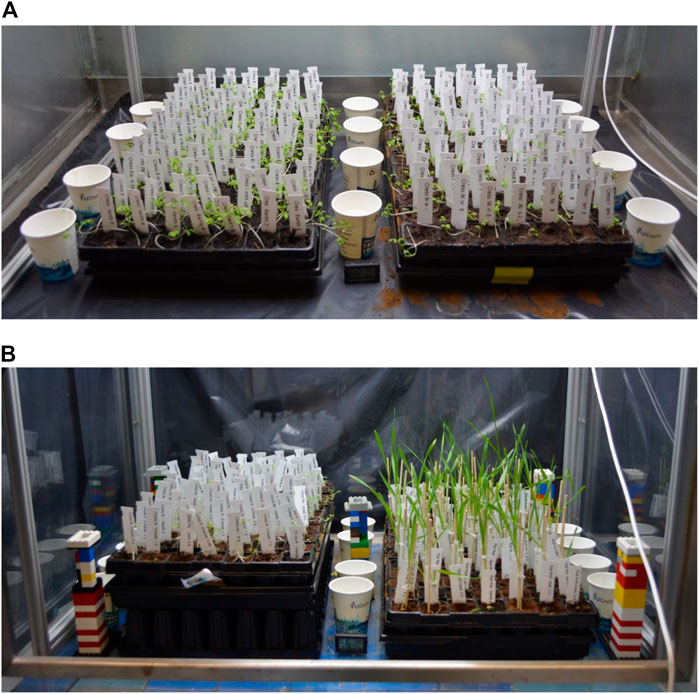
(A) sowing the cress control Earth (CE, left) and control Mars (CM, right). Shown are the pots with trays, the water cups and the temperature and humidity meter located in between the two trays. (B) is showing the radiation treatments in the radiation fume hood surrounded by lead walls. Treatments of cress (left) and rye (right) are indicated with white labels. Lego towers hold thermoluminescent dosimetry (TLD) cups at the top. Pictures were taken on the morning of harvest.
Below ground
“Creating a plane radiation field is tricky and that is why 5 sources were used to prevent one plant to receive a higher dose than another plant, which would otherwise influence the outcome of the experiment,” the university statement adds. Only gamma radiation was used, whereas on Mars cosmic radiation consists of alpha, beta gamma and UV radiation, so there are still differences, but the dose was about the same as what Mars receives.
“Now that it is clear that we can expect negative effects on plant growth due to the radiation on Mars, we have to protect them. An option is to grow the plants below ground in a dome where most of the radiation cannot penetrate so that humans are protected as well,” Wamelink affirms.
“It is a bigger challenge than growing plants in a greenhouse on the surface, but it also makes life easier since we can grow plants under fully controlled circumstances, applying LED light,” Wamelink reports.
For detailed information on the work, go to “Influence of Martian Radiation-like Conditions on the Growth of Secale cereale and Lepidium sativum” at:
https://www.frontiersin.org/articles/10.3389/fspas.2021.665649/full

Clutter in the cosmos.
Credit: Used with permission: Melrae Pictures/Space Junk 3D
A new report flags the fact that collision risk in low Earth orbit is on the rise. Moreover, addressing this risk is of paramount importance and is becoming increasingly urgent.
The report — Collision Risk from Space Debris – Current Status, Challenges and Response Strategies has been issued by the Ecole Polytechnique Fédérale de Lausanne’s (EPFL) International Risk Governance Center.

Orbital debris hit.
Credit: NASA
Tipping point passed?
“Collisions between large derelict objects cannot currently be avoided. Such collisions can result in a large number of smaller fragments, significantly increasing the subsequent collision risk for operational spacecraft,” the report states. “The long-term danger is a cascade of collisions, threatening the safety of future space operations.”
In addition, modeling of the space debris environment has shown that “the tipping point for this cascading effect might already have been reached in some orbital regions.”

A solution to pollution – netting a derelict satellite?
Credit: ESA
Collision risk landscape
The report chapters discuss the space ecosystem and its evolution; the collision risk landscape; the current strategy for managing collision risk; and offer a number of options for reinforcing the current management strategy and introduce novel approaches.
This excellent report draws attention to some of the major challenges ahead.
“Much of the discussion regarding space safety is concerned with coordinating and managing increasing levels of space traffic,” the report explains. “Although increased efforts are required in this area, the risk profile of an operating spacecraft is dominated by lethal non-trackable objects which cannot be dodged.”
For the full report, go to:
https://www.epfl.ch/research/domains/irgc/specific-risk-domains/space-debris/
For another view of the space clutter issue, go to this editorial in Nature —
“The world must cooperate to avoid a catastrophic space collision” — at:
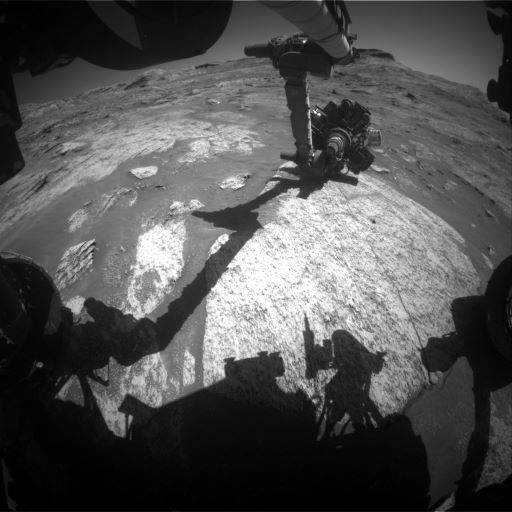
Curiosity Front Hazard Avoidance Camera Left B image taken on Sol 3203, August 10, 2021.
Credit: NASA/JPL-Caltech
NASA’s Curiosity Mars rover at Gale Crater is now performing Sol 3203 tasks.
“Curiosity is making good progress along the path to our next intended drill location, and making a lot of great observations along the way,” reports Lauren Edgar, a planetary geologist at the USGS Astrogeology Science Center in Flagstaff, Arizona.
All of this progress means the robot is about to leave the “Nontron” quadrangle and return to the “Torridon” quadrangle.
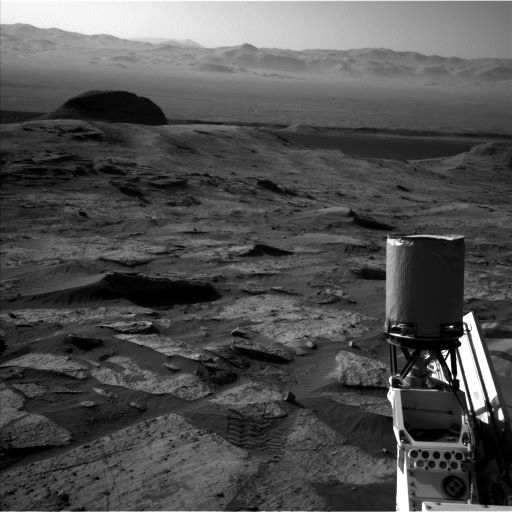
Curiosity Left B Navigation Camera image acquired on Sol 3203, August 20, 2021.
Credit: NASA/JPL-Caltech
Quad names
“These quad names are how we keep track of observations on Mars – prior to landing, the expected landing zone and nearby areas were divided into square quadrangles (1.5 km on a side) and each quadrangle was assigned a name of a town on Earth with a population of less than 100,000 people,” Edgar explains. “As we drive through the quads, we assign informal names to rock targets that correspond to geologic formations and features from that town on Earth.”
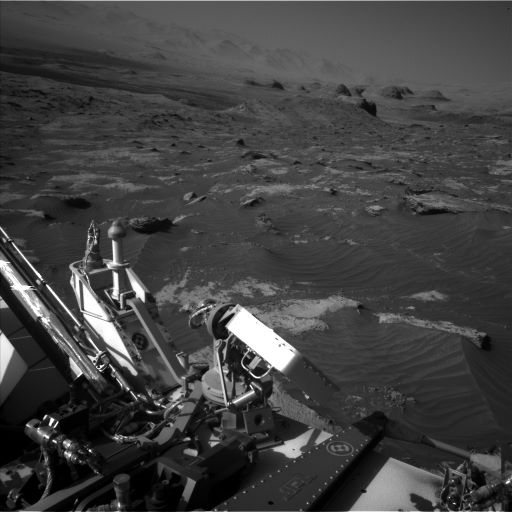
Curiosity Left B Navigation Camera image acquired on Sol 3203, August 20, 2021.
Credit: NASA/JPL-Caltech
What this means is that after the rover’s recent drive, Mars researchers will stop using French names from “Nontron” and return to using names from “Torridon” in Scotland.
“We were previously in this quad,” Edgar adds, “but now we’re much further to the south as we investigate the clay-sulfate transition.”
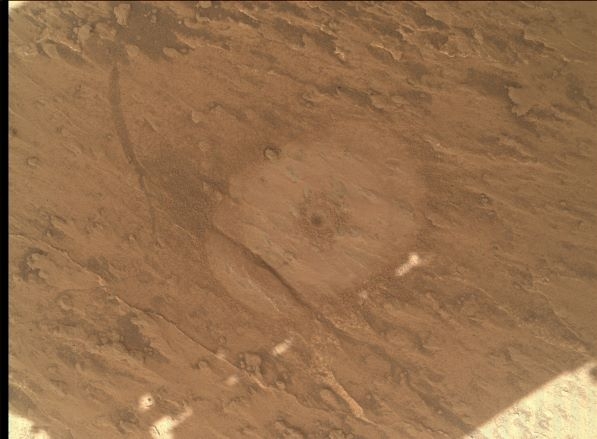
Curiosity Mars Hand Lens Imager photo produced on Sol 3203, August 10, 2021.
Credit: NASA/JPL-Caltech/MSSS
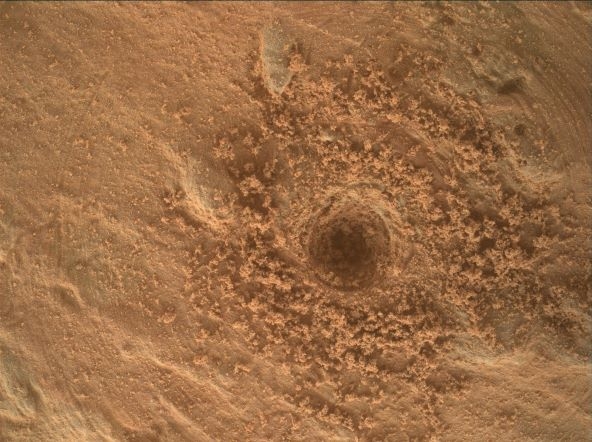
Curiosity Mars Hand Lens Imager photo produced on Sol 3203, August 10, 2021.
Credit: NASA/JPL-Caltech/MSSS
Remove dust
A recently scripted plan focused on contact science and continuing a rover drive.
The team was able to add in a Dust Removal Tool (DRT) to remove dust prior to Alpha Particle X-Ray Spectrometer (APXS) and Mars Hand Lens Imager (MAHLI) observations on the target “Blis et Born,” which will lead to better data about the bedrock in that locale.
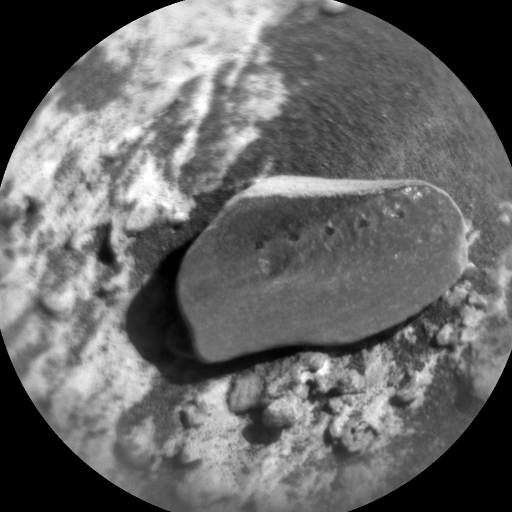
Laser strikes are seen in this Curiosity Chemistry & Camera Remote Micro-Imager (RMI) photo acquired on Sol 3203, August 10, 2021.
Credit: NASA/JPL-Caltech/LANL
The plan also includes two Mastcam mosaics to investigate vertical exposures of nearby stratification, as well as Chemistry and Camera (ChemCam) Laser Induced Breakdown Spectroscopy (LIBS) on an interesting blue-gray float rock and a ChemCam Remote Micro-Imager (RMI) to investigate nodular bedrock.
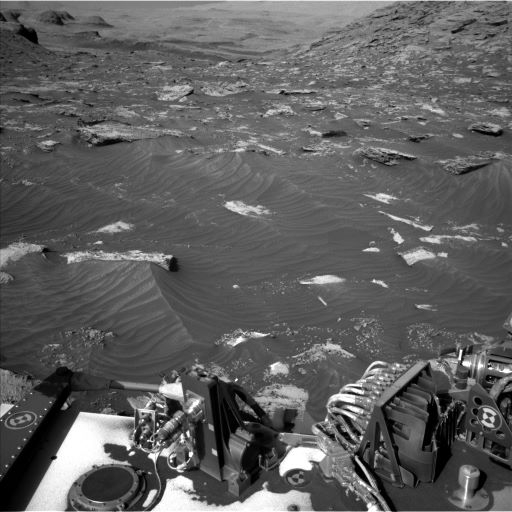
Curiosity Left B Navigation Camera image acquired on Sol 3203, August 20, 2021.
Credit: NASA/JPL-Caltech
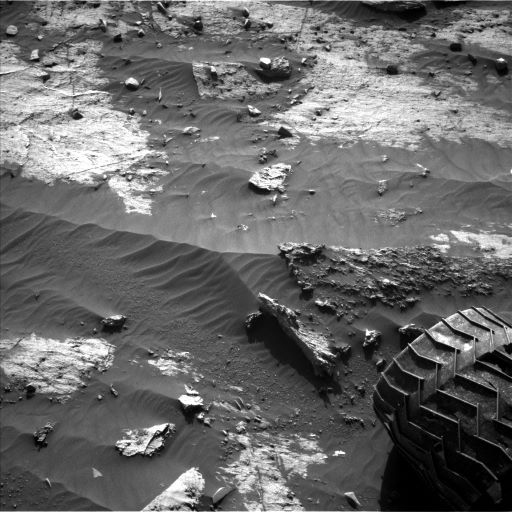
Curiosity Left B Navigation Camera image acquired on Sol 3203, August 20, 2021.
Credit: NASA/JPL-Caltech
“The team also planned some Navcam observations to assess the dust content of the atmosphere and search for dust devils,” Edgar concludes. “Onwards to Torridon!”
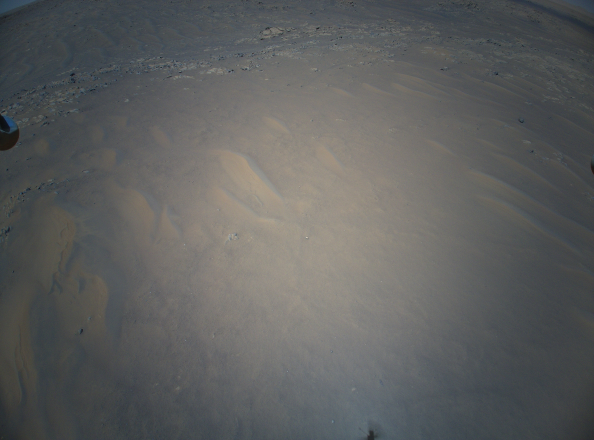
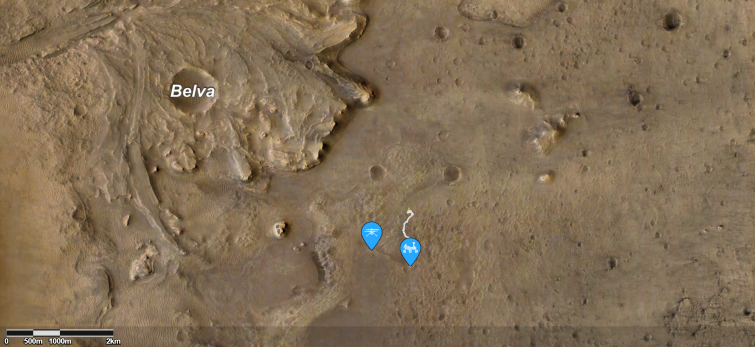
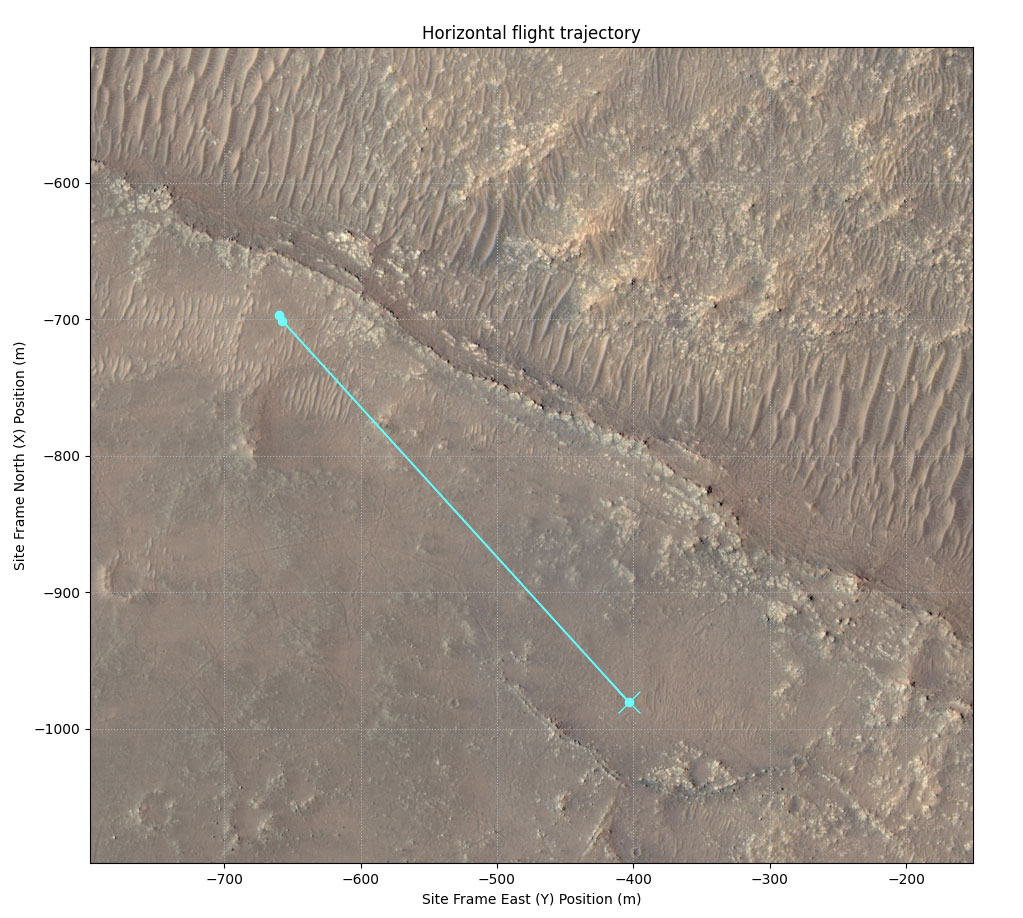
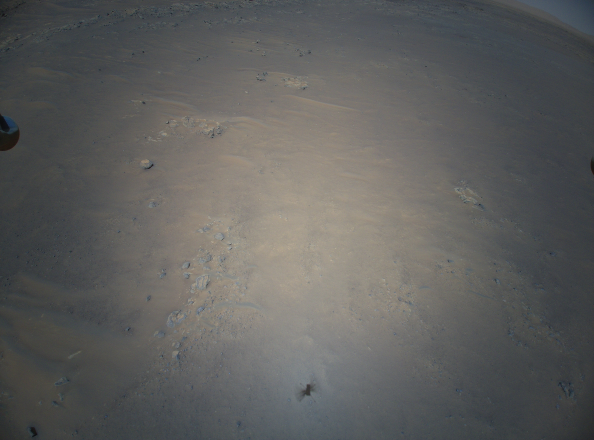
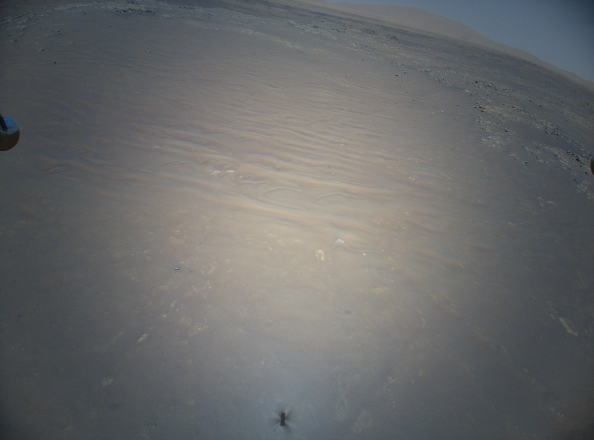
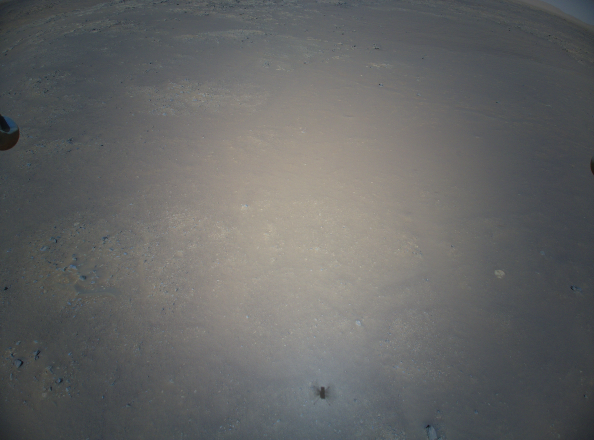
NASA’s Ingenuity Mars Helicopter acquired color images using its high-resolution color camera. This camera is mounted in the helicopter’s fuselage and pointed approximately 22 degree below the horizon.
These images were acquired on August 5, 2021, (Sol 163) of the Perseverance rover mission. Mars Helicopter Ingenuity successfully completed 11th flight moving to South Séítah.
Image Credits: NASA/JPL-Caltech
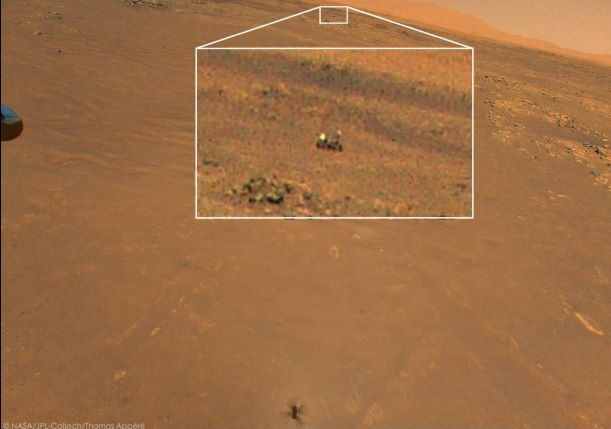
Sharp-eyed Thomas Appéré has spotted the Perseverance rover in recently released Mars helicopter imagery.
Credit: NASA/JPL-Caltech/Thomas Appéré