Author Archive
 Author:
  December 6th, 2021
The U.S. Defense Advanced Research Projects Agency (DARPA) is moving forward on the Novel Orbital and Moon Manufacturing, Materials and Mass-efficient Design (NOM4D) program. (Image credit: DARPA)
There is growing interest in protecting strategic assets in cis-lunar space. Not only is the U.S. Space Force engaged in reflecting on the topic of how best to extend military presence far from Earth – so too is China and others.
Parallel to air, land, sea, or polar skirmishes between nations here on Earth, is cis-lunar, and perhaps the moon itself, an emerging “high-ground” and new territory for conflict? There’s a variance of views according to Space.com outreach.

Carving up near-moon locales: How strategic could this be for military interests? (Image credit: Aerospace Corporation)
To read my new Space.com story, go to:
“Military interest in the moon is ramping up – ‘Cislunar space has recently become prominent in the space community and warrants attention,’ a recent Air Force Research Laboratory document states,” at:
 Posted in
NASA’s Curiosity Mars rover is now carrying out Sol 3316 tasks at Gale Crater.
New imagery from the robot shows the Mars machinery at work and views of the surrounding scenery:
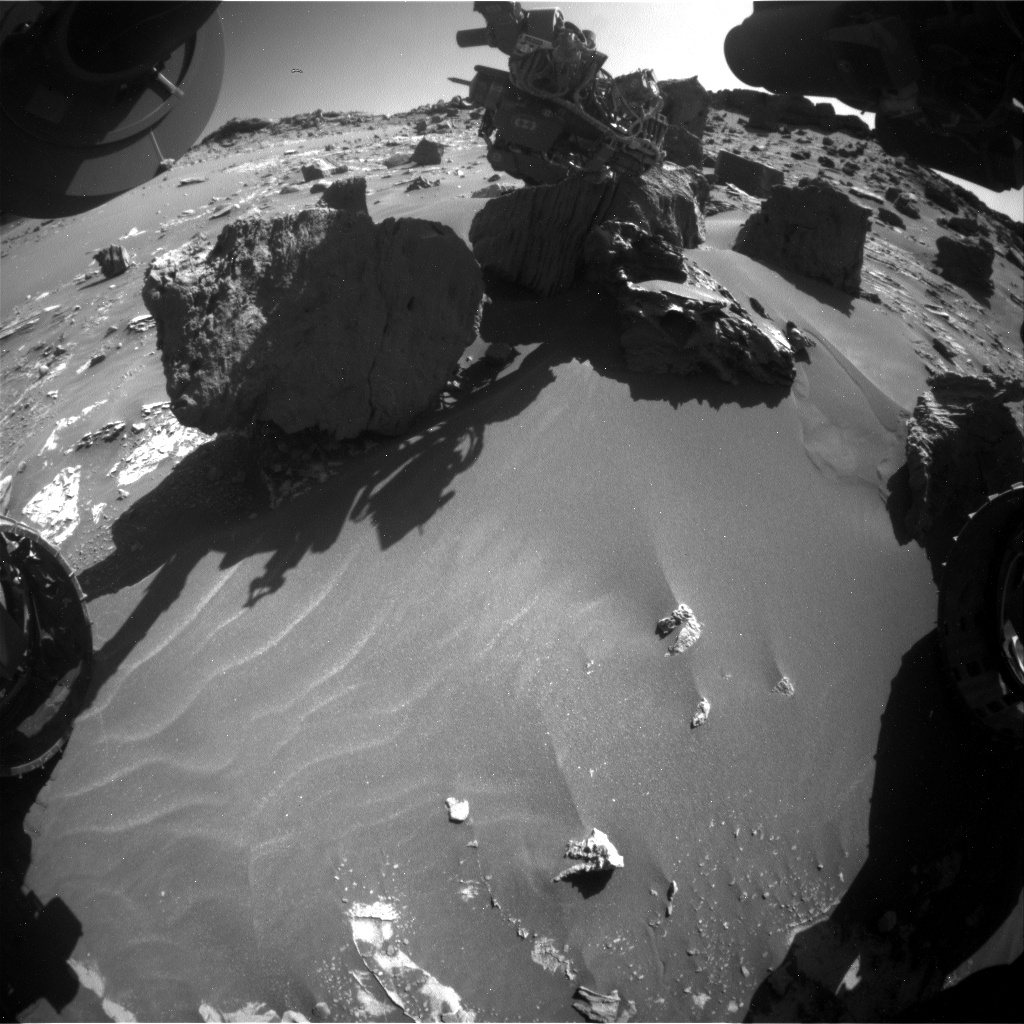
Curiosity Front Hazard Avoidance Camera Right B image taken on Sol 3316, December 4, 2021.
Credit: NASA/JPL-Caltech
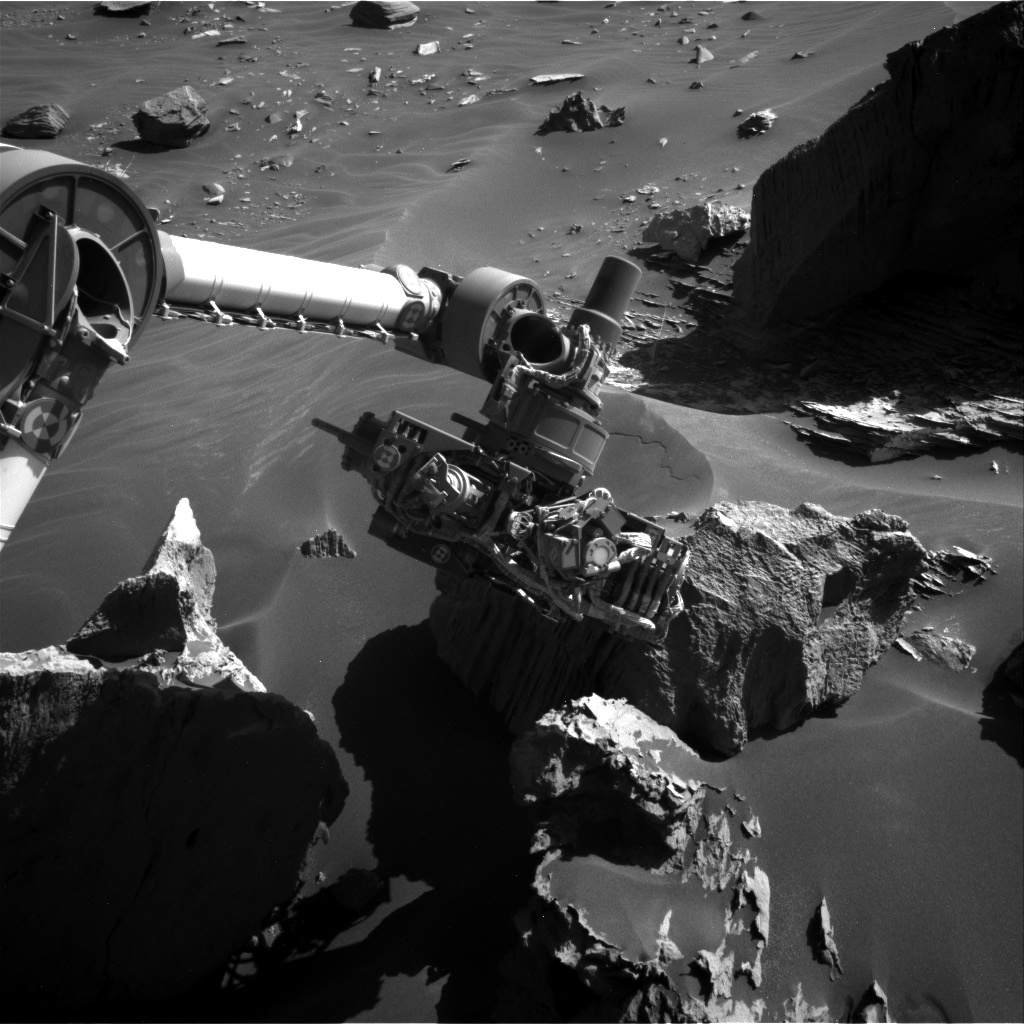
Curiosity Right B Navigation Camera image acquired on Sol 3316, December 4, 2021.
Credit: NASA/JPL-Caltech
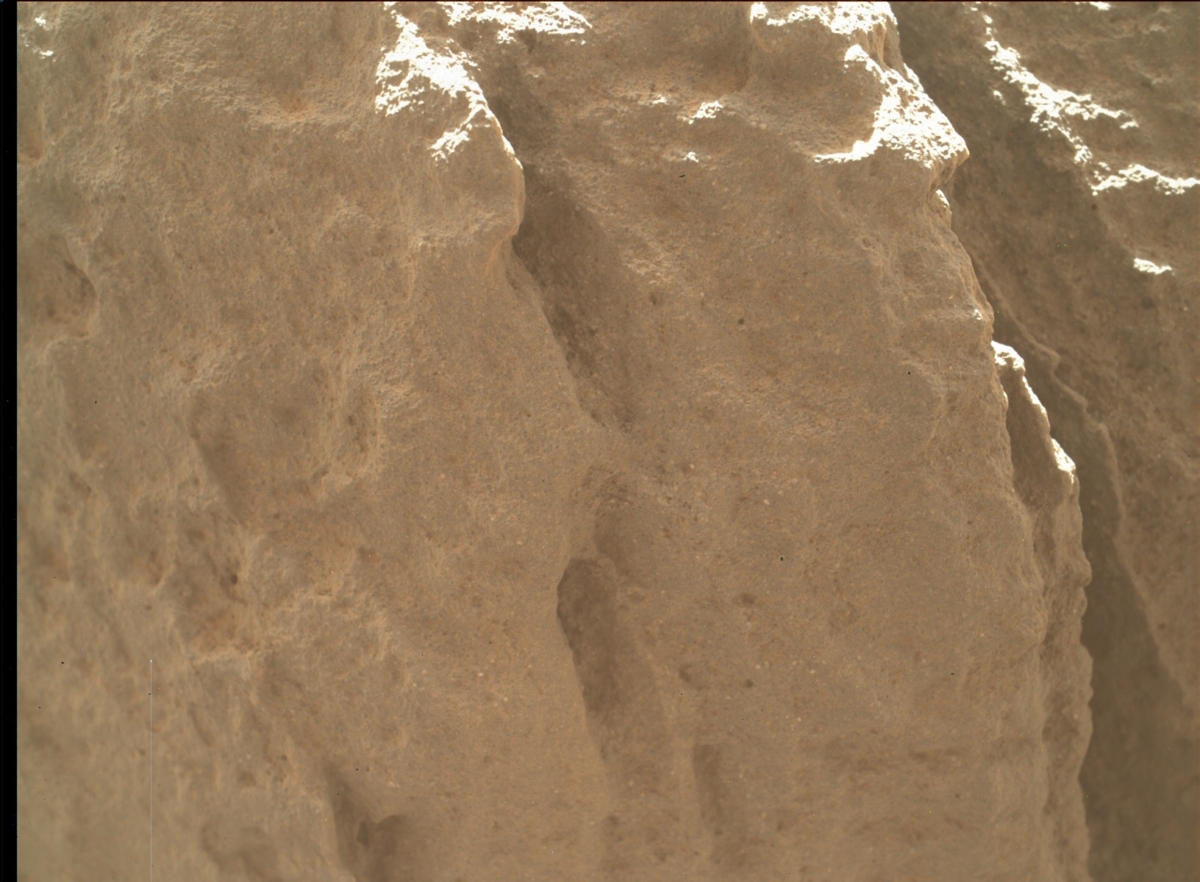
Curiosity Mars Hand Lens Imager photo produced on Sol 3316, December 4, 2021.
Credit: NASA/JPL-Caltech/MSSS
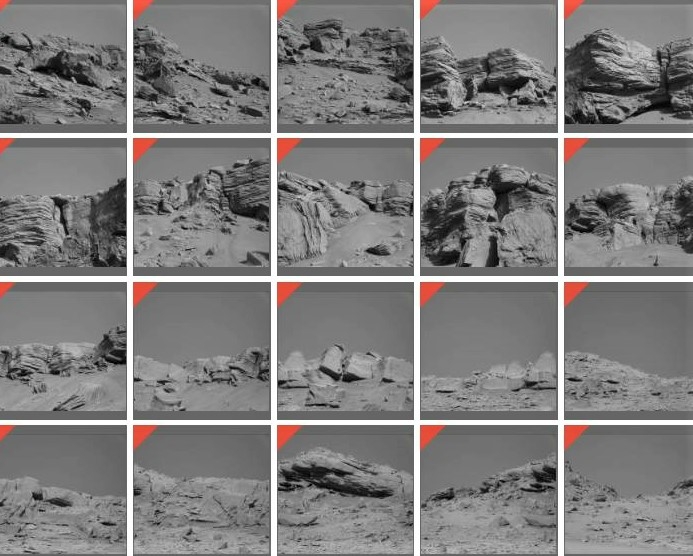
Mosaic of imagery via Curiosity Mast Camera Right, taken on Sol 3315, December 3, 2021.
Credit: NASA/JPL-Caltech/MSSS
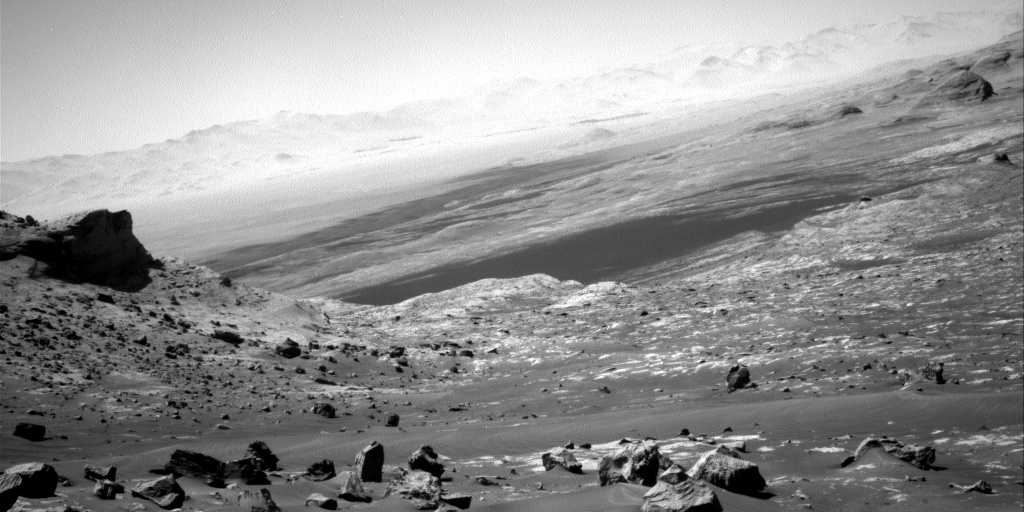
Curiosity Right B Navigation Camera photo taken on Sol 3315, December 3, 2021.
Credit: NASA/JPL-Caltech

This figure highlights how debris from the Russian military’s test cross the orbit of the International Space Station, China’s new Tiangong space station, and the orbits of several large satellite constellations made up, collectively, of 1000s of satellites.
Credit: OSI
A new assessment of the recent Russian anti-satellite test has been released by the Outer Space Institute (OSI), based at the University of British Columbia in Vancouver, Canada.
The Russian military used a ground-based missile to strike their defunct Cosmos-1408 satellite on November 15, 2021.
The defunct Soviet-era satellite had a mass of about 1.7 metric tons (1,750 kilograms) and was orbiting at an altitude of about 298 miles (480 kilometers).
“Due to the high impact energies involved, debris from a kinetic anti-satellite (ASAT) test such as this end up on highly eccentric orbits that cross the orbits of 1000s of other satellites twice per revolution,” the OSI paper explains.

Clutter in the cosmos.
Credit: Used with permission: Melrae Pictures/Space Junk 3D
Non-trackable debris
While some of the debris from the Russian ASAT test will deorbit quickly, a significant fraction will remain in orbit for years or longer, the preliminary OSI discussion paper points out.
“Of particular concern is the non-trackable debris, which will be more abundant than the trackable debris by at least an order of magnitude. Since small debris cannot be detected, collision avoidance maneuvers cannot be used to protect against them. And at typical relative speeds of about 10 km/s (36,000 km/hr), even a tiny piece can disable a satellite or kill an astronaut,” the OSI paper adds.
The Outer Space Institute (OSI) is network of world-leading space experts. For more information on their work, go to:
http://outerspaceinstitute.ca/
To read the full paper – Russian ASAT test: A preliminary discussion — by Aaron Boley and Michael Byers, OSI co-directors, go to:
http://outerspaceinstitute.ca/docs/RussianASAT_PrelimDiscussion.pdf
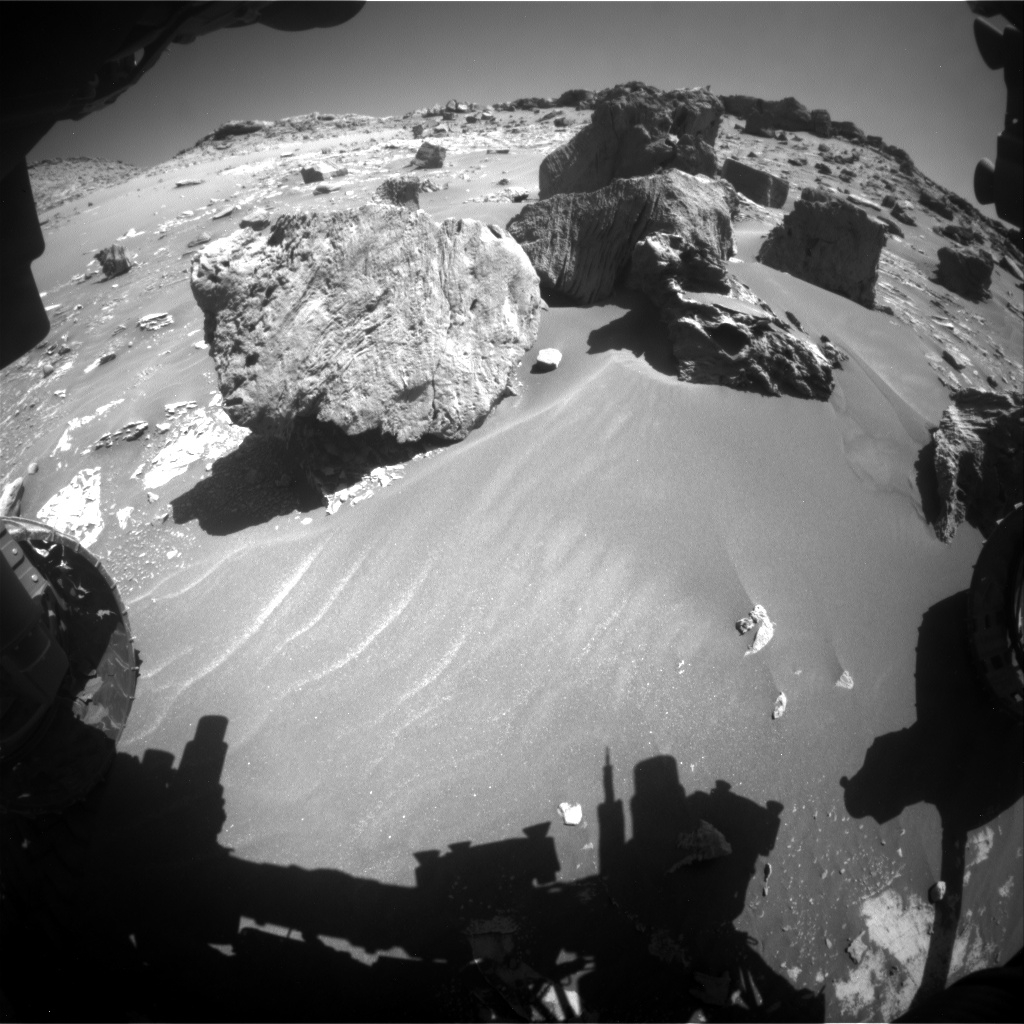
Curiosity Front Hazard Avoidance Camera Left B photo taken on Sol 3314, December 2, 2021.
Credit: NASA/JPL-Caltech
NASA’s Curiosity Mars rover at Gale Crater is now performing Sol 3315 tasks.
Curiosity scored a perfect drive to some boulders that the science team have been interested in investigating, reports Lucy Thompson, a planetary geologist at University of New Brunswick; Fredericton, New Brunswick, Canada
“The large boulders are thought to represent the darker, resistant rocks exposed just above us that cap the underlying less resistant, lighter colored rocks we have been driving over,” Thompson adds.

Curiosity Left B Navigation Camera image acquired on Sol 3314, December 2, 2021.
Credit: NASA/JPL-Caltech
Different textures
The caprocks and boulders both show two different textures; 1) layered and 2) more massive and irregular with cavities.
The team wants to examine these different textures in more detail and determine whether there are differences in composition between the two.
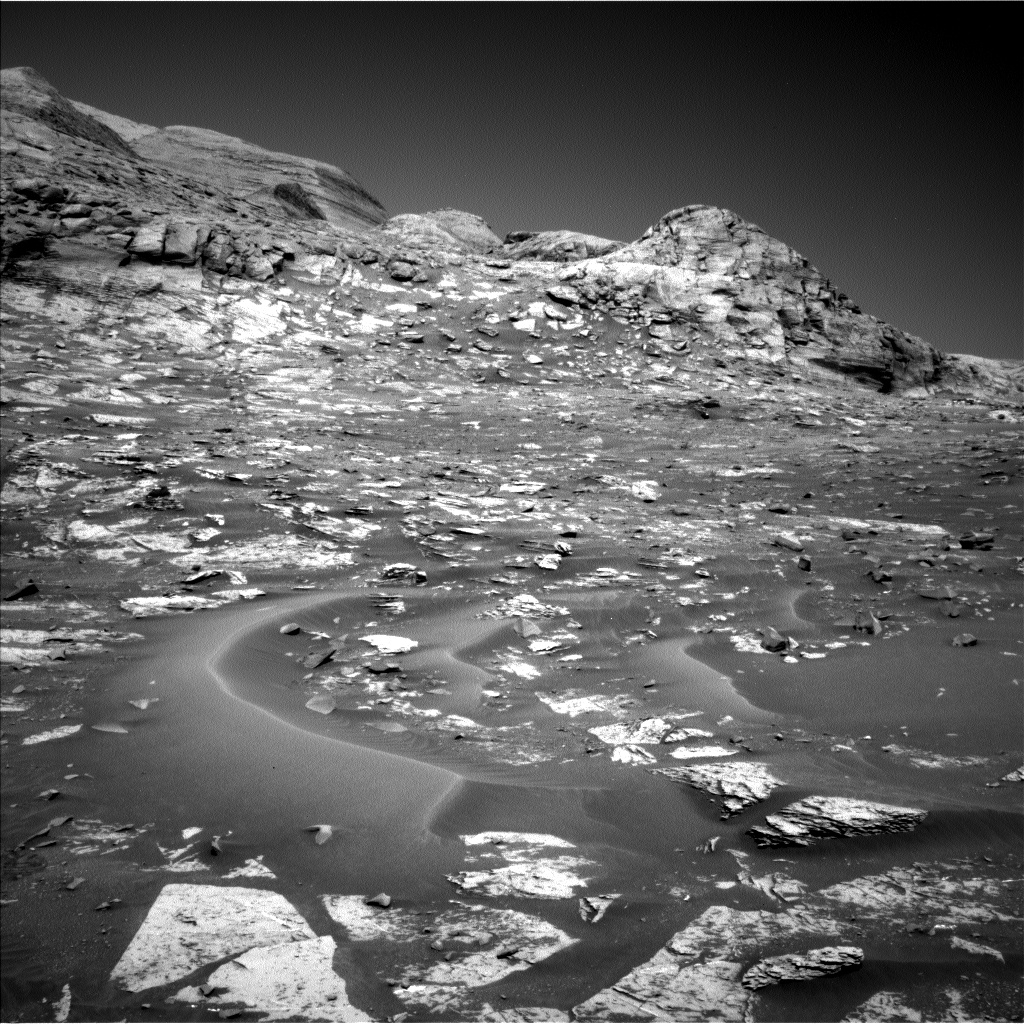
Curiosity Left B Navigation Camera image acquired on Sol 3314, December 2, 2021.
Credit: NASA/JPL-Caltech
“We will also be able to compare the chemistry of these boulders with the pediment capping sandstones we analyzed when we first ascended the pediment. Does the more massive texture represent alteration of the layered caprock? This contact is an important one within Gale crater and represents an unconformity (a gap in time) between the underlying Mount Sharp group (laid down in lakes and rivers) and the overlying Siccar Point group (primarily wind-blown sedimentary rocks),” Thompson points out.
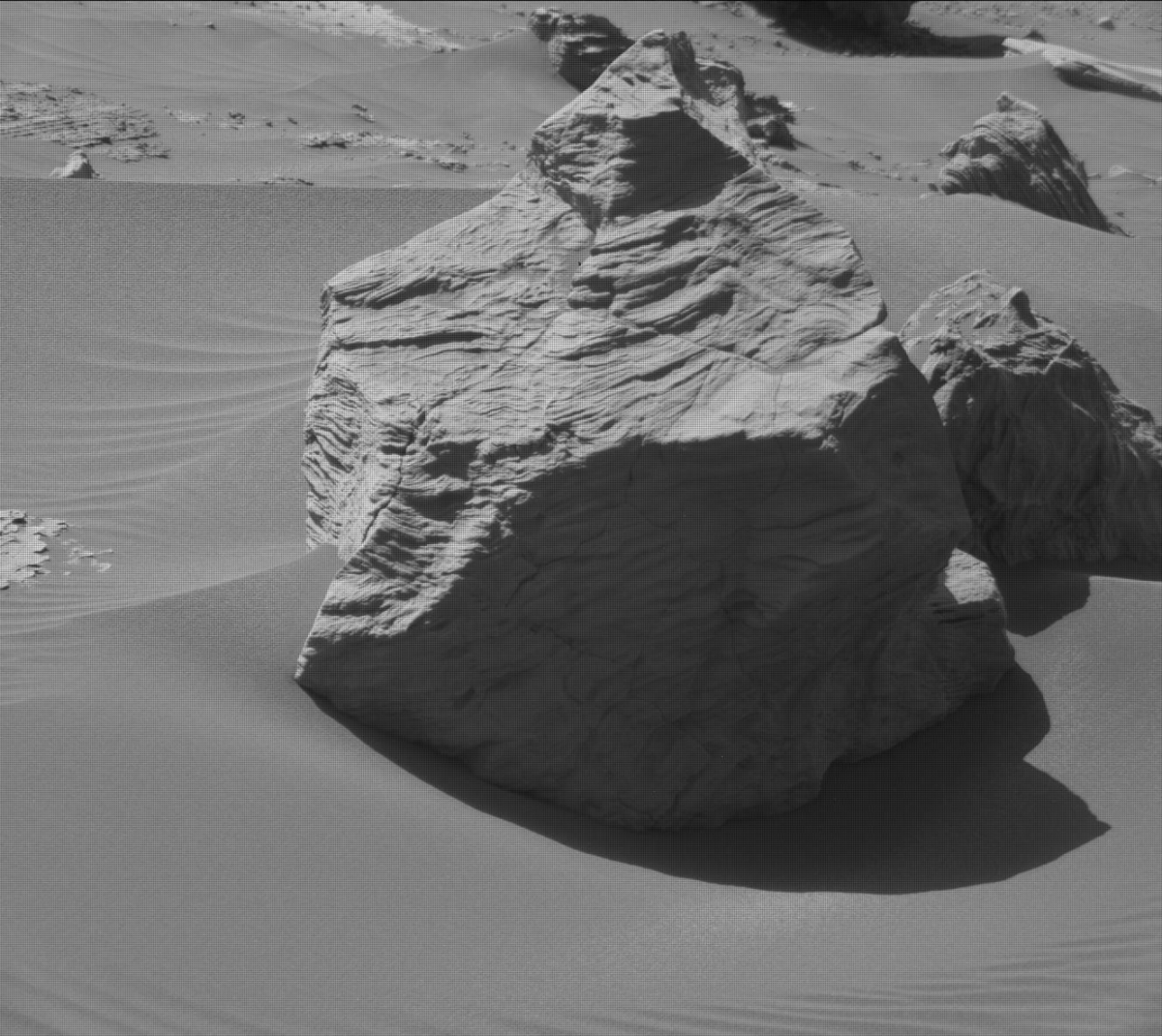
Curiosity Mast Camera Right photo taken on Sol 3313, December 1, 2021.
Credit: NASA/JPL-Caltech/MSSS
More massive rock
Recently, the robot placed the Alpha Particle X-Ray Spectrometer (APXS) and Mars Hand Lens Imager (MAHLI) instruments in contact with the “Yarrow Stone” target, which will allow Mars researchers to examine the chemistry and close-up texture of the more massive rock.
“We can compare the composition with the small, layered float, APXS target, ‘Camusnagaul,’” acquired in a recent plan, Thompson notes.
Curiosity’s Chemistry and Camera (ChemCam) will use passive spectroscopy to examine the same “Yarrow Stone” target, and the Laser Induced Breakdown Spectroscopy (LIBS) is slated to look at another spot on the same boulder (“Avochie”), also with the massive texture.

Curiosity Right B Navigation Camera image taken on Sol 3314, December 2, 2021.
Credit: NASA/JPL-Caltech
Source of boulders
Scientists want to examine the layered, “Borve” target on the same block with ChemCam LIBS. Mastcam will acquire complementary imaging of these targets and the surrounding area. MAHLI will also image two of the layered targets (“Whaligoe Steps” and “Arainn”), which we may try to place APXS on over the weekend. To investigate the probable source area for these boulders, we plan to take Mastcam and ChemCam [Remote Micro-Imager](RMI) imaging of the pediment.
Environmental monitoring activities will include a Navcam dust devil movie and line of site observation, a Mastcam tau.Standard Dynamic Albedo of Neutrons (DAN), Radiation Assessment Detector (RAD) and Rover Environmental Monitoring Station (REMS) activities round out the plan, Thompson concludes.

Curiosity Mast Camera Right photo taken on Sol 3313, December 1, 2021.
Credit: NASA/JPL-Caltech/MSSS
Road less traveled
Fred Calef, a planetary geologist at NASA’s Jet Propulsion Laboratory, also reports, the rover’s recent drive took the “road less traveled” to investigate a bunch of boulders shed down from a cliff face off to the side of our expected traverse to the south.
“Why? Beneath the Greenheugh Pediment, the flat-lying, high-standing escarpment to the west, the scientists could see a unique layer with a convoluted texture,” Calef says. The robot’s drive means the Mars machinery is headed to blocks from this layer that have rolled down close to the cliff base.
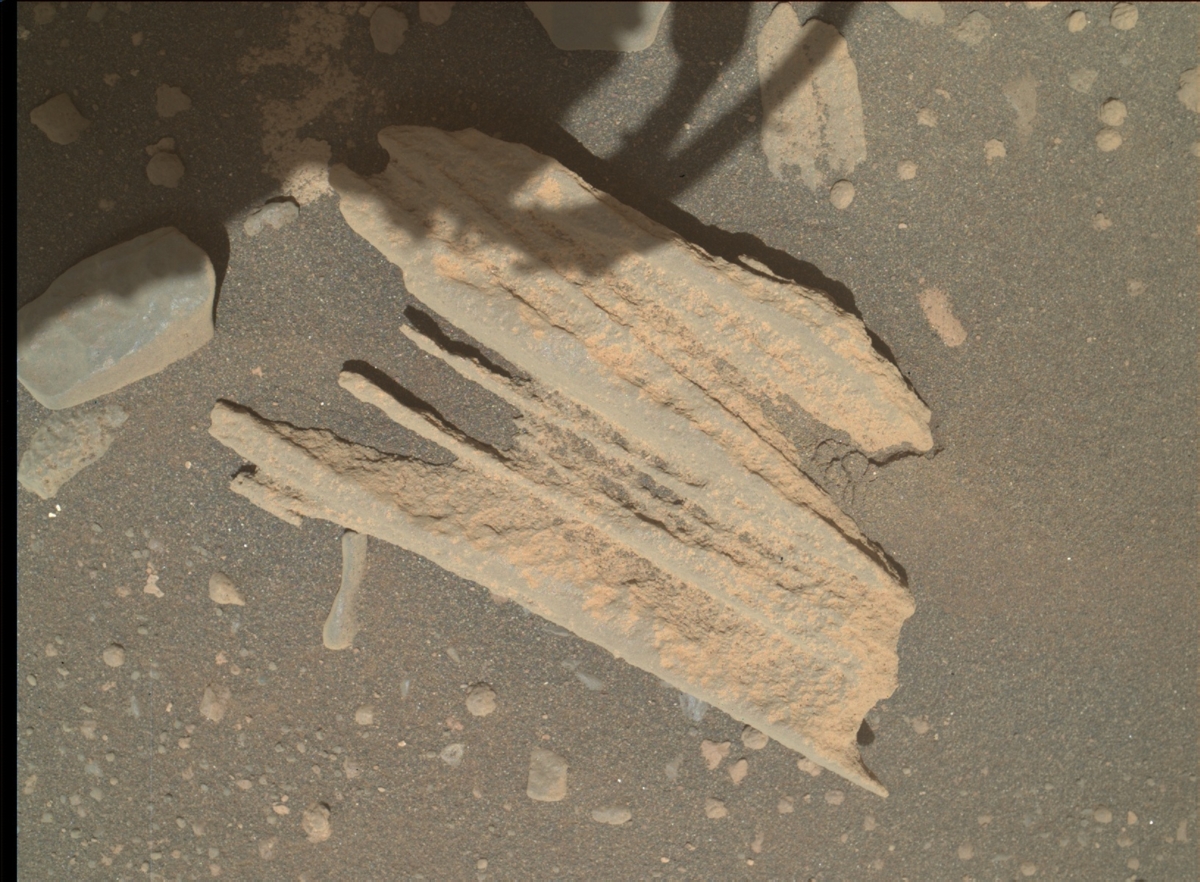
Curiosity Mars Hand Lens Imager photo produced on Sol 3313, December 1, 2021.
Credit: NASA/JPL-Caltech/MSSS
First, the rover will do some contact science with MAHLI on target “Camusnagaul,” which is likely a fragment from the top of the pediment.
Calef explains that ChemCam and Mastcam observations will be targeted on “Dutch Village” to create a higher resolution mosaic of the pediment.
Another Mastcam mosaic will be created on “Old Scatness” to document some partially exposed bedrock near the rover as well as one on the nearby boulder field, Calef concludes.

Credit: NASA/Joel Kowsky
On December 1, 2021, the Biden administration hosted its first meeting of the National Space Council. Chaired by U.S. Vice President Kamala Harris, the event was held at the United States Institute of Peace in Washington, DC.

Credit: NASA/Joel Kowsky

Credit: NASA/Joel Kowsky
U.S. President Biden issued an executive order expanding and modifying the National Space Council. The executive order can be viewed at:
A Space Council overview can be read here:
https://www.whitehouse.gov/spacecouncil/
To view the Biden Administration’s United States Space Priorities Framework, go to:
To view a video of the December 1st meeting of the National Space Council, go to:
From the U.S. Department of State, a statement on the meeting, go to:
https://www.state.gov/vice-president-harris-first-national-space-council-meeting/
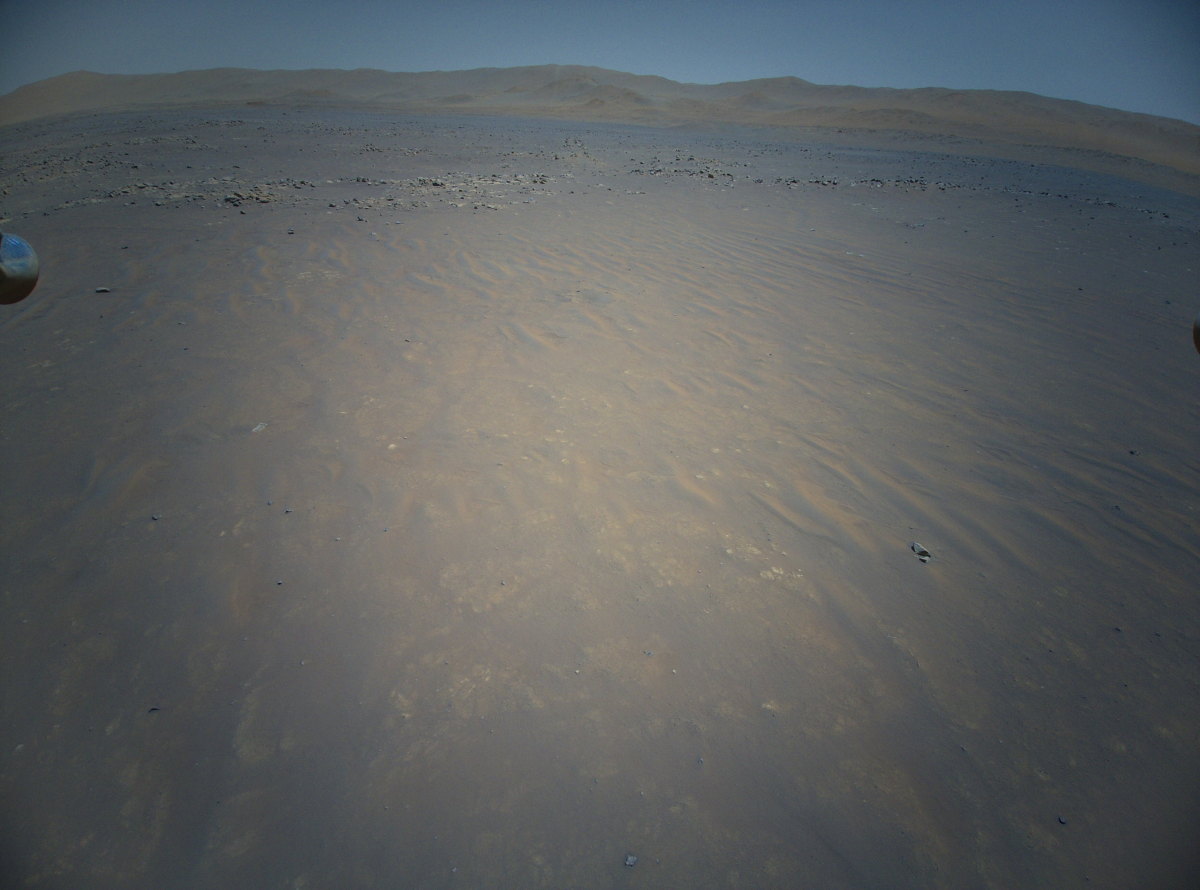
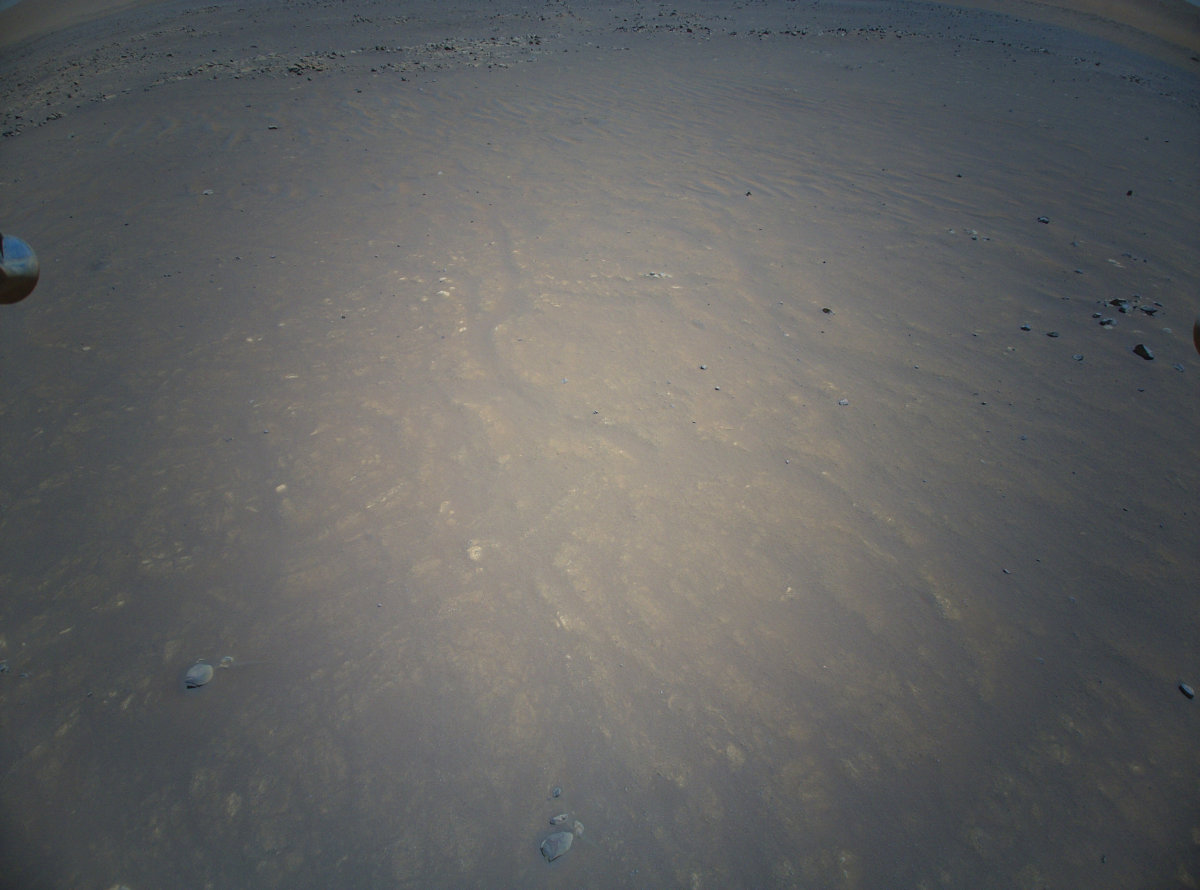
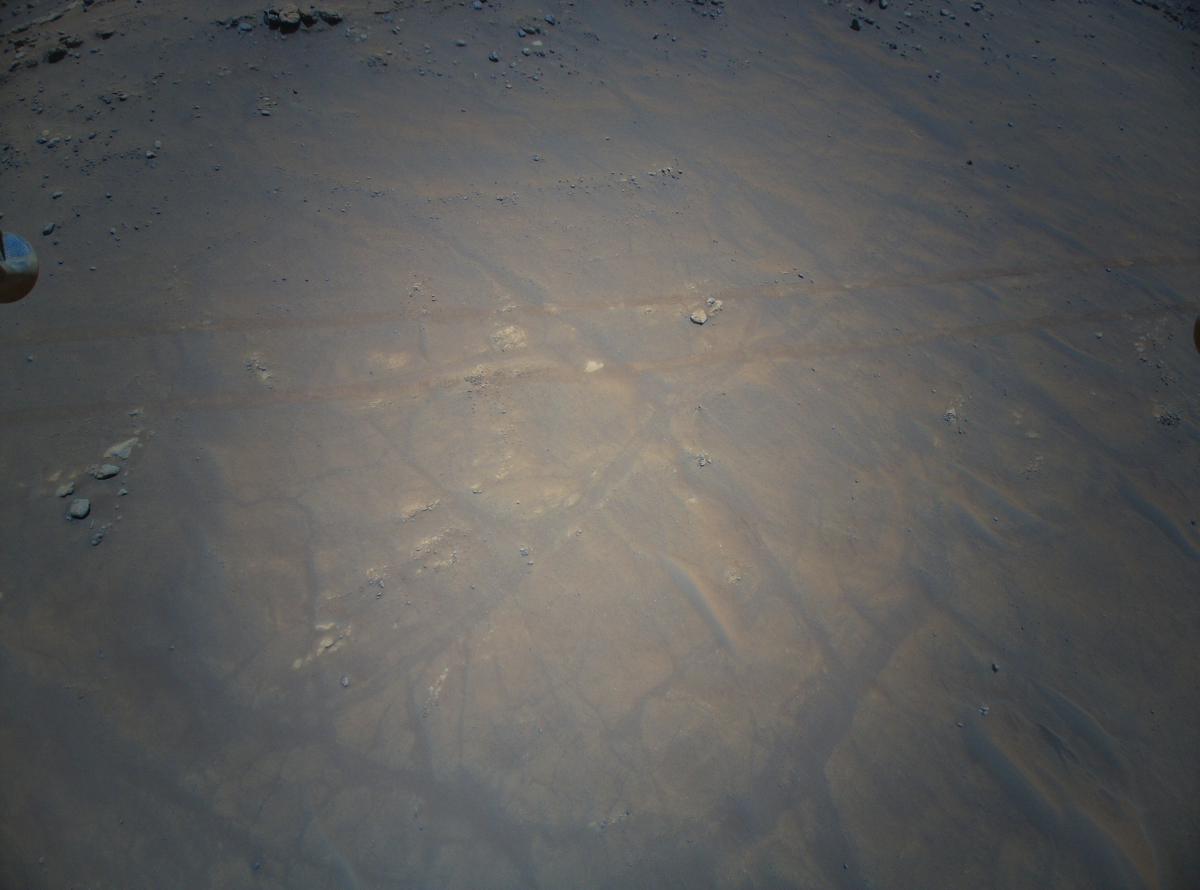
Just released imagery shows NASA Ingenuity’s 16th flight on Mars. The helicopter acquired these images using its high-resolution color camera. This camera is mounted in the helicopter’s fuselage and pointed approximately 22 degrees below the horizon.

Images were acquired on November 21, 2021, the date of Ingenuity’s 16th flight.
Credits: NASA/JPL-Caltech

Credits: NASA/JPL-Caltech
Credits: NASA/JPL-Caltech

Credits: NASA/JPL-Caltech

Credits: NASA/JPL-Caltech

Credits: NASA/JPL-Caltech

Credits: NASA/JPL-Caltech

Credits: NASA/JPL-Caltech
Credits: NASA/JPL-Caltech

Vice President Kamala Harris has Convened the Administration’s Inaugural National Space Council Meeting
December 1, 2021 starting at 1:30 PM ET
Go to: https://www.whitehouse.gov/live/
and
https://www.youtube.com/watch?v=o9vAwU4S8rg
NASA is also airing live coverage of the first National Space Council meeting from the U.S. Institute of Peace in Washington, D.C.

Also, the White House Space Framework has been Released.
Go to:
https://www.whitehouse.gov/wp-content/uploads/2021/12/United-States-Space-Priorities-Framework-_-December-1-2021.pdf
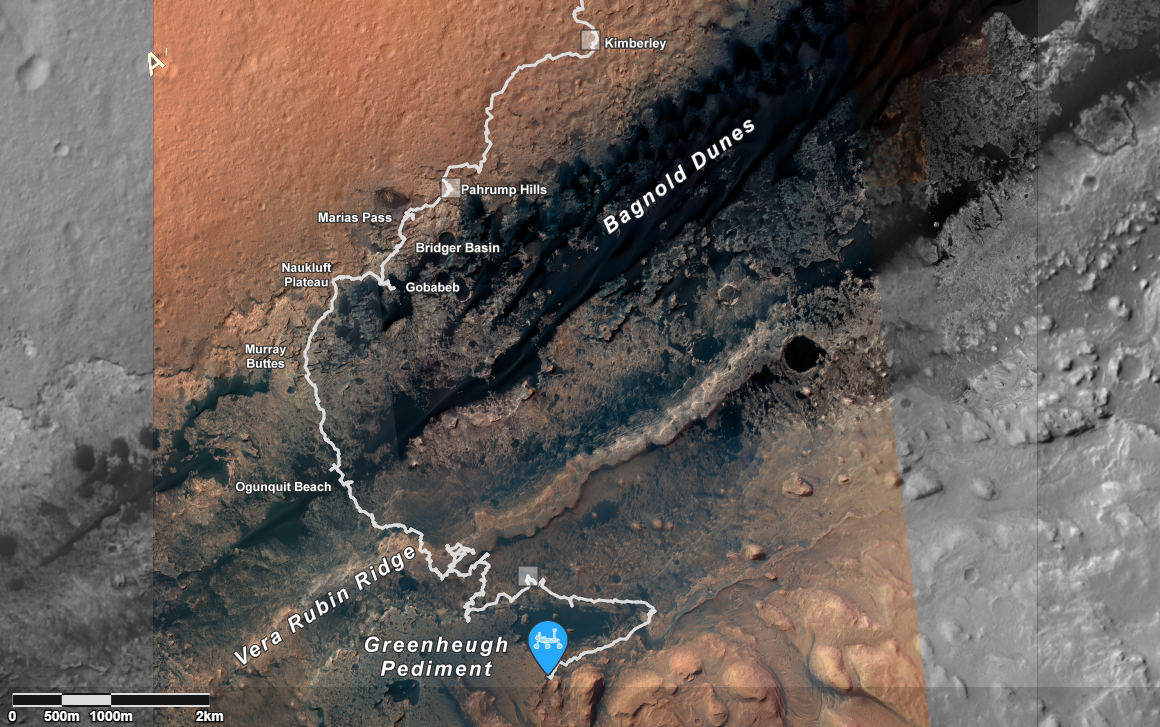
Curiosity’s location as of Sol 3312. Distance driven to date is 16.53 miles/26.61 kilometers.
Credit: NASA/JPL-Caltech/Univ. of Arizona
NASA’s Curiosity Mars rover at Gale Crater is now performing Sol 3313 duties.
Susanne Schwenzer, a planetary geologist at The Open University; Milton Keynes, U.K., reports Curiosity is keeping itself busy exploring Gale crater, and this means having one last look at the Zechstein drill hole and its surroundings.
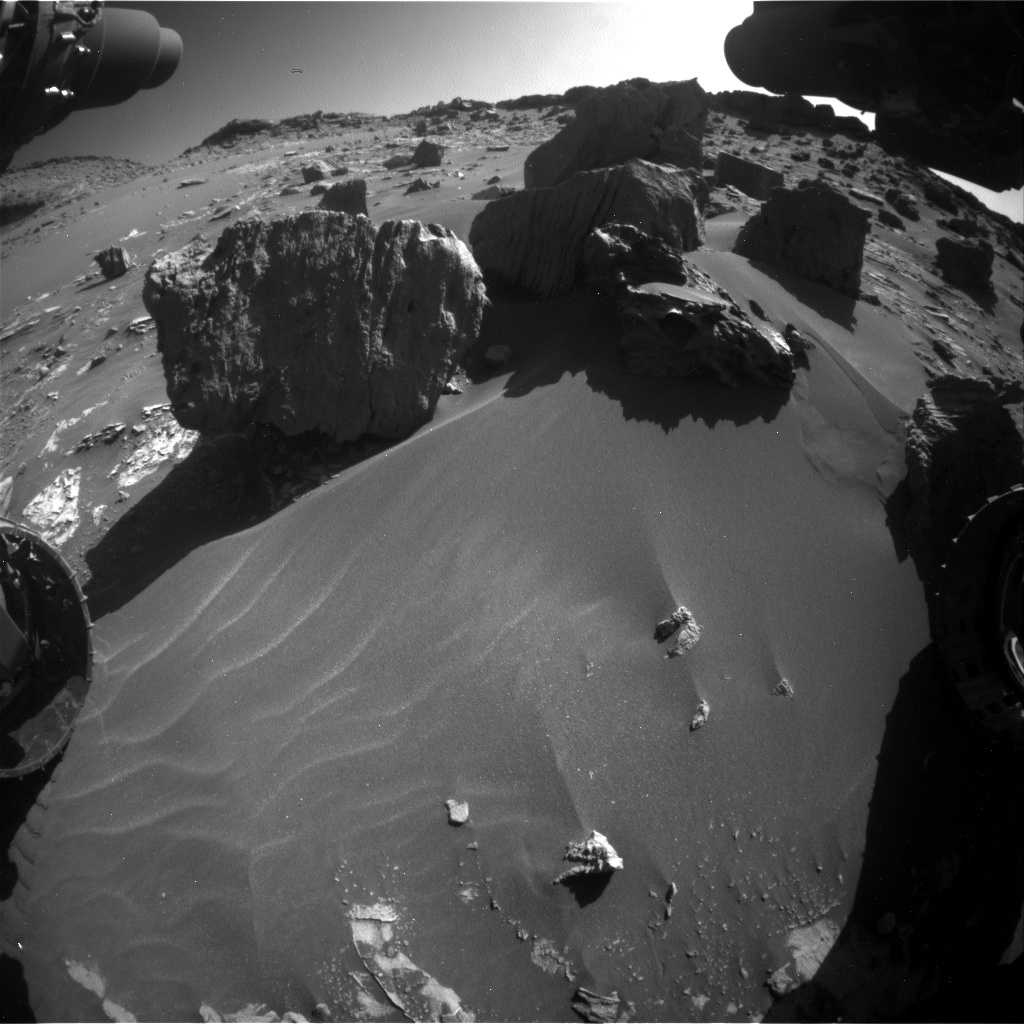
Curiosity Front Hazard Avoidance Camera Right B image taken on Sol 3313, December 1, 2021.
Credit: NASA/JPL-Caltech
The robot’s Mars Hand Lens Imager (MAHLI) is looking at Zechstein and so is the Chemistry and Camera (ChemCam) with a Laser Induced Breakdown Spectroscopy (LIBS) observation, which Mastcam will document.
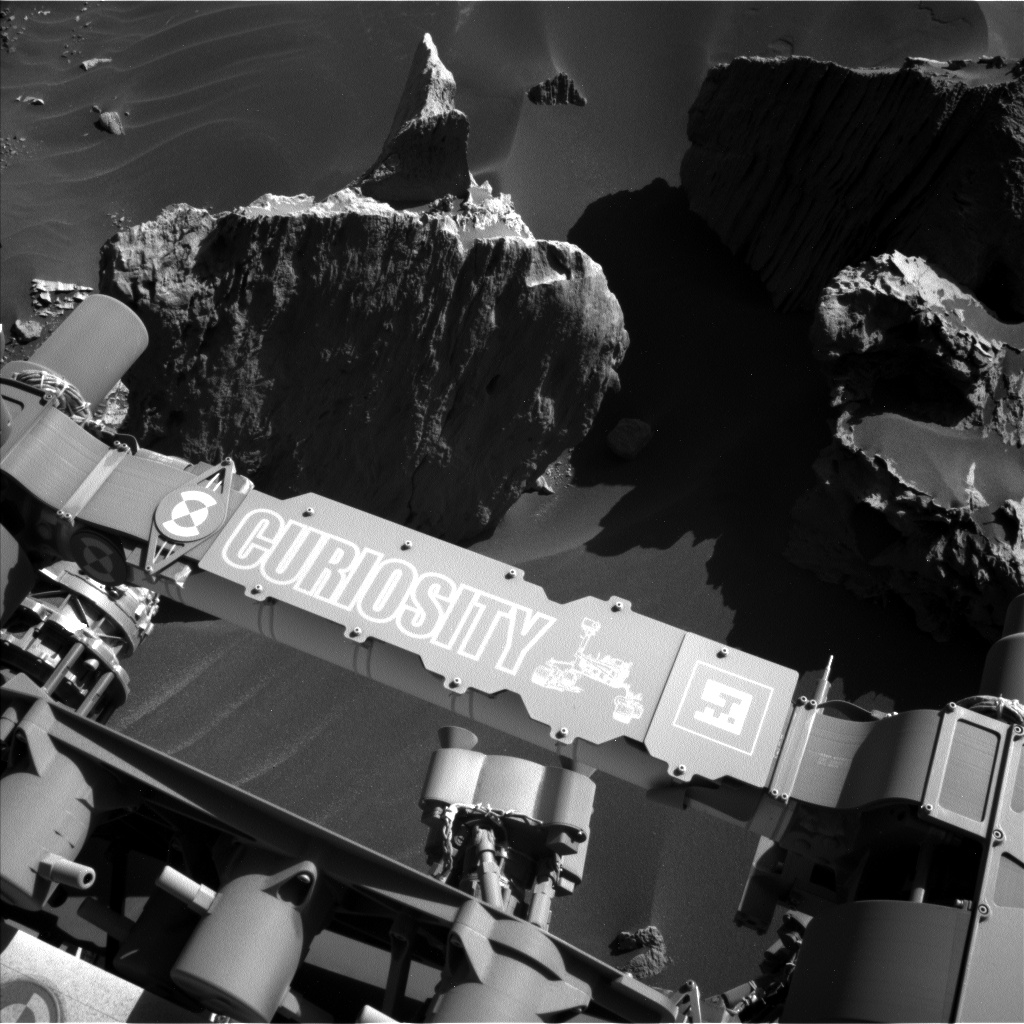
Curiosity Left B Navigation Camera photo acquired on Sol 3313, December 1, 2021.
Credit: NASA/JPL-Caltech
Change detection target
“Mastcam will investigate the target ‘Ardsheal,’ a name which you may have heard before because it is [a] change detection target that we have looked at several times while we were stationary at Zechstein for the drilling,” Schwenzer adds.
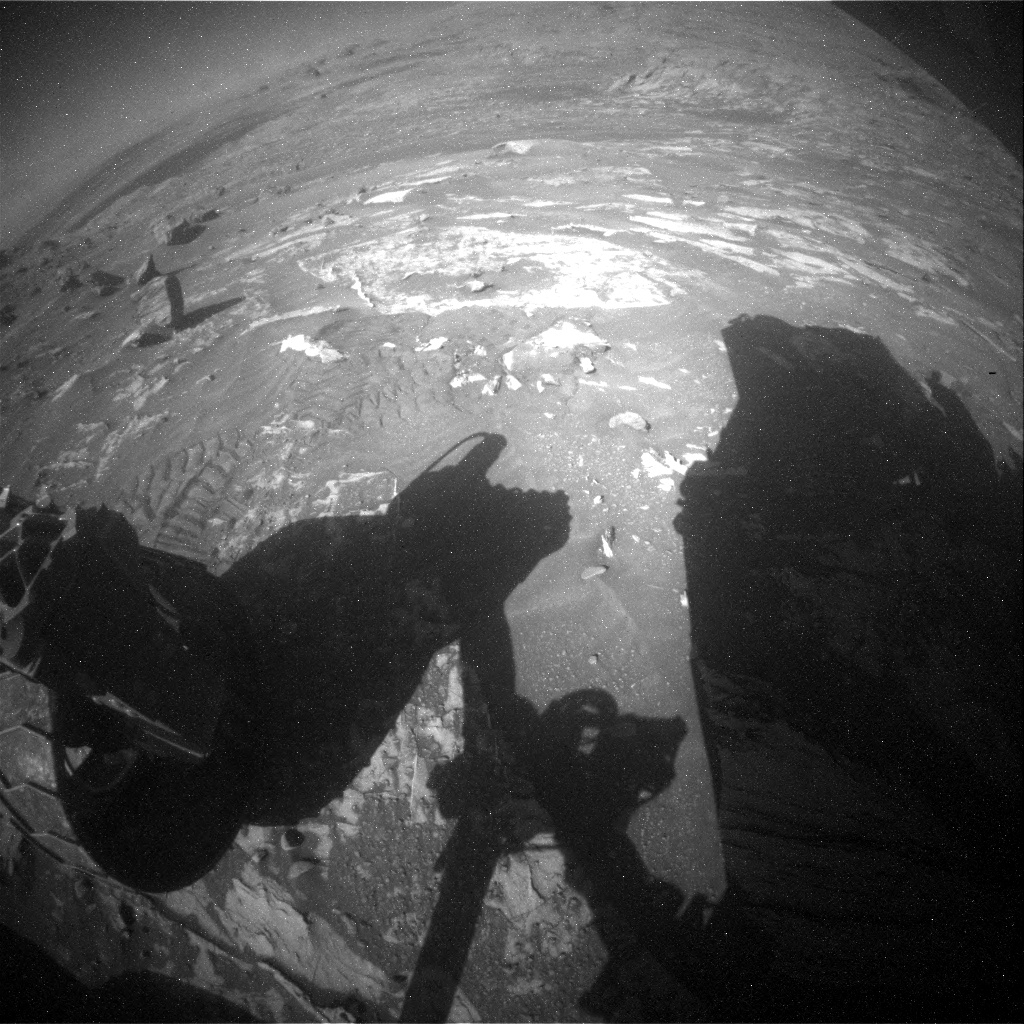
Curiosity Rear Hazard Avoidance Camera Right B image taken on Sol 3313, December 1, 2021.
Credit: NASA/JPL-Caltech
Curiosity’s Mastcam is scripted to also look at the rover deck, which Mars researchers are monitoring in regular intervals.

Curiosity Mast Camera Right image taken on Sol 3312, November 30, 2021.
Credit: NASA/JPL-Caltech/MSSS
“Another regular activity, the atmospheric monitoring, is in the plan again,” Schwenzer points out.
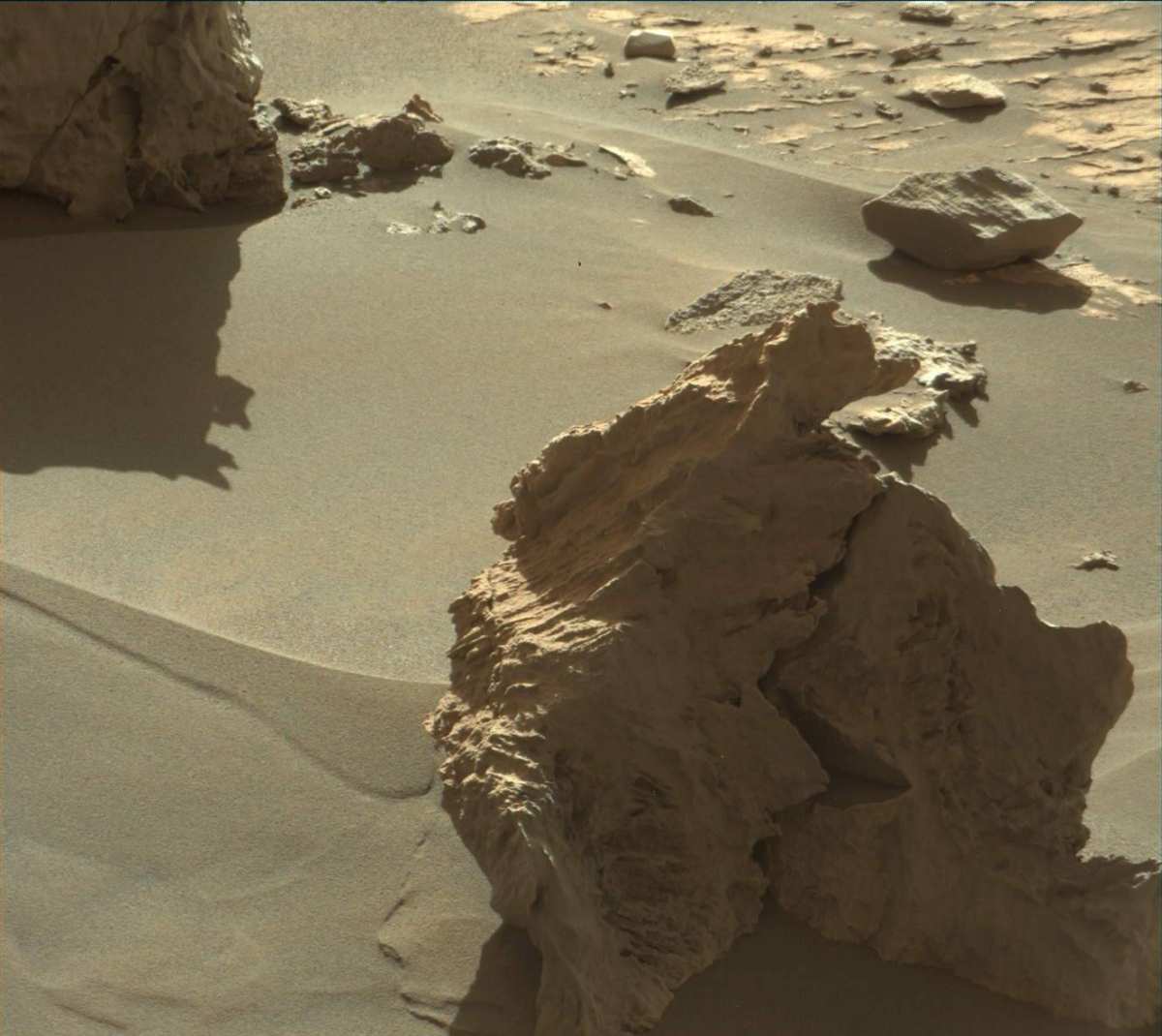
Curiosity Mast Camera Right image taken on Sol 3312, November 30, 2021.
Credit: NASA/JPL-Caltech/MSSS
Interesting features
ChemCam plans a long distance Remote Micro-Imager (RMI) to look at all the highly interesting and variable structures in the landscape.
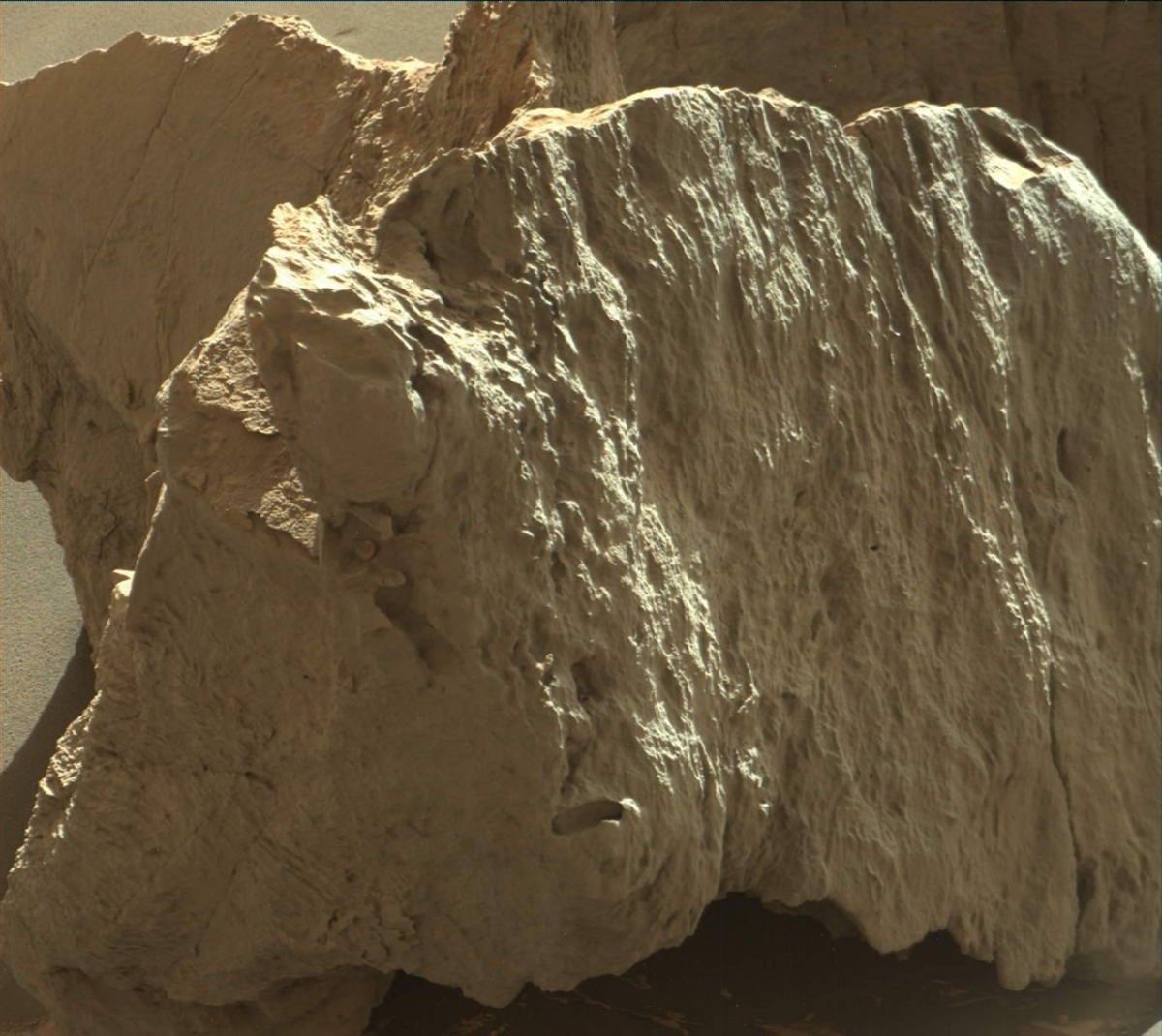
Curiosity Mast Camera Right image taken on Sol 3312, November 30, 2021.
Credit: NASA/JPL-Caltech/MSSS
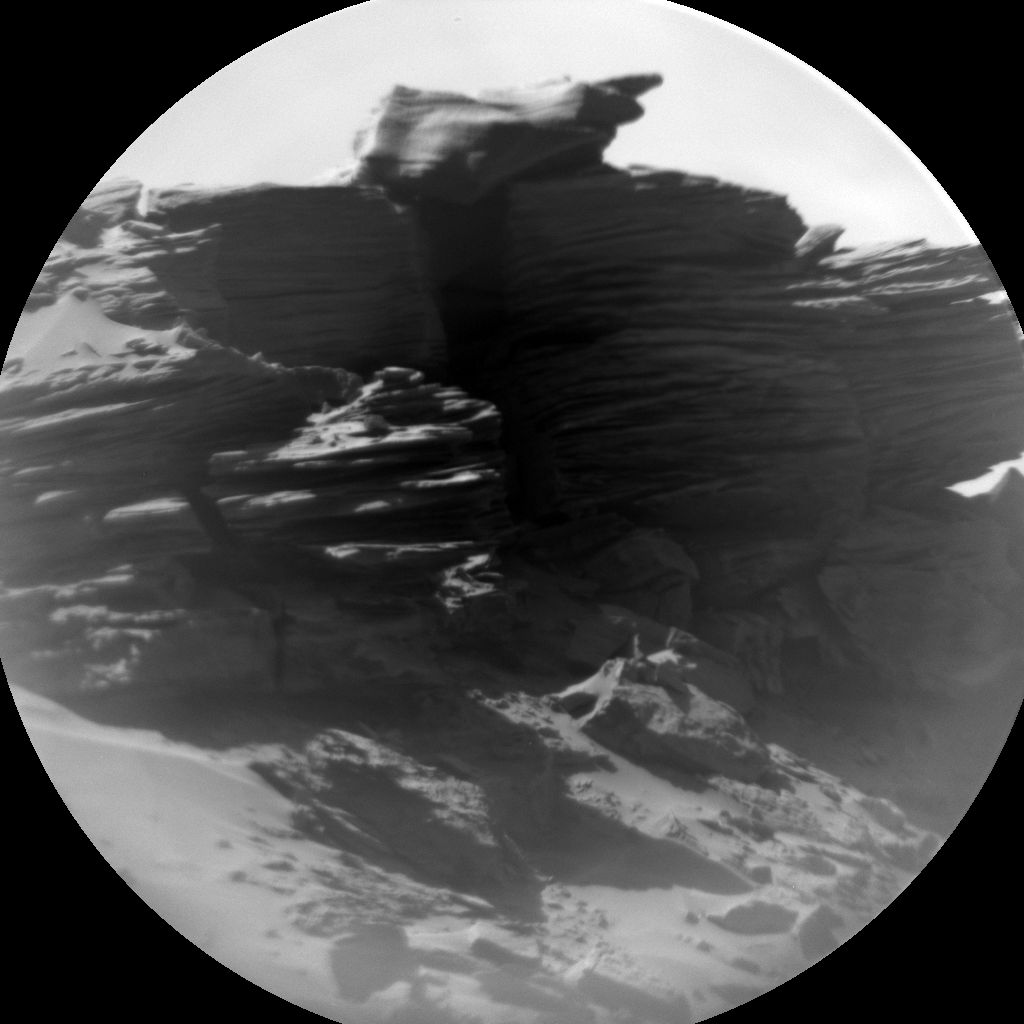
Curiosity Chemistry & Camera Remote Micro-Imager (RMI) photo acquired on Sol 3313, December 1, 2021
Credit: NASA/JPL-Caltech/LANL
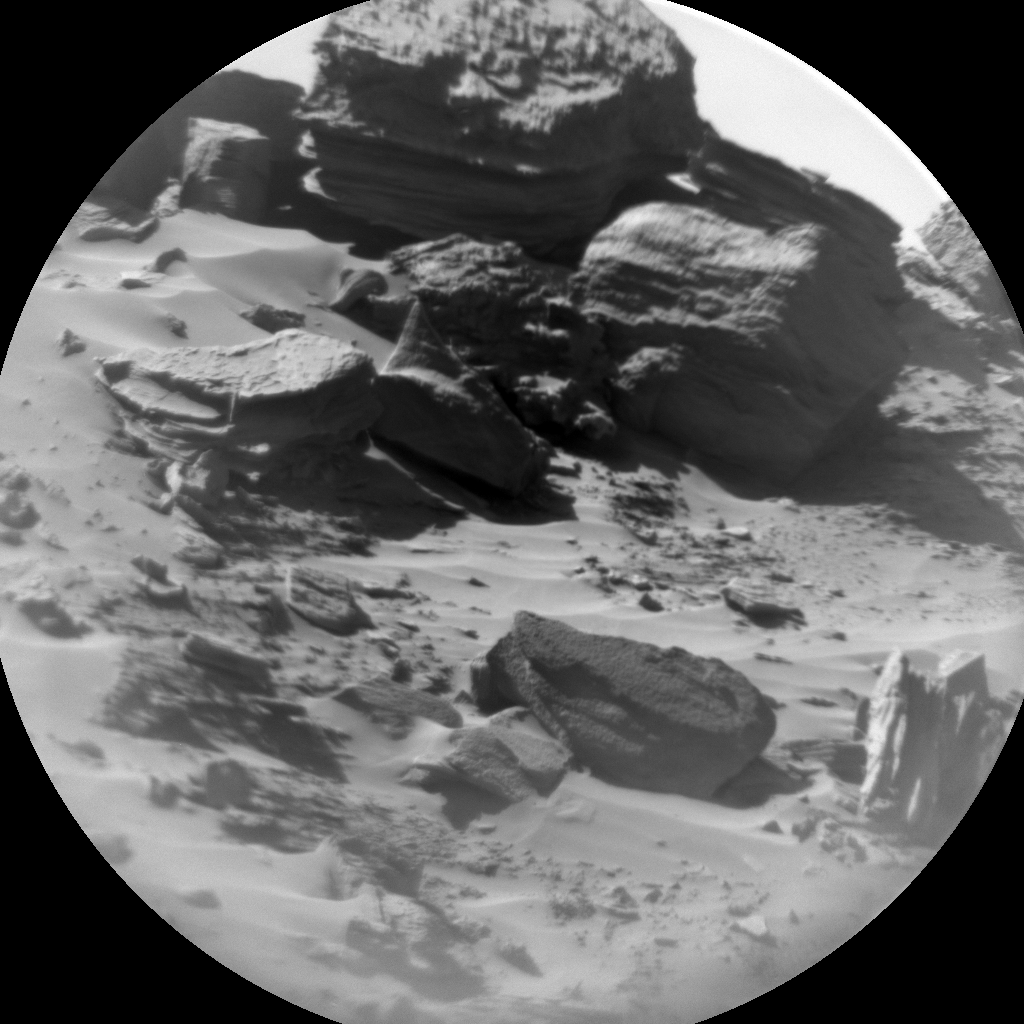
Curiosity Chemistry & Camera Remote Micro-Imager (RMI) photo acquired on Sol 3313, December 1, 2021
Credit: NASA/JPL-Caltech/LANL
“We have been seeing many interesting features lately, including ones such as on the ChemCam RMI,” Schwenzer notes. “Let’s see what the new ones will reveal!”
“There is a drive in the plan, and after the drive Curiosity will look at an area with many boulders to give some context on future investigations,” Schwenzer concludes. Last but not least, the rover’s Mars Descent Imager (MARDI) will obtain a new picture too.

Credit: ESA/Alex Lutkus
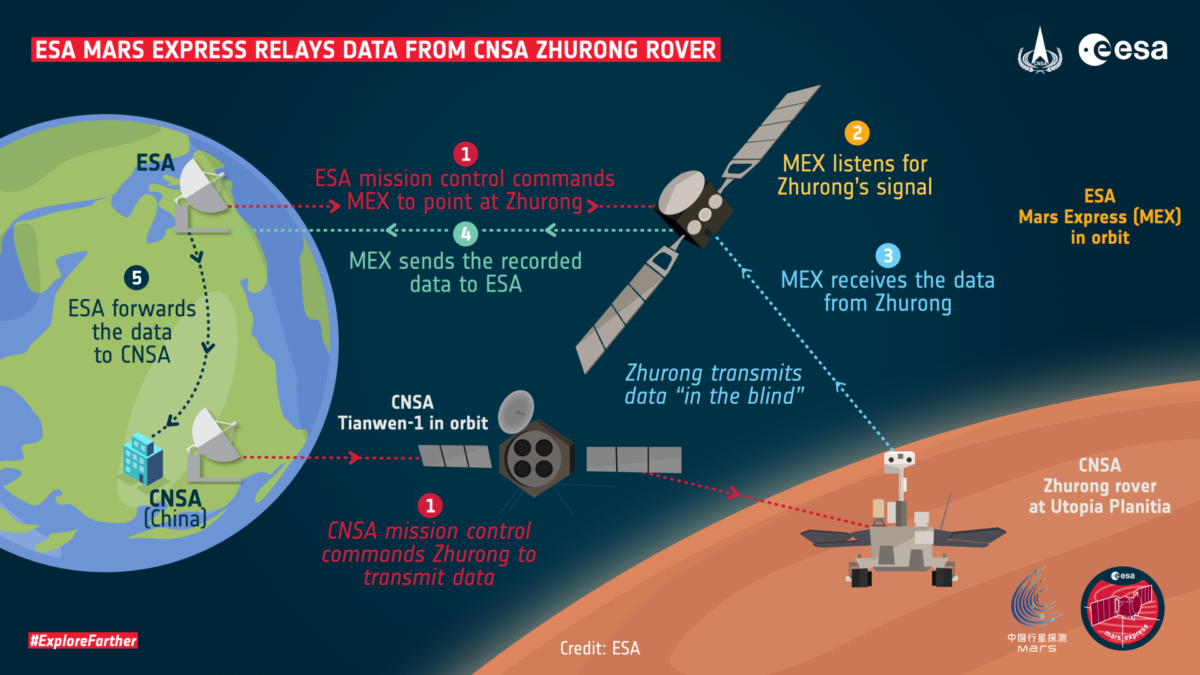
This November, the European Space Agency’s Mars Express spacecraft carried out a series of experimental communication tests with the Chinese (CNSA) Zhurong Mars rover.
Mars Express successfully caught data sent up ‘in the blind’ by the rover and relayed them to Earth where they were forwarded to the Zhurong rover team in China.

Lander and Zhurong Mars rover.
Credit: CNSA/Inside Outer Space screengrab
The experiments culminated in a successful test on November 20, ESA announced today.
Good quality data
“Mars Express successfully received the signals sent by the rover, and our colleagues in the Zhurong team confirmed that all the data arrived on Earth is very good quality.” says ESA’s Gerhard Billig.
Credit: ESA
The data relayed by Mars Express arrived on Earth at ESA’s ESOC space operations centre in Darmstadt, Germany, via deep-space communication antennas. From there, these data were forwarded to the Zhurong team at the Beijing Aerospace Flight Control Center, who confirmed the success of the test.
“We’re looking forward to carrying out more tests in the future,” Billig adds, “to continue to experiment and further improve this method of communicating between space missions.”

Decades of near-Earth space exploration and utilization have resulted in an increasingly congested environment. Indeed, pieces of space debris are a growing threat to space assets, human spaceflight and future access to outer space.
A just-issued report — Policy Options to Address Collision Risk from Space Debris – takes a hard look at the issue, offering recommendations to create improved response strategies.
The report comes from the International Risk Governance Center ( IRGC), a neutral interdisciplinary center based at the École Polytechnique Fédérale de Lausanne (EPFL) in Lausanne, Switzerland.

Credit: CORDS
Limited shared resource
Called for is a “greater and more committed political involvement at the national and international levels,” deemed as instrumental to reducing collision risk from space debris and enabling sustainable space activities. Furthermore, there’s need to recognize that near-Earth space is a limited shared resource.
The report is divided into four chapters: Risk assessment and evaluation; Technology development and implementation; Regulatory requirements and compliance; and Multilevel governance of collision risk.
To read the full report — Buchs, R. (2021)/Policy options to address collision risk from space debris/Lausanne: EPFL International Risk Governance Center – go to:

