Author Archive
 Author:
  April 11th, 2023
Curiosity’s location as of Sol 3796. Distance Driven to that sol: 18.56 miles/29.87 kilometers.
Credit: NASA/JPL-Caltech/Univ. of Arizona
NASA’s Curiosity Mars rover at Gale Crater is now performing Sol 3797 duties.
Scott VanBommel, a planetary scientist at Washington University, reports that the rover spent much of the last week completing a software upgrade while the science team met virtually to synthesize and discuss results.

Curiosity Front Hazard Avoidance Camera Left B image taken on Sol 3796, April 11, 2023.
Image credit: NASA/JPL-Caltech
“That upgrade has been completed successfully,” VanBommel adds, “and Curiosity was back to work characterizing a local canyon in an effort to study the composition and sedimentology of the geologic units above ‘Tapo Caparo.’”
Regular cadence
While continually on the lookout for its next drill location, VanBommel adds that Curiosity will maintain a regular cadence of chemical and textural analyses of rocks along its canyon-transecting traverse.
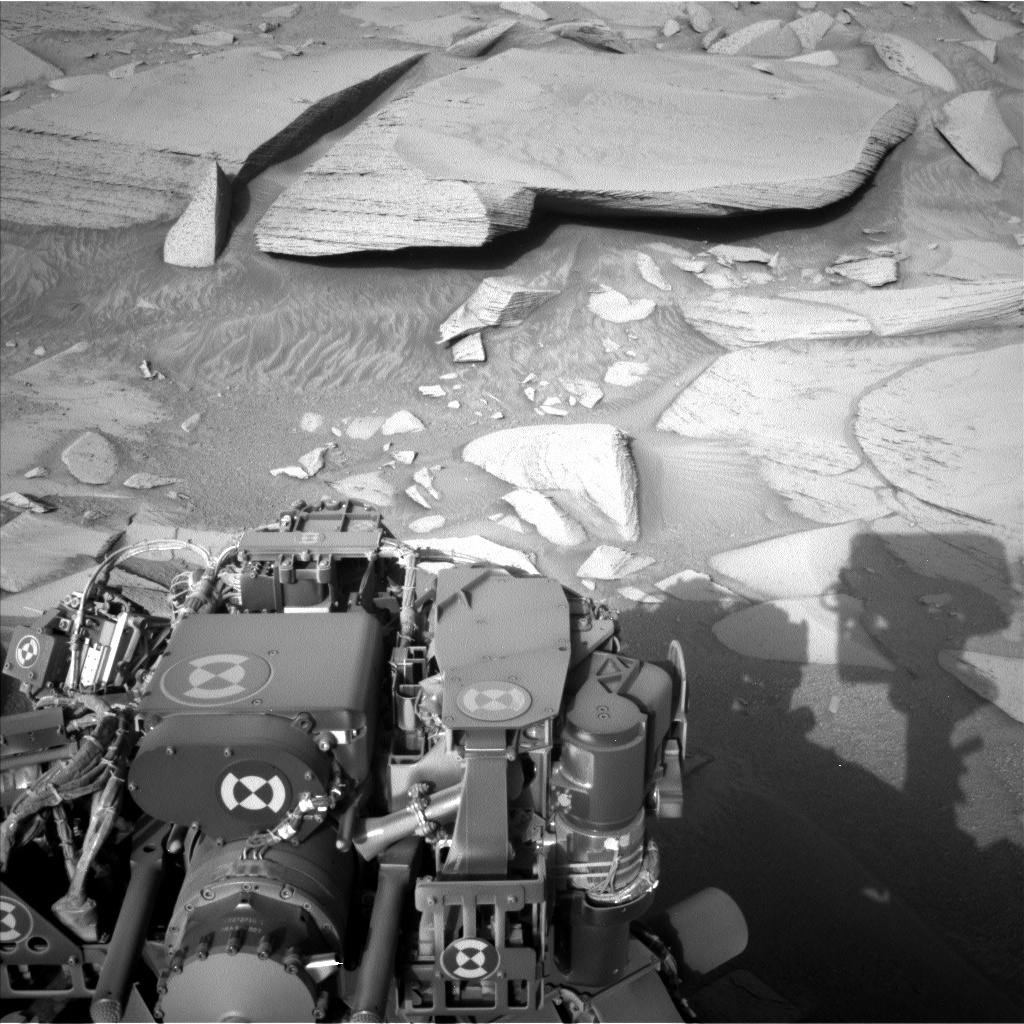
Curiosity Left B Navigation Camera image acquired on Sol 3796, April 11, 2023.
Image credit: NASA/JPL-Caltech
Chemical analysis and imaging efforts were central to tosol’s plan which focused on the Alpha Particle X-Ray Spectrometer (APXS) and the Mars Hand Lens Imager (MAHLI) on a brushed rock face, “Tarilandia,” before the rover executed a planned drive of roughly 98 feet (30 meters).
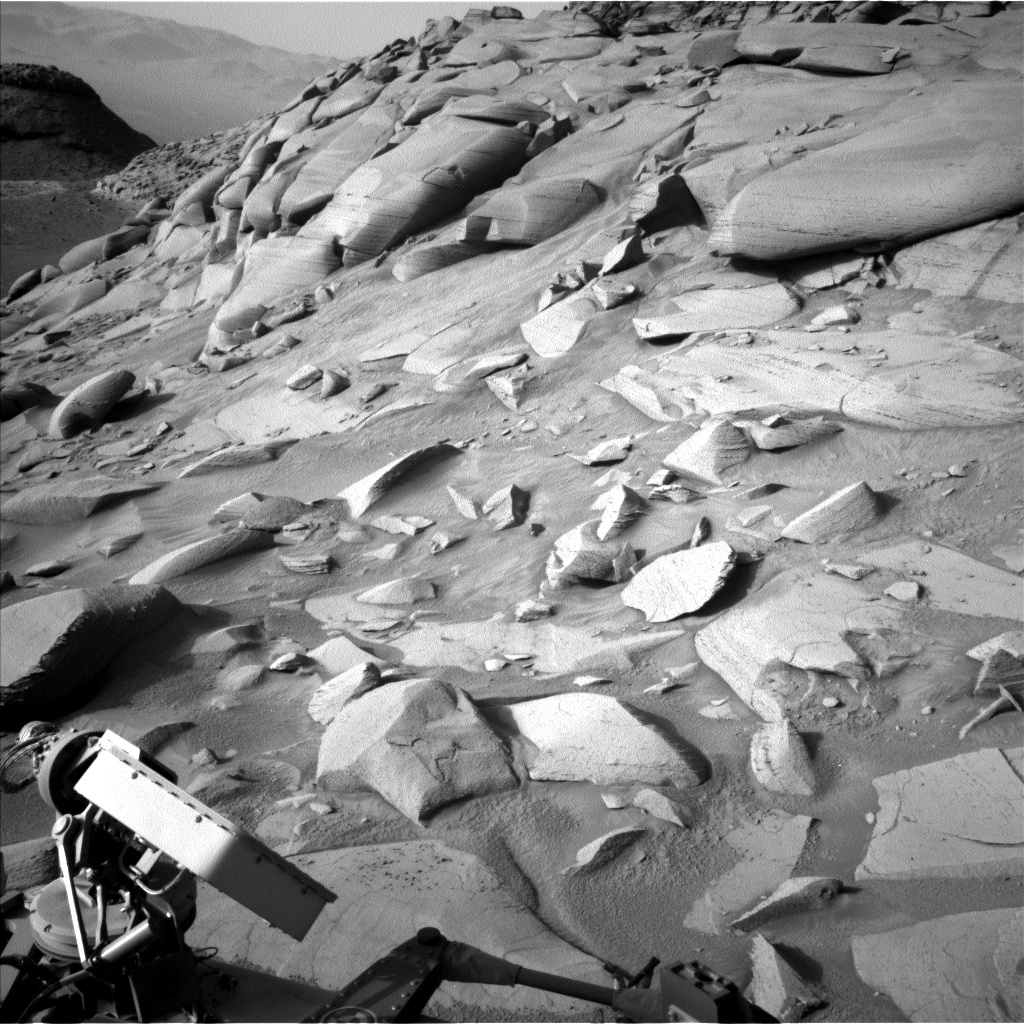
Curiosity Left B Navigation Camera image acquired on Sol 3796, April 11, 2023.
Image credit: NASA/JPL-Caltech
Strikingly round stone
“As APXS prefers colder temperatures and MAHLI benefits from midday illumination, a one-hour science block between these two arm activities rounded out the geologic science planned before the drive,” VanBommel notes.

Curiosity Left B Navigation Camera image acquired on Sol 3796, April 11, 2023.
Image credit: NASA/JPL-Caltech

Curiosity Chemistry & Camera (ChemCam) Remote Micro-Imager (RMI) photo taken on Sol 3796, April 11, 2023.
Image credit: NASA/JPL-Caltech/LANL
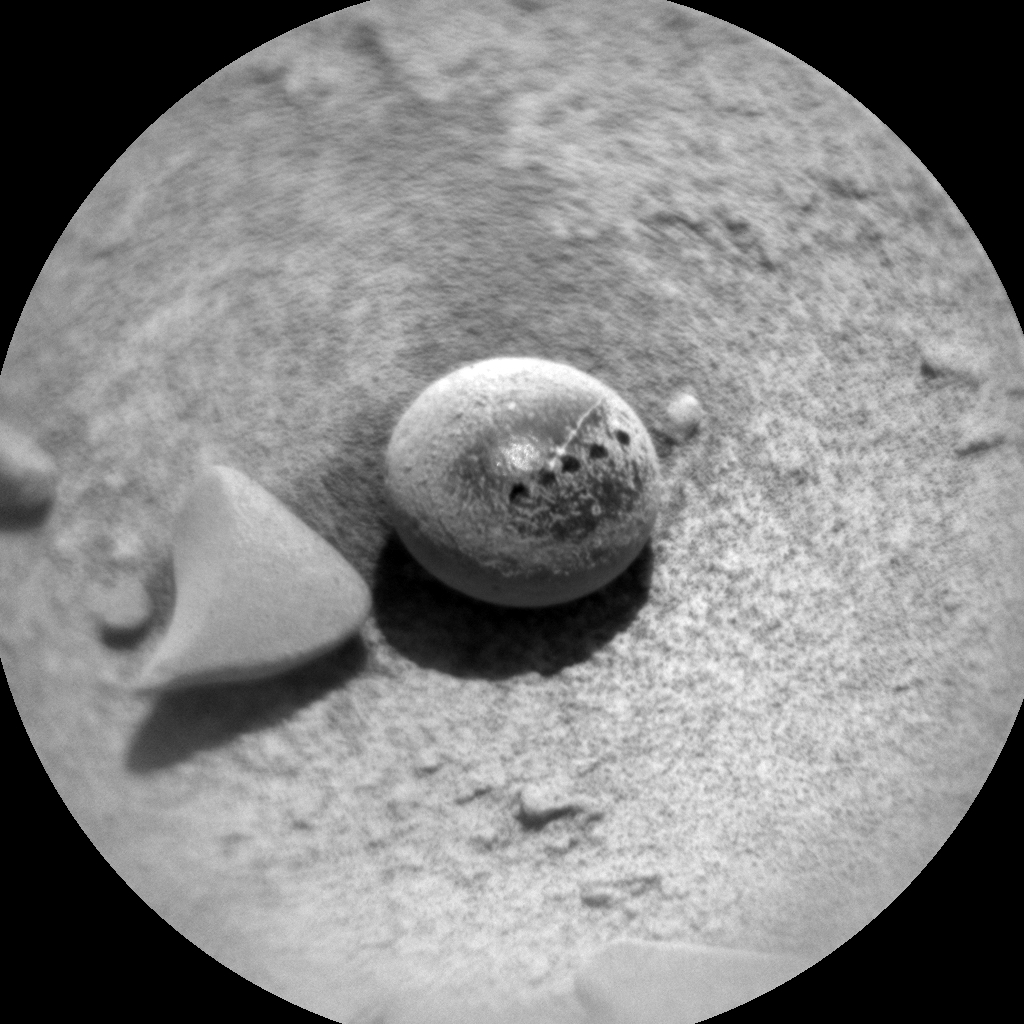
Laser hits, taken by Curiosity Chemistry & Camera (ChemCam) Remote Micro-Imager (RMI), acquired on Sol 3796, April 11, 2023.
Image credit: NASA/JPL-Caltech/LANL
The science block included a Mastcam crater rim extinction image and an extension of the “Tutu Kampu” mosaic. Mastcam also documented the targets “Loulouie” and Tarilandia.
Lastly, the robot’s Chemistry and Camera (ChemCam) imaged and conducted laser analyses on the target “Bem Querer,” a strikingly round stone, Towards the end of the drive, Curiosity was to acquire imaging that will support targeting in an upcoming one-sol plan, VanBommel concludes.
 Posted in
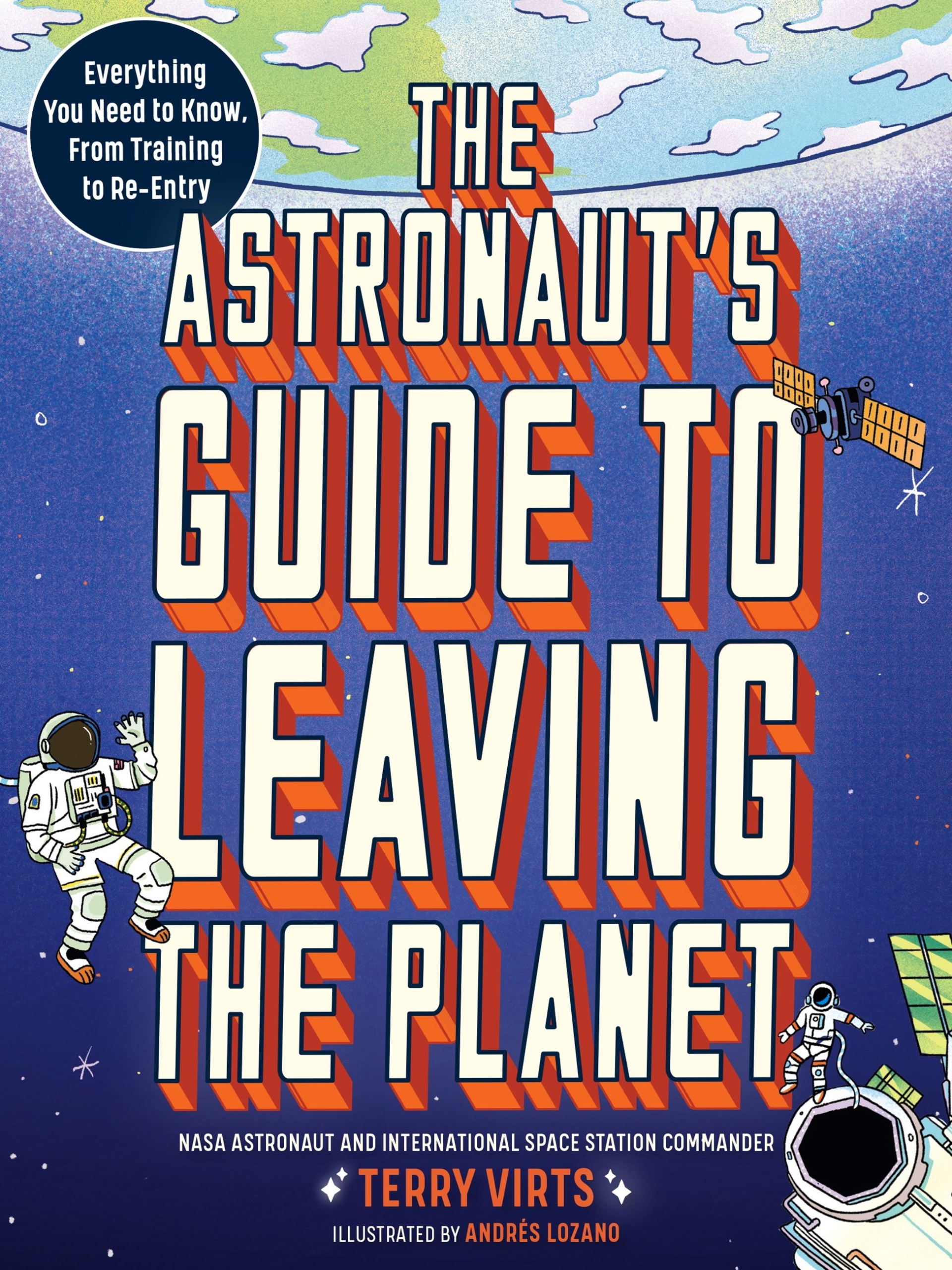
The Astronaut’s Guide to Leaving the Planet: Everything You Need to Know, from Training to Re-entry by Terry Virts; Workman Publishing Company (2023); 176 pages; Softcover: $14.99.
When it comes to tips on departing the Earth, consider getting advice from a person that has been up there. That’s the case with author Terry Virts, a two spaceflight veteran that chalked up over 7 months in Earth orbit, commanded the International Space Station, and also performed three spacewalks.
While the book is targeted for 10 years old and up, in the “kids” category – elder “mission controllers” with aspiring astronauts on their hands will find this volume enchanting, informative, and a superb read.
Its pages are filled with advice, tips and tricks for confronting space microgravity. Virts explains becoming an astronaut: “And it only happened because I didn’t listen to others who told me I could never be an astronaut,” he writes. “So no matter what your dream is in life, always remember – don’t tell yourself no!”
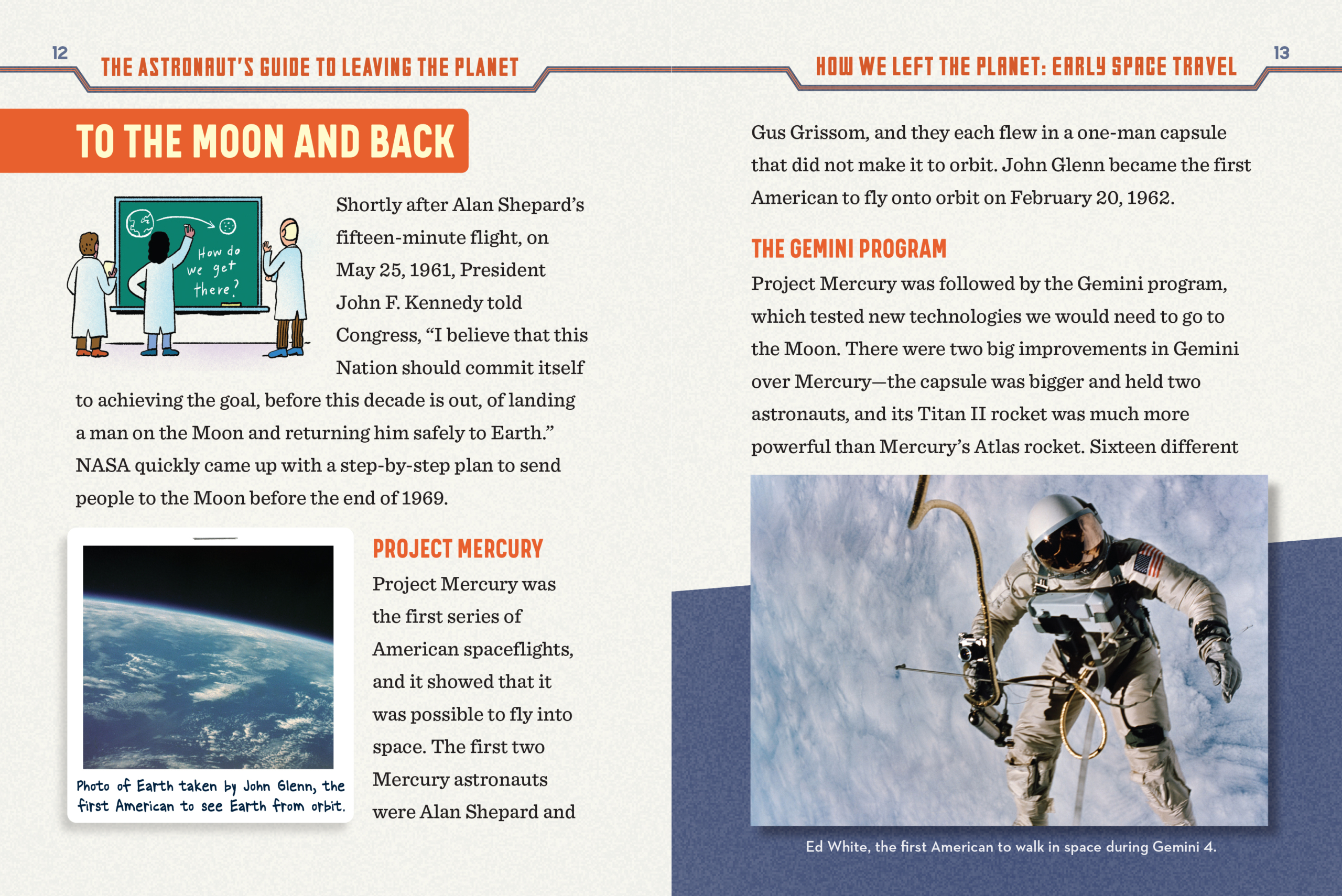
Sample pages
Divided into 10 sections — including “The Journey to Launch: Training,” “Don’t Look Down: Spacewalking – to “Re-entry” and “The Next Mission” – the book includes a helpful guide to astronaut lingo and is well indexed.
The volume is illustrated by the talented Andrés Lozano and is sprinkled by color images.
You’ll find an interesting read regarding a Virtz return-to-Earth in a Russian Soyuz capsule. Also, there’s plenty of counsel on living, eating, sleeping, and yes, that ever-present question of how best to alleviate your toil without too much trouble.
Readers of all ages, young and youthful in spirit, will find The Astronaut’s Guide to Leaving the Planet: Everything You Need to Know, from Training to Re-entry offering valuable insights for off-world space travel.
For more information, go to: https://www.workman.com/products/the-astronauts-guide-to-leaving-the-planet/paperback
Also, go to the Terry Virts website at www.terryvirts.com
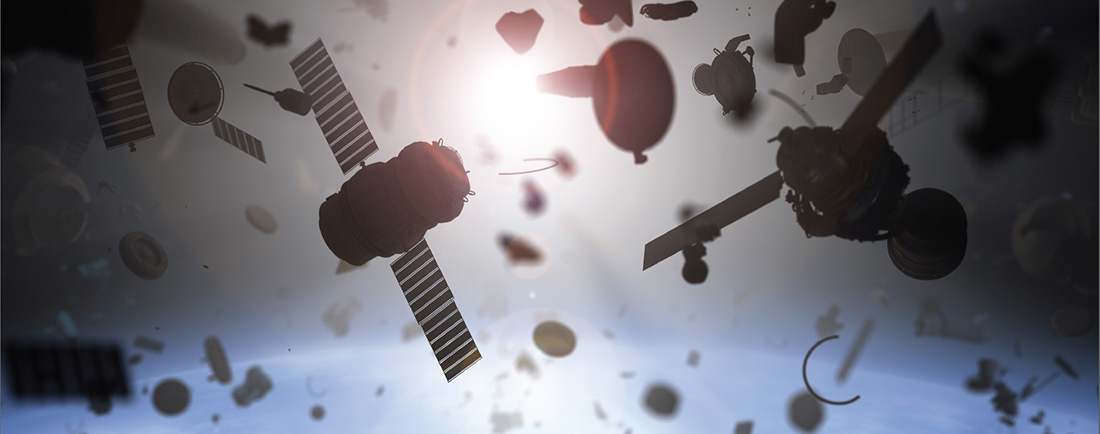
Credit: The Aerospace Corporation/CORDS
The number of artificial objects in space is growing rapidly, driven primarily by an increasing quantity of satellites in low Earth orbit.
Given that fact, a research paper points out that satellite technology can have a range of environmental impacts on Earth, not only from the effects of rocket launches and satellite de-orbiting on the atmosphere, but also biological impacts of a changing nighttime sky.

Earth clutter. This artist’s view shows the broad scope of space debris circling the planet, hundreds of miles above sea level, at the same height where low-Earth orbit satellites operate. The spatial density of debris objects increases at high latitudes. Note that the size of the debris elements in this image is greatly exaggerated compared to the size of Earth.
Credit: European Space Agency.)
“Given the acceleration in space-based activities, and particularly ongoing and predicted growth in the number of satellites in low Earth orbit, the impacts of artificial space objects on Earth systems need to be considered carefully,” states the research paper – “Environmental impacts of increasing numbers of artificial space objects” – published in the journal, Frontiers in Ecology and the Environment.
The paper’s lead author is Kevin Gaston of the Environment and Sustainability Institute, University of Exeter, Penryn, United Kingdom.

SpaceX Starlink Satellites over Carson National Forest, New Mexico, photographed soon after launch.
Credit: Mike Lewinsky/Creative Commons Attribution 2.0
Sky brightness
Gaston and colleagues observe that artificial skyglow (artificial sky brightness) may be impacted by spacecraft and orbital clutter might influence nighttime skies. “Indeed, this has been estimated already to be as much as 10% above natural levels as a consequence of satellites and space debris,” the paper adds.
Due to the current inability to retrieve orbital objects, “the only possible mitigation for debris is to launch fewer, design satellites with longer operational lifetimes, and seek ways to extend the life of existing satellites, thereby reducing the quantity for eventual decommissioning and removal,” the paper advises.
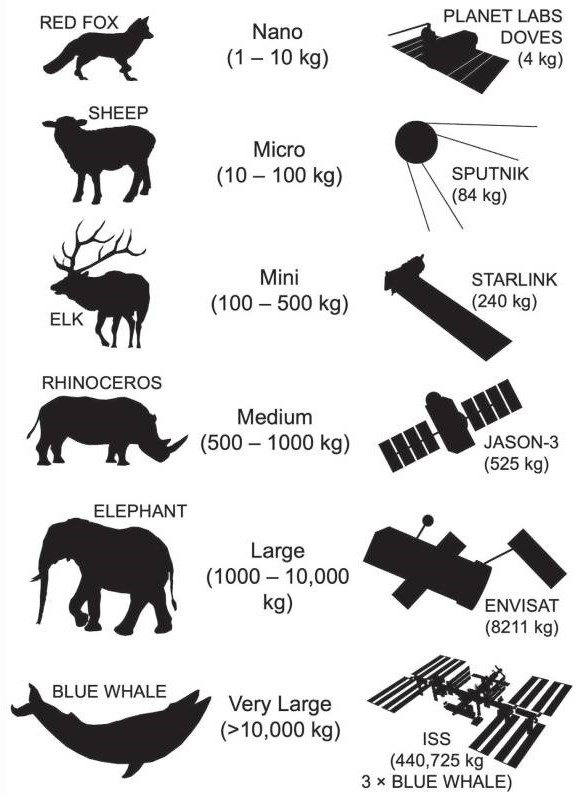
Categories of satellites according to weight with examples of
satellites that fall into these categories, and equivalent examples from the
animal kingdom. Note that very small satellites in the femo and pico size range are not shown. Image credit: Gaston, et al./International Space Station NASA/Wikimedia Commons
Why not move large debris to higher graveyard orbits further away from Earth’s atmosphere, where they will remain for hundreds of years?
That is a current practice, the paper points out, “but this too – we argue – is unsustainable, as doing so will ultimately lead to further debris congestion and pollution of space.”
Wider societal, cultural, environmental impacts
In supporting information to their paper, Gaston and associates argue that the major problem with the present-day Assessment of Environmental Effects (AEE) approach taken in the UK is that it fails to take into account the full life cycle of space activities. These considerations relate specifically to the immediate impacts of launch (e.g. rocket or airplane noise, point of launch emissions, air quality).
“There is no mention or consideration of what happens to the material propelled into orbit, nor the wider societal, cultural, or environmental impacts of those activities beyond the geographical boundaries of the launchpad itself,” the supporting document concludes.
To read the paper — “Environmental impacts of increasing numbers of artificial space objects“ – go to:
https://esajournals.onlinelibrary.wiley.com/doi/full/10.1002/fee.2624
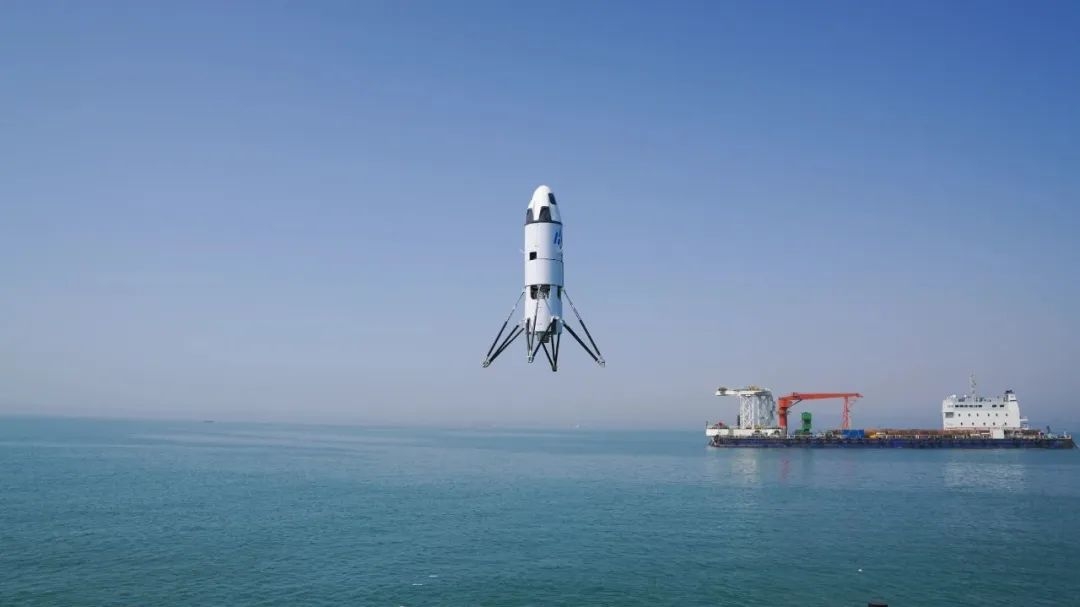
Image credit: CAS Space
Vertical landing tests of a launch vehicle at sea and on land are verifying key technologies needed for space returning boosters and hardware.
CAS Space is a Beijing-based rocket company owned by the Chinese Academy of Sciences. The Chinese group has conducted their tests in Haiyang, a county-level city in Yantai City, east China’s Shandong Province.
Turbojet engines
The work is targeted to future recovery of near-space scientific experiment platforms, orbital rocket and space travel vehicles, reports China Global Television Network (CGTN).
The test vehicle is propelled by two turbojet engines to over 3,280 feet (1,000 meters) before adjusting its position and starting a descent. Reverse thrusting reduces the vehicles thrust, enabling a soft landing within 33 feet (10 meters) of a target point.
The CAS Space said it also verified several high-precision guidance and control technologies for the vertical return of the launch vehicle.

Artistic depiction of NASA astronauts at the lunar south pole carrying out early work to establish an Artemis Base Camp.
Image credit: NASA
“Would you like to…carry moonbeams home in a jar…and be better off than you are?”
Those words come from the Oscar-winning 1944 film Going My Way – but could be linked to a 21st century Moon base.
A fresh idea that’s beaming with promise is Moonbeam-Beamed Lunar Power. Research into the concept has been backed by NASA’s Lunar Surface Technology Research Opportunities initiative, long-hand for the abbreviation: LuSTR.
LuSTR is a product of the Space Technology Research Grants Program, carried out under the space agency’s Space Technology Mission Directorate.
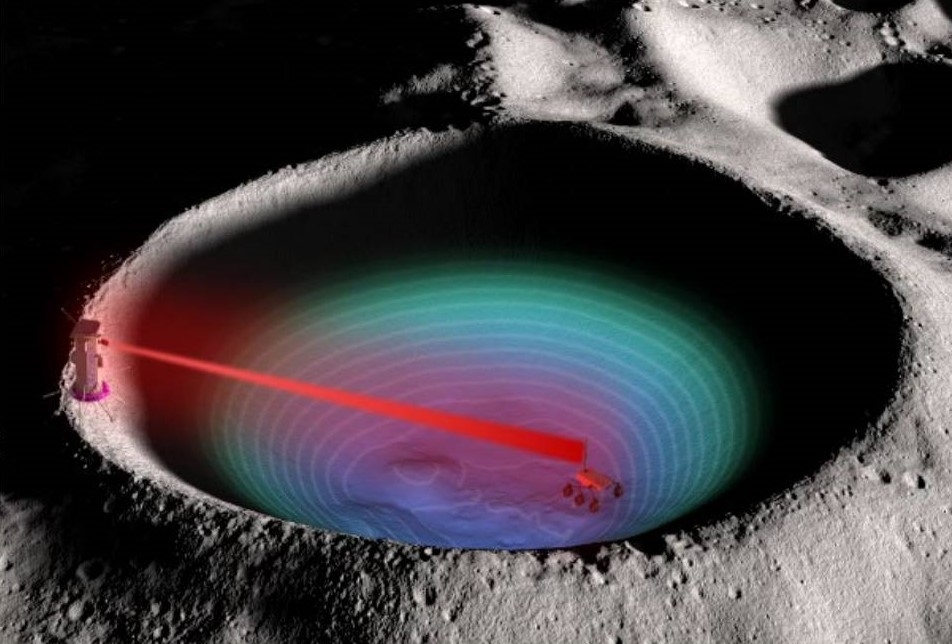
Image credit: Lubin, et al.
Project Moonbeam is the brainchild of Philip Lubin and colleagues at the University of California, Santa Barbara. The idea is to develop a directed energy system capable of flexible power distribution for difficult-to-reach and mobile applications on the Moon.
Extension cord
The project goal is to create a “photonic extension cord,” says Lubin and his fellow researchers. What that term means is beaming near-infrared directed energy laser light to distant assets, where it is converted into useful electricity by tuned high efficiency photovoltaics.
“The modular directed energy system enables a wide variety of lunar mission profiles due its scalability and efficiency, made possible by the Moore’s Law-like exponential growth in photonics,” according to Lubin.
Image credit: NASA
This technology ultimately enables electrification less than a mile (1 kilometer) away, offering tower-to-tower power at distances exceeding 62 miles (100 kilometers) and power levels exceeding 10 kilowatts.
Key elements
Project Moonbeam work entails development of a high-efficiency low mass laser and laser PV converter, including thermal management/storage, the design and construction of a high-fidelity laboratory demonstration system, including a beam director and a fine pointing system for target locking, capable of field use and extendable to flight, and power-up testing of equipment.
In addition, thermal batteries will be developed to store waste heat of energy not converted to electrical energy, allowing nearly 100% conversion efficiency at the receiver for electrical and thermal energy combined, according to project documentation.
For more information on LuSTR and its various research avenues, go to:

Concept art depicts a Mars menagerie of machines that would team to transport to Earth samples of rocks, soil, and atmosphere being collected from the Martian surface by NASA’s Mars Perseverance rover.
Image credit: NASA/JPL-Caltech
“NASA is building a first-of-its-kind biocontainment lab to study samples from Mars — and possibly prevent a Martian plague” – From Freethink on YouTube:
“NASA is gearing up for the next phase of its mission to Mars that is decades in the making. The mission aims to answer two main questions: Did life ever exist on Mars, and can humans live there? Collecting samples from Mars and returning them to Earth is key to the mission.”

Proposed Utah landing zone (red ellipse) for the Mars sample return mission.
Image credit: NASA
“But what if the samples from Mars contain dangerous pathogens? NASA is not taking any chances. That’s why they are building a state-of-the-art biocontainment lab to ensure the samples are kept secure and the public is safe.”
“The lab will be equipped with cutting-edge technology and will use the strictest safety measures to isolate any potential hazards. Here’s how NASA plans to safely return Martian materials to Earth.”
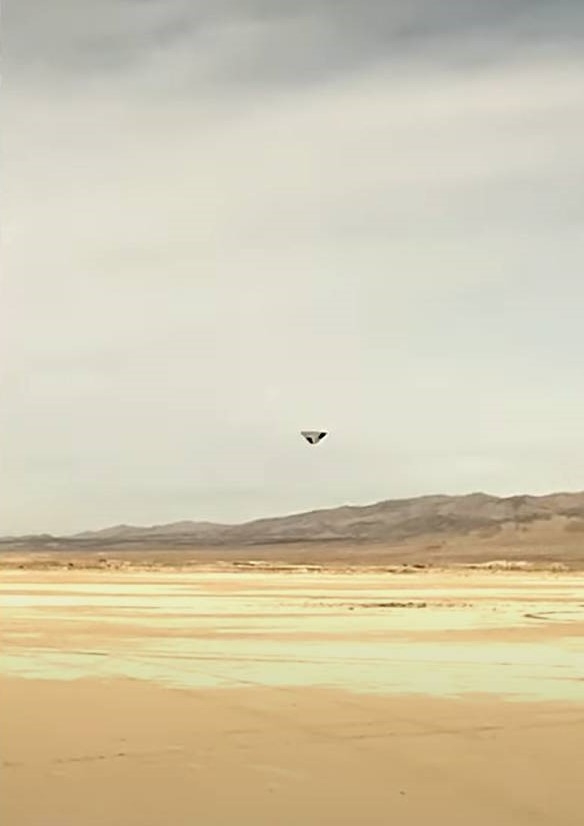
Utah testing of Mars Sample Return capsule.
Credit: NASA/Langley/Inside Outer Space screengrab
0:00 The potential Martian plague
1:15 How we study Mars samples
2:10 Life on Mars?
2:57 Building the lab
4:28 Inside a level 4 lab
5:49 Negative pressure paradigm
7:01 Protecting humanity
Go to: https://youtu.be/1XvUreiIUxA

Image credit: Mars Guy
“An exciting discovery for Perseverance,” says Mars Guy. For the first time in over four months, NASA’s Perseverance Mars rover has collected another rock sample intended for return to Earth. “But the process was different this time, in ways that show there’s something unexpected about this rock.”
Go to video at: https://youtu.be/itngpJjgATU

Image credit: Roscosmos
Russia’s Soyuz MS-23 has moved from the Poisk module to the Prichal module on the International Space Station. The operation performed manually by cosmonaut Sergei Prokopiev, with cosmonaut Dmitry Petelin and astronaut Francisco Rubio in the spacecraft. In the spring-summer of 2023, space walks are planned from the Poisk module.

Image credit: Christopher Morrison
NASA Awards Cutting-Edge Advanced Concepts
Go to: https://www.leonarddavid.com/36785-2/
Will it stay…will it go? SpaceX making progress for Starship/Super Heavy “orbital” launch try from Texas. Will FAA give approval license? From SpaceX: “Starship fully stacked at Starbase. Team is working towards a launch rehearsal next week followed by Starship’s first integrated flight test ~week later pending regulatory approval.”

Image credit: SpaceX
The NASA Innovative Advanced Concepts (NIAC) program has awarded six concepts to help shape air and space travel decades in the future. Each of the six fellows will receive up to $600,000 over two years to develop their concepts.
Introducing the new round of Phase II awards that funded these six researchers:
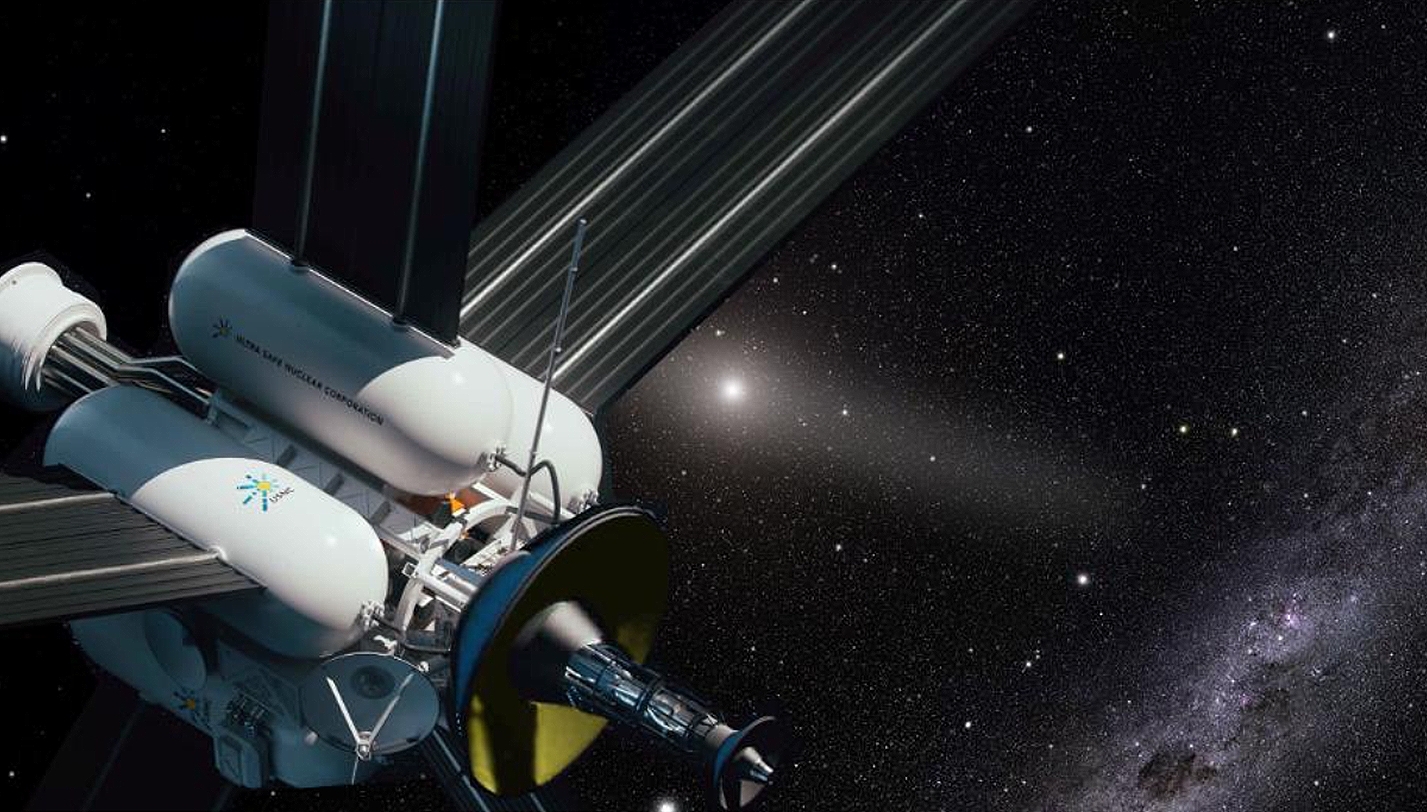
Image credit: Christopher Morrison
The Nyx Mission to Observe the Universe from Deep Space – Enabled by EmberCore, a High Specific Power Radioisotope Electric Propulsion System by Christopher Morrison, Ultra Safe Nuclear Corporation in Seattle.

Image credit: Darmindra Arumugam
Quantum Rydberg Radar for Surface, Topography, and Vegetation by Darmindra Arumugam, NASA’s Jet Propulsion Laboratory in Southern California.
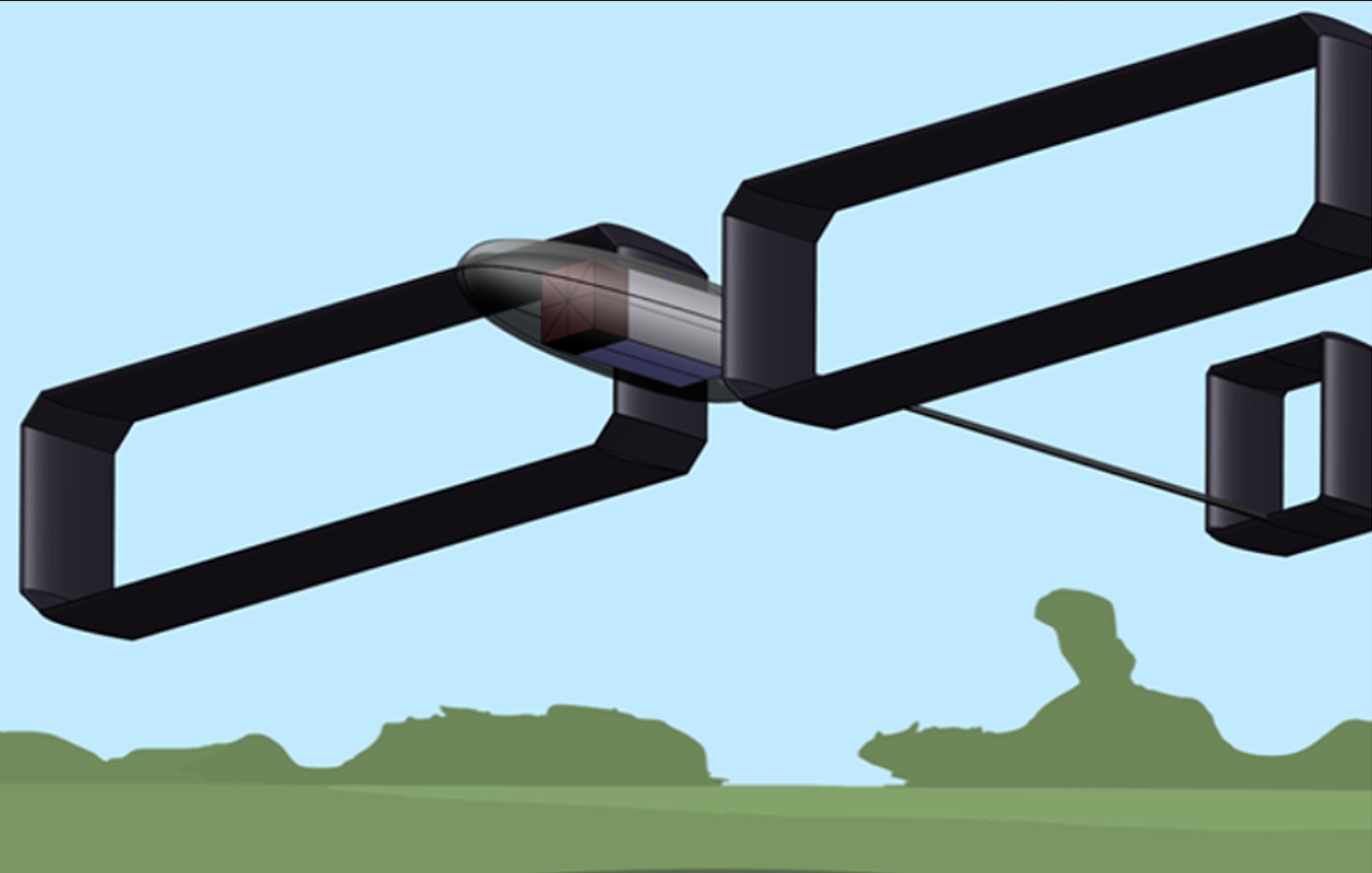
Image credit: Steven Barrett
Silent, Solid-State Propulsion for Advanced Air Mobility Vehicles by Steven Barrett, Massachusetts Institute of Technology in Cambridge, Massachusetts.
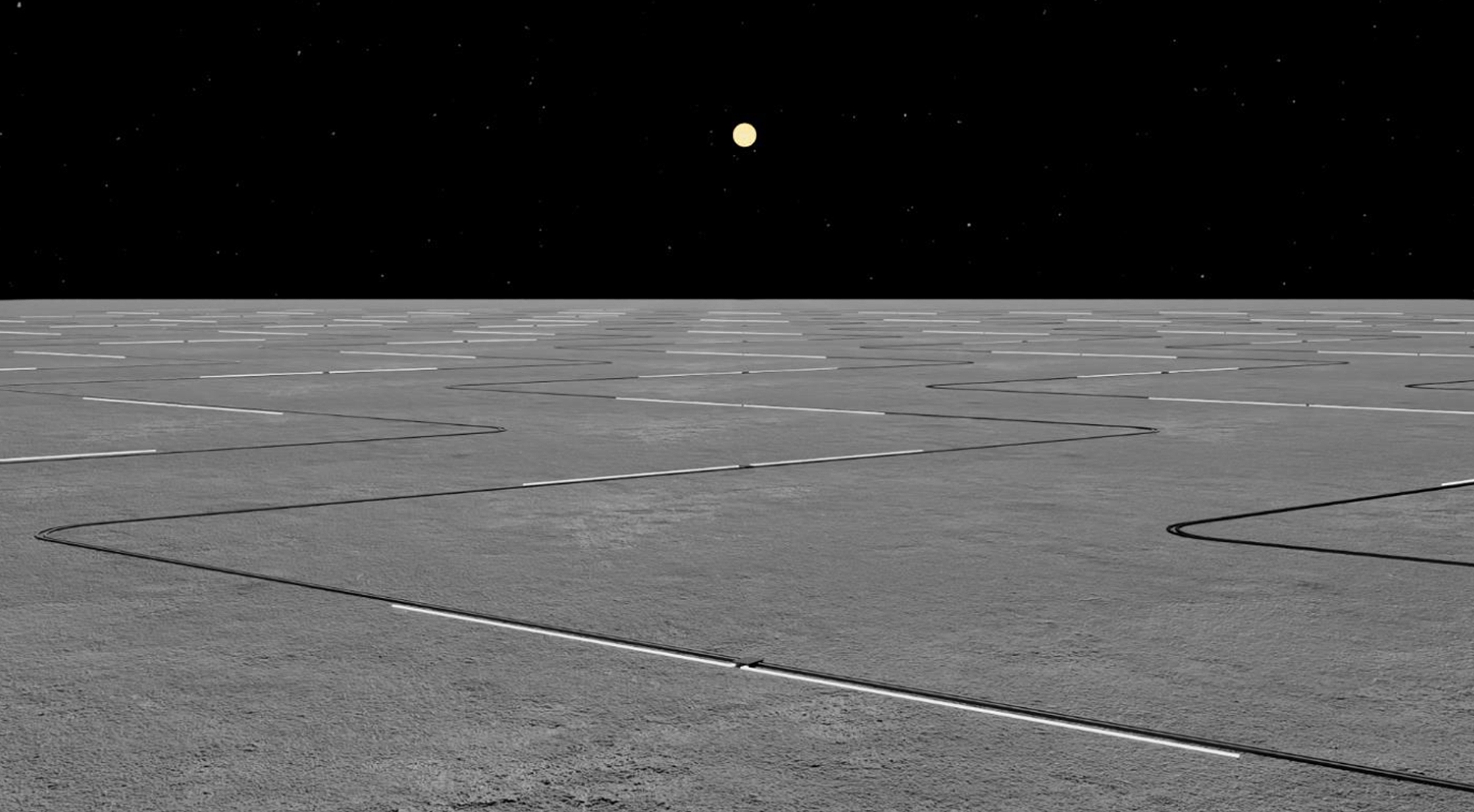
Image credit: Ronald Polidan
FarView Observatory – A Large, In-Situ Manufactured, Lunar Far Side Radio Array by Ronald Polidan, Lunar Resources, Inc. in Houston.
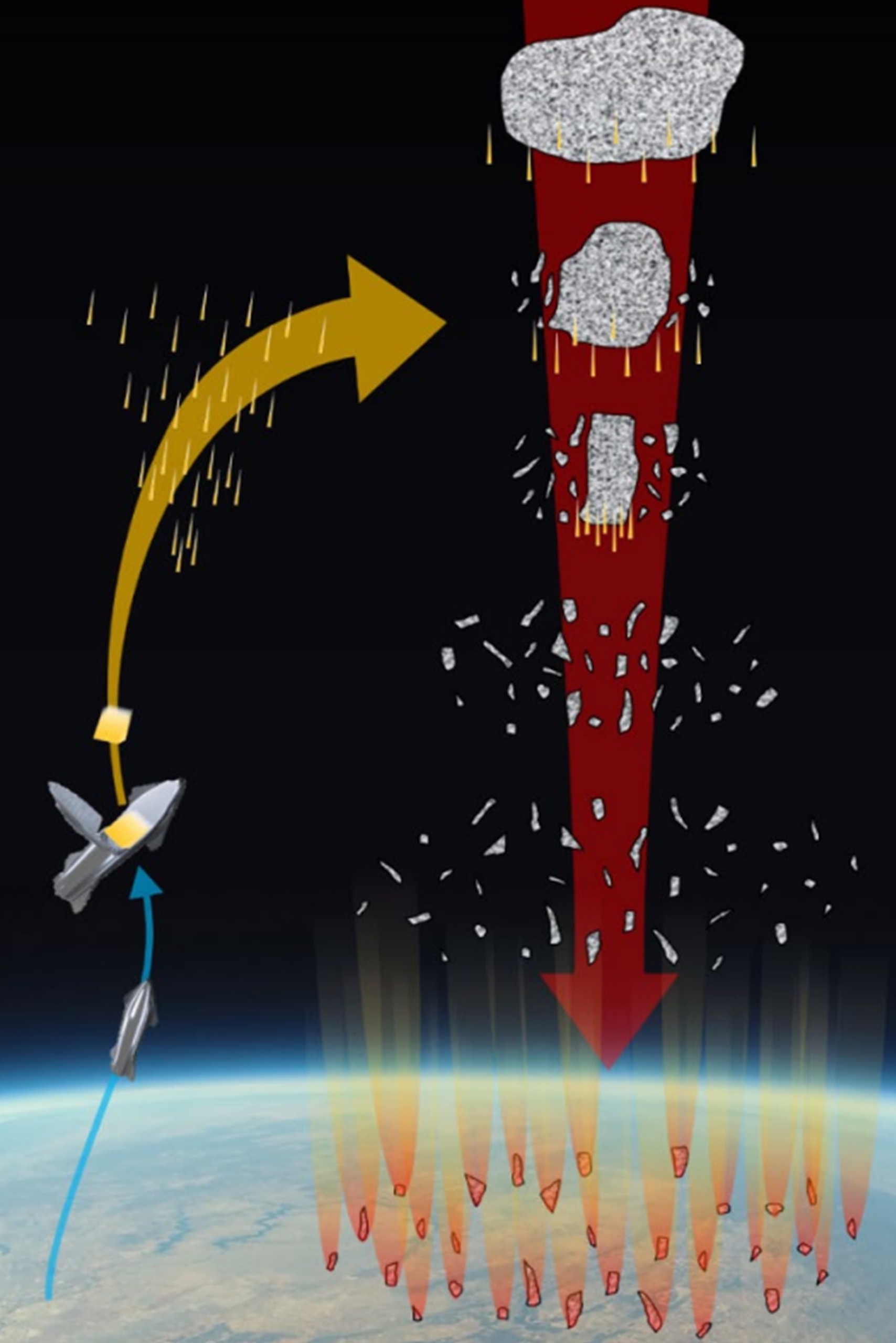
Image credit: Philip Lubin
Planetary Defense -The PI Approach by Philip Lubin, University of California, Santa Barbara, California.
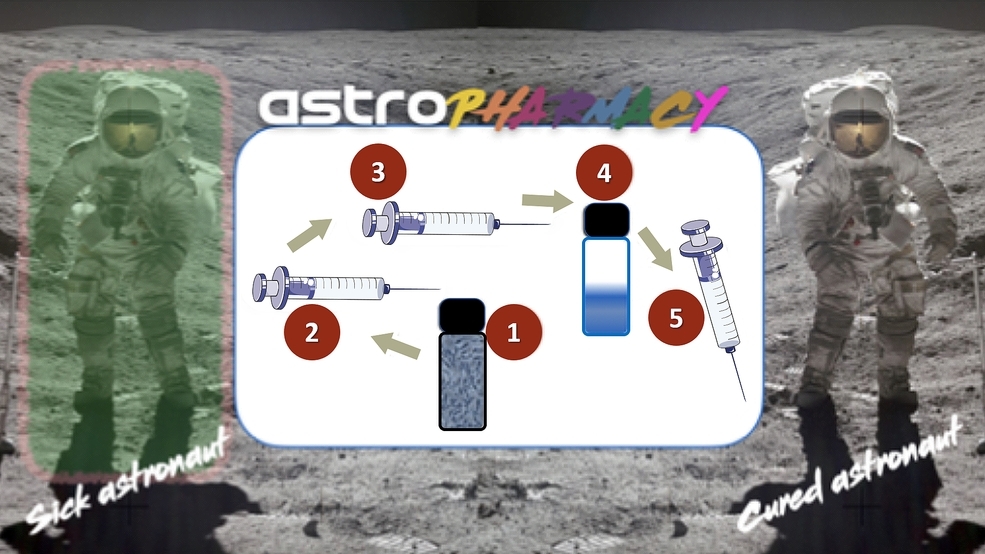
Image credit: Lynn Rothschild
A Flexible, Personalized, On-Demand Astropharmacy by Lynn Rothschild, NASA’s Ames Research Center in California’s Silicon Valley.
For more information on NIAC, go to:
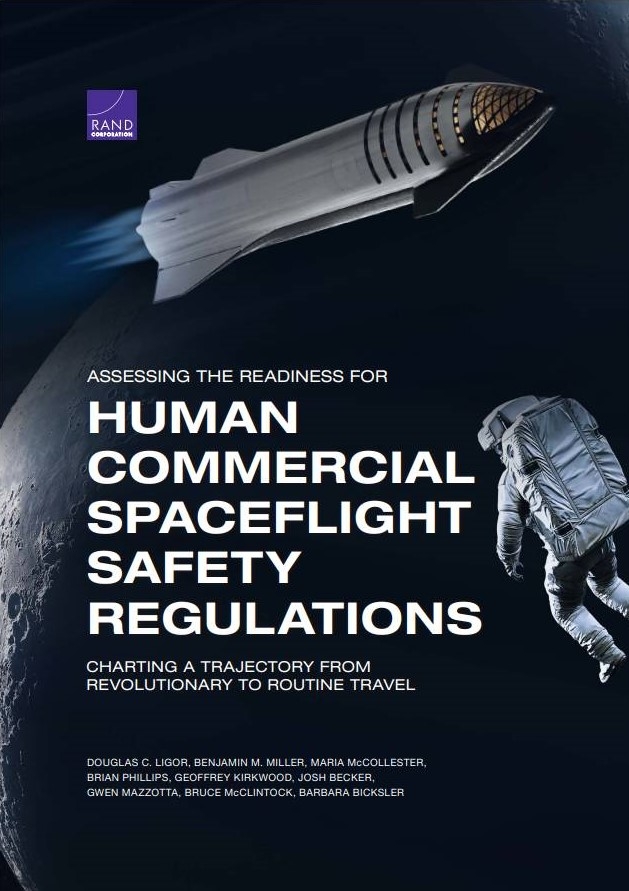
While space travel by private citizens is still evolving and making headlines, it seems likely commercial space travel by off-the-street astronauts could conceivably become more routine in the years ahead.
A new RAND report focuses on how and when the spaceflight industry should be regulated at a federal level.
Voluntary standards related to commercial spaceflight that could affect participant safety have been introduced, “but significant work remains,” the report notes.
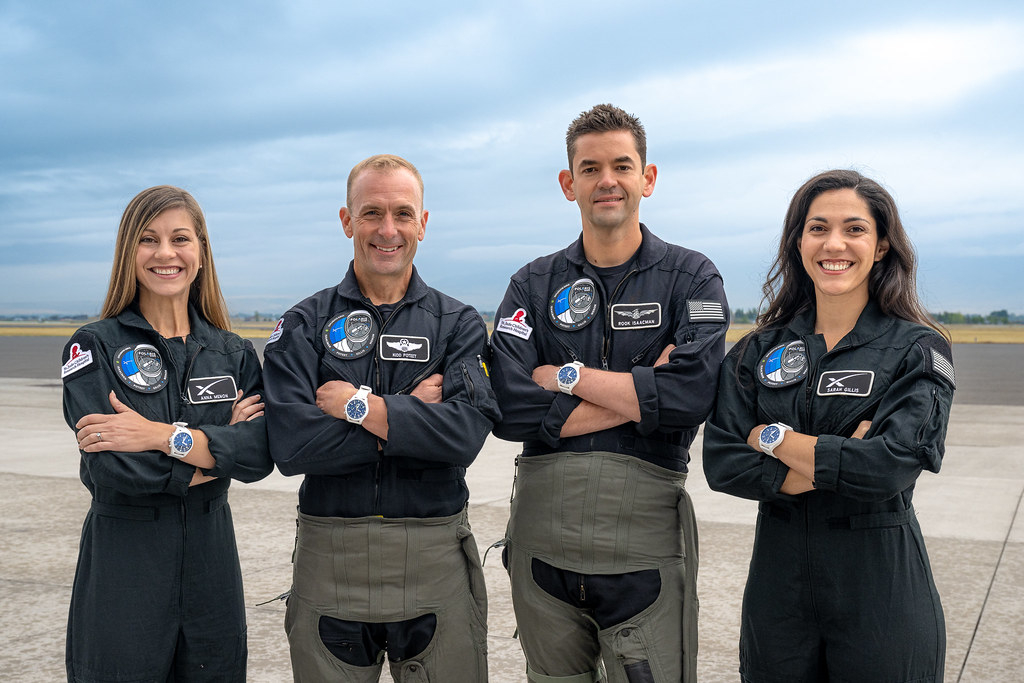
Polaris Dawn crew members (left to right): Anna Menon, mission specialist and medical officer, Scott Poteet, mission pilot, Jared Isaacman, mission commander, and Sarah Gillis, mission specialist.
Image credit: Polaris Program/John Kraus
Five key factors
For one, the readiness of the commercial space industry for regulation, or for further development of voluntary consensus standards, does not only depend on the progress of adopting standards and meeting metrics.
The report explains that regulatory readiness depends also on five key factors:
— access to, and understanding of, the regulatory process;
— security of regulatory support;
— the effectiveness of the regulatory support for the technology;
— environmental effects, costs, and security issues related to the regulation;
— and the ability to pass the regulation.
To read this new RAND report — Assessing the Readiness for Human Commercial Spaceflight Safety Regulations – Charting a Trajectory from Revolutionary to Routine Travel” – go to:

Wait a minute!
Image credit: Barbara David
How to cut to the chase regarding reported Unidentified Aerial Phenomena (UAP) – now linked, for better or worse, to Unidentified Flying Objects (UFOs)?
That’s at the underbelly of a recent paper authored by Harvard University’s Avi Loeb, conducted in partnership with Loeb’s Galileo Project and the newly established Department of Defense, All-domain Anomaly Resolution Office.

Image credit: Galileo Project/Avi Loeb
“We derive physical constraints on interpretations of ‘highly maneuverable’ Unidentified Aerial Phenomena (UAP) based on standard physics and known forms of matter and radiation,” notes the paper, published in “Draft Under Review” status on a Harvard website.
Interpretations of data
Claims of objects exceeding the transonic to supersonic range should be evaluated against the known physics of ionization, radar reflectivity, temperature, sonic booms, and fireballs, according to Loeb.
“All of which can more effectively and accurately bound the velocity, and hence drive the range calculation. This will, in turn, when matched with the specifics of the sensor, allow for better estimates of the size, shape, and mass of the object in question,” the paper concludes.

Shown at Congressional hearing, Video 1 2021 flyby movie showing a purported UAP.
Credit: Counterterrorism, Counterintelligence, and Counterproliferation Subcommittee/Inside Outer Space screengrab
The draft research paper, dated March 7, 2023, implies a “useful limit on observations of UAP which bound the hypothetical explanations and can support limitations on interpretations of data.”
What is distinctive is that the paper is authored by astrophysicist Loeb and Sean Kirkpatrick, Director of the All-domain Anomaly Resolution Office.
Comments and criticisms
The Loeb/Kirkpatrick paper “Physical Constraints on Unidentified Aerial Phenomena” has spurred a variety of comments and criticisms.
Responding to the jabs, Loeb told Inside Outer Space:
“I am not trying to be popular, just speak the truth about reality which so far follows known physics to exquisite precision.”

Mick West, debunker, skeptic, writer.
Credit: Mick West/Inside Outer Space screengrab
Says Mick West, a noted debunker, skeptic, writer, UFO investigator, and former video game programmer: “Loeb and Kirkpatrick risk alienating the broader UFO community by excluding the possibility that a UFO might employ principles of physics that are, as yet, unknown to humans.”
“Insisting that visiting spacecraft must be understandable effectively debunks several famous UFO sightings reported to involve very high speed, and in particular, the Nimitz encounters,” West told Inside Outer Space. “It would also seem to exclude high-speed “transmedium” craft that supposedly transition from air to water travel without slowing down.”
West said that while Loeb and Kirkpatrick are likely correct, their paper has not been well received in certain saucer circles.

Artist’s concept of interstellar object1I/2017 U1 (‘Oumuamua) as it passed through the solar system after its discovery in October 2017. The aspect ratio of up to 10:1 is unlike that of any object seen in our own solar system. Image Credit: European Southern Observatory / M. Kornmesser
Interstellar interlopers
Robert Powell, executive board member of the Scientific Coalition for UAP Studies (SCU), has read the yet-to-be-peer-reviewed draft of the paper, noting that the authors delve into those interstellar interlopers: meteor IM2 and that cosmic oddball named ‘Oumuamua.
The paper states a possible hypothesis: “Nevertheless, the coincidences between some orbital parameters of ‘Oumuamua and IM2 inspires us to consider the possibility that an artificial interstellar object could potentially be a parent craft that releases many small probes during its close passage to Earth, an operational construct not too dissimilar from NASA missions.”
Powell said that in his personal view, and not necessarily that of SCU’s, there’s nothing wrong with a hypothesis as it is simply a possible explanation for something that is observed.

Credit: Scientific Coalition for UAP Studies (SCU)
“Nonetheless, this is a hypothesis that surely stretches the imagination. A scientist may consider such a hypothesis and quickly drop it when the information that becomes available changes. But the media and the public have difficulty with that concept and what begins as a hypothesis is soon expressed as a fact or a likely fact.”
Important turning point
Powell said such a statement in the draft of an academic paper can result in media articles such as this recently published eye-catcher in Tell Me Best:
“Government Officials Say An Alien Mothership Is Close To Earth”
“The study of UAP is at an important turning point,” Powell adds. “The stigma related to the subject has been reduced. More and more scientists are becoming involved in investigating the subject. But in investigating UAP, unnecessary and provocative hypotheses should be avoided whenever possible,” he told Inside Outer Space.
To view the draft paper – “Physical Constraints on Unidentified Aerial Phenomena” – go to:

