Archive for June, 2026
 Author:
  June 30th, 2026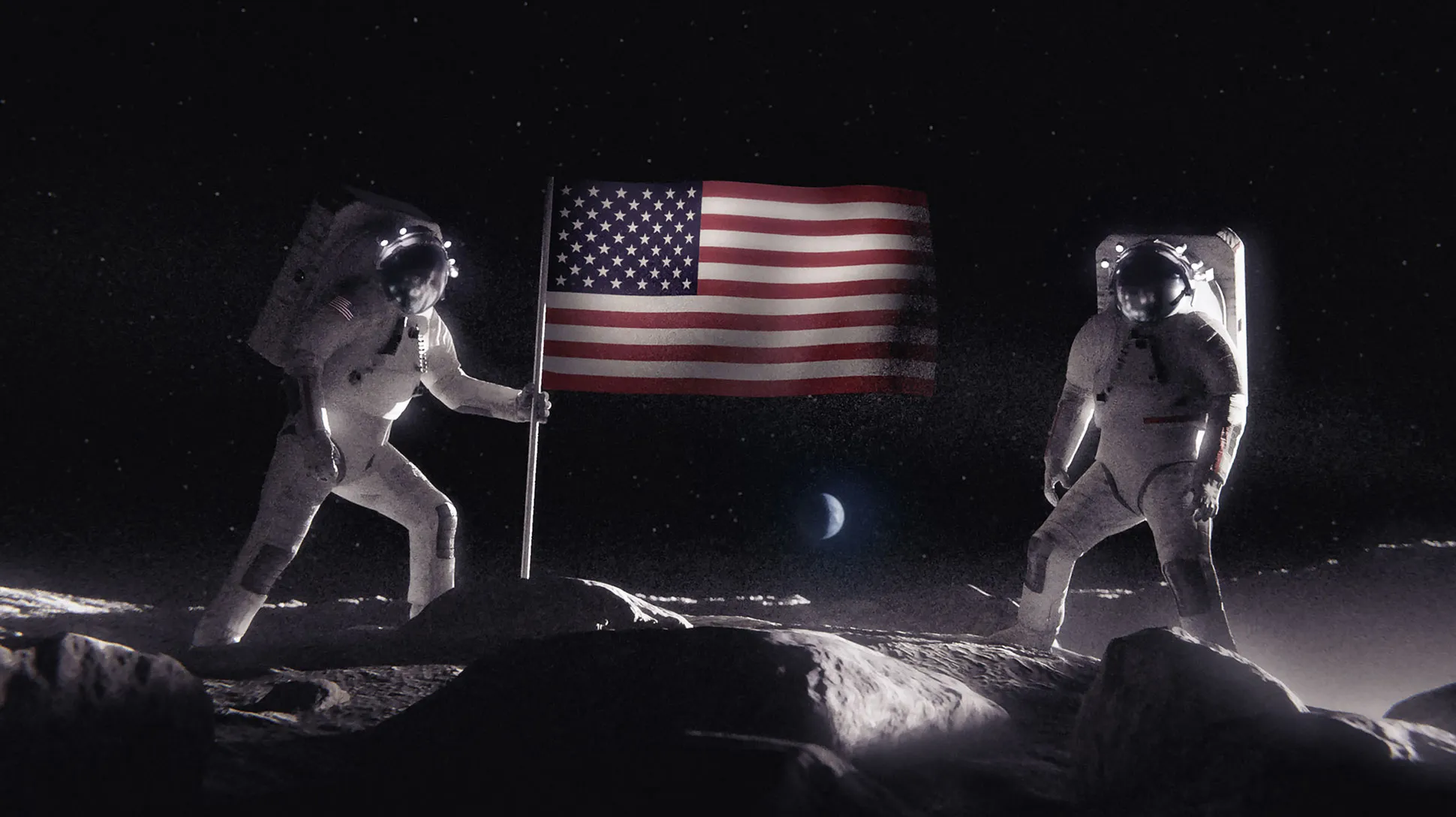
Artwork depicts two Artemis astronauts planting an American flag at the lunar south pole.
Image credit: NASA/Daniel O’Neal
NASA announced Tuesday the selection of three companies, totaling nearly $600 million, to land four new missions on the Moon in late 2028 as part of the agency’s Moon Base Program.
Astrobotic, Firefly Aerospace, and Intuitive Machines will deliver NASA science payloads to the lunar surface as the agency builds the first U.S. outpost on the Moon.
Firefly follow-up
For example, Firefly will design, build, test, and deliver the mission in approximately two years, half the time of its Blue Ghost Mission.
Firefly will utilize its proven Blue Ghost lander design and operations to return to the Moon’s and carry three NASA science instruments.

Image credit: Firefly Aerospace
Critical infrastructure
Meanwhile, NASA’s draft solicitation for NextSTEP-3 Appendix A, titled Lunar Enabling Infrastructure Accelerator (LEIA), has been released.
Appendix A is aimed at accelerating the development of critical lunar and cislunar infrastructure capabilities while reducing operational risk through technology maturation and demonstration activities.
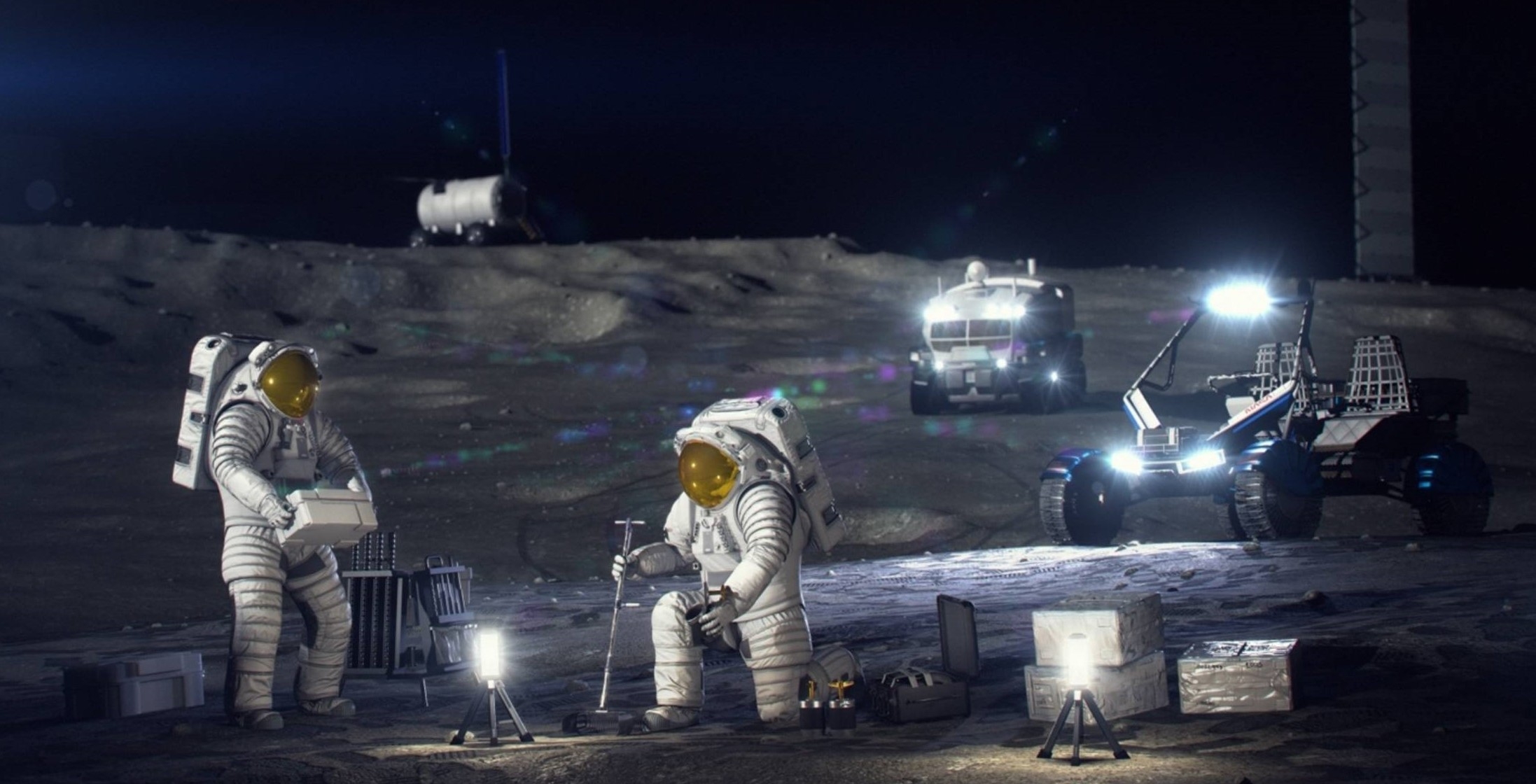
Image credit: NASA
Technology areas
The solicitation focuses on five technology areas:
- Vertical Solar Array
- In Situ Resource Utilization (ISRU) Oxygen-from-Regolith Production System
- Stirling Radioisotope Generator System
- In-Space Advanced Manufacturing
- Innovative Nanomaterials Production
The LEIA opportunity is open to U.S. organizations including industry, educational institutions, and non-profit organizations.
For more information, go to:
https://www.nasa.gov/moonbase/
 Posted in
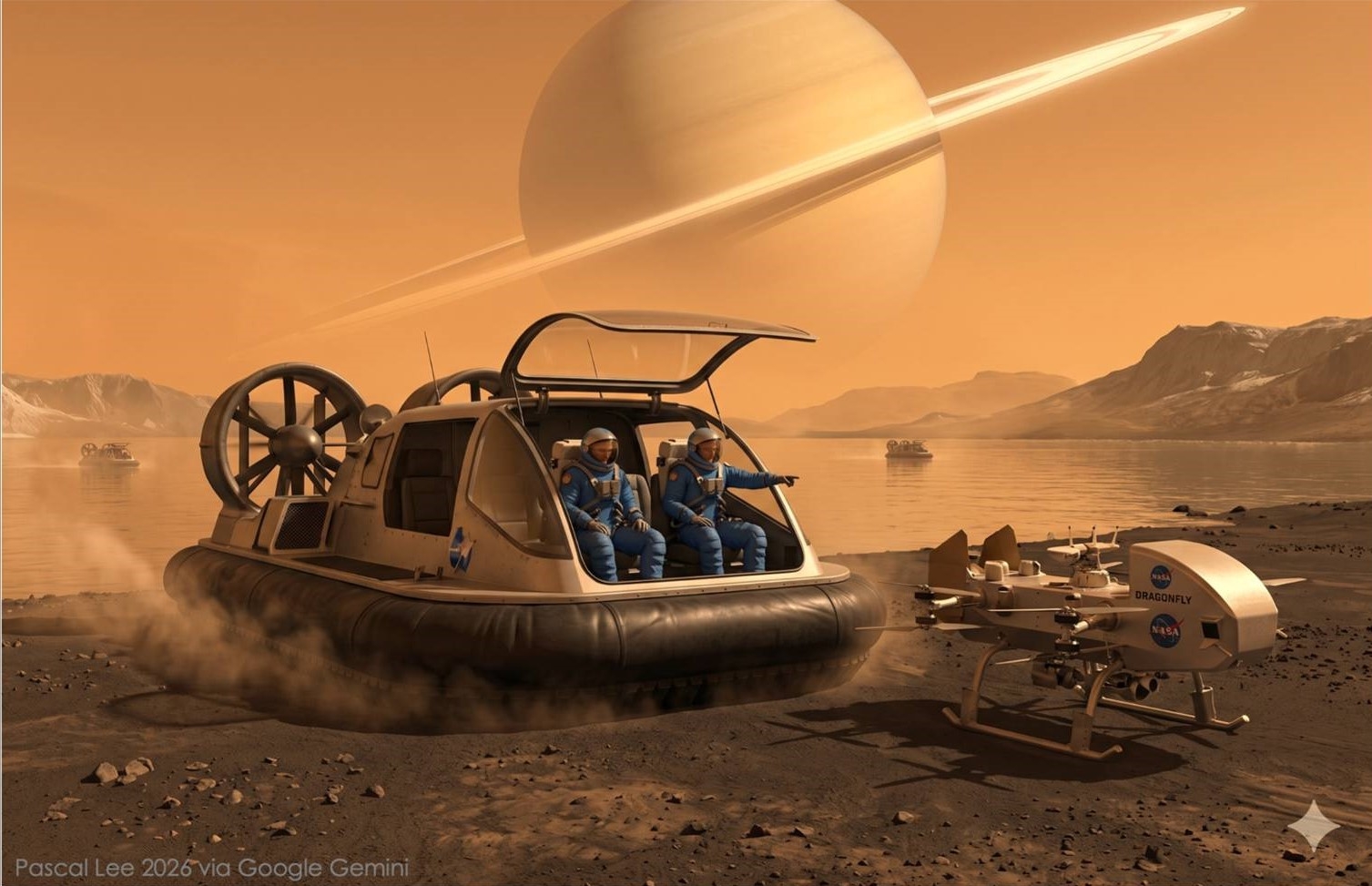
Going mobile on Titan via a hovercraft and pulling up near NASA’s robotic Dragonfly rotorcraft.
(Image credit: Pascal Lee/Google Gemini)
BOULDER, Colorado – After Earth’s Moon and more distant Mars, where could humans plant their footprints?
A Humans to Titan Summit 2026 was held here June 11-12 to explore the concept of Titan as the next human exploration destination, post-Mars.
How demanding such a trek could be and what’s required was plotted out by researchers, along with next steps to further the goal.
Go to my new Space.com story – “’Titan is actually a very reasonable destination for humans’: Scientists start mapping out crewed mission to huge Saturn moon” – at:
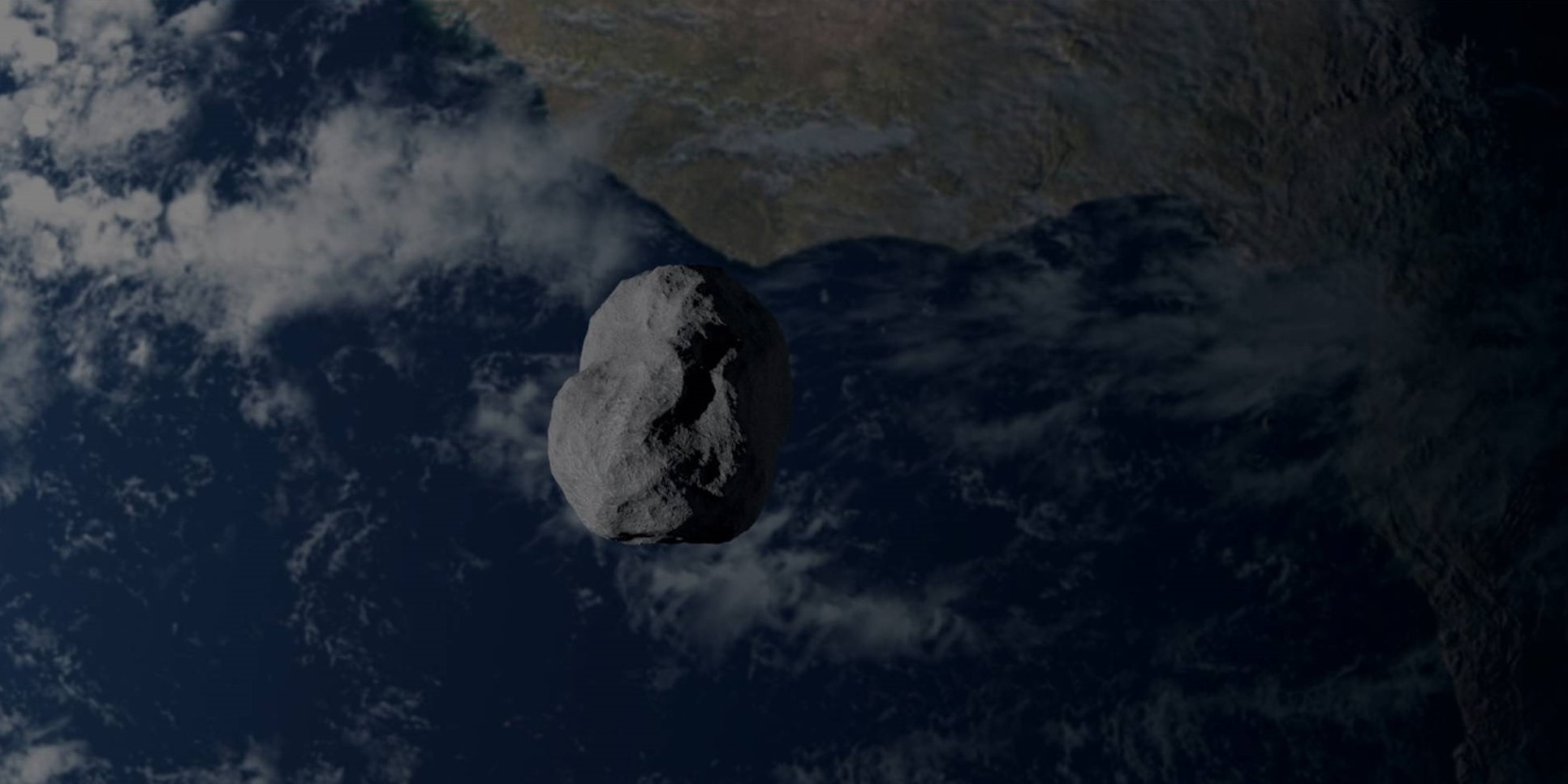
Asteroids have struck the Earth in the past…and they will again.
Image credit: ESA
Today is Asteroid Day, observed annually on June 30, and is the United Nations sanctioned day of public awareness of the risks of asteroid impacts.
The Asteroid Foundation is on a mission to educate the public about the risks and opportunities of asteroids year-round by hosting events, providing educational resources and regular communications to a global audience on multiple digital platforms.
Looking ahead to 2029, the Asteroid Foundation points to a pivotal year for the planetary defense community.
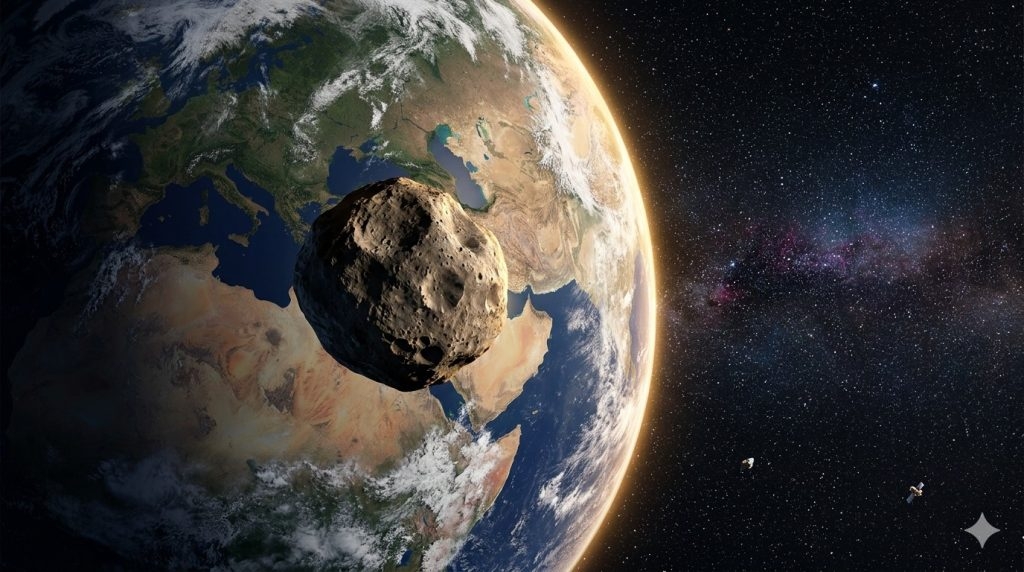
Apophis 2029 – a close encounter of the space rock kindl
Image credit: The International Year of Asteroid Awareness and Planetary Defense 2029
Apophis approach
In April of that year, the asteroid Apophis (99942), measuring approximately 1,148 feet (350 meters) in diameter, is expected to pass Earth at a distance of only 19,262 miles (31,000 kilometers) away.
In recognition of this historic encounter, the United Nations has proclaimed 2029 the International Year of Asteroid Awareness and Planetary Defense.
The Asteroid Foundation has already begun intensifying its efforts to support this global initiative.

Image credit: The International Year of Asteroid Awareness and Planetary Defence 2029
Go to resources
To review the history of Asteroid Day, go to this video at:
For more details regarding Asteroid Day, go to:
Image credit: Global Strategy Group
A revealing new nationwide survey details public interest in space exploration.
The poll, conducted by the Global Strategy Group, has found an electorate that is broadly enthusiastic about space — but one that views it through a distinctly practical lens.
Key findings
Some key findings include:
- Americans across party lines support government investment in space exploration, and they are united in believing the United States must remain competitive against China and Russia, even if that means spending more.
- But that support comes with conditions: voters want meaningful government oversight, a genuine public/private partnership, and confidence that space investment delivers real benefits back home.
- The space economy itself is still a concept most Americans are just beginning to understand. But once they do, they see its promise. They recognize the jobs, the national security benefits, and the technologies that already touch their daily lives. They are less certain about what the rules should be that govern commercial activity in space.
Clear signal
Overall, explains the Global Strategy Group, these findings offer a clear signal for policymakers, industry leaders, and communicators. That is, bipartisan public support is there, but it is contingent. The case still needs to be made.
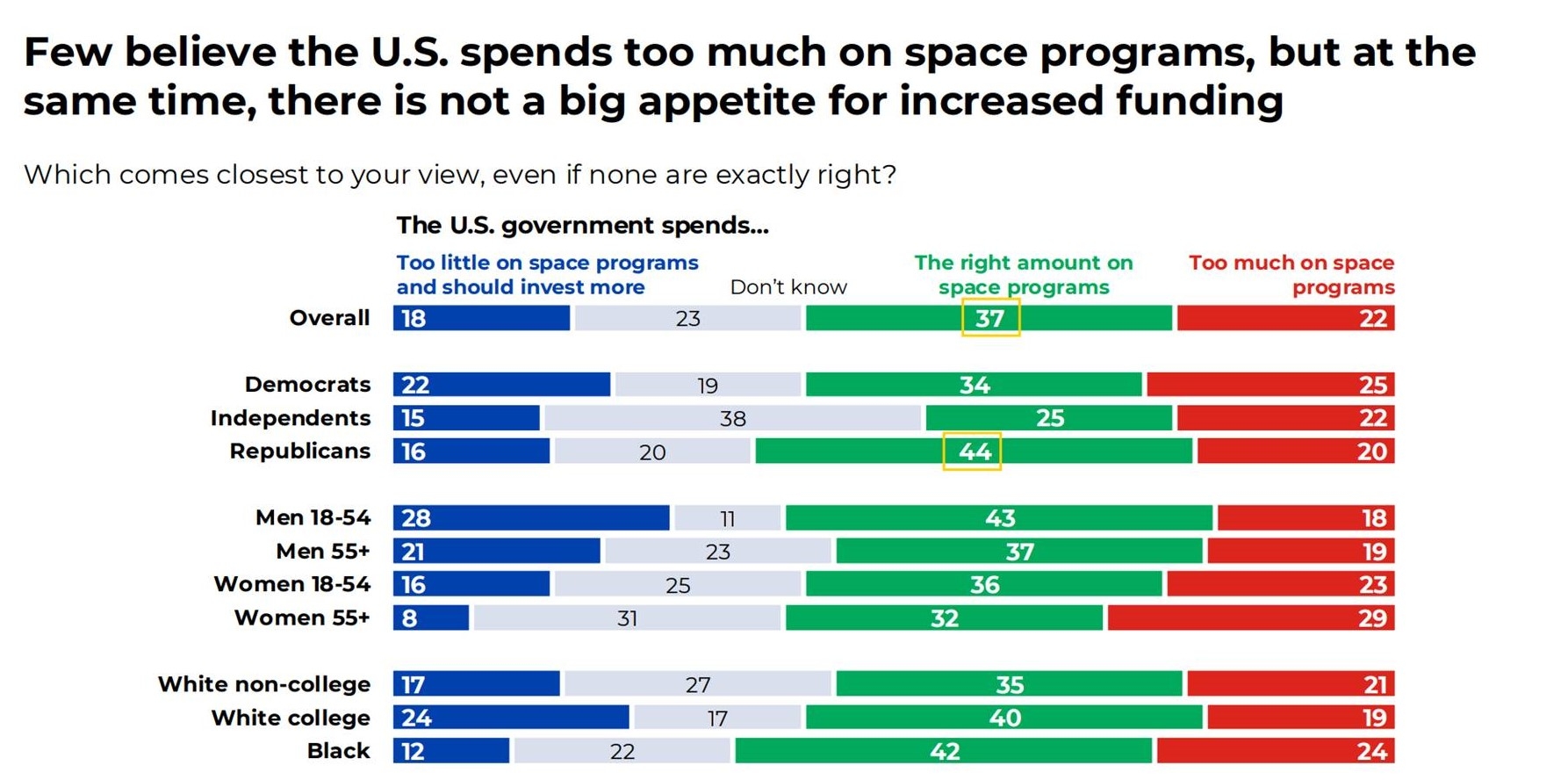
Image credit: Global Strategy Group
The survey involved 1,000 voters nationwide, carried out between May 27 and May 31, 2026.
The report’s author was Melissa Bell of the Global Strategy Group. Bell is a senior vice president and head of the Group’s Midwest office.
To access this informative survey, go to:
For more information regarding the Global Strategy Group, go to:
https://globalstrategygroup.com/
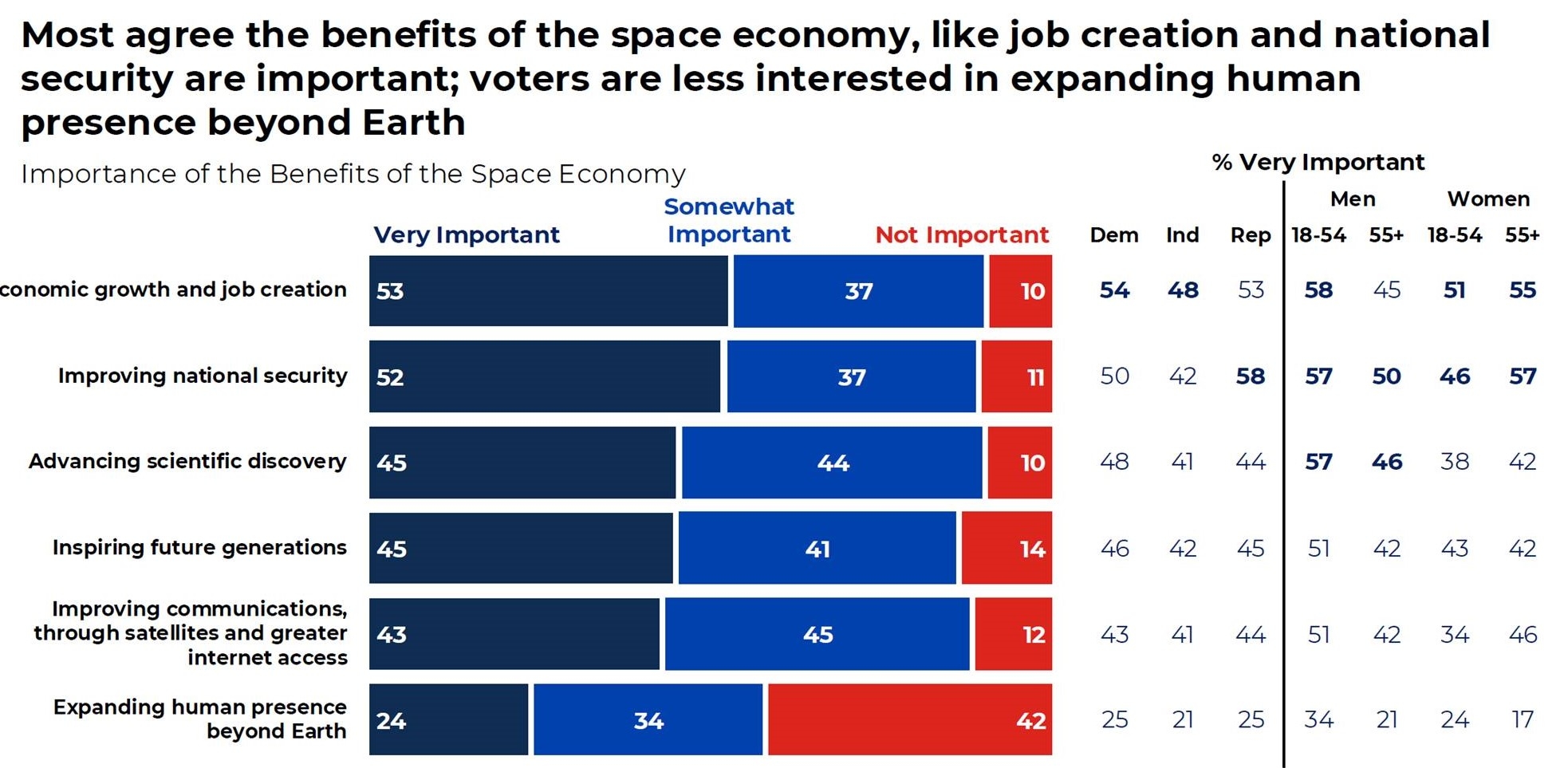
Image credit: Global Strategy Group
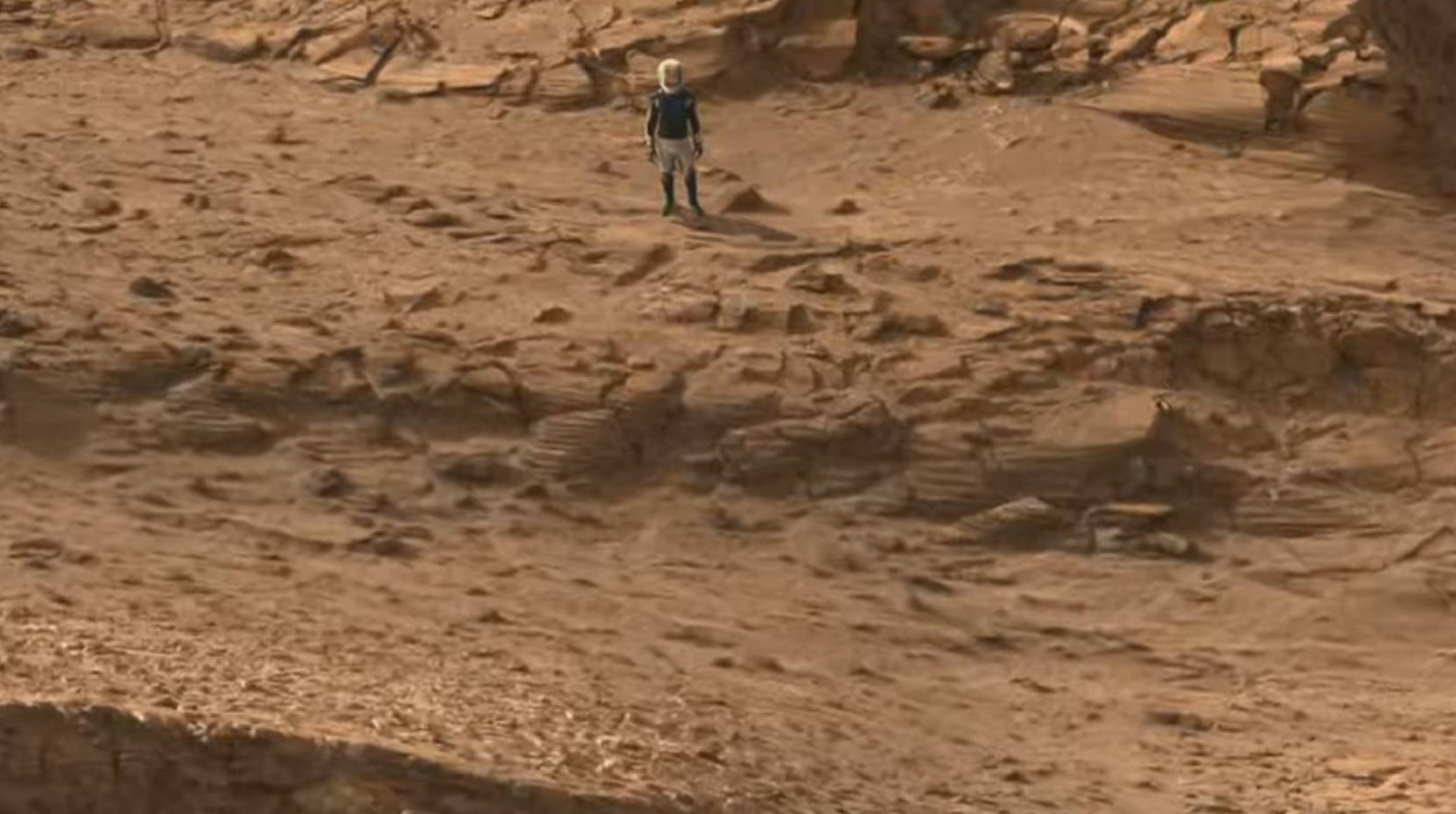
Image credit: NASA/JPL-Caltech/Mars Guy
NASA’s Curiosity Mars rover has entered a land of honeycombs, explains Mars Guy. The robot has previously encountered rocks with bizarre honeycomb textures, including ones in distant layers and others closer up in a jumbled mess.
Now it has arrived on an unusually flat expanse of honeycombs that looks notably similar to a playa on Earth.
“By comparing these geological formations to desiccation cracks found in Earth’s dry lake beds,” says Mars Guy, “the analysis investigates how such textures might provide clues about the planet’s ancient climate and potential history of water.”
Go to this new Mars Guy video episode at:
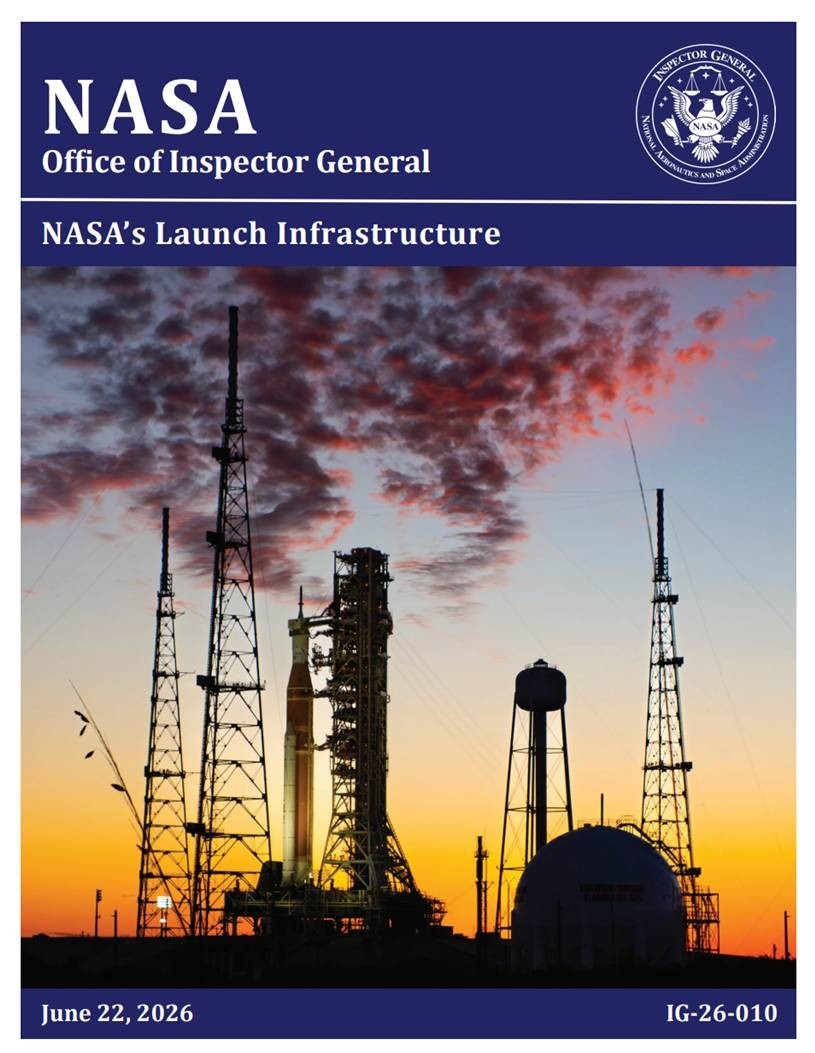
Image credit: NASA OIG
NASA Office of Inspector General (NASA OIG) reports that spaceflight is surging, but NASA’s primary launch sites are dated and approaching operating capacity.
This new OIG report assessed the infrastructure at Kennedy Space Center and Wallops Flight Facility, and the Agency’s ability to meet growing mission needs.
Read the report at:
Also, go to this OIG video at:
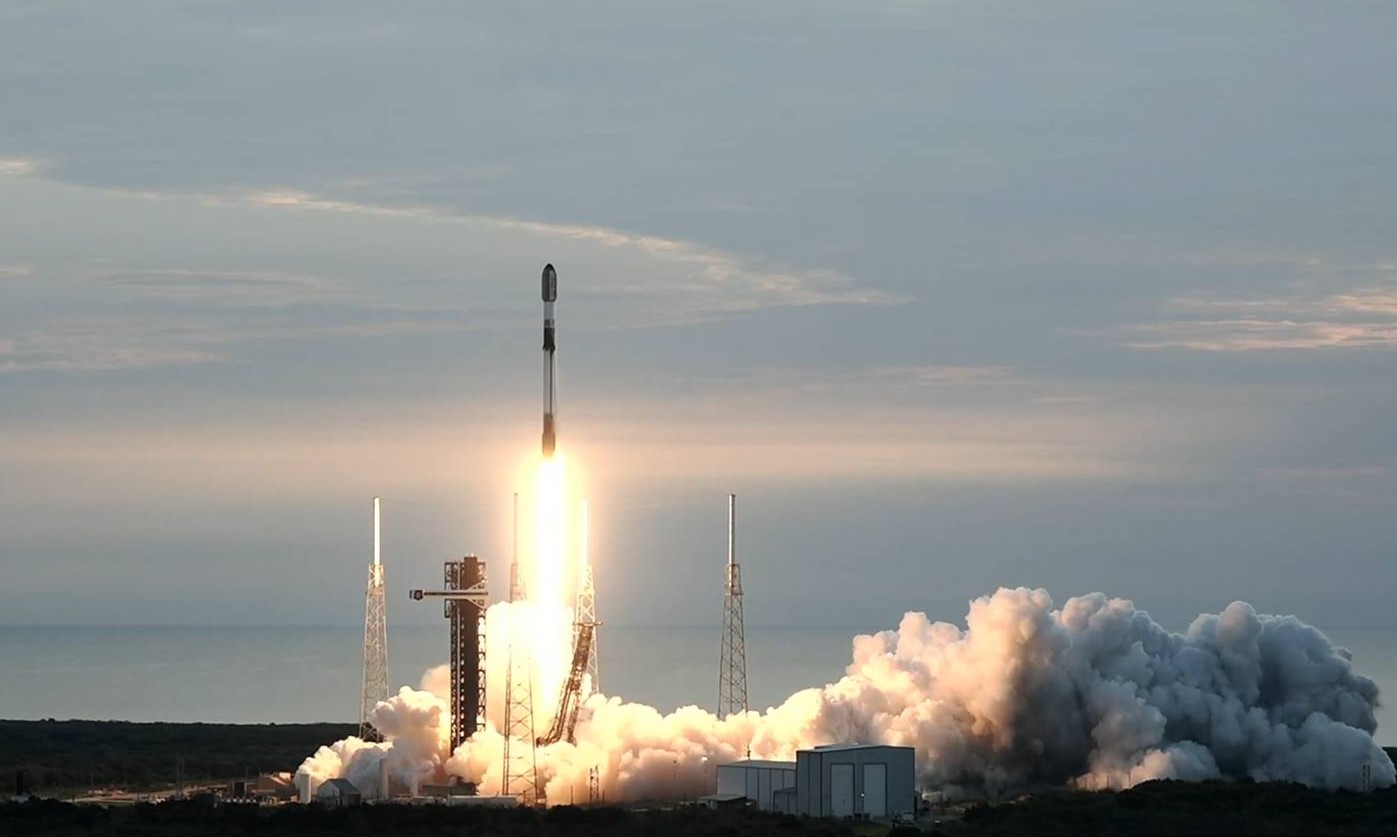
Image credit: SpaceX/Inside Outer Space screengrab
On June 23, a SpaceX Falcon 9 high-tailed into Earth orbit carrying the Starfall Demo mission.
The SpaceX Starfall reentry vehicle is built to parachute to Earth, splashing down in ocean waters for recovery.
A payload onboard Starfall comes from Starbase Brewing – the Brewery Archive Space Exposure Demonstrator.
Fermentative firm
“This was the successor to our MicroBrew-1 and OASIS missions that were performed on the International Space Station last year,” the fermentative firm states.
In MicroBrew-1, an astronaut combined wort and yeast (the same two ingredients using in brewing beer) “so we could study alcohol fermentation in microgravity. The OASIS experiment successfully grew the first-ever crops in soil in space. Humanity is still in the early days of orbital manufacturing but we aim to stay at the forefront of it!”
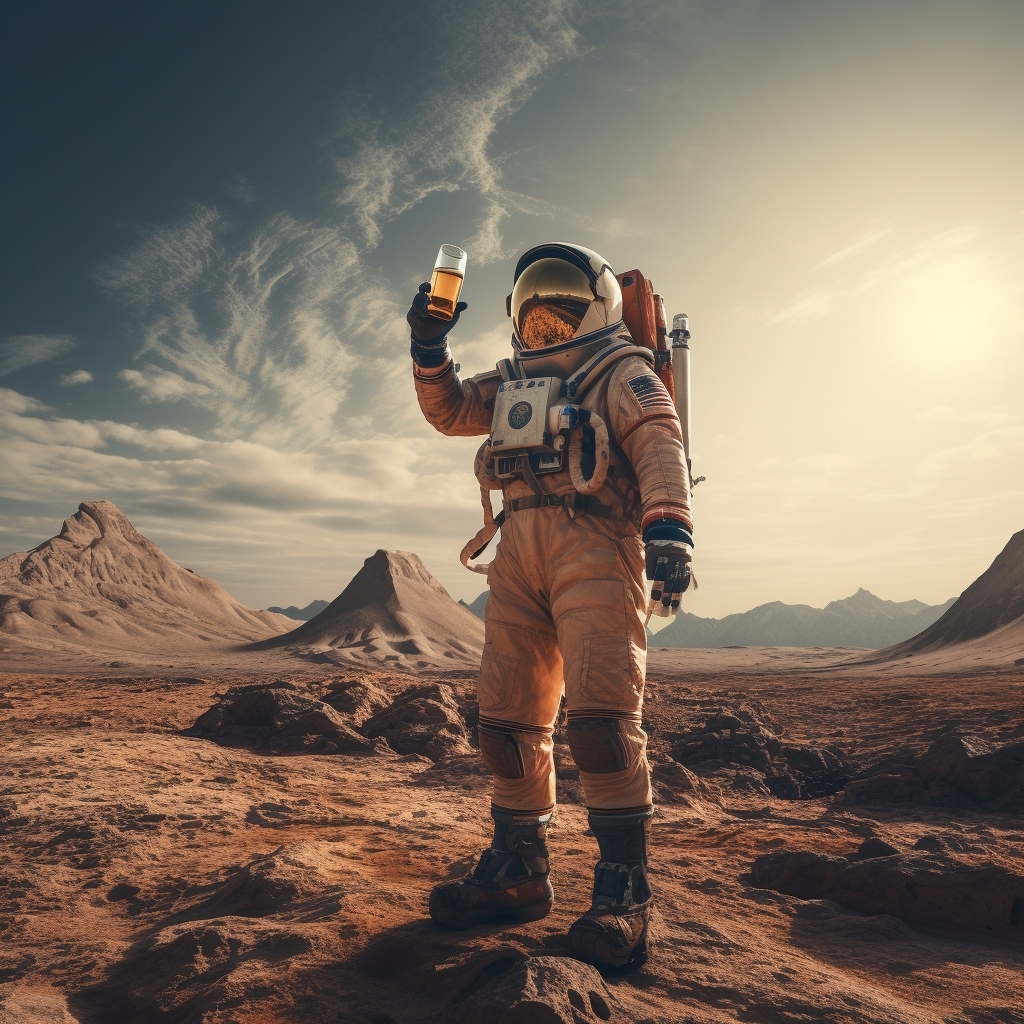
Image credit: Starbase Brewing
Brewing yeasts
The company notes that dozens of different strains of brewing yeasts, distiller’s yeasts, and wine yeasts from around the world are contained within the reentry craft.
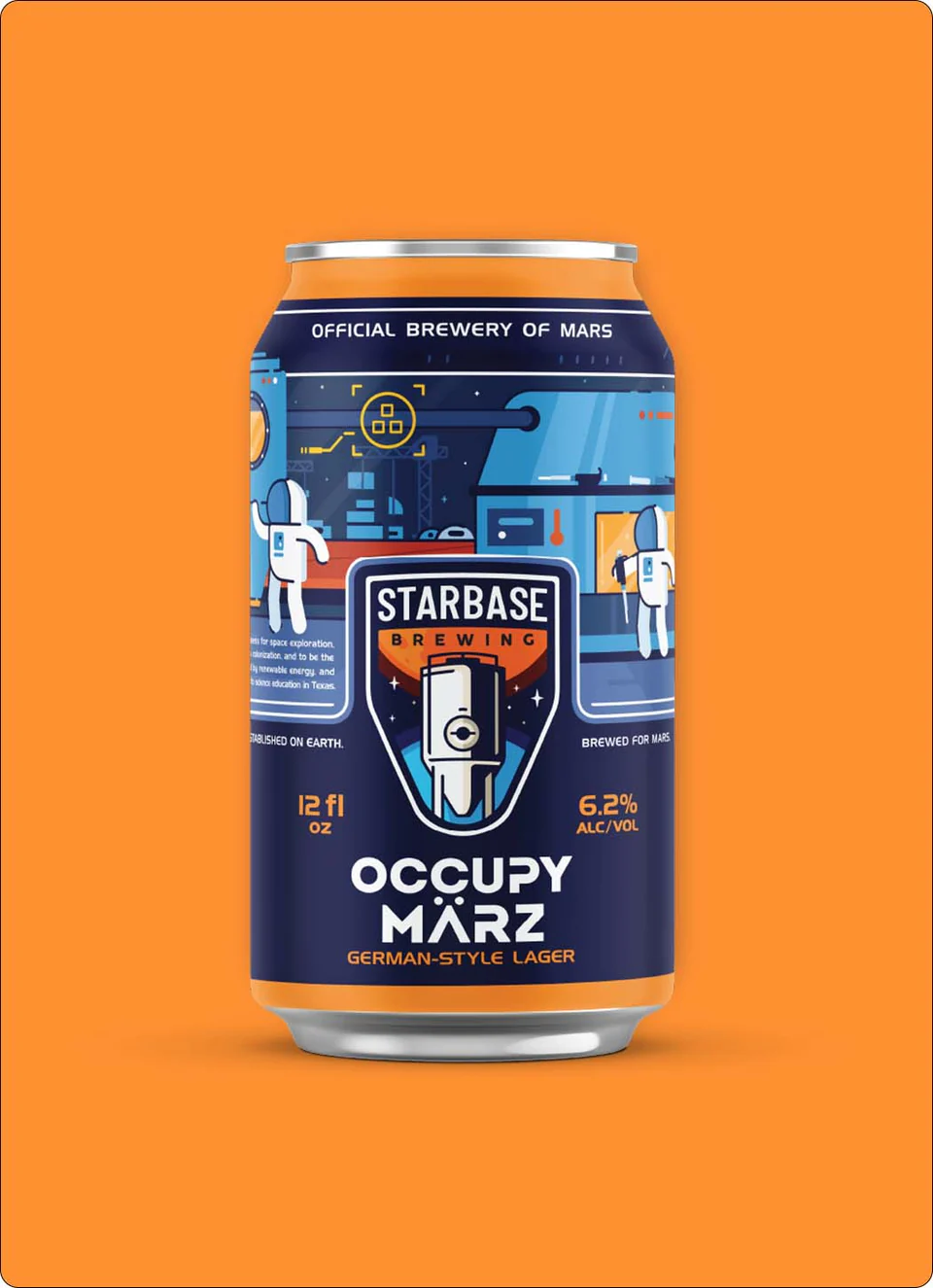
Image credit: Starbase Brewing
They also hint that they might soon be announcing “some insanely cool new products soon.”
Clearly using a lot of swagger and sway, the Texas-based craft beer distributor say they are aiming to be the first brewery on the Moon and Mars.
Also tucked within Starfall are seeds from native Texas plants, including Bluebonnets.
Once on Earth, the plan is to analyze the yeast strains and seeds to see how they adapted to the spaceflight environment.
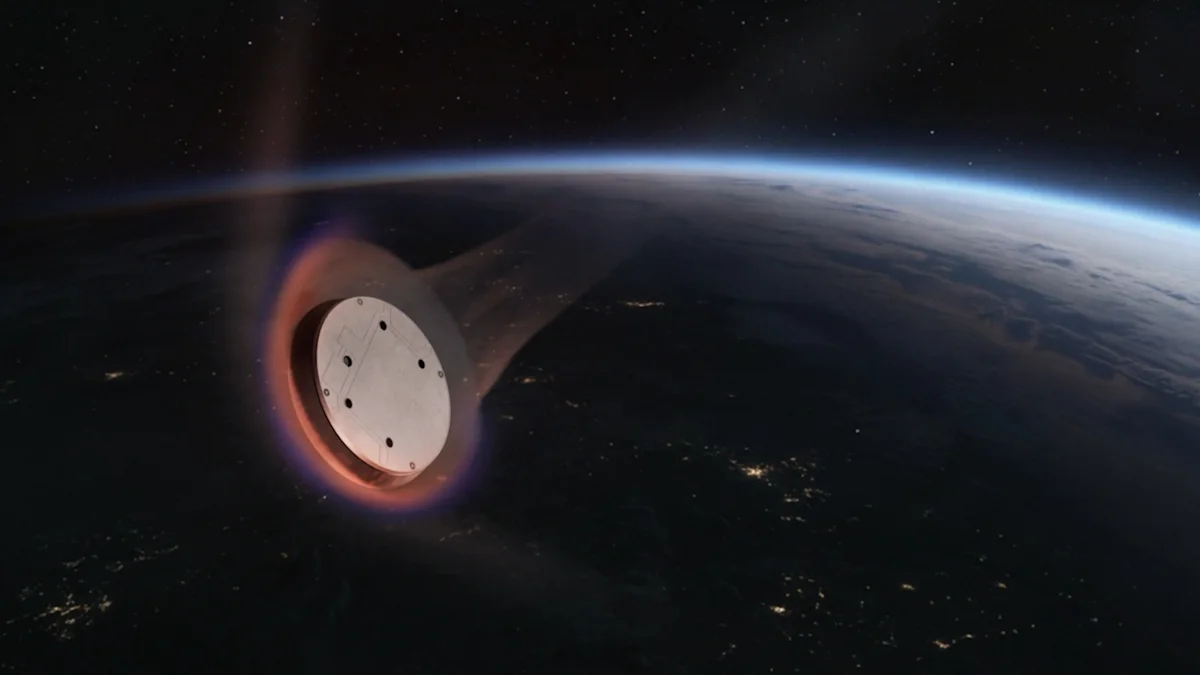
Image credit: SpaceX
FAA review
Back in May, the FAA released an “Environmental Review for SpaceX Starfall.” The review evaluated the environmental impacts of reentry, splashdown, and recovery activities.
Under the proposal, SpaceX would launch two Starfall missions to Low Earth Orbit or to a sub-orbital trajectory as a payload on the Falcon 9 or the Starship-Super Heavy launch vehicles. The capsules would splashdown in the Pacific Ocean off the U.S. west coast in international waters.
Hush-hush initiative
Under the Proposed Action addressed in the Environmental Assessment (EA), FAA noted it would modify SpaceX’s existing license to conduct up to 10 reentries per year with the Pacific Ocean as its primary landing location.
The SpaceX Starfall concept has largely been a hush-hush initiative by the company, exploring how the microgravity environment can be used for manufacturing pharmaceutical drugs, semiconductors, and other products, now identified as brewing in space.
From Starbase Brewing, “big things are brewing” they have announced. “In 2026, we will announce some truly groundbreaking beer innovations — like nothing you’ve seen (or tasted) before!”
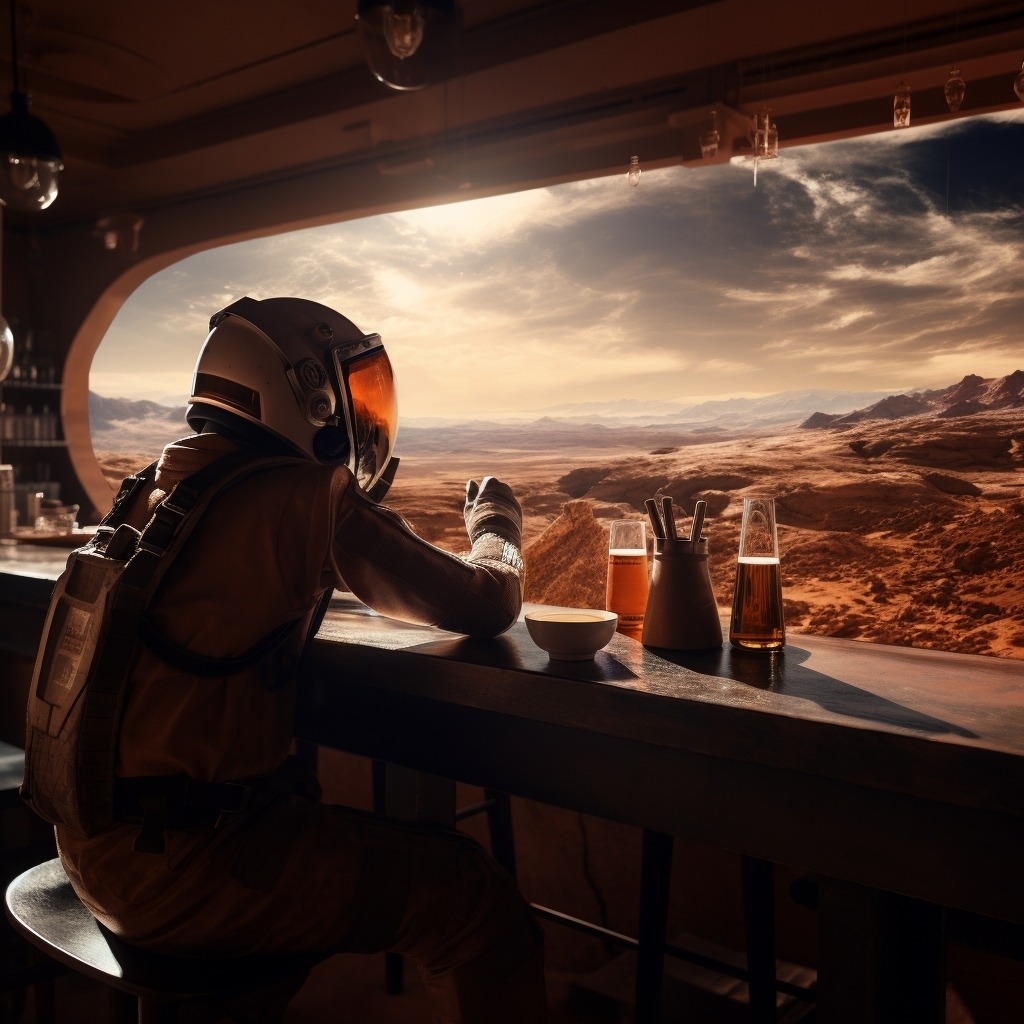
Image credit: Starbase Brewing
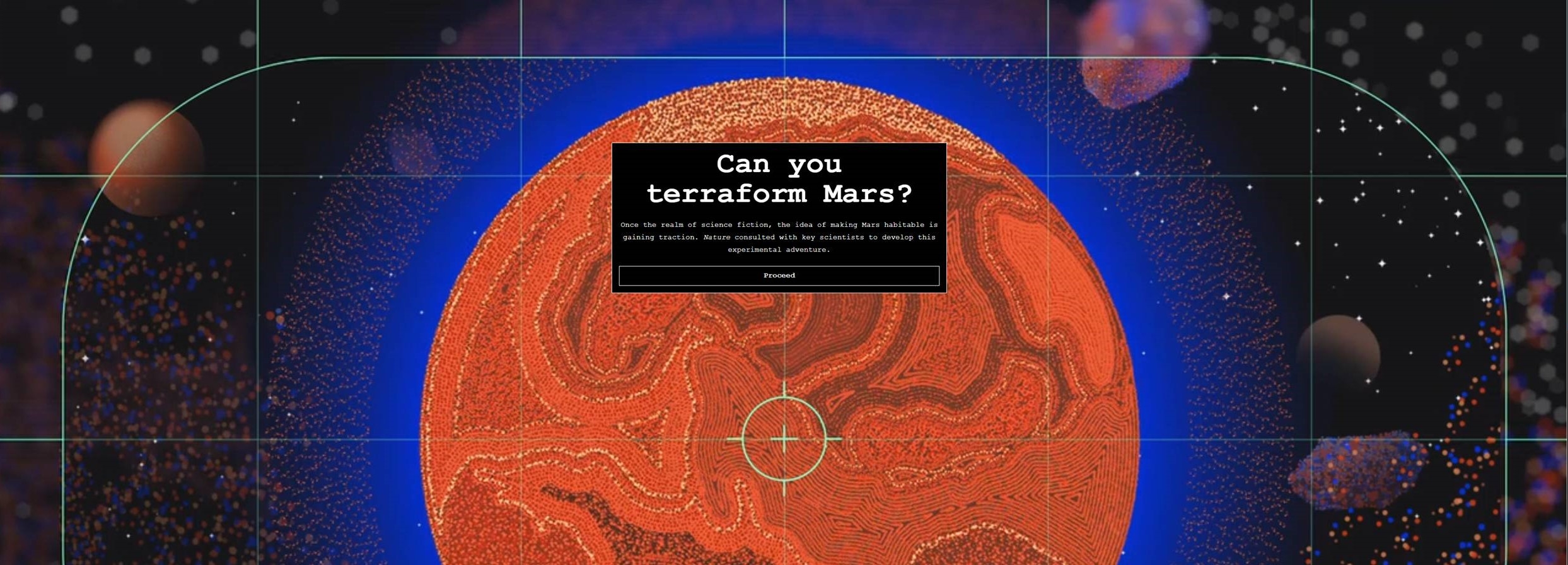
Image credit: Nature/Petra Péterffy
If you are ready to make the trek to Mars and stay put on the Red Planet, the option to “terraform” that world may be on tap. What are the step-by-step tasks needed to make an Earth-like Mars?
“The possibility of doing so is gaining traction among some scientists. Now, you too can try your hand at terraforming with Nature’s game,” explains the journal Nature.
Interactive adventure
Nature adds that they consulted with key scientists to develop this experimental, interactive adventure.
“At each stage of this experimental adventure, you can try out different strategies to give the icy planet a glow up,” they report. “But choose wisely, not all options lead to humanity’s home away from home.”
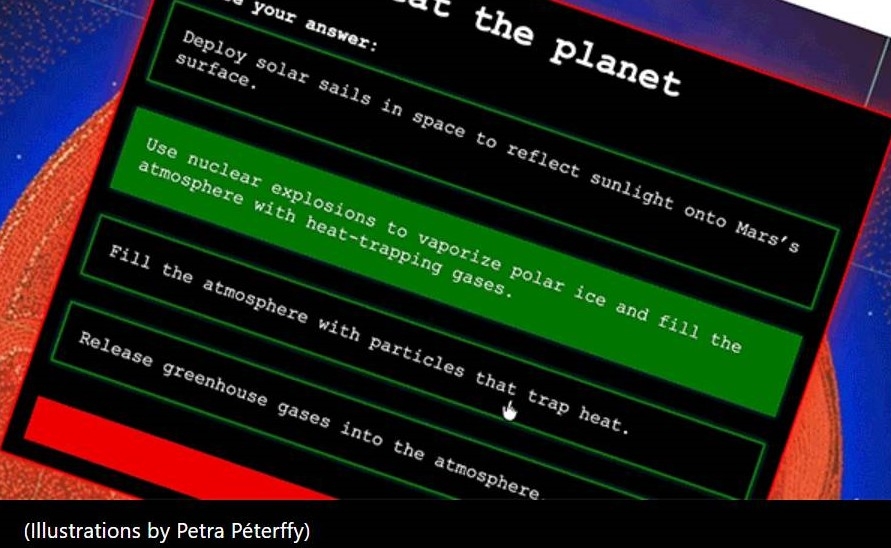
Image credit: Nature/Petra Péterffy
To try your hand at a Mars makeover, go to:
https://www.nature.com/immersive/d41586-026-01978-8/index.html
Also, go to my recent Space.com on this topic at:
Red Mars to Green – Giving the Planet a Touch of Terraforming
https://www.leonarddavid.com/red-mars-to-green-giving-the-planet-a-touch-of-terraforming/

Image credit: NASA
Earth’s moon is due for a human-made wallop this August courtesy of a spent SpaceX Falcon 9 upper stage.
This striking event is expected to occur near Einstein/Bell Craters near the lunar limb and could be visible by ground and space-based assets.
Putting aside all the unknowns, it is one expert’s view that “if you’ve got the time and the inclination, it might be worth a look.”
For more information, go to my new Space.com story – “A SpaceX rocket will slam into the moon this August. Will we be able to see it?” at:
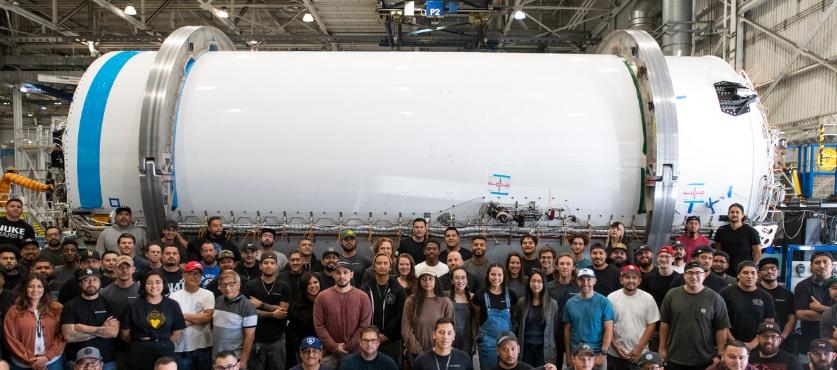
SpaceX upper stage.
Image credit: SpaceX via Project Pluto
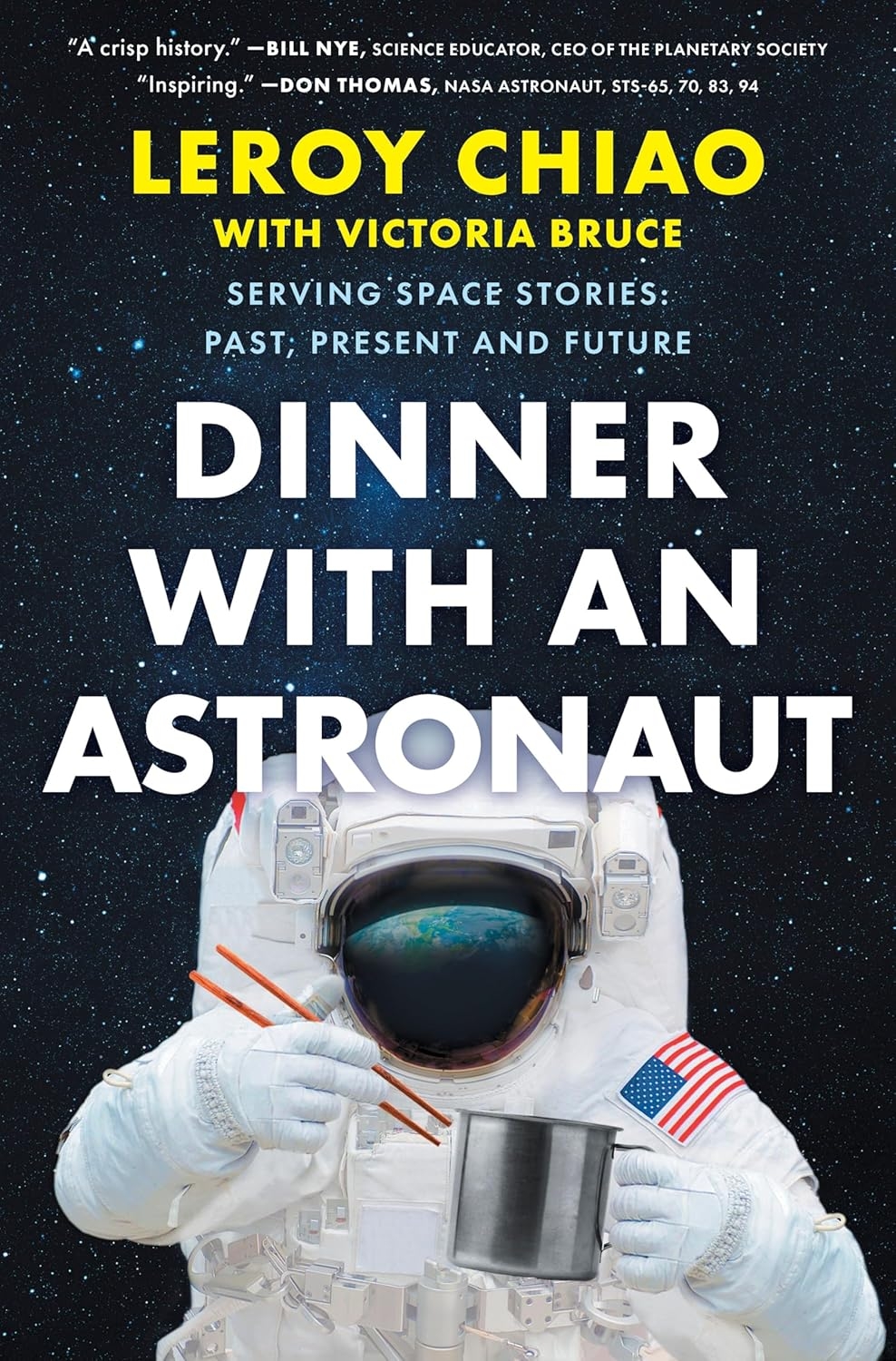
Book Review: Dinner with an Astronaut: Serving Space Stories: Past, Present and Future by Leroy Chiao with Victoria Bruce; Harper Collins/Hanover Square Press; June 2026; 256 pages (Hardcover); $32.99.
Leroy Chiao, one of the first Asian American astronauts in history, details his notable path into space. Chiao was selected by NASA as one of twenty-three members of the thirteenth U.S. astronaut group.
Divided into four parts – Hors D’Oeuvres, Appetizers, Main Course, and Dessert – the former astronaut provides food for thought via various questions, such as when did he first know he wanted to be an astronaut to his biggest disappointment from space traveling, along with his expectations concerning the future of human spaceflight.
Chiao flew space missions involving the U.S. Space Shuttle, Russia’s Soyuz, the International Space Station (ISS), and on spacewalks in both US and Russian spacesuits, and served as the commander of the ISS.
Sharing the wonders of space with those of us on Earth, Leroy details his astronaut training and otherworldly spaceflights.
Chiao and Bruce have written an inspiring, entertaining and witty account of what space exploration means and the perseverance it takes to depart the planet – and for Chiao that happened multiple times.
A great read from one of America’s most talented space explorers.
For more details on the book, along with a sample read and audio sample, go to:
https://www.harpercollins.com/products/dinner-with-an-astronaut-leroy-chiao?variant=44270251147298

